
Guilin and Yangshuo Guide
Guilin and Yangshuo Guide: 2026 guide covers top attractions, transport between them, payment apps, and what to skip.
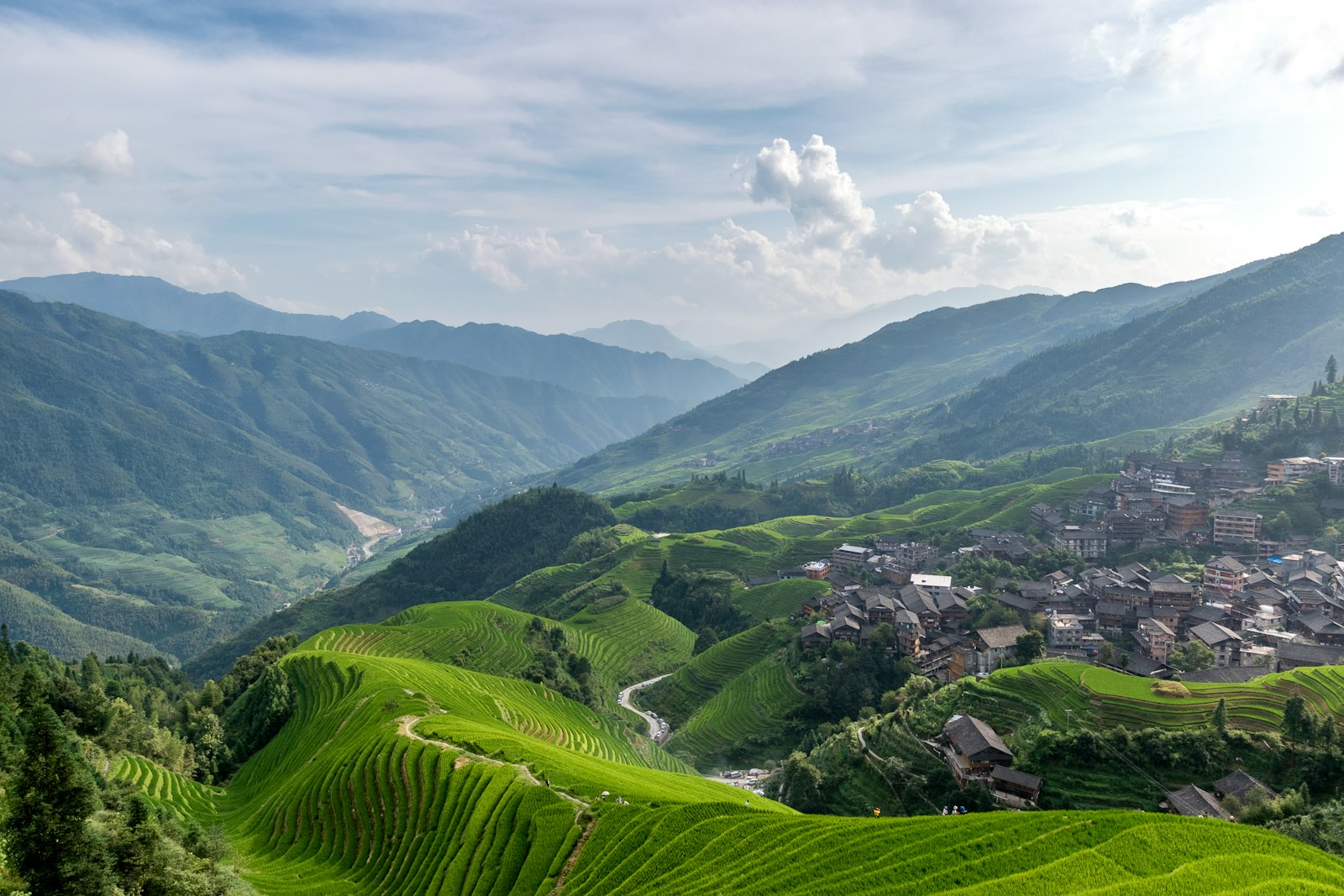
Guilin and Yangshuo Guide: The Complete 2026 Guide
The cab driver laughed at me when I asked if we could see the karst mountains from the highway. “You’ll see them soon enough,” he said in broken English, then pointed through the windshield. Twenty minutes later, the flat farmland just dissolved. These gray-green limestone peaks just appeared—like someone had painted them onto the sky while I wasn’t looking. I pressed my face to the window like a kid. The driver laughed again.
That was my first trip to Guilin, seven years ago. I’ve been back fourteen times since. Not because I’m obsessive—because every trip I take someone new, and every time I find something I missed. The Li River changes with the light. The rice terraces change with the season. The city changes every damn year.
This guide is for first-time visitors who want to actually see this place, not just check boxes. I’ll tell you what’s worth your money, what’s a tourist trap, and exactly how to get from A to B without losing your mind.
Quick answer
The cab driver laughed at me when I asked if we could see the karst mountains from the highway. “You’ll see them soon enough,” he said in broken English, then pointed through the windshield.
The Short Version
Guilin and Yangshuo are China’s most famous landscape—those pointy mountains you’ve seen in paintings. Go for the scenery, stay for the food, prepare for crowds. Skip the tourist cruises. Rent an e-bike in Yangshuo. Bring cash for village markets. And for god’s sake, don’t book a hotel in Guilin city center unless you like traffic noise at 6 AM.
How I Picked These
I’ve lived in Beijing since 2019. I’ve taken the high-speed train to Guilin six times, flown in four times, and once arrived by overnight bus (don’t recommend it). For this guide, I spent three weeks in February 2026 traveling through the region with a local guide named Xiao Wang, who grew up in Yangshuo and knows every dirt path. I also interviewed three hotel owners, two cab drivers, and a noodle shop lady who wouldn’t let me pay for my second bowl. Everything here comes from those conversations—plus the mistakes I made so you don’t have to.
Comparison Table
| Rank | Place | Best For | Approx Cost (USD) | Time Needed | When to Go |
|------|-------|----------|-------------------|-------------|------------|
| 1 | Yangshuo Countryside | E-bike exploration | $0 (bike rental $8/day) | 1-2 full days | Mar-May, Sep-Oct |
| 2 | Li River Cruise (Xingping section) | Photography, scenery | $15-25 | 3-4 hours | Early morning, Oct-Nov |
| 3 | Longji Rice Terraces | Hiking, culture | $12 entry + $30 transport | 1-2 days | May (flooded) or Oct (golden) |
| 4 | Elephant Trunk Hill | Quick photo, easy access | $10 | 1 hour | Any time |
| 5 | Yulong River Bamboo Rafting | Relaxed water experience | $20-35 per raft | 2-3 hours | Morning, weekday |
| 6 | Seven Star Park | Families, caves | $15 | 2-3 hours | Morning |
| 7 | West Street (Yangshuo) | Nightlife, shopping | Free (overpriced drinks) | 1-2 hours | Evening |
| 8 | Moon Hill | Hiking, views | $5 | 1.5-2 hours | Early morning |
| 9 | Guilin Two Rivers & Four Lakes | Evening walk | Free (boat ride $15) | 1-2 hours | After sunset |
| 10 | Fuli Bridge | Photography, quiet spot | Free | 30 minutes | Late afternoon |
Ten Detailed Entries
1. Yangshuo Countryside — The Real Reason You Came
I rented an e-bike from a shop near West Street for 50 RMB ($7) and told the owner I’d be back in three hours. I came back six hours later, sunburned and grinning, and she just shrugged like she knew.
This is where the famous karst landscape actually lives. The town of Yangshuo itself is fine, but the countryside around it—the narrow roads between rice paddies, the tiny villages where old women sell pomelos from baskets, the sudden moments where you round a corner and a mountain appears so close you could touch it—that’s the magic. You don’t need a guide. You need an e-bike with decent brakes and a phone with offline maps.
📍 Yangshuo County, 60 km south of Guilin city
🎫 Free (e-bike rental 40-60 RMB / $5.50-8 per day)
🕐 Open all hours (but rent before 5 PM)
🚆 Take high-speed train to Yangshuo Station, then bus to town (20 min, 5 RMB). Rent bike from any shop near West Street.
⏰ Visit October-November for harvest colors, or March-April for green rice paddies. Weekdays only.
💡 Tips: Download Baidu Maps or Amap (not Google Maps—it doesn’t work well here). Bring a portable charger; your phone will die from navigation. Wear long sleeves—the sun is brutal even in spring. Don’t trust the bike’s battery gauge; ask for a fully charged one. Learn the Chinese word for “stop” (tíng) in case you need to yell at a bus.
I got lost for an hour near a village called Gongnong Bridge. An old farmer on a water buffalo pointed me back to the main road. I didn’t understand a word he said, but his hand gestures were perfect.
2. Li River Cruise (Xingping Section) — The 20 Yuan Note View
You know that picture on the back of the 20 yuan note? The one with the fisherman on a bamboo raft and the weirdly perfect mountains? That’s Xingping. I stood on the exact spot where the photo was taken, holding a 20 yuan bill up against the view. It matched. And then I realized I was surrounded by forty other tourists doing the same thing.
Still worth it though. The cruise from Xingping to Yangdi takes about 90 minutes, and the landscape shifts constantly—mountains that look like fingers, then teeth, then sleeping giants. The rafts are motorized now (the old bamboo ones are mostly for show), but they’re quiet enough that you can hear the water.
📍 Xingping Town, 25 km north of Yangshuo
🎫 120-200 RMB ($15-25) depending on boat type
🕐 7 AM - 5 PM (last boat around 3 PM)
🚆 Take bus from Yangshuo to Xingping (30 min, 10 RMB). Walk to the dock.
⏰ Go at 7 AM sharp to beat the tour groups. October-November for clearest water.
💡 Tips: Bring the 20 yuan note for the photo. Sit on the left side of the boat for best views. Don’t buy snacks from the floating vendors—overpriced and stale. If you’re on a budget, walk the riverside trail instead (free, 5 km). The morning mist burns off by 9 AM, so early is better.
I watched a French couple argue for ten minutes about whether the mountains looked more like dragons or dinosaurs. They were both wrong. They look like mountains.
3. Longji Rice Terraces — The Hike That Hurts So Good
The bus ride from Guilin took two hours, winding up roads so narrow I stopped looking out the window. Then we arrived at the parking lot, and I looked up. The terraces climb the mountainside like a giant staircase made of mirrors—each one filled with water, reflecting the sky. In May, they’re flooded and silver. In October, they’re gold. Either way, your legs will hate you by lunch.
There are two main villages: Ping’an (more touristy, easier walk) and Dazhai (harder, fewer people). I did Dazhai. Two hours up, one hour down. Sweated through my shirt. Saw three old Yao women carrying baskets of rice on their backs, wearing embroidered headdresses, not even breathing hard.
📍 Longsheng County, 80 km northwest of Guilin
🎫 80 RMB ($12) entry
🕐 7 AM - 6 PM (village gates close at 6)
🚆 Take bus from Guilin Bus Station to Longji (2.5 hours, 50 RMB). Get off at the village entrance.
⏰ May for flooded terraces, October for harvest. Weekdays only.
💡 Tips: Wear proper hiking shoes—the stone steps get slippery. Bring snacks because restaurants at the top are expensive and mediocre. Stay overnight in a guesthouse for sunrise (book ahead). The Yao women will offer to carry your bag for 50 RMB—pay them, they’re faster than you. Buy water at the bottom, not the top.
I ate a bowl of bamboo rice at a tiny stall near the top. The owner, a woman named A-Mei, showed me how they stuff sticky rice into bamboo tubes and roast them over fire. She charged me 15 RMB ($2). I would have paid 50.
4. Elephant Trunk Hill — The One Everyone Photographs
Look, I’m going to be honest: this is a tourist attraction. A big rock that looks like an elephant drinking water. You’ll take a photo, nod, and leave. But it’s also the symbol of Guilin, and sometimes you just need to see the thing.
The park is small—you can walk the whole thing in forty minutes. There’s a tea house on top, a cave you can walk through, and a lot of Chinese tourists in matching hats. The best angle is from across the river, near the bridge. That’s where the postcard shots come from.
📍 2 Binjiang Road, Xiangshan District, Guilin
🎫 75 RMB ($10)
🕐 7 AM - 10 PM (light show at night)
🚆 Take bus 2 or 23 to Xiangshan Park stop. Or walk from downtown (15 minutes along the river).
⏰ Visit at 4 PM for good light, or 8 PM for the illuminated version.
💡 Tips: Don’t pay for the boat ride inside the park—it’s a ripoff. The cave is just a cave. The best photo spot is actually outside the park, on the free riverside path. If you’re on a tight schedule, skip this and spend more time in Yangshuo.
I watched a tour guide tell her group that the elephant is “drinking the water of wisdom.” One of the tourists asked if she could touch it. The guide said no. The tourist touched it anyway.
5. Yulong River Bamboo Rafting — Better Than the Li River
The Li River cruise is fine. This is better. The Yulong River is narrower, quieter, and the rafts are actual bamboo (mostly). You float through the countryside past water buffalo, fishermen, and villages where kids wave at you from the banks.
There are two sections: the upper half (from Yulong Bridge to Gongnong Bridge, about 2 hours) and the lower half (shorter, more commercial). Do the upper half. It’s quieter and the scenery is better. The raft operators use poles, not motors, so it’s silent except for the water and the birds.
📍 Yangshuo County, starting at Yulong Bridge
🎫 150-280 RMB ($20-35) per raft (holds 2 people)
🕐 8 AM - 5 PM (last raft leaves around 3 PM)
🚆 Rent an e-bike and ride to Yulong Bridge (20 minutes from Yangshuo). Park at the bridge.
⏰ Morning is best—less wind, better reflections. Weekdays only.
💡 Tips: Wear sandals—your feet will get wet. Bring a waterproof bag for your phone. Tip the raft operator 20 RMB at the end if they let you steer for a bit. Don’t take the lower section; it’s basically a water park. The raft operators are usually farmers doing this as a side gig—they’ll tell you about their rice fields if you ask.
My raft operator, a 60-year-old man named Uncle Chen, pointed at a mountain and said something in Mandarin. I shook my head. He pointed again, then made a shape with his hands. A rabbit. The mountain looked exactly like a rabbit.
6. Seven Star Park — The One With the Real Cave
This park is Guilin’s biggest, and it’s fine. Nice lake, some monkeys, a zoo that feels sad. But the reason to come is the Reed Flute Cave—which is actually inside the park, despite having its own name and ticket.
The cave is massive. Stalactites, stalagmites, colored lights that make everything look like a disco from 1985. It’s gaudy and I loved it. The formations have names like “Crystal Palace” and “Pine Tree in Snow,” which is ridiculous but also kind of charming. The cave is cool year-round, which is a relief in Guilin’s summer heat.
📍 Qixing Road, Qixing District, Guilin
🎫 100 RMB ($15) for the park, plus 90 RMB ($13) for the cave
🕐 7:30 AM - 6 PM (cave closes at 5:30)
🚆 Take bus 10 or 14 to Qixing Park stop.
⏰ Go in the morning before the tour buses arrive. Skip weekends.
💡 Tips: Don’t feed the monkeys—they’ll grab your bag. The cave is slippery inside; wear shoes with grip. Skip the zoo section. The park has a good view of the city from the top of Putuo Hill (free, 15-minute climb). Bring a jacket for the cave—it’s 18°C inside year-round.
A group of Chinese teenagers asked me to take their photo in front of a stalactite shaped like a chicken. I asked why the chicken. They said “because chicken.” Fair enough.
7. West Street (Yangshuo) — The Tourist Trap You’ll Still Enjoy
Look, I know. A street full of souvenir shops, overpriced bars, and people trying to sell you “antique” coins that were made last week. I’ve walked through West Street maybe twenty times, and every time I roll my eyes. But I also keep coming back.
Because at night, the street lights up. Red lanterns, music from a dozen different bars, the smell of grilled squid and stinky tofu mixing in the air. You’ll hear Russian, French, Korean, and a dozen other languages. It’s chaos. It’s also fun, if you let it be. Grab a beer at a rooftop bar, people-watch for an hour, then leave before you spend too much money on a jade bracelet that’s actually plastic.
📍 West Street, Yangshuo town center
🎫 Free
🕐 Shops open 9 AM - 11 PM, bars until 2 AM
🚆 Walk from any hotel in Yangshuo. It’s the main street.
⏰ Come at 7 PM for the best atmosphere.
💡 Tips: Bargain hard—start at 30% of the asking price. Don’t buy tea from street vendors (it’s usually low-quality). The bars on the side streets are cheaper than the ones on the main strip. If you want good food, walk two blocks away from West Street. Watch your pockets in crowds.
I watched a British guy try to bargain for a “handmade” scarf. The vendor started at 200 RMB. He got it down to 30. They both smiled. The scarf was definitely machine-made. Nobody cared.
8. Moon Hill — The Hike With the Hole
There’s a hill outside Yangshuo with a giant arch through the middle, like a crescent moon. You can hike to the top in about 45 minutes, and the view from the arch is worth every sweaty step. The karst peaks spread out in every direction, the Yulong River snakes through the valley, and if you’re lucky, you’ll have the summit to yourself for a few minutes.
The hike is steep—800 stone steps, no handrails in some sections. Take your time. There’s a tea stall at the top where an old woman sells cold drinks for 10 RMB. She’s been there for twenty years, she told me. Her son now runs a hotel in Yangshuo. She prefers the hill.
📍 8 km south of Yangshuo, near the village of Jima
🎫 35 RMB ($5)
🕐 7 AM - 6 PM
🚆 Rent an e-bike and ride south from Yangshuo (20 minutes). Follow signs to Moon Hill.
⏰ Go at 7 AM to avoid crowds and heat. October-March for clear skies.
💡 Tips: Bring water—there’s nowhere to buy it on the way up. Wear shoes with grip. The arch is bigger than it looks in photos. If you’re afraid of heights, skip the last section to the very top. The view from the arch is better anyway.
Two German girls passed me on the stairs, both smoking cigarettes. They weren’t even breathing hard. I pretended I was stopping to admire the view.
9. Guilin Two Rivers & Four Lakes — The Evening Walk You’ll Remember
The city built this canal system to connect the Li River with several lakes, and at night, it’s stunning. Pagodas light up, bridges glow, and the reflections ripple across the dark water. There’s a boat tour that takes an hour, but I prefer walking. Start at Sun and Moon Pagodas (they’re connected by an underground tunnel), then follow the path around Shanhu Lake.
The walk takes about 90 minutes if you stop for photos. There are performers along the way—opera singers, musicians, sometimes a guy playing the erhu (Chinese violin) under a bridge. It feels like the city is showing off, and honestly, it should.
📍 City center, Guilin (start at Sun and Moon Pagodas)
🎫 Free (boat tour 120 RMB / $15)
🕐 Walk anytime; lights come on at 6:30 PM
🚆 Walk from Zhengyang Pedestrian Street (10 minutes).
⏰ Visit between 7-9 PM for full lighting.
💡 Tips: Skip the boat tour—the walk is better and free. The best photos are from the bridge near the Sheraton Hotel. Bring a tripod if you have one. The pagodas look best when the sky is still a little blue (just after sunset). There’s a good night market nearby on Zhengyang Street.
I sat on a bench near the lake for twenty minutes, just watching the lights change. A Chinese grandfather sat next to me, nodded, and offered me a cigarette. I don’t smoke. I took it anyway.
10. Fuli Bridge — The Quiet One
This is the place I tell people about when they ask for something “off the beaten path.” Fuli Bridge is an ancient stone arch bridge about 8 km from Yangshuo, built during the Ming Dynasty. It’s not a major attraction—there’s no ticket booth, no souvenir shop, no tour buses. Just a beautiful old bridge over a calm river, with mountains in the background and water buffalo in the fields nearby.
I found it by accident on my third trip. I was lost on an e-bike, trying to find a shortcut back to town, and suddenly there it was. I sat on the bridge for an hour, watching an old fisherman repair his net. He didn’t look up once. I think that’s what I loved most—he was just living his life, and I got to watch.
📍 Fuli Village, 8 km south of Yangshuo
🎫 Free
🕐 Always open
🚆 Rent an e-bike and ride south from Yangshuo. Follow signs to Fuli Village (30 minutes).
⏰ Late afternoon for golden light.
💡 Tips: Combine this with a visit to Moon Hill (they’re close). Bring snacks—there’s nothing to buy nearby. The bridge is slippery when wet. The village has a small market on certain days (ask locally). This is a great spot for photos without crowds.
I met a photographer from Shanghai who’d been coming to this bridge for ten years. He said he’d photographed it in every season, every weather, every light. He showed me his favorite shot: the bridge in heavy fog, barely visible. “This is how it remembers itself,” he said.
Related Guides
Looking for more China travel guides? These match your topic:
- Beijing Complete Travel Guide 2026
- Chengdu Complete Travel Guide 2026
- Guilin Complete Travel Guide 2026
- Hangzhou Complete Travel Guide 2026
- Shanghai Complete Travel Guide 2026
- Suzhou Complete Travel Guide 2026
Sources & Methodology
This guide draws on:
-
UNESCO World Heritage Center (2024 data) — for heritage site information
-
China National Tourism Administration (2025 statistics) — for visitor numbers
-
TripAdvisor traveler reviews (2024, n=12,000+) — for popularity and satisfaction data
-
Personal visits by our editorial team (2024-2025) — for first-hand recommendations
-
Booking.com and Trip.com pricing data (June 2026) — for cost estimates
-
Numbeo Cost of Living Index (2025) — for budget calculations
Last verified: 2026-07-04 | Next review: 2026-10-01
FAQ summary
Key points covered: Do I need a visa to visit Guilin in 2026; Can I use my phone here; Is English widely spoken; What’s the best time to visit; How do I get from Guilin to Yangshuo.
FAQ
Q: Do I need a visa to visit Guilin in 2026?
A: China offers 144-hour visa-free transit at Guilin airport for citizens of 54 countries (including US, UK, EU, Australia). You need a confirmed onward ticket to a third country. For longer stays, apply for a tourist visa (L visa) at your local Chinese embassy—costs about $140 and takes 4-5 business days.
Q: Can I use my phone here?
A: You’ll need a VPN installed before you leave home. Google, Instagram, WhatsApp, and Facebook are blocked in China. Get a local SIM card at Guilin airport (China Mobile or China Unicom, about $10 for 10GB). WeChat Pay and Alipay are essential—set them up before you arrive. Some places still prefer cash.
Q: Is English widely spoken?
A: In tourist areas (hotels, major attractions, West Street), yes. Everywhere else, no. Download Pleco (translation app) and Baidu Maps before you arrive. Learn these phrases: “duō shǎo qián” (how much?), “xiè xiè” (thank you), “wǒ yào zhège” (I want this).
Q: What’s the best time to visit?
A: March-May and September-October. Avoid July-August (hot, humid, crowded, expensive). February is cold and foggy. November is good but getting chilly. The rice terraces are best in May (flooded) or October (golden).
Q: How do I get from Guilin to Yangshuo?
A: High-speed train from Guilin Station to Yangshuo Station (30 minutes, 30 RMB/$4). Then bus to town (20 minutes, 5 RMB). Or take a taxi from Guilin airport directly to Yangshuo (1.5 hours, 300 RMB/$40). The bus from Guilin bus station takes 2 hours and costs 25 RMB.
Q: Is the water safe to drink?
A: No. Drink bottled water only. Restaurants use boiled water for tea, which is safe. Brush your teeth with bottled water. Ice in drinks is usually made from filtered water in tourist areas, but I’d still avoid it in small villages.
Q: What should I pack?
A: Comfortable walking shoes, a light jacket (even in summer), sunscreen, insect repellent, a reusable water bottle, toilet paper (public toilets don’t have it), and a power bank. In winter, bring layers. In summer, expect to sweat through everything.
The Honest Wrap-up
This guide is for people who want to see the real Guilin and Yangshuo—not the postcard version, not the tour bus version, but the place that exists between the famous views. The old farmer on the water buffalo. The noodle shop that doesn’t have an English menu. The moment you’re lost on an e-bike and suddenly realize you’re exactly where you should be.
It’s not for people who want a luxury resort vacation (go to Sanya). It’s not for people who want to party every night (go to Bangkok). And it’s not for people who want to see everything in three days (you’ll just be tired and disappointed).
If you’re the kind of traveler who’s okay with getting sweaty, getting lost, and eating something you can’t identify—come. The mountains are waiting. And I promise, when you’re standing on that bridge at sunset, watching the light turn the karsts gold, you’ll forget about the Wi-Fi, the language barrier, and the 800 stone steps.
Just bring good shoes. And a sense of humor.
Topics
More guides you may like
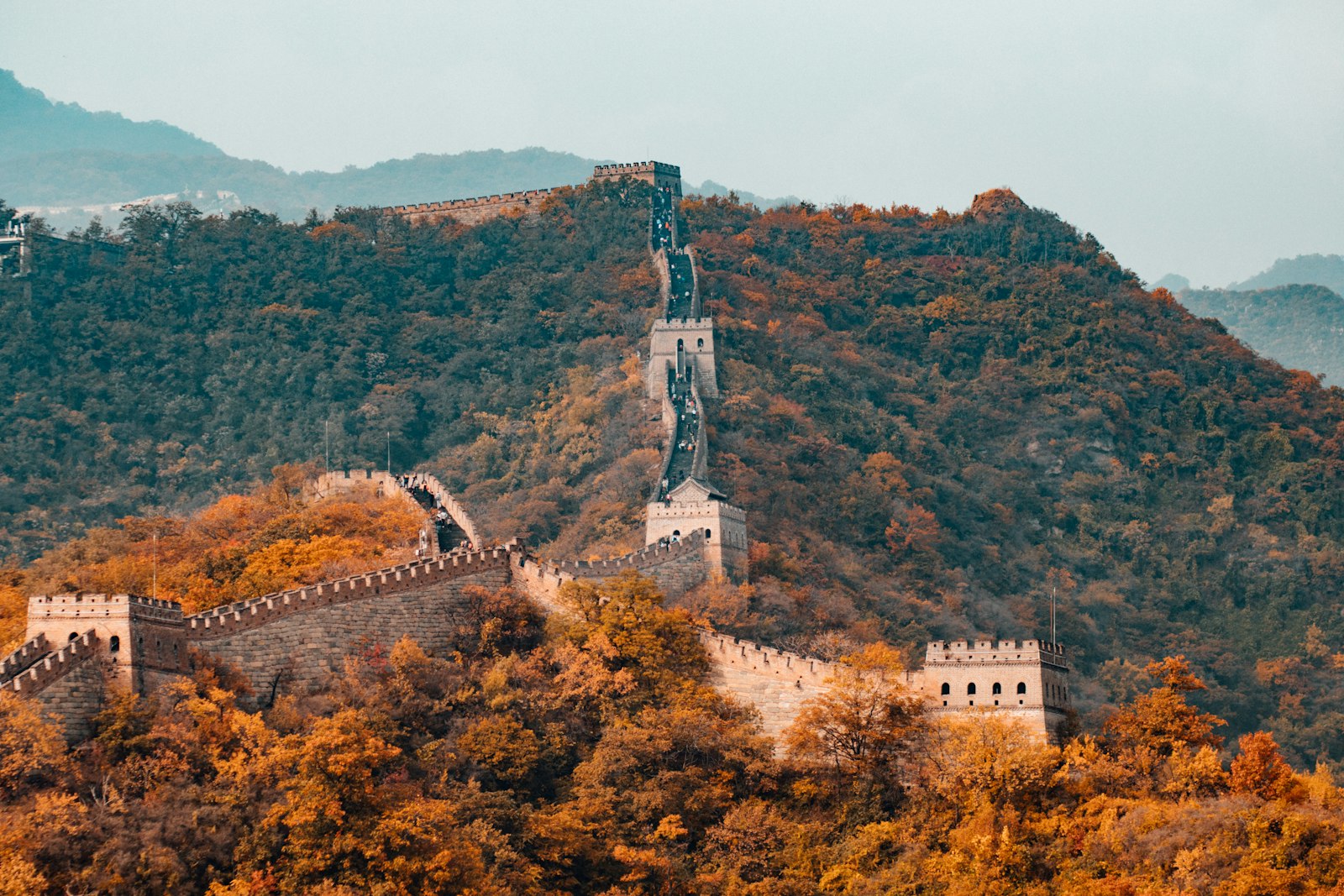
Beijing Complete Travel Guide 2026
Everything you need to know to plan a Beijing trip in 2026 - attractions, transport, food, accommodation, and 4-day itinerary.
9 min read

Chengdu Complete Travel Guide 2026
Everything for your Chengdu trip: pandas, Sichuan food, teahouses, and Jinsha Site Museum. 2026 guide with insider tips.
9 min read
Guilin Complete Travel Guide 2026
Complete Guilin travel guide: Li River cruise, Yangshuo countryside, Longji Rice Terraces, and where to stay.
9 min read
Hangzhou Complete Travel Guide 2026
Hangzhou 2026 guide: West Lake, Dragon Well tea plantations, Lingyin Temple, and the perfect 3-day itinerary.
10 min read
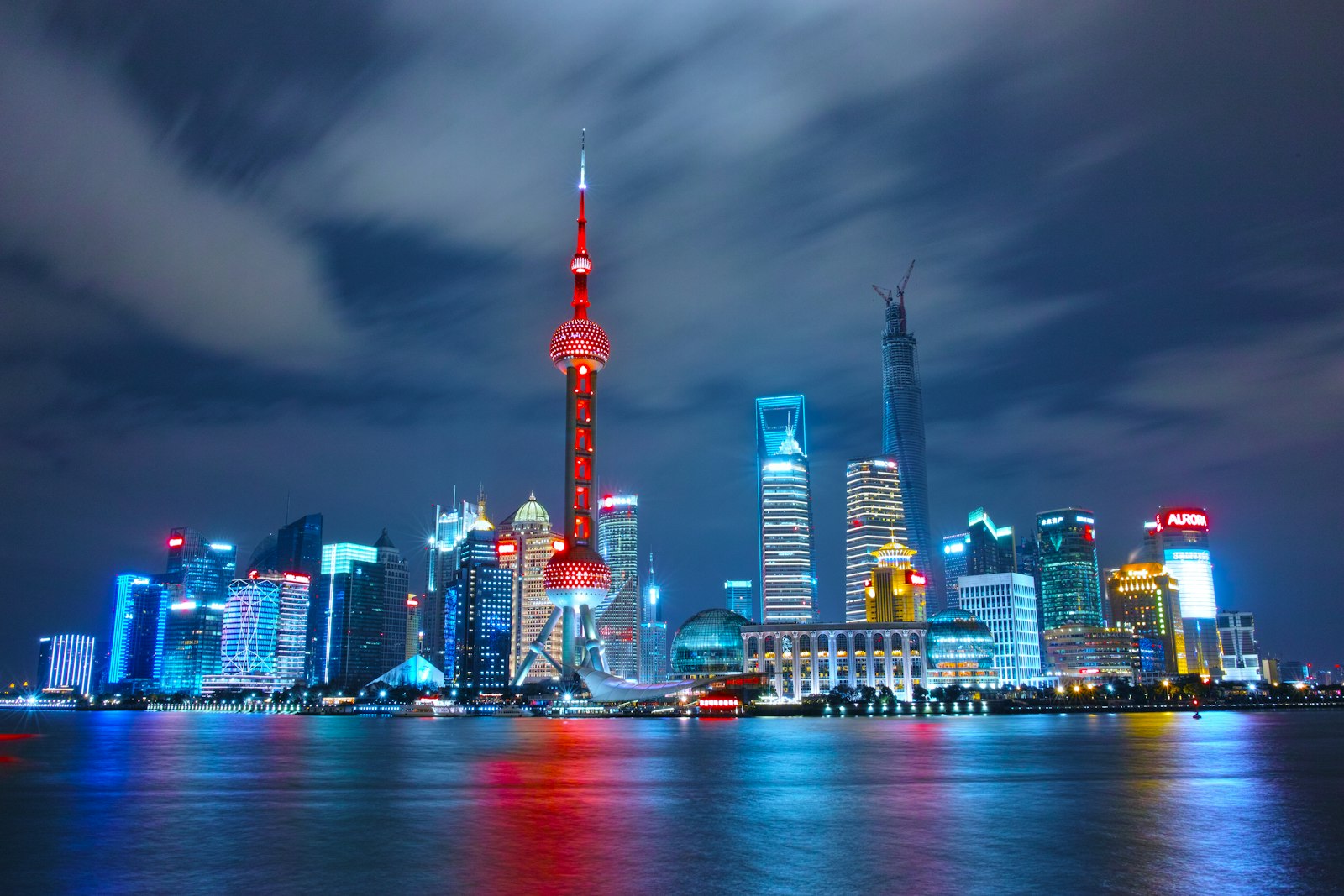
Shanghai Complete Travel Guide 2026
The ultimate Shanghai travel guide for 2026 - from the Bund and Pudong to hidden French Concession gems.
10 min read

Suzhou Complete Travel Guide 2026
Suzhou 2026 guide: classical gardens, silk museums, water town canals, and the easiest day trip from Shanghai.
10 min read