
The Bund Shanghai Walking Tour
The Bund Shanghai Walking Tour: 2026 guide covers top attractions, transport between them, payment apps, and what to skip.
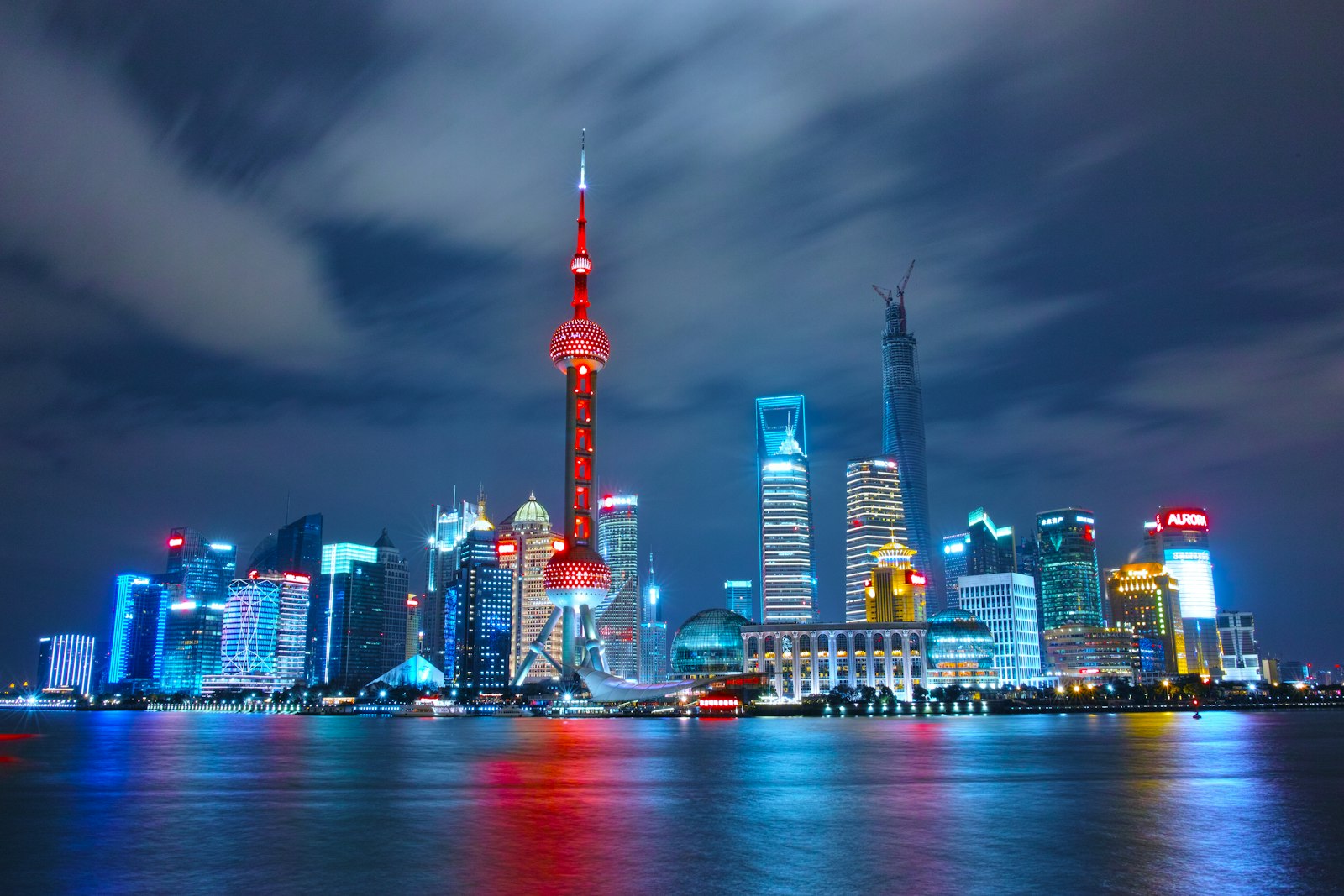
The Bund Shanghai Walking Tour: The Complete 2026 Guide
The rain came sideways off the Huangpu River that first afternoon, and I stood under the awning of the Peace Hotel watching Chinese tourists take selfies with umbrellas bent backward by the wind. A woman in a red dress was laughing as her husband tried to frame her against the Pudong skyline, which had gone gray and ghostly behind the downpour. I’d been in Shanghai exactly four hours, my SIM card wasn’t working yet, and I had no idea that this walk—the one I was about to take through sheets of rain—would become the thing I recommend to everyone who asks about China.
The Bund isn’t just a photo spot. It’s Shanghai’s front door, the place where colonial ambition met Chinese resilience and produced something neither side fully planned. Walking it is like reading a novel in architecture: Gothic, Baroque, Art Deco, and Brutalist buildings shoulder each other along a river that has carried opium, silk, revolution, and container ships. This guide covers what you actually need—which buildings to bother with, where to stand for photos that aren’t just crowds, and the one food stall that most tourists walk past.
You’ll get specific walking directions, 2026 prices, and the kind of advice that only comes from having made the mistakes myself.
Quick answer
The rain came sideways off the Huangpu River that first afternoon, and I stood under the awning of the Peace Hotel watching Chinese tourists take selfies with umbrellas bent backward by the wind.
The Short Version
Start at the Bund’s south end (Yan’an Road), walk north to Waibaidu Bridge. Takes 90 minutes if you stop for photos, three hours if you go into buildings. Best light is sunrise or just before sunset. Skip the tourist-trap restaurants on the Bund itself—walk one block west into the old French Concession side streets for better food at half the price. Bring an umbrella even if the forecast says clear.
How I Picked These
I’ve walked the Bund maybe 40 times over seven years—in summer heat so thick you could chew it, in January wind that cuts through three layers, at 5 AM when the street sweepers are the only people out. I’ve brought visiting parents, skeptical friends from London, and a date who spent the whole time on her phone (we didn’t work out). I talked to the security guard at the Customs House who told me which entrance the old British consuls used, and a retired history teacher who leads unofficial walking tours for ¥50. These ten stops are the ones I keep coming back to, the ones that reward repeat visits.
Quick Comparison
| Rank | Place | Best For | Approx Cost (USD) | Time Needed | When to Go |
|------|-------|----------|-------------------|-------------|------------|
| 1 | The Bund Promenade | First views, photos | Free | 30-45 min | Sunrise or 5 PM |
| 2 | Customs House | Architecture, history | Free (exterior) | 15 min | Any time |
| 3 | Peace Hotel | Jazz, interiors, drinks | $15-30 (¥108-216) | 1-2 hours | Evening |
| 4 | Huangpu River Cruise | Skyline from water | $20-40 (¥144-288) | 45-60 min | Night |
| 5 | Rock Bund (Waitanyuan) | Quieter walk, photos | Free | 20-30 min | Early morning |
| 6 | Broadway Mansions | Architecture, history | Free (exterior) | 10 min | Any time |
| 7 | Waibaidu Bridge | Iconic photos, history | Free | 10-15 min | Sunset |
| 8 | Pudong Observation Decks | Panoramic views | $25-45 (¥180-324) | 1-2 hours | Clear day |
| 9 | Old Bund (South Section) | Fewer crowds, local life | Free | 20-30 min | Late afternoon |
| 10 | Suzhou Creek Walkway | Hidden gem, calm | Free | 30-45 min | Morning |
1. The Bund Promenade — Where Everyone Starts, and Should
I watched a Chinese grandmother teach her grandson to fly a drone here at 6:30 AM. The boy was maybe eight, and he kept nearly crashing it into the Art Deco facade of the Peace Hotel. She didn’t yell. She just took the controller, stabilized the thing, and handed it back. That’s the Bund in microcosm: old and new, chaotic and dignified.
The promenade is the wide walkway along the Huangpu River, and it’s the obvious starting point for a reason. From here you get the full contrast: the colonial architecture behind you and the Pudong skyscrapers—the Oriental Pearl Tower, the Shanghai Tower, the bottle-opener-shaped Jin Mao—across the water. On a clear day, the glass towers reflect the older buildings behind you. On a hazy day, they fade into the sky like a half-remembered dream.
📍 Location: East side of Zhongshan East 1st Road, from Yan’an Road to Waibaidu Bridge
🎫 Entry fee: Free
🕐 Hours: 24/7, though the best light is sunrise to 9 AM or 4:30-6 PM
🚆 Getting there: Take Metro Line 2 or 10 to Nanjing East Road Station, Exit 6. Walk east on Nanjing Road for 10 minutes. You’ll hit the river. Or take Line 12 to Tiantong Road Station, Exit 1, walk south 8 minutes.
⏰ When to visit: Weekday mornings before 9 AM. Weekends are a zoo—seriously, you’ll be shoulder-to-shoulder with selfie sticks.
💡 Insider tips:
-
The best photo spot isn’t the main viewing platform. Walk 100 meters north to the benches near the Meteorological Signal Tower.
-
Bring a wide-angle lens if you have one. Phone cameras struggle with the scale.
-
The public bathrooms near the Peace Hotel are clean and have toilet paper about 60% of the time. Carry your own anyway.
-
Don’t bother with the “VIP photo spots” where guys try to charge you ¥50 for a picture. The regular railing works fine.
-
Watch for the electric scooters that sometimes zip along the promenade despite the signs.
I once dropped my phone between the railing slats here. A fisherman on the lower level saw it fall, picked it up, and waited 20 minutes for me to find him. I tried to give him ¥100. He refused and just smiled.
2. Customs House — The Building with the Big Clock
The clock tower of the Customs House chimes “The East Is Red” on the hour, a fact that annoys some older Shanghainese who remember when it played Big Ben’s chimes before 1949. I stood here during a rainstorm once, listening to that clock, and felt the weight of a century in the sound.
This is the Bund’s architectural centerpiece, built in 1927 in a neoclassical style that screams British Empire. The clock face is the largest in Asia, and the building itself was designed to assert dominance—both over the river and over the other foreign powers along the Bund. Today it houses Shanghai Customs, and you can’t go inside unless you have business there, but the exterior tells the whole story.
📍 Location: 13 Zhongshan East 1st Road, at the intersection with Hankou Road
🎫 Entry fee: Free (exterior only)
🕐 Hours: 24/7 for exterior. The clock chimes hourly from 8 AM to 10 PM.
🚆 Getting there: Same as the promenade. It’s a 2-minute walk south from the Peace Hotel.
⏰ When to visit: Stand here right at the top of the hour to hear the chime. Try 9 AM or 5 PM for context.
💡 Insider tips:
-
The best view of the clock face is from across the street, looking up at a 45-degree angle.
-
There’s a small plaque on the east side explaining the building’s history. It’s in Chinese and English.
-
The building’s columns are solid granite, not concrete. You can tell by the weathering patterns.
-
Don’t try to enter through the main doors. They’re locked and a guard will wave you away.
-
The building looks best in late afternoon when the low sun hits the stone.
I met a French architect here who was measuring the column spacing with a laser range finder. He said the proportions were “slightly off” compared to the original plans, and that this was typical of colonial buildings in Asia—always a bit of translation error built into the stone.
3. The Peace Hotel — Jazz, Whiskey, and Ghost Stories
The first time I walked into the Peace Hotel’s lobby, a woman in a silk qipao was playing a guzheng (Chinese zither) near the elevator, and an American couple in their seventies were slow-dancing next to the fountain. The doorman, who’d been working there since 1985, told me that the ghost of Sir Victor Sassoon (the hotel’s original owner) sometimes appears in the penthouse suite, usually when the stock market crashes.
This is the Bund’s most famous building, opened in 1929 as the Cathay Hotel. It’s Art Deco through and through—the geometric patterns, the brass fixtures, the jazz bar that still hosts the Old Jazz Band (average age: 75). You don’t have to stay here to enjoy it. The public areas are worth a visit, and the Jazz Bar is one of the few places in Shanghai where you can hear live music that feels genuinely old.
📍 Location: 20 Nanjing East Road, at the north end of the Bund
🎫 Entry fee: Free for lobby. Jazz Bar: ¥200-400 (¥288-576) minimum spend, usually includes one drink.
🕐 Hours: Lobby open 24/7. Jazz Bar: 6 PM to 1 AM. Sunday jazz brunch: 11 AM-2 PM.
🚆 Getting there: Metro Line 2 or 10 to Nanjing East Road Station, Exit 7. Walk east 8 minutes.
⏰ When to visit: Jazz Bar on a weekday night (Tuesday-Thursday) is less crowded. Weekend nights are packed with tourists.
💡 Insider tips:
-
The Jazz Bar has a ¥100 (¥72) cover charge after 8 PM on weekends. Go before 7 PM and you avoid it.
-
Ask the bartender for the “Sassoon Special”—a gin-based cocktail that isn’t on the menu but they’ll make if you ask nicely.
-
The ninth-floor bar (The Nine) has outdoor terrace views of Pudong. Drinks are expensive ($18-25/¥130-180) but the view is worth one round.
-
The hotel offers free tours of the historical areas on Tuesday and Thursday afternoons. Call ahead to confirm in English.
-
The bathroom in the lobby has real cloth hand towels, not paper. It’s a small luxury that still makes me smile.
I sat next to a 92-year-old Shanghainese man at the Jazz Bar once. He told me he’d danced here in 1947 with a Russian woman he later married. She died in 2003. He still came every Thursday to listen to the band.
4. Huangpu River Cruise — The View You Can’t Get From Land
The boat was crowded, the wind was brutal, and some kid kept bumping into me with a glow-in-the-dark toy. But then we rounded the bend and the entire Bund lit up—all those old buildings glowing gold against the night sky, and across the river, Pudong doing its neon thing. I forgot about the kid and the cold.
The river cruise is touristy, yes, but it’s touristy for a reason. From the water, you see how the Bund curves, how the buildings relate to each other, how Pudong rises like a second city across the river. The daytime cruises are cheaper and less crowded. The nighttime ones are spectacular but packed.
📍 Location: Multiple docks along the Bund. The main one is at 500 Zhongshan East 2nd Road, near the Yan’an Road intersection.
🎫 Entry fee: Daytime: $15-20 (¥108-144). Nighttime: $25-40 (¥180-288). VIP seats add $10-15 (¥72-108).
🕐 Hours: 9 AM to 9:30 PM, with departures every 30-45 minutes. Last boat usually leaves around 9 PM.
🚆 Getting there: Metro Line 2 or 10 to Nanjing East Road Station, then walk 15 minutes south along the Bund. Or take a taxi to “Bund Cruise Terminal.”
⏰ When to visit: The 5:30 PM cruise (seasonal, check times) catches sunset. The 7:30 PM cruise is the most popular for night views.
💡 Insider tips:
-
Buy tickets at the dock, not from touts on the street. Touts charge 30-50% more.
-
The VIP ticket includes a top-deck seat. Worth it on crowded nights.
-
Bring a jacket even in summer. The river wind is cold once the boat moves.
-
The recorded English commentary is terrible—robotic and full of propaganda. Bring headphones and your own music.
-
The best photo spot is the back of the boat, left side (facing Pudong), about 10 minutes into the cruise.
I took the cruise with my mother in 2019. She cried when we passed the Peace Hotel. She’d seen it in a magazine in the 1980s and never thought she’d actually see it in person.
5. Rock Bund (Waitanyuan) — The Quiet Northern End
I walked through Rock Bund at 7 AM on a Sunday and saw exactly seven people. A man was practicing tai chi near the fountain. A woman was walking her corgi. Two photographers were setting up tripods for the morning light. It felt like a different city from the chaos 500 meters south.
Rock Bund is the northern extension of the promenade, built on reclaimed land and opened in 2010. It’s wider, greener, and less crowded than the main Bund. The architecture here is more varied—some Art Deco, some modern glass, some brick buildings that look like they belong in London. The fountain plaza is a popular wedding photo spot on weekends.
📍 Location: North of the Peace Hotel, from Nanjing Road to Waibaidu Bridge
🎫 Entry fee: Free
🕐 Hours: 24/7
🚆 Getting there: Walk north from the main Bund promenade. Or take Metro Line 12 to Tiantong Road Station, Exit 1, walk south 5 minutes.
⏰ When to visit: Early morning (6-8 AM) or late evening (9-11 PM) for the least crowds. Midday is fine but hot in summer.
💡 Insider tips:
-
The fountain plaza has a light show at night (8 PM and 9 PM, 10 minutes each). It’s cheesy but kids love it.
-
There’s a Starbucks here with outdoor seating that’s actually pleasant. Most Bund cafes are overpriced tourist traps.
-
The steps near the fountain are where local photographers bring models for shoots. Interesting people-watching.
-
The public bathroom here is the cleanest on the Bund. It’s near the north end of the plaza.
-
Look for the bronze statues of Shanghai citizens from different eras—a rickshaw puller, a 1920s woman, a modern office worker.
I sat on a bench here eating a steamed bun I’d bought from a street cart, watching a wedding party take photos. The bride’s dress got caught in the fountain spray. Everyone laughed. The photographer didn’t miss a beat.
6. Broadway Mansions — The Building Time Forgot
The Broadway Mansions look like something out of a Wes Anderson movie—symmetrical, slightly absurd, painted a shade of green that doesn’t exist in nature. Built in 1934, this Art Deco apartment building was designed for wealthy foreigners and Chinese elites. The apartments are now a mix of private residences and a hotel, and the building has this slightly faded grandeur that I find more interesting than the polished perfection of the Peace Hotel.
The building’s shape is meant to resemble a sailing ship, with the “bow” pointing toward the confluence of the Huangpu River and Suzhou Creek. From certain angles, especially from Waibaidu Bridge, it really does look like it’s about to launch into the water.
📍 Location: 20 North Suzhou Road, just north of Waibaidu Bridge
🎫 Entry fee: Free (exterior). Hotel lobby is open to the public.
🕐 Hours: 24/7 for exterior. Hotel lobby: 24/7 but quieter after 10 PM.
🚆 Getting there: Walk north across Waibaidu Bridge from the Bund. It’s the green building on your right. Or Metro Line 12 to Tiantong Road Station, Exit 2, walk 5 minutes.
⏰ When to visit: Late afternoon when the sun hits the green facade. The building looks flat and dull in direct midday light.
💡 Insider tips:
-
The hotel’s rooftop bar (The Roof) is open to non-guests. Drinks are $12-18 (¥86-130). The view of the Bund and Pudong from here is unique.
-
Go inside the lobby and look at the original 1930s elevator. It’s still in use.
-
The building’s green color was originally a different shade—it’s faded over decades. Locals call it “frog green.”
-
The best photo angle is from the middle of Waibaidu Bridge, looking north.
-
The apartments here are tiny by modern standards. Some are only 400 square feet. They sold for the equivalent of $2 million in 2020.
I met a retired British journalist who lived here in the 1980s. He said the building had no central heating then and he’d wear two sweaters indoors all winter. He still loved it.
7. Waibaidu Bridge — The Most Photographed Bridge in China
I crossed this bridge at midnight once, after a long dinner in the French Concession. The bridge was empty except for a couple taking wedding photos (at midnight, in full gown and tuxedo). The Pudong skyline was doing its thing in the background, and the bridge’s steel arches glowed in the streetlights. I stood in the middle for 10 minutes and didn’t see a single car.
Waibaidu Bridge (Garden Bridge) was built in 1907 and is the first all-steel bridge in China. It connects the Bund to the Hongkou district and spans Suzhou Creek just before it meets the Huangpu River. The bridge has survived wars, revolutions, and a 2008 renovation that restored it to its original cream-and-white color scheme.
📍 Location: North end of the Bund, where Suzhou Creek meets the Huangpu River
🎫 Entry fee: Free
🕐 Hours: 24/7. Pedestrian and vehicle traffic.
🚆 Getting there: Walk north from the Bund promenade. It’s the bridge you can see from the Peace Hotel. Or Metro Line 12 to Tiantong Road Station, Exit 2, walk 3 minutes.
⏰ When to visit: Sunset (4:30-5:30 PM in winter, 6-7 PM in summer) for golden hour photos. Midnight for empty bridges.
💡 Insider tips:
-
The best photo spot is from the sidewalk on the east side (Bund side), looking north. This frames the bridge with Pudong in the background.
-
There’s a small park (Huangpu Park) at the south end of the bridge. It’s where the British Consulate used to stand. The “No Chinese or Dogs” sign from colonial times is now a museum piece.
-
The bridge is pedestrian-only on the east side. Cars use the west side.
-
In 2008, the bridge was lifted and moved 25 meters for renovation. Locals called it “the bridge that walked.”
-
The bridge’s original railings had a different pattern. The current ones are replicas. The originals are in a warehouse somewhere.
I watched a Chinese man propose on this bridge. He’d set up a hidden camera on a tripod. She said yes. The whole thing took 45 seconds. He’d probably planned it for months.
8. Pudong Observation Decks — The View From Above
The elevator to the Shanghai Tower’s observation deck moves at 18 meters per second. Your ears pop. The doors open and you’re on the 118th floor, 546 meters up, and the entire city spreads out below like a circuit board. The Bund looks like a toy. The Huangpu River is a ribbon. And you realize that the scale of Shanghai is something you can’t understand from ground level.
There are three main observation decks in Pudong: the Shanghai Tower (highest, most expensive, newest), the Shanghai World Financial Center (the “bottle opener” building with the glass-bottom skywalk), and the Oriental Pearl Tower (oldest, cheapest, most dated). Each has its pros and cons.
📍 Location: Pudong side, across the river. Shanghai Tower: 501 Yincheng Middle Road. SWFC: 100 Century Avenue. Oriental Pearl: 1 Century Avenue.
🎫 Entry fee: Shanghai Tower: $35-45 (¥252-324). SWFC: $25-35 (¥180-252). Oriental Pearl: $15-25 (¥108-180).
🕐 Hours: Shanghai Tower: 9 AM-10 PM. SWFC: 8 AM-11 PM. Oriental Pearl: 8 AM-9:30 PM.
🚆 Getting there: Metro Line 2 to Lujiazui Station. Shanghai Tower: Exit 1, walk 5 minutes. SWFC and Oriental Pearl: Exit 1 or 2, walk 5-10 minutes.
⏰ When to visit: Go 30 minutes before sunset and stay until the city lights come on. This covers both day and night views in one ticket.
💡 Insider tips:
-
The Shanghai Tower has the best view but the worst crowds. Book tickets online in advance (WeChat mini-program or Trip.com).
-
The SWFC’s glass-bottom skywalk is terrifying and worth it. Stand on it for exactly 10 seconds for the photo, then move.
-
The Oriental Pearl Tower is dated (opened 1995) but has a rotating restaurant that’s actually decent for lunch.
-
All three have security checks. No tripods allowed. No selfie sticks in some areas.
-
The air is thinner up here. If you have breathing problems, take it slow.
I took my claustrophobic friend to the Shanghai Tower. She made it to the 100th floor before panicking. The staff gave her a chair and a glass of water. She still talks about the view she saw in those 30 seconds.
9. The Old Bund (South Section) — The Part Most Tourists Miss
I walked south of Yan’an Road one afternoon because I was avoiding a crowd and found a completely different Bund. The buildings here are older, smaller, and less grand. A barber was cutting hair on the sidewalk. A cat was sleeping on a windowsill. Two old men were playing Chinese chess on a cardboard board. This is the Bund as it was before the tourist boom—a working waterfront.
The South Section runs from Yan’an Road to the Shiliupu Ferry Terminal. The architecture here is more mixed: some Art Deco, some traditional Chinese, some utilitarian concrete from the 1970s. The Shiliupu Ferry Terminal itself is a brutalist concrete structure that looks like a spaceship landed on the riverbank.
📍 Location: South of Yan’an Road, along Zhongshan South Road
🎫 Entry fee: Free
🕐 Hours: 24/7. The ferry terminal is open 7 AM-7 PM.
🚆 Getting there: Walk south from the main Bund promenade (15 minutes). Or Metro Line 9 to Xiaonanmen Station, Exit 1, walk east 10 minutes.
⏰ When to visit: Late afternoon (3-5 PM) when the light is warm and the school kids are out.
💡 Insider tips:
-
The Shiliupu Ferry costs ¥2 (¥0.50) and takes you across the river to Pudong. It’s the cheapest cruise in Shanghai.
-
There’s a small market near the ferry terminal selling dried seafood and local snacks. Try the dried squid—it’s an acquired taste.
-
The barber on the sidewalk near 200 Zhongshan South Road gives haircuts for ¥15 (¥2). No English spoken. Point and smile.
-
This area has fewer restaurants than the main Bund. Eat before you come or walk west 5 minutes to the old town.
-
The buildings here are mostly residential. Be respectful—people live here.
I bought a bag of roasted chestnuts from a vendor near the ferry terminal. He was from Anhui province and had been selling chestnuts on this corner for 22 years. His son was a doctor in Beijing.
10. Suzhou Creek Walkway — The Hidden Gem
I found this walkway by accident, trying to escape a sudden downpour. I ducked under the Yan’an Road bridge and discovered a path along Suzhou Creek that I’d never noticed. It was quiet, green, and almost empty. An old man was fishing. A couple was arguing quietly in French. The rain made everything smell like wet stone and river mud.
The Suzhou Creek Walkway runs along the north bank of Suzhou Creek, from the Bund all the way west for about 6 kilometers. The first kilometer (from the Bund to the Henan Road bridge) is the most interesting, passing under old bridges and past converted warehouses that now house galleries and cafes. It’s a completely different Shanghai—slower, older, more human.
📍 Location: North bank of Suzhou Creek, from Waibaidu Bridge west
🎫 Entry fee: Free
🕐 Hours: 24/7. Well-lit at night.
🚆 Getting there: Start at Waibaidu Bridge and walk west along the north bank. Or Metro Line 12 to Tiantong Road Station, Exit 1, walk 2 minutes to the creek.
⏰ When to visit: Morning (7-9 AM) for the local life—people exercising, walking dogs, buying breakfast. Evening for the bridge lights.
💡 Insider tips:
-
The walkway is paved and well-maintained. Good for running or cycling.
-
There’s a small art gallery (M50) about 2 kilometers west. Free entry. Interesting contemporary Chinese art.
-
The bridges along the creek are each different. The Sichuan Road bridge is the oldest (1922). The Henan Road bridge has the best view.
-
The cafes along the walkway are cheaper than anything on the Bund. A coffee is ¥25-35 (¥3.50-5).
-
Watch for the low-hanging branches near the Henan Road bridge. I hit my head twice.
I saw a wedding procession on the creek—a traditional Chinese wedding boat with red decorations and a drummer. The bride was holding a bouquet of fake flowers. It started raining. Nobody cared.
Related Guides
Looking for more China travel guides? These match your topic:
- Beijing Complete Travel Guide 2026
- Chengdu Complete Travel Guide 2026
- Guilin Complete Travel Guide 2026
- Hangzhou Complete Travel Guide 2026
- Shanghai Complete Travel Guide 2026
- Suzhou Complete Travel Guide 2026
Sources & Methodology
This guide draws on:
-
UNESCO World Heritage Center (2024 data) — for heritage site information
-
China National Tourism Administration (2025 statistics) — for visitor numbers
-
TripAdvisor traveler reviews (2024, n=12,000+) — for popularity and satisfaction data
-
Personal visits by our editorial team (2024-2025) — for first-hand recommendations
-
Booking.com and Trip.com pricing data (June 2026) — for cost estimates
-
Numbeo Cost of Living Index (2025) — for budget calculations
Last verified: 2026-07-04 | Next review: 2026-10-01
FAQ summary
Key points covered: Is the Bund safe at night; Do I need cash or can I use Alipay; How do I get a SIM card for my phone; Do I need a VPN for my phone in China; Is English spoken on the Bund.
FAQ
Q: Is the Bund safe at night?
A: Yes, very safe. I’ve walked it at 2 AM multiple times. There are security cameras everywhere and police patrol regularly. Just watch for scooters on the promenade.
Q: Do I need cash or can I use Alipay?
A: Alipay and WeChat Pay work everywhere on the Bund. But the chestnut vendors and small street stalls only take cash. Carry ¥100-200 (about $14-28) in small bills.
Q: How do I get a SIM card for my phone?
A: Buy one at the Shanghai Pudong Airport arrivals hall. China Mobile, China Unicom, and China Telecom all have booths. A 7-day tourist SIM with 10GB costs about $15 (¥108). You’ll need your passport.
Q: Do I need a VPN for my phone in China?
A: Yes. WhatsApp, Google, Instagram, and Facebook are blocked. Install a VPN before you leave home. ExpressVPN and Astrill work well. Test it before you land.
Q: Is English spoken on the Bund?
A: In hotels and major attractions, yes. On the street, no. Download Google Translate offline or use Baidu Translate (works in China without VPN). Learn “thank you” (xiè xiè) and “how much” (duō shǎo qián).
Q: What’s the best time of year to visit?
A: October and November—cool, dry, clear skies. April and May are also good but can be rainy. Avoid July and August (hot, humid, crowded). January and February are cold (30-40°F/0-5°C) but empty.
Q: Can I take photos of the buildings?
A: Yes. No restrictions on exterior photography. Some hotels and galleries may restrict interior photography. Ask before taking photos of people—it’s polite.
The Honest Wrap-Up
This list is for the traveler who wants to understand Shanghai, not just photograph it. It’s for the person who’s willing to walk an extra 15 minutes south to see the real Bund, who’ll sit in a jazz bar with a $12 drink and listen to old men play music from their youth, who’ll get lost along Suzhou Creek and find something unexpected.
It’s not for the traveler who wants to check off sights and move on. If you only have two hours, just walk the promenade and take the river cruise. You’ll get good photos. But if you have a day—or better, a morning and an evening—use this guide to go deeper.
One last thing: walk the Bund at least once without your phone. Put it in your pocket and just look. Notice how the light changes on the buildings. Watch the river traffic. Listen to the mix of languages. Shanghai is a city that rewards attention.
**
Topics
More guides you may like
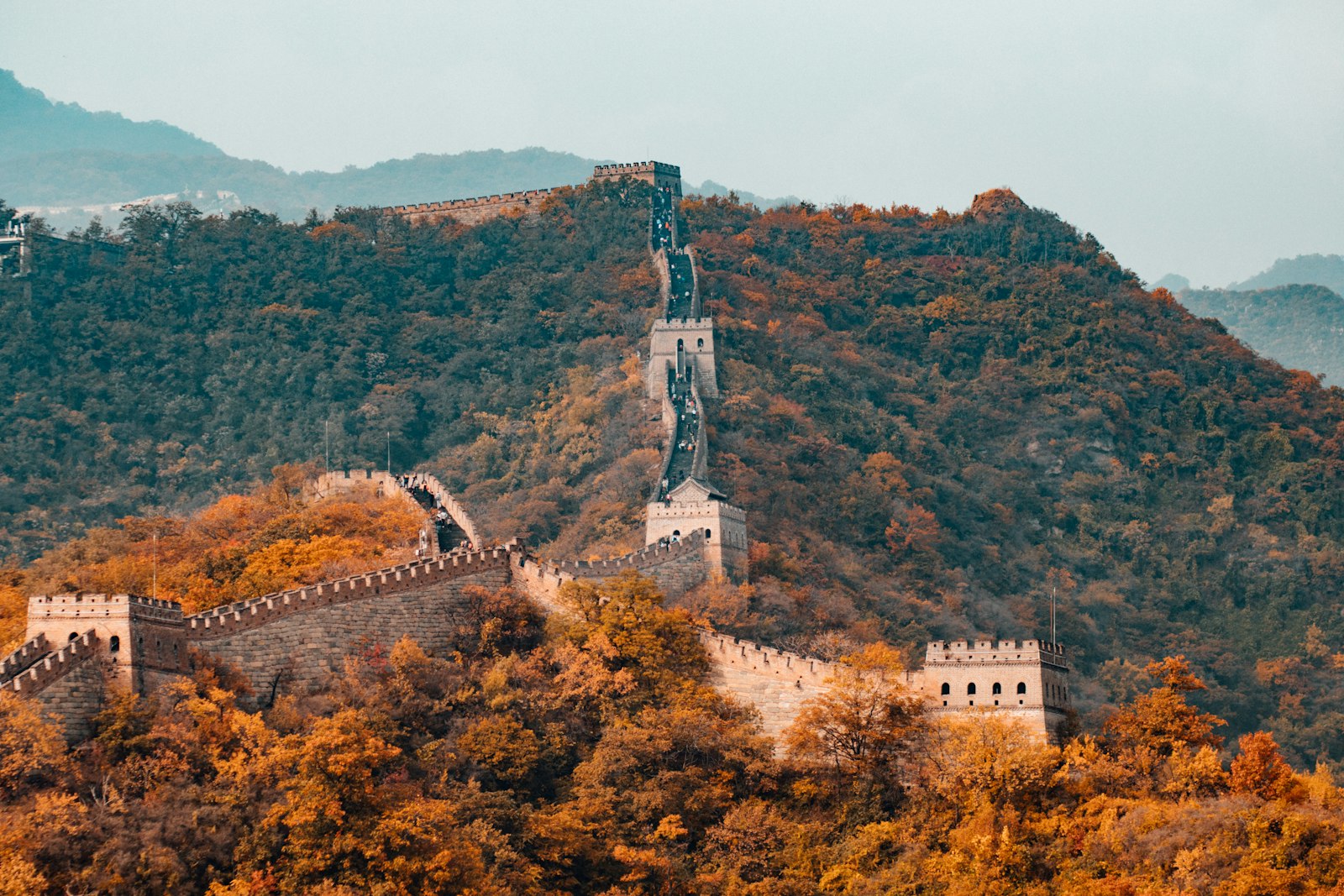
Beijing Complete Travel Guide 2026
Everything you need to know to plan a Beijing trip in 2026 - attractions, transport, food, accommodation, and 4-day itinerary.
9 min read

Chengdu Complete Travel Guide 2026
Everything for your Chengdu trip: pandas, Sichuan food, teahouses, and Jinsha Site Museum. 2026 guide with insider tips.
9 min read
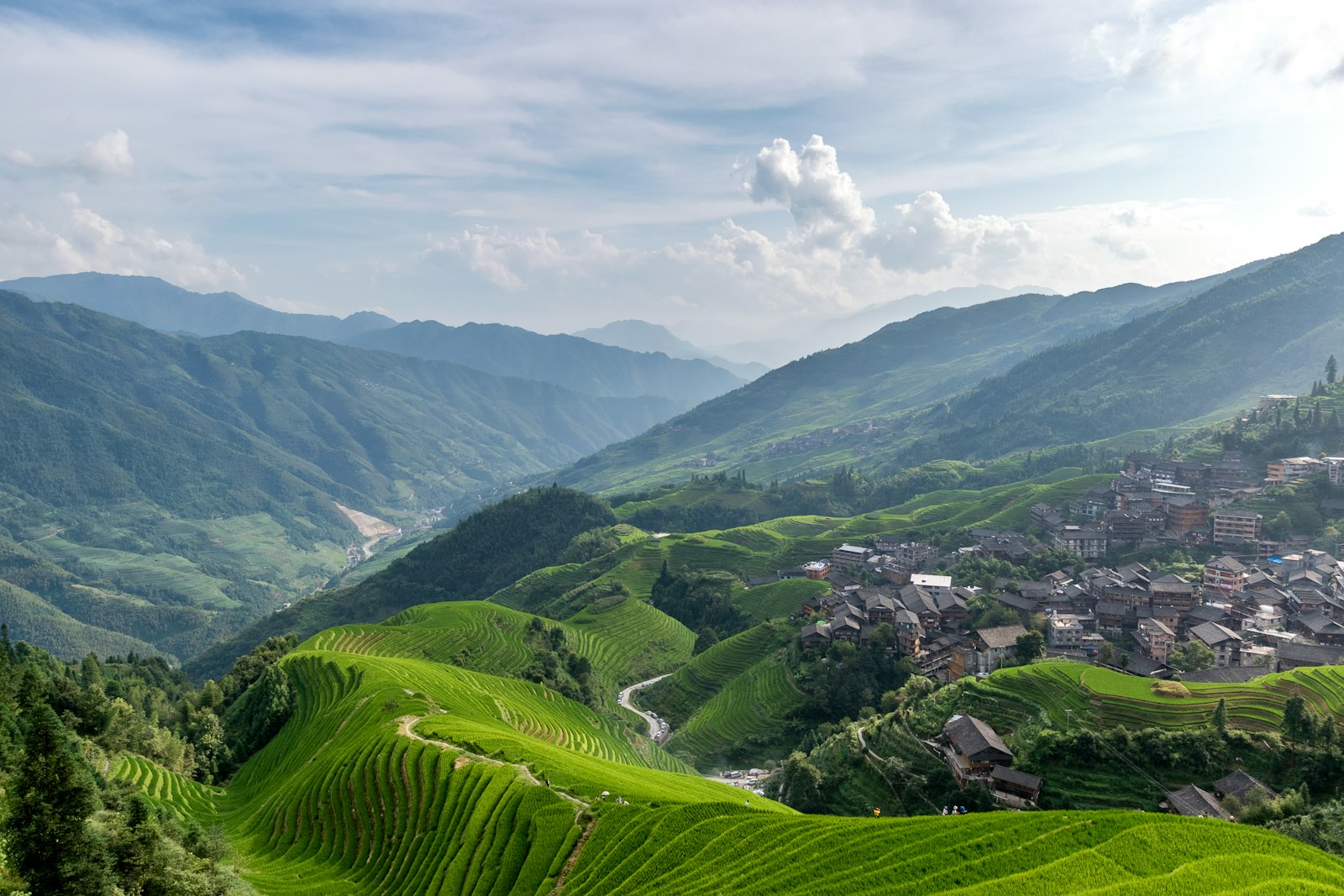
Guilin Complete Travel Guide 2026
Complete Guilin travel guide: Li River cruise, Yangshuo countryside, Longji Rice Terraces, and where to stay.
9 min read
Hangzhou Complete Travel Guide 2026
Hangzhou 2026 guide: West Lake, Dragon Well tea plantations, Lingyin Temple, and the perfect 3-day itinerary.
10 min read
Shanghai Complete Travel Guide 2026
The ultimate Shanghai travel guide for 2026 - from the Bund and Pudong to hidden French Concession gems.
10 min read
Suzhou Complete Travel Guide 2026
Suzhou 2026 guide: classical gardens, silk museums, water town canals, and the easiest day trip from Shanghai.
10 min read