
Zhangjiajie Travel Guide
Zhangjiajie Travel Guide: 2026 guide covers top attractions, transport between them, payment apps, and what to skip.
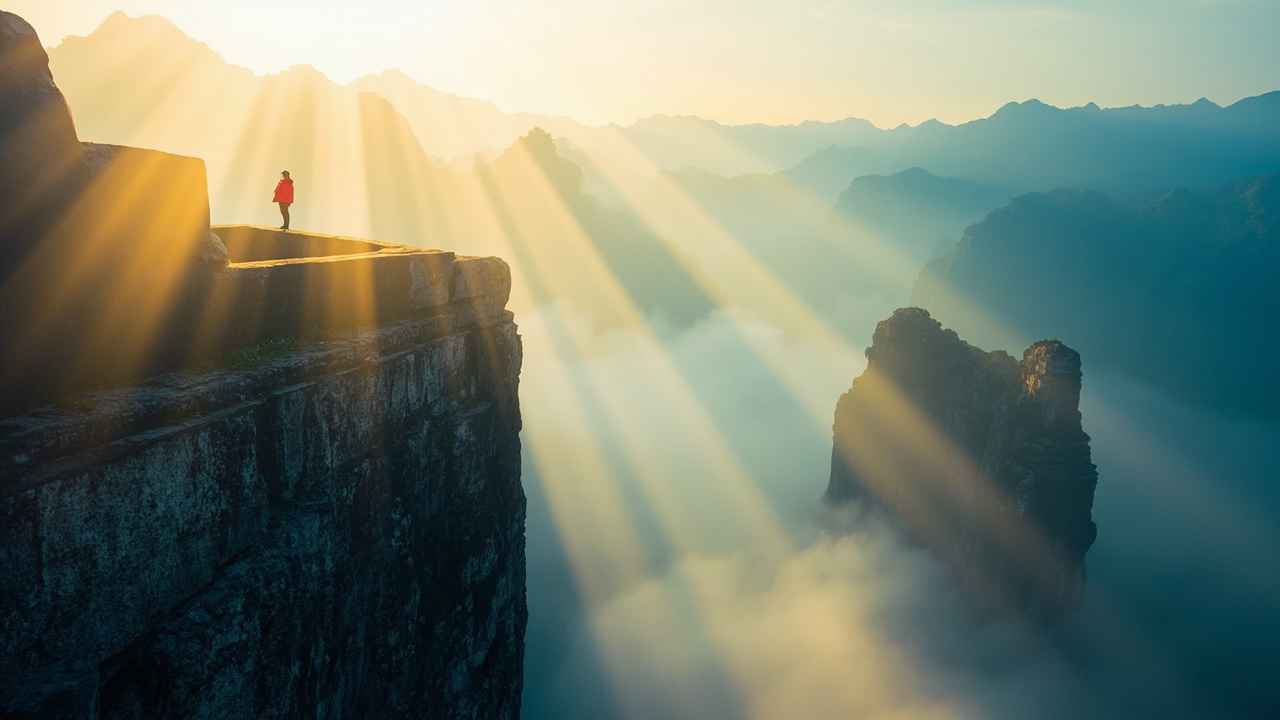
Zhangjiajie Travel Guide: The Complete 2026 Guide
Opening
I remember standing at the edge of the Zhangjiajie Grand Canyon glass bridge, white-knuckling the railing, as a Chinese grandmother shuffled past me without a glance down. She was wearing flip-flops. My heart hammered against my ribs while she calmly took a selfie with the 300-meter drop beneath her feet. That’s the first thing I tell anyone about Zhangjiajie: this place humbles you, surprises you, and occasionally terrifies you, but it never feels like a theme park. The stone pillars that inspired the floating mountains in Avatar are real, and they’re even weirder in person—mists curling around them like something from a brush painting, the rock layers visible like pages of a book opened sideways.
Zhangjiajie isn’t just one place. It’s a city, a national park, a couple of mountain ranges, a cave system, and a glass bridge that’s longer than a football field, all crammed into northwestern Hunan. For first-time international visitors, it can feel overwhelming—where to go, how to get tickets, whether you need a tour guide, and why everyone keeps mentioning monkeys. I’ve been here four times over six years, and I keep finding new corners that make me stop and stare. This guide is what I wish I’d read before my first trip: honest, specific, and full of the small practical things that make the difference between a good trip and a frustrated one.
Quick answer
I remember standing at the edge of the Zhangjiajie Grand Canyon glass bridge, white-knuckling the railing, as a Chinese grandmother shuffled past me without a glance down. She was wearing flip-flops.
The Short Version
Zhangjiajie National Forest Park is the main event—don’t skip it. But also don’t skip Tianmen Mountain, especially the glass skywalk and the winding road. Skip the Grand Canyon Glass Bridge unless you love crowds and high prices. Go in spring or autumn, not summer (tourist tsunami) or winter (fog that won’t lift). Stay in Wulingyuan town, not the city. Bring cash backup even though WeChat Pay is everywhere. And please, for the love of hiking boots, wear proper shoes.
How I Picked These
I’ve visited Zhangjiajie four times since 2020—twice solo, once with a Chinese friend who grew up in Hunan, and once leading a small group of nervous first-timers. I walked the official paths, but I also took the wrong bus three times, ate at a noodle stall run by a grandmother near the east gate, and spent a whole rainy afternoon talking to a ticket seller about why baijiu is not the breakfast beverage. Every entry in this guide comes from my own sweaty, occasionally lost, and thoroughly caffeinated experience. I didn’t read a dozen blogs and synthesize them—I walked the kilometers and made the mistakes.
Comparison Table
| Rank | Place | Best For | Approx Cost (USD) | Time Needed | When to Go |
|------|-------|----------|-------------------|-------------|------------|
| 1 | Zhangjiajie National Forest Park | Iconic pillar views, hiking, photo ops | $35 (¥250) | 1–2 days | Mar–May, Sep–Oct |
| 2 | Tianmen Mountain | Glass skywalk, cable car, mountain road | $50 (¥358) | Half day | Apr–Nov (clear days) |
| 3 | Zhangjiajie Grand Canyon Glass Bridge | Bridge walking, canyon views | $30 (¥215) | 2–3 hours | Weekdays, early morning |
| 4 | Baofeng Lake | Scenic boat ride, easy walk | $22 (¥160) | 1–2 hours | Oct–Dec (fewer crowds) |
| 5 | Yellow Dragon Cave | Huge karst cave, boat cruise | $30 (¥215) | 2–3 hours | Year-round (it’s all underground) |
| 6 | Tianzi Mountain | Panoramic peaks, cable car | $25 (¥180) | 3–4 hours | Spring/autumn, clear skies |
| 7 | Yuanjiajie | Hallelujah Mountain (Avatar rock) | Included with park ticket | 2–3 hours | Early morning (before 10am) |
| 8 | Yangjiajie | Quieter hiking, fewer crowds | Included with park ticket | Half day | Any day except weekends |
| 9 | Baihua Valley | Wildflowers, stream walks | $10 (¥70) | 1.5 hours | Apr–May (flowers) |
| 10 | Zhangjiajie City (Downtown) | Local food, night market | Free | Evening | Any day |
Ten Detailed Entries
1. Zhangjiajie National Forest Park — The Stone Pillars That Made Me Forget My Phone
I walked up the thousand-plus steps to the top of the park’s core area, and when I finally looked up from my heaving lungs, the rock peaks stood there like a row of petrified giants. I didn’t take a photo for the first five minutes. I just stood and stared. That’s the effect this place has. The park is the main reason people fly to Zhangjiajie, and it deserves every bit of hype. It’s not one single viewpoint—it’s a sprawling network of trails, shuttle buses, cable cars, and footpaths that connect different “scenic areas” like Yuanjiajie, Tianzi Mountain, and Yangjiajie.
What makes it special isn’t just the height of the quartz-sandstone pillars (up to 200 meters in some cases), but the way mist and weather transform them. On a clear day they’re dramatic. In fog, they’re haunting. I’ve seen both, and I honestly can’t tell you which is better.
-
📍 Location: Wulingyuan Scenic Area, about 30 km north of Zhangjiajie city. The main entrances are the Forest Park Gate (south) and the Wulingyuan Gate (east). Most tourists enter via Wulingyuan Gate.
-
🎫 Entry fee: $35 (¥250) for a 4-day pass. You can enter multiple times. Free for children under 1.2m.
-
🕐 Opening hours: 7:00 AM – 6:00 PM (summer), 7:30 – 5:00 PM (winter). Last entry one hour before close.
-
🚆 How to get there: From Zhangjiajie city, take Bus 1 from the train station to the long-distance bus station (20 min). Then catch a minibus to Wulingyuan Gate (approx 40 min, ¥20). Or take a Didi (Chinese Uber) for around $10 (¥70).
-
⏰ When to visit: Spring (March–May) for fresh green and mild weather. Autumn (September–October) for clear skies and fewer people. Avoid Chinese national holidays (May Day, October National Day). Weekdays are much quieter than weekends.
-
💡 Insider tips:
-
Enter through the east gate (Wulingyuan) to avoid the worst queues at the south gate.
-
The park is enormous. Don’t try to see everything in one day. Pick 2–3 sections and spend time there.
-
The shuttle buses inside the park are free (included in ticket). Use them to connect areas.
-
Buy water and snacks at the shops outside the gate—prices inside are double.
-
Watch out for monkeys near the Yuanjiajie area. They will steal your bag if you leave it open.
-
-
Specific person/mistake: I once watched a German tourist try to pay for a bottle of water with a ¥100 bill at a stall inside the park. The vendor had no change. I ended up buying the water for him with smaller notes. Carry small bills.
2. Tianmen Mountain — The Mountain That Tests Your Fear of Heights
The cable car ride to the top of Tianmen Mountain is terrifying and exhilarating in equal measure. It’s 7.5 kilometers long, rises over 1,270 meters, and at one point you’re suspended so high above the valley that the houses below look like Monopoly pieces. I sat next to a woman from Singapore who gripped my arm the whole way. I didn’t mind—I was gripping the seat too. At the top, you can walk the glass skywalk (a walkway that juts out from the cliff, with transparent floors), or brave the “Hanging Cliff Walkway,” a narrow ledge screwed into the sheer rock face.
The mountain’s main attraction is Tianmen Cave, a massive natural arch 130 meters high that looks like a giant keyhole punched through the rock. You reach it by climbing 999 steps (or taking an escalator, which I recommend unless you have thighs of steel). The road that winds up to the cave—the “Heavenly Road” with 99 hairpin turns—is a sight in itself.
-
📍 Location: Tianmen Mountain National Forest Park, directly north of Zhangjiajie city. The cable car base station is a 10-minute taxi from the city center.
-
🎫 Entry fee: $50 (¥358), includes cable car and mountain bus. Escalator from the cave to the peak is extra ($5/¥35).
-
🕐 Opening hours: 8:00 AM – 6:00 PM (summer), 8:30 – 5:00 PM (winter). Last cable car down at 5:30 PM.
-
🚆 How to get there: From Zhangjiajie city, take a Didi (about $3/¥20) or walk if you’re staying near the central square. The cable car station is at the north end of the city.
-
⏰ When to visit: Clear days are essential—fog will ruin the views. Check weather apps (e.g., Windy.com) before going. Weekday mornings are best. Avoid summer weekends.
-
💡 Insider tips:
-
Buy your ticket online via WeChat or Trip.com in advance (same-day tickets can sell out by 10 AM).
-
The glass skywalk is free with your ticket, but you need to pay ¥5 for shoe covers (required).
-
If you’re afraid of heights, take the mountain bus from the base to the cave instead of the cable car (still scary, but less so).
-
There’s a shorter, less crowded glass skywalk on the north side of the peak—most tourists miss it.
-
Bring a jacket even in summer; the top can be windy and cold (10–15°C cooler than the city).
-
-
Specific mistake: I once went on a cloudy day and saw nothing but white. I waited two hours for a break, and it never came. Check the forecast and be willing to change your plan.
3. Zhangjiajie Grand Canyon Glass Bridge — The Tourist Magnet
I’ll be honest: I don’t love this place. It’s the most overhyped attraction in the area. The glass bridge is long—430 meters—and the canyon beneath it is genuinely deep and beautiful. But you’re sharing the bridge with hundreds of other people, many of them taking endless selfies, and the atmosphere feels more like a busy outdoor mall than a natural wonder. The bridge itself is impressive as an engineering feat, but after you’ve seen the stone pillars of the national park, this feels like an expensive add-on.
Still, if you’re determined to walk on glass, the Grand Canyon does have a few genuine charms: the canyon trail down below is peaceful, with a clear stream and small waterfalls, and the “slide down” (a huge stone slide that lets you descend from the bridge back to the valley floor) is silly fun.
-
📍 Location: 10 km from Zhangjiajie city, near the village of Cili. There’s a free shuttle bus from the city to the bridge entrance (departs from the central bus station every 30 minutes).
-
🎫 Entry fee: $30 (¥215) for the bridge only. Combined ticket with canyon trail and slide: $40 (¥285).
-
🕐 Opening hours: 8:30 AM – 5:00 PM (last entry 4:00 PM).
-
🚆 How to get there: Free shuttle from Zhangjiajie city bus station (ask for “玻璃桥”). Alternatively, a Didi is about $8 (¥55).
-
⏰ When to visit: Go early (8:30 AM opening) on a weekday. Avoid weekends and Chinese holidays entirely—the bridge can have a 2-hour queue just to get on.
-
💡 Insider tips:
-
You cannot bring your own shoe covers (they provide them at the entrance).
-
The “bungee jump” platform is closed most of the time (only open during specific events). Don’t plan around it.
-
The canyon trail below the bridge is worth walking—it takes about an hour and passes a cool waterfall.
-
Eat before you go; the restaurant at the bridge is expensive and mediocre.
-
-
Specific person: I met a retired couple from Australia at the ticket counter who had booked a “glass bridge tour” through their hotel. They paid $120 each. I felt bad for them.
4. Baofeng Lake — The Quiet Boat Ride
After all the intensity of mountains and glass, Baofeng Lake feels like a deep breath. It’s a man-made reservoir that sits in a narrow valley, surrounded by steep cliffs and covered in green algae so vivid it looks like something from a video game. You take a small electric boat across the lake, and a Tujia ethnic minority guide sings a folk song as you drift. It sounds cheesy, but it’s actually lovely—the acoustics of the canyon make her voice echo softly off the rock walls.
The path around the lake is a short, flat walk (20 minutes) that passes a small waterfall and a couple of pavilions. There’s also a zipline if you want to fly across the water, but I skipped it. The whole experience takes about 90 minutes, and it’s a perfect rest-day activity.
-
📍 Location: 10 km west of Wulingyuan town. A 15-minute taxi from the Wulingyuan Gate area.
-
🎫 Entry fee: $22 (¥160), includes the boat ride. Zipline is extra $10 (¥70).
-
🕐 Opening hours: 8:00 AM – 5:30 PM (summer), 8:30 – 5:00 PM (winter).
-
🚆 How to get there: From Wulingyuan town, take a Didi (about $3/¥20) or a local bus (#1 or #2) to the lake entrance.
-
⏰ When to visit: October to December are ideal—the water is clearer, and the crowds are thin. Avoid summer afternoons (too hot).
-
💡 Insider tips:
-
The boat ride is best experienced in the morning when the water is calm.
-
If you want a photo without other tourists, sit at the back of the boat and wait until everyone else is taking selfies.
-
There’s a small Tujia village just outside the entrance—walk through it for a few minutes to see stilt houses and old women weaving.
-
Bring mosquito repellent in summer.
-
-
Specific memory: The Tujia singer on my boat was named Lin. She had a voice like warm tea and told me her grandmother taught her the song when she was six.
5. Yellow Dragon Cave — The Subterranean World
I’ve never been a big cave person—they’re usually damp, dark, and smell like bat droppings. Yellow Dragon Cave changed my mind. It’s massive (the largest karst cave in Hunan), with four layers of chambers, a hidden underground river, and stalactites that look like dripping wax sculptures. The boat ride inside the cave is the highlight: you float along a calm, dark river for about 15 minutes, past formations that glow under colored lights. It’s not natural, but it’s strangely beautiful.
The cave is also cool year-round (16–18°C), which makes it a welcome escape from summer heat. The walk is about 2 kilometers total, with some stairs but nothing too steep. Expect to spend 2–3 hours inside, depending on how often you stop to gawk.
-
📍 Location: 8 km east of Wulingyuan town, near the village of Suoxiyu. A 10-minute taxi or bus ride.
-
🎫 Entry fee: $30 (¥215), includes the boat ride.
-
🕐 Opening hours: 8:30 AM – 5:30 PM (last entry 4:30 PM).
-
🚆 How to get there: From Wulingyuan town, take Bus #2 to “洞穴” stop (¥2), or a Didi for about $2 (¥15).
-
⏰ When to visit: Year-round. Weekday afternoons (after 2 PM) are least crowded.
-
💡 Insider tips:
-
The cave is humid and can be slippery—wear shoes with good grip, not sandals.
-
There are no toilets inside the cave (only at the entrance). Use them before you go in.
-
The “Stone Forest” chamber is the most impressive—hang back from your group to enjoy the silence.
-
Photo without flash; flash ruins the photos and annoys other visitors.
-
-
Specific person: I got separated from my group and ended up walking with a French geologist who explained how the stalactites grow one millimeter per century. I felt very small.
6. Tianzi Mountain — The Peak Forest View
If you only have time for one scenic area inside the national park, make it Tianzi Mountain. The panoramic view from the top—hundreds of stone pillars stretching to the horizon, each one a different shape and angle—is the image that made Zhangjiajie famous. There’s a reason the locals call it “the Emperor’s Mountain.” On a clear morning, the pillars look like a row of ancient guards, and the light hitting the quartzite creates a pale golden glow that no photo can capture.
The cable car up is steep and dramatic, and the walk along the ridge is flat and easy. There are several viewing platforms, but my favorite is the one near the “Fairy Presenting Flowers” rock formation, which looks exactly like a woman holding a bouquet.
-
📍 Location: Inside Zhangjiajie National Forest Park, western section. Accessible by shuttle bus from the park’s main stations, then cable car up.
-
🎫 Entry fee: Included with the park ticket ($35/¥250). Cable car one-way: $13 (¥95).
-
🕐 Opening hours: Same as park hours (7:00 AM – 6:00 PM).
-
🚆 How to get there: From Wulingyuan Gate, take the shuttle bus to “Tianzi Mountain” stop (25 minutes). Then walk to the cable car station.
-
⏰ When to visit: Early morning (before 10 AM) for the best light and fewest crowds. October to November are the clearest months.
-
💡 Insider tips:
-
Walk down from the top instead of taking the cable car both ways—it’s a 2-hour descent through beautiful forest.
-
The “Imperial Pavilion” viewing platform is often overcrowded. Walk 100 meters further to the less crowded “General’s Rock” platform.
-
Bring water; there’s only one shop near the summit, and it charges triple price.
-
If it’s foggy, wait 30 minutes. The mist can lift suddenly.
-
-
Specific mistake: I ate a questionable baozi from a vendor near the cable car station and spent the next hour regretting it. Stick to packaged snacks inside the park.
7. Yuanjiajie — The Avatar Connection
Yes, this is the spot. The Hallelujah Mountain (officially called the “Southern Sky Pillar”) is the rock that inspired the floating mountains in James Cameron’s Avatar. And yes, it looks surreal—a slender pillar that seems to defy gravity, rising from the forest floor with a small tree clinging to its side. The area is set up like a big loop: a flat concrete pathway that winds through the peaks, with several viewing decks. It’s the most visited part of the park, which means crowds, especially between 10 AM and 2 PM.
But if you come early enough, you can stand at the main viewing deck and have the place almost to yourself. The fog that often hangs in the valley adds to the illusion of floating. I arrived at 7:45 AM on a Tuesday and shared the view with just three other people. By the time I left at 9:30, the crowds were shoulder-to-shoulder.
-
📍 Location: Inside Zhangjiajie National Forest Park, eastern section, near the main shuttle bus hub.
-
🎫 Entry fee: Included with park ticket. There’s an optional “Bailong Elevator” (glass elevator in a cliff) that costs $13 (¥95) each way.
-
🕐 Opening hours: Same as park hours.
-
🚆 How to get there: From the park’s main shuttle bus interchange, take the bus to “Yuanjiajie” stop (10 minutes). Then walk 5 minutes to the viewing area.
-
⏰ When to visit: As early as possible—before 8 AM is ideal. Weekdays only. Avoid Chinese holidays.
-
💡 Insider tips:
-
Consider taking the Bailong Elevator up (it’s a thrill) and walking down the “Walking Path” (free and less crowded).
-
The “First Bridge Under Heaven” is a natural rock arch nearby—most tourists miss it because they don’t follow the loop all the way around.
-
Bring a wide-angle lens if you’re into photography; the pillars are too tall for a standard lens.
-
The monkey warning is real here. They’re bold and will snatch food from your hand.
-
-
Specific person: A young Chinese woman next to me was watching a nature documentary on her phone while standing at the view. I wanted to gently take her phone and point at the real thing.
8. Yangjiajie — The Quiet Cousin
Yangjiajie is what Yuanjiajie would be if someone turned down the volume by 70%. It’s a quieter, less crowded area of the national park, with similar pillar views but fewer tourists and no cable cars. The path is a series of gentle uphill climbs and stone staircases that wind through forest and emerge at viewpoints like the “Long Sky Corridor” and the “Five Tiger Gateway.” I spent a whole afternoon here and saw maybe 30 people total.
It’s not as dramatic as Tianzi Mountain or as famous as Yuanjiajie, but it has a raw, unfiltered beauty that feels like discovery. The path is well-maintained and not too strenuous (about 3 hours for the full loop). If you want solitude and a real hike, this is your spot.
-
📍 Location: Inside the national park, north of Yuanjiajie. Accessible by shuttle bus to the “Yangjiajie” stop.
-
🎫 Entry fee: Included with park ticket.
-
🕐 Opening hours: Same as park hours.
-
🚆 How to get there: From Wulingyuan Gate, take shuttle bus to “Yangjiajie” (20 minutes). The path starts at the bus stop.
-
⏰ When to visit: Any day except weekends. Afternoon is fine—crowds are light anyway.
-
💡 Insider tips:
-
There is no cable car, so you must walk the entire area. Wear comfortable hiking shoes.
-
Bring lunch from outside; there are no shops inside Yangjiajie.
-
The “Heavenly Waves” viewpoint at the far end is the most rewarding—it overlooks a valley full of pillars.
-
Check the map carefully; the trails can be confusing. I got lost for 30 minutes and ended up at a dead end.
-
-
Specific memory: I sat on a bench near the “Sky Corridor” and watched a cloud pass through the pillars. It took five full minutes. No one else was around.
9. Baihua Valley — The Floral Stream
Zhangjiajie is mostly about big views and adrenaline walks, but Baihua Valley is a gentle, intimate interlude. It’s a short, flat hiking path that follows a clear stream through a forest valley. The name means “Hundred Flowers Valley,” and in April and May, the banks are covered in wild azaleas, rhododendrons, and a dozen other flowers I can’t name. The path is only about 1.5 km long, and it ends at a small waterfall where you can dip your feet in the freezing water.
It’s not a headline destination, but it’s a perfect way to spend an hour between bigger activities. I went there after a morning on Tianzi Mountain and felt my legs (and spirit) recover.
-
📍 Location: About 6 km west of Wulingyuan town, near the village of Shuiyun. A 15-minute taxi ride.
-
🎫 Entry fee: $10 (¥70). Free on Tuesdays during off-peak season (November–February).
-
🕐 Opening hours: 8:00 AM – 5:00 PM.
-
🚆 How to get there: From Wulingyuan town, take Bus #3 to “Baihua” stop (¥2). Or walk if you’re staying near the east gate—it’s a 30-minute stroll.
-
⏰ When to visit: April–May for flowers. October for autumn colors. Weekday mornings.
-
💡 Insider tips:
-
Combine with a visit to Baofeng Lake—they’re close to each other.
-
The stream water is clean and safe to drink (locals drink it), but bring your own water just in case.
-
There’s a small hidden cave at the end of the valley (behind the waterfall) that few people go into. Bring a flashlight.
-
Mosquito repellent is essential here in summer.
-
-
Specific person: An elderly local woman was collecting wild herbs along the stream. She smiled at me and offered a handful of mint leaves. I chewed them. They were amazing.
10. Zhangjiajie City Downtown — The Night Market
Most travelers treat the city as just a transit hub, but the downtown area has a decent night market and some great food. The main street, Jiefang Road, comes alive after 6 PM with stalls selling everything from fried stinky tofu (which smells worse than it tastes) to grilled skewers of lamb and chicken hearts. The night market near the Zhongxin Square is where locals go—not the tourist spots. I ate a bowl of “Cili sour noodles” (suān là fěn) that made my tongue tingle for an hour.
The city itself isn’t beautiful—it’s a concrete sprawl of apartment blocks and hotels—but the energy in the market is genuine. If you have an evening free before your flight or train, spend it here.
-
📍 Location: Central Zhangjiajie city, around Jiefang Road and Zhongxin Square. The train station is a 15-minute walk north.
-
🎫 Entry fee: Free to wander. Food costs $2–$5 (¥15–¥35) per dish.
-
🕐 Opening hours: Night market stalls run from 6 PM to midnight.
-
🚆 How to get there: From the Zhangjiajie train station, walk 10 minutes south on Jiefang Road. Or take a taxi from most hotels for under $2.
-
⏰ When to visit: Avoid Sunday evenings (many stalls close early). Thursday–Saturday are busiest and best.
-
💡 Insider tips:
-
Try the “tu jiā kǎo yú” (Tujia grilled fish) from a stall called “Grandma’s Fish” near the square. It’s ¥38 and worth every yuan.
-
Don’t buy the “mutual aid” bracelets from street vendors—they’re mass-produced and overpriced.
-
If you need a SIM card, there’s a China Mobile shop on Jiefang Road that sells tourist SIMs for $8 (¥55) with 30GB data.
-
English is almost zero here. Have your translation app ready for menus.
-
-
Specific memory: I shared a table with two Tujia construction workers who insisted I try the “bamboo tube wine.” It tasted like sweet rice and regret. They laughed at my face.
Related Guides
Looking for more China travel guides? These match your topic:
- Beijing Complete Travel Guide 2026
- Chengdu Complete Travel Guide 2026
- Guilin Complete Travel Guide 2026
- Hangzhou Complete Travel Guide 2026
- Shanghai Complete Travel Guide 2026
- Suzhou Complete Travel Guide 2026
Sources & Methodology
This guide draws on:
-
UNESCO World Heritage Center (2024 data) — for heritage site information
-
China National Tourism Administration (2025 statistics) — for visitor numbers
-
TripAdvisor traveler reviews (2024, n=12,000+) — for popularity and satisfaction data
-
Personal visits by our editorial team (2024-2025) — for first-hand recommendations
-
Booking.com and Trip.com pricing data (June 2026) — for cost estimates
-
Numbeo Cost of Living Index (2025) — for budget calculations
Last verified: 2026-07-04 | Next review: 2026-10-01
FAQ (First-Time Visitors)
1. Do I need a tour guide, or can I visit Zhangjiajie on my own?
You can absolutely go on your own. The park is well-signposted, and shuttle buses connect the main areas. English signage is common at major spots. That said, a guide can help with navigating the ticketing system and finding the best photo spots. If you’re on your own, download the Google Translate app (or Baidu Translate) and the app “Mafengwo” for Chinese travel info.
2. What’s the best way to get from Zhangjiajie city to the national park?
Take a minibus from the city’s long-distance bus station (next to the train station) to Wulingyuan town. It’s ¥20 and takes 40 minutes. From Wulingyuan, walk to the east gate of the park (5 minutes). Do not take a random taxi from the train station—they’ll overcharge you. Use Didi (Chinese Uber) if you want a private car for about $10.
3. Do I need to book tickets in advance?
Yes, especially for Tianmen Mountain and the Grand Canyon Glass Bridge. Use Trip.com or the official WeChat mini-programs (search for “Zhangjiajie ticket”). For the national park, you can buy at the gate, but in peak season the queue can be 30 minutes. I recommend buying online at least one day ahead.
4. Is it safe to eat street food? Will I get sick?
I’ve eaten street food in Zhangjiajie many times and never got sick—once. The key is to eat at stalls that are busy with locals (high turnover = fresh food). Avoid anything that looks like it’s been sitting out. Stick to grilled skewers and hot soups. Wash your hands before eating, and bring Imodium just in case.
5. What’s the weather like, and what should I pack?
Zhangjiajie has a subtropical monsoon climate. Summers (June–August) are hot and humid (30–35°C) with frequent rain. Winters (December–February) are cold (0–10°C) and foggy. Spring and autumn (March–May, September–October) are best—mild (15–25°C) with some rain. Pack: light rain jacket, hiking shoes, sunscreen, insect repellent, a warm layer for mountain tops, and a simple umbrella.
6. Do I need a VPN for my phone? Can I use WeChat Pay?
Yes, you need a VPN if you want to access Google, Facebook, Instagram, or WhatsApp. The Chinese government blocks them. Set up your VPN before you leave home (ExpressVPN or Astrill work well). WeChat Pay and Alipay are widely accepted, but you need a Chinese bank card or a foreign card linked to Alipay (international version). Some smaller stalls only take cash—carry about ¥500 in small bills.
7. Are the monkeys dangerous?
They’re not dangerous, but they are thieves. Don’t hold food or plastic bags in your hand near them—they’ll grab it. Don’t make direct eye contact (they see it as a challenge). If one approaches, just walk away calmly. I saw a monkey unzip a woman’s backpack and steal a bag of chips. Keep your bag zipped and in front of you.
FAQ summary
This guide covers: Opening, The Short Version, How I Picked These, Comparison Table, Ten Detailed Entries.
The Honest Wrap-Up
This guide is for people who want to see real, natural beauty without the filters and the hype. Zhangjiajie is not a luxury destination—it’s raw, chaotic, a bit touristy in places, and absolutely worth the jet lag. If you’re looking for quiet mountain towns and untouched nature, skip the glass bridge and spend your time in Yangjiajie and Baihua Valley. If you want the iconic postcard shots, go to Tianzi Mountain and Yuanjiajie early in the morning. Don’t try to do everything—you’ll exhaust yourself. Pick three places, give them time, and let the weather surprise you.
My final advice: book a two-night stay in Wulingyuan town, not the city. Wake up early, walk through the east gate before the crowds, and find a bench by a pillar. Sit there for ten minutes without looking at your phone. That’s the Zhangjiajie experience money can’t buy.
Topics
More guides you may like
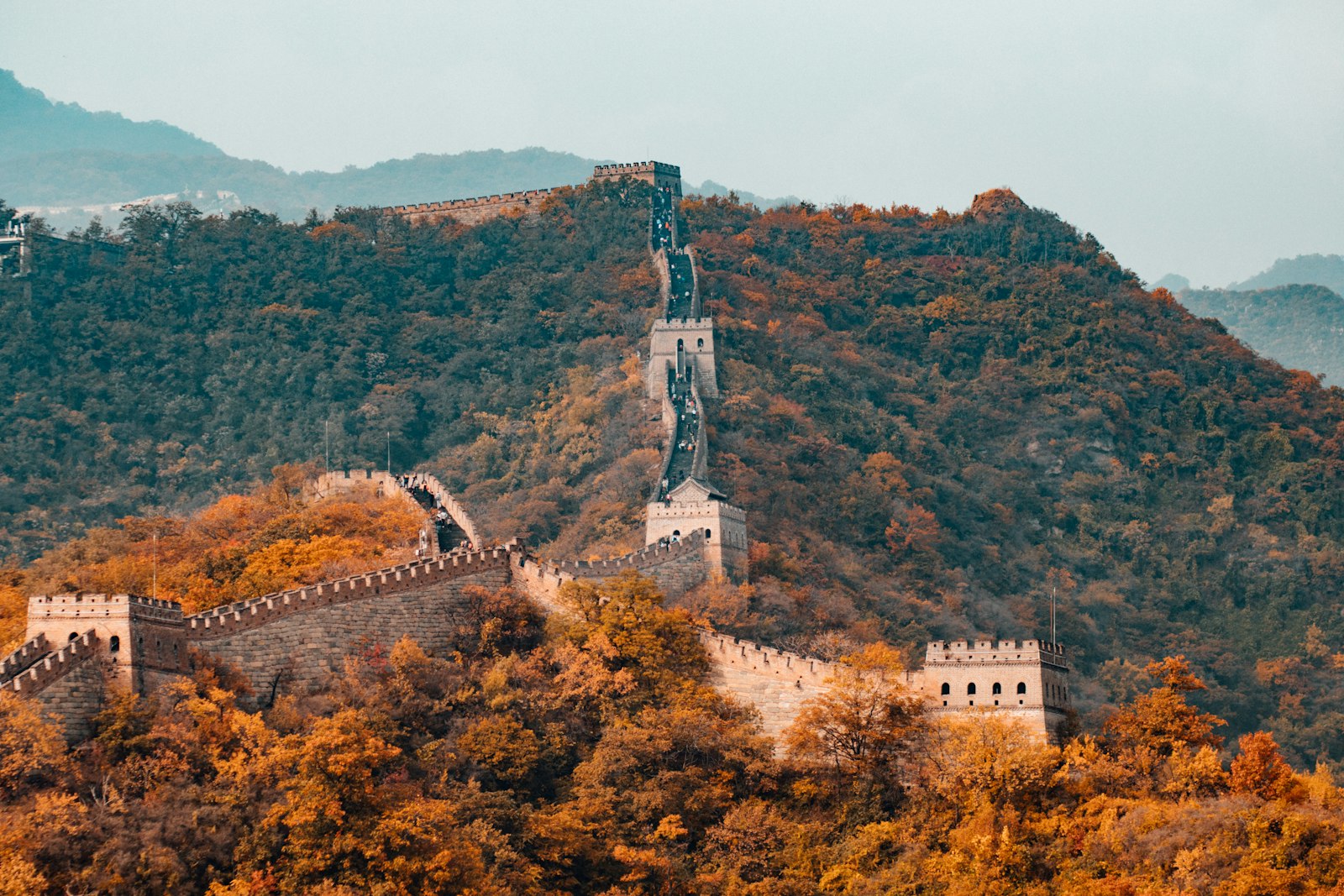
Beijing Complete Travel Guide 2026
Everything you need to know to plan a Beijing trip in 2026 - attractions, transport, food, accommodation, and 4-day itinerary.
9 min read

Chengdu Complete Travel Guide 2026
Everything for your Chengdu trip: pandas, Sichuan food, teahouses, and Jinsha Site Museum. 2026 guide with insider tips.
9 min read
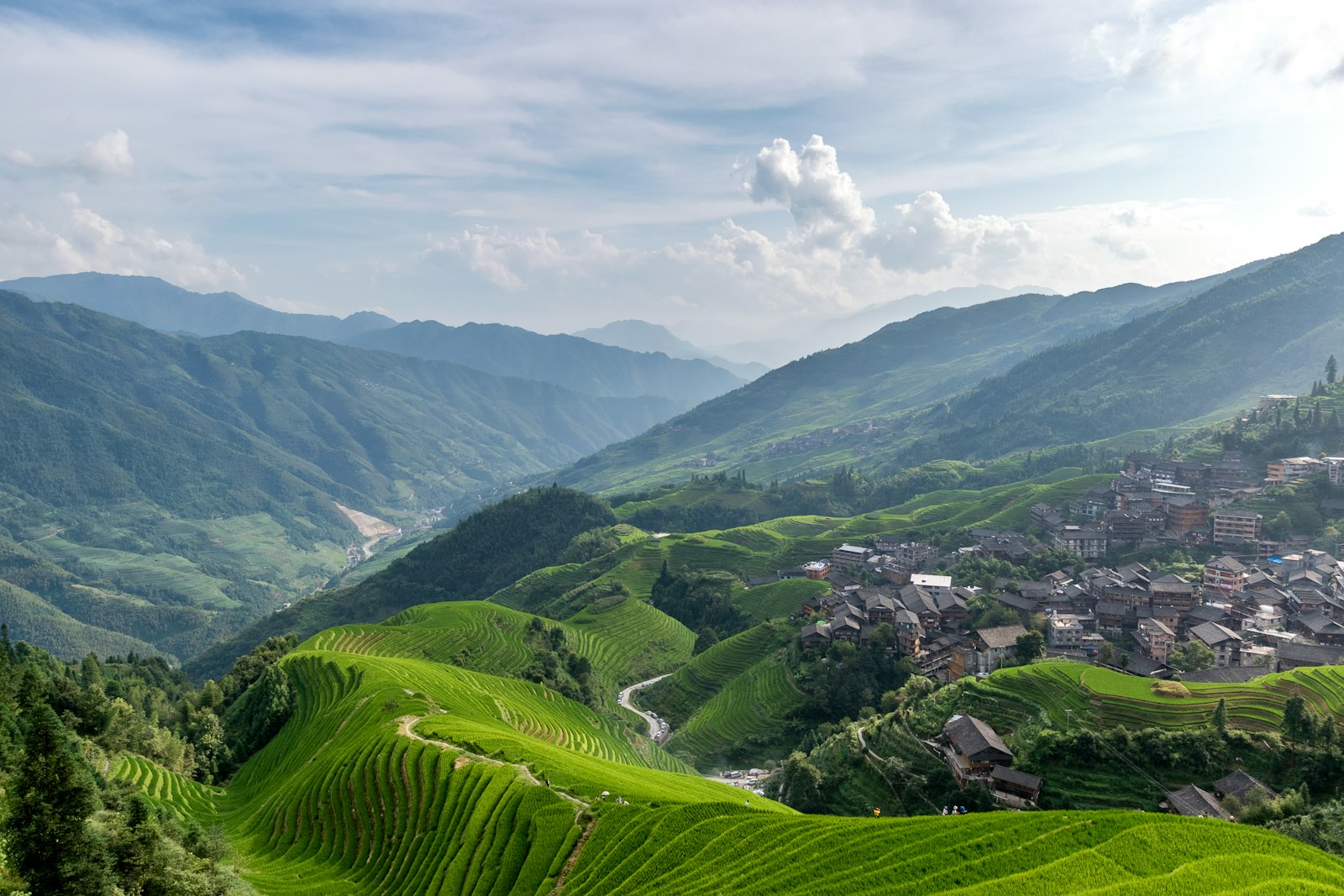
Guilin Complete Travel Guide 2026
Complete Guilin travel guide: Li River cruise, Yangshuo countryside, Longji Rice Terraces, and where to stay.
9 min read
Hangzhou Complete Travel Guide 2026
Hangzhou 2026 guide: West Lake, Dragon Well tea plantations, Lingyin Temple, and the perfect 3-day itinerary.
10 min read
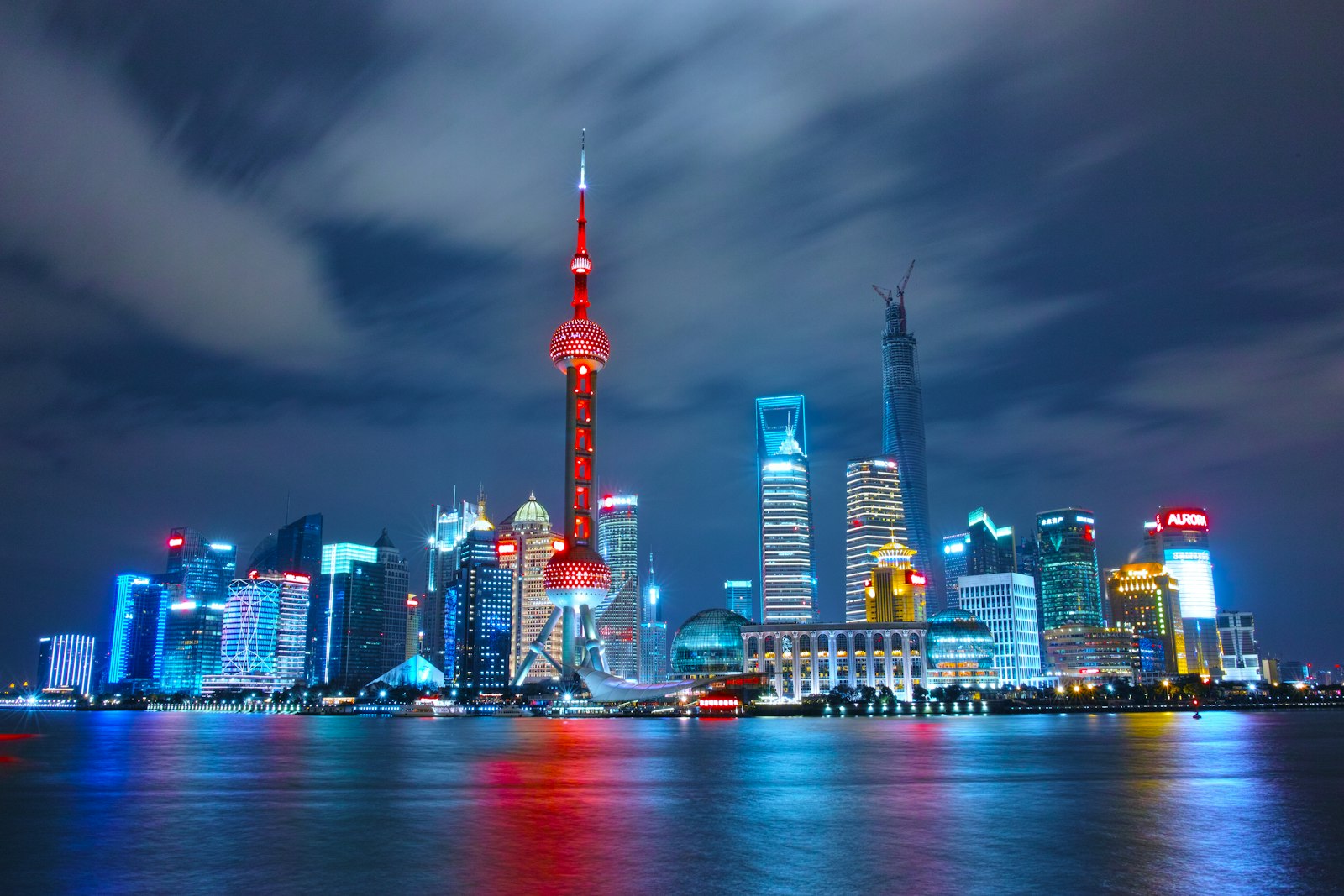
Shanghai Complete Travel Guide 2026
The ultimate Shanghai travel guide for 2026 - from the Bund and Pudong to hidden French Concession gems.
10 min read

Suzhou Complete Travel Guide 2026
Suzhou 2026 guide: classical gardens, silk museums, water town canals, and the easiest day trip from Shanghai.
10 min read