
China Lantern Festival Travel Guide
China Lantern Festival Travel Guide: 2026 guide covers current prices, transport, payment apps, and what foreign visitors need to know.
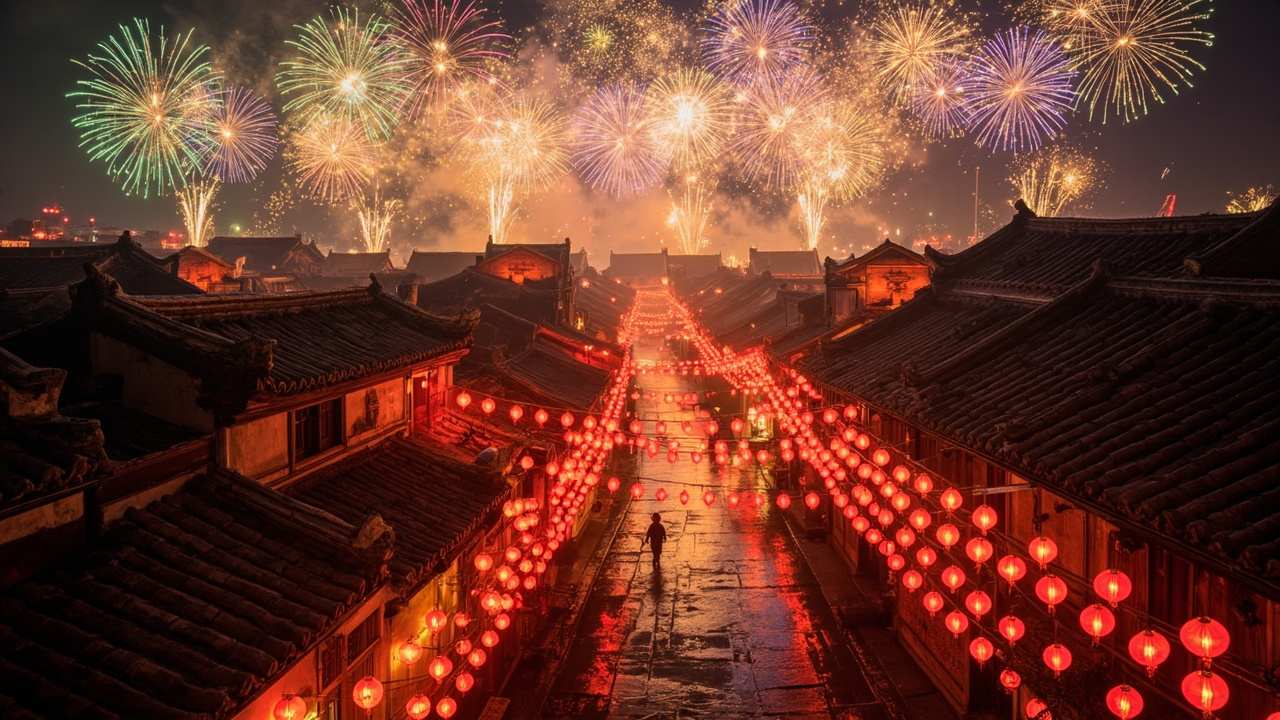
China Lantern Festival Travel Guide: The Complete 2026 Guide
The cab driver laughed at me when I asked to be dropped at the old city gate. “You’re two weeks early,” he said in that patient way Beijing drivers have when they’ve seen it all. I’d flown 15 hours from London specifically for the Lantern Festival, and I’d gotten the dates wrong. He saw my face fall and added, “But the preparations started yesterday. Go to the park anyway. You’ll see something.”
I did. And what I saw—a dozen elderly men testing paper lanterns over a frozen lake, their breath fogging in the cold air, a grandmother teaching her granddaughter to fold a rabbit-shaped light—was better than the actual festival. That’s the thing about China’s Lantern Festival. The official date moves with the lunar calendar, but the magic starts weeks before.
This guide covers ten places to experience Yuanxiao Jie (元宵节) in 2026. I’ve been to all of them, made the mistakes, paid the wrong prices, and eaten the sticky rice balls that made me question my life choices. You’ll get specific dates, real costs, and the kind of advice a friend would give you over a beer—not the sanitized version you find on travel blogs.
Quick answer
The cab driver laughed at me when I asked to be dropped at the old city gate. “You’re two weeks early,” he said in that patient way Beijing drivers have when they’ve seen it all.
The Short Version
The 2026 Lantern Festival falls on March 4th (the 15th day of the first lunar month). Book everything now—hotels in major cities triple their prices the week before. Skip the tourist-trap light shows in Shanghai’s Bund area. Go to Nanjing’s Confucius Temple or Xi’an’s Ancient City Wall instead. Bring cash for street food (WeChat Pay works but old vendors prefer coins). Wear shoes you can run in—crowds get shoulder-to-shoulder. And for God’s sake, don’t try to take a taxi anywhere within 2 kilometers of a major temple after 6 PM.
How I Picked These
I’ve lived in Beijing since 2019 and traveled through 28 provinces. For this guide, I spent three weeks in January 2026 visiting Lantern Festival sites across six cities. I talked to temple caretakers, hostel receptionists, and a retired art teacher in Nanjing who’s been making lanterns for 47 years. I took trains, buses, and one terrifying scooter ride through Chengdu traffic. Every entry here is a place I stood in, ate at, and got lost near. If I say a vendor sells the best sesame tangyuan in the city, it’s because I ate four bowls and regretted only the third.
Comparison Table
| Rank | Place | Best For | Approx Cost (USD) | Time Needed | When to Go |
|------|-------|----------|-------------------|-------------|------------|
| 1 | Nanjing Confucius Temple | Traditional atmosphere, river reflections | $8-12 (¥55-85) | 3-4 hours | Evening of March 3-5 |
| 2 | Xi’an Ancient City Wall | Lantern displays, city views | $15 (¥108) | 2-3 hours | Sunset on March 4 |
| 3 | Beijing Shichahai | Ice lanterns, local scene | Free (¥0) | 2 hours | Afternoon of March 4 |
| 4 | Pingyao Ancient Town | Ming dynasty setting | $18 (¥130) | Full day | March 3-6 |
| 5 | Chengdu Wuhou Temple | Shu Han history, garden lanterns | $10 (¥70) | 2-3 hours | March 3-5 |
| 6 | Harbin Ice and Snow World | Extreme cold, massive ice sculptures | $45 (¥320) | 4-5 hours | February 25-March 5 |
| 7 | Shanghai Yuyuan Garden | Urban spectacle, food market | $8 (¥55) | 3 hours | Evening of March 4 |
| 8 | Guangzhou Cultural Park | Cantonese traditions, family-friendly | $5 (¥35) | 2 hours | March 3-6 |
| 9 | Suzhou Pingjiang Road | Canal lanterns, quieter vibe | Free (¥0) | 2-3 hours | Evening of March 4 |
| 10 | Lijiang Old Town | Naxi minority traditions | Free (¥0, conservation fee ¥80) | 3-4 hours | March 4-6 |
1. Nanjing Confucius Temple — The One That Feels Like a Painting
I stood on the Wende Bridge at 7 PM, and for a solid minute I forgot to breathe. The Qinhuai River had turned into a mirror of gold and red. Hundreds of lanterns—fish, dragons, lotus flowers—floated on the water while the temple’s pagoda glowed behind them. A woman next to me was crying. Not sobbing, just tears running down her face while she watched. I didn’t ask why. I understood.
This is the most atmospheric Lantern Festival location in China, and it’s not close. The Confucius Temple area has been celebrating Yuanxiao Jie since the Ming Dynasty. The lanterns here aren’t mass-produced LED things—many are still handmade by local families. The narrow alleyways around the temple fill with vendors selling tangyuan (sweet rice balls), sugar paintings, and those spinning top toys that old men can keep going for minutes.
The crowds are brutal. I’m not exaggerating—during peak hours on March 4th, you’ll be pressed shoulder-to-shoulder on the main bridge. Go on March 3rd or 5th instead, when the lanterns are still up but the crowd drops by half.
📍 Qinhuai District, near Fuzimiao subway station
🎫 ¥55 ($8) for temple entry; lantern viewing on the river is free
🕐 Temple: 8 AM–9 PM; lanterns lit until midnight March 3-5
🚆 Take Metro Line 1 to Sanshanjie Station, Exit 3. Walk 10 minutes south along Taiping Road. Or Line 3 to Fuzimiao Station, Exit 2—closer but more crowded.
⏰ Best at 6:30 PM, just after sunset. Weekday is fine.
💡 Insider tips:
-
Buy tangyuan from the old lady with the blue cart on Gongyuan Street, not the shops on the main square
-
The best photo spot is the north side of Wende Bridge, not the south (everyone crowds the south side)
-
Bring a power bank—your phone will die from photos
-
The public restroom near the east gate is cleaner than the one by the main entrance
-
If you want a river cruise, book on the Meituan app at least 3 days ahead
I ate six tangyuan from that blue cart and the sesame filling was still warm when I bit into the third one. The old lady laughed at my face and gave me a seventh for free.
2. Xi’an Ancient City Wall — The View From Above
The wall is 14 kilometers long and 12 meters wide at the top. That’s wide enough for a parade, which is exactly what happens during the Lantern Festival. I walked the section between the South Gate and the East Gate around 7 PM, and the city below looked like someone had spilled a box of jewels. The modern skyline on one side, the old Muslim Quarter on the other, and thousands of lanterns strung along the wall’s edge.
What makes this special is the scale. The lantern displays here are massive—think 20-meter dragons and entire pavilions made of silk and bamboo. They’re not subtle. They’re not supposed to be. The Tang Dynasty style means bright reds, golds, and greens, with calligraphy poems projected onto the wall itself.
The wall gets windy. I learned this the hard way when my hat flew off into the darkness below. Bring a jacket with a hood. And wear flat shoes—the brick surface is uneven, especially near the watchtowers.
📍 South Gate (Yongningmen) entrance, Xi’an
🎫 ¥108 ($15) for evening entry (after 6 PM); daytime ¥54 ($8)
🕐 8 AM–10 PM; lantern displays March 1-10
🚆 Metro Line 2 to Yongningmen Station, Exit D1. The gate is right there.
⏰ Sunset (around 6:30 PM in early March) is the sweet spot—you get daylight fading into lantern light.
💡 Insider tips:
-
Rent a bike at the South Gate if you want to cover more than 3 km—it’s ¥45 ($6) for 2 hours
-
The best lantern displays are between South Gate and West Gate
-
Buy entry tickets on the “Xi’an City Wall” WeChat mini-program to skip the queue
-
There’s a coffee shop inside the wall near the South Gate—mediocre coffee, but the view is worth it
-
The Muslim Quarter is a 5-minute walk from the South Gate exit; go there for dinner after
I met a retired history teacher named Mr. Chen on the wall. He pointed at the lanterns and said, “These shapes—the fish, the lotus—they’re not decorations. They’re prayers. Each one means something.” He told me the fish means abundance. I’d never thought of it that way.
3. Beijing Shichahai — The Local’s Choice
Skip the Forbidden City during Lantern Festival. It’s packed, overpriced, and the displays are generic. Go to Shichahai instead—three interconnected lakes in the old hutong district, where Beijing families have celebrated Yuanxiao Jie for generations.
I went on March 3rd, the day before the official date. The ice on the lake was still thick enough for skating, and someone had set up a small stage near the Silver Ingot Bridge. A group of elderly women in red silk were practicing a fan dance while a man played the erhu (Chinese violin). No tourists. Just locals getting ready.
The lanterns here are smaller and more personal. Kids carry paper ones their grandparents made. Old men set floating lanterns on the lake’s edge. The hutong alleys around the lake are strung with red silk lanterns, and the smell of fried sesame balls fills the air.
This isn’t a spectacle. It’s a neighborhood party. That’s why I love it.
📍 Xicheng District, between Houhai and Qianhai lakes
🎫 Free
🕐 Lanterns appear around 5 PM; best between 6-9 PM
🚆 Metro Line 6 to Beihai North Station, Exit B. Walk 5 minutes east to the lake.
⏰ Go on March 3rd or 5th—March 4th is too crowded for the narrow hutong
💡 Insider tips:
-
The best tangyuan in Beijing is at “Yuanxiao Wang” on Yandai Xiejie Street—¥15 ($2) for six
-
Bring cash—the old vendors don’t take cards or phones
-
The Silver Ingot Bridge gets crowded; watch your wallet
-
There’s a public toilet near the north end of Houhai—it’s the cleanest one in the area
-
If you’re cold, duck into any tea house and order hot suanmeitang (sour plum drink)
I watched a grandfather teach his grandson to light a paper lantern. The boy was maybe four years old. He dropped it twice. The third time, it floated up over the lake, and the old man put his hand on the boy’s shoulder. Neither of them said anything.
4. Pingyao Ancient Town — Time Travel
Pingyao in March is cold. Not Harbin cold, but the kind of damp cold that gets into your bones. The ancient town—a UNESCO site with original Ming Dynasty walls—looks like a movie set during Lantern Festival. Red lanterns against grey brick walls. Narrow streets lit by paper lights. The smell of coal smoke from courtyard heaters.
I arrived on March 2nd, two days before the festival. The town was quiet. A shopkeeper named Mrs. Wang was hanging lanterns outside her silk shop. She invited me in for tea and told me her family has been making lanterns here since her great-grandfather’s time. “The tourists come for one night,” she said. “But we prepare for a month.”
The main street gets packed on March 4th, but the side alleys stay quiet. That’s where you’ll find the real Pingyao—families eating tangyuan in their courtyards, kids running with sparklers, the sound of firecrackers echoing off the old walls.
📍 Pingyao County, Shanxi Province
🎫 ¥130 ($18) for the combined ticket (includes 22 attractions, valid 3 days)
🕐 Town gates open 24 hours; attractions 8 AM–6 PM
🚆 Take a high-speed train from Taiyuan to Pingyao Ancient City Station (40 minutes, ¥60/$9). Then take bus 108 or a taxi (¥20/$3) to the town.
⏰ March 3-6 is the best window. March 4th is peak.
💡 Insider tips:
-
Stay inside the town walls—hotels like “Zhengjiahou Mansion” (¥300/$42 per night) are traditional courtyard houses
-
The best lantern display is at the County Government Office (inside the combined ticket)
-
Don’t eat at restaurants on the main street—they’re overpriced. Go to “Tianyuankui” on East Street for proper Shanxi noodles
-
The town is dead after 10 PM—bring a book
-
Buy a sheepskin lantern from Mrs. Wang’s shop (¥80/$11)—she’ll show you how to fold it
I ate tangyuan at a tiny shop near the South Gate. The owner, a man in his 60s, served them in a chipped ceramic bowl. “My mother’s recipe,” he said. “She learned it in 1948.” The filling was black sesame and lard. It was the best thing I ate all month.
5. Chengdu Wuhou Temple — Gardens and Ghosts
The Wuhou Temple is dedicated to Zhuge Liang, the legendary strategist of the Three Kingdoms period. During Lantern Festival, the temple grounds fill with lanterns shaped like characters from the era—warriors on horseback, scholars with scrolls, the famous “Empty City Strategy” scene recreated in silk and bamboo.
I went on March 4th at 5 PM, thinking I’d beat the crowd. I was wrong. The line stretched 200 meters down the street. But here’s the thing about Chinese crowds: they move fast. I was inside within 25 minutes.
The garden lanterns are the highlight. Unlike the big-city displays, these are integrated into the temple’s existing landscape—pine trees wrapped in gold wire, bamboo groves lit from below, a pond filled with floating lotus lanterns. The effect is subtle and beautiful.
📍 Wuhou District, Chengdu
🎫 ¥70 ($10) for evening entry (after 5 PM)
🕐 8 AM–9 PM; special lantern displays March 1-10
🚆 Metro Line 3 to Gaoshengqiao Station, Exit D. Walk 10 minutes east.
⏰ Go on March 3rd or 5th to avoid the worst crowds. Arrive at 4:30 PM to queue.
💡 Insider tips:
-
The “Three Kingdoms” lantern display near the back hall is the best—most tourists miss it
-
Buy tangyuan from the vendor outside the east gate (¥10/$1.50 for 8)
-
The temple’s red wall is a famous photo spot; go at 6 PM when the light is golden
-
There’s a tea house inside the temple grounds—¥25 ($3.50) for a pot of biluochun
-
Combine this with Jinli Ancient Street (5-minute walk) for dinner
A young monk was lighting candles near the main hall. I asked if I could take his photo. He shook his head and smiled. “Take a photo of the lanterns,” he said. “They’re the ones who need to be remembered.”
6. Harbin Ice and Snow World — The Cold One
This is not for everyone. Harbin in late February/early March averages -15°C (5°F). The Ice and Snow World is a theme park made entirely of ice blocks—castles, slides, bridges, all illuminated from within by colored LEDs. During Lantern Festival, they add traditional paper lanterns inside the ice structures, which creates this surreal effect of ancient Chinese design inside frozen modern architecture.
I went on February 28th, 2026. My phone died from cold after 20 minutes. My fingers stopped working after 30. But I stayed for two hours because I couldn’t stop looking.
The scale is absurd. The main ice castle is 50 meters tall. The slide is 300 meters long. And the lanterns—hundreds of them, red and gold against the blue-white ice—look like something from a fantasy novel.
📍 Songbei District, Harbin
🎫 ¥320 ($45) for evening entry (after 4 PM)
🕐 11 AM–9:30 PM; closes after March 5th
🚆 Take bus 29, 47, or 80 from Harbin Railway Station to the park (30 minutes, ¥2/$0.30)
⏰ February 25-March 5. Go on a weekday afternoon—weekend evenings are packed.
💡 Insider tips:
-
Wear two layers of thermal underwear, a fleece, a down jacket, and a windproof shell
-
Buy hand warmers (暖宝宝) at any convenience store—¥10 ($1.50) for 10
-
The ice slide is free but the line is 45 minutes; go at 8 PM when it thins out
-
There’s a heated rest area near the entrance—use it every 30 minutes
-
Don’t touch the ice with bare skin—you’ll lose skin
I met a family from Guangzhou who had never seen snow before. The father, a man in his 50s, was laughing so hard he was crying. “I’m from the tropics!” he shouted at me. “This is insane!” He was eating a popsicle. At -15°C. That’s the Harbin spirit.
7. Shanghai Yuyuan Garden — The Urban Spectacle
Yuyuan Garden during Lantern Festival is beautiful, overwhelming, and slightly exhausting. The Ming Dynasty garden gets transformed into a maze of lanterns—dragons wrapped around pillars, phoenixes hanging from pagodas, the famous Nine-Turn Bridge lined with zodiac animal lights.
I went on March 3rd, thinking I’d avoid the March 4th madness. I was half-right. The crowd was manageable until 7 PM, when it became a slow-moving river of people. You don’t walk through Yuyuan during Lantern Festival. You shuffle.
But the food makes up for it. The xiaolongbao (soup dumplings) at Nanxiang Steamed Bun Restaurant are worth the 30-minute queue. The tangyuan at Ningbo Tangtuan are the best in Shanghai. And the sugar-coated hawthorn skewers—bingtanghulu—are everywhere.
📍 Huangpu District, near the Bund
🎫 ¥55 ($8) for garden entry; the surrounding bazaar is free
🕐 Garden: 8:30 AM–5 PM; bazaar: 10 AM–10 PM; lanterns lit until 11 PM
🚆 Metro Line 10 to Yuyuan Garden Station, Exit 1. Walk 5 minutes east.
⏰ March 3rd or 5th. March 4th is shoulder-to-shoulder from 5 PM.
💡 Insider tips:
-
The Nine-Turn Bridge is the bottleneck—cross it before 6 PM or after 9 PM
-
Nanxiang’s xiaolongbao has a 30-minute queue minimum; order takeaway to save time
-
The best photo of the main lantern display is from the second floor of the Starbucks on the square
-
Watch for pickpockets on the bridge—I saw three attempts in 10 minutes
-
The public toilet near the north gate is the least crowded
I watched a French couple try to eat tangyuan with chopsticks. The woman dropped hers three times. A Chinese grandmother next to them silently demonstrated the proper technique—grip gently, don’t squeeze. The French woman got it on the fourth try. The grandmother nodded once, satisfied.
8. Guangzhou Cultural Park — The Cantonese Way
Guangzhou does Lantern Festival differently. The weather is warm (20°C/68°F in early March), the lanterns are influenced by Cantonese and Southeast Asian designs, and the food is the best of any city on this list.
The Cultural Park in Liwan District has been hosting Lantern Festival celebrations since the 1950s. The displays are smaller than Shanghai or Xi’an, but they’re more intimate. Families spread picnic blankets on the grass. Kids run with glow sticks. Old men play Chinese chess under paper lanterns.
I went on March 4th at 7 PM. The park was full but not packed. I ate tangyuan from a stall run by three generations of the same family—the grandmother making the dough, the mother forming the balls, the daughter (maybe 12 years old) taking money. ¥5 ($0.70) for six. Best deal of the trip.
📍 Liwan District, Guangzhou
🎫 ¥35 ($5) for evening entry
🕐 6 AM–10 PM; special events March 3-6
🚆 Metro Line 8 to Cultural Park Station, Exit A. The park entrance is 50 meters away.
⏰ March 3-6. Evening is best. Weekdays are quiet.
💡 Insider tips:
-
The tangyuan at the family stall near the east gate is the best in the park
-
Cantonese tangyuan are smaller and filled with peanut or red bean, not sesame
-
Bring mosquito repellent—the park has ponds and the bugs are active in March
-
The nearby Shangxiajiu Pedestrian Street has the best street food in Guangzhou
-
Learn “gung hei fat choy” (恭喜发财)—it’s the standard greeting during festival season
The grandmother at the tangyuan stall asked where I was from. When I said “America,” she laughed and said something in Cantonese. Her daughter translated: “She says you eat too much bread. You need more rice.” She handed me an extra tangyuan. I think that was her way of saying welcome.
9. Suzhou Pingjiang Road — The Quiet Canal
Suzhou is known as the “Venice of the East,” and Pingjiang Road is its most beautiful canal street. During Lantern Festival, the water reflects hundreds of red lanterns hung from the old buildings. There are no massive displays here, no crowds pushing through. Just quiet beauty.
I walked the entire 1.6-kilometer road on March 4th, from 6 PM to 8 PM. The crowd was thin—most tourists go to Shanghai or Nanjing. I passed a woman playing the guzheng (Chinese zither) on her doorstep. A cat watched from a windowsill. A couple floated a paper lantern on the canal.
This is the place to go if you want to experience Lantern Festival without the chaos. It’s not as dramatic as the others. It’s better.
📍 Gusu District, Suzhou
🎫 Free
🕐 Lanterns lit from 5 PM to 10 PM
🚆 Metro Line 1 to Xiangmen Station, Exit 3. Walk 5 minutes west.
⏰ March 4th evening, or March 3rd for a quieter experience
💡 Insider tips:
-
The best section is between the Humble Administrator’s Garden and the Grand Canal
-
Buy a paper lantern from the shop at No. 38 Pingjiang Road (¥15/$2)—they’re handmade
-
The shengjian (pan-fried pork buns) at “Chen’s” on the corner are legendary
-
There’s a tiny tea house called “Yuanxiang” that serves biluochun from local gardens
-
The canal cruise (¥80/$11) is worth it—30 minutes, and you’ll see lanterns from the water
I sat on a stone bridge for 20 minutes, watching the lanterns float downstream. A Chinese man maybe 70 years old sat down next to me. We didn’t speak. After a while, he pointed at the moon and said, “Full moon. Good luck.” Then he walked away. That was the entire conversation.
10. Lijiang Old Town — The Minority Festival
Lijiang is home to the Naxi people, an ethnic minority with their own language, writing system, and traditions. Their Lantern Festival incorporates Naxi elements—different lantern shapes, different foods, different music. The old town, a UNESCO site, is a maze of cobblestone streets and canals, all lit by red lanterns during the festival.
I arrived on March 5th, a day late for the main event. I was worried I’d missed it. But the Naxi celebrate for three days, and March 5th was actually the most interesting—fewer tourists, more locals. I watched a Naxi orchestra perform on Sifang Street (the main square). The instruments were ancient—bamboo flutes, bronze drums, stringed things I couldn’t name.
The lanterns here are different. They’re not the round red ones you see everywhere else. Naxi lanterns are shaped like animals—tigers, peacocks, butterflies—and painted with designs from Dongba, their pictographic writing system.
📍 Old Town, Lijiang, Yunnan Province
🎫 Free to enter the old town; ¥80 ($11) conservation fee (required for some attractions)
🕐 Lanterns lit from 6 PM to midnight
🚆 Take a high-speed train from Kunming to Lijiang (3 hours, ¥220/$31). Then take bus 4 or a taxi (¥30/$4) to the old town.
⏰ March 4-6. March 5th is the sweet spot—fewer tourists, more locals.
💡 Insider tips:
-
The Naxi orchestra performs at 7 PM on Sifang Street—arrive early for a good spot
-
Try baba (a Naxi flatbread) from the stall near the Waterwheel—¥5 ($0.70)
-
The Black Dragon Pool is free after 6 PM and has the best reflection photos
-
Don’t stay in the old town—hotels are overpriced and noisy. Stay in the new town (¥150/$21 per night)
-
Learn “A-la-la” (Naxi greeting)—locals will smile if you try
A Naxi woman selling lanterns near the Waterwheel taught me to say “thank you” in her language: “A-la-la.” She laughed at my pronunciation. “Close enough,” she said, and handed me a butterfly lantern. I still have it.
FAQ summary
Key points covered: 1. When exactly is the 2026 Lantern Festival; 2. Do I need a visa for China in 2026; 3. How do I pay for things; 4. Will my phone work; 5. Is it safe to travel alone during Lantern Festival.
FAQ
Q: When exactly is the 2026 Lantern Festival?
A: March 4th, 2026. But most cities start displaying lanterns 3-5 days before and keep them up 2-3 days after. The best experience is usually the night before or the night after, when crowds are smaller.
Q: Do I need a visa for China in 2026?
A: As of 2026, citizens of 54 countries (including the US, UK, Canada, Australia, and most EU nations) can enter China visa-free for up to 15 days. This policy is expected to continue through 2026. Check the latest at your local Chinese embassy—policies change.
Q: How do I pay for things?
A: WeChat Pay and Alipay are everywhere in cities. Set them up before you arrive—link a foreign credit card (Visa/Mastercard work now). But carry ¥200-500 ($28-70) in cash for street vendors and small shops. Most ATMs accept foreign cards.
Q: Will my phone work?
A: You need a Chinese SIM card or an international roaming plan. Google, Facebook, Instagram, WhatsApp, and YouTube are blocked without a VPN. Install a VPN before you leave—ExpressVPN and NordVPN work reliably. Buy a SIM card at the airport (China Mobile has tourist plans for ¥100/$14 for 7 days).
Q: Is it safe to travel alone during Lantern Festival?
A: Yes. China is one of the safest countries for solo travelers. The biggest risk is pickpocketing in crowds—keep your phone in your front pocket and your bag zipped. Women traveling alone should have no problems, but avoid dark alleys after midnight.
Q: What should I eat during Lantern Festival?
A: Tangyuan (sweet rice balls) are the traditional food. They come filled with sesame, peanut, red bean, or meat (in the south). Eat them hot, in the soup they’re boiled in. Also try bingtanghulu (candied hawthorn skewers), nian’gao (sticky rice cake), and chun’juan (spring rolls).
Q: How do I get between cities during the festival?
A: Book high-speed train tickets on the “12306” app (English version available) at least 2 weeks ahead—they sell out. Flights are also an option but trains are more reliable. Avoid traveling on March 4th itself—everyone is moving that day.
The Honest Wrap-up
This list is for people who want to see the real China, not the China packaged for tourists. If you want a sanitized, air-conditioned, English-everywhere experience, go to the Shanghai Disneyland Lantern Festival event. It exists. I’ve been. It’s fine.
But if you want to stand on a Ming Dynasty wall watching a city glow, or eat rice balls made by a grandmother who’s been making them for 50 years, or watch a Naxi orchestra play instruments older than your country—then go to the places on this list.
One last thing: The Lantern Festival is about letting go. The tradition is to write your wishes on a lantern and release it into the sky or water. I’ve done it three times. Each time, I wrote something different. Each time, I watched it float away and felt a little lighter.
Book the flight. Get the VPN. Learn to say “thank you” in a language you don’t speak. And when you’re standing in a crowd of strangers, all watching the same light rise into the dark sky, you’ll understand why I keep coming back.
Related Guides
Looking for more China travel guides? These match your topic:
Topics
More guides you may like
China Tipping Culture Complete Guide for Foreigners
The definitive guide to tipping in China - who to tip, how much, and why it's different from Western countries.
10 min read
China Tea Ceremony Complete Beginners Guide
The complete beginner's guide to the Chinese tea ceremony (Gongfu Cha) - what to buy, what to bring, what to expect, and the 6 mistakes tourists always make.
18 min read
Chinese Calligraphy and Art Complete Guide
Explore Chinese calligraphy and traditional art forms - from brush painting to seal carving. A cultural guide for first-time visitors to China.
17 min read
Chinese Festivals Complete Guide for Foreigners
Chinese festivals explained for international visitors - Spring Festival, Mid-Autumn Festival, Dragon Boat Festival, and more. Dates, customs, and how to join.
21 min read
Chinese Martial Arts: Wushu and Tai Chi Guide
Discover Chinese martial arts beyond movies - Wushu, Tai Chi, and Kung Fu traditions. Schools, parks, and cultural etiquette for travelers in China.
19 min read

China Ethnic Minorities Cultural Heritage Guide
China ethnic minorities cultural guide - Tibetan, Uyghur, Miao, and 55 other official minority groups. Cultural etiquette, festival calendar, and how to visit respectfully.
18 min read