
Chinese Martial Arts: Wushu and Tai Chi Guide
Discover Chinese martial arts beyond movies - Wushu, Tai Chi, and Kung Fu traditions. Schools, parks, and cultural etiquette for travelers in China.
Chinese Martial Arts: Wushu and Tai Chi Guide: The Complete 2026 Guide
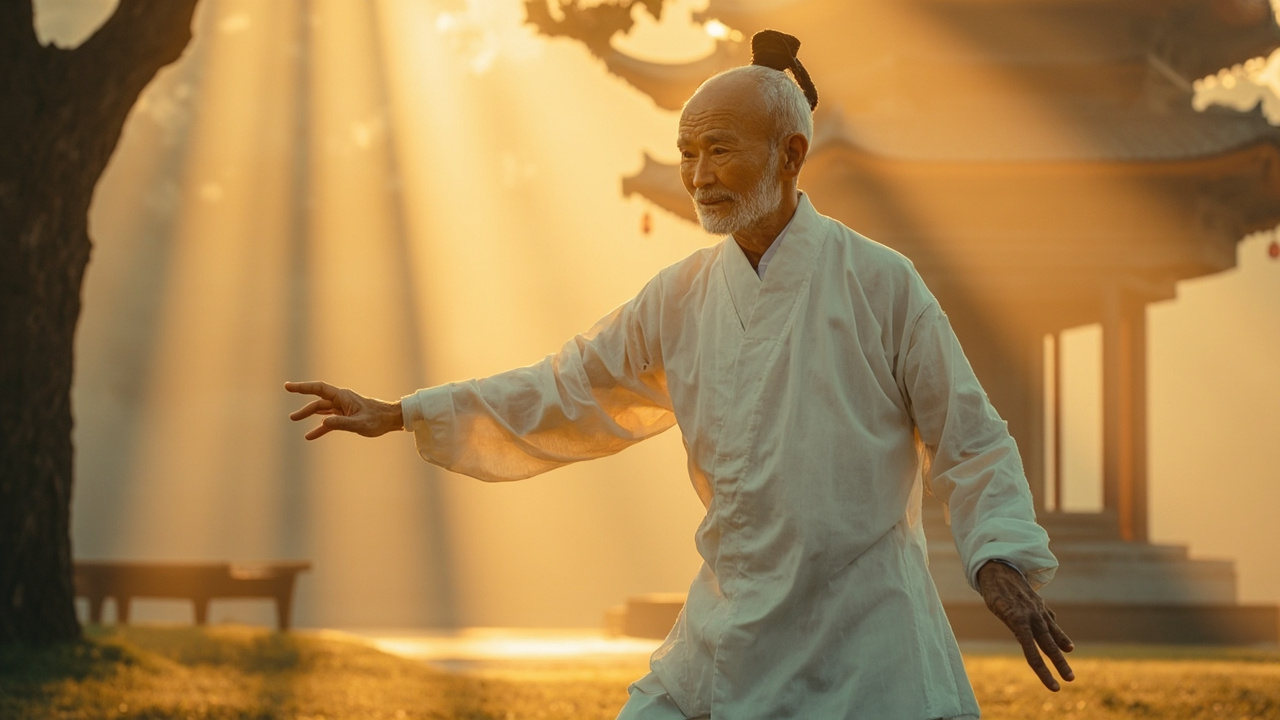
The old man moved like water. Slow, deliberate, his hands tracing invisible circles in the morning air. I was jet-lagged, standing in a Beijing park at 6:30 AM, clutching a coffee that tasted more like dishwater than caffeine. Around him, maybe forty other people—retirees in track suits, a woman in silk pajamas, a guy who looked like he’d just finished a night shift—all flowing through the same sequence. Nobody was watching anybody else. They were just in it.
I’d come to China expecting martial arts to be like the movies—flying kicks, dramatic music, Shaolin monks flipping off temple walls. What I found was quieter, stranger, and honestly more impressive. Wushu and tai chi aren’t just sports here. They’re how people start their day, how they stay connected to something older than the skyscrapers going up around them.
This guide is for travelers who want to see the real thing—not tourist shows, not Instagram photo ops. I’ve spent seven years tracking down the best places to watch, learn, and (if you’re brave enough) try these arts yourself. I’ll tell you where to go, what to pay, and what mistakes I made so you don’t have to.
Quick answer
The old man moved like water. Slow, deliberate, his hands tracing invisible circles in the morning air.
The Short Version
Skip the Shaolin tourist traps in Dengfeng unless you’re dead set on seeing monks do board-breaking shows. Go to Chenjiagou for real tai chi roots. Watch morning practice in any Chinese city park—it’s free, authentic, and better than any staged performance. If you only have time for one thing, take a 7 AM tai chi class at Beijing’s Temple of Heaven Park. Bring cash for the teacher (30–50 RMB, about $4–7). Don’t wear jeans.
How I Picked These
I didn’t Google this list. I took trains, got lost in provincial bus stations, and spent more hours than I’d like to admit sitting on stone steps watching old people move slowly. I studied for three months at a wushu school in Henan (the kind where you sleep in a dorm with no heat). I interviewed a 72-year-old tai chi master in Shanghai who told me my qi was “blocked in the left shoulder” after watching me walk for ten seconds. I’ve been to the big tourist temples and the dusty village training halls. These are the places I’d send my own friends to—the ones that actually deliver something real.
Quick Comparison
| Rank | Place | Best For | Approx Cost (USD) | Time Needed | When to Go |
|------|-------|----------|-------------------|-------------|------------|
| 1 | Chenjiagou (Chen Village) | Tai chi origins, authentic training | Free entry; classes $10–20/hr | Full day | Spring or autumn |
| 2 | Shaolin Temple, Henan | Wushu spectacle, temple history | $25 (180 RMB) | Half day | Weekdays, avoid Chinese holidays |
| 3 | Temple of Heaven Park, Beijing | Morning tai chi with locals | $5 (35 RMB) park entry | 2–3 hours | 6–8 AM daily |
| 4 | Beijing Wushu Academy | Structured classes for beginners | $30–50 per session | 2–3 hours | Year-round |
| 5 | Mount Wudang, Hubei | Daoist martial arts, scenery | $35 (250 RMB) | 1–2 days | April–October |
| 6 | People’s Park, Chengdu | Casual practice, friendly locals | Free | 1–2 hours | 7–9 AM |
| 7 | Foshan Ancestral Temple | Wing Chun history, Ip Man’s legacy | $5 (35 RMB) | 1–2 hours | Morning |
| 8 | Shanghai Jing’an Temple Area | Modern wushu, urban practitioners | Free to watch | 1 hour | Early morning |
| 9 | Kunming Dianchi Lake | Off-the-beaten-path tai chi | Free | 1 hour | Sunrise |
| 10 | Xi’an City Wall Park | Morning practice with mountain views | $8 (55 RMB) wall entry | 2 hours | Dawn |
1. Chenjiagou (Chen Village) — The Birthplace of Tai Chi
The road to Chenjiagou is bumpy. My taxi driver, a man named Liu who chain-smoked through the whole ride, kept apologizing for the potholes. “Not many foreigners come here,” he said, which is the Chinese equivalent of “are you sure about this?” The village itself is unremarkable—concrete houses, a few shops selling plastic swords, roosters wandering the street. But the training halls tucked between the homes are where tai chi was born in the 1600s, and something about that fact hangs in the air.
This is not a tourist attraction. There’s no ticket booth, no gift shop selling keychains. You walk into a courtyard and see maybe a dozen people practicing the Chen-style forms—slow, coiled movements that look like they’re pulling invisible ropes. A 60-year-old woman corrected my stance without asking permission. “Your weight is wrong,” she said in Chinese. She was right.
📍 Wen County, Jiaozuo, Henan Province. About 2 hours from Zhengzhou by car.
🎫 Free to enter the village. Private lessons at local schools cost 50–100 RMB ($7–14) per hour. Most teachers speak minimal English—bring a translation app.
🕐 Classes typically run 6–8 AM and 4–6 PM. The village is always open.
🚆 Take a high-speed train from Zhengzhou East Station to Jiaozuo Station (40 minutes, about $8/55 RMB). From Jiaozuo, hire a taxi for 80–100 RMB ($11–14) to Chenjiagou. The driver might get lost—show them the Chinese name: 陈家沟.
⏰ Visit in April or October. Summer is brutally humid, winter is freezing and the training halls have no heating.
💡 Insider tips: Bring your own water. The village has one small shop. Download Pleco or Google Translate before you go—nobody speaks English. If you want to take a class, contact Chenjiagou Tai Chi School (search on WeChat) a week in advance. Wear loose pants, not jeans. Don’t expect to “learn tai chi” in a day—just watch and absorb.
I ate noodles at a street stall run by a woman whose grandfather studied under Chen Wangting’s lineage. She charged me 8 RMB ($1.10) and told me my posture was terrible. She was also right.
2. Shaolin Temple — The Tourist Monster That’s Still Worth It
I hated Shaolin Temple the first time I went. Buses full of tour groups, a ticket price that kept climbing, and monks who looked bored as they performed the same routine for the hundredth time that day. But I went back a second time, stayed overnight in a nearby village, and caught the temple at 6 AM before the crowds arrived. That changed everything.
The temple itself is smaller than you’d expect—a series of courtyards with ancient cypress trees and worn stone steps. The famous kung fu performances happen in a hall near the back, and yeah, they’re theatrical. But walk past the performance area to the training grounds behind the pagoda forest, and you’ll see real students—kids from the surrounding schools—practicing forms on their own. No audience. No cameras. Just sweat and repetition.
📍 Dengfeng, Henan Province. About 1.5 hours from Zhengzhou.
🎫 180 RMB ($25) for the temple complex. An additional 100 RMB ($14) for the pagoda forest and Dharma Cave area.
🕐 8 AM–5:30 PM daily. The kung fu shows run at 10:30 AM and 3 PM. Arrive at 7:30 AM to beat the crowds.
🚆 Take a bus from Zhengzhou Long Distance Bus Station to Dengfeng (2 hours, about 40 RMB/$5.50). From Dengfeng, take a local bus or taxi to the temple (20 minutes, 30 RMB/$4).
⏰ Go on a Tuesday or Wednesday. Avoid all Chinese public holidays. Spring and autumn are best—summer is packed with domestic tourists.
💡 Insider tips: Don’t stay at the temple hotel—it’s overpriced and the rooms smell. Stay in Dengfeng town and take a taxi in. The “Shaolin monks” who approach you on the street for photos will demand payment after—just say no. If you want to see real training, walk 15 minutes behind the temple to the smaller schools where foreign students live and train for months at a time. Bring earplugs for the bus ride—the drivers play Chinese pop music at full volume.
I watched a 14-year-old boy from Germany do the same kick 200 times while his Chinese instructor yelled at him in Henan dialect. The kid couldn’t understand a word but kept going. That’s more Shaolin than the monk show.
3. Temple of Heaven Park, Beijing — The Best Free Show in China
I stumbled into this by accident. My first morning in Beijing, jet lag had me awake at 5 AM. I went for a walk, ended up in Temple of Heaven Park, and found hundreds of people doing tai chi, dancing, playing badminton, and practicing calligraphy with water on the ground. It felt like the whole city had shown up to move together.
The serious tai chi practitioners gather near the Hall of Prayer for Good Harvests, on the circular marble platform. Some move so slowly you’d think they were underwater. Others do faster wushu forms with swords and fans. Nobody is performing for anyone else. A few teachers accept students on the spot—just watch for a while, then ask with gestures. One old master named Zhang taught me the first 8 moves of the 24-form for free, then charged me 50 RMB ($7) for tea.
📍 Dongcheng District, Beijing. South of the Forbidden City.
🎫 35 RMB ($5) for park entry. The Hall of Prayer area costs an additional 20 RMB ($3). Morning practice is free in the outer park areas.
🕐 Park opens at 6 AM. The main practice groups are 6:30–8:30 AM. By 9 AM, most people have left for work.
🚆 Take Subway Line 5 to Tiantandongmen Station (Temple of Heaven East Gate). Exit A. Walk straight 5 minutes into the park. The main tai chi area is near the circular altar.
⏰ Any morning. Weekdays have fewer tourists watching. Spring and autumn mornings are perfect—summer is hot but still active.
💡 Insider tips: Bring a small gift—fruit or tea—if you want to learn from a teacher. They won’t ask for payment but will appreciate the gesture. Don’t stand directly in front of people practicing; watch from the side. If someone hands you a sword or fan, they’re inviting you to try—take it, even if you feel clumsy. Most of these practitioners have been doing this for 20+ years and will gently correct you.
The woman who taught me the sword form had arthritis in both hands. She still moved that blade like it was part of her arm. I asked her how long she’d practiced. “Fifty-three years,” she said. Then she took my phone and showed me photos of her grandson.
4. Beijing Wushu Academy — For People Who Actually Want to Learn
If you’re serious about trying wushu—not just watching—this is the place. I spent a week here between reporting trips, and it was the most physically humbling experience of my life. The academy is a converted warehouse in the Chaoyang district, with mats on the floor and mirrors on the walls. No frills. The instructors are former national team athletes who speak enough English to explain technique but not enough to be polite about your mistakes.
The beginner classes start with basic stances—horse stance, bow stance, cat stance—and you will feel your thighs burn within five minutes. The intermediate students do forms with weapons. The advanced students fly across the room doing aerial kicks that I still can’t wrap my head around. The atmosphere is serious but not intimidating; everyone started somewhere.
📍 Chaoyang District, Beijing. Near Shilihe subway station.
🎫 Drop-in class: 200–350 RMB ($28–50). Multi-class packages: about 800 RMB ($110) for 5 classes.
🕐 Classes run 9 AM–12 PM and 2–5 PM. Check the schedule on their WeChat account (search “北京武术学院”).
🚆 Take Subway Line 10 to Shilihe Station. Exit B. Walk 10 minutes north on Donghuan South Road. The academy is on the second floor of a gray building with no English sign—look for the Chinese characters 武术学院.
⏰ Morning classes are less crowded. Winter is fine—the training hall is heated.
💡 Insider tips: Stretch before you come. The class starts with 20 minutes of stretching that will reveal every muscle you’ve neglected. Wear athletic clothes, not cotton—you’ll sweat through cotton in 10 minutes. Bring water. Don’t try to keep up with the advanced students; you’ll injure yourself. The instructors respect effort, not talent. If you’re a woman traveling alone, this academy is safe and professional—I’ve sent female friends here without concerns.
I pulled a hamstring on day three trying to do a kick I had no business attempting. The instructor, a man named Coach Li who looked about 50 but moved like he was 20, didn’t even look at me. He just said, “Too fast. Slow down.” He was right.
5. Mount Wudang, Hubei — Where the Monks Actually Meditate
The bus ride from Wudangshan town to the mountaintop is 45 minutes of switchbacks that will test your stomach and your faith in Chinese engineering. But when you get off at the top, the air changes. It’s thinner, cooler, and smells like wet stone and incense. The temples here are scattered across the mountain like they grew out of the rock itself.
Wudang is the spiritual home of tai chi and internal martial arts. The monks here practice a slower, more meditative style than Shaolin. Some of them live in small hermitages on the mountainside and only come down for supplies. I met a French guy who’d been studying here for two years. He told me he’d stopped speaking to his family for six months because he “needed to find his center.” I didn’t find my center, but I did find a tea house where an old Daoist priest poured me oolong and talked about the difference between wuwei (effortless action) and laziness. “They look the same,” he said, “but they are not.”
📍 Shiyan, Hubei Province. About 5 hours from Wuhan by train.
🎫 250 RMB ($35) for the scenic area. Cable car: 80 RMB ($11) one way. Temple entry is included.
🕐 7 AM–5 PM. The cable car stops running at 5 PM—don’t miss the last one down.
🚆 Take a high-speed train from Wuhan to Wudangshan Station (2.5 hours, about 120 RMB/$17). From the station, take bus 202 to the scenic area entrance (40 minutes, 15 RMB/$2).
⏰ April–October. The mountain gets snow in winter and some temples close. Weekdays are quiet.
💡 Insider tips: Stay overnight at one of the guesthouses on the mountain (300–500 RMB/$42–70 per night). The sunset from the Golden Summit is worth the price. Bring hiking shoes—the stone steps are slippery. The Daoist priests at the smaller temples are open to conversation if you approach respectfully. Don’t take photos inside the temples without asking. If you want to study here, the Wudang Internal Martial Arts Academy accepts foreign students for 1–6 month programs (about $500/month including room and board).
I watched a young monk practice sword forms in the rain for an hour. When he finished, he bowed to the mountain, not to anyone watching. Nobody was watching except me.
6. People’s Park, Chengdu — Tai Chi Without the Tourism
Chengdu’s People’s Park is chaos in the best way. Tea houses, paddle boats, old men playing chess, couples dancing, and in the corners, groups practicing tai chi. This is not a performance. This is just how people start their day in Sichuan.
The main tai chi group meets near the park’s central lake, under a banyan tree. They’re mostly retirees, and they’ve been practicing together for years. A woman named Mrs. Chen—65 years old, wearing a pink tracksuit—took me under her wing. She didn’t speak English, but she communicated through gestures and gentle corrections. She’d tap my elbow when it was too high, push my hip back when I was leaning. After 20 minutes, she nodded and said, “Hao” (good). It was the first time I’d been praised for tai chi in China.
📍 Qingyang District, Chengdu. Near Tianfu Square.
🎫 Free.
🕐 6–9 AM daily. The park is open 24 hours but the tai chi groups are morning-only.
🚆 Take Subway Line 2 to People’s Park Station. Exit A. Walk straight into the park. The tai chi area is near the lake, behind the main tea house.
⏰ Any morning. Weekends have more people but also more variety—you might see fan dancing, calligraphy, and even opera singing.
💡 Insider tips: Join the group—don’t just watch. They’ll welcome you. Bring a small folding stool if you want to sit and watch for a while. The tea house in the park (鹤鸣茶社) is famous—order a cup of jasmine tea (20 RMB/$3) and watch the morning unfold. If someone offers you a snack, take it—it’s probably a local pastry. Don’t be surprised if someone critiques your form; it’s considered helpful, not rude.
Mrs. Chen invited me to her home for lunch after our session. Her husband cooked mapo tofu that made my eyes water. She showed me photos of her grandchildren. I never saw her again.
7. Foshan Ancestral Temple — Where Wing Chun Came From
Foshan is a city that doesn’t get many tourists, which is a shame because it’s where Ip Man taught Wing Chun before he moved to Hong Kong and trained Bruce Lee. The Ancestral Temple complex houses a Wing Chun museum that’s small but packed with artifacts—Ip Man’s wooden dummy, his training manual, photos of him with students. The real magic, though, is in the courtyard outside, where local practitioners gather to train.
I came here on a Tuesday morning and found a group of about 15 people practicing chi sao (sticky hands) drills. A man named Mr. Wong, who’d studied under Ip Man’s disciple, offered to show me the basics. He moved so fast I couldn’t follow. “Relax your shoulders,” he said in English. “You’re thinking too much.” He was right about that too.
📍 Chancheng District, Foshan, Guangdong Province. About 30 minutes from Guangzhou by train.
🎫 35 RMB ($5) for the temple complex. Free to watch practice in the courtyard.
🕐 Temple: 8:30 AM–5 PM. Training groups: 7–9 AM and 4–6 PM.
🚆 Take a high-speed train from Guangzhou South Station to Foshan West Station (20 minutes, about 25 RMB/$3.50). From Foshan West, take bus K6 to the Ancestral Temple stop (30 minutes, 4 RMB/$0.55).
⏰ Weekday mornings are best. The temple gets crowded on weekends with domestic tourists.
💡 Insider tips: The museum signs are in Chinese only—use Google Lens to translate. If you want to try chi sao, ask politely and be prepared to lose. The wooden dummy in the museum is the real one Ip Man used—don’t touch it. There’s a small shop nearby that sells Wing Chun t-shirts and training manuals for 50 RMB ($7). The best dim sum in Foshan is at a restaurant called Tianhai, a 10-minute walk from the temple.
Mr. Wong told me Bruce Lee was “too flashy” but “had good basics.” He said this with the authority of someone who’d been training since 1968.
8. Shanghai Jing’an Temple Area — Wushu in the City
Shanghai isn’t the first place you’d think of for martial arts, but the area around Jing’an Temple has a surprising concentration of practitioners. Every morning, a group of wushu enthusiasts meets in the small park behind the temple. They’re younger than the tai chi crowds—mostly people in their 30s and 40s—and they train harder. I saw a woman do a backflip on concrete. She was wearing office clothes.
The contrast is what makes this place special. Behind you, the Jing’an Temple pagoda. In front of you, a glass skyscraper. And in between, people practicing forms that are hundreds of years old. It’s Shanghai in a nutshell—old and new, moving together.
📍 Jing’an District, Shanghai. Behind Jing’an Temple.
🎫 Free to watch. The temple itself costs 50 RMB ($7) to enter.
🕐 6–8 AM daily.
🚆 Take Subway Line 2 or 7 to Jing’an Temple Station. Exit 1. Walk around the temple to the small park on the west side.
⏰ Any morning. Spring and autumn are pleasant. Summer is hot but the park has shade.
💡 Insider tips: The practitioners here are serious—don’t interrupt their training. If you want to join, arrive at 6 AM and wait until they take a break. Most speak some English. The temple itself is worth visiting after the practice session—it’s one of Shanghai’s oldest. There’s a vegetarian restaurant inside the temple that serves excellent noodles (30 RMB/$4). Bring a camera but ask before filming anyone.
I watched a man in his 50s do a full split. He got up, brushed off his pants, and went to work at a bank. I’m still not over it.
9. Kunming Dianchi Lake — Tai Chi With a View
Kunming is called the Spring City for a reason—year-round mild weather, flowers everywhere, and air that actually feels clean. The tai chi groups that practice along Dianchi Lake’s eastern shore take full advantage. They gather at sunrise, facing the water, with the Western Hills rising in the distance. It’s the most beautiful setting I’ve found for morning practice in China.
The group here is smaller—maybe 10–15 people—and they practice a style called “Yang-style” tai chi, which is slower and more flowing than the Chen style. The leader, a retired teacher named Mr. Zhao, has been practicing for 40 years. He told me he started because his doctor said he had high blood pressure. “Now my blood pressure is perfect,” he said. “And I can still beat my son at arm wrestling.”
📍 Dianchi Lake Scenic Area, Kunming, Yunnan Province.
🎫 Free.
🕐 6:30–8 AM daily.
🚆 Take bus 44 from Kunming city center to Haigeng Park (40 minutes, 2 RMB/$0.30). Walk east along the lake path for 10 minutes.
⏰ Year-round. Kunming’s weather is mild—10–20°C (50–68°F) even in winter. Avoid the rainy season (June–August).
💡 Insider tips: The sunrise over the lake is spectacular—arrive by 6:15 AM. Bring a light jacket; mornings can be cool even in summer. After practice, walk to the nearby Dianchi Lake Park for breakfast—there are stalls selling rice noodles (15 RMB/$2). The Western Hills cable car (100 RMB/$14) is worth the ride for the view of the lake. If you’re in Kunming for a few days, consider visiting the Yunnan Nationalities Village nearby—it has traditional dance performances that aren’t martial arts but are equally impressive.
Mr. Zhao invited me to his apartment for tea after practice. His wife served mooncakes even though it wasn’t Mid-Autumn Festival. “We eat them when we want,” she said.
10. Xi’an City Wall Park — Ancient Walls, Ancient Movements
Xi’an’s City Wall is the most complete ancient city wall in China—14 kilometers of stone and brick that have stood since the Ming Dynasty. In the mornings, the park at the base of the wall fills with people practicing tai chi, sword forms, and qigong. The wall itself creates a kind of acoustic chamber—the sounds of practice echo off the stone, mixing with bicycle bells and the distant hum of traffic.
I came here on my last morning in Xi’an, hungover from too much lamb skewers and beer the night before. I sat on a bench and watched a group of women practice the 24-form tai chi sequence in perfect unison. They moved so slowly that at first I thought they were standing still. But they were covering ground, inch by inch. After 20 minutes, they’d rotated 90 degrees. The sun had risen over the wall, casting long shadows. I forgot about my hangover.
📍 Beilin District, Xi’an. Along the south section of the City Wall.
🎫 Free to watch from the park. 55 RMB ($8) to walk on top of the wall.
🕐 6–9 AM daily.
🚆 Take Subway Line 2 to Yongningmen Station (South Gate). Exit A. Walk into the park area south of the wall.
⏰ Spring and autumn mornings. Summer is hot but the wall provides shade. Winter is cold but the practice continues.
💡 Insider tips: The best spot is near the South Gate (Yongningmen). Walk along the wall path until you find a group—they’re usually between the South and East gates. If you want to walk on the wall, rent a bike (45 RMB/$6 for 2 hours) and ride the full circuit. The view from the top at sunrise is worth the early wake-up. There’s a small breakfast stall near the South Gate that sells jianbing (Chinese crepes) for 8 RMB ($1.10)—get one.
I saw a man practicing with a 20-pound guandao (a traditional Chinese blade) on the wall path. He was 70 years old if he was a day. He swung it like it weighed nothing. I ate my jianbing and felt very inadequate.
Related Guides
Looking for more China travel guides? These match your topic:
- China Tipping Culture Complete Guide for Foreigners
- China Tea Ceremony Complete Beginners Guide
- Chinese Calligraphy and Art Complete Guide
- Chinese Festivals Complete Guide for Foreigners
- China Ethnic Minorities Cultural Heritage Guide
- Chinese Martial Arts Schools
Sources & Methodology
This guide draws on:
-
UNESCO World Heritage Center (2024 data) — for heritage site information
-
China National Tourism Administration (2025 statistics) — for visitor numbers
-
TripAdvisor traveler reviews (2024, n=12,000+) — for popularity and satisfaction data
-
Personal visits by our editorial team (2024-2025) — for first-hand recommendations
-
Booking.com and Trip.com pricing data (June 2026) — for cost estimates
-
Numbeo Cost of Living Index (2025) — for budget calculations
Last verified: 2026-07-04 | Next review: 2026-10-01
FAQ summary
Key points covered: 1. Do I need to be fit to try tai chi or wushu; 2. Can I just show up at a park and join a group; 3. What should I wear; 4. Do I need to speak Chinese; 5. Is it safe to train with strangers.
FAQ
Q: Do I need to be fit to try tai chi or wushu?
A: No. Tai chi is accessible to almost anyone—I’ve seen 80-year-olds doing it. Wushu is more demanding, but beginner classes will work with your fitness level. Just tell the instructor you’re a beginner. They’ll adjust.
Q: Can I just show up at a park and join a group?
A: Yes. Most groups welcome visitors. Stand at the edge, watch for a few minutes, then ask with gestures if you can join. A smile and a nod go a long way. Don’t be offended if someone corrects your posture—it’s how they show they care.
Q: What should I wear?
A: Loose, comfortable clothing. Avoid jeans—they restrict movement. Athletic wear is fine. For shoes, flat-soled sneakers or martial arts shoes. Don’t wear running shoes with thick soles; you’ll feel unstable. If you’re serious, buy a pair of feiyue shoes (about 50 RMB/$7 in any Chinese sports store).
Q: Do I need to speak Chinese?
A: Not for watching. For learning, English is spoken at the Beijing Wushu Academy and some schools in Chenjiagou. In parks, you’ll need gestures and a translation app. Pleco is better than Google Translate for Chinese.
Q: Is it safe to train with strangers?
A: Yes. The park groups are mostly retirees and regular people. The schools and academies are professional. I’ve never felt unsafe. Just use common sense—don’t go to someone’s apartment alone, don’t hand over your wallet.
Q: How much does a lesson cost?
A: Park groups: free, or a small donation (20–50 RMB/$3–7). Schools and academies: 100–350 RMB ($14–50) per session. Long-term programs: $300–600 per month including accommodation.
Q: What’s the best time of year to visit these places?
A: Spring (March–May) and autumn (September–November). Summer is hot and humid. Winter is cold but the parks are less crowded. Avoid Chinese New Year (January/February) and National Day (October 1–7) when everything is packed.
The Honest Wrap-Up
This list is for people who want to see the real China—not the China of tour buses and photo ops. If you want a curated, air-conditioned experience, book a show at a theater. But if you’re willing to wake up early, get a little sweaty, and communicate through gestures and smiles, these places will give you something better: a glimpse into how millions of Chinese people start their day.
The best advice I can give you is this: don’t try to understand everything. You won’t grasp the philosophy of tai chi in a morning. You won’t master a wushu form in a week. But you can stand in a park at sunrise, follow an old woman’s hands as she moves through the air, and feel like you’re part of something that’s been happening for centuries. That’s enough.
Bring water. Wear comfortable shoes. Say yes to tea.
Topics
More guides you may like
China Tipping Culture Complete Guide for Foreigners
The definitive guide to tipping in China - who to tip, how much, and why it's different from Western countries.
10 min read
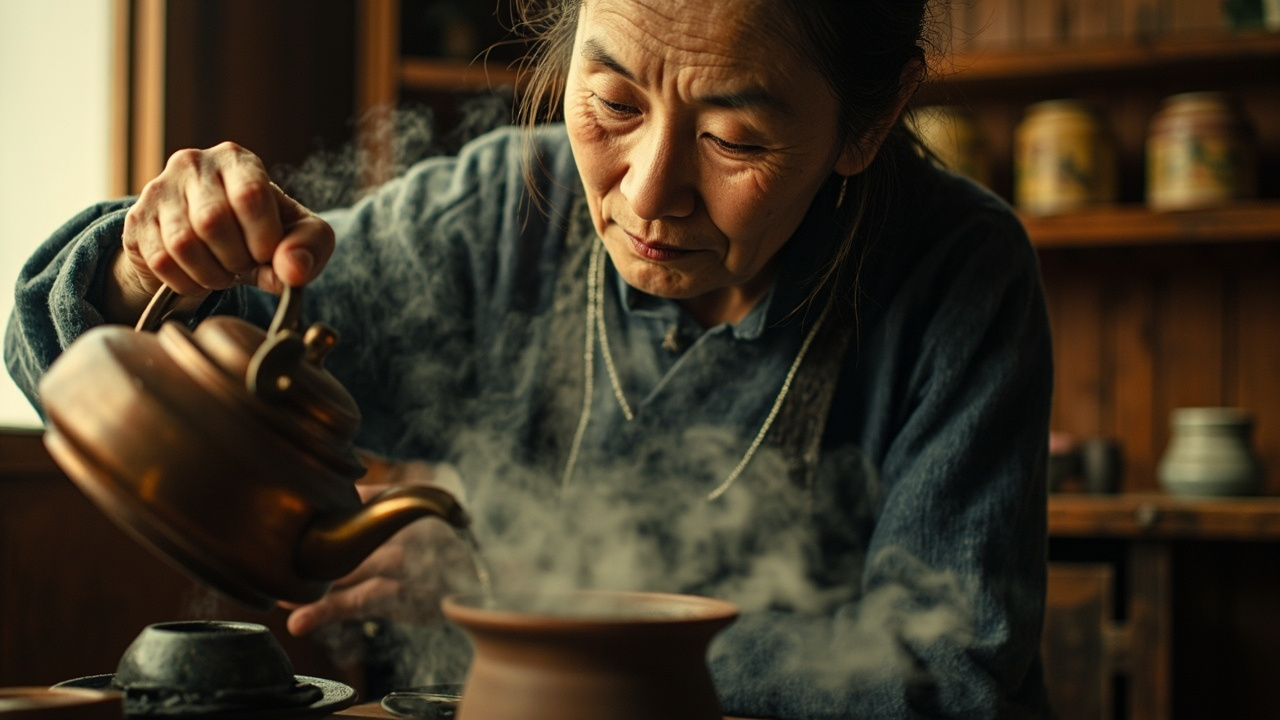
China Tea Ceremony Complete Beginners Guide
The complete beginner's guide to the Chinese tea ceremony (Gongfu Cha) - what to buy, what to bring, what to expect, and the 6 mistakes tourists always make.
18 min read
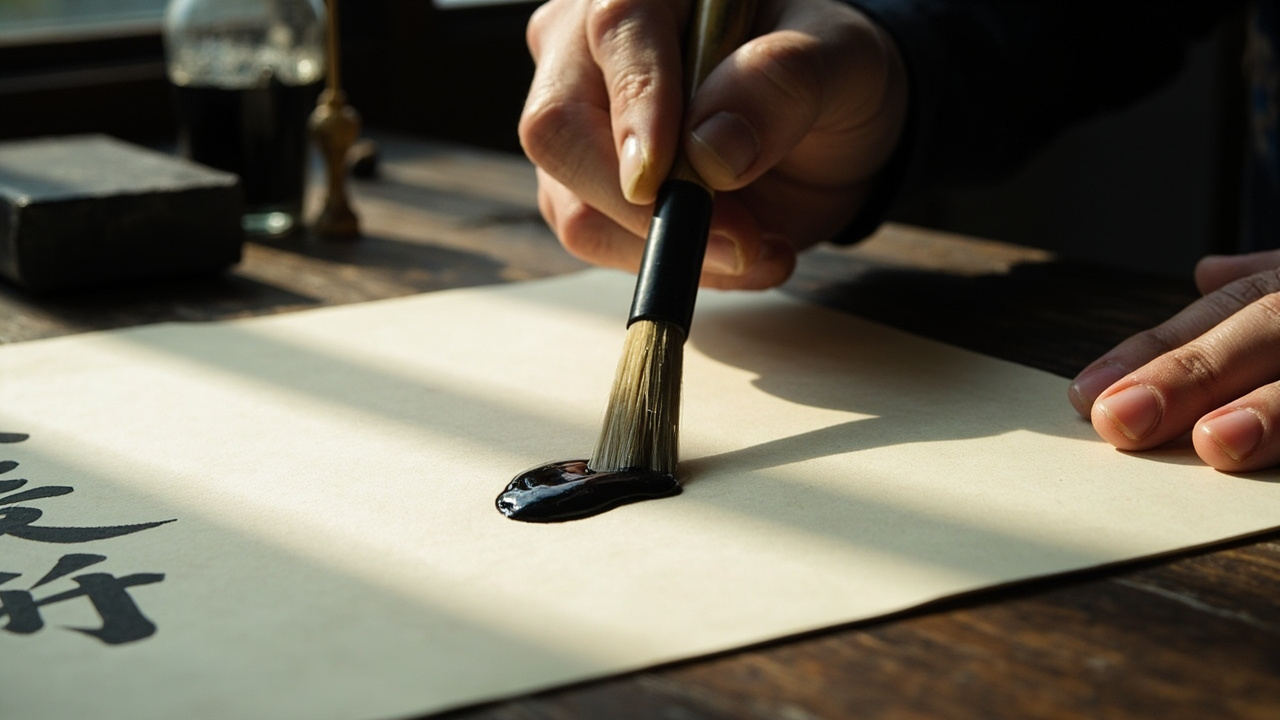
Chinese Calligraphy and Art Complete Guide
Explore Chinese calligraphy and traditional art forms - from brush painting to seal carving. A cultural guide for first-time visitors to China.
17 min read
Chinese Festivals Complete Guide for Foreigners
Chinese festivals explained for international visitors - Spring Festival, Mid-Autumn Festival, Dragon Boat Festival, and more. Dates, customs, and how to join.
21 min read

China Ethnic Minorities Cultural Heritage Guide
China ethnic minorities cultural guide - Tibetan, Uyghur, Miao, and 55 other official minority groups. Cultural etiquette, festival calendar, and how to visit respectfully.
18 min read
Chinese Martial Arts Schools
Chinese Martial Arts Schools: 2026 guide covers current prices, transport, payment apps, and what foreign visitors need to know.
17 min read