
Best Beaches in Hainan Island
Best Beaches in Hainan Island: 2026 guide covers current prices, transport, payment apps, and what foreign visitors need to know.
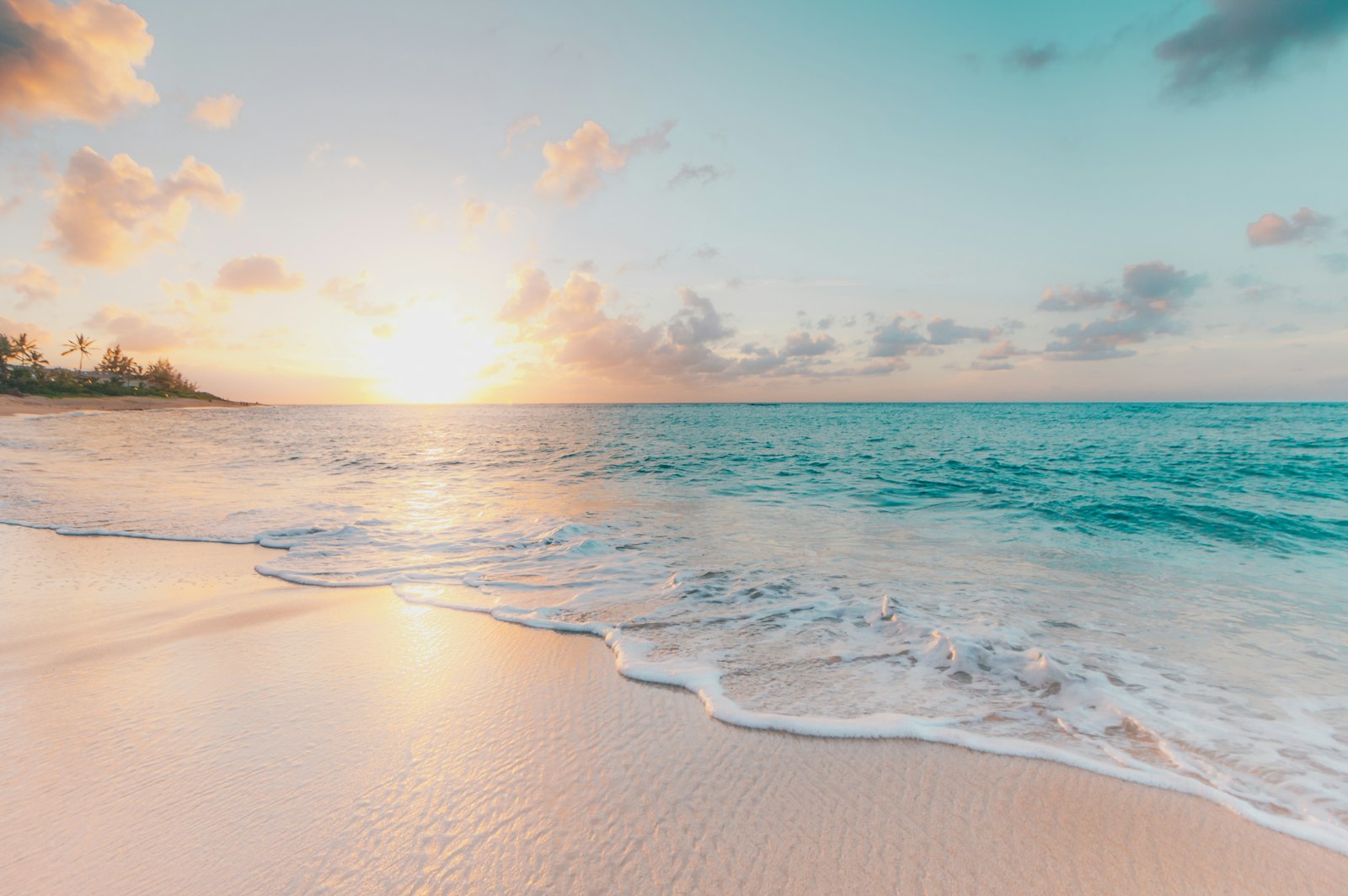
The cab driver, a man named Chen who’d been driving tourists on Hainan for twelve years, didn’t bother pulling into the lot at Yalong Bay. He just stopped on the shoulder, pointed through the windshield at the strip of white sand, and said, “That one’s for the photos. You want the real one, go west.” Then he laughed, lit a cigarette, and waited for me to decide. I got out, took the photo, and spent the next week figuring out he was right about half the beaches on this island.
Hainan is China’s Hawaii, sure, but that comparison sells it short. It’s also the place where a retired fisherman will wave you over to his plastic table for a beer at 10 a.m., where the water can be bathwater warm in October, and where the difference between a great beach and a tourist trap is usually a 20-minute taxi ride. This guide is for the first-timer who wants the real thing—not the resort brochure version. I’ve walked every beach mentioned here, eaten at the noodle stalls behind them, and made enough wrong turns to save you a few.
Quick answer
The cab driver, a man named Chen who’d been driving tourists on Hainan for twelve years, didn’t bother pulling into the lot at Yalong Bay.
The Short Version
Skip Sanya’s main bays unless you’re staying at a resort that backs onto them. Go to Houhai for backpacker energy, Wuzhizhou for snorkeling that actually delivers, and the western coast near Dongfang if you want sand almost to yourself. Avoid December through February unless you like crowds and hotel prices that double overnight. Bring a VPN, cash for small stalls, and patience for the humidity.
How I Picked These
I spent two months on the island over three trips—January, July, and November—to see the seasonal swings. I talked to hotel staff, taxi drivers, and a guy named Wei who ran a fruit stall near Dadonghai and told me which beaches his family actually visited on weekends. I swam at every one, got sunburned at three, and paid for my own entry fees and taxis. No press trips, no comped rooms. These are the beaches I’d tell my own friends to go to, and the ones I’d tell them to skip.
Comparison Table
| Rank | Place | Best For | Approx Cost (USD) | Time Needed | When to Go |
|------|-------|----------|-------------------|-------------|------------|
| 1 | Yalong Bay | Postcard views, resort comfort | Free (beach); $5–15 parking | 2–3 hours | Nov–Apr, mornings |
| 2 | Houhai | Surfing, backpacker scene | Free | Half day | Oct–Apr, weekdays |
| 3 | Wuzhizhou Island | Snorkeling, clear water | $25–35 entry + ferry | Full day | Mar–May, 8 a.m. ferry |
| 4 | Dadonghai | Easy access, food stalls | Free | 2–4 hours | Oct–Apr, evenings |
| 5 | Qingshui Bay | Quiet, local feel | Free | 2–3 hours | Nov–Mar, weekdays |
| 6 | Shimei Bay | Long walks, few people | Free | Half day | Oct–Apr |
| 7 | Haitang Bay | Luxury resorts, calm sea | Free (beach) | 2–3 hours | Nov–Apr |
| 8 | West Coast (Dongfang area) | Solitude, wild coastline | Free | Full day | Nov–Mar, dry season |
| 9 | Fenjiezhou Island | Diving, fewer crowds | $20–30 entry + ferry | Full day | Mar–May, 9 a.m. |
| 10 | Riyue Bay | Surfing, expat community | Free | Half day | Oct–Apr, afternoon waves |
1. Yalong Bay — The One That Made the Brochure
I stood on the sand at 7:30 a.m., and the only sound was a groundskeeper raking leaves near a resort pool. By 9 a.m., the tour buses started arriving. By 11, the water was a grid of inflatable toys and selfie sticks. That early window is the only time Yalong Bay feels like the postcard.
The sand is soft, white, and clean—resorts here pay for daily maintenance. The water is clear enough to see your feet at waist depth, and the bay is sheltered from the big waves. It’s the most photogenic beach on the island, but it’s also the most commercial. If you want a lounger, you’ll pay $15–30 at a resort’s beachfront section. The public beach is free, but there’s no shade.
📍 Yalong Bay National Resort District, Sanya
🎫 Free (public beach); $15–30 for resort loungers
🕐 24/7 public access; resort sections 8 a.m.–6 p.m.
🚆 Take bus 15, 24, or 25 from Sanya city center to Yalong Bay stop, then walk 10 minutes east. No metro.
⏰ Visit November to April, before 9 a.m. or after 4 p.m. Weekdays only.
💡 Bring your own umbrella—rentals are overpriced. Walk 200 meters east of the main resort area for fewer people. The water gets deep quickly, so watch kids. There’s a public shower near the bus stop for $0.50. Avoid the beachfront restaurants; walk one street back for better food at half the price.
I watched a Chinese wedding photoshoot here—the bride in a red qipao, the groom sweating through his suit, the photographer yelling directions in Mandarin. They looked miserable. The photos probably looked great.
2. Houhai — Where the Backpackers Surf
Houhai is a mess in the best way. Scooters parked on the sand. A surfboard rental shack run by a guy named Alex who moved here from Chengdu. Music from three different bars bleeding into each other. I ate grilled squid from a cart at 10 p.m., sitting on a plastic stool, watching a German tourist try to haggle for a board.
This is the anti-resort beach. It’s small—maybe 500 meters of sand—but the vibe is genuine. The waves are small and consistent, perfect for beginners. Surf lessons run $15–25 for an hour, board included. The village behind the beach has cheap hostels ($8–15 a night), street food, and a handful of bars that stay open until the last person leaves.
📍 Houhai Village, near Wuzhizhou Island ferry, Sanya
🎫 Free
🕐 24/7; surf shops open 8 a.m.–6 p.m.
🚆 Take bus 28 from Sanya to Houhai stop, then walk 5 minutes east. Or taxi from Sanya ($15–20).
⏰ October to April for waves. Weekdays are quiet; weekends get busy with day-trippers.
💡 Rent a board from Alex’s shop (no English sign, just a blue awning). Bring reef shoes—there are sea urchins near the rocks on the east end. The water is shallow for 50 meters, so it’s safe for beginners. Don’t eat at the restaurants facing the beach; walk into the village alleys for better food. Cash only at most stalls.
I tried to order in Mandarin and accidentally asked for a “surfboard with extra spice.” Alex laughed, handed me a board, and said, “Close enough.”
3. Wuzhizhou Island — Snorkeling That Actually Delivers
The ferry ride is 20 minutes of bouncing over waves, and when you step off, the water is so clear you can see fish from the dock. I’ve snorkeled in Thailand and the Philippines, and Wuzhizhou holds up—not because it’s pristine, but because the coral restoration projects here actually worked.
The snorkeling area is roped off near the western side. You’ll see parrotfish, clownfish, and the occasional sea turtle if you go early. The beach itself is fine—white sand, a few palm trees—but the real draw is underwater. The island is developed: there’s a hotel, restaurants, and a water sports center. It’s not untouched, but it’s managed well.
📍 Wuzhizhou Island, 30 km east of Sanya
🎫 $25–35 (CNY 180–250) including round-trip ferry
🕐 Ferry 8 a.m.–5 p.m.; last return ferry 5:30 p.m.
🚆 Take bus 28 from Sanya to Wuzhizhou Pier, then walk to the ferry terminal.
⏰ March to May for best visibility. Take the 8 a.m. ferry to avoid crowds. Weekdays only.
💡 Bring your own snorkel mask—rentals are low quality. The coral is fragile; don’t touch it. There’s a small shop selling sunscreen, but it’s marked up 3x. Eat at the noodle stall near the ferry exit, not the resort restaurant. The island gets packed by 10 a.m.; plan to leave by 2 p.m.
A girl from Shanghai asked me to take her photo underwater. I got a blurry shape that could have been a fish or her foot. She said it was perfect.
4. Dadonghai — The Beach You Walk To
Dadonghai is Sanya’s most accessible beach—you can walk there from the city center in 15 minutes. It’s not the prettiest, but it’s the most convenient. I went there three times because it was easy, and each time I found something different: a group of older women doing tai chi at sunrise, a family selling grilled corn from a cart, a guy with a guitar singing Celine Dion covers.
The water is calm, the sand is okay (a bit coarse near the road), and the atmosphere is genuinely local. This is where Sanya residents come on weekends. The food stalls behind the beach are excellent—try the coconut rice and grilled fish. The beach itself is free, and there are public showers for $0.30.
📍 Dadonghai Bay, Sanya city center
🎫 Free
🕐 24/7
🚆 Walk 15 minutes east from Sanya’s central bus station. No metro.
⏰ October to April. Evenings are best for the food stalls. Weekends are lively; weekdays are calm.
💡 The current can be strong near the eastern rocks—swim in the central section. Don’t leave valuables on the sand while swimming. The best food is at the stalls behind the beach, not the restaurants on the main road. Bring small bills—most stalls don’t accept cards. The public shower is near the lifeguard tower.
I bought a coconut from a woman who didn’t speak English. She pointed at the coconut, then at me, then held up two fingers. I paid $1.50. Best coconut of the trip.
5. Qingshui Bay — The Quiet One
Qingshui Bay feels like a secret that isn’t really a secret—there are a few resorts, but the beach is long enough that you can find your own patch of sand. I walked for 20 minutes without seeing another person. The water is clear, the sand is soft, and the only sounds were waves and a distant construction site.
This is the beach for reading a book, taking a nap, and not talking to anyone. The development is creeping in—new hotels are going up—but for now, it’s still quiet. The local village behind the beach has a few small restaurants serving fresh seafood.
📍 Qingshui Bay, Lingshui County, 40 km east of Sanya
🎫 Free
🕐 24/7
🚆 Take bus 23 from Sanya to Lingshui, then a taxi ($5) to the beach. Or drive (40 minutes from Sanya).
⏰ November to March. Weekdays are empty; weekends have some local families.
💡 The best access point is near the Qingshui Bay Resort—walk 200 meters north of the resort for empty sand. No shade, so bring an umbrella. The water is shallow for 100 meters, great for kids. There’s a small convenience store near the resort entrance for drinks. No English signage; have your translation app ready.
A local fisherman showed me how to dig for clams. I found two. He found 20 in five minutes. He gave me half.
6. Shimei Bay — The Long Walk
Shimei Bay is a 9-kilometer stretch of sand that most tourists skip because it’s not near Sanya. I spent an afternoon walking it, and by the end, I’d seen maybe 30 people. The water is clear, the sand is firm enough for running, and the waves are bigger than the bays to the south.
This is the beach for people who want to walk without stopping. The northern end has a few resorts; the southern end is wild, with rocks and driftwood. There’s a small village at the midpoint where you can buy water and snacks.
📍 Shimei Bay, Wanning, 90 km east of Sanya
🎫 Free
🕐 24/7
🚆 Take a bus from Sanya to Wanning ($5), then a taxi ($8) to the beach. Or drive (1.5 hours).
⏰ October to April. Mornings are best for walking; afternoons get hot.
💡 Start at the southern end and walk north—the views get better. Bring more water than you think you need; there’s no shade for most of the walk. The current is strong near the rocks; don’t swim there. The village at the midpoint has a noodle shop that’s open until 2 p.m. No English spoken; point at what you want.
I met a German couple who’d been living in Wanning for three years. They said they came to Shimei every Sunday. “It’s our church,” the woman said.
7. Haitang Bay — The Resort Buffer
Haitang Bay is where the luxury hotels are—the Atlantis, the Edition, the InterContinental. The beach in front of them is clean, well-maintained, and almost empty because most guests stay by the pools. I walked the entire 2-kilometer stretch and saw maybe 10 people in the water.
The sand is soft, the water is calm, and the views of the mountains to the north are nice. But it feels sanitized—no food stalls, no local vendors, no character. It’s a good beach if you’re staying at a resort and want a quick swim. It’s not a destination on its own.
📍 Haitang Bay, 35 km east of Sanya
🎫 Free (public access between resorts)
🕐 24/7; resort sections 8 a.m.–6 p.m.
🚆 Take bus 33 from Sanya to Haitang Bay stop, then walk 10 minutes south.
⏰ November to April. Weekdays are empty; weekends have some day-trippers.
💡 The public access points are between the Atlantis and the Edition—look for the wooden walkways. The water is shallow for 50 meters, great for kids. No food or drink vendors on the beach; bring your own. The Atlantis has a public aquarium you can visit without staying there ($15 entry). The beach gets windy in the afternoon; go in the morning.
A resort employee told me that most guests never even see the beach. “They come for the water park,” she said, pointing at the Atlantis’s slides.
8. West Coast (Dongfang Area) — The Wild Side
The west coast of Hainan is where the tourists don’t go. I drove two hours from Sanya to a beach near Dongfang, and when I got there, I was the only person on the sand. The water was rougher, the sand was darker, and the wind was constant. It felt like a different island.
This is for the traveler who wants solitude, not comfort. There are no resorts, no loungers, no food stalls. Just sand, sea, and the occasional fishing boat. The coastline here is dramatic—cliffs, rock formations, and waves that crash hard. It’s not a swimming beach; it’s a walking beach.
📍 Dongfang City, west coast of Hainan
🎫 Free
🕐 24/7
🚆 Take a bus from Sanya to Dongfang ($8), then a taxi ($10) to the beach. Or drive (2 hours).
⏰ November to March (dry season). Avoid July–September (typhoon season).
💡 Bring everything you need—water, food, sunscreen, shade. The nearest shop is a 15-minute drive. The current is dangerous; don’t swim alone. The best spot is near Yulinshan (Fish Scale Island)—a rocky headland with great views. No English spoken anywhere; download offline maps and translation. The sunsets here are spectacular.
I sat on a rock for an hour watching a fishing boat come in. The fisherman waved, then went back to his nets. We didn’t exchange a word.
9. Fenjiezhou Island — The Diver’s Choice
Fenjiezhou is quieter than Wuzhizhou, with fewer day-trippers and better diving. The ferry is shorter (10 minutes), and the island feels less developed. There’s one hotel, a restaurant, and a dive center. The beach is small but clean, and the water visibility is excellent—15–20 meters on a good day.
The diving here is the best on the island. The coral is healthy, and I saw moray eels, lionfish, and a school of barracuda. Snorkeling is good too, but the real magic is below 5 meters. Dive packages start at $60 for a single tank.
📍 Fenjiezhou Island, 70 km east of Sanya
🎫 $20–30 (CNY 140–210) including ferry
🕐 Ferry 8 a.m.–5 p.m.; last return 5:30 p.m.
🚆 Take a bus from Sanya to Fenjiezhou Pier ($4), then walk to the ferry.
⏰ March to May for best visibility. Take the 9 a.m. ferry to avoid crowds.
💡 Book diving in advance through the dive center (English spoken). Bring a wetsuit—the water is cooler than you expect (24°C in spring). The restaurant on the island is overpriced; eat before you come. The snorkeling area is roped off near the dive center; go early for the best spots. No ATM on the island; bring cash.
My dive instructor was a woman from Beijing who’d moved here for the coral. “I used to work in finance,” she said. “Now I count fish.”
10. Riyue Bay — The Surfer’s Home
Riyue Bay is where the expat surfers live. I drove in on a Tuesday afternoon and found a dozen people in the water, a beach bar playing reggae, and a guy selling handmade surfboards from a van. The waves are consistent, the vibe is relaxed, and the community is welcoming.
The beach itself is nothing special—brown sand, some rocks—but the energy makes up for it. There are surf schools, board rentals, and a few cafes. The village behind the beach has cheap accommodation and a small grocery store. This is the place to learn to surf, or to just sit and watch people who already know how.
📍 Riyue Bay, Wanning, 100 km east of Sanya
🎫 Free
🕐 24/7; surf shops open 8 a.m.–6 p.m.
🚆 Take a bus from Sanya to Wanning ($5), then a taxi ($10) to the beach. Or drive (1.5 hours).
⏰ October to April for waves. Afternoon winds pick up; morning is best for beginners.
💡 Rent a board from the Surfing Hainan shop (English spoken). The waves are small (1–2 meters) and consistent. The current can pull you south; stay near the main break. The beach bar has good food and cold beer. Cash only at most places. If you’re staying overnight, book a room at the Surfing Hainan hostel ($10–15 a night).
I tried to surf and spent most of the time falling off. A local kid, maybe 12 years old, rode past me standing on his board with one hand. He didn’t even look tired.
FAQ summary
Key points covered: 1. Do I need a visa to visit Hainan; 2. When is the best time to visit Hainan for beaches; 3. Do I need a VPN; 4. Can I use my credit card; 5. Is the water safe to swim in.
FAQ
Q: Do I need a visa to visit Hainan?
A: As of 2026, citizens of 59 countries (including the US, UK, Canada, Australia, and most of Europe) can enter Hainan visa-free for up to 30 days. You must arrive on a direct international flight to Hainan (not via mainland China). Check the latest list on the Chinese embassy website before booking.
Q: When is the best time to visit Hainan for beaches?
A: November to April. The weather is dry, the humidity is low, and the water is warm (24–28°C). May to October is rainy and humid, with typhoon risk from July to September. December to February is peak season—book early.
Q: Do I need a VPN?
A: Yes. Google, Instagram, Facebook, WhatsApp, and many other sites are blocked. Install a VPN on your phone and laptop before you leave. I use ExpressVPN or Astrill. Test it before you arrive.
Q: Can I use my credit card?
A: Not reliably. Most beach stalls, taxis, and small restaurants take cash only. Big hotels and some resorts accept cards. WeChat Pay and Alipay are widely used, but setting them up as a foreigner is complicated—you need a Chinese bank account. Bring enough cash for daily expenses ($30–50 per day).
Q: Is the water safe to swim in?
A: Generally yes, but check for red flags. The main bays (Yalong, Dadonghai, Haitang) are monitored. The west coast and remote beaches have strong currents—don’t swim alone. Avoid swimming after heavy rain (runoff can cause pollution).
Q: How do I get around Hainan?
A: Taxis and ride-hailing apps (Didi, which works with a Chinese phone number) are the easiest. Buses connect major towns but are slow. Renting a car is possible with an international driving permit, but traffic in Sanya is chaotic. The high-speed train runs from Haikou to Sanya (1.5 hours, $20).
Q: Do people speak English?
A: At resorts and tourist areas, some English. Everywhere else, very little. Download a translation app (Google Translate works with a VPN, or use Pleco). Learn a few phrases: “hello” (nǐ hǎo), “thank you” (xiè xiè), “how much?” (duō shǎo qián?), and “check, please” (mǎi dān).
The Honest Wrap-up
This list is for the traveler who wants to see Hainan beyond the resort pool. It’s not for someone who wants five-star service and a swim-up bar—there are other guides for that. If you’re willing to deal with a little chaos, a little heat, and a lot of pointing at menus, these beaches will reward you. My final piece of advice: skip Yalong Bay at noon, eat everything from a street cart, and talk to the people who live there. The best information I got came from a fruit seller, a taxi driver, and a guy who couldn’t have cared less about my itinerary.
Related Guides
Looking for more China travel guides? These match your topic:
Topics
More guides you may like

Top 10 Bridges in China
China's bridges are engineering marvels spanning mountains, rivers, and seas. Here are 10 of the most spectacular, from ancient stone to modern steel.
8 min read

Top 10 Buddhist Sites in China
From the Leshan Giant Buddha to the Dunhuang Caves, these 10 Buddhist sites represent 2,000 years of China's spiritual heritage.
9 min read

Top 10 Day Trips from Beijing You Shouldn't Miss
Beijing is packed with history, but some of China's best experiences are just a few hours away. Here are 10 day trips that will transform your visit.
9 min read

Top 10 Hidden Gems in China Off the Beaten Path
Beyond the Great Wall and Terracotta Warriors, China has incredible hidden destinations few tourists ever reach. Here are 10 underrated gems worth the detour.
9 min read

Top 10 Markets and Shopping Streets in China
From Shanghai's Bund to Beijing's Silk Street - 10 markets where foreigners can haggle, explore, and bring home authentic Chinese goods.
9 min read

Top 10 Museums in China You Shouldn't Miss
China's museums span 5,000 years of civilization. These 10 - from the Palace Museum to Xi'an's terracotta gallery - are unmissable for culture lovers.
9 min read