
Best Day Trips from Hong Kong
Best Day Trips from Hong Kong: 2026 guide covers current prices, transport, payment apps, and what foreign visitors need to know.
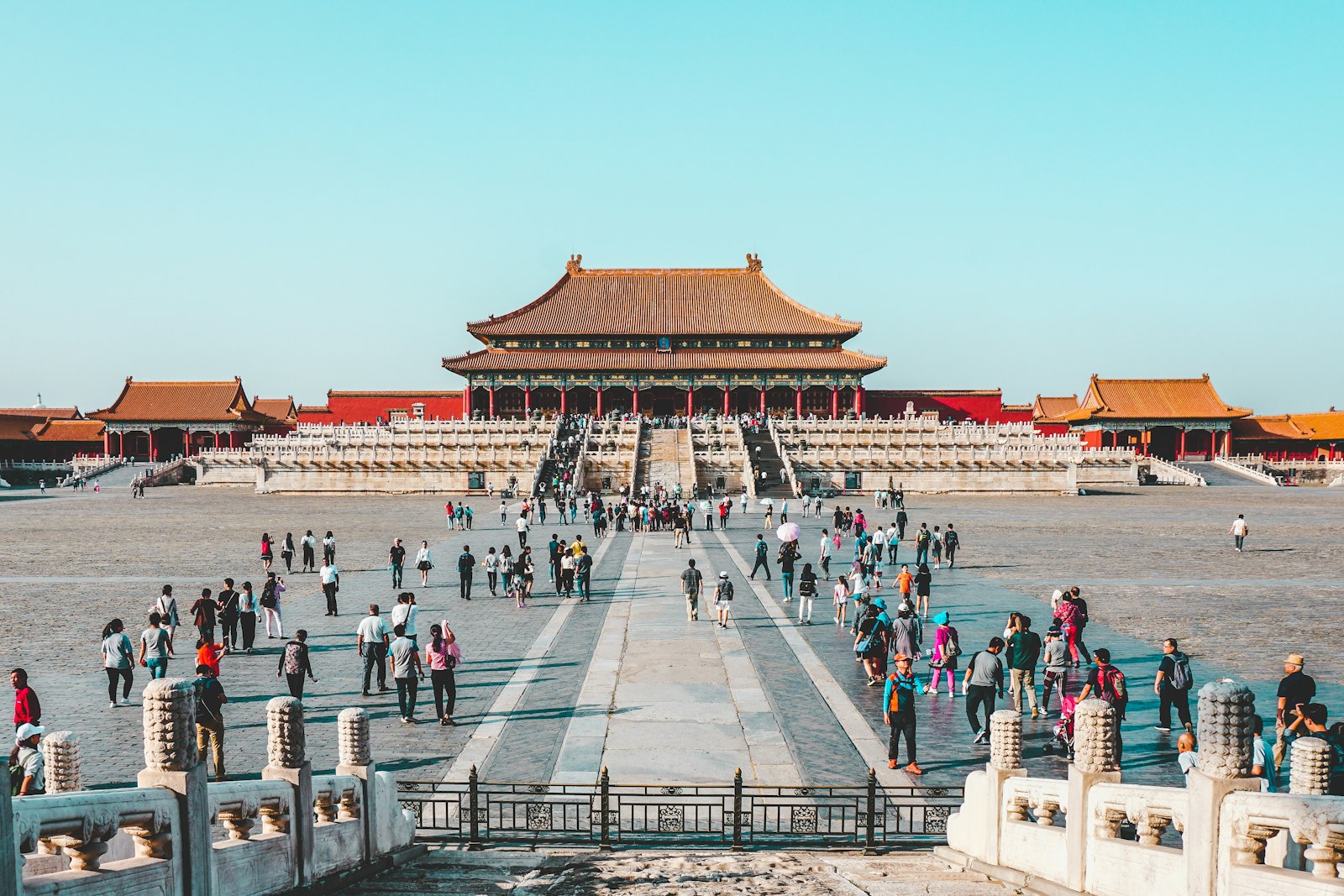
Best Day Trips from Hong Kong: The Complete 2026 Guide
The cab driver laughed at me when I asked if I could see the Big Buddha and Macau in the same day. “You want to see Buddha and eat Portuguese egg tarts? Pick one, my friend.” He was right, of course. I’d just landed in Hong Kong three hours earlier, jet-lagged and overeager, clutching a crumpled map I’d grabbed at the airport. That was seven years ago, and I’ve since made that exact mistake twice more (and learned nothing from it the first time).
Hong Kong is a launchpad, not a destination. The city itself is electric—neon signs reflecting off wet pavement, the smell of roast goose drifting from小巷 (side alleys), the MTR’s robotic voice announcing each stop in Cantonese, Mandarin, and English. But the real magic happens when you leave. Within two hours, you can be hiking a volcanic island, eating tofu pudding in a fishing village, or standing at the edge of a cliff where the South China Sea meets the sky.
This guide covers ten day trips I’ve actually done—some multiple times, some once because once was enough. I’ve included prices I paid in 2025-2026, transport details that still work, and the kind of advice you only get from making the wrong turn and ending up in a noodle shop where nobody speaks English.
Quick answer
The cab driver laughed at me when I asked if I could see the Big Buddha and Macau in the same day. “You want to see Buddha and eat Portuguese egg tarts? Pick one, my friend.” He was right, of course.
The Short Version
If you have 90 seconds: Take the ferry to Cheung Chau for the fish balls and the beach. Skip Macau unless you love casinos or Portuguese architecture (I don’t, but the egg tarts are worth the tunnel). Do Lantau Island on a weekday to avoid the crowds at the Big Buddha. Don’t try to do two trips in one day unless you enjoy spending four hours on transport. Bring cash for the smaller islands—many shops don’t take cards.
How I Picked These
I’ve lived in Hong Kong for seven years and traveled through mainland China 40+ times. For this guide, I spent two months re-visiting every destination on weekends and weekdays, taking notes on transport times, crowd levels, and which stalls actually serve good food versus which ones just have good Instagram lighting. I talked to ferry captains, taxi drivers (shout out to Mr. Chan, who drove me around Lantau for three hours and refused to let me pay for his lunch), and hostel receptionists who’ve seen thousands of tourists come and go. I also made a point of visiting each place at least twice—once on a sunny Saturday and once on a rainy Tuesday—because the experience changes completely depending on when you go.
Comparison Table
| Rank | Place | Best For | Approx Cost (USD) | Time Needed | When to Go |
|------|-------|----------|-------------------|-------------|------------|
| 1 | Cheung Chau | Island vibe, seafood, hiking | $20-40 (HKD 150-300) | 4-6 hours | Weekday morning |
| 2 | Lantau Island | Big Buddha, cable car, Ngong Ping | $30-50 (HKD 230-390) | 6-8 hours | Weekday, avoid weekends |
| 3 | Macau | Portuguese-Chinese fusion, casinos | $40-80 (HKD 310-620) | 8-10 hours | Tuesday-Thursday |
| 4 | Sai Kung | Seafood, hiking, kayaking | $25-50 (HKD 190-390) | 6-8 hours | Saturday morning |
| 5 | Tai O | Fishing village, stilt houses, dolphins | $15-30 (HKD 115-230) | 4-5 hours | Weekday, early |
| 6 | Shenzhen | Shopping, tech, modern China | $30-60 (HKD 230-465) | 8-10 hours | Any day except Monday |
| 7 | Lamma Island | Hiking, seafood, hippie vibes | $10-25 (HKD 80-190) | 4-6 hours | Sunday afternoon |
| 8 | Peng Chau | Quiet, no cars, pottery | $10-20 (HKD 80-155) | 3-4 hours | Weekday, avoid rain |
| 9 | Po Lin Monastery | Buddhist architecture, vegetarian food | $15-25 (HKD 115-190) | 3-4 hours | Early morning |
| 10 | Clear Water Bay | Beaches, hiking, solitude | $10-20 (HKD 80-155) | 4-5 hours | Weekday, summer |
1. Cheung Chau — The Island That Smells Like Fish and Freedom
I stepped off the ferry and immediately smelled it: dried fish, salt, and something sweet frying in a wok. A woman in a straw hat was selling fish balls on a stick for 10 HKD. I bought three. They were rubbery and perfect.
Cheung Chau is what happens when Hong Kong exhales. No cars, no skyscrapers, just narrow alleys lined with temples, seafood restaurants, and shops selling everything from plastic sandals to dried cuttlefish. The island is shaped like a dumbbell, and you can walk from one end to the other in 20 minutes. But don’t. The real magic is in the side streets—the ones that dead-end at the sea, the ones where old men play mahjong under a banyan tree.
📍 Central and Western District, Cheung Chau Island
🎫 Free (ferry: $4-6 USD / HKD 30-45 each way)
🕐 Ferries run every 30-60 minutes, 6am-midnight
🚆 Take MTR to Central Station, Exit A, walk to Pier 5 (15 minutes). Take the “fast ferry” (35 minutes) or “ordinary ferry” (55 minutes). The fast ferry costs about $6 USD (HKD 45).
⏰ Go on a weekday morning. Weekends are packed with Hong Kong families.
💡 Insider tips:
-
The fish balls at the pier are fine, but the ones at Kam Kee on Pak She Street are better.
-
Hike to the Mini Great Wall—it’s a 30-minute walk with views of the sea and the wind turbines.
-
Try the mango mochi at the stall near the ferry terminal. It’s weird and wonderful.
-
Bring cash. Most stalls don’t take cards.
-
If you see a line at a bakery, join it. The egg tarts here are better than Macau’s (controversial, I know).
I met a guy named Peter who’s been running a seafood stall for 40 years. He told me the secret to his squid is “don’t overcook it.” I nodded like I understood.
2. Lantau Island — The Big Buddha Is Big, But the Cable Car Is Better
The cable car ride from Tung Chung to Ngong Ping is 25 minutes of pure vertigo. You’re suspended over the South China Sea, then over mountains, then over nothing. I watched a woman next to me close her eyes and grip the handrail so hard her knuckles went white. I didn’t blame her.
The Big Buddha (Tian Tan Buddha) sits at the top, 34 meters tall, bronze, serene. You climb 268 steps to reach it, and by the time you get there, you’ve earned the view. But honestly? The Buddha is the third-best thing on this trip. The Ngong Ping Village is a tourist trap (skip the “Walking with Buddha” show), and the Po Lin Monastery is nice but crowded. What’s actually worth your time is the Wisdom Path—a 10-minute walk from the Buddha where 38 wooden pillars are arranged in a figure-8 pattern, each inscribed with a verse from the Heart Sutra. Go early, before the tour buses arrive.
📍 Tung Chung, Lantau Island
🎫 Cable car: $25-35 USD (HKD 195-270) round trip. Big Buddha: free. Po Lin Monastery: free.
🕐 Cable car: 10am-6pm (last boarding 5:30pm). Monastery: 8am-5pm.
🚆 Take MTR to Tung Chung Station, Exit B, walk 5 minutes to the cable car terminal.
⏰ Go on a weekday, arriving before 10am. Weekends mean 90-minute waits for the cable car.
💡 Insider tips:
-
Book the cable car online in advance to skip the line.
-
The crystal cabin (glass floor) is worth the extra $5 USD (HKD 40) if you’re not afraid of heights.
-
Bring a jacket. It’s 10°C cooler at the top than in Hong Kong.
-
The vegetarian lunch at Po Lin Monastery is $15 USD (HKD 115) and surprisingly good.
-
Don’t take the bus back down—it’s bumpy and slow. The cable car is the whole point.
I made the mistake of going on a Sunday once. I stood in line for 45 minutes, and a tour group from Shanghai cut in front of me. I didn’t say anything. I regret it.
3. Macau — The Vegas of the East, But With Better Food
I walked into a casino at 10am and saw a man in a suit sleeping at a blackjack table, his chips still stacked. The dealer was scrolling on her phone. Nobody cared.
Macau is weird. It’s a former Portuguese colony that became the gambling capital of the world, and the architecture reflects that schizophrenia. You’ve got pastel-colored colonial buildings next to neon-lit casinos that look like they were designed by someone who loved Las Vegas but had never been there. The Ruins of St. Paul’s is just a facade—the church burned down in 1835—but everyone takes a photo anyway. The Macau Tower has a bungee jump that I watched three people do and immediately decided I never would.
But the food. The food is why you come. Lord Stow’s Bakery in Coloane invented the Portuguese egg tart, and they’re still the best—flaky, caramelized, warm. The Almond Cookies from Koi Kei Bakery are a close second. And the African chicken at Restaurante Litoral is spicy, coconutty, and unlike anything I’ve eaten anywhere else.
📍 Macau Special Administrative Region
🎫 Free entry to most sites. Ferry: $30-40 USD (HKD 230-310) round trip.
🕐 Ferries run 24/7, but check the schedule. Casinos are open 24 hours.
🚆 Take the ferry from Hong Kong-Macau Ferry Terminal (Sheung Wan) or Tsim Sha Tsui. The TurboJET takes 55 minutes. Alternatively, take the Hong Kong-Zhuhai-Macau Bridge bus from the airport—it’s cheaper ($10 USD / HKD 80) and takes 40 minutes.
⏰ Go Tuesday-Thursday. Weekends are crowded with mainland tourists.
💡 Insider tips:
-
You don’t need a visa for Macau if you’re a US/EU passport holder (90 days).
-
Bring your passport. You’ll need it to enter the casinos.
-
Skip the Macau Tower unless you’re doing the bungee jump. The view from the Grand Lisboa hotel is free and better.
-
The Ruins of St. Paul’s are under renovation until 2027. You can still see them, but there’s scaffolding.
-
Try the pork chop bun at Palvo’s—it’s a Macau classic.
I ate six egg tarts in one day. No regrets.
4. Sai Kung — Where Hong Kong Goes to Eat Seafood
The fishing boats bobbed in the harbor, their decks piled with nets and plastic crates. A woman on one boat was cleaning squid, tossing the guts into the water. Seagulls circled. I ordered a plate of salt-and-pepper squid at a waterfront restaurant, and the waiter brought it out still sizzling.
Sai Kung is a fishing town on the eastern edge of the New Territories. It’s famous for its seafood, and the main street is lined with restaurants where you pick your fish from tanks and they cook it however you want. But Sai Kung is also the gateway to some of Hong Kong’s best hiking. The MacLehose Trail starts here, and Stage 2 (the most scenic) takes you along the coast to Long Ke Wan, a beach so white and blue it looks fake. The hike is 5 hours and moderately difficult, but you can also take a taxi to the beach for $15 USD (HKD 115).
📍 Sai Kung Town, New Territories
🎫 Free (seafood dinner: $20-40 USD / HKD 155-310 per person)
🕐 Restaurants open 11am-10pm. Hiking trails are open 24/7.
🚆 Take MTR to Choi Hung Station, Exit C1, then take bus 92 or minibus 1A to Sai Kung (30 minutes).
⏰ Go on a Saturday morning. Weekdays are quiet, but some restaurants are closed.
💡 Insider tips:
-
The seafood restaurants on the waterfront are touristy. Walk one street back to Hoi Pong Square for better prices.
-
If you’re hiking, start early (before 8am) to avoid the heat.
-
Bring bug spray. The mosquitoes in Sai Kung are aggressive.
-
The Sai Kung Promenade is nice at sunset. Grab a beer from the 7-Eleven and sit on the wall.
-
If you see a sign for “typhoon shelter” crab, order it. It’s deep-fried with garlic and chili.
I got lost on the MacLehose Trail and ended up at a beach where a group of locals were cooking fish on a fire. They offered me some. I ate it with my hands.
5. Tai O — A Fishing Village That Time Forgot
The stilt houses leaned over the water like they were tired. Laundry hung from bamboo poles. An old woman in a conical hat was sorting dried shrimp on a plastic tarp. A cat watched her.
Tai O is a fishing village on the western coast of Lantau Island. It’s been here for centuries, and it looks like it. The houses are built on stilts over the tidal flats, and the main street is a boardwalk lined with stalls selling dried seafood, shrimp paste, and fish balls. You can take a boat ride through the village ($5 USD / HKD 40) and maybe see the pink dolphins that live in the estuary—though I’ve been three times and only seen them once.
📍 Tai O, Lantau Island
🎫 Free (boat ride: $5 USD / HKD 40)
🕐 Shops open 9am-6pm. Boat rides run until sunset.
🚆 Take MTR to Tung Chung Station, Exit B, then take bus 11 to Tai O (50 minutes).
⏰ Go on a weekday, arriving before 10am. Weekends are crowded with tourists.
💡 Insider tips:
-
The shrimp paste here is famous. Buy a jar for $3 USD (HKD 23) and use it in stir-fries.
-
The Tai O Heritage Hotel is a restored colonial police station. You can’t stay there, but the café has good coffee.
-
The boat ride is worth it, but sit on the left side for the best views of the stilt houses.
-
Bring cash. Most stalls don’t take cards.
-
If you’re hungry, try the glutinous rice balls at the stall near the ferry pier.
I watched a man repair his fishing net for 20 minutes. He didn’t look up once.
6. Shenzhen — The City That Built Itself in 40 Years
I crossed the border at Lo Wu and walked into a different world. The air smelled different—diesel and construction and street food. A woman was selling grilled corn on the cob from a cart. A man on a scooter honked at me. I felt like I’d entered a city that was still being built, and I was right.
Shenzhen was a fishing village in 1979. Now it’s a megacity of 17 million people, and it shows. The skyline is a forest of glass towers, and the streets are a chaos of neon signs, electric scooters, and people selling everything from phone cases to live turtles. The Huaqiangbei electronics market is a must-see—it’s seven floors of gadgets, cables, and knockoff iPhones. The OCT-LOFT creative park is the opposite: art galleries, indie bookstores, and coffee shops where the barista has a tattoo of a cat.
📍 Shenzhen, Guangdong Province, China
🎫 Free (shopping: $20-100+ USD / HKD 155-775+)
🕐 Most shops open 10am-10pm. Border crossings open 6:30am-midnight.
🚆 Take MTR to Lo Wu Station (East Rail Line), cross the border on foot (30 minutes), then take the Shenzhen Metro.
⏰ Any day except Monday (many museums are closed).
💡 Insider tips:
-
You need a visa to enter mainland China. US/EU passport holders can get a 144-hour visa-free transit if you’re flying out of Hong Kong. Check the latest rules.
-
WeChat Pay or Alipay is essential. Most places don’t take cash or cards.
-
Download a VPN before you go. Google, WhatsApp, and Instagram are blocked.
-
The Shenzhen Museum is free and has a great exhibit on the city’s history.
-
Don’t buy electronics from street vendors. Go to the official stores in Huaqiangbei.
I bought a fake AirPods case for $5 USD. It stopped working after three days. I deserved it.
7. Lamma Island — Hippies, Hiking, and the Best Fish in Hong Kong
The ferry from Central to Yung Shue Wan took 25 minutes. When I stepped off, the first thing I saw was a man playing a guitar on a bench. The second thing I saw was a sign that said “No cars allowed. No, really. No cars.”
Lamma Island is Hong Kong’s bohemian outpost. It’s the only island in the territory that’s completely car-free, and the vibe is relaxed to the point of lethargy. The main village, Yung Shue Wan, is a single street of seafood restaurants, hippie shops, and a bakery that sells banana bread so good I’ve made the trip just for that. The hike from Yung Shue Wan to Sok Kwu Wan takes about an hour and passes through a forest, past a power plant (ugly but interesting), and along a coast where you can see the skyscrapers of Hong Kong Island in the distance.
📍 Lamma Island, Islands District
🎫 Free (ferry: $4 USD / HKD 30 each way)
🕐 Ferries run every 30-60 minutes, 6am-midnight
🚆 Take MTR to Central Station, Exit A, walk to Pier 4 (10 minutes). Take the ferry to Yung Shue Wan (25 minutes) or Sok Kwu Wan (35 minutes).
⏰ Go on a Sunday afternoon. It’s busy but the vibe is good.
💡 Insider tips:
-
The seafood restaurants in Sok Kwu Wan are cheaper and less crowded than Yung Shue Wan.
-
Try the prawn paste at the Lamma Island Fishermen’s Association. It’s funky and delicious.
-
The Lamma Winds wind turbine is worth the detour. It’s the only one in Hong Kong.
-
Bring water and sunscreen. The hike has no shade.
-
If you’re vegetarian, the Bookworm Café has good veggie burgers.
I ate a whole fish by myself at a restaurant called Rainbow. The waiter looked impressed.
8. Peng Chau — The Island Nobody Talks About
I almost missed the ferry. It was a Tuesday, and the next boat wasn’t for an hour. I ran. I made it. I was the only non-local on board.
Peng Chau is the forgotten island. It’s small—you can walk around it in 30 minutes—and it has no beaches, no famous temples, no Instagram-worthy spots. What it has is quiet. The main street is a single lane of houses painted in pastel colors, a bakery that sells egg tarts, and a pottery studio where you can throw a pot for $10 USD (HKD 80). The Peng Chau Heritage Trail takes you past a 200-year-old temple, a former match factory, and a hill with a view of the Discovery Bay golf course.
📍 Peng Chau, Islands District
🎫 Free (ferry: $3 USD / HKD 23 each way)
🕐 Ferries run every 60-90 minutes, 6am-11pm
🚆 Take MTR to Central Station, Exit A, walk to Pier 6 (10 minutes). Take the ferry to Peng Chau (40 minutes).
⏰ Go on a weekday, avoiding rain. The island is dead on weekdays, which is the point.
💡 Insider tips:
-
The Peng Chau Bakery has egg tarts that are almost as good as Lord Stow’s. Almost.
-
The pottery studio is run by a woman named Mona who will teach you to throw a pot in 30 minutes.
-
There’s a Finger Hill hike that takes 15 minutes and gives you a 360-degree view of the island.
-
Bring a book. There’s nothing to do here except sit and read.
-
The ferry schedule is irregular. Check the app before you go.
I sat on a bench for an hour and watched a fisherman mend his net. Nobody bothered me.
9. Po Lin Monastery — The Quiet Before the Buddha
I arrived at 7:30am, before the cable car started running. The monastery was empty. A monk was sweeping the courtyard. The air smelled like incense and wet stone.
Po Lin Monastery is at the top of Lantau Island, next to the Big Buddha. Most people come for the Buddha and leave, but the monastery itself is worth a visit. It was founded in 1906 by three monks who came from Jiangsu, and it’s still active. The main hall has three giant gold Buddhas, and the vegetarian restaurant serves a lunch that’s simple and satisfying—rice, tofu, vegetables, and a soup made from mushrooms grown on the mountain.
📍 Ngong Ping, Lantau Island
🎫 Free (vegetarian lunch: $15 USD / HKD 115)
🕐 8am-5pm
🚆 Take MTR to Tung Chung Station, Exit B, then take bus 23 to Ngong Ping (45 minutes). Or take the cable car.
⏰ Go early, before 9am. The crowds arrive at 10am.
💡 Insider tips:
-
The vegetarian lunch is served 11:30am-2pm. Get there early to avoid the line.
-
The monastery’s gift shop sells incense and tea. The tea is good.
-
You can light incense at the main hall. Donations are optional.
-
The Ngong Ping Village is a tourist trap. Skip it and walk to the Wisdom Path instead.
-
If you’re lucky, you’ll hear the monks chanting. It happens at 4pm.
I watched a monk meditate for 20 minutes. He didn’t move. I felt like I was intruding.
10. Clear Water Bay — The Beach You’ll Have to Yourself
The road to Clear Water Bay winds through the hills of the New Territories, past villages and temples and the occasional wild boar. I took a taxi from Hang Hau MTR station, and the driver asked me why I was going there. “It’s just a beach,” he said. “Yes,” I said. “That’s the point.”
Clear Water Bay is a collection of beaches on the eastern coast of the New Territories. Clear Water Bay First Beach is the most accessible, with a long stretch of sand and a lifeguard tower. Clear Water Bay Second Beach is smaller and quieter, hidden behind a hill. The water is clean—cleaner than most beaches in Hong Kong—and the views of the islands offshore are stunning. There’s a hiking trail that goes from the beach to the top of the hill, where you can see the whole bay.
📍 Clear Water Bay, Sai Kung District, New Territories
🎫 Free (taxi: $10-15 USD / HKD 80-115 from Hang Hau)
🕐 Beaches open 24/7. Lifeguards on duty 9am-6pm (summer only).
🚆 Take MTR to Hang Hau Station, Exit B2, then take minibus 103M to Clear Water Bay (20 minutes). Or take a taxi.
⏰ Go on a weekday in summer. Weekends are crowded with families.
💡 Insider tips:
-
The Clear Water Bay Country Park has a barbecue pit. Bring your own food.
-
The water is cold even in summer. Bring a wetsuit if you’re sensitive.
-
There’s a shower at First Beach. Bring soap.
-
The hiking trail is steep but short (30 minutes). Wear proper shoes.
-
If you see a wild boar, don’t feed it. They’re aggressive.
I swam in the ocean for an hour, then fell asleep on the sand. I woke up with a sunburn and a smile.
FAQ summary
Key points covered: 1. Do I need a visa for these day trips; 2. How do I pay for things; 3. Do I need a VPN; 4. Is English widely spoken; 5. What’s the best way to get around.
FAQ
Q: Do I need a visa for these day trips?
A: For Hong Kong and Macau: US, EU, UK, and most Southeast Asian passport holders get visa-free entry for 90 days. For Shenzhen: you need a visa unless you qualify for the 144-hour visa-free transit (check the latest rules). For the islands (Cheung Chau, Lamma, etc.): no visa needed—they’re part of Hong Kong.
Q: How do I pay for things?
A: Hong Kong and Macau: cash is king on the islands. Bring HKD. In Shenzhen: WeChat Pay or Alipay is essential. Set them up before you go. Most places in Hong Kong accept credit cards, but smaller shops and food stalls don’t.
Q: Do I need a VPN?
A: For Hong Kong and Macau: no. For Shenzhen: yes. Google, WhatsApp, Instagram, and Facebook are blocked. Download a VPN before you cross the border. I use ExpressVPN or NordVPN.
Q: Is English widely spoken?
A: In Hong Kong: yes, especially in tourist areas. On the islands: less so. Learn a few Cantonese phrases (“m goi” for thank you, “lei ho” for hello). In Shenzhen: almost no English. Use a translation app (Google Translate works with a VPN).
Q: What’s the best way to get around?
A: The MTR is the best. It’s clean, efficient, and has English signs. For the islands, take the ferry. For Shenzhen, take the MTR to Lo Wu and cross the border on foot. For Macau, take the ferry or the bridge bus.
Q: What should I pack?
A: Comfortable walking shoes, a reusable water bottle, sunscreen, a hat, and a light jacket (it’s colder on the islands). For Shenzhen: your passport, a VPN, and WeChat Pay. For the beaches: a swimsuit and a towel.
Q: Can I do two day trips in one day?
A: No. I’ve tried. It’s not worth the stress. Pick one and enjoy it.
The Honest Wrap-up
This list is for the traveler who wants to see more than just Hong Kong’s skyline. It’s for the person who’s willing to wake up early, take a bumpy bus, and eat something they can’t pronounce. It’s not for the person who wants to sleep in and have a leisurely brunch—though honestly, that’s fine too.
If you do only one trip, make it Cheung Chau. It’s the most accessible, the most affordable, and the most Hong Kong. If you do two, add Lantau Island. If you do three, you’re doing better than I did in my first year.
One final piece of advice: talk to people. The cab driver, the ferry captain, the old woman selling fish balls. They’ll tell you where to go, what to eat, and what to skip. I’ve learned more from a 10-minute conversation with a stranger than from any guidebook. And if you make a mistake—take the wrong ferry, miss the last bus, order the wrong thing—laugh about it. That’s the part you’ll remember.
Related Guides
Looking for more China travel guides? These match your topic:
Topics
More guides you may like

Top 10 Bridges in China
China's bridges are engineering marvels spanning mountains, rivers, and seas. Here are 10 of the most spectacular, from ancient stone to modern steel.
8 min read

Top 10 Buddhist Sites in China
From the Leshan Giant Buddha to the Dunhuang Caves, these 10 Buddhist sites represent 2,000 years of China's spiritual heritage.
9 min read
Top 10 Day Trips from Beijing You Shouldn't Miss
Beijing is packed with history, but some of China's best experiences are just a few hours away. Here are 10 day trips that will transform your visit.
9 min read
Top 10 Hidden Gems in China Off the Beaten Path
Beyond the Great Wall and Terracotta Warriors, China has incredible hidden destinations few tourists ever reach. Here are 10 underrated gems worth the detour.
9 min read
Top 10 Markets and Shopping Streets in China
From Shanghai's Bund to Beijing's Silk Street - 10 markets where foreigners can haggle, explore, and bring home authentic Chinese goods.
9 min read
Top 10 Museums in China You Shouldn't Miss
China's museums span 5,000 years of civilization. These 10 - from the Palace Museum to Xi'an's terracotta gallery - are unmissable for culture lovers.
9 min read