
China Southern vs Northern Food Differences
China Southern vs Northern Food Differences: 2026 guide covers current prices, transport, payment apps, and what foreign visitors need to know.
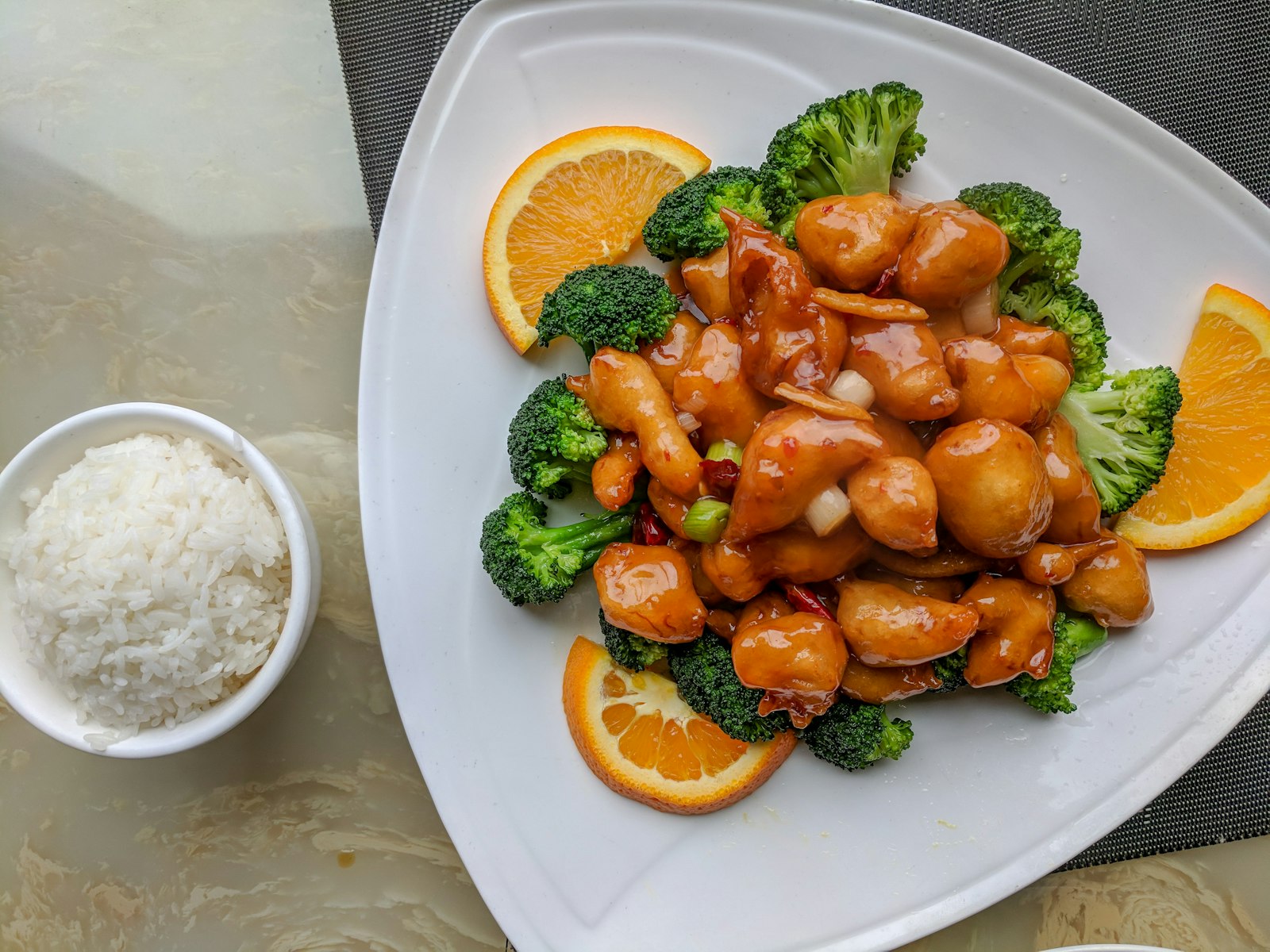
China Southern vs Northern Food Differences: The Complete 2026 Guide
The cab driver in Beijing laughed at me when I asked for rice with my breakfast. “You’re in the north now,” he said, pointing at the steamer baskets on every corner. “Here, we eat bing.” He meant flatbreads, pancakes, and wheat everything. I’d just arrived from Guangzhou, where I’d been eating rice noodles at 7am for a week straight. That morning in Beijing, I ordered jianbing — a crispy crepe wrapped around egg, scallions, and chili sauce — and watched the street vendor spread the batter with a wooden T-shaped tool. It was the moment I realized China’s food isn’t one thing. It’s two entirely different arguments about what a meal should be.
Southerners will tell you real food is light, fresh, and steamed. Northerners will tell you real food is hearty, salty, and baked. Both are right. Both are wrong. The divide runs deeper than ingredients — it’s about climate, history, and how people think about eating. For first-time visitors, understanding this split is the difference between ordering something you love and accidentally getting something that makes you wish you’d packed instant noodles.
This guide walks you through the ten most important differences between southern and northern Chinese food, based on seven years of eating my way across both regions. I’ve made the mistakes so you don’t have to. By the end, you’ll know exactly what to order in Shanghai versus Xi’an, why your Cantonese friends might look confused by a bowl of noodles in Beijing, and which regional specialty is worth the stomach ache.
Quick answer
The cab driver in Beijing laughed at me when I asked for rice with my breakfast. “You’re in the north now,” he said, pointing at the steamer baskets on every corner.
The Short Version
Southern China eats rice. Northern China eats wheat. That’s the headline. Everything else — sweetness versus saltiness, seafood versus lamb, steaming versus baking — follows from that one agricultural fact. Southern food is delicate, fresh, and sometimes so subtle you’ll wonder if they forgot the seasoning. Northern food is bold, heavy, and unapologetically salty. If you’re a vegetarian, southern China will treat you well. If you want meat, go north. And never, ever ask for rice in Xi’an unless you want the waiter to think you’re joking.
How I Picked These
I didn’t read a blog post and call it research. I spent four months traveling China’s food belt — from Guangzhou to Chengdu, Shanghai to Beijing, Xi’an to Kunming — eating at least three meals a day, often four. I talked to street vendors who’d been selling the same dish for thirty years. I sat in home kitchens with families who argued about whether their grandmother’s dumpling recipe was “authentic.” I kept a notebook of what I ordered, what I actually got, and what I wished I’d ordered instead. This list reflects not just what’s famous, but what’s actually worth eating for a foreign visitor with limited time and a normal stomach.
Comparison Table
| Rank | Place | Best For | Approx Cost (USD) | Time Needed | When to Go |
|------|-------|----------|-------------------|-------------|------------|
| 1 | Guangzhou | Dim sum, fresh seafood, herbal soups | $8-15/meal ($60-110 CNY) | 2-3 days | Oct-Dec (dry, cool) |
| 2 | Chengdu | Mapo tofu, hotpot, street skewers | $5-12/meal ($35-85 CNY) | 2-3 days | Mar-May or Sep-Oct |
| 3 | Xi’an | Lamb noodles, flatbreads, street market | $4-10/meal ($30-70 CNY) | 1-2 days | Spring or autumn |
| 4 | Beijing | Peking duck, zhajiangmian, lamb skewers | $10-20/meal ($70-140 CNY) | 2-3 days | Sep-Oct (best weather) |
| 5 | Shanghai | Xiaolongbao, braised pork, hairy crab | $8-18/meal ($55-130 CNY) | 2-3 days | Oct-Nov (crab season) |
| 6 | Changsha | Spicy stir-fries, stinky tofu, rice noodles | $5-10/meal ($35-70 CNY) | 1-2 days | Apr-Oct (humid but lively) |
| 7 | Kunming | Mushrooms, cross-bridge noodles, Yunnan ham | $6-12/meal ($40-85 CNY) | 2-3 days | Year-round (spring climate) |
| 8 | Lanzhou | Beef noodle soup, lamb dishes | $3-7/meal ($20-50 CNY) | 1 day | May-Sep |
| 9 | Nanjing | Salted duck, duck blood soup, tofu pudding | $6-14/meal ($40-100 CNY) | 1-2 days | Mar-May or Sep-Oct |
| 10 | Harbin | Russian bread, smoked sausage, pickled cabbage | $5-10/meal ($35-70 CNY) | 1-2 days | Dec-Feb (ice festival) |
1. Guangzhou — Where Dim Sum Is a Religion
I watched an old man at Tao Tao Ju tear open a har gow (shrimp dumpling) with his chopsticks, inspect the filling, nod once, and eat it in two bites. He’d been coming to the same teahouse since 1982. The waiter knew his tea preference (tieguanyin, strong). Nobody rushed him. That’s Guangzhou food culture in a nutshell: slow, precise, and deeply serious about freshness.
Southern food starts here. Cantonese cuisine is the benchmark — light seasoning, high-quality ingredients, and techniques like steaming and stir-frying that preserve natural flavors. The rice is fragrant, the seafood is still swimming when you order it, and the vegetables taste like they were picked that morning. If you’ve only eaten American Chinese food, Guangzhou will reset your understanding of what Chinese food can be.
📍 Location: Liwan District (old town) for street food; Tianhe District for upscale restaurants
🎫 Entry fee: Free to walk around. Dim sum meals $8-15 ($60-110 CNY) per person
🕐 Opening hours: Dim sum teahouses open 6am-11am for morning tea; dinner 5pm-10pm
🚆 How to get there: Take Metro Line 1 to Chen Clan Academy Station, Exit C. Walk 5 minutes east to the old food streets
⏰ When to visit: October through December — dry, cool, and crab season
💡 Insider tips:
-
Don’t order from the English menu at dim sum places. The Chinese menu has better dishes
-
Tap the table with two fingers when someone pours tea — it’s the Cantonese “thank you”
-
Try cheung fun (rice noodle rolls) from a street cart, not a restaurant
-
Bring cash for small stalls — WeChat Pay works but some old vendors don’t accept cards
-
The best wonton noodle soup is at a place called Wonton King on Baohua Road, not the tourist spots
I made the mistake of ordering chao shou (Sichuan-style wontons) in Guangzhou. The waiter looked at me like I’d asked for ketchup on a steak. Learn from me: eat what the region does best.
2. Chengdu — The City That Put Chili in Everything
The first thing you notice in Chengdu isn’t the pandas. It’s the smell. A mix of dried chilies, Sichuan peppercorns, and fermented bean paste hits you at the airport baggage claim. By day three, you’ll smell it on your clothes, your jacket, your hair. You’ll also crave it.
Sichuan food is southern but it’s not Cantonese. Where Guangzhou whispers flavor, Chengdu shouts. The signature is mala — numbing and spicy — created by Sichuan peppercorns that make your lips tingle while chili burns your tongue. It’s a chemical reaction, not just heat. The first time I ate mapo tofu at Chen Mapo Tofu restaurant (the original location), I actually felt my face go numb. I kept eating.
📍 Location: Jinli Ancient Street for tourist-friendly snacks; Kuanzhai Alley for atmosphere
🎫 Entry fee: Free. Mapo tofu at the famous restaurant $4 ($28 CNY)
🕐 Opening hours: Hotpot places open 11am-2am. Street food from 6pm
🚆 How to get there: Metro Line 2 to Chunxi Road Station, Exit D. Walk south 10 minutes
⏰ When to visit: March to May or September to October — avoid August (brutal humidity)
💡 Insider tips:
-
Order dan dan mian (noodles with chili oil and minced pork) from a street stall, not a restaurant
-
The numbing sensation from Sichuan peppercorns is temporary. It fades after 10 minutes
-
If you can’t handle spice, say “bu yao la” (no spice). They’ll still put some in
-
Hotpot is a social event. Go with at least three people or you’ll order too much
-
Try fuqi feipian — “husband and wife lung slice” — it’s actually beef offal, not lung
I met a university student named Wei at a hotpot place who taught me the proper dipping sauce ratio: one part sesame oil, half part garlic, half part vinegar, and a spoonful of the hotpot broth. I still use it.
3. Xi’an — Where Bread Is the Main Character
The Muslim Quarter in Xi’an at 8pm smells like cumin, lamb fat, and flatbread baking on a drum-shaped griddle. I stood in line for 20 minutes at a stall that only sells yangrou paomo — lamb soup with torn flatbread — and watched the owner tear bread into a bowl with the precision of a surgeon. He’d been doing it for 40 years.
This is northern food at its most northern. Wheat dominates. Noodles, breads, dumplings, pancakes — rice is an afterthought. The flavors come from lamb, cumin, and chili, reflecting the Silk Road influence. Xi’an was the eastern terminus of the trade route, and the food still tastes like Central Asia wandered in and never left.
📍 Location: Muslim Quarter (Huimin Jie), near the Drum Tower
🎫 Entry fee: Free. Yangrou paomo $3-5 ($20-35 CNY)
🕐 Opening hours: Muslim Quarter stalls open 10am-11pm. Best after 5pm
🚆 How to get there: Metro Line 2 to Zhonglou Station, Exit C. Walk west 5 minutes to Drum Tower
⏰ When to visit: Spring or autumn. Summer is brutally hot; winter is dry but cold
💡 Insider tips:
-
Tear the bread yourself at yangrou paomo places. The smaller the pieces, the better the soup
-
Biangbiang mian (wide belt noodles) are named after the sound they make when slapped on the counter
-
Don’t order pork in the Muslim Quarter — it’s a religious area
-
The best lamb skewers are at a stall called Lao Ma Jia on the main street, not the side alleys
-
Bring wet wipes. Everything is eaten with hands
I ordered liangpi (cold noodles) thinking it would be a light snack. It was a full meal. The vendor laughed when I asked for a small portion.
4. Beijing — The Capital of Heavy Eating
The first time I ate zhajiangmian (noodles with fermented soybean paste) in Beijing, I thought someone had made a mistake. The sauce was dark, salty, and intense — nothing like the sweet versions I’d had in Shanghai. I asked the cook if this was right. She said, “This is how Beijing eats. If you want sweet, go south.”
Beijing food is northern comfort cooking. It’s heavy, salty, and built for cold winters. The signature dishes — Peking duck, zhajiangmian, lamb hotpot — are all about fat and salt keeping you warm. There’s very little subtlety. A Beijing chef will tell you the flavor is in the sauce, not the ingredient.
📍 Location: Dongcheng District (old city) for traditional restaurants; Wangfujing for street food
🎫 Entry fee: Peking duck at a famous restaurant $20-40 ($140-280 CNY) per person
🕐 Opening hours: Lunch 11am-2pm, dinner 5pm-9pm. Street food until 10pm
🚆 How to get there: Metro Line 2 to Qianmen Station, Exit B. Walk north 10 minutes to Dashilan
⏰ When to visit: September to October — clear skies, cool air, perfect for walking
💡 Insider tips:
-
Peking duck is carved tableside. Eat the crispy skin first, dipped in sugar
-
Ludagun (sweet bean rolls) are a Beijing snack, not a meal. Don’t order them as one
-
The best zhajiangmian is at Fangshan Restaurant in Beihai Park, not the tourist traps
-
Avoid Wangfujing snack street — it’s for tourists. Go to Guijie (Ghost Street) instead
-
Learn to say “bu yao suan” (no vinegar) if you don’t want it. Beijingers put vinegar on everything
I watched a taxi driver named Liu eat jianbing with his bare hands while driving. He didn’t spill a single crumb. That’s the level of skill Beijingers have with their food.
5. Shanghai — Sweet, Soupy, and Subtle
Shanghai food is the awkward middle child. It’s southern but not Cantonese, northern but not Beijing. The flavor profile is sweet — soy sauce with sugar, braised pork with rock sugar, and xiaolongbao (soup dumplings) that burst with sweet pork broth.
I ate xiaolongbao at Din Tai Fung (the famous chain) and thought it was good. Then I ate them at a hole-in-the-wall in the French Concession called Jia Jia Tang Bao and understood why people fly to Shanghai just for dumplings. The skin was thin enough to see the broth inside. The filling was sweet, savory, and slightly gingery. I ordered two more baskets.
📍 Location: Huangpu District (old town) for traditional food; French Concession for modern
🎫 Entry fee: Xiaolongbao $4-8 ($28-55 CNY) for a basket of 8
🕐 Opening hours: Breakfast places open 6am-10am. Dinner 5pm-9pm
🚆 How to get there: Metro Line 10 to Yuyuan Garden Station, Exit 1. Walk 5 minutes east
⏰ When to visit: October to November for hairy crab season
💡 Insider tips:
-
Eat xiaolongbao in one bite. Don’t bite the top to “cool it down” — you’ll lose the soup
-
Shengjianbao (pan-fried pork buns) are better than xiaolongbao. Fight me
-
The best hongshaorou (braised pork belly) is at Lao Shanghai on Fuzhou Road
-
Hairy crab is seasonal (October-November) and expensive. Worth it once
-
Don’t order dim sum in Shanghai. Go to Guangzhou for that
I tried xian doufu nao (savory tofu pudding) for breakfast and thought it was a mistake. It’s tofu with soy sauce, pickles, and scallions. I was wrong. It’s perfect.
6. Changsha — The City That Burns Your Face Off
Changsha doesn’t do subtle. The local specialty is chao la — stir-fried spicy everything — and the default spice level is “why is my nose running.” I ate stinky tofu (chou doufu) from a street cart and thought I’d made a terrible mistake. The smell hit me first — fermented tofu, strong enough to clear a room. Then the taste: crispy outside, soft inside, covered in chili sauce. I bought two more portions.
Hunan food is southern but it’s not delicate. Where Sichuan uses numbing peppercorns, Hunan uses pure chili heat. The flavors are direct, aggressive, and unforgettable. If you like spicy food, Changsha is heaven. If you don’t, bring milk.
📍 Location: Pozi Street (old town) for street food; Wuyi Square for restaurants
🎫 Entry fee: Free. Stinky tofu $1-2 ($7-14 CNY) per serving
🕐 Opening hours: Street food from 5pm-11pm. Restaurants 11am-9pm
🚆 How to get there: Metro Line 2 to Wuyi Square Station, Exit 3. Walk east 5 minutes
⏰ When to visit: April to October — humid but the street food scene is at its peak
💡 Insider tips:
-
Stinky tofu smells worse than it tastes. Trust me, try it
-
Yuxiang qiezi (fish-fragrant eggplant) has no fish. It’s a sauce technique
-
The best mala xiangguo (spicy stir-fry pot) is at a place called Lao Ma on Pozi Street
-
Bring tissues. Changsha restaurants rarely have napkins
-
Drink soy milk with spicy food. It cuts the heat better than water
I ordered duojiao yutou (steamed fish head with chopped chilies) thinking it would be a small dish. It was a whole fish head staring at me. I ate it anyway. It was incredible.
7. Kunming — Where Mushrooms Are the Main Event
The first thing I noticed in Kunming was the air. It’s thin, clean, and smells like pine. The second thing was the mushroom market. I walked into a covered market in the city center and saw baskets of fungi I’d never heard of — songrong (pine mushrooms), jizong (termite mushrooms), niuganjun (beef liver mushrooms). The vendors were weighing them like gold.
Yunnan food is southern but it’s its own category. The province borders Vietnam, Laos, and Myanmar, and the cuisine reflects that — fresh herbs, wild mushrooms, and a love for sour and spicy flavors. The signature dish is guoqiao mixian (cross-bridge rice noodles), where you cook raw ingredients in a bowl of boiling broth at the table.
📍 Location: Green Lake area for restaurants; Dongfeng West Road for the mushroom market
🎫 Entry fee: Free. Cross-bridge noodles $5-10 ($35-70 CNY)
🕐 Opening hours: Mushroom market 6am-12pm. Restaurants 11am-9pm
🚆 How to get there: Metro Line 3 to Wuyi Road Station, Exit B. Walk south 10 minutes
⏰ When to visit: Year-round. Kunming has spring weather 300 days a year
💡 Insider tips:
-
Don’t eat wild mushrooms without cooking them thoroughly. Some are toxic raw
-
The best cross-bridge noodles are at Qiaoxiangyuan, a chain that’s actually good
-
Try erkuai (rice cakes) grilled over charcoal and dipped in chili salt
-
Yunnan ham is similar to prosciutto. Eat it raw, not cooked
-
The mushroom market is best at 7am. Go early
I bought a bag of dried jizong mushrooms from a vendor who didn’t speak English. We communicated through gestures and smiles. They were the best mushrooms I’ve ever eaten.
8. Lanzhou — One Bowl, Perfected
Lanzhou has one dish. It’s Lanzhou lamian — hand-pulled beef noodle soup. That’s it. That’s the city’s entire culinary identity. And it’s perfect.
I watched a noodle puller at Ma Zi Lu restaurant stretch a lump of dough into hundreds of strands in under a minute. He slapped the noodles against the counter, folded them, stretched again. The soup was clear, beefy, and fragrant with star anise and ginger. The noodles were chewy, the beef was tender, and the chili oil on top was optional but recommended.
📍 Location: Zhongshan Road (downtown) for the famous noodle shops
🎫 Entry fee: Free. Beef noodle soup $2-4 ($14-28 CNY)
🕐 Opening hours: Noodle shops open 6am-2pm. They close when the soup runs out
🚆 How to get there: From Lanzhou West Station, take Bus 1 to Xiguan Cross. Walk 5 minutes
⏰ When to visit: May to September — warm enough to eat outside
💡 Insider tips:
-
Order “er xi” (two-thin) for medium-thick noodles. “Xi” is thin, “cu” is thick
-
The best shops close by 2pm. Go for breakfast or lunch, not dinner
-
Don’t add too much chili oil. It masks the broth flavor
-
Ma Zi Lu is the most famous chain, but smaller shops are better
-
Bring cash. Many noodle shops don’t take cards
I ordered “da cu” (extra thick) noodles once. They were like eating rubber bands. Learn from me: stick with er xi.
9. Nanjing — The Duck City
Nanjing is obsessed with duck. Nanjing yanshuiya (salted duck) is the signature — dry-cured, boiled, and served cold. It’s not roasted like Peking duck. It’s not sweet like Cantonese roast duck. It’s salty, tender, and eaten with rice.
I ate salted duck at a restaurant called Zhang Yun near Confucius Temple. The owner told me his family had been making it since the Qing dynasty. The duck was so tender it fell apart when I touched it with chopsticks. The skin was silky, not crispy. The meat was salty but not overwhelming. I ordered a second portion.
📍 Location: Confucius Temple area (Fuzimiao) for traditional restaurants
🎫 Entry fee: Free. Salted duck $6-10 ($40-70 CNY) per person
🕐 Opening hours: Lunch 11am-2pm, dinner 5pm-8pm
🚆 How to get there: Metro Line 1 to Sanshanjie Station, Exit 2. Walk east 10 minutes
⏰ When to visit: March to May or September to October — avoid summer humidity
💡 Insider tips:
-
Salted duck is served cold. Don’t ask them to heat it up
-
Yaxue fensi tang (duck blood vermicelli soup) is a local breakfast staple. Try it
-
The best duck is at Zhang Yun or Han Fu Yuan, not the tourist restaurants
-
Eat duck with ginger vinegar sauce, not soy sauce
-
Nanjing’s xiaolongbao are different from Shanghai’s — they’re smaller and more savory
I ordered duck blood soup thinking it would be a small bowl. It was a meal. The blood cubes were surprisingly mild — like firm tofu.
10. Harbin — Russian Bread and Chinese Pickles
Harbin feels like a different country. The architecture is Russian, the weather is Siberian, and the food is a hybrid of Chinese and Eastern European. I ate da lieba (Russian-style bread) from a bakery that had been open since 1902. It was dense, sour, and perfect with butter.
The signature dish is guobaorou (sweet and sour pork) — but it’s not the Cantonese version. Harbin’s version is thicker, crispier, and saucier. It’s also served with pickled cabbage, a nod to Russian influence. The cold winters mean the food is heavy, fatty, and designed to keep you warm.
📍 Location: Central Street (Zhongyang Dajie) for Russian bakeries and restaurants
🎫 Entry fee: Free. Guobaorou $5-8 ($35-55 CNY)
🕐 Opening hours: Bakeries open 7am-7pm. Restaurants 11am-9pm
🚆 How to get there: From Harbin Station, take Bus 16 to Zhongyang Dajie. Walk 5 minutes
⏰ When to visit: December to February for the Ice Festival. Dress very warm
💡 Insider tips:
-
Hongchang (smoked sausage) is Harbin’s street food. Eat it grilled, not raw
-
The Russian bread is best fresh. Buy it in the morning
-
Dongbei suancai (pickled cabbage) is an acquired taste. Try it once
-
Harbin beer is surprisingly good. It’s a German-style lager
-
Bring thermal underwear. Harbin in winter is -30°C (-22°F)
I ate guobaorou at a restaurant called Lao Chang and thought I’d ordered the wrong dish. It was bright orange, sweet, and sour. It was perfect.
FAQ summary
Key points covered: 1. I’m vegetarian. Can I survive in northern China; 2. Do I need to speak Chinese to order food; 3. Is street food safe to eat; 4. How do I pay for food; 5. Do I need a VPN for food research.
FAQ
Q: I’m vegetarian. Can I survive in northern China?
A: Harder than in the south. Northern food is meat-heavy — lamb, pork, and beef are everywhere. You’ll survive on noodles with vegetables (su mian) and liangpi (cold noodles), but expect limited options. Southern China, especially Guangzhou and Kunming, is much more vegetarian-friendly.
Q: Do I need to speak Chinese to order food?
A: In major cities, many restaurants have picture menus or English translations. In smaller towns, you’ll need a translation app (Pleco or Google Translate). Learn these phrases: “zhe ge” (this one), “bu yao la” (no spice), and “duo shao qian” (how much).
Q: Is street food safe to eat?
A: Generally yes, but use common sense. Eat at stalls with high turnover — if locals are lining up, it’s safe. Avoid anything that’s been sitting out for hours. Bring Imodium just in case. I’ve eaten street food hundreds of times and only gotten sick twice.
Q: How do I pay for food?
A: WeChat Pay and Alipay are universal in China. Set them up before you arrive — link a foreign credit card or use a travel card. Cash works at street stalls but not at most restaurants. Credit cards are rarely accepted.
Q: Do I need a VPN for food research?
A: Yes. Google, Instagram, and WhatsApp are blocked in China. Install a VPN (ExpressVPN or Astrill) before you arrive. Without it, you can’t access restaurant reviews, maps, or translation apps that need internet.
Q: What’s the spiciest dish I should try?
A: Chongqing hotpot or Sichuan mapo tofu. If you’re nervous, start with dan dan mian (noodles with chili oil) — it’s spicy but manageable. If you’re brave, order la zi ji (chongqing spicy chicken) — it’s mostly dried chilies with small pieces of chicken hidden inside.
Q: Can I find Western food if I get tired of Chinese food?
A: Yes, in major cities. Beijing, Shanghai, and Guangzhou have excellent international food scenes. Xi’an, Changsha, and Lanzhou have fewer options. If you’re in a smaller city, you’re eating Chinese food. Embrace it.
The Honest Wrap-up
This list is for people who want to understand China through food — not just eat, but understand. If you’re the type of traveler who orders chicken fingers in every country, this guide isn’t for you. But if you’re willing to eat stinky tofu in Changsha, tear bread in Xi’an, and slurp noodles in Lanzhou, you’ll leave China with a better sense of the country than most tourists ever get.
One final piece of advice: eat what’s regional. Don’t order Cantonese food in Beijing. Don’t order Sichuan food in Shanghai. Every city has its specialty, and the locals have been perfecting it for generations. Trust them. And if a street vendor hands you something that looks weird, eat it anyway. That’s how you find the good stuff.
Related Guides
Looking for more China travel guides? These match your topic:
Topics
More guides you may like
Top 10 Bridges in China
China's bridges are engineering marvels spanning mountains, rivers, and seas. Here are 10 of the most spectacular, from ancient stone to modern steel.
8 min read

Top 10 Buddhist Sites in China
From the Leshan Giant Buddha to the Dunhuang Caves, these 10 Buddhist sites represent 2,000 years of China's spiritual heritage.
9 min read

Top 10 Day Trips from Beijing You Shouldn't Miss
Beijing is packed with history, but some of China's best experiences are just a few hours away. Here are 10 day trips that will transform your visit.
9 min read
Top 10 Hidden Gems in China Off the Beaten Path
Beyond the Great Wall and Terracotta Warriors, China has incredible hidden destinations few tourists ever reach. Here are 10 underrated gems worth the detour.
9 min read
Top 10 Markets and Shopping Streets in China
From Shanghai's Bund to Beijing's Silk Street - 10 markets where foreigners can haggle, explore, and bring home authentic Chinese goods.
9 min read
Top 10 Museums in China You Shouldn't Miss
China's museums span 5,000 years of civilization. These 10 - from the Palace Museum to Xi'an's terracotta gallery - are unmissable for culture lovers.
9 min read