
Sichuan Province Food Travel Guide
Sichuan Province Food Travel Guide: 2026 guide covers current prices, transport, payment apps, and what foreign visitors need to know.
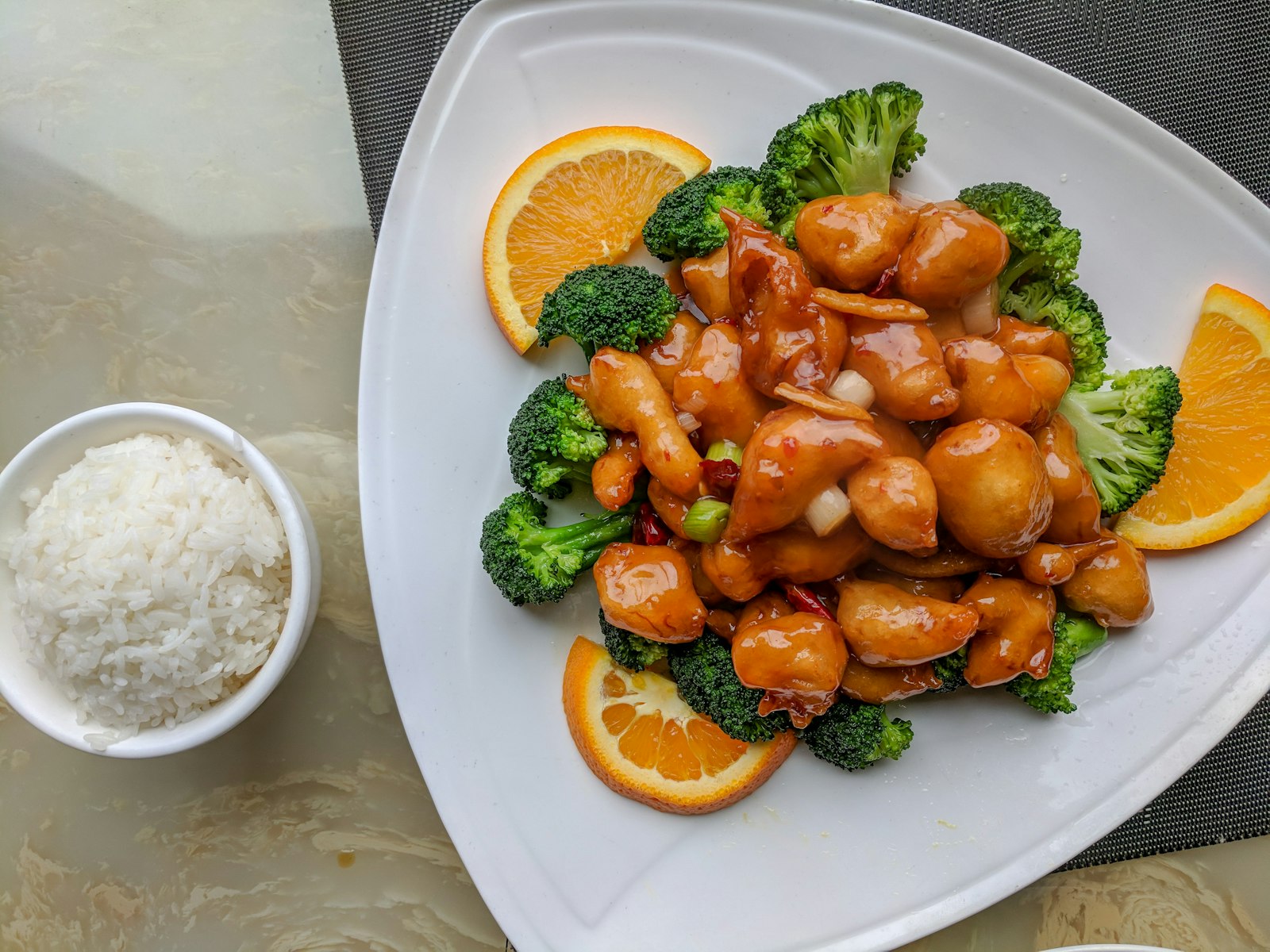
Sichuan Province Food Travel Guide: The Complete 2026 Guide
The cab driver looked at me in the rearview mirror, one eyebrow raised. “You want to go where?” he asked, half-laughing, half-concerned. I’d just told him to take me to a place called Ming Ting—a restaurant I’d read about online that supposedly served the best mapo tofu in Chengdu. He shook his head, muttered something about laowai getting bad advice, and drove me instead to a hole-in-the-wall joint in an alley so narrow the taxi couldn’t fit. He pointed. “That one. Best mapo in the city. My mother’s family has eaten there for forty years.”
I was skeptical. The place had no English sign, no menu with pictures, and a floor that looked like it hadn’t been mopped since the 1990s. But the old woman behind the counter saw me hesitate, smiled, and gestured for me to sit. Twenty minutes later, I understood why the cab driver had laughed.
That bowl of mapo tofu—silky bean curd swimming in a pool of chili oil, Sichuan peppercorns, and fermented black beans—was the single best thing I’d eaten in China up to that point. The numbness hit first, then the heat, then a deep savory note that lingered for minutes. I sat there, sweating, grinning like an idiot, while the old woman watched me from the kitchen doorway, nodding.
This guide is for people like me—first-time visitors to China who want to eat their way through Sichuan without getting lost in translation, overpaying for tourist traps, or missing the dishes that actually matter. I’ve spent the last six years traveling through this province, eating at street stalls, family-run kitchens, and high-end restaurants. I’ve made mistakes—ordering the wrong thing, showing up at the wrong time, paying triple the local price—so you don’t have to.
Here’s everything I wish someone had told me before my first trip.
Quick answer
The cab driver looked at me in the rearview mirror, one eyebrow raised. “You want to go where?” he asked, half-laughing, half-concerned.
The Short Version
Sichuan food isn’t just spicy—it’s numbing, fragrant, oily, and complex. The province has three distinct cuisines: Chengdu’s refined chuan cai, Chongqing’s fiery hotpot culture, and Leshan’s street food scene. You can eat well for $5 a meal or blow $50 on a banquet. Don’t skip the breakfast noodles, and for God’s sake, learn to say bu la (not spicy) if your stomach can’t handle it. Most places don’t have English menus. Download Pleco and WeChat before you arrive.
How I Picked These
I didn’t pull this list from a blog or a guidebook. I walked. I ate. I talked to people. Over the last six years, I’ve made forty-plus trips to Sichuan—sometimes for a week, sometimes for a month. I’ve sat on plastic stools in alleys, shared tables with strangers, and watched grandmothers make dumplings by hand. I asked taxi drivers where they eat on their day off. I asked hostel receptionists what they miss most when they’re away from home. I asked chefs what they’d serve their own families.
Some of these places are famous. Some you won’t find on any English-language website. All of them are worth your time and money.
Comparison Table
| Rank | Place | Best For | Approx Cost (USD) | Time Needed | When to Go |
|------|-------|----------|-------------------|-------------|------------|
| 1 | Chen Mapo Tofu (Chengdu) | Classic mapo tofu | $8-15 (¥55-110) | 1 hour | Lunch (11:30am) to avoid crowds |
| 2 | Huangcheng Laoma (Chengdu) | Hotpot experience | $20-35 (¥140-250) | 2 hours | Dinner, weekday preferred |
| 3 | Leshan Street Food Stalls | Night market grazing | $3-8 (¥20-55) | 2-3 hours | Evening, 6-9pm |
| 4 | Chongqing Hotpot Alley | Authentic Chongqing hotpot | $12-25 (¥85-180) | 2 hours | Dinner, any day |
| 5 | Yulin Chuan Chuan (Chengdu) | Skewer-style street food | $5-12 (¥35-85) | 1.5 hours | Late afternoon to evening |
| 6 | Ziyuan Noodle House (Chengdu) | Dan dan noodles | $3-6 (¥20-42) | 30 minutes | Breakfast or lunch |
| 7 | Wenshu Monastery Vegetarian (Chengdu) | Buddhist vegetarian cuisine | $8-15 (¥55-110) | 1 hour | Lunch, before 2pm |
| 8 | Chongqing Noodle Shop (Chongqing) | Chongqing small noodles | $2-5 (¥14-35) | 20 minutes | Breakfast |
| 9 | Mianyang Rice Noodle Stalls | Mianyang-style rice noodles | $2-4 (¥14-28) | 20 minutes | Breakfast or late-night |
| 10 | Deyang Spicy Chicken (Deyang) | La zi ji (chili chicken) | $10-18 (¥70-130) | 1 hour | Lunch, weekday |
1. Chen Mapo Tofu — The Original, Still Worth It
The line stretched down the block at 11:15am. I’d read that Chen Mapo Tofu was the most famous mapo tofu restaurant in Chengdu, and I figured it would be touristy. It is. But the food is also legitimately excellent.
The restaurant has been around since the 1860s, named after the pockmarked woman (Chen Mapo means “Pockmarked Chen”) who invented the dish. The current location is modern—white tablecloths, air conditioning, English menus—but the kitchen still uses the same recipe. The mapo tofu here is different from what you’ll get elsewhere: the tofu is cut into perfect cubes, the sauce is darker and more complex, and the Sichuan peppercorns are ground fresh. It’s not the spiciest version I’ve had, but it’s the most balanced.
📍 Location: 197 West Yuci Street, Qingyang District, Chengdu
🎫 Entry fee: Free (dishes $6-15 / ¥42-110)
🕐 Hours: 11:00am – 9:30pm daily
🚆 How to get there: Take Metro Line 2 to Tonghuimen Station, Exit C. Walk south on Yuci Street for 5 minutes. The restaurant is on the left, with a large red sign.
⏰ When to visit: Go at 11:30am on a weekday. The line gets brutal after 12pm, especially on weekends.
💡 Insider tips:
-
Order the mapo tofu (obviously), but also try the fuqi feipian (beef and offal in chili oil) and the koushuiji (mouth-watering chicken).
-
The English menu is accurate but limited. If you want the full experience, use Pleco to translate the Chinese menu.
-
They have a takeout window on the side. You can skip the line and eat standing up for half the price.
-
Don’t bother with the set meals—they’re overpriced and mediocre.
-
Bring cash or WeChat Pay. They don’t take international credit cards.
I watched a young couple at the next table argue about whether the mapo tofu was too spicy. The woman won. She ate the whole bowl.
2. Huangcheng Laoma — Hotpot Done Right
Hotpot in Sichuan is a social ritual, not just a meal. You sit around a bubbling pot of chili oil, surrounded by plates of raw meat, vegetables, and tofu, and you cook everything yourself. The atmosphere is loud, chaotic, and wonderful.
Huangcheng Laoma is the most famous hotpot chain in Chengdu, and for good reason. The broth is made with beef tallow, not vegetable oil, which gives it a richer, more savory flavor. The ingredients are fresh—sliced beef, lamb, tripe, duck blood, lotus root, mushrooms. And the service is efficient, even when the place is packed (which it always is).
📍 Location: 43 Zongfu Road, Jinjiang District, Chengdu
🎫 Entry fee: Free (dishes $4-12 / ¥28-85 each)
🕐 Hours: 11:00am – 2:00am daily
🚆 How to get there: Take Metro Line 2 to Chunxi Road Station, Exit D. Walk north on Zongfu Road for 3 minutes. The restaurant is a large building with a golden roof.
⏰ When to visit: Dinner, ideally on a weekday. Weekend nights are a two-hour wait.
💡 Insider tips:
-
Order the niu you guodi (beef tallow pot) for the authentic experience. The qing tang (clear broth) is for tourists.
-
Dip everything in the gan die (dry dipping powder)—a mix of Sichuan peppercorn, salt, and crushed peanuts.
-
Don’t overcook the tripe. It’s ready in 10 seconds. Any longer and it turns rubbery.
-
The waiters will bring you a free bowl of bingfen (a jelly dessert) after the meal. Eat it. It helps with the spice.
-
Bring wet wipes. Your hands will be covered in chili oil.
I shared a table with a group of university students who insisted I try the duck blood. I was hesitant. It was fantastic—silky, savory, nothing like I expected.
3. Leshan Street Food Stalls — The Night Market You’ll Dream About
Leshan is a two-hour train ride south of Chengdu, and it’s worth every minute of travel. The city is famous for the Leshan Giant Buddha (a 71-meter stone statue carved into a cliff), but the food scene is what keeps me coming back.
The night market near the old town is a maze of stalls selling everything from bo bo ji (chicken skewers in chili oil) to san he ni (a sweet bean paste dessert). The air smells like garlic, chili, and sesame oil. The crowds are thick. The prices are absurdly cheap.
📍 Location: Zhanggong Bridge Night Market, Shizhong District, Leshan
🎫 Entry fee: Free (food $1-4 / ¥7-28 per item)
🕐 Hours: 6:00pm – 11:00pm daily
🚆 How to get there: Take a high-speed train from Chengdu East Station to Leshan Station (1 hour, $12 / ¥85). From Leshan Station, take a taxi to Zhanggong Bridge (15 minutes, $3 / ¥20).
⏰ When to visit: 7:00pm on a weekday. Weekends are packed.
💡 Insider tips:
-
The bo bo ji stalls are the highlight. You pick your skewers from a basket, and the vendor dips them in a communal pot of chili oil. It’s safe—the oil is boiling.
-
Try the leshan dou hua (tofu pudding with chili oil and peanuts). It’s a local specialty.
-
Don’t eat at the first stall you see. Walk to the back of the market—the food is better and cheaper.
-
Bring small bills. Most stalls don’t take cards or WeChat Pay.
-
The san he ni is made by an old woman near the bridge. Her version is the best.
I ate six bo bo ji skewers standing up, juice dripping down my chin, while a stray dog watched me hopefully. I gave him the last one.
4. Chongqing Hotpot Alley — The Real Deal
Chongqing is a city that doesn’t apologize. It’s loud, aggressive, and unapologetically spicy. The hotpot here is different from Chengdu’s—it’s more oil, more chili, more peppercorns. The broth is darker, the heat is sharper, and the experience is more intense.
Hotpot Alley is a narrow street in the Jiefangbei area, lined with dozens of hotpot restaurants. Each one claims to be the best. Most of them are right.
📍 Location: Cangbai Road, Jiefangbei, Yuzhong District, Chongqing
🎫 Entry fee: Free (dishes $3-10 / ¥21-70 each)
🕐 Hours: 11:00am – 2:00am daily
🚆 How to get there: Take Metro Line 1 to Jiaochangkou Station, Exit 2. Walk south on Cangbai Road for 5 minutes. You’ll see the hotpot signs.
⏰ When to visit: Dinner, any day. The later you go, the more authentic it feels.
💡 Insider tips:
-
Look for a place with a line of locals, not tourists. The ones with English signs are usually overpriced.
-
Order maodu (beef tripe) and huanggua (pig aorta). They’re the local favorites.
-
The broth is free. You pay for the ingredients.
-
Don’t drink the broth. It’s not soup. It’s cooking oil.
-
Bring a jacket. The air conditioning is aggressive, and you’ll be sweating from the spice anyway.
I sat next to a man who ate an entire plate of raw chilies while waiting for his hotpot to boil. He offered me one. I declined. He laughed.
5. Yulin Chuan Chuan — Skewers, Beer, and Chaos
Chuan chuan is Sichuan’s answer to street food: skewers of meat, vegetables, and tofu, cooked in a communal pot of chili oil. You grab a handful of skewers from a fridge, dip them in the boiling pot, and eat them with a dry dipping powder. The bill is calculated by counting the skewers at the end.
Yulin Chuan Chuan is a famous chain in Chengdu, but the original location in the Yulin neighborhood is the best. The atmosphere is chaotic—people shouting orders, skewers clattering, beer bottles clinking. It’s loud, messy, and perfect.
📍 Location: 15 Yulin South Road, Wuhou District, Chengdu
🎫 Entry fee: Free (skewers $0.15 / ¥1 each)
🕐 Hours: 5:00pm – 2:00am daily
🚆 How to get there: Take Metro Line 1 to Tongzilin Station, Exit B. Walk south on Yulin South Road for 8 minutes. The restaurant is on the left, with a red sign.
⏰ When to visit: 6:00pm on a weekday. Weekends are packed.
💡 Insider tips:
-
Grab a handful of skewers at once. The fridge gets picked clean quickly.
-
The beef skewers are the best. The chicken feet are an acquired taste.
-
Don’t double-dip. The dipping sauce is communal.
-
The beer is cheap ($1 / ¥7 per bottle). Drink it.
-
Count your skewers before you hand them in. The staff sometimes miscounts.
I ate 47 skewers one night. I don’t regret it.
6. Ziyuan Noodle House — The Best Dan Dan Noodles in Chengdu
Dan dan noodles are one of Sichuan’s most famous dishes, but most versions you’ll find outside China are pale imitations. The real thing is a bowl of thin noodles topped with minced pork, preserved vegetables, chili oil, and Sichuan peppercorns, all mixed together at the table.
Ziyuan Noodle House is a tiny shop in a residential neighborhood, run by a family that’s been making noodles for three generations. The dan dan noodles here are the best I’ve had—the noodles are perfectly chewy, the sauce is balanced, and the portion size is just right.
📍 Location: 12 Qinglong Lane, Jinjiang District, Chengdu
🎫 Entry fee: Free (noodles $3-5 / ¥21-35)
🕐 Hours: 7:00am – 2:00pm daily (closed Sundays)
🚆 How to get there: Take Metro Line 2 to Chunxi Road Station, Exit C. Walk east on Qinglong Lane for 3 minutes. The shop is a small storefront with a yellow sign.
⏰ When to visit: Breakfast (8:00am). They often sell out by 1:00pm.
💡 Insider tips:
-
Order the dan dan mian (担担面) and the hong you chao shou (red oil wontons).
-
Mix the noodles thoroughly before eating. The sauce settles at the bottom.
-
Don’t ask for less spice. It ruins the balance.
-
Bring cash. They don’t take cards or WeChat Pay.
-
The owner’s daughter speaks some English. She’ll help you order.
I watched a construction worker eat three bowls in 10 minutes. I understood why.
7. Wenshu Monastery Vegetarian — The Quietest Meal in Chengdu
After a week of chili oil and Sichuan peppercorns, your stomach will need a break. Wenshu Monastery’s vegetarian restaurant is the perfect palate cleanser.
The restaurant is inside the monastery complex, a peaceful courtyard with bamboo trees and stone pathways. The food is Buddhist vegetarian—no meat, no garlic, no onion, no alcohol. But don’t expect bland tofu. The chefs here create dishes that mimic meat using mushrooms, gluten, and vegetables. The mock duck is eerily convincing.
📍 Location: Wenshu Monastery, 15 Wenshu Yuan Street, Qingyang District, Chengdu
🎫 Entry fee: Free (dishes $5-12 / ¥35-85)
🕐 Hours: 11:30am – 2:00pm, 5:30pm – 8:00pm daily
🚆 How to get there: Take Metro Line 1 to Wenshu Monastery Station, Exit A. Walk north on Wenshu Yuan Street for 5 minutes. The monastery entrance is on the left.
⏰ When to visit: Lunch, before 1:00pm. The dinner service is shorter.
💡 Insider tips:
-
The gongbao jiding (Kung Pao “chicken”) is made with mushrooms. You won’t notice the difference.
-
The tea is included with the meal. Drink it.
-
Don’t take photos of the monks. It’s considered disrespectful.
-
The monastery itself is worth a visit. Go early, before the crowds.
-
Bring a book. The courtyard is a great place to read.
I sat alone at a wooden table, eating mock fish in complete silence. It was the most peaceful meal I’ve ever had in China.
8. Chongqing Noodle Shop — The Breakfast You’ll Crave
Chongqing’s xiao mian (small noodles) are a breakfast staple. They’re simple—thin noodles in a bowl of chili oil, soy sauce, vinegar, and Sichuan peppercorns—but the combination is addictive.
This shop near the Jiefangbei area is a local institution. The owner has been making noodles here for 30 years, and the recipe hasn’t changed. The noodles are cooked to order, tossed in a metal bowl, and served with a sprinkle of scallions.
📍 Location: 28 Minquan Road, Yuzhong District, Chongqing
🎫 Entry fee: Free (noodles $2-4 / ¥14-28)
🕐 Hours: 6:00am – 12:00pm daily
🚆 How to get there: Take Metro Line 1 to Jiaochangkou Station, Exit 3. Walk north on Minquan Road for 2 minutes. The shop is a small storefront with a red sign.
⏰ When to visit: 7:00am. The line gets long after 8:00am.
💡 Insider tips:
-
Order the er mian (two noodles) if you’re hungry. It’s a double portion.
-
Add a fried egg for $0.30 (¥2). It’s worth it.
-
Don’t stir the noodles immediately. Let the sauce settle for 30 seconds.
-
The chili oil is made in-house. You can buy a jar to take home.
-
Bring tissues. The shop doesn’t have napkins.
I ate here three mornings in a row. The owner recognized me on the third day and gave me an extra egg.
9. Mianyang Rice Noodle Stalls — The Hidden Gem
Mianyang is a city most tourists skip. That’s a mistake. The rice noodles here are some of the best in Sichuan—thin, slippery, and served in a broth made from beef bones and Sichuan peppercorns.
The stalls near the Mianyang railway station are the best places to try them. They’re open early and late, catering to travelers and night-shift workers. The noodles are cooked in seconds, topped with beef slices, scallions, and a spoonful of chili oil.
📍 Location: Mianyang Railway Station area, Fucheng District, Mianyang
🎫 Entry fee: Free (noodles $2-4 / ¥14-28)
🕐 Hours: 5:00am – 11:00pm daily
🚆 How to get there: Take a high-speed train from Chengdu East Station to Mianyang Station (45 minutes, $8 / ¥55). The stalls are outside the station’s main exit.
⏰ When to visit: Breakfast (7:00am) or late-night (10:00pm).
💡 Insider tips:
-
The hong shao niu rou mian (braised beef noodles) is the best option.
-
The stalls are cash-only. Bring small bills.
-
The broth is free. Ask for extra if you want it.
-
Don’t sit at the first stall. Walk to the back—the food is fresher.
-
The train station has luggage storage. You can leave your bags and eat.
I ate a bowl of noodles at 6:00am, standing in the rain, while a stray cat rubbed against my leg. It was perfect.
10. Deyang Spicy Chicken — The Dish That Made Me Cry
La zi ji (chili chicken) is a dish from Deyang, a city north of Chengdu. It’s exactly what it sounds like: chunks of fried chicken buried under a mountain of dried chilies and Sichuan peppercorns. You pick through the chilies to find the chicken, which is crispy, spicy, and numbing.
The best version I’ve had is at a small restaurant called Lao Ma Tou, run by a family that’s been making the dish for 40 years. The chicken is marinated overnight, fried twice, and tossed with a secret blend of spices. It’s the spiciest thing I’ve ever eaten in China. I cried. I loved it.
📍 Location: 88 Minsheng Road, Jingyang District, Deyang
🎫 Entry fee: Free (dishes $8-15 / ¥55-110)
🕐 Hours: 11:00am – 9:00pm daily
🚆 How to get there: Take a high-speed train from Chengdu East Station to Deyang Station (30 minutes, $6 / ¥42). From Deyang Station, take a taxi to Minsheng Road (10 minutes, $2 / ¥14).
⏰ When to visit: Lunch, weekday. The restaurant fills up quickly on weekends.
💡 Insider tips:
-
Order the la zi ji (辣子鸡) and the shui zhu yu (water-boiled fish).
-
Pick out the chilies carefully. Some are just for show, but others are edible.
-
Drink milk or yogurt before the meal. It helps with the spice.
-
The owners don’t speak English. Use Pleco to order.
-
Bring a camera. The dish looks incredible.
I ate an entire plate of la zi ji by myself. The owner’s wife came out to check on me. I was crying, smiling, and eating. She nodded approvingly.
FAQ summary
Key points covered: 1. Do I need a VPN to use the internet in China; 2. Can I use my credit card at restaurants; 3. Is Sichuan food too spicy for someone who doesn’t eat spicy food; 4. How do I get around Sichuan; 5. …
FAQ
Q: Do I need a VPN to use the internet in China?
A: Yes. Google, Facebook, Instagram, and WhatsApp are blocked. Install a VPN on your phone before you arrive. I recommend Astrill or ExpressVPN. Test it before you leave—some VPNs don’t work in China.
Q: Can I use my credit card at restaurants?
A: Rarely. Most small restaurants and street stalls only accept WeChat Pay, Alipay, or cash. Set up WeChat Pay or Alipay before you arrive. You can link them to your international credit card, but it’s tricky. Bring cash as a backup.
Q: Is Sichuan food too spicy for someone who doesn’t eat spicy food?
A: Yes, but you can manage. Learn to say bu la (not spicy) and wei la (mildly spicy). Most restaurants can adjust the spice level. Stick to dishes like dan dan mian (mild) or chao shou (wontons in red oil, which you can ask for without the oil).
Q: How do I get around Sichuan?
A: High-speed trains are the best option. Chengdu to Chongqing takes 1.5 hours. Chengdu to Leshan takes 1 hour. Chengdu to Deyang takes 30 minutes. Book tickets on Trip.com or at the station. Bring your passport—you need it to buy tickets.
Q: Is it safe to eat street food?
A: Yes, but use common sense. Look for stalls with high turnover (lots of customers). Avoid anything that’s been sitting out for hours. Stick to cooked food. Drink bottled water. Your stomach will adjust after a few days.
Q: Do I need to speak Mandarin?
A: It helps, but it’s not essential. Download Pleco (a translation app) and learn a few phrases: xie xie (thank you), duo shao qian (how much), zhe ge (this one). Most people in tourist areas speak basic English.
Q: What’s the best time of year to visit Sichuan?
A: Spring (March-May) and autumn (September-November) are the best. Summer is hot and humid. Winter is cold and gray. Avoid Chinese New Year (January/February) and National Day (October 1-7)—everything is crowded and expensive.
The Honest Wrap-up
This guide is for people who want to eat like a local, not like a tourist. It’s for people who are willing to sit on plastic stools, eat with their hands, and sweat through their shirts. It’s for people who understand that the best meals in Sichuan are often the cheapest, the messiest, and the most uncomfortable.
If you want white tablecloths, air conditioning, and menus in English, you’ll find those too. But you’ll miss the point.
My final piece of advice: trust the cab drivers. They know where the good food is. And when you find yourself sitting in a tiny shop, eating something you can’t pronounce, surrounded by people who don’t speak your language, don’t panic. Just eat. You’ll be fine.
Related Guides
Looking for more China travel guides? These match your topic:
Topics
More guides you may like

Top 10 Bridges in China
China's bridges are engineering marvels spanning mountains, rivers, and seas. Here are 10 of the most spectacular, from ancient stone to modern steel.
8 min read

Top 10 Buddhist Sites in China
From the Leshan Giant Buddha to the Dunhuang Caves, these 10 Buddhist sites represent 2,000 years of China's spiritual heritage.
9 min read

Top 10 Day Trips from Beijing You Shouldn't Miss
Beijing is packed with history, but some of China's best experiences are just a few hours away. Here are 10 day trips that will transform your visit.
9 min read

Top 10 Hidden Gems in China Off the Beaten Path
Beyond the Great Wall and Terracotta Warriors, China has incredible hidden destinations few tourists ever reach. Here are 10 underrated gems worth the detour.
9 min read

Top 10 Markets and Shopping Streets in China
From Shanghai's Bund to Beijing's Silk Street - 10 markets where foreigners can haggle, explore, and bring home authentic Chinese goods.
9 min read

Top 10 Museums in China You Shouldn't Miss
China's museums span 5,000 years of civilization. These 10 - from the Palace Museum to Xi'an's terracotta gallery - are unmissable for culture lovers.
9 min read