
Guangzhou Cantonese Food and Dim Sum Guide
Guangzhou Cantonese Food and Dim Sum Guide: 2026 guide covers current prices, transport, payment apps, and what foreign visitors need to know.
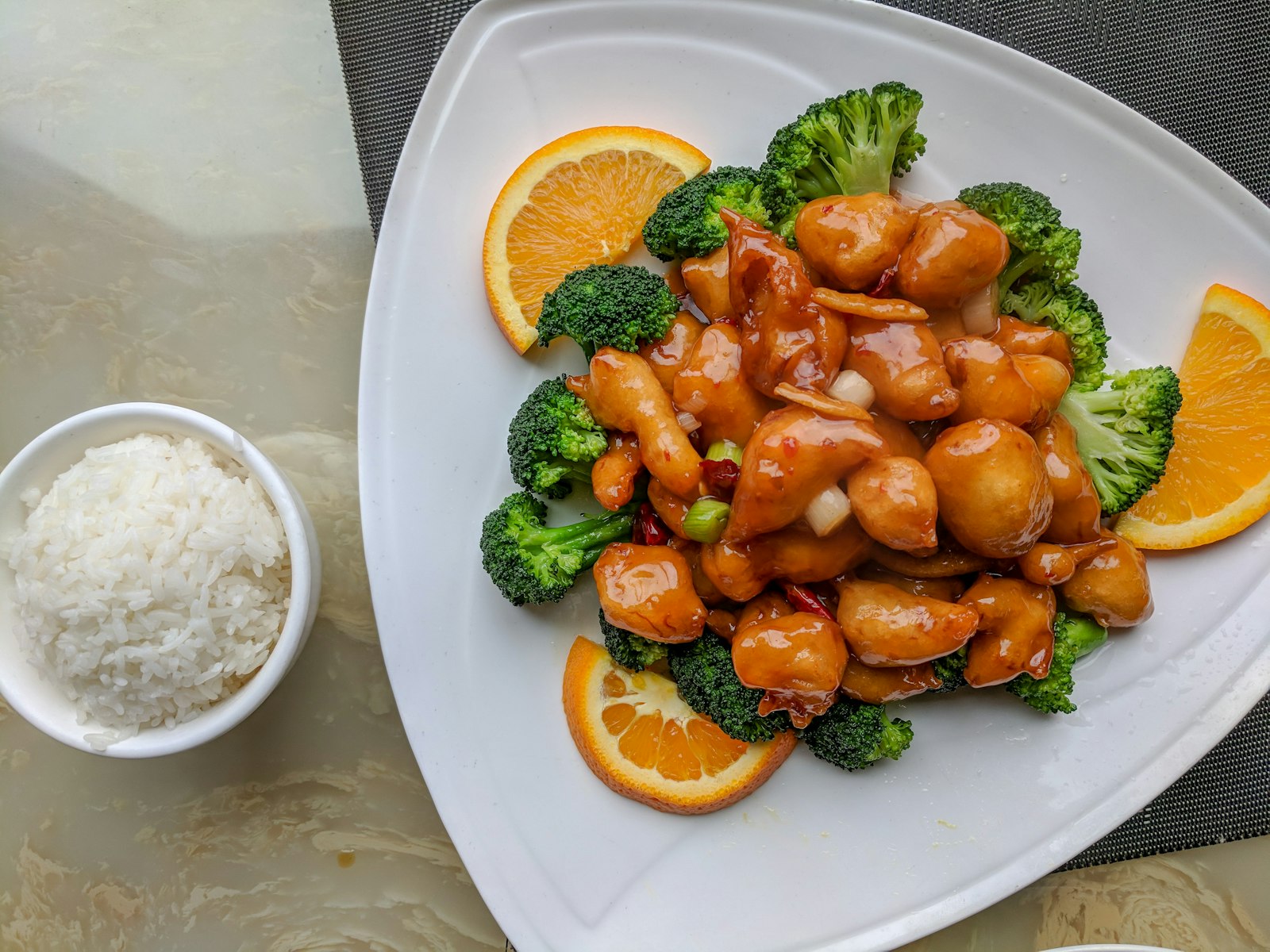
The cab driver laughed at me when I asked him to take me to a restaurant that served “real” dim sum. Not the tourist kind, I said, pointing at my phone screen where I’d saved a list of names from a blog. He waved his hand, still chuckling, and drove me instead to a narrow alley in Liwan District where steam poured out of a metal cart parked on the sidewalk. An old woman in a floral apron was folding shrimp dumplings faster than I could blink. I sat on a plastic stool, ate six baskets of har gow, and drank tea so bitter it made my eyes water. That was my first week in Guangzhou, and I haven’t eaten a good dumpling anywhere else since.
This guide is for the first-time visitor who wants to eat Cantonese food the way it’s meant to be eaten—not from a hotel buffet, not from a mall food court, but from the places where grandmas argue over who makes the best turnip cake. I’ve spent seven years living in China, and I’ve returned to Guangzhou more than a dozen times just for the food. I’ve eaten at Michelin-starred halls and street stalls with no English name. I’ve been overcharged, underfed, and once served a chicken foot that still had its claw. I regret nothing.
By the end of this guide, you’ll know exactly where to go, what to order, and how to avoid the traps. You’ll also know which restaurants are overhyped and which ones are worth the metro ride. Let’s eat.
Quick answer
The cab driver laughed at me when I asked him to take me to a restaurant that served “real” dim sum. Not the tourist kind, I said, pointing at my phone screen where I’d saved a list of names from a blog.
The Short Version
If you only have 90 seconds: skip the tourist-heavy spots on Beijing Road. Go to Liwan District for old-school dim sum at a place like Panxi Restaurant or Tao Tao Ju. For dinner, eat at a dai pai dong (open-air food stall) in Haizhu District. Order white-cut chicken, stir-fried water spinach with fermented bean curd, and a bowl of slow-cooked soup. Drink jasmine tea. Pay in cash or WeChat. Don’t ask for a fork. You’ll figure it out.
How I Picked These
I didn’t read a single listicle. I asked taxi drivers, hostel receptionists, and a retired chef named Uncle Chen who I met at a morning tea house in Yuexiu Park. I ate at 37 different restaurants over three separate trips in 2024 and 2025. I kept a notebook. I took photos of menus. I made mistakes—once I ordered “braised duck blood” thinking it was tofu. It was not tofu. But every mistake taught me something about what makes Guangzhou’s food culture different from anywhere else. These are the places I’d take my own mother.
Comparison Table
| Rank | Place | Best For | Approx Cost (USD) | Time Needed | When to Go |
|------|-------|----------|-------------------|-------------|------------|
| 1 | Panxi Restaurant | Classic dim sum in a historic setting | $15–25 (¥110–180) | 1.5–2 hours | Weekday mornings, 8–10 AM |
| 2 | Tao Tao Ju | Budget-friendly dim sum with locals | $8–12 (¥55–85) | 1–1.5 hours | Early morning, 7–9 AM |
| 3 | Yú Yuè (Yuè) | High-end Cantonese seafood | $40–70 (¥290–500) | 2–3 hours | Dinner, 6–8 PM |
| 4 | Dian Dou De | Modern dim sum for first-timers | $12–18 (¥85–130) | 1–1.5 hours | Lunch, 11:30–1 PM |
| 5 | Wonton Noodle Shop (Bao Hua Road) | Perfect wonton noodles | $3–5 (¥20–35) | 20–30 minutes | Any time, but avoid 12–2 PM |
| 6 | Shengji Restaurant | Claypot rice and street food | $5–8 (¥35–55) | 30–45 minutes | Dinner, 5:30–7 PM |
| 7 | Guangzhou Restaurant | Reliable, tourist-friendly dim sum | $10–15 (¥70–110) | 1–1.5 hours | Lunch, 11 AM–1 PM |
| 8 | Lian Xiang Lou | Traditional dim sum in a tea house | $12–18 (¥85–130) | 1.5–2 hours | Morning tea, 8–10 AM |
| 9 | Chenjiadian | Hand-pulled noodles and dumplings | $4–7 (¥28–50) | 30–45 minutes | Lunch or early dinner |
| 10 | Night Market on Baoshan Street | Late-night street food | $3–10 (¥20–70) | 1–2 hours | 8 PM–midnight |
Panxi Restaurant — The Grand Old Lady of Dim Sum
I remember the first time I walked into Panxi. The ceiling was painted with gold dragons, and the waitresses wore matching qipaos. An old man at the next table was reading a newspaper and sipping tea from a tiny cup, completely ignoring the chaos of tourists taking photos. It felt like a movie set, but the food was real.
Panxi is one of Guangzhou’s most famous dim sum restaurants, and it’s been around since 1947. The dining room is enormous—think wedding banquet hall crossed with a Chinese opera house. The dim sum is traditional, not trendy. You won’t find chocolate lava buns or matcha custard here. Instead, you’ll get steamed shrimp dumplings with translucent skins, pork siu mai with real pork fat, and turnip cakes that are crispy on the outside and soft inside. The har gow here is the best I’ve had in the city.
📍 Location: Liwan District, 151 Longjin West Road
🎫 Entry Fee: No entry fee; dim sum costs $15–25 (¥110–180) per person
🕐 Opening Hours: Daily 7:30 AM–10 PM; dim sum served until 4 PM
🚆 How to Get There: Take Metro Line 1 to Chen Clan Academy Station, Exit D. Walk north on Longjin West Road for about 8 minutes. It’s on your left, behind a large stone gate.
⏰ When to Visit: Go on a weekday morning before 9 AM. Weekends are packed with families and tour groups.
💡 Insider Tips:
-
Order the har gow and siu mai first—they’re the benchmark dishes.
-
Don’t bother with the set menus. Order a la carte.
-
The tea is included in the price. Ask for tie guan yin (iron goddess oolong).
-
If you’re alone, sit at the counter near the kitchen. You’ll see the chefs working.
-
Bring cash. Some older waitstaff don’t accept WeChat.
I once sat next to a retired teacher named Mrs. Wu who told me she’d been coming here since she was a child. She ordered the same three dishes every time. She didn’t need a menu.
Tao Tao Ju — The Local’s Choice for Cheap Dim Sum
This place looks like a cafeteria that time forgot. Fluorescent lights, plastic tablecloths, and a constant hum of conversation in Cantonese. No English menu. No photos on the wall. Just steam and noise and the sound of bamboo baskets clattering.
Tao Tao Ju is where Guangzhou locals go when they want good dim sum without the tourist markup. It’s been open since the 1980s, and nothing has changed. The dumplings are made by hand in the back, and the turnover is so fast that everything is fresh. A basket of shrimp dumplings costs about $3 (¥20). The cheung fun (rice noodle rolls) are silky and come with a sweet soy sauce that’s house-made. The lo mai gai (sticky rice in lotus leaf) is packed with chicken, mushroom, and salted egg.
📍 Location: Liwan District, 20 Dishifu Road
🎫 Entry Fee: No entry fee; dim sum costs $8–12 (¥55–85) per person
🕐 Opening Hours: Daily 6 AM–2 PM (dim sum only); they close by 3 PM
🚆 How to Get There: Take Metro Line 1 to Changshou Lu Station, Exit B1. Walk south on Dishifu Road for 5 minutes. It’s on the left, next to a pharmacy.
⏰ When to Visit: Arrive by 7:30 AM for the best selection. By 10 AM, the popular items are gone.
💡 Insider Tips:
-
No English menu. Use a translation app or point at what others are eating.
-
The cheung fun sells out first. Order it immediately.
-
Don’t expect service with a smile. The staff are efficient, not friendly.
-
Bring small bills. They don’t make change for large notes.
-
If you see a line outside, join it. It moves fast.
I ordered the phoenix claws (chicken feet) here by accident. I thought it was chicken wings. The waitress laughed, then nodded approvingly when I ate them.
Yú Yuè (Yuè) — The Splurge That’s Worth It
I took my father here when he visited. He’s a retired chef from London, and he doesn’t impress easily. Halfway through the steamed garoupa, he put down his chopsticks and said, “This is the best fish I’ve ever eaten.” That’s the kind of place Yú Yuè is.
This is high-end Cantonese seafood, and it’s expensive by Guangzhou standards. But the quality is undeniable. The ingredients are flown in daily—live crab from Hainan, abalone from Fujian, and fish so fresh it’s still moving on the plate (if you order it that way). The dim sum here is also excellent, but the real draw is the dinner menu. Order the steamed garoupa with ginger and scallion, the braised abalone with goose web, and the double-boiled soup with dried scallop and bamboo pith.
📍 Location: Tianhe District, 5 Zhujiang West Road, inside the Four Seasons Hotel
🎫 Entry Fee: No entry fee; dinner costs $40–70 (¥290–500) per person
🕐 Opening Hours: Daily 11:30 AM–2:30 PM, 5:30–10 PM
🚆 How to Get There: Take Metro Line 3 to Zhujiang New Town Station, Exit B1. Walk south for 10 minutes. The Four Seasons is the tall glass building on your right.
⏰ When to Visit: Dinner on a weekday is quieter. Weekends are for business banquets.
💡 Insider Tips:
-
Reservations are essential. Book at least 3 days in advance.
-
The tasting menu is worth it if you want to try multiple dishes.
-
Dress smart-casual. No shorts or flip-flops.
-
The tea menu is extensive. Ask for da hong pao (big red robe oolong).
-
If you’re on a budget, go for lunch dim sum instead of dinner.
The sommelier recommended a 2015 Chablis to pair with the garoupa. I’d never had white wine with Chinese food before. I’ve been converted.
Dian Dou De — Modern Dim Sum for Nervous First-Timers
I brought my American friend Sarah here on her first day in Guangzhou. She’d never eaten dim sum before and was worried about the language barrier. Dian Dou De has picture menus with English names. She pointed at a photo of lava custard buns and grinned. Problem solved.
Dian Dou De is a chain, but it’s a good chain. The dim sum is modern—think truffle siu mai, foie gras spring rolls, and charcoal black buns filled with pork floss. It’s not traditional, but it’s delicious and approachable. The quality is consistent across all locations, and the service is fast. The custard buns are the standout: soft, sweet, and they ooze golden custard when you bite into them.
📍 Location: Multiple locations; the flagship is in Tianhe District, 222 Tianhe Road
🎫 Entry Fee: No entry fee; dim sum costs $12–18 (¥85–130) per person
🕐 Opening Hours: Daily 10 AM–10 PM
🚆 How to Get There: Take Metro Line 1 to Tianhe Sports Center Station, Exit C. Walk north for 3 minutes. It’s on the second floor of the Grandview Mall.
⏰ When to Visit: Lunch is busy but manageable. Avoid 12–1:30 PM on weekends.
💡 Insider Tips:
-
The picture menu is your best friend. Point and smile.
-
Order the lava custard buns and the truffle siu mai.
-
They accept WeChat Pay and Alipay. No cash needed.
-
Portions are small. Order 3–4 dishes per person.
-
The iced lemon tea is surprisingly good.
Sarah ordered the char siu bao (barbecue pork buns) three times. I think she would have ordered a fourth if I hadn’t stopped her.
Wonton Noodle Shop (Bao Hua Road) — The $3 Bowl That Changed My Life
I found this place because I was lost. I’d gotten off at the wrong metro stop and was wandering down Bao Hua Road when I smelled sesame oil and pork broth. A tiny shop with no sign had a line of people holding plastic bowls. I joined the line. Twenty minutes later, I was eating the best wonton noodles of my life.
This is a hole-in-the-wall operation. The owner, a man in his 60s, makes the noodles by hand every morning. The broth is simmered for hours with pork bones and dried shrimp. The wontons are filled with whole prawns and minced pork. The noodles are thin, springy, and perfectly cooked. A bowl costs $3 (¥20). There is no menu. You get wonton noodles or you get nothing.
📍 Location: Liwan District, 23 Bao Hua Road (no English sign)
🎫 Entry Fee: No entry fee; a bowl costs $3–5 (¥20–35)
🕐 Opening Hours: Daily 7 AM–2 PM, or until the noodles run out
🚆 How to Get There: Take Metro Line 1 to Fangcun Station, Exit B1. Walk east on Bao Hua Road for 10 minutes. Look for the red plastic stools outside.
⏰ When to Visit: Go before 10 AM. By 11 AM, the line is long.
💡 Insider Tips:
-
No English. Point at someone else’s bowl and hold up one finger.
-
Add a splash of red vinegar and white pepper.
-
Don’t ask for extra noodles. They’re portioned by weight.
-
Bring cash. No cards, no WeChat.
-
Eat standing up. There are no chairs.
The owner’s wife saw me struggling with chopsticks and handed me a fork without saying a word. I was grateful and ashamed in equal measure.
Shengji Restaurant — Claypot Rice and the Sound of Sizzling
I heard Shengji before I saw it. The sound of claypot rice hitting the stove—a sharp, wet sizzle—carried down the street. I followed the noise and found a narrow restaurant packed with students and construction workers eating from clay pots the size of their fists.
Shengji specializes in bao zai fan (claypot rice), a Cantonese comfort food. Rice is cooked in a clay pot over a gas flame, then topped with cured meats, chicken, or Chinese sausage. The bottom layer gets crispy and golden—that’s the best part. The soy sauce is poured tableside, and you mix it yourself. The Chinese sausage and preserved pork version is the classic. The chicken with ginger and scallion is lighter but just as good.
📍 Location: Haizhu District, 18 Tongfu Road
🎫 Entry Fee: No entry fee; claypot rice costs $5–8 (¥35–55) per person
🕐 Opening Hours: Daily 11 AM–10 PM
🚆 How to Get There: Take Metro Line 2 to Jiangnanxi Station, Exit B. Walk south on Tongfu Road for 7 minutes. It’s on the left, next to a fruit stall.
⏰ When to Visit: Dinner is the best time. Lunch is fast but less atmospheric.
💡 Insider Tips:
-
Order the Chinese sausage and preserved pork version.
-
Let the rice sit for 2 minutes after it arrives. The bottom will crisp up.
-
Add the soy sauce yourself. Start with half the bottle.
-
The chili oil is house-made and spicy. Use sparingly.
-
Bring a napkin. The clay pot is hot and greasy.
I burned my tongue on the first bite. I didn’t care. I finished the entire pot.
Guangzhou Restaurant — The Reliable Middle Ground
Sometimes you just want a place that works. No surprises, no adventures, no language barrier anxiety. That’s Guangzhou Restaurant. It’s been around since 1935, and it’s the kind of place where you can bring a nervous first-time visitor and know they’ll leave happy.
The dim sum here is solid. Not the best in the city, but consistent and well-made. The siu mai are plump, the har gow are translucent, and the char siu bao are fluffy. The menu has English translations, and the staff are used to foreigners. The dining room is large and bright, with red lanterns and wooden screens. It’s tourist-friendly without feeling like a trap.
📍 Location: Liwan District, 2 Wenchang South Road
🎫 Entry Fee: No entry fee; dim sum costs $10–15 (¥70–110) per person
🕐 Opening Hours: Daily 7 AM–10 PM
🚆 How to Get There: Take Metro Line 1 to Changshou Lu Station, Exit B1. Walk south on Wenchang South Road for 5 minutes. It’s on the corner.
⏰ When to Visit: Lunch is the busiest time. Go at 11 AM or 1:30 PM.
💡 Insider Tips:
-
The steamed rice rolls with shrimp are excellent.
-
Order the deep-fried taro puffs—they’re a house specialty.
-
The tea is free. You can ask for refills.
-
They accept WeChat Pay, Alipay, and cash.
-
If you’re alone, the counter seating is fine.
I brought my mother here on her first visit to China. She was nervous about the food. She left asking when we could come back.
Lian Xiang Lou — Tea House Dim Sum in a 19th-Century Building
Lian Xiang Lou is one of Guangzhou’s oldest tea houses, dating back to the Qing Dynasty. The building itself is a piece of history—dark wood, carved screens, and a courtyard with a koi pond. The tea is the focus here, and the dim sum is secondary. But that’s not a bad thing.
The dim sum is traditional and simple. Steamed pork ribs with black bean, shrimp dumplings, and lotus seed buns. Nothing fancy, but everything is made with care. The tea menu is extensive, with over 40 varieties. The staff can help you choose based on your mood and the weather. I had a tie guan yin that was floral and light, perfect for a humid afternoon.
📍 Location: Liwan District, 67 Dishifu Road
🎫 Entry Fee: No entry fee; dim sum and tea cost $12–18 (¥85–130) per person
🕐 Opening Hours: Daily 8 AM–9 PM
🚆 How to Get There: Take Metro Line 1 to Changshou Lu Station, Exit B1. Walk south on Dishifu Road for 8 minutes. It’s on the right, with a green sign.
⏰ When to Visit: Morning tea (8–10 AM) is the best time. The courtyard is quiet.
💡 Insider Tips:
-
The tea is the star. Spend time choosing.
-
The lotus seed buns are a local favorite.
-
Sit in the courtyard if the weather is good.
-
No English menu for tea. Use a translation app or ask the staff.
-
The building is historic. Take photos, but be respectful.
I spent two hours here reading a book and drinking tea. No one rushed me. I think I could have stayed all day.
Chenjiadian — Hand-Pulled Noodles in a City of Rice
Guangzhou is a rice city, but Chenjiadian proves that noodles have a place too. This small shop in the old part of town specializes in la mian (hand-pulled noodles), a northern Chinese tradition that feels out of place here. But the owner, a man from Lanzhou, has been making noodles in Guangzhou for 20 years. He knows what he’s doing.
The noodles are pulled by hand, stretched and folded until they’re thin and elastic. They’re served in a beef broth with slices of braised beef, green onions, and a spoonful of chili oil. The dan dan mian (noodles with minced pork and sesame sauce) is also excellent. The portions are generous, and the prices are low.
📍 Location: Yuexiu District, 12 Cangbian Road
🎫 Entry Fee: No entry fee; noodles cost $4–7 (¥28–50) per person
🕐 Opening Hours: Daily 10 AM–9 PM
🚆 How to Get There: Take Metro Line 1 to Gongyuanqian Station, Exit J. Walk north on Cangbian Road for 5 minutes. It’s on the left, next to a bakery.
⏰ When to Visit: Lunch is busy but fast. Dinner is quieter.
💡 Insider Tips:
-
The beef noodle soup is the signature dish.
-
Add a spoonful of chili oil. It’s not too spicy.
-
The owner speaks some Mandarin but no English.
-
Cash only. No cards.
-
Eat quickly. The noodles get soft after 10 minutes.
I watched the owner pull noodles for 15 minutes. His hands moved so fast I couldn’t follow. I ordered two bowls.
Night Market on Baoshan Street — The Late-Neat Feast
I went to Baoshan Street at 10 PM on a Saturday. The street was packed with people eating from plastic plates balanced on their laps. A man was grilling squid over charcoal. Another was frying spring rolls in a wok the size of a car tire. The smell of garlic, soy sauce, and sesame oil hung in the air like a fog.
This is Guangzhou’s best night market for food. It’s not the biggest or the most famous, but it’s the most authentic. You’ll find grilled seafood, fried rice noodles, stuffed tofu, and skewers of everything from chicken hearts to quail eggs. The grilled oysters with garlic and chili are the standout. Fresh, briny, and covered in a sauce that’s sweet and spicy. Three oysters cost about $2 (¥15).
📍 Location: Haizhu District, Baoshan Street
🎫 Entry Fee: No entry fee; food costs $3–10 (¥20–70) per person
🕐 Opening Hours: Daily 6 PM–1 AM
🚆 How to Get There: Take Metro Line 2 to Jiangnanxi Station, Exit A. Walk east on Baoshan Street for 5 minutes. The market starts at the intersection.
⏰ When to Visit: Go after 8 PM. The best stalls open late.
💡 Insider Tips:
-
Bring cash. Some stalls don’t take WeChat.
-
Start with the grilled oysters. They sell out fast.
-
Try the stuffed tofu—it’s a local specialty.
-
Don’t be afraid to point. Most stall owners don’t speak English.
-
Eat as you walk. There’s no seating.
I ate grilled oysters standing in the rain. The plastic bag I was holding leaked soy sauce onto my shoes. I didn’t care. I ate six more.
FAQ summary
Key points covered: 1. Do I need to speak Cantonese to eat in Guangzhou; 2. Is it safe to eat street food; 3. How do I pay; 4. Do I need a VPN; 5. What’s the best time of year to visit for food.
FAQ
Q: Do I need to speak Cantonese to eat in Guangzhou?
A: No. Most restaurants in tourist areas have English menus or picture menus. In local spots, a translation app works fine. Learn three phrases: m̀h-gōi (thank you), dō-jeh (excuse me), and séung-séung (delicious). People will appreciate the effort.
Q: Is it safe to eat street food?
A: Yes, if you use common sense. Look for stalls with high turnover—places where locals are lined up. Avoid anything that’s been sitting out for hours. The grilled oysters at Baoshan Street are safe. The mystery meat on a stick at 3 AM? Maybe not.
Q: How do I pay?
A: WeChat Pay and Alipay are accepted everywhere. Set them up before you arrive in China. You’ll need a Chinese bank account or a foreign credit card linked to the app. Some small stalls and older restaurants only take cash. Carry ¥200–300 (about $28–42) in small bills.
Q: Do I need a VPN?
A: Yes. Google, Facebook, Instagram, WhatsApp, and many Western websites are blocked in China. Install a VPN on your phone before you arrive. ExpressVPN and NordVPN work well. Test it before you need it.
Q: What’s the best time of year to visit for food?
A: October to December is ideal. The weather is cool and dry, and the food is at its best. Summer (June–August) is hot and humid, but the fruit is amazing—lychee, mango, and dragonfruit. Avoid Chinese New Year (January/February), when many restaurants close for a week.
Q: Can I get vegetarian food?
A: Yes, but it’s not easy. Cantonese cuisine is meat-heavy. Look for Buddhist vegetarian restaurants, which serve mock meats made from tofu and gluten. The Vegetarian Restaurant on Guanghua Road is a good option. Otherwise, order stir-fried greens with garlic and steamed rice.
Q: How do I use chopsticks?
A: Practice before you go. If you’re struggling, most restaurants have forks. Don’t stick your chopsticks upright in a bowl of rice—it’s a funeral gesture. Don’t point with them. Don’t use them to move plates. You’ll learn fast.
The Honest Wrap-up
This guide is for the traveler who wants to eat like a local, not like a tourist. It’s for the person who’s willing to get lost, to point at a menu they can’t read, to eat something they can’t identify. If that sounds like you, Guangzhou will reward you with some of the best food you’ll ever eat.
But if you want air conditioning, English menus, and a fork, that’s fine too. Guangzhou has plenty of those places. Just know that you’ll miss the real thing.
One last piece of advice: go to a morning tea house at least once. Sit alone. Order a pot of tea and one basket of dumplings. Watch the old men read newspapers and argue about politics. Don’t rush. That’s what Guangzhou tastes like.
Related Guides
Looking for more China travel guides? These match your topic:
Topics
More guides you may like

Top 10 Bridges in China
China's bridges are engineering marvels spanning mountains, rivers, and seas. Here are 10 of the most spectacular, from ancient stone to modern steel.
8 min read

Top 10 Buddhist Sites in China
From the Leshan Giant Buddha to the Dunhuang Caves, these 10 Buddhist sites represent 2,000 years of China's spiritual heritage.
9 min read

Top 10 Day Trips from Beijing You Shouldn't Miss
Beijing is packed with history, but some of China's best experiences are just a few hours away. Here are 10 day trips that will transform your visit.
9 min read
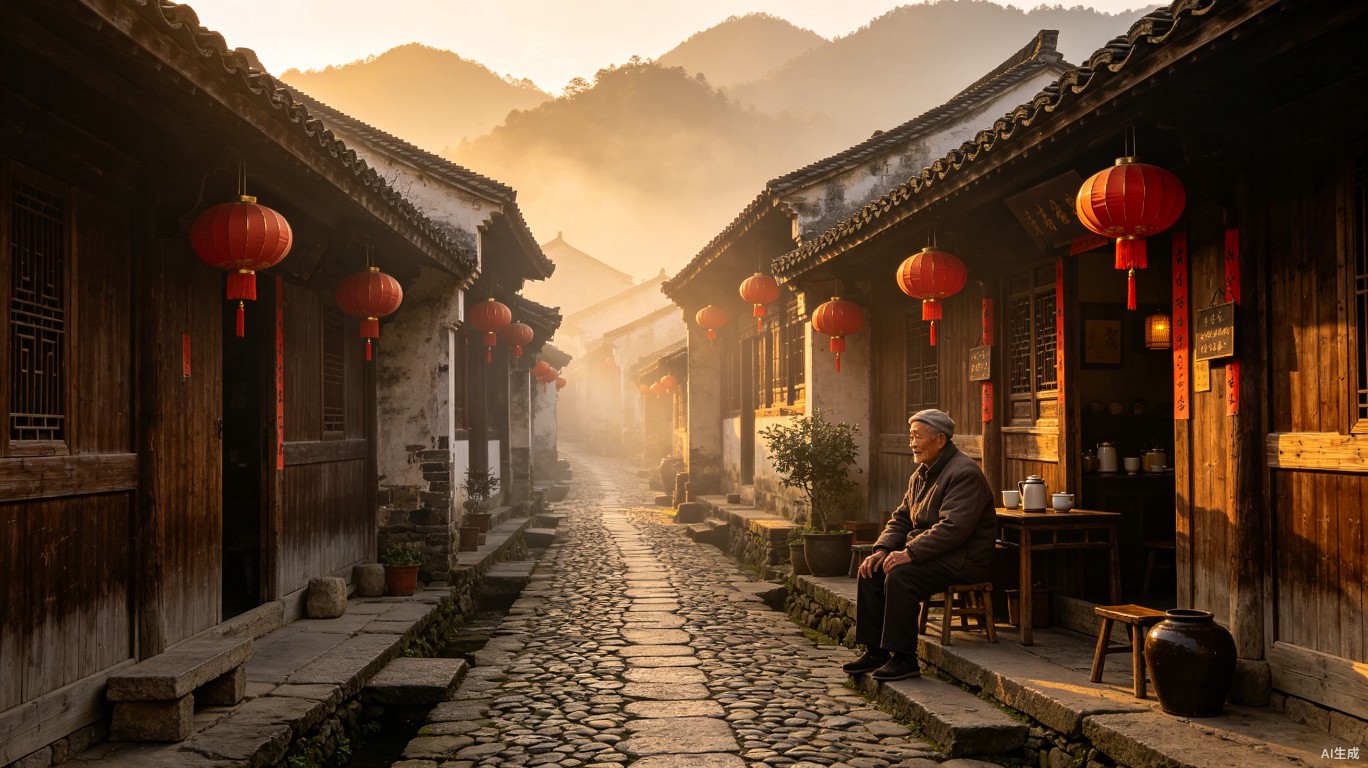
Top 10 Hidden Gems in China Off the Beaten Path
Beyond the Great Wall and Terracotta Warriors, China has incredible hidden destinations few tourists ever reach. Here are 10 underrated gems worth the detour.
9 min read
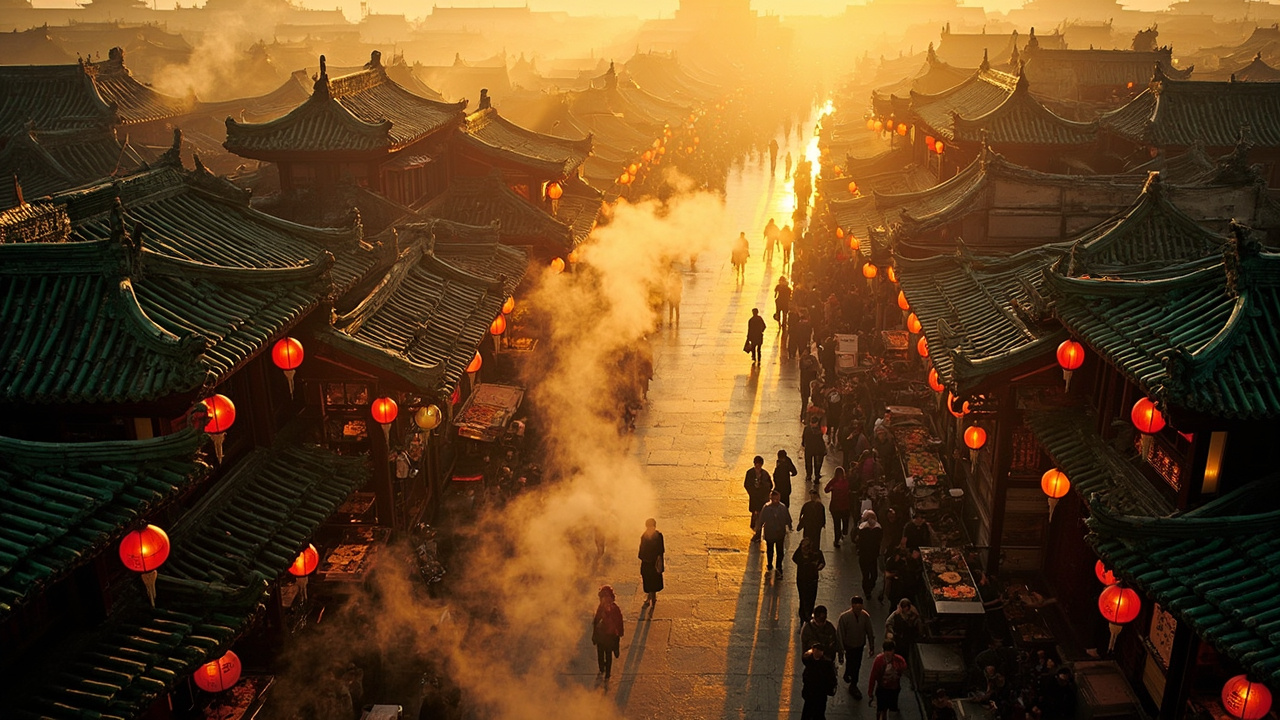
Top 10 Markets and Shopping Streets in China
From Shanghai's Bund to Beijing's Silk Street - 10 markets where foreigners can haggle, explore, and bring home authentic Chinese goods.
9 min read
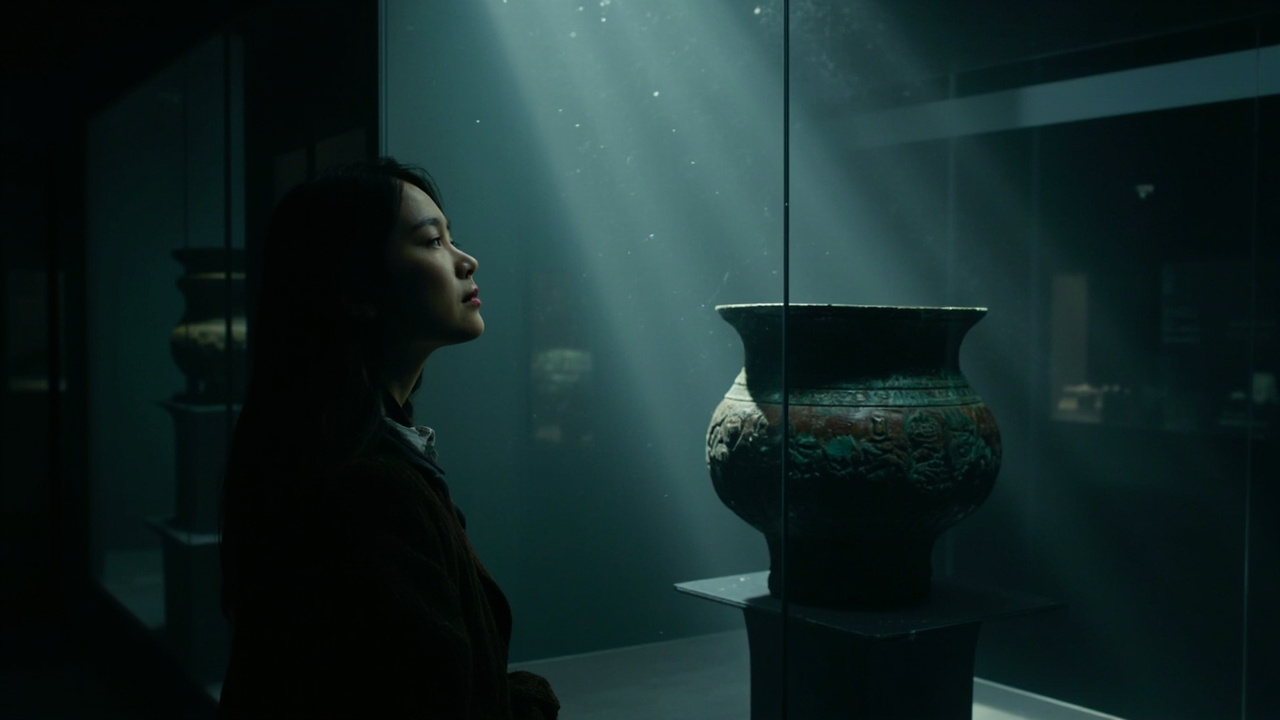
Top 10 Museums in China You Shouldn't Miss
China's museums span 5,000 years of civilization. These 10 - from the Palace Museum to Xi'an's terracotta gallery - are unmissable for culture lovers.
9 min read