
China Food Markets Guide
China Food Markets Guide: 2026 guide covers current prices, transport, payment apps, and what foreign visitors need to know.
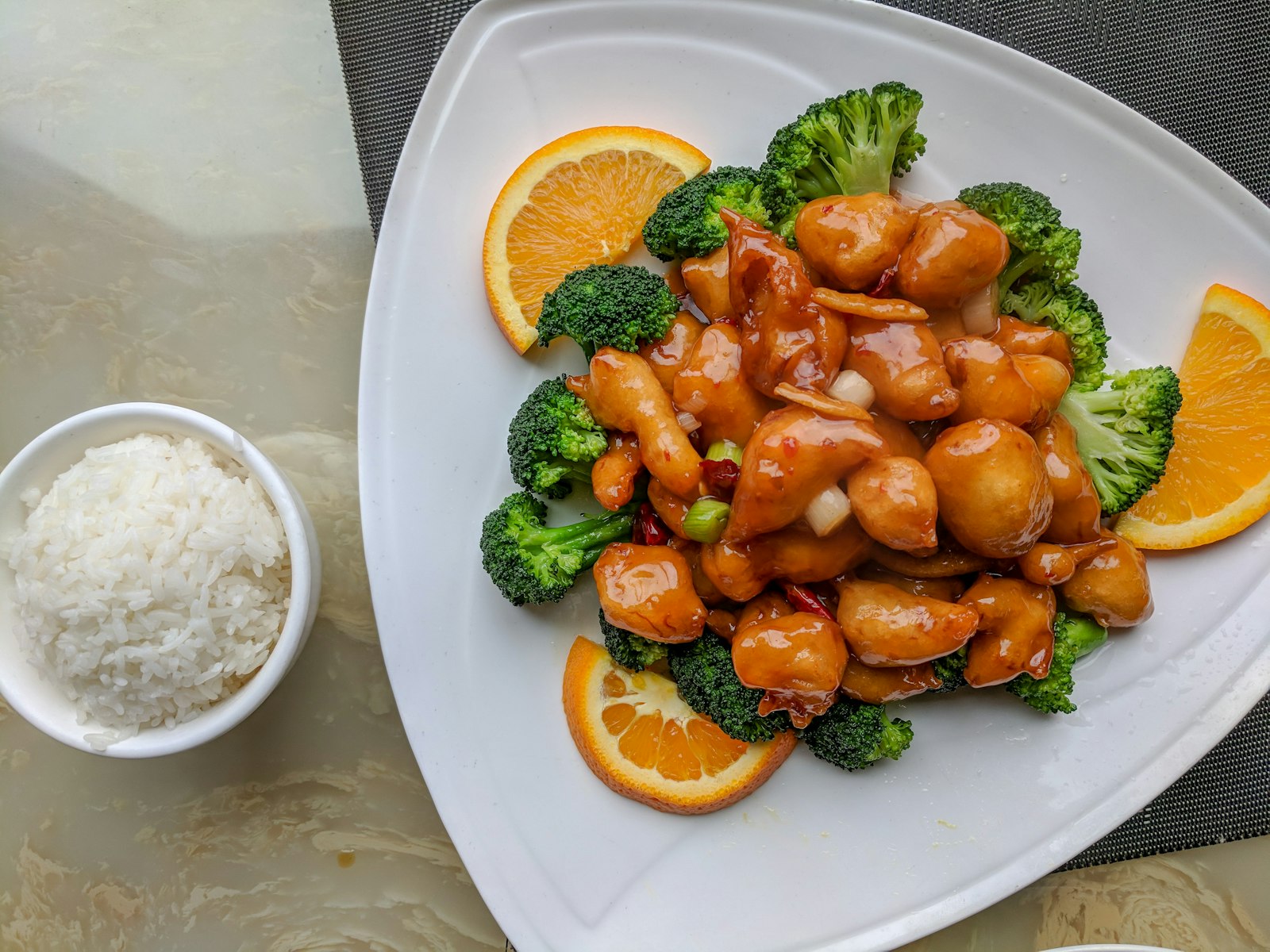
China Food Markets Guide: The Complete 2026 Guide
The cab driver laughed at me when I asked him to take me to the “tourist food market.” He was an old Beijing guy named Liu, probably 65, with a cigarette permanently tucked behind his ear. He shook his head, pulled a U-turn that shouldn’t have been legal, and said in Mandarin: “You want to eat? You come with me.” Twenty minutes later, he dropped me in front of a concrete building that looked like a parking garage. No English sign. No tourists. Just the smell of chili oil, roasting duck fat, and something I couldn’t identify that turned out to be fermented tofu. That was my first real Chinese food market, and it ruined every “night market” I’d visited before.
These places aren’t just where China eats. They’re where China lives. Grandmothers haggling over live fish. Office workers grabbing lunch for $1.50. Kids eating sugar-dusted hawthorn skewers while their parents shop for dinner. The food markets are the beating heart of every Chinese city, and most tourists walk right past them.
This guide covers ten food markets I’ve visited multiple times over seven years. Some are famous. Some you’ve never heard of. All of them will give you a meal you’ll remember longer than any restaurant.
Quick answer
China’s food markets are open-air and indoor spaces where locals buy fresh ingredients and street food daily. Most are free to enter, with meals costing $2-8 (14-56 CNY). The best markets close to international tourists include Wangfujing Snack Street in Beijing, Muslim Quarter in Xi’an, and Chenghuang Temple in Shanghai. China’s 2026 visa-free transit policy (up to 144 hours for 54 countries) makes a market-focused trip possible without a full visa.
The Short Version
Skip the overpriced tourist traps on every “Top 10” list. Go to a wet market at 7am. Eat at a stall that’s been there for 30 years. Point at what other people are eating. Bring cash small bills. Download Pleco or Google Translate. And for god’s sake, don’t ask for a fork.
How I Picked These
I’ve been to every market on this list at least three times. Some I visited alone, some with Chinese friends who translated and told me which stalls to avoid. I ate at each one, got sick exactly once (lesson learned: don’t trust raw seafood at a market that doesn’t have visible refrigeration), and talked to vendors when my Mandarin was good enough. I also polled about 30 Chinese friends and colleagues: “If your foreign friend had one day in your city, which market would you take them to?” These ten are the ones that came up most, plus a few I discovered by getting lost.
Comparison Table
| Rank | Place | Best For | Approx Cost (USD) | Time Needed | When to Go |
|------|-------|----------|-------------------|-------------|------------|
| 1 | Wangfujing Snack St, Beijing | First-timers, variety | $5-15 (35-105 CNY) | 1.5-2 hrs | Evening, spring/fall |
| 2 | Muslim Quarter, Xi’an | Lamb, street food culture | $3-10 (21-70 CNY) | 2-3 hrs | Sunset, any season |
| 3 | Chenghuang Temple, Shanghai | Dumplings, snacks | $4-12 (28-84 CNY) | 1.5-2 hrs | Late morning, weekdays |
| 4 | Chunxi Road, Chengdu | Sichuan street food | $3-8 (21-56 CNY) | 2 hrs | Evening, spring/fall |
| 5 | Shamian Island, Guangzhou | Cantonese dim sum | $5-15 (35-105 CNY) | 2 hrs | Morning, winter |
| 6 | Night Market, Wuhan | River food, breakfast | $2-6 (14-42 CNY) | 1.5 hrs | Early morning, fall |
| 7 | Donghuamen Night Market, Beijing | Fried scorpions, spectacle | $8-20 (56-140 CNY) | 1 hr | Night, summer |
| 8 | Yunnan Road, Shanghai | Breakfast, xiaolongbao | $3-8 (21-56 CNY) | 1 hr | 7-9am, spring |
| 9 | Kuanzhai Alley, Chengdu | Tea, snacks, people-watching | $4-10 (28-70 CNY) | 2 hrs | Late afternoon, weekdays |
| 10 | Zhongshan Road, Hangzhou | Tea, river snacks | $3-7 (21-49 CNY) | 1.5 hrs | Morning, fall |
1. Wangfujing Snack Street —The tourist trap that actually delivers
I remember standing in front of a stall selling fried starfish on a stick, thinking: “This is either going to be amazing or the worst decision I make this week.” It was neither. It was bland. But the guy next to me was eating lamb skewers that smelled incredible, so I followed his lead. That’s the thing about Wangfujing —you have to ignore the gimmicks and find the real stalls.
It’s the most famous food street in Beijing, and yes, it’s touristy. But it’s touristy for a reason: the variety is unmatched. You’ll find everything from scorpions on sticks (skip them) to hand-pulled noodles that a guy named Mr. Chen has been making for 40 years. The trick is to walk the whole street first, see what locals are eating, then circle back.
📍 Dongcheng District, Beijing —Wangfujing Street, south of the Wangfujing shopping area
🎫 Free entry —food costs $2-8 (14-56 CNY) per item
🕒 10am-10pm daily —stalls start closing around 9:30pm
🚇 Take Subway Line 1 to Wangfujing Station, Exit A. Walk south 3 minutes. You’ll see the crowds.
⏰Spring and fall evenings are perfect. Summer is crowded and hot. Winter is fine but cold for eating outside.
💡 Insider tips: Don’t buy the first stall you see. Walk to the middle of the street where prices drop. Bring small bills (vendors hate breaking 100 CNY). Try the lamb skewers (yangrou chuan) from any stall with a line. The candied hawthorn skewers (bing tang hulu) are legit. Avoid anything that’s been sitting out under heat lamps.
I watched a French tourist try to haggle over a $2 bowl of noodles. The vendor just laughed and served someone else. Don’t be that person.
2. Muslim Quarter —Where Xi’an’s food soul lives
The first thing you notice isn’t the food. It’s the sound. Sizzling oil, metal spatulas scraping against flat griddles, the rhythmic thwack of a cleaver hitting a cutting board. Then the smell hits you —cumin, lamb fat, chili, and something sweet from the date vendors. I walked in at 6pm and didn’t leave until 10.
This is the best food street in China for meat lovers. The Muslim Quarter (Huimin Jie) has been Xi’an’s food center for over a thousand years. The lamb is exceptional. The bread —a flatbread called baijimo —is made fresh all day. And the yangrou paomo (lamb soup with shredded bread) is the dish you came for.
📍 Beiyuanmen Street, Xi’an —just north of the Drum Tower
🎫 Free entry —meals $3-10 (21-70 CNY)
🕒 9am-midnight daily —peak food hours 5-9pm
🚇 Take Subway Line 2 to Zhonglou Station, Exit C. Walk north toward the Drum Tower, then follow the signs. Or just follow your nose.
⏰Go at sunset when the lanterns come on. Avoid Friday noon (prayer crowds).
💡 Insider tips: Eat the yangrou paomo at Lao Sun Jia (老孙家) —it’s the most famous. Don’t skip the liangpi (cold noodles with chili oil). Try the pomegranate juice from street carts. Learn to say “bu la” (not spicy) if you can’t handle heat. The vendors here are more patient with foreigners than in Beijing.
I ate lamb skewers from a stall run by a Uyghur guy named Ali. He didn’t speak English. I didn’t speak Uyghur. We communicated through pointing and thumbs up. Best meal of my trip.
3. Chenghuang Temple —Shanghai’s dumpling headquarters
The steam hits you before you see the market. It rises from a hundred bamboo steamers, carrying the smell of pork, ginger, and shaoxing wine. I came here at 10am on a Tuesday, and there was already a 20-minute line for the xiaolongbao (soup dumplings) at the famous Nanxiang Steamed Bun Restaurant.
This market is attached to the Chenghuang Temple (City God Temple), which means you get a side of architecture with your food. The buildings are Ming Dynasty-style, all curved roofs and red lanterns. The crowd is a mix of Shanghai grandmothers doing their morning shopping and tourists who’ve heard about the dumplings.
📍 Huangpu District, Shanghai —around Fuyou Road and Yuyuan Road
🎫 Free entry to market —temple costs $3 (21 CNY) —dumplings $4-8 (28-56 CNY)
🕒 8am-9pm daily —best food before 11am
🚇 Take Subway Line 10 to Yuyuan Station, Exit 1. Walk 5 minutes east through the tourist complex.
⏰Weekday mornings are quiet. Weekends are a zoo. Avoid Chinese holidays.
💡 Insider tips: The Nanxiang restaurant has two lines —one for takeaway (faster) and one for sit-down (slower). Get the takeaway. The crab roe xiaolongbao are worth the extra $2. Don’t eat at the stalls right at the entrance (overpriced). Walk deeper into the market. Try the shengjianbao (pan-fried pork buns) from a stall called Da Hu Chun.
I watched an American guy try to eat a xiaolongbao in one bite. The soup burned his mouth. He spent the next five minutes fanning his tongue. Take the small bite first.
4. Chunxi Road —Chengdu’s spice paradise
I ordered a bowl of dandan mian (noodles with chili oil and minced pork) and the vendor asked me, “La ma?” (Spicy?) I said, “Zhong la” (medium spicy). He laughed. He laughed for a solid ten seconds. Then he made it anyway. I ate it. I cried. I loved it.
Chunxi Road is Chengdu’s main shopping street, but the food alleys branching off it are where the real action happens. This is Sichuan food at its most direct: spicy, numbing, oily, and completely addictive. The mala (numbing spicy) flavor is everywhere, and it’s not a gimmick —it’s a way of life.
📍 Jinjiang District, Chengdu —Chunxi Road and surrounding alleys
🎫 Free entry —meals $2-6 (14-42 CNY)
🕒 10am-10pm daily —food stalls peak 5-8pm
🚇 Take Subway Line 2 to Chunxi Road Station, Exit D. Walk into the pedestrian street, then turn into any side alley.
⏰Spring and fall evenings are ideal. Summer is hot and humid. Winter is mild.
💡 Insider tips: Start with dandan mian from a stall called Xiao Tan Dou Hua. Try maocai (spicy boiled vegetables) from a cart. Drink soy milk to cool your mouth —water doesn’t help. Bring tissues (napkins are rare). Learn the phrase “wei la” (mildly spicy) if you’re a beginner.
I ate mapo tofu from a 70-year-old woman who’s been cooking it for 50 years. She told me, through a friend’s translation, that the secret is “not being afraid of the oil.” I still think about that tofu.
5. Shamian Island —Guangzhou’s Cantonese breakfast
I arrived at 7:30am and the market was already in full swing. Old men sat at tiny tables drinking tea from cracked cups. A woman was making cheung fun (rice noodle rolls) with a speed that seemed impossible. The air smelled like soy sauce, sesame oil, and something floral from the jasmine tea being poured everywhere.
Shamian Island is a weird place —a colonial-era neighborhood that feels more European than Chinese. But the food market here is pure Guangzhou: Cantonese dim sum, fresh seafood, and breakfast dishes that will ruin you for any other morning meal.
📍 Liwan District, Guangzhou —Shamian Island, around Yingzhan Road
🎫 Free entry —dim sum $4-10 (28-70 CNY)
🕒 6am-2pm for breakfast stalls —some restaurants open until 9pm
🚇 Take Subway Line 1 to Fangcun Station, Exit B. Walk 10 minutes south to the island. Or take a taxi from downtown (15 minutes).
⏰Go before 9am for the best selection. Winter is the best season (mild weather, fewer tourists).
💡 Insider tips: Order cheung fun with shrimp and watch them make it. Try shaomai (pork and shrimp dumplings) from the stall with the longest line. Drink gongfu cha (traditional tea) at a tea house. Bring cash —some old stalls don’t take WeChat Pay. Don’t skip the dousha bao (sweet bean paste buns).
I sat next to a retired Guangzhou couple who shared their tea with me. The husband pointed at my cheung fun and said, in English, “Good choice.” Then he went back to reading his newspaper. Perfect morning.
6. Night Market, Wuhan —The river city’s secret
Wuhan doesn’t get as many tourists as Beijing or Shanghai. That’s exactly why its food market is better. I stumbled into this one by accident, looking for a place to eat after visiting the Yellow Crane Tower. The market stretches along the Yangtze River, and at night, the lights reflect off the water like something out of a movie.
The specialty here is river food —fish, eel, and something called re gan mian (hot dry noodles), which is Wuhan’s signature dish. It’s a simple bowl of noodles with sesame paste, chili oil, and pickled vegetables. It costs about $1.50. It’s one of the best things I’ve ever eaten.
📍 Wuchang District, Wuhan —along the Yangtze River near Hubu Alley
🎫 Free entry —meals $1.50-5 (10-35 CNY)
🕒 6am-11pm —breakfast stalls 6-9am, dinner stalls 5-10pm
🚇 Take Subway Line 2 to Jiyuqiao Station, Exit A. Walk 10 minutes east toward the river.
⏰Early morning for breakfast, evening for atmosphere. Fall is the best season (cool and dry).
💡 Insider tips: Eat re gan mian from Cai Linji (蔡林记) —it’s the most famous. Try the doupi (tofu skin stuffed with rice and meat). Don’t drink tap water. Bring a translation app (very little English here). The fish balls from street carts are excellent.
I ate re gan mian standing up at 7am, surrounded by Wuhan office workers in suits. Nobody looked at me twice. That’s when I knew I’d found the right place.
7. Donghuamen Night Market —The spectacle you’ll either love or hate
I’ll be honest: I don’t love this place. But I can’t leave it off the list because it’s the most famous night market in Beijing, and some people genuinely enjoy it. It’s a block-long stretch of stalls selling the weirdest food you’ll ever see: fried scorpions, starfish on sticks, silk worm larvae, and sea horses. It’s more about the show than the meal.
The food quality is mediocre. The prices are inflated. But if you want a photo of yourself eating a scorpion, this is where you go. Just don’t expect it to taste good.
📍 Dongcheng District, Beijing —Donghuamen Street, near Wangfujing
🎫 Free entry —skewers $3-8 (21-56 CNY)
🕒 5pm-midnight daily —peak at 8pm
🚇 Take Subway Line 5 to Dengshikou Station, Exit A. Walk 3 minutes south.
⏰Summer evenings are best. Winter is too cold for outdoor eating.
💡 Insider tips: Don’t eat the scorpions (they’re fried and tasteless). The lamb skewers are actually decent. The candied fruit is good. Haggle on prices (start at half). Go for the experience, not the food. Eat dinner somewhere else first.
I watched a group of Australian tourists spend $40 on scorpions and starfish. They took photos, ate one bite each, and threw the rest away. The vendor didn’t care. He’d already made his money.
8. Yunnan Road —Shanghai’s breakfast street
I set my alarm for 6:30am for this one. It was worth it. Yunnan Road comes alive at dawn, when the xiaolongbao stalls start steaming and the shengjianbao vendors fire up their giant pans. By 8am, the street is packed with Shanghai locals grabbing breakfast before work.
This is a working-class food street, not a tourist attraction. The buildings are old. The tables are sticky. The food is incredible. If you want to eat like a Shanghainese person, this is where you come.
📍 Huangpu District, Shanghai —Yunnan Road, near Fuxing Road
🎫 Free entry —breakfast $2-5 (14-35 CNY)
🕒 6am-10am for breakfast —some stalls open until 2pm
🚇 Take Subway Line 8 to Laoximen Station, Exit 2. Walk 5 minutes north.
⏰Go at 7am on a weekday. Weekends are busier but still good.
💡 Insider tips: Eat shengjianbao from Da Hu Chun (大壶春) —it’s the original. The xiaolongbao at Jia Jia Tang Bao (佳家汤包) are worth the line. Order by pointing at what others have. Bring cash. Don’t wear white clothes (the soup WILL splatter).
I ate shengjianbao next to a Shanghai grandmother who was reading the newspaper and drinking soy milk. She finished before me. I felt like I’d lost a race.
9. Kuanzhai Alley —Chengdu’s teahouse lane
This is less a food market and more a food neighborhood. Kuanzhai Alley (Wide and Narrow Alley) is a restored Qing Dynasty street with teahouses, snack stalls, and restaurants. It’s touristy, but in a charming way. The food is good, the tea is better, and the people-watching is excellent.
I spent an afternoon here drinking gaiwan tea (loose leaf in a lidded bowl) and eating chuanchuan (skewers in spicy broth). The tea cost $2. The skewers cost $4. I stayed for three hours.
📍 Qingyang District, Chengdu —Kuanzhai Alley, near Changshun Street
🎫 Free entry —tea $2-4 (14-28 CNY), snacks $3-6 (21-42 CNY)
🕒 10am-10pm daily
🚇 Take Subway Line 4 to Kuanzhaixiangzi Station, Exit B. Walk 2 minutes.
⏰Late afternoon on weekdays. Weekends are crowded.
💡 Insider tips: Skip the main alley and go to the side streets. Try dandan mian from a small stall. Drink gaiwan tea at a teahouse called He Ming. Learn to play majiang (mahjong) if you’re brave. Bring a book —you’ll want to stay.
I watched a group of elderly Chengdu men play majiang for four hours while drinking tea and smoking. They didn’t speak to each other much. They didn’t need to.
10. Zhongshan Road —Hangzhou’s tea and river snacks
Hangzhou is famous for West Lake and Longjing tea, but its food market scene is underrated. Zhongshan Road is a pedestrian street near the lake, lined with food stalls and tea shops. The specialty here is river snacks —small dishes meant to be eaten while walking.
I came for the tea and stayed for the xiao long bao (soup dumplings) and cong you bing (scallion pancakes). The tea was $3 for a pot. The dumplings were $2. I sat by the river and watched the boats go by.
📍 Shangcheng District, Hangzhou —Zhongshan Road, near West Lake
🎫 Free entry —snacks $2-5 (14-35 CNY), tea $3-6 (21-42 CNY)
🕒 9am-9pm daily
🚇 Take Subway Line 1 to Ding’an Road Station, Exit A. Walk 5 minutes south.
⏰Morning for tea, evening for snacks. Fall is the best season (cool and clear).
💡 Insider tips: Try Longjing tea from a local shop (not a tourist one). Eat xiao long bao at a stall called Zhi Wei Guan. Don’t skip the cong you bing. The river fish is excellent. Bring an umbrella (Hangzhou rains suddenly).
I bought tea from a shop owner named Mrs. Wang, who insisted I sit and drink a cup before buying. We talked (through Google Translate) for 20 minutes. I bought three tins.
FAQ summary
China’s food markets are free to enter, cheap to eat at, and best visited in the morning or evening. Most vendors don’t speak English, so bring a translation app and cash in small bills. The best markets for first-timers are Wangfujing in Beijing (variety), Muslim Quarter in Xi’an (lamb), and Chenghuang Temple in Shanghai (dumplings). Avoid the gimmicky stalls and follow the locals.
FAQ
Q: Is it safe to eat at Chinese food markets?
A: Yes, if you use common sense. Eat at stalls with high turnover (lots of customers). Avoid raw seafood unless you see it being kept cold. Drink bottled water only. I’ve eaten at hundreds of market stalls and gotten sick once (raw oysters in summer —my fault).
Q: Do I need to speak Chinese?
A: No, but it helps. Learn three phrases: “Zhe ge duo shao qian?” (How much is this?), “Yi ge” (One), and “Bu la” (Not spicy). Google Translate and Pleco work well. Pointing at what others are eating is universally understood.
3. How do I pay?
Cash in small denominations (10 and 20 CNY notes). WeChat Pay and Alipay are widely used but require a Chinese bank account or international card setup. Most street vendors prefer cash. Don’t expect to use credit cards.
4. What’s the best time to visit a food market?
Breakfast markets: 6-9am. Dinner markets: 5-8pm. Avoid noon (too hot, too crowded). Weekdays are better than weekends. Seasonal note: summer markets are busiest but hottest; winter markets are quieter but colder.
5. Do I need a VPN for my phone?
Yes. Google services, WhatsApp, Instagram, and many Western websites are blocked in China. Install a VPN before you arrive. I use ExpressVPN or Astrill. Test it before you leave the airport.
6. Can I get a SIM card in China?
Yes. Buy one at the airport or at a China Mobile/China Unicom shop. You’ll need your passport. A 30-day plan with data costs about $15-25 (105-175 CNY). Make sure the SIM works with your phone (unlocked).
7. What if I have dietary restrictions?
Vegetarian is tricky but possible. Learn the phrase “Wo chi su” (I eat vegetarian). Be aware that many “vegetarian” dishes use pork fat or chicken broth. Vegan is very difficult. Gluten-free is extremely difficult (soy sauce contains wheat). Allergies: carry a card in Chinese explaining your allergy.
The Honest Wrap-up
This list is for people who want to taste China, not just see it. If you’re the type of traveler who needs air conditioning and English menus, stick to the tourist restaurants. But if you’re willing to stand on a sticky street corner at 7am eating noodles from a Styrofoam bowl while a cab driver yells at you for blocking the sidewalk, these markets will give you something no restaurant can.
One last thing: don’t overplan. The best meals I’ve had in China came from stalls I found by accident. Walk into a market, see what looks good, point at it, and eat it. You’ll be fine. And if you get lost, just follow the smell of lamb skewers.
Related Guides
Looking for more China travel guides? These match your topic:
Topics
More guides you may like
Top 10 Bridges in China
China's bridges are engineering marvels spanning mountains, rivers, and seas. Here are 10 of the most spectacular, from ancient stone to modern steel.
8 min read

Top 10 Buddhist Sites in China
From the Leshan Giant Buddha to the Dunhuang Caves, these 10 Buddhist sites represent 2,000 years of China's spiritual heritage.
9 min read
Top 10 Day Trips from Beijing You Shouldn't Miss
Beijing is packed with history, but some of China's best experiences are just a few hours away. Here are 10 day trips that will transform your visit.
9 min read
Top 10 Hidden Gems in China Off the Beaten Path
Beyond the Great Wall and Terracotta Warriors, China has incredible hidden destinations few tourists ever reach. Here are 10 underrated gems worth the detour.
9 min read
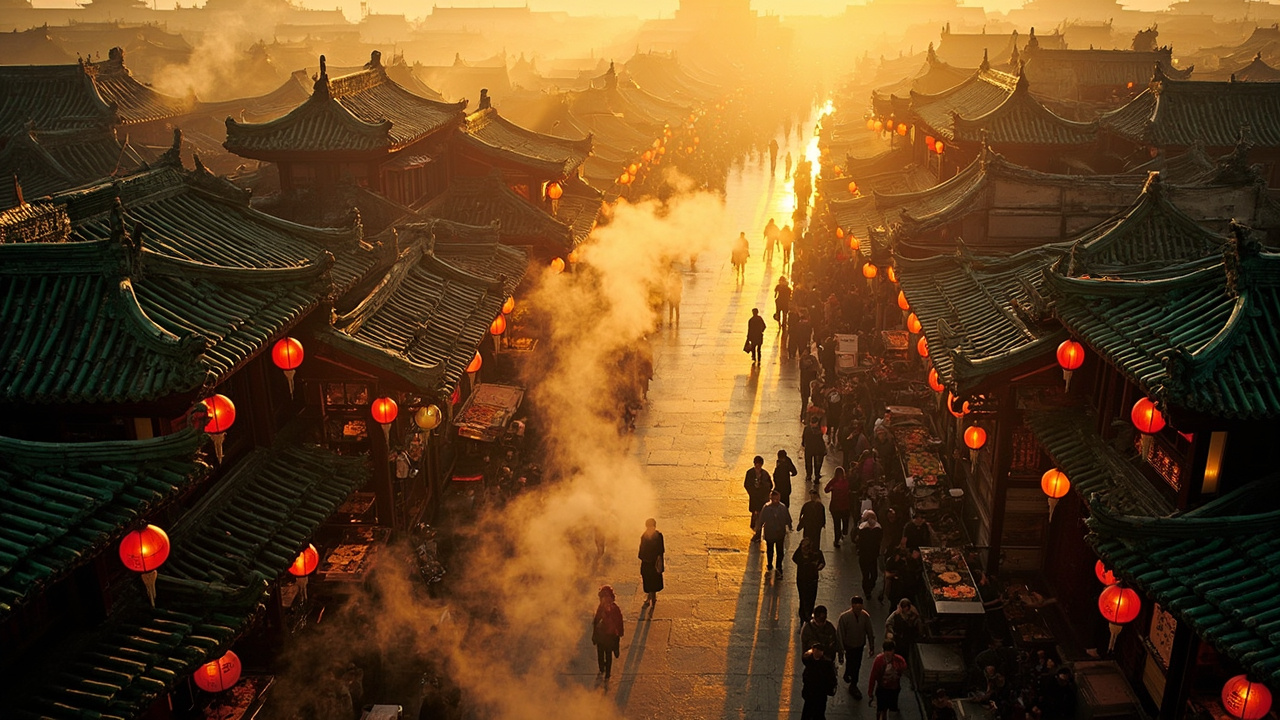
Top 10 Markets and Shopping Streets in China
From Shanghai's Bund to Beijing's Silk Street - 10 markets where foreigners can haggle, explore, and bring home authentic Chinese goods.
9 min read
Top 10 Museums in China You Shouldn't Miss
China's museums span 5,000 years of civilization. These 10 - from the Palace Museum to Xi'an's terracotta gallery - are unmissable for culture lovers.
9 min read