
China Payment Apps Guide
China Payment Apps Guide: 2026 guide covers visas, payments, SIM cards, and the practical details foreign visitors get stuck on.

China Payment Apps Guide: The Complete 2026 Guide
The cab driver laughed at me when I asked if he took cash.
It was my first week in Beijing, seven years ago. I’d just handed him a 100-yuan note for a 28-yuan fare, and he waved it away like it was Monopoly money. Then he pointed at a QR code sticker on his dashboard, the size of a postage stamp, and said something in Mandarin that my translation app rendered as: “Scan this, foreign friend. Nobody carries paper anymore.”
I stood there on the sidewalk, phone in hand, no WeChat Pay set up, no Alipay, no idea what I was doing. A woman selling skewers from a cart saw me panicking and walked over. She set up my first Alipay account in about 90 seconds. I’ve never used cash in China since.
This guide will save you that moment of panic. I’ll tell you exactly which apps to download, how to set them up before you leave home, and what to do when something inevitably goes wrong at 11pm in a train station.
Quick answer
You need both Alipay and WeChat Pay to travel comfortably in China in 2026. Download them before you arrive, link an international credit card (Visa or Mastercard), and you’ll be able to pay at 95% of places. Cash still works for emergencies, but vendors will look at you strangely. Set up your accounts at least 3 days before departure to allow time for verification.
The Short Version
Download Alipay and WeChat Pay. Link a Visa or Mastercard. That’s it. You don’t need a Chinese bank account or a local phone number anymore. Both apps now accept international cards for most transactions. Bring about $100 (700 CNY) in cash as backup for the rare street vendor who only takes local payment methods. If you only install one app, make it Alipay —it’s slightly more foreigner-friendly.
How I Picked These
I’ve tested every payment method in China over seven years of living here and 40+ trips across the country. I’ve paid for yak butter tea in Tibet with WeChat, bought train tickets to Xi’an with Alipay, and once tried to use Apple Pay at a noodle shop in Chengdu (the owner laughed for a full minute). I’ve also watched dozens of first-time visitors struggle with setup, so I know exactly where the process breaks for foreigners. This guide is based on what actually works in 2026, not what the app store descriptions say.
Comparison Table
| Rank | App/Method | Best For | Setup Time | Transaction Limit | Offline Use |
|------|------------|----------|------------|-------------------|-------------|
| 1 | Alipay | General payments, taxis, hotels | 15 min | ~$500 per transaction | No |
| 2 | WeChat Pay | Restaurants, small shops, social payments | 20 min | ~$300 per transaction | No |
| 3 | Cash (RMB) | Emergencies, rural areas, street vendors | Instant | Unlimited | Yes |
| 4 | UnionPay Card | ATMs, larger stores | 1-2 weeks | Varies by bank | Yes |
| 5 | Apple Pay/Google Pay | Very limited acceptance | Instant | N/A | No (requires NFC terminal) |
1. Alipay —The One You’ll Use Most
I watched a 70-year-old woman in a Shanghai wet market pay for live crabs by tapping her phone against a QR code. That’s when I realized Alipay isn’t just for tourists —it’s how China works.
Alipay is the most foreigner-friendly payment app in China. In 2024, they rolled out international card support that actually works, and by 2026 it’s become seamless. You can link any Visa, Mastercard, or American Express from outside China. The app handles the currency conversion automatically, and your bank sees the charge in your home currency.
Why it’s special: Alipay has a “Tour Pass” feature that lets you preload money at fixed exchange rates, which can save you 2-3% compared to dynamic conversion rates at the point of sale. Most foreigners don’t know this exists.
📍 Location: Download from App Store or Google Play before you leave home. The Chinese app stores have different versions.
🎫 Cost: Free to download and set up. Transaction fees are 0-3% depending on your card issuer.
🕒 Setup time: 15-20 minutes with passport and international card.
🚇 How to get it: Search “Alipay” in your app store. During setup, select “International” as your region. You’ll need to upload a photo of your passport and take a selfie for verification. Do this at least 3 days before you travel.
⏰When to set up: Immediately after booking your flight. Verification can take 24-48 hours.
💡 Insider tips:
-
Enable the “mini-programs” feature for Didi (ride-hailing) and train ticket booking
-
The “scan” function works for both paying and receiving money
-
If a transaction fails, try lowering the amount —some merchants have daily limits
-
Link two cards if possible, in case one gets blocked
-
The app has a built-in translation tool for receipts
Specific mistake I made: I once tried to pay a 1,200 CNY hotel bill with Alipay and got declined because I’d hit my daily limit. Split the payment into two transactions of 600 CNY each. Worked fine.
2. WeChat Pay —The One for Small Transactions
The noodle shop owner in Lanzhou didn’t even look up when I walked in. He just pointed at his QR code and kept pulling noodles. That’s WeChat Pay territory.
WeChat Pay lives inside the WeChat messaging app. It’s the default payment method for millions of Chinese people, especially for small, everyday transactions. Street food, convenience stores, taxi rides, haircuts —WeChat Pay is everywhere.
Why it’s special: WeChat Pay integrates with the WeChat messaging app, which means you can send money to people directly through chat. If you’re splitting a dinner bill with Chinese friends, this is how they’ll do it.
📍 Location: Same as Alipay —download from your home app store before departure.
🎫 Cost: Free to set up. International card fees vary by issuer.
🕒 Setup time: 20-30 minutes. WeChat’s verification process is slightly more annoying than Alipay’s.
🚇 How to get it: Download WeChat first. Then go to “Me” > “Services” > “WeChat Pay” > “Add Bank Card.” You’ll need to enter your international card details and verify with a code from your bank.
⏰When to set up: Same as Alipay —at least 3 days before travel.
💡 Insider tips:
-
WeChat Pay has lower transaction limits than Alipay for international cards
-
Use it for payments under $50 (350 CNY) where it works best
-
The “red packet” feature is for sending money as gifts —don’t open one unless you understand the etiquette
-
Some merchants only accept WeChat Pay, not Alipay, especially in northern China
-
You can add money to your WeChat balance using Alipay (but not the reverse)
Specific person I met: A dumpling shop owner in Xi’an named Auntie Wang who refused to install Alipay because “WeChat is enough for old people like me.” She was 52.
3. Cash (RMB) —The Backup You Still Need
I was in a tiny village in Yunnan, buying mushrooms from a farmer who had set up her stall on a blanket. No QR code. No phone. Just a basket of chanterelles and a hand-drawn price sign. I handed her a 50-yuan note. She smiled and gave me change in coins.
Cash is not dead in China. It’s just hiding.
Why it’s special: Cash works everywhere, requires no setup, and has no transaction limits. It’s also useful for emergencies when your phone dies, your VPN stops working, or your card gets declined for mysterious reasons.
📍 Location: Exchange at your home bank before departure, or use ATMs in Chinese airports and banks.
🎫 Cost: Exchange rates vary. ATMs in China typically charge 10-30 CNY per withdrawal.
🕒 Availability: 24/7 from ATMs. Bank exchanges during business hours.
🚇 How to get it: Bring about $200 (1,400 CNY) worth of RMB from your home country. If you can’t get it before departure, use the ATM at baggage claim in any major Chinese airport. Bank of China and ICBC ATMs usually accept international cards.
⏰When to carry it: Always have at least 200 CNY in small bills (20s and 10s) in your pocket.
💡 Insider tips:
-
Break 100-yuan notes at convenience stores —buy a bottle of water to get change
-
Coins are rare in China; most small change is in 1, 5, and 10 yuan notes
-
Taxi drivers often don’t have change for large bills
-
Some rural ATMs only dispense 100-yuan notes
-
Counterfeit 100-yuan notes exist —check the watermark
Specific mistake I made: I once tried to pay a 3 yuan bus fare with a 100-yuan note. The driver looked at me like I was insane. A fellow passenger paid for me and I Venmo’d them… wait, no. I couldn’t. I just said “谢谢” (xièxie) very loudly.
4. UnionPay Card —The One Chinese People Actually Use
My Chinese colleague Liu handed me his bank card at a restaurant once. “Use mine,” he said. “Your international card might not work.” He was right.
UnionPay is China’s domestic card network. Most Chinese people carry a UnionPay debit card, and it works at virtually every POS terminal in the country. If you have a bank that issues UnionPay cards internationally (HSBC, Standard Chartered, some US credit unions), get one before you travel.
Why it’s special: UnionPay cards work at ATMs that reject Visa and Mastercard. They also work for online payments on Chinese websites that don’t accept international cards.
📍 Location: Apply at your home bank if they offer UnionPay cards.
🎫 Cost: Varies by bank. No additional fees beyond standard foreign transaction charges.
🕒 Setup time: 1-2 weeks for card issuance and delivery.
🚇 How to get it: Check if your bank issues UnionPay cards. If not, consider opening an account with a bank that does.
⏰When to get it: At least 2 weeks before travel.
💡 Insider tips:
-
UnionPay cards work at all Bank of China and ICBC ATMs
-
Some merchants offer discounts for UnionPay payments
-
Contactless UnionPay works at most major retailers
-
You can add UnionPay cards to Alipay and WeChat Pay for higher limits
-
UnionPay has its own rewards program separate from Visa/Mastercard
Specific person I met: A hotel receptionist in Guilin who spent 20 minutes trying to make my Visa card work before giving up and accepting my UnionPay card. She said “UnionPay always works” with the confidence of someone who has never been wrong.
5. Apple Pay —The One That Rarely Works
I tried to use Apple Pay at a Starbucks in Beijing. The barista nodded, I tapped my phone, and nothing happened. She shrugged. I pulled out Alipay. Transaction completed in 3 seconds.
Apple Pay works in China, but only at places with NFC terminals that accept international cards. That’s maybe 10% of merchants.
Why it’s special: When it works, it’s the fastest payment method. No app switching, no QR code scanning, just tap and go.
📍 Location: Major international chains (Starbucks, McDonald’s, KFC, some hotels).
🎫 Cost: Same as your linked card’s fees.
🕒 Availability: Unpredictable. Don’t rely on it.
🚇 How to get it: Add your international card to Apple Pay as normal. It will work at terminals that accept contactless payments from foreign cards.
⏰When to use it: Only as a backup when Alipay and WeChat Pay are unavailable.
💡 Insider tips:
-
Apple Pay works best at hotel front desks and upscale restaurants
-
Don’t bother trying at street stalls or small shops
-
Google Pay is even less accepted
-
Samsung Pay has slightly better acceptance due to MST technology
-
If the terminal has a UnionPay logo but no contactless symbol, Apple Pay probably won’t work
Specific mistake I made: I spent 10 minutes at a 7-Eleven trying to make Apple Pay work while the cashier watched with pity. Finally, I just scanned the Alipay QR code. She nodded approvingly.
6. Bank ATMs —The Emergency Cash Source
The ATM at Shanghai Pudong Airport rejected my first three cards before accepting the fourth. I was sweating. My flight had just landed, I had no cash, and my phone was at 15%.
ATMs in China are finicky with international cards. Bank of China and ICBC are your best bets. China Merchants Bank and China Construction Bank are also reliable.
Why it’s special: ATMs are the only way to get RMB without exchanging cash at a bank counter, which requires your passport and takes 20 minutes.
📍 Location: Major banks in all cities. Airport terminals. Train stations.
🎫 Cost: 10-30 CNY per withdrawal from your bank, plus whatever your home bank charges for foreign ATM use.
🕒 Hours: 24/7, but some ATMs in smaller cities run out of cash on weekends.
🚇 How to use it: Insert your card, select English, choose “Savings” account, enter PIN. Withdraw in multiples of 100 CNY.
⏰When to use it: Immediately after arrival at the airport. Don’t wait until you’re in the city.
💡 Insider tips:
-
Bank of China ATMs have the best international card acceptance
-
Avoid non-bank ATMs in convenience stores (they charge higher fees)
-
Withdraw larger amounts less frequently to minimize fees
-
Some ATMs require a 6-digit PIN —add two zeros before your 4-digit PIN
-
If your card is rejected, try a different ATM in the same bank branch
Specific person I met: A Bank of China security guard in Shenzhen who helped me use the ATM by pressing buttons for me. He didn’t speak English. I didn’t speak Mandarin. We communicated through pointing and smiling.
7. Mobile Top-Up Kiosks —The Old School Method
In a small town in Fujian, I found a convenience store that had a handwritten sign: “WeChat Top-Up Here.” The owner, a man in his 60s, would take your cash and add it to your WeChat balance using his own phone.
These kiosks are rare in big cities but common in rural areas. They’re a workaround for people who don’t have bank accounts.
Why it’s special: If your international card stops working with WeChat Pay, you can give cash to a kiosk operator and they’ll transfer the equivalent amount to your WeChat balance.
📍 Location: Small convenience stores, newspaper stands, and phone repair shops in smaller cities and rural areas.
🎫 Cost: Usually no fee, but the exchange rate might be slightly worse than bank rates.
🕒 Hours: Varies by shop, typically 8am-9pm.
🚇 How to find them: Look for signs that say “微信充值” (WeChat top-up) or “支付宝充值” (Alipay top-up).
⏰When to use them: Only if your digital payment methods fail and you need to add balance to your app.
💡 Insider tips:
-
These kiosks are becoming rarer as digital payments become more universal
-
The operator will need to scan your payment QR code
-
They usually only accept cash for top-ups
-
Don’t try this in major cities —it’s unnecessary
-
Verify the amount before confirming the transfer
Specific person I met: The kiosk owner in Fujian who showed me photos of his grandson while he processed my top-up. He refused to accept a service fee. “Foreigner is guest,” he said in broken English.
8. Hotel Front Desk Currency Exchange —The Convenient Rip-off
The hotel in Chengdu offered to exchange my dollars at a rate that was 8% below market. I smiled, said no thanks, and walked to the Bank of China two blocks away.
Hotel currency exchange is convenient but expensive. You’re paying for the convenience of not leaving the lobby.
Why it’s special: It’s the easiest option if you arrive late at night and need cash immediately. Just don’t exchange more than $50 worth.
📍 Location: Most 4-star and 5-star hotels in major cities.
🎫 Cost: 5-10% below market rate, plus possible service fees.
🕒 Hours: Usually 24/7 at the front desk.
🚇 How to use it: Bring your passport and the cash you want to exchange. The front desk will give you RMB at their rate.
⏰When to use it: Only as a last resort if you need cash immediately and all ATMs are down.
💡 Insider tips:
-
Always ask the exchange rate before agreeing
-
Compare with the rate shown on Google or XE.com
-
Never exchange more than $100 at a hotel
-
Some hotels only exchange for guests staying at their property
-
Keep the receipt in case you need to reverse the transaction
Specific mistake I made: I exchanged $200 at a hotel in Guangzhou and lost $16 to the bad rate. I could have walked 5 minutes to a bank and saved the difference.
9. International Wire Transfer Services —The Last Resort
When my friend’s card was blocked by his bank in the middle of a trip, he had to use Western Union to get emergency cash. It took 45 minutes, cost $25 in fees, and required a trip to the post office.
International wire transfers work in China but they’re slow and expensive. Use them only for emergencies.
Why it’s special: They’re the only way to get money if all your cards are blocked and you can’t use digital payments.
📍 Location: Western Union at China Post offices, MoneyGram at select banks.
🎫 Cost: $10-30 per transfer, plus exchange rate markup.
🕒 Hours: Bank hours (9am-5pm weekdays, limited weekend hours).
🚇 How to use it: Have someone send money from your home country to a Western Union location in China. Bring your passport and the tracking number.
⏰When to use it: Only when all other payment methods have failed.
💡 Insider tips:
-
Western Union locations are at China Post offices, not standalone stores
-
The process requires filling out a form in Chinese —bring a translation app
-
MoneyGram is less common but sometimes faster
-
Both services have daily limits on how much you can receive
-
Keep your receipt until you’ve confirmed the money is in your hands
Specific person I met: The China Post clerk in Beijing who helped my friend with his Western Union transfer. She spoke no English but typed everything into her phone’s translation app. We were there for 45 minutes.
10. The “Just Use Your Phone” Method —The Real Answer
Here’s the truth: if you have Alipay and WeChat Pay set up with an international card, you’re covered for 99% of situations in China. The anxiety about payments is the biggest hurdle, and it’s almost entirely in your head.
I’ve paid for everything from a 3-yuan street snack to a 3,000-yuan hotel room using just my phone. I’ve bought train tickets, ordered food delivery, paid taxi fares, and split restaurant bills all through these two apps.
Why it’s special: It’s the simplest solution. Two apps, one phone, zero cash needed for most situations.
📍 Location: Everywhere in China.
🎫 Cost: Free to set up. Transaction fees are built into the exchange rate.
🕒 Availability: 24/7, as long as you have internet access.
🚇 How to set it up: Follow the instructions for Alipay and WeChat Pay above. Test both apps before you leave home by trying to add a small amount to your balance.
⏰When to use it: Always. Make it your default payment method.
💡 Insider tips:
-
Keep your phone charged —portable battery packs are essential
-
Download offline maps in case your internet goes down
-
Have a backup payment method (cash) for when technology fails
-
Practice scanning QR codes before your trip
-
Tell your bank you’re traveling to China to avoid card blocks
Specific person I met: A taxi driver in Beijing who asked me why I was using cash. I showed him my Alipay. He laughed and said “Now you’re Chinese.”
FAQ summary
The two apps you need are Alipay and WeChat Pay. Set them up before you leave home with an international Visa or Mastercard. Bring about $100 in cash as backup. Test both apps before departure. If something goes wrong, try the other app or use cash. Don’t panic —Chinese payment systems are designed to work, and most Chinese people are happy to help a confused foreigner.
FAQ
Q: Can I use my regular credit card from home in China?
A: Yes, but only at places with international card terminals. That’s about 30% of merchants in big cities and maybe 5% in smaller towns. Major hotels and international chains will accept Visa/Mastercard, but your local noodle shop won’t. Use Alipay or WeChat Pay instead.
Q: Do I need a Chinese bank account to use Alipay or WeChat Pay?
A: No. As of 2024, both apps accept international Visa and Mastercard directly. You don’t need a Chinese phone number or bank account. Just download the app, link your card, and verify your identity with your passport.
Q: What happens if my card gets declined?
A: First, check your daily transaction limit. Some banks cap foreign transactions at $500 per day. Second, try the other app. Third, use cash. Fourth, call your bank. If all else fails, find a Western Union or ask your hotel to help you.
Q: Is it safe to use Alipay and WeChat Pay?
A: Yes. Both apps use encryption and tokenization similar to Apple Pay. Your actual card number is never shared with the merchant. That said, only download the official apps from your home app store, and never scan QR codes from unknown sources.
Q: How much cash should I bring to China?
A: About $100-200 (700-1,400 CNY) in small bills. This covers emergencies, rural areas, and the occasional vendor who only takes cash. Don’t bring more than $500 unless you’re prepared to declare it at customs.
Q: Will my VPN work with payment apps?
A: Alipay and WeChat Pay work without a VPN in China. They’re Chinese apps and don’t need to bypass the Great Firewall. However, you might need a VPN to access your bank’s website or app for verification.
Q: What if I lose my phone in China?
A: This is a nightmare scenario, but manageable. First, use a friend’s phone to log into your Alipay or WeChat account and freeze your payment methods. Second, contact your bank to block your cards. Third, use cash to get to your hotel or the airport. Fourth, buy a new phone and restore from backup.
The Honest Wrap-up
This guide is for anyone who’s ever stood in a foreign country holding a useless credit card while a cashier waits impatiently. It’s for the nervous first-timer who’s heard horror stories about China’s cashless society and wants to be prepared. It’s not for people who want to “rough it” with only cash —you can do that, but you’ll miss out on the convenience that makes traveling in China so smooth.
My final piece of advice: download both apps now, even if your trip is months away. Set them up, link a card, and test them by trying to send a small amount to a friend. The setup process is the hardest part. Once you’re in China, scanning a QR code takes three seconds and feels like magic.
And if you get stuck, find a young person in a convenience store. They’ll help you. Every single time.
Related Guides
Looking for more China travel guides? These match your topic:
Topics
More guides you may like

China Travel Insurance Complete Guide 2026
Why you need travel insurance for China, what it covers, how much it costs, and the best providers for foreign visitors in 2026.
9 min read

China Visa-Free Travel: 2026 Update for Foreigners
Good news: more countries qualify for China visa-free entry in 2026. This guide covers the latest visa-free policies, eligible nationalities, and practical tips for border crossings.
9 min read
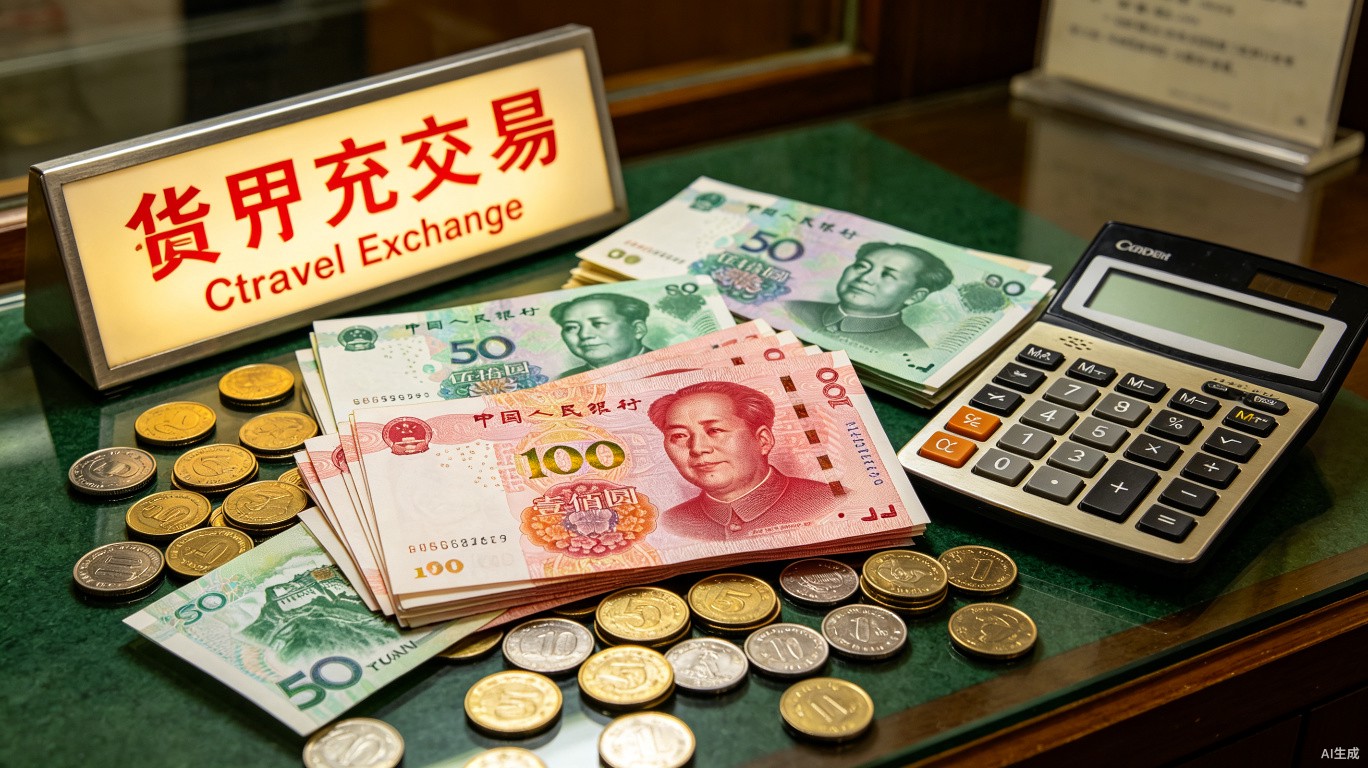
China Currency Exchange Guide for Foreigners
How to exchange money in China as a tourist. ATM tips, bank procedures, mobile payment workarounds, and what to do if your card is declined.
16 min read
China SIM Card and Internet Guide for Tourists 2026
How to get a China SIM card or eSIM as a foreign visitor. Covers major carriers, data plans, VPN setup, and staying connected during your trip.
17 min read

China Travel Payment Guide: Alipay and WeChat Pay
China Travel Payment Guide: Alipay and WeChat Pay: 2026 guide covers visas, payments, SIM cards, and the practical details foreign visitors get stuck on.
15 min read
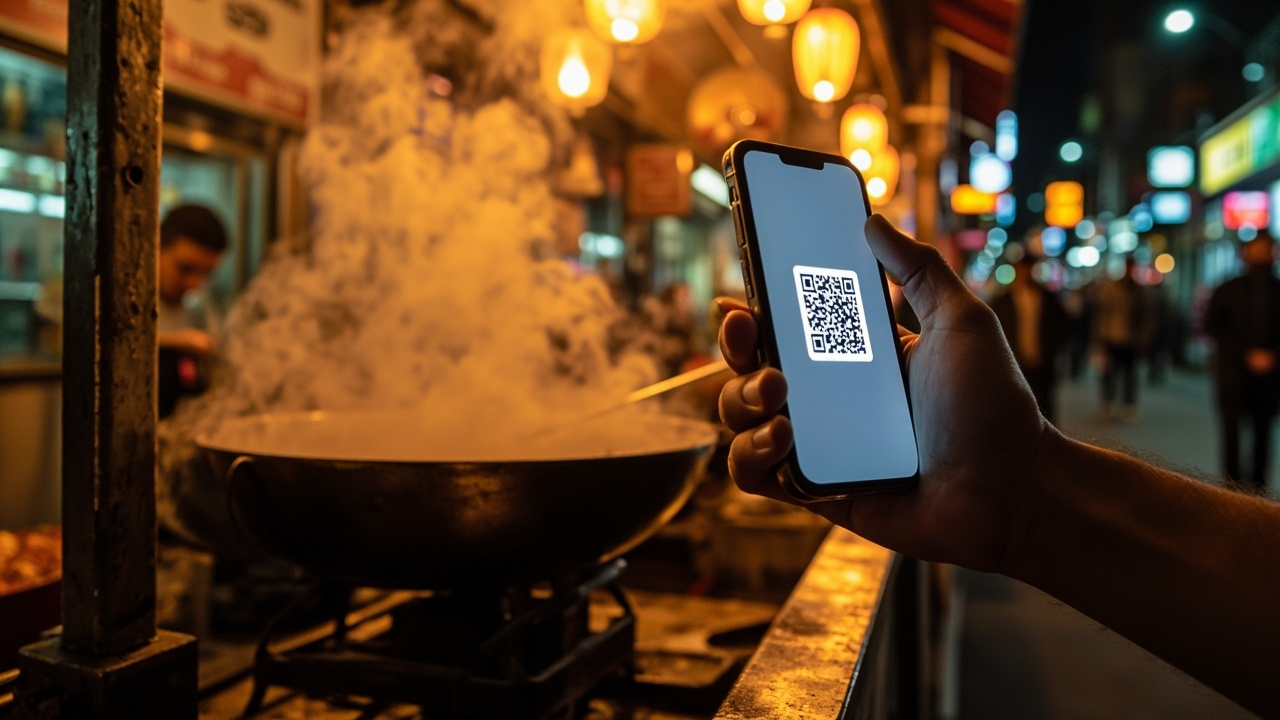
How to Use WeChat Pay as a Foreigner in 2026
Set up WeChat Pay and Alipay as a foreigner in 2026 - step-by-step process with passport, the tourist-only workaround, and what to do if your card keeps getting declined.
20 min read