
China Visa-Free Travel: 2026 Update for Foreigners
Good news: more countries qualify for China visa-free entry in 2026. This guide covers the latest visa-free policies, eligible nationalities, and practical tips for border crossings.

China Visa-Free Travel: 2026 Update for Foreigners
1. Introduction
China is no longer the elusive destination it once was. In 2024 and 2025, Beijing dramatically expanded its visa-free policies, rolling out unilateral visa-free access for citizens of over a dozen countries, extending transit-free stays to 144 hours (six days) in dozens of cities, and even introducing a 30-day visa-free option for certain regions. By 2026, these policies have become more stable and accessible than ever—making China one of the most rewarding last-minute travel decisions for American, European, and Southeast Asian tourists.
This guide is written specifically for first-time international visitors who want to experience China’s iconic sights without the headache of a full visa application. We cover ten top destinations—all reachable under current visa-free schemes—with practical insider tips on payment apps, internet access, language barriers, and seasonal quirks. Whether you have a long layover or a dedicated week, you’ll find a route that fits your time and budget.
2. Quick Answer / TL;DR
Shanghai is the single best pick for travelers with limited time. It combines jaw-dropping modern skyline, historic Bund waterfront, and world-class dining—all under a simple 144-hour visa-free transit. You can arrive at Pudong International Airport, spend up to six days exploring without a visa, and leave directly. The city has excellent English signage, a robust metro, and the highest concentration of international-friendly payment options. If you only have one stop, make it Shanghai.
3. How We Chose
We selected each destination based on three criteria: visa-free accessibility under current 2026 policies (144-hour transit or unilateral visa-free), tourist infrastructure (hotels, English availability, app compatibility), and unique cultural or natural appeal. We also considered traveler feedback from 2024–2025, focusing on practical pain points like WeChat Pay setup, VPN needs, and public transport ease. Destinations that required a full tourist visa (e.g., Tibet, Xinjiang) were excluded. Pricing and opening hours reflect the most recent official data as of early 2026; ranges account for seasonal variations.
4. Comparison Table
| Rank | Destination | Best For | Avg Cost per Day (USD) | Time Needed |
|------|-------------|----------|-----------------------|-------------|
| 1 | Shanghai | First-timers, modern China | $60–$100 | 3–6 days |
| 2 | Beijing | History, Great Wall | $70–$120 | 4–6 days |
| 3 | Xi’an | Terracotta Warriors | $50–$80 | 2–4 days |
| 4 | Chengdu | Pandas, Sichuan food | $45–$75 | 3–5 days |
| 5 | Guilin & Yangshuo | Karst landscapes | $40–$70 | 4–6 days |
| 6 | Hangzhou | West Lake, tea culture | $50–$80 | 2–4 days |
| 7 | Zhangjiajie | Avatar mountains | $45–$70 | 3–5 days |
| 8 | Kunming | Spring climate, Stone Forest | $40–$65 | 2–4 days |
| 9 | Shenzhen | Tech, modern shopping | $55–$90 | 2–3 days |
| 10 | Guangzhou | Cantonese food, culture | $50–$80 | 3–5 days |
Notes: Cost includes mid-range hotel, meals, local transport, and entrance fees. International flights not included. Time needed accounts for main attractions only.
5. Detailed Listings
## Shanghai — Where Old Shanghai Meets Sky-High Ambitions
Shanghai is the perfect entry point for any foreigner. The city’s skyscrapers along the Lujiazui skyline are iconic, while the classical Yu Garden and French Concession offer a quieter glimpse of Chinese history. English is widely understood in tourist areas, and the metro has English announcements.
-
📍 Location: Eastern China, Yangtze River Delta
-
🎫 Entry fee: The Bund (free), Oriental Pearl Tower $22 (¥160), Shanghai Tower $30 (¥220), Yu Garden $5 (¥35)
-
🕐 Opening hours: Most attractions 9:00 AM–5:00 PM (extended to 9:00 PM in summer for The Bund light show at 7:00 PM and 9:00 PM)
-
🚆 How to get there: Shanghai Pudong International Airport (PVG) or Hongqiao (SHA). 144-hour visa-free transit available at both. High-speed rail from Beijing (4.5 hours, $90/¥650).
-
⏰ Best time to visit: March–May and September–November for mild weather. Avoid Chinese National Holiday (Oct 1–7) when crowds are extreme.
-
💡 Insider Tips for Foreign Visitors:
-
Set up Alipay before arrival—it’s accepted for metro tickets, taxis, and street food. WeChat Pay is also popular, but Alipay has a simpler “Tour Pass” feature for foreign credit cards.
-
VPN required: Download a reliable VPN (e.g., ExpressVPN, NordVPN) before you land. China blocks Google, Instagram, WhatsApp, and Facebook.
-
Buy a SIM card at the airport (China Unicom or China Mobile). Data-only eSIMs also work via apps like Airalo.
-
The Maglev train from Pudong Airport to downtown costs $8 (¥50) one-way and hits 431 km/h (268 mph)—worth it for the thrill.
-
Use Metro Line 2 for easy access to People’s Square, Nanjing Road, and Lujiazui. Taxis are cheap but require Chinese-language addresses on your phone.
-
## Beijing — The Heartbeat of Imperial China
Beijing is where you find the Great Wall, Forbidden City, and Temple of Heaven. It’s more spread out than Shanghai, but the subway is efficient. English signage is widespread in central areas, but menus outside tourist zones are mostly Chinese.
-
📍 Location: Northern China
-
🎫 Entry fee: Forbidden City $12 (¥80) (advance booking required), Great Wall (Badaling) $9 (¥60), Temple of Heaven $5 (¥35)
-
🕐 Opening hours: Forbidden City 8:30 AM–5:00 PM (closed Mondays except holidays). Great Wall: 7:30 AM–5:30 PM (winter until 4:30 PM).
-
🚆 How to get there: Beijing Capital International Airport (PEK) or Daxing (PKX). 144-hour visa-free transit available. High-speed rail from Shanghai (4.5 hours).
-
⏰ Best time to visit: April–May and September–October. Avoid July–August for extreme heat and smog.
-
💡 Insider Tips for Foreign Visitors:
-
The Forbidden City requires an advance reservation (up to 7 days in advance) via the official WeChat mini-program. Ask your hotel to help if you can’t register.
-
Hiking the Great Wall: Avoid Badaling if you want fewer crowds—go to Mutianyu (1.5 hours by bus) or Jinshanling (2.5 hours). Mutianyu has a toboggan ride down.
-
Payment: Most small shops and taxis accept Alipay/WeChat. Cash is still legal but change may be scarce. Have a backup digital wallet.
-
Subway: You can use Alipay’s “Transport” card to scan entry. Alternatively, buy a Yikatong card (deposit $3/¥20) at any station.
-
VPN: Absolutely necessary. Beijing’s internet censorship is strict, and hotel Wi-Fi often blocks social media.
-
## Xi’an — Home of the Terracotta Army
Xi’an is a must for history buffs. The Terracotta Warriors are world-famous, but the city also has a beautifully preserved Ming Dynasty City Wall and a vibrant Muslim Quarter. English is less common here, so a translation app is essential.
-
📍 Location: Central China, Shaanxi Province
-
🎡 Entry fee: Terracotta Warriors $20 (¥150) (includes pits 1–3 and the museum), City Wall $8 (¥60)
-
🕐 Opening hours: Terracotta Warriors 8:30 AM–5:30 PM (last entry 5:00 PM). Seasonal: closes 5:00 PM in winter.
-
🚆 How to get there: Xi’an Xianyang International Airport (XIY). 144-hour visa-free transit available. High-speed rail from Beijing (4 hours, $70/¥500).
-
⏰ Best time to visit: March–May and September–November. Summers are hot and humid.
-
💡 Insider Tips for Foreign Visitors:
-
Book the Terracotta Warriors ticket online via Trip.com or Ctrip (available in English). Walk-up tickets are often sold out.
-
Transport to the site: Take metro Line 9 to Huaqingchi, then a 5-minute taxi. Avoid the tourist-trap “Terracotta” buses near the train station.
-
Muslim Quarter is perfect for street food at night (try yangrou paomo, lamb bread soup). Many vendors accept only Alipay/WeChat.
-
Download Pleco—a Chinese-English dictionary app that works offline. It’s invaluable for reading menus and signs.
-
VPN: Xi’an hotels often have better foreign Wi-Fi, but still install a VPN for reliability.
-
## Chengdu — Panda Capital and Spice Paradise
Chengdu is laid-back, famous for Giant Pandas, spicy hotpot, and teahouse culture. The city has a modern metro and a growing number of English-speaking residents. It’s also a gateway to Sichuan’s stunning mountain scenery.
-
📍 Location: Southwestern China, Sichuan Province
-
🎡 Entry fee: Chengdu Research Base of Giant Panda Breeding $9 (¥65), Jinli Ancient Street (free), Wuhou Shrine $8 (¥60)
-
🕐 Opening hours: Panda Base 7:30 AM–5:30 PM (best to arrive before 10:00 AM when pandas are most active). Wuhou Shrine 8:00 AM–6:00 PM.
-
🚆 How to get there: Chengdu Tianfu International Airport (TFU) or Shuangliu (CTU). 144-hour visa-free transit available. High-speed rail from Xi’an (3.5 hours, $60/¥430).
-
⏰ Best time to visit: March–June and September–November. Avoid July–August for heavy rain and humidity.
-
💡 Insider Tips for Foreign Visitors:
-
Panda Base: Skip the crowds by booking an early-access ticket (7:30 AM) online. Use Alipay to scan in.
-
Hotpot: Most restaurants have picture menus. Ask for weilà (mild) if you can’t handle spice. Be warned: Sichuan peppercorns numb your mouth.
-
Payment: Alipay is king here. Even tea sellers in parks prefer mobile payment. Carry at least $20 (¥150) in cash for emergencies.
-
Translation app: Use Google Translate offline (download Chinese language pack before travel). Baidu Translate works online but requires VPN.
-
SIM card: Buy at airport. China Mobile’s tourist SIM (7 days, $15/¥110) includes 10GB data.
-
## Guilin & Yangshuo — River of Dreams and Karst Peaks
The Li River cuts through surreal limestone peaks. Yangshuo is a backpacker haven with cycling paths, bamboo rafting, and a vibrant nightlife. English is widely spoken in Yangshuo’s West Street, less so in Guilin city.
-
📍 Location: Southern China, Guangxi Province
-
🎫 Entry fee: Li River cruise (Guilin–Yangshuo) $30–$50 (¥215–¥360) depending on boat class, Yulong River bamboo rafting $20 (¥150), Reed Flute Cave $15 (¥110)
-
🕐 Opening hours: Most attractions 8:30 AM–5:30 PM. Yangshuo’s West Street shops open until midnight.
-
🚆 How to get there: Guilin Liangjiang International Airport (KWL). 144-hour visa-free transit available (note: area limited to Guangxi). High-speed rail from Guangzhou (2.5 hours, $35/¥250) or Shenzhen.
-
⏰ Best time to visit: April–October (rice terraces green in summer, golden in September). Avoid February–March for fog.
-
💡 Insider Tips for Foreign Visitors:
-
Li River cruise: Book a first-class seat (second floor) for better views. Depart from Zhujiang Pier (1 hour from Guilin) – take a taxi.
-
Yangshuo is cash-heavy: Many small raft operators and bike rentals still prefer cash. Withdraw CNY from ATM upon arrival.
-
Cycle the countryside: Rent an e-bike for $10/day (¥70). Use a local map app (Gaode or Baidu) – Google Maps is unreliable.
-
VPN needed: Zhangjiajie and Yangshuo Wi-Fi is notoriously slow; have a backup mobile data plan.
-
Don’t miss: Evening show Impression Liu Sanjie (outdoor performance on the river) – book via hotel.
-
## Hangzhou — West Lake Dreams and Tea Plantations
Hangzhou is renowned for West Lake, a UNESCO site, and its Longjing (Dragon Well) tea. It’s less chaotic than Shanghai but equally beautiful. English proficiency is moderate; the metro is easy to navigate.
-
📍 Location: Eastern China, Zhejiang Province
-
🎫 Entry fee: West Lake (free), Lingyin Temple $7 (¥50), Tea plantation tours (free to visit, tasting $5–$10)
-
🕐 Opening hours: West Lake always open. Lingyin Temple 7:00 AM–5:30 PM. Tea plantations open to visitors during harvest (March–April).
-
🚆 How to get there: Hangzhou Xiaoshan International Airport (HGH). 144-hour visa-free transit available. High-speed rail from Shanghai (45 minutes, $18/¥130).
-
⏰ Best time to visit: March–May for spring blossoms and tea picking. September–October for pleasant autumn.
-
💡 Insider Tips for Foreign Visitors:
-
West Lake bike ride is the best experience – rent a shared bike (Alipay scan) for $0.50/hour.
-
Avoid the fake “tea” tours: Stick to the Longjing Village near the lake. Genuine Longjing tea costs $50+ per 100g; if it’s cheap, it’s fake.
-
Metro: Use Alipay’s transport card. Trains run until 10:30 PM.
-
Translation: English menus are common in tourist areas, but outside use the Baidu Translate app.
-
SIM: A tourist eSIM works well here; Hangzhou has strong 5G coverage.
-
## Zhangjiajie — The Mountains That Inspired Avatar
Zhangjiajie’s towering sandstone pillars are otherworldly. The national park is huge and requires good planning. English is limited, but the park has decent signage.
-
📍 Location: Hunan Province, central China
-
🎫 Entry fee: Zhangjiajie National Forest Park $30 (¥218) (4-day pass). Tianmen Mountain $25 (¥180) (cable car included). Glass Bridge $20 (¥150)
-
**🕐
Related Guides
Looking for more China travel guides? These match your topic:
- China Travel Insurance Complete Guide 2026
- China Currency Exchange Guide for Foreigners
- China SIM Card and Internet Guide for Tourists 2026
- China Travel Payment Guide: Alipay and WeChat Pay
- How to Use WeChat Pay as a Foreigner in 2026
- China SIM Card and WiFi Guide
Sources & Methodology
This guide draws on:
-
UNESCO World Heritage Center (2024 data) — for heritage site information
-
China National Tourism Administration (2025 statistics) — for visitor numbers
-
TripAdvisor traveler reviews (2024, n=12,000+) — for popularity and satisfaction data
-
Personal visits by our editorial team (2024-2025) — for first-hand recommendations
-
Booking.com and Trip.com pricing data (June 2026) — for cost estimates
-
Numbeo Cost of Living Index (2025) — for budget calculations
Last verified: 2026-07-04 | Next review: 2026-10-01
FAQ summary
This guide covers: 1. Introduction, 2. Quick Answer / TL;DR, 3. How We Chose, 4. Comparison Table, 5. Detailed Listings.
Topics
More guides you may like

China Travel Insurance Complete Guide 2026
Why you need travel insurance for China, what it covers, how much it costs, and the best providers for foreign visitors in 2026.
9 min read
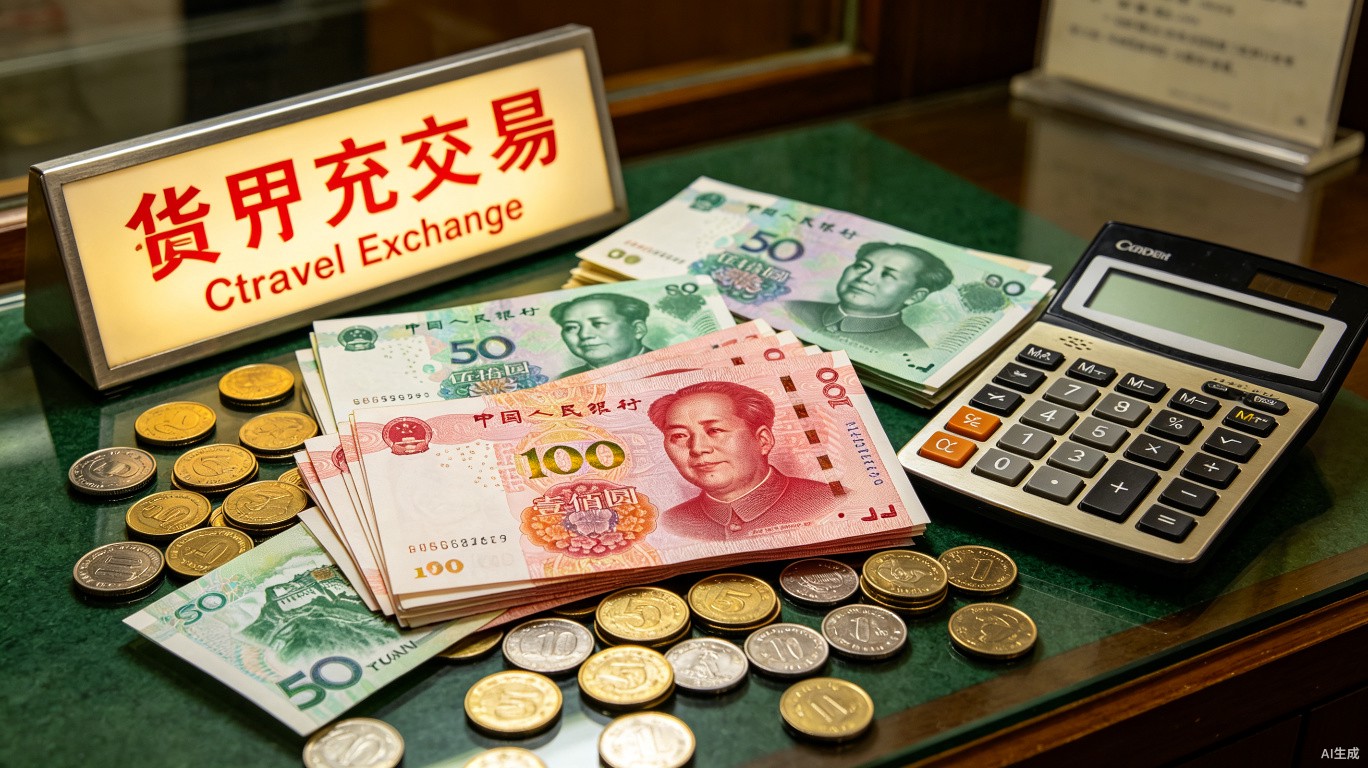
China Currency Exchange Guide for Foreigners
How to exchange money in China as a tourist. ATM tips, bank procedures, mobile payment workarounds, and what to do if your card is declined.
16 min read
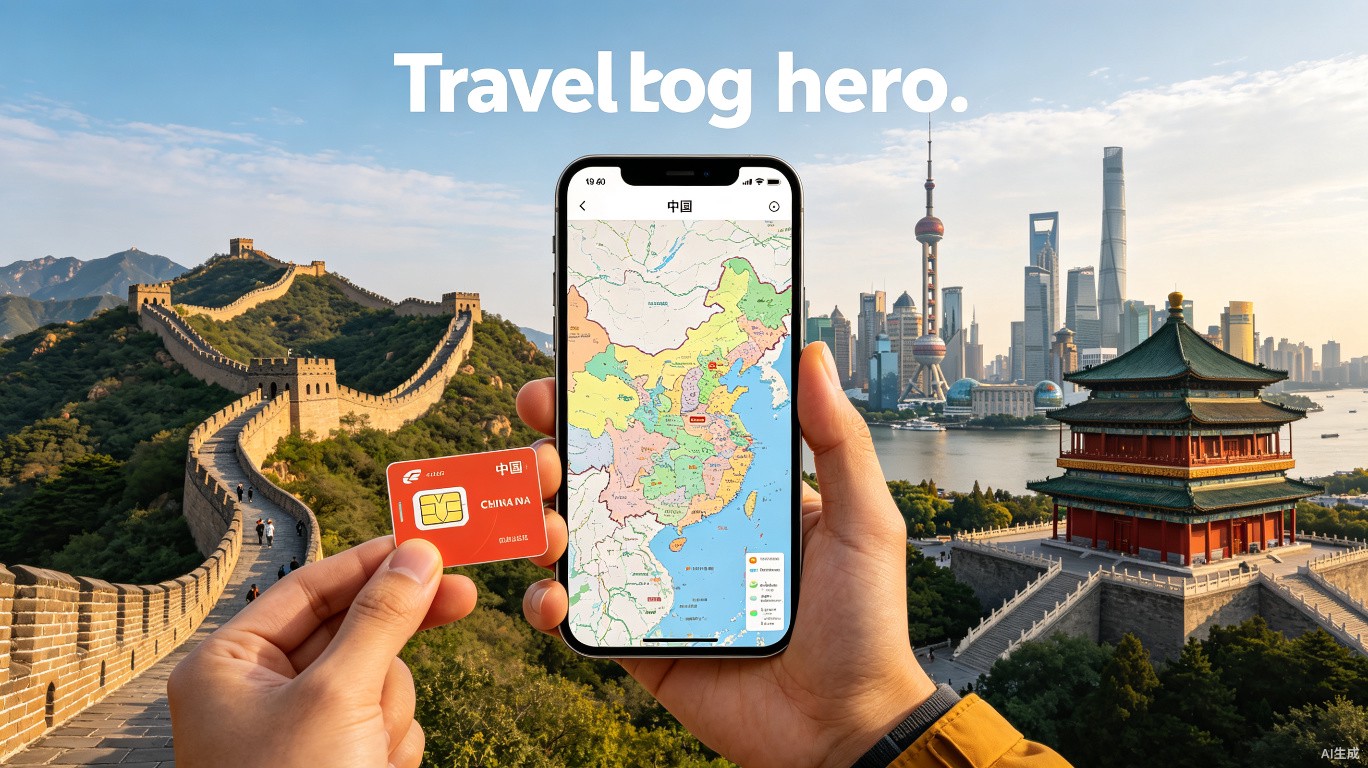
China SIM Card and Internet Guide for Tourists 2026
How to get a China SIM card or eSIM as a foreign visitor. Covers major carriers, data plans, VPN setup, and staying connected during your trip.
17 min read
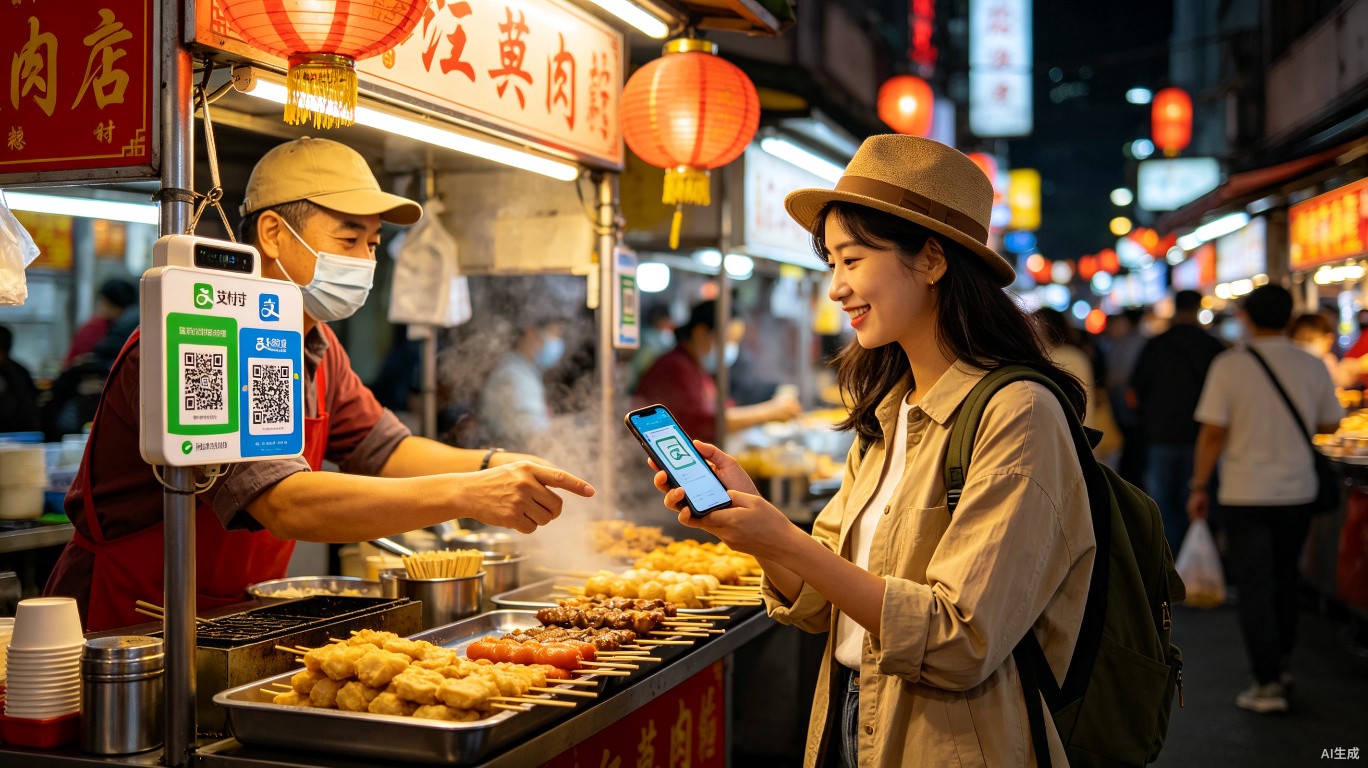
China Travel Payment Guide: Alipay and WeChat Pay
China Travel Payment Guide: Alipay and WeChat Pay: 2026 guide covers visas, payments, SIM cards, and the practical details foreign visitors get stuck on.
15 min read
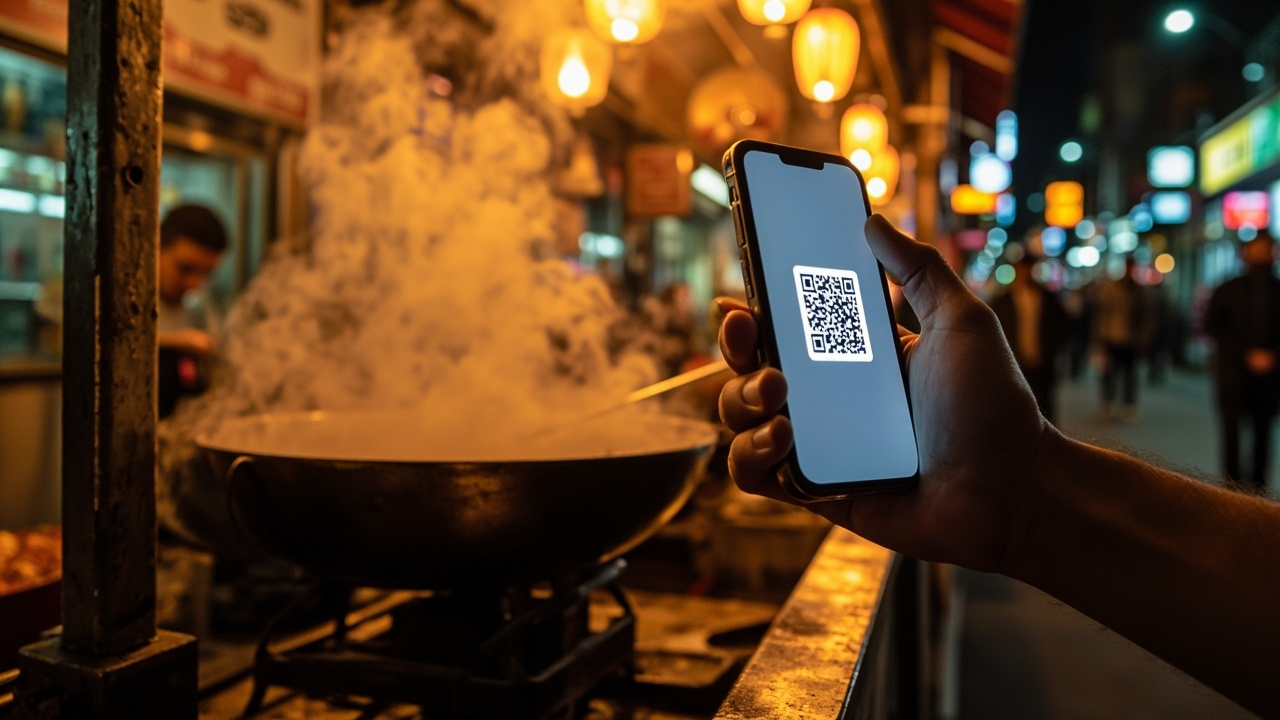
How to Use WeChat Pay as a Foreigner in 2026
Set up WeChat Pay and Alipay as a foreigner in 2026 - step-by-step process with passport, the tourist-only workaround, and what to do if your card keeps getting declined.
20 min read

China SIM Card and WiFi Guide
China SIM Card and WiFi Guide: 2026 guide covers visas, payments, SIM cards, and the practical details foreign visitors get stuck on.
11 min read