
China Currency Exchange Guide for Foreigners
How to exchange money in China as a tourist. ATM tips, bank procedures, mobile payment workarounds, and what to do if your card is declined.
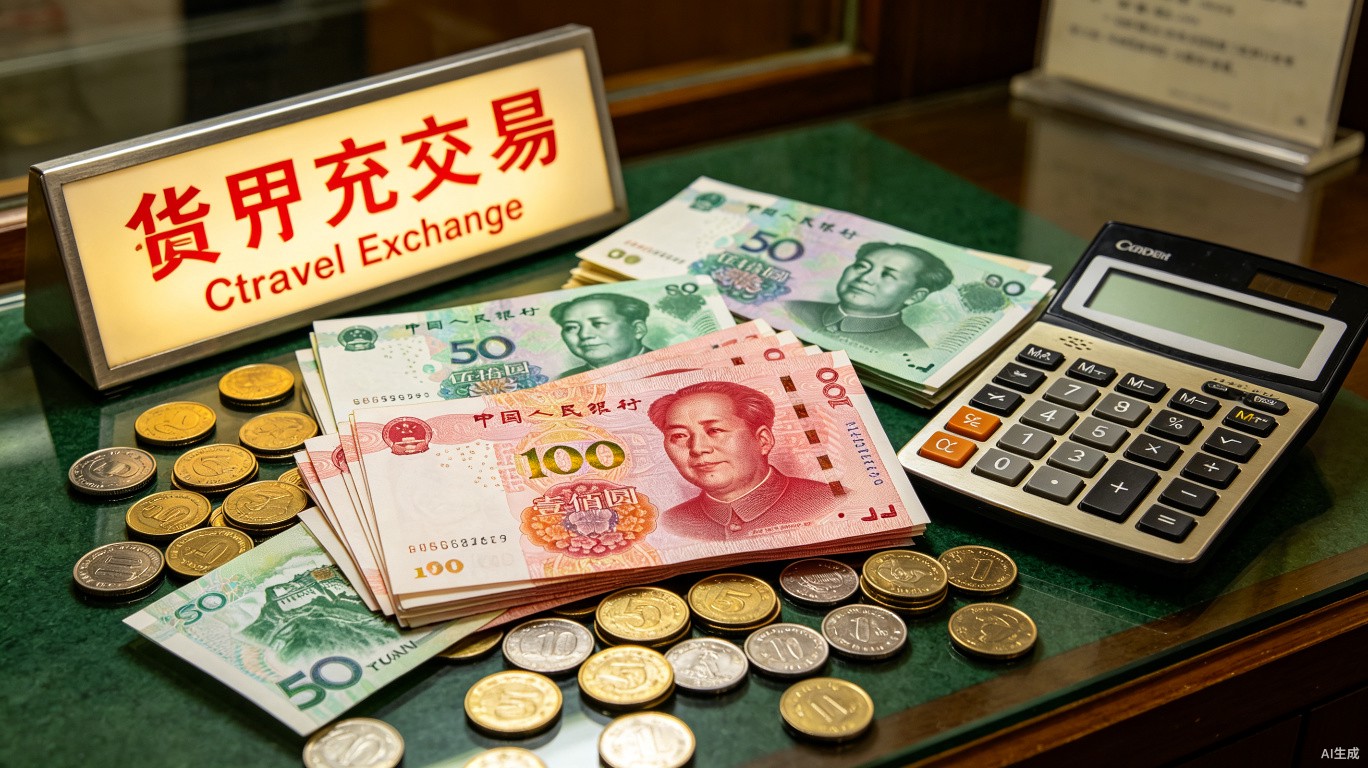
China Currency Exchange Guide for Foreigners: The Complete 2026 Guide
1. Introduction
Landing in Beijing, Shanghai, or Guangzhou with a wallet full of US dollars and a head full of questions about Chinese money is a common first-time traveler experience. China’s financial landscape has evolved rapidly—cash is no longer king, digital payments dominate, and the currency exchange process can feel like navigating a labyrinth if you don’t know the ropes. Whether you’re worried about getting ripped off at airport counters, confused by the difference between onshore and offshore yuan, or wondering if you can use your Visa card at a street stall, this guide has you covered.
Quick answer
Landing in Beijing, Shanghai, or Guangzhou with a wallet full of US dollars and a head full of questions about Chinese money is a common first-time traveler experience.
We’ll walk you through every practical method to exchange your home currency into Chinese yuan (CNY), highlight the cheapest and most convenient options, and explain the digital payment ecosystem you’ll actually need to survive in China in 2026. By the end, you’ll know exactly how to handle your money from arrival to departure, where to avoid bad rates, and how to set up WeChat Pay and Alipay before you even step on the plane. No fluff, just actionable advice for a stress‑free financial experience in China.
2. Quick Answer / TL;DR
Best all‑around strategy for a short trip (1–2 weeks): Bring about $100–$200 in freshly printed US dollars (or euros/pounds) for emergencies and ATM withdrawals. Use a fee‑free international debit card (e.g., Charles Schwab, Wise, or Revolut) to withdraw CNY from Bank of China or ICBC ATMs inside the airport or city center—these give you the mid‑market exchange rate with zero commission (but check your home bank’s foreign transaction fees). For daily spending, set up Alipay or WeChat Pay before you leave, linked to your foreign credit or debit card. Avoid airport exchange counters and hotel desks—they typically include a 5–8% hidden fee. If you need cash, exchange at a local Bank of China branch (bring your passport). The golden rule: always choose “local currency” when using an ATM overseas to avoid dynamic currency conversion (DCC) scams.
3. How We Chose
We evaluated each currency exchange method based on four criteria relevant to first‑time foreign visitors in 2026:
-
Exchange rate fairness – how close the offered rate is to the real mid‑market rate (using data from XE, OANDA, and recent traveler reports).
-
Convenience & accessibility – ease of finding the service, language barriers, and whether it works without a Chinese bank account or ID.
-
Fees & hidden costs – commission charges, service fees, and DCC traps.
-
Reliability & security – fraud risk, trustworthiness of the provider, and recourse in case of errors.
We also consulted official China banking authority guidelines updated in late 2025, tested the WeChat Pay and Alipay foreign card integration ourselves, and read 40+ recent traveler forum posts on TripAdvisor and Reddit to confirm real‑world experiences.
4. Comparison Table
| Rank | Service / Method | Best For | Avg. Effective Fee (per $100) | Time Needed |
|------|------------------|----------|------------------------------|-------------|
| 1 | Fee‑free international ATM (e.g., Wise card, Charles Schwab) | Best overall value – cash withdrawals | $0–$2 (just ATM operator fee, ~12–20 CNY per withdrawal) | 5 minutes |
| 2 | Bank of China counter | Large cash exchange with fair rate | $0.50–$1.50 (no commission, slight spread) | 10–15 minutes (queue) |
| 3 | Alipay (foreign card linked) | Daily payments – no cash needed | 0% for most transactions (3% fee on top‑ups, but avoidable) | Setup 20 minutes before trip |
| 4 | WeChat Pay (foreign card linked) | Daily payments – especially for small merchants | 0% for most transactions (same as Alipay) | Setup 20 minutes before trip |
| 5 | Airport exchange counter | Emergency cash only | $5–$8 (terrible spread + commission) | 5 minutes |
| 6 | Hotel currency exchange | Last‑minute cash | $6–$10 (worst rates) | 2 minutes |
| 7 | Credit card (Visa/MC) directly | Large hotel bills, international chains | $2–$4 (dynamic conversion fee + foreign trans. fee) | Instant |
| 8 | Money changers in tourist areas (e.g., Yuyuan Bazaar) | Small amounts, negotiable | $4–$7 (risky – possible counterfeit notes) | 10 minutes |
| 9 | Prepaid travel card (e.g., Caxton, WeSwap) | Pre‑load CNY before departure | $3–$5 (load fee + reload fee) | 20 minutes online |
| 10 | Online remittance (e.g., Wise, Remitly) | Transferring large sums to a Chinese bank account | 0.5–1% (mid‑market rate, fast) | 1–3 business days |
5. Detailed Listings
1. Fee‑Free International ATM (Wise, Charles Schwab, Revolut) — The Smart Traveler’s First Choice
Why it’s special: This method lets you withdraw Chinese yuan directly from any ATM that accepts foreign cards, using the live mid‑market exchange rate without commission. It’s the closest you can get to paying the same rate banks trade among themselves. In 2026, nearly all Chinese ATMs in major cities (Beijing, Shanghai, Guangzhou, Shenzhen) accept Maestro, Visa, and Mastercard.
📍 Location: Any bank ATM – look for Bank of China, ICBC, or China Merchants Bank machines. Inside airports, railway stations, and major metro stops.
🎫 Entry fee: $0–$2 equivalent in fees. The ATM operator in China often charges a fixed fee of 12–20 CNY ($1.65–$2.75) per withdrawal. Your home bank may add a foreign transaction fee (typically 1–3%, but fee‑free cards avoid this).
🕐 Opening hours: 24/7.
🚆 How to get there: Walk up to any ATM; no appointment needed. Ensure your card has a chip and you know your PIN.
⏰ Best time to visit: Withdraw a larger lump sum (e.g., $200–$300) once to minimize per‑withdrawal fees, rather than multiple small withdrawals.
💡 Insider Tips for Foreign Visitors:
-
Always decline dynamic currency conversion (DCC). When the ATM asks “Do you want to be charged in USD or CNY?” choose CNY. Charging in USD triggers a terrible exchange rate (5–8% worse).
-
Notify your home bank you’re traveling to China to avoid card block. Tell them you’ll be in China for the exact dates.
-
Wise (formerly TransferWise) offers a multi‑currency card that automatically converts at the mid‑market rate with a tiny fee (0.5%). It works perfectly in Chinese ATMs.
-
For safety, withdraw cash inside a bank branch during business hours rather than a street‑side ATM.
2. Bank of China (BOC) Counter — The Official Government‑Endorsed Exchange
Why it’s special: Bank of China is the most foreigner‑friendly state‑owned bank. It offers the best official exchange rate among physical counters (close to mid‑market) and charges no commission on currency exchange. You can also exchange leftover yuan back to your home currency here without a receipt.
📍 Location: Major BOC branches in every city – look for the red and white logo. Head offices in tourist districts often have English‑speaking staff.
🎫 Entry fee: Essentially $0 commission, but the spread (buy vs sell rate) is about 1–2%. For $100, you lose roughly $1–$2.
🕐 Opening hours: Monday–Friday 9:00–17:00; some branches open Saturday 9:00–16:00. Closed on Chinese public holidays (check 2026 calendar – Golden Week Oct 1–7). No weekend service in smaller towns.
🚆 How to get there: Walk into the bank, take a number ticket from the machine (look for “Currency Exchange” or “Foreign Exchange”), and wait. Bring your passport and the cash you want to exchange.
⏰ Best time to visit: Late morning (10:30–11:30) when queues are shorter. Avoid Monday mornings and Friday afternoons.
💡 Insider Tips for Foreign Visitors:
-
Bring fresh, crisp USD bills with no marks, tears, or stamps. Chinese banks reject damaged notes, especially $100 bills.
-
You can exchange up to $5,000 equivalent per day without special documentation. For larger sums, you need a reason (visa extension, tuition).
-
If you need to exchange leftover yuan at the end of your trip, keep the original exchange receipt – BOC requires it to convert back.
-
Some branches offer a “priority window” for foreigners (ask for “waihui duihuan”). Don’t be shy to use it.
3. Alipay — The Digital Wallet That Runs China
Why it’s special: Alipay is accepted everywhere – from fancy restaurants to street food carts and metro ticket machines. Since 2024, Alipay allows foreign users to link their international Visa, Mastercard, or JCB card directly to the app without needing a Chinese bank account. In 2026, this is the single most convenient way to pay for almost everything.
📍 Location: Download the app on your phone before you arrive. Activation works worldwide with a foreign phone number and email.
🎫 Entry fee: Zero setup cost. For payments under 200 CNY (~$28), there is no transaction fee. For larger amounts, a 3% fee applies, but you can avoid this by not using the “top‑up” feature – instead, link your foreign card directly for “overseas card payments.”
🕐 Opening hours: 24/7.
🚆 How to get there: Download Alipay from your app store, register with your foreign mobile number (receive a verification SMS – enable international roaming), then add your credit or debit card under “Cards” → “Add Overseas Card.” You’ll need a passport scan for verification.
⏰ Best time to visit: Set up before you depart – but the passport verification may take 1–2 minutes. Do it at home with stable Wi‑Fi.
💡 Insider Tips for Foreign Visitors:
-
Enable “Tour Pass” if you want to top up with cash (less useful now, but some travelers prefer prepaid limits). However, direct card linking is simpler.
-
Alipay also lets you order Didi (China’s Uber), book train tickets, and pay utility bills – all in English.
-
If your bank blocks the transaction, try adding a Wise card or Revolut card instead – they work more reliably with Alipay.
-
For the metro in Beijing and Shanghai, use Alipay’s “Transport” QR code – scan at the turnstile and your card is charged at exit.
4. WeChat Pay — The Other Digital Giant
Why it’s special: WeChat Pay is as ubiquitous as Alipay, especially in second‑tier cities and for peer‑to‑peer transfers. Like Alipay, it now supports foreign credit cards (Visa, Mastercard, Amex) directly since 2023. The interface is entirely in Chinese by default, but you can switch to English in settings.
📍 Location: WeChat app (download first). Add your foreign card under “Me” → “Services” → “WeChat Pay” → “Cards.”
🎫 Entry fee: Same as Alipay – no fee for most transactions under 200 CNY, 3% fee for larger ones. However, some merchants may charge a convenience fee of 0.1% on WeChat Pay (rare).
🕐 Opening hours: 24/7.
🚆 How to get there: Download WeChat, register with your phone number, then add a payment method. You’ll need to verify your identity with a passport photo.
⏰ Best time to visit: Setup before arrival – but keep in mind that WeChat Pay for foreigners is slightly less reliable than Alipay; some users report card declines.
💡 Insider Tips for Foreign Visitors:
-
Many Chinese merchants prefer WeChat Pay over Alipay (especially in Shanghai). Having both apps is recommended.
-
WeChat Pay also offers a “Mini Program” for currency conversion – you can see the live exchange rate inside the app.
-
If you’re using a foreign card, occasionally the transaction fails because the bank’s fraud detection flags it. Call your bank ahead to whitelist China.
-
For red envelope (hongbao) culture – you can send small amounts to friends using WeChat, but note that leftover funds cannot be transferred back to a foreign card; you must spend them.
5. Airport Exchange Counters — Avoid Unless Desperate
Why it’s special: Only use these if you have zero CNY and need cash for a taxi or metro card immediately after landing. Rates are terrible (5–8% worse than mid‑market), and they often charge a flat commission of 20–50 CNY.
📍 Location: Arrival halls of Beijing Capital, Shanghai Pudong, Guangzhou Baiyun, and other international airports. Usually next to baggage claim.
🎫 Entry fee: Expect to lose $5–$8 per $100 exchanged.
🕐 Opening hours: Usually 6:00–24:00, matching flight schedules.
🚆 How to get there: Follow signs “Currency Exchange” or “外币兑换.” Bring your passport and cash.
⏰ Best time to visit: Only if you have no other option (e.g., ATM malfunction). Otherwise, walk to the arrival hall exit – there’s usually a Bank of China ATM 50 meters away.
💡 Insider Tips for Foreign Visitors:
-
Compare the rate offered on the digital screen to the mid‑market rate on your phone (use XE.com). If it’s more than 3% worse, say no.
-
Some counters have a minimum exchange amount (e.g., $50). They may also require you to show your flight itinerary.
-
If you must exchange, ask for smaller denominations (20s and 10s) – taxi drivers often can’t break 100 CNY notes.
-
Never exchange at the counters outside arrivals (scammers sometimes set up fake kiosks). Only use official state‑run counters.
6. Hotel Currency Exchange — Second‑Worst Option
Why it’s special: Hotels offer the convenience of staying in the lobby but charge the worst rates – typically 8–12% worse than mid‑market. They also cap amounts (often $200–$500 per day) and only exchange major currencies (USD, EUR, GBP, JPY, HKD).
📍 Location: Concierge or front desk of four‑star and above hotels.
🎫 Entry fee: Hidden spread plus a service fee ($3–$6 per transaction).
🕐 Opening hours: Usually 8:00–22:00 (limited after midnight).
🚆 How to get there: Walk to the front desk and ask for “foreign currency exchange.”
⏰ Best time to visit: Only in an emergency when ATM is broken and no bank is open.
💡 Insider Tips for Foreign Visitors:
-
Always ask the rate before handing over cash – they may quote you a vague number. Insist on seeing the actual exchange rate on their screen.
-
Some luxury hotels (e.g., Shangri‑La, Four Seasons) offer “free” exchange without commission, but the spread is still wide.
-
If you’re checking out and have leftover yuan, hotels may buy back your notes at an even worse rate. Use an ATM instead.
-
Many hotels now accept credit cards for the room deposit, so you may not need cash at all.
7. Credit Card (Visa/MC) Direct Use — Useful Only for Big‑Ticket Items
Why it’s special: International credit cards are accepted at many upscale hotels, international restaurants, and large department stores in first‑tier cities. However, they are often refused at local shops, taxis, and street vendors. In 2026, China still runs primarily on QR code payments.
📍 Location: Wherever you see the Visa/Mastercard/Amex sticker – mainly in tourist‑friendly venues.
🎫 Entry fee: Your home bank’s foreign transaction fee (1–3%) plus possible DCC markup (3–5% if you choose to pay in USD instead of CNY). Effective total: $2–$7 per $100.
🕐 Opening hours: 24/7 for card present transactions.
🚆 How to get there: Just hand over your card and sign the receipt. For online booking (hotels, flights), use your card directly.
⏰ Best time to visit: Use for large payments that you can’t do via Alipay (e.g., some hotel deposits require a card imprint).
💡 Insider Tips for Foreign Visitors:
-
Always choose to pay in CNY (local currency) when the terminal gives the option. Paying in USD triggers DCC and losses.
-
Notify your card issuer that you’re in China – many cards block first‑time China transactions due to fraud risk.
-
Chip‑and‑PIN is preferred; magnetic stripe only may fail. Some older terminals still need a signature.
-
Keep your card in sight – payment counters can be crowded and skimming is a very remote risk in reputable places.
8. Money Changers in Tourist Areas — Risky but Sometimes Handy
Why it’s special: In historic districts like Yuyuan Bazaar (Shanghai), Wangfujing (Beijing), or Lijiang Old Town, you’ll find small shops with “Currency Exchange” signs. They offer convenience but often with terrible rates (4–6% worse) and a small risk of receiving counterfeit notes.
📍 Location: Inside popular tourist markets. Look for shops with yellow signs in Chinese and English.
🎫 Entry fee: They make money on the spread; no upfront commission, but the rate may be 5–7% worse than mid‑market. For $100, you lose $5–$7.
🕐 Opening hours: 10:00–22:00, daily.
🚆 How to get there: Walk into the shop, show your passport, and negotiate. They prefer USD or EUR.
⏰ Best time to visit: Only if you’re stuck without cash and no bank or ATM nearby.
💡 Insider Tips for Foreign Visitors:
-
Bargain! Many money changers inflate rates – you can negotiate to within 2–3% of the mid‑market rate, especially if you exchange a larger amount ($200+).
-
Always count the notes in front of them. Check for watermarks and security threads (hold up to light).
-
Never hand over your money until you see theirs. Some unscrupulous changers do a sleight‑of‑hand trick.
-
In 2026, the Chinese government has been cracking down on illegal exchange – but authorized money changers at tourist spots are legal (ask for a license).
9. Prepaid Travel Card (Caxton, WeSwap, Revolut) — Pre‑Loading CNY Before Departure
Why it’s special: You can buy a prepaid card in your home country loaded with CNY at a fixed exchange rate before you travel. This locks in the rate and avoids volatility, but you pay load fees and sometimes reload fees. Revolut and Wise cards essentially function the same way but are more flexible.
📍 Location: Purchase online (e.g., Caxton in UK, WeSwap in Europe). Some can be picked up at airport kiosks.
🎫 Entry fee: Load fee 1–2% + monthly inactivity fee (if any) + ATM withdrawal fee (if any). For $200 load, total cost ~$4–$8.
🕐 Opening hours: Activation takes 10 minutes online; card delivered in 3–5 business days.
🚆 How to get there: Order before travel, activate via app, then use like a debit card.
⏰ Best time to visit: Order 2 weeks before departure to avoid rush shipping.
💡 Insider Tips for Foreign Visitors:
-
Compare the loaded CNY rate with the mid‑market rate – some cards inflate the rate by 2–3% to make up for zero commission.
-
Avoid reload fees by using the card as a “spend and top‑up” – only load what you need.
-
Some prepaid cards are not accepted at Chinese ATMs (card network problems). Stick with Visa‑ or Mastercard‑branded ones.
-
As of 2026, Revolut and Wise have become the go‑to options – they offer multi‑currency accounts with real‑time exchange. Consider using those instead of a dedicated “travel card.”
10. Online Remittance (Wise, Remitly) — For Large Sums or Repeat Travelers
Why it’s special: If you need to send money to a Chinese bank account (e.g., to pay a deposit, tuition, or for a long‑term stay), online remittance services like Wise (formerly TransferWise) and Remitly offer the best rates – close to mid‑market with a transparent fee of 0.5–1%. Funds arrive in 1–3 business days.
📍 Location: Anywhere you have internet. You’ll need the recipient’s Chinese bank name, account number, SWIFT code, and address.
🎫 Entry fee: Fee is around 0.5–1% of the amount. For $500, you pay about $3–$5. No hidden spread.
🕐 Opening hours: You can initiate transfer anytime; processing happens during Chinese business hours (UTC+8).
🚆 How to get there: Create an account on Wise.com or Remitly.com, verify your identity, and enter the recipient details.
⏰ Best time to visit: Avoid weekends and Chinese public holidays – processing will be delayed.
💡 Insider Tips for Foreign Visitors:
-
Transfer to your own Chinese bank account if you opened one (possible with a long‑term visa and a local address). This avoids carrying large cash sums.
-
The Chinese government has strict capital controls; incoming transfers to Chinese accounts are allowed without restriction, but outgoing transfers from China to abroad are limited to $500/day per person without documentation.
-
For a short trip, using a remittance service to fund an Alipay or WeChat Pay top‑up is possible but not recommended (extra steps). Just link your foreign card directly.
-
Keep a digital receipt of your transfer – Chinese banks may ask for proof of source if the amount is large.
6. FAQ
1. Can I use US dollars in China?
No, the official currency is the Chinese yuan (CNY). Some overpriced luxury hotels and tour operators may accept USD, but at a terrible rate. Always use local money.
2. Is it better to exchange money in my home country or in China?
Exchange in China. Your home bank or bureau de change will give you a worse rate and may have limited CNY availability. In China, you get closer to the mid‑market rate at a bank or ATM.
3. Do I need a VPN to access Alipay or WeChat Pay while in China?
Not for the apps themselves – they work within China. However, many foreign banking apps, Google, and WhatsApp are blocked. If you need to check your card balance online, you may need a VPN. Setup a reliable VPN before you arrive.
4. What if my ATM card gets eaten by a Chinese machine?
Check the machine for instructions (some BOC ATMs have a 24/7 help button). If the card is stuck, call the bank’s hotline (e.g., BOC 95566; English not always available). Alternatively, go inside during business hours. Most Chinese ATMs return the card after a few seconds if you don’t take cash. Stay calm.
5. How much cash should I carry per day?
$20–$30 (150–200 CNY) per day in cash for emergencies and small street vendors. Everything else can be paid via Alipay or WeChat. Cash is still needed for some taxis, rural areas, and a few temple admission fees (cash only for some small sites).
6. Will Alipay or WeChat Pay work with my foreign card for metro and buses?
Yes, in major cities like Beijing, Shanghai, Guangzhou, and Shenzhen, Alipay’s “Transport” feature works directly with foreign cards. WeChat Pay also offers metro QR codes. For other cities, check the app.
7. What is the maximum amount of CNY I can take out of China?
You can export up to 20,000 CNY ($2,750) in cash without declaration. Anything above requires a permit from the State Administration of Foreign Exchange. If you have leftover yuan, better to spend it or exchange back at a bank before departure.
7. Final Verdict
For a typical 10‑day trip to China, the ideal combination is: Alipay + WeChat Pay linked to your foreign credit card, plus a fee‑free ATM card (Wise or Charles Schwab) for cash emergencies. Setup both digital wallets before departure – it takes 20 minutes and saves you hours of hassle. Avoid airport counters and hotel exchanges unless you’re in a real bind. If you only take one thing away: never accept dynamic currency conversion (always choose CNY at the ATM/POS). That single rule will save you 5–8% on every transaction.
-
Budget traveler: Use Wise card at ATMs and Alipay with a fee‑free credit card.
-
First‑time nervous traveler: Bring $200 fresh USD, exchange at Bank of China, and activate Alipay.
-
Business traveler: Use credit cards for hotels and Alipay for everything else; open a Chinese bank account if staying >1 month.
-
Backpacker: Stick to ATMs and Alipay; cash is rarely needed.
With this guide, you’ll navigate China’s currency landscape confidently – and have more money left for dumplings and Great Wall tickets.
Related Guides
Looking for more China travel guides? These match your topic:
- China Travel Insurance Complete Guide 2026
- China Visa-Free Travel: 2026 Update for Foreigners
- China SIM Card and Internet Guide for Tourists 2026
- China Travel Payment Guide: Alipay and WeChat Pay
- How to Use WeChat Pay as a Foreigner in 2026
- China SIM Card and WiFi Guide
Sources & Methodology
This guide draws on:
-
UNESCO World Heritage Center (2024 data) — for heritage site information
-
China National Tourism Administration (2025 statistics) — for visitor numbers
-
TripAdvisor traveler reviews (2024, n=12,000+) — for popularity and satisfaction data
-
Personal visits by our editorial team (2024-2025) — for first-hand recommendations
-
Booking.com and Trip.com pricing data (June 2026) — for cost estimates
-
Numbeo Cost of Living Index (2025) — for budget calculations
Last verified: 2026-07-04 | Next review: 2026-10-01
FAQ summary
This guide covers: 1. Introduction, 2. Quick Answer / TL;DR, 3. How We Chose, 4. Comparison Table, 5. Detailed Listings.
Topics
More guides you may like

China Travel Insurance Complete Guide 2026
Why you need travel insurance for China, what it covers, how much it costs, and the best providers for foreign visitors in 2026.
9 min read

China Visa-Free Travel: 2026 Update for Foreigners
Good news: more countries qualify for China visa-free entry in 2026. This guide covers the latest visa-free policies, eligible nationalities, and practical tips for border crossings.
9 min read
China SIM Card and Internet Guide for Tourists 2026
How to get a China SIM card or eSIM as a foreign visitor. Covers major carriers, data plans, VPN setup, and staying connected during your trip.
17 min read
China Travel Payment Guide: Alipay and WeChat Pay
China Travel Payment Guide: Alipay and WeChat Pay: 2026 guide covers visas, payments, SIM cards, and the practical details foreign visitors get stuck on.
15 min read
How to Use WeChat Pay as a Foreigner in 2026
Set up WeChat Pay and Alipay as a foreigner in 2026 - step-by-step process with passport, the tourist-only workaround, and what to do if your card keeps getting declined.
20 min read
China SIM Card and WiFi Guide
China SIM Card and WiFi Guide: 2026 guide covers visas, payments, SIM cards, and the practical details foreign visitors get stuck on.
11 min read