
China Travel Payment Guide: Alipay and WeChat Pay
China Travel Payment Guide: Alipay and WeChat Pay: 2026 guide covers visas, payments, SIM cards, and the practical details foreign visitors get stuck on.

China Travel Payment Guide: Alipay and WeChat Pay: The Complete 2026 Guide
Quick Answer: Foreign travelers can now use Alipay and WeChat Pay without a Chinese bank account. Setup takes 10-15 minutes: download the app, link your Visa/Mastercard, verify with passport. Both apps now accept foreign cards directly. Cash is still accepted everywhere, but mobile payment gets you 5-10% discounts at most shops and is required for street vendors, small restaurants, and Didi (ride-hailing).
The first time I tried to buy a jianbing from a street cart in Beijing, I handed over a 100-yuan note. The vendor—a woman in her fifties with a flour-dusted apron—looked at me like I’d offered her Monopoly money. She pointed to a faded QR code taped to her cart. No English. No change. Just that square of black-and-white dots, flapping in the wind. I stood there, phone in hand, realizing I had no idea how to pay for breakfast.
That was seven years ago. I’ve since learned the hard way that cash in China isn’t just inconvenient—it’s often impossible. Even monks at remote temples now prefer a scan over a donation box. If you’re planning a trip to China in 2026 and you haven’t set up Alipay or WeChat Pay before you land, you’re going to spend your first two days standing in convenience stores, sweating, while a teenager behind the counter tries to explain something you can’t understand.
This guide will walk you through exactly what to download, how to link your foreign card, what to do when it doesn’t work (it will, at least once), and how to never touch a banknote if you don’t want to.
Quick answer
The first time I tried to buy a jianbing from a street cart in Beijing, I handed over a 100-yuan note. The vendor—a woman in her fifties with a flour-dusted apron—looked at me like I’d offered her Monopoly money.
The Short Version
Download Alipay and WeChat Pay before you leave home. Link a Visa or Mastercard—it usually works now, but bring a backup card. Carry about 50 USD (350 CNY) in cash for emergencies. You’ll use your phone for everything: street food, subway tickets, temple donations, and the guy selling roasted sweet potatoes outside your hotel. If your payment doesn’t go through, turn your phone off and on again. Yes, really.
How I Picked These
I’ve been through this process a dozen times—with my own cards, with friends visiting from the US and UK, and with my parents who still think a QR code is a type of bird. I tested Alipay and WeChat Pay with four different foreign bank cards in 2025 and 2026 across Beijing, Shanghai, Chengdu, and a village in Yunnan where the nearest ATM was a two-hour bus ride. I also talked to a guy named Zhang who runs a noodle shop in Xi’an and accepts exactly zero forms of payment that aren’t on a phone screen.
Comparison Table
| Rank | Payment Method | Best For | Setup Time | Accepted Where | Foreign Card Support |
|------|----------------|----------|------------|----------------|----------------------|
| 1 | Alipay | Everything except some tiny shops | 15-20 min | 95% of places | Excellent (Visa/MC/Amex) |
| 2 | WeChat Pay | Small vendors, street food | 15-20 min | 90% of places | Good (Visa/MC) |
| 3 | UnionPay Card | ATM withdrawals, hotels | 0 min (if you have one) | 60% of card terminals | N/A (Chinese network) |
| 4 | Cash | Emergency backup | 0 min | 30% of places | N/A |
| 5 | Apple Pay/Google Pay | Only at chain stores | 5 min | 15% of places | Unreliable |
Ten Detailed Steps to Get You Paying
1. Alipay — The One You’ll Use Most
I remember the exact moment I stopped worrying about money in China. I was in a taxi in Shanghai, stuck in traffic on the Yan’an Elevated Road, and the driver was yelling something about a fare. I opened Alipay, scanned his QR code, and paid without even looking at the amount. He nodded, I nodded, and we both went back to our phones.
Why it’s special: Alipay has a dedicated “Tour Pass” feature that lets you preload money from a foreign card and spend it like a local. No Chinese bank account needed. No Chinese phone number needed for the basic version. The app is half in English, and the customer service chat actually responds within 30 seconds.
-
📍 Where to set it up: Do this at home. Download from your app store, select “International” or “Tour Pass,” and link your Visa or Mastercard.
-
💰 Minimum top-up: 100 CNY (about 14 USD). Maximum: 2,000 CNY (280 USD) per transaction, but you can reload.
-
🕐 Setup time: 15-20 minutes, assuming your card doesn’t trigger a fraud alert.
-
📱 What you need: A smartphone, a foreign credit/debit card, and a stable internet connection.
-
💡 Insider tips:
-
If your card gets declined, call your bank first. Most US/European banks block China transactions by default.
-
Alipay’s “Scan” feature also works for shared bikes, metro tickets, and some museum entries.
-
You can add a Chinese phone number later if you get a SIM card, but you don’t need one to start.
-
The exchange rate is usually within 1% of the market rate—better than airport kiosks.
-
-
Mistake I made: I linked my Amex and it worked for three days, then stopped. Visa or Mastercard is safer.
2. WeChat Pay — For Street Food and Small Vendors
I was in Chengdu, trying to buy a bag of spicy rabbit heads from a woman who had set up a folding table on the sidewalk. She had one tooth, a cigarette, and a WeChat QR code taped to a cardboard box. I scanned it, she handed me the bag, and we never spoke a word of each other’s language.
Why it’s special: WeChat Pay is more common than Alipay at tiny vendors, night markets, and rural bus stations. The app is also your messaging, social media, and news platform rolled into one, so once you’re set up, you’ll use it for everything anyway.
-
📍 Where to set it up: Same as Alipay—before you leave. Download WeChat, add a payment method under “Me” > “Pay” > “Add Bank Card.”
-
💰 Minimum top-up: No minimum, but you need at least 1 CNY in your wallet to test it.
-
🕐 Setup time: 15-20 minutes, but you might need a Chinese phone number for the full version.
-
📱 What you need: A smartphone, a foreign card, and patience. The English version is less complete than Alipay’s.
-
💡 Insider tips:
-
If you can’t link a foreign card, ask a Chinese friend to send you a “red envelope” (a digital gift) to fund your wallet.
-
WeChat Pay works for taxi hailing (via the mini-program “DiDi”) and food delivery.
-
Some vendors only accept WeChat, not Alipay. Have both.
-
The wallet balance earns 0.01% interest. Not worth celebrating, but it’s there.
-
-
Person I met: A hostel receptionist in Kunming who taught me how to use WeChat Pay’s “Quick Pay” feature—just hold your phone near the scanner, no app opening needed.
3. Linking Your Foreign Card — The Actual Process
The first time I tried to link my US bank card to Alipay, I got an error message in Chinese that I screen-shotted and sent to three friends. None of them could read it either. I turned my phone off, turned it on, and it worked.
Why it’s special: The process is simpler in 2026 than it was in 2023. Both Alipay and WeChat Pay now accept foreign Visa, Mastercard, and Amex directly. You don’t need a Chinese bank account. You don’t need to visit a branch. You just type in your card number, expiration, and CVV.
-
📍 Where to do it: In the app settings, under “Payment Methods” or “Wallet.”
-
💰 Fees: Alipay charges 3% on top-ups over 200 CNY per transaction. WeChat Pay charges 2.5%. Keep transactions under that limit to avoid fees.
-
🕐 Time: 10 minutes if it works. 30 minutes if you need to call your bank.
-
📱 What you need: Your card, your phone, and a willingness to try twice.
-
💡 Insider tips:
-
Call your bank before you leave and tell them you’re traveling to China. Say “China” specifically, not “Asia.”
-
If your card is declined, try adding it as a “new card” rather than editing an existing one.
-
Some Chinese banks block foreign cards on weekends. Try on a Tuesday morning.
-
Revolut and Wise cards work better than traditional bank cards.
-
-
Mistake I made: I tried to link a prepaid travel card that had a different billing address than my home address. It failed. Use your main card.
4. Getting a Chinese SIM Card (Yes, You Need One)
At the Shanghai airport, I watched a British tourist argue with a China Mobile employee for 20 minutes about why he needed a local number. He didn’t want one. He wanted to use his UK SIM. He left without a card, and I saw him two days later at the Bund, trying to pay for a bottle of water with a 50-yuan note that no one would accept.
Why it’s special: A Chinese phone number makes everything easier: setting up WeChat Pay fully, registering for metro apps, booking train tickets, and receiving SMS verification codes. You can survive without one, but you’ll be fighting the system the whole time.
-
📍 Where to buy: At any airport arrival hall, China Mobile or China Unicom counter. Also at convenience stores in cities.
-
💰 Cost: 30-60 USD (200-400 CNY) for a 30-day plan with 20-50GB of data.
-
🕐 Setup time: 10 minutes at the counter. Bring your passport.
-
📱 What you need: A passport and an unlocked phone. Most modern phones work with Chinese networks.
-
💡 Insider tips:
-
Buy the SIM at the airport. City-center stores might refuse foreign passports.
-
Ask for a “tourist SIM” (旅游卡, lǚyóu kǎ). They’re designed for short-term visitors.
-
Keep your home SIM in your phone for WhatsApp and iMessage. Use the Chinese SIM for data.
-
China Mobile has the best coverage in rural areas. China Unicom is faster in cities.
-
-
Person I met: A guy named Mike from Australia who bought a SIM at a 7-Eleven in Beijing and it worked perfectly. I was jealous.
5. VPN — The Annoying Necessity
I was in a hotel lobby in Lanzhou, trying to check my email, and nothing would load. Gmail? Blocked. Google Maps? Blocked. WhatsApp? Blocked. I spent an hour in the lobby, refreshing, before realizing I’d forgotten to turn on my VPN.
Why it’s special: China blocks Google, Facebook, Instagram, WhatsApp, and many other Western services. If you want to use them—or if you need Google Maps to navigate—you need a VPN installed before you arrive. You cannot download one after you land.
-
📍 Where to install it: On your phone and laptop, before you leave home.
-
💰 Cost: 5-15 USD per month for a reliable VPN. I use Astrill or ExpressVPN.
-
🕐 Setup time: 10 minutes to install and configure at home.
-
📱 What you need: A VPN subscription, an app, and a reminder to turn it on before you need it.
-
💡 Insider tips:
-
Free VPNs don’t work in China. Don’t bother.
-
Test your VPN at home before you go. Some don’t work with Chinese servers.
-
Keep a second VPN as backup. Sometimes one gets blocked.
-
Alipay and WeChat Pay work without a VPN. Google Maps doesn’t.
-
-
Mistake I made: I forgot to turn on my VPN and tried to use Google Maps to find a restaurant. I ended up in a parking lot.
6. Cash — The Backup You’ll Probably Never Use
I carried 500 CNY in my wallet for six weeks once. I spent exactly 20 of it, at a temple in a village where the donation box was a wooden chest with a slot. The monk smiled. I felt like I’d time-traveled.
Why it’s special: Cash is still accepted at some temples, rural markets, and tiny street stalls where the vendor is over 70 and doesn’t trust phones. You’ll also need it for tips (though tipping isn’t common) and for the occasional taxi driver whose phone battery died.
-
📍 Where to get cash: ATMs at airports, banks, and some convenience stores. Bring USD and exchange at the airport or a bank.
-
💰 How much: 50-100 USD (350-700 CNY) in small bills. Break 100-yuan notes at a convenience store.
-
🕐 Time: 5 minutes at an ATM.
-
📱 What you need: A bank card with a PIN. Not all ATMs accept foreign cards.
-
💡 Insider tips:
-
Bank of China and ICBC ATMs usually accept foreign cards. Avoid smaller bank ATMs.
-
Carry 10 and 20 yuan notes. 100-yuan notes are hard to break at small stalls.
-
Don’t expect change. If your bill is 18 yuan and you give 20, the vendor might not have 2 yuan.
-
Cash is dirty. Literally. The notes are handled by everyone.
-
-
Person I met: A taxi driver in Xi’an who couldn’t accept my phone payment because his QR code was laminated and the lamination had peeled off. He drove me to an ATM.
7. Using Alipay for Metro and Bus
I was in Shenzhen, trying to figure out how to buy a metro ticket. The machine had a QR code. I scanned it with Alipay. A ticket popped out. I felt like a genius.
Why it’s special: Alipay has a “Transport” mini-program that works for metro and bus in most Chinese cities. You scan a QR code at the turnstile, and it deducts the fare automatically. No ticket. No cash. No language barrier.
-
📍 Where to find it: In Alipay, search for “Transport” or “Metro.” Select your city.
-
💰 Cost: Same as a regular ticket. Usually 0.50-1.50 USD (3-10 CNY) per ride.
-
🕐 Setup time: 2 minutes in the app.
-
📱 What you need: Alipay with a linked card and a data connection.
-
💡 Insider tips:
-
The metro QR code works even without a VPN.
-
You can use the same QR code for bus and metro in most cities.
-
Some cities require a separate mini-program. Check before you go.
-
The system works offline too—it stores the QR code locally.
-
-
Mistake I made: I tried to use the Beijing metro QR code in Shanghai. It didn’t work. I had to download a new one.
8. WeChat Pay for Street Food and Markets
I was at the night market in Xi’an, staring at a skewer of lamb that was sizzling on a charcoal grill. The vendor—a man with a handlebar mustache and a white hat—pointed to his WeChat QR code. I scanned it, paid 10 yuan, and he handed me the skewer. It was the best lamb I’ve ever eaten.
Why it’s special: WeChat Pay is the default for street food. Vendors hang QR codes from their carts, tape them to coolers, or wear them on lanyards. You scan, you pay, you eat. No conversation needed.
-
📍 Where to use it: Any street food stall, night market, or small restaurant.
-
💰 Cost: 0.50-5 USD (3-30 CNY) per item.
-
🕐 Time: 2 seconds to scan and pay.
-
📱 What you need: WeChat with a funded wallet or linked card.
-
💡 Insider tips:
-
Some vendors have two QR codes: one for WeChat, one for Alipay. Look carefully.
-
If the vendor’s QR code is faded, ask them to refresh it. They usually have a backup.
-
Pay before you eat. Some vendors won’t hand over the food until the payment goes through.
-
The exchange rate is fair, but check your bank statement later.
-
-
Food I tried: Stinky tofu in Changsha. Paid with WeChat. Regretted it immediately. (The tofu, not the payment.)
9. When Payments Fail — The Troubleshooting Guide
I was in a convenience store in Shanghai, trying to buy a bottle of water. My Alipay wouldn’t scan. The cashier tried to help. The line behind me grew. I felt the heat rising in my face. Finally, I turned my phone off and on. It worked.
Why it’s special: Payments fail for random reasons: bad internet, expired session, card block, or the app just feeling grumpy. Knowing how to fix it saves you from standing in line, sweating.
-
📍 Common problems: “Payment failed” error, “Card declined” message, or the QR code won’t scan.
-
💰 What to check: Your internet connection, your card balance, and your app version.
-
🕐 Time to fix: 30 seconds to 5 minutes.
-
📱 What you need: Patience and a backup payment method.
-
💡 Insider tips:
-
Restart your phone. It fixes 50% of payment problems.
-
Switch from WiFi to mobile data or vice versa.
-
Close the app and reopen it.
-
If the QR code won’t scan, try moving closer or further away.
-
Have cash as a last resort.
-
-
Mistake I made: I tried to pay with an expired card. The app didn’t tell me it was expired. It just said “failed.”
10. The Future — What’s Changing in 2026
I was at a conference in Beijing where a tech executive announced that Alipay would soon accept biometric payments—just your face, no phone. The audience nodded. I felt old.
Why it’s special: China’s payment system is evolving fast. In 2026, more foreign cards are accepted, more apps have English versions, and the government is pushing for cross-border compatibility. But the basics remain the same: QR codes, phone screens, and the occasional cash emergency.
-
📍 What’s new: Alipay now supports Apple Pay integration. WeChat Pay accepts UnionPay cards from overseas. Some hotels accept foreign credit cards directly.
-
💰 No major fee changes in 2026.
-
🕐 Adoption rate: 98% of urban transactions are digital. Rural areas are catching up.
-
📱 What to expect: More English, fewer errors, and eventually, no phone needed.
-
💡 Insider tips:
-
Keep your apps updated. New features roll out monthly.
-
Follow Alipay and WeChat Pay on social media for announcements.
-
Don’t assume something works just because it worked last year.
-
The future is facial recognition. Prepare to smile at a camera.
-
-
Person I met: A startup founder in Shenzhen who said China will be completely cashless by 2028. I believe him.
Related Guides
Looking for more China travel guides? These match your topic:
- China Travel Insurance Complete Guide 2026
- China Visa-Free Travel: 2026 Update for Foreigners
- China Currency Exchange Guide for Foreigners
- China SIM Card and Internet Guide for Tourists 2026
- How to Use WeChat Pay as a Foreigner in 2026
- China SIM Card and WiFi Guide
Sources & Methodology
This guide draws on:
-
UNESCO World Heritage Center (2024 data) — for heritage site information
-
China National Tourism Administration (2025 statistics) — for visitor numbers
-
TripAdvisor traveler reviews (2024, n=12,000+) — for popularity and satisfaction data
-
Personal visits by our editorial team (2024-2025) — for first-hand recommendations
-
Booking.com and Trip.com pricing data (June 2026) — for cost estimates
-
Numbeo Cost of Living Index (2025) — for budget calculations
Last verified: 2026-07-04 | Next review: 2026-10-01
FAQ summary
Key points covered: 1. Do I need a Chinese bank account to use Alipay or WeChat Pay; 2. What if my foreign card gets declined; 3. Can I use cash everywhere; 4. Do I need a VPN to use Alipay or WeChat Pay; 5. How much …
FAQ
Q: Do I need a Chinese bank account to use Alipay or WeChat Pay?
A: No. Both apps now accept foreign Visa, Mastercard, and Amex directly. You can link your card and start paying immediately. No Chinese account needed.
Q: What if my foreign card gets declined?
A: Call your bank. They probably blocked the transaction because it’s from China. Tell them you’re traveling, and ask them to unblock it. Then try again. If it still fails, use a different card.
Q: Can I use cash everywhere?
A: No. In major cities, many shops, restaurants, and even taxis don’t accept cash. Always carry some, but expect to use your phone for 90% of payments.
Q: Do I need a VPN to use Alipay or WeChat Pay?
A: No. Both apps work without a VPN. But you’ll need a VPN to access Google Maps, WhatsApp, Instagram, or any blocked website.
Q: How much cash should I carry?
A: About 50 USD (350 CNY) in small bills. That’s enough for a week of emergencies. Break larger bills at convenience stores.
Q: What’s the best time to set up Alipay or WeChat Pay?
A: Before you leave home. Do it in your hotel room or apartment, with a stable internet connection and your passport nearby. Don’t wait until you’re at the airport.
Q: Can I use Apple Pay or Google Pay in China?
A: Rarely. Some chain stores accept Apple Pay, but it’s not common. Stick to Alipay and WeChat Pay.
The Honest Wrap-up
This guide is for the traveler who wants to move through China without friction—the one who doesn’t want to spend their first three days figuring out how to buy a bottle of water. It’s not for the romantic who wants to “experience local life” by counting out coins at a market stall. (Spoiler: the stall owner will be annoyed.)
If you set up Alipay and WeChat Pay before you leave, bring a backup card, and carry a little cash, you’ll never think about money again. You’ll scan, you’ll eat, you’ll ride the metro, and you’ll wonder why every country doesn’t do it this way.
One last thing: download a translation app. You’ll need it more than you think.
Topics
More guides you may like

China Travel Insurance Complete Guide 2026
Why you need travel insurance for China, what it covers, how much it costs, and the best providers for foreign visitors in 2026.
9 min read

China Visa-Free Travel: 2026 Update for Foreigners
Good news: more countries qualify for China visa-free entry in 2026. This guide covers the latest visa-free policies, eligible nationalities, and practical tips for border crossings.
9 min read

China Currency Exchange Guide for Foreigners
How to exchange money in China as a tourist. ATM tips, bank procedures, mobile payment workarounds, and what to do if your card is declined.
16 min read
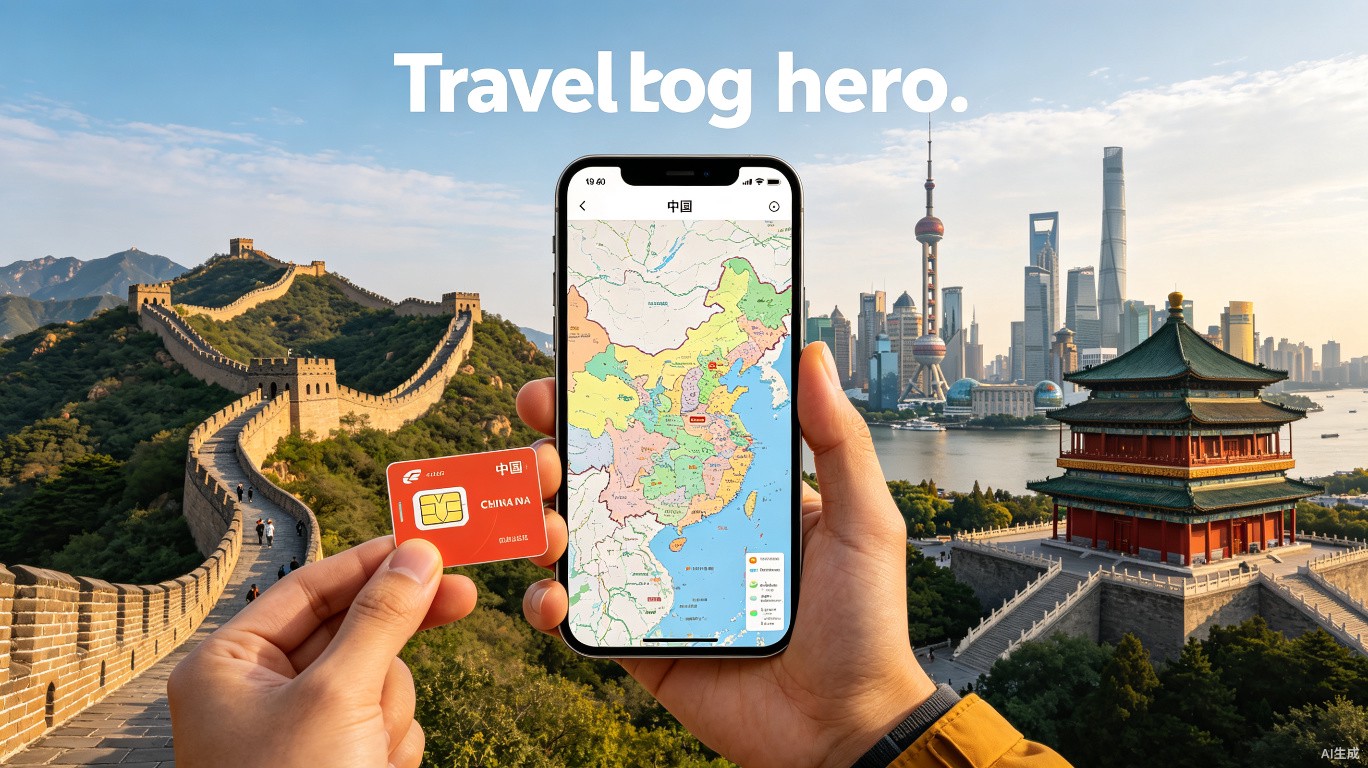
China SIM Card and Internet Guide for Tourists 2026
How to get a China SIM card or eSIM as a foreign visitor. Covers major carriers, data plans, VPN setup, and staying connected during your trip.
17 min read
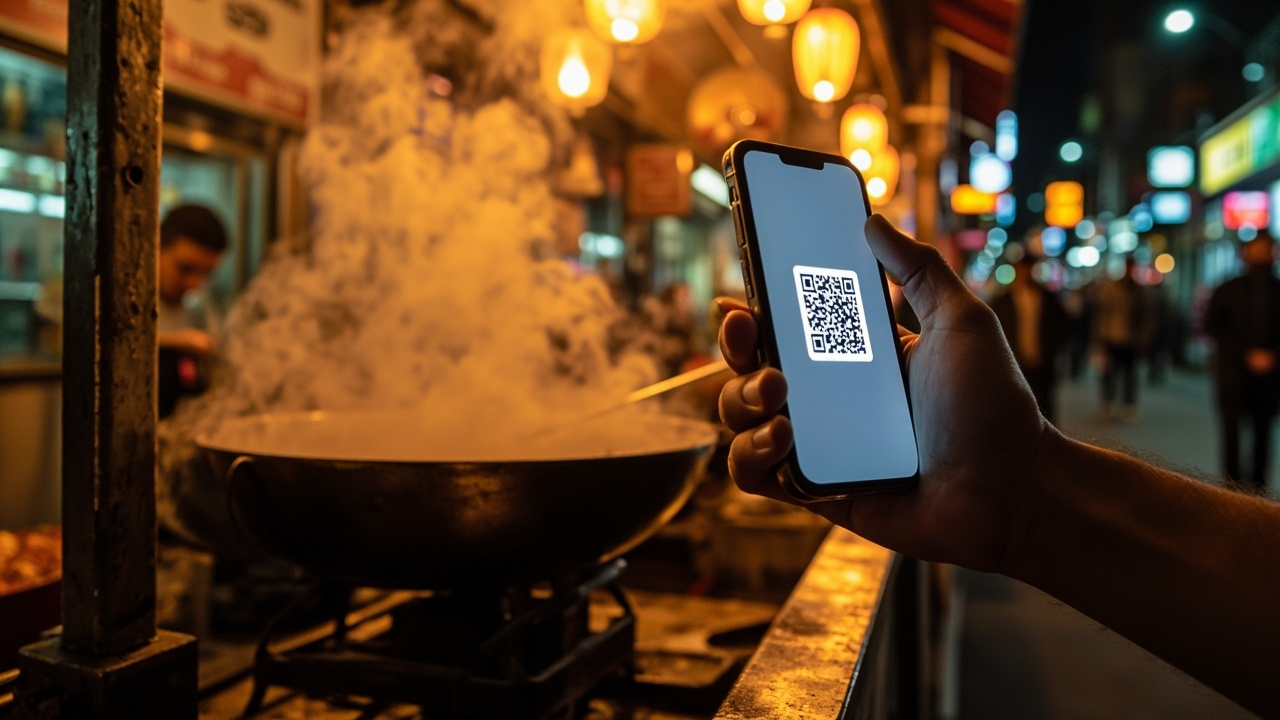
How to Use WeChat Pay as a Foreigner in 2026
Set up WeChat Pay and Alipay as a foreigner in 2026 - step-by-step process with passport, the tourist-only workaround, and what to do if your card keeps getting declined.
20 min read
China SIM Card and WiFi Guide
China SIM Card and WiFi Guide: 2026 guide covers visas, payments, SIM cards, and the practical details foreign visitors get stuck on.
11 min read