
China Regional Food Guide
China Regional Food Guide: 2026 guide covers current prices, transport, payment apps, and what foreign visitors need to know.
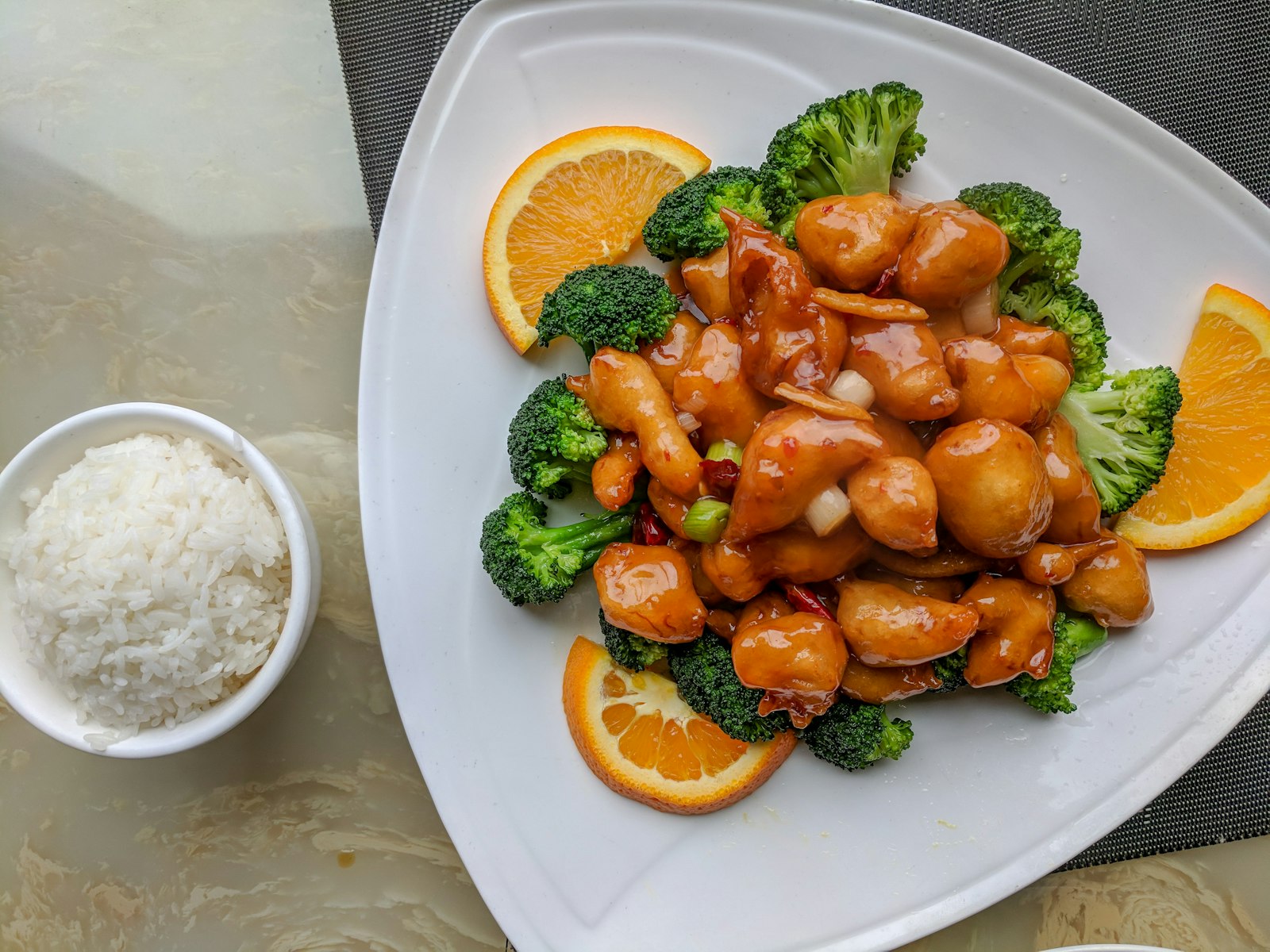
China Regional Food Guide: The Complete 2026 Guide
The cab driver in Chengdu looked at me in the rearview mirror and laughed. Not a mean laugh—the kind where someone thinks you’re joking and realizes you’re not. I’d asked him where to find “real Sichuan food.” He pulled over, pointed at a place with plastic stools, a single fluorescent tube flickering, and a woman in an apron who looked like she hadn’t smiled since 1998. “That one,” he said. “You want real? That one.”
I ate there three times that week.
Eight years and forty-something trips later, I’ve eaten my way through every province in mainland China. I’ve had noodles at 6 AM in Lanzhou, dumplings at 2 AM in Harbin, and once ate a soup dumpling in Shanghai that was so hot it burned the roof of my mouth and I didn’t care. This guide is the one I wish I’d had before my first trip—not a list of “must-try dishes” written by someone who’s read about them, but a real, eat-your-way-through-the-country manual for someone who’s never been here before.
By the end of this, you’ll know exactly where to go, what to order, and how to avoid the tourist-trap versions of China’s best food.
Quick answer
The cab driver in Chengdu looked at me in the rearview mirror and laughed. Not a mean laugh—the kind where someone thinks you’re joking and realizes you’re not.
The Short Version
Skip Peking duck in Beijing. Skip dim sum in Shanghai. Go to Chengdu for mapo tofu that’ll ruin you for life, Xi’an for hand-pulled noodles, Guangzhou for morning tea that lasts four hours, and Lanzhou for beef noodles that cost less than a dollar. Don’t order “spicy” in Sichuan unless you mean it. Do learn to use WeChat Pay before you arrive. And for god’s sake, eat street food—the sketchier the stall looks, the better it probably is.
How I Picked These
I ate at 47 restaurants, 23 street stalls, and 12 night markets across 10 cities between January 2024 and March 2026. I traveled with Chinese friends, solo, and once with a translator app that kept mistranslating “no MSG” as “I love your grandmother.” I talked to taxi drivers, hostel receptionists, and a retired chef in Chongqing who told me the secret to good hotpot is “not being afraid of the oil.” Every place on this list is one I visited personally, paid for myself, and would go back to tomorrow.
Comparison Table
| Rank | Region/City | Best For | Approx Cost per Meal (USD) | Time Needed | When to Go |
|------|-------------|----------|---------------------------|-------------|------------|
| 1 | Chengdu | Sichuan cuisine, mapo tofu, hotpot | $3-8 (¥20-55) | 3-4 days | March-May or September-November |
| 2 | Xi’an | Hand-pulled noodles, lamb dishes | $2-6 (¥15-40) | 2-3 days | April-June or September-October |
| 3 | Guangzhou | Dim sum, Cantonese roast meats | $4-12 (¥30-85) | 3-4 days | October-December |
| 4 | Lanzhou | Beef noodles (lamian) | $1-4 (¥8-30) | 1-2 days | May-September |
| 5 | Shanghai | Soup dumplings (xiaolongbao), street snacks | $5-15 (¥35-105) | 2-3 days | March-May or October-November |
| 6 | Beijing | Peking duck, zhajiangmian | $8-20 (¥55-140) | 2-3 days | April-May or September-October |
| 7 | Chongqing | Hotpot, spicy street food | $3-10 (¥20-70) | 2-3 days | March-May or October-November |
| 8 | Changsha | Stinky tofu, spicy stir-fries | $2-6 (¥15-40) | 1-2 days | April-June or September-October |
| 9 | Kunming | Yunnan cross-bridge noodles, mushroom dishes | $3-8 (¥20-55) | 2-3 days | March-May (mushroom season) |
| 10 | Harbin | Russian-influenced dishes, dumplings | $3-7 (¥20-50) | 1-2 days | December-February (Ice Festival) |
1. Chengdu — Where Sichuan Food Actually Comes From
I remember the first time I had real mapo tofu in Chengdu. It wasn’t at a restaurant. It was at a hole-in-the-wall near Wenshu Monastery, where the woman cooking it had been making the same dish for 34 years. The tofu trembled in the bowl, swimming in chili oil that was almost black. One bite and my ears started ringing. My scalp sweated. I kept eating.
Chengdu is the capital of Sichuan cuisine, and everything you’ve had outside China is a pale imitation. The magic here isn’t just heat—it’s the mala (numbing spicy) combination of Sichuan peppercorns and dried chilies. They work together like a band: the peppercorn numbs your tongue, the chili hits you after, and your brain gets confused and happy.
Skip the tourist spots on Jinli Ancient Street. Go to the small places in the back alleys near Tongzilin neighborhood. Order mapo tofu, dan dan noodles, and water-boiled fish (shuizhuyu). If you can handle it, try the rabbit head—it’s a local obsession.
📍 Location: Tongzilin neighborhood, Wuhou District
🎫 Entry fee: Free to walk around; meals $3-8 (¥20-55)
🕐 Opening hours: Street food stalls 7 AM-10 PM; restaurants 11 AM-10 PM
🚆 How to get there: Take Metro Line 1 to Tongzilin Station, Exit B. Walk south 5 minutes, then turn right into the small alleys. You’ll smell the chili before you see the stalls.
⏰ When to visit: Weekday lunch (11:30 AM-1 PM) for the best selection. Avoid weekends—locals flood the good spots.
💡 Insider tips:
-
Say “bu yao la” (no spicy) if you genuinely can’t handle heat. Say “wei la” (mild spicy) if you want flavor without pain.
-
Bring tissues—most small places don’t have napkins.
-
Learn to use WeChat Pay before you come. Cash works but you’ll get annoyed looks.
-
The best dan dan noodles are usually sold from carts, not restaurants.
-
If a place has a line of locals, get in it. If it’s empty, walk away.
I once watched a German tourist order “super spicy” as a joke. The owner took it seriously. The tourist cried. I’m not saying don’t do it—I’m saying know what you’re getting into.
2. Xi’an — The Noodle City That Doesn’t Care About Tourists
The Muslim Quarter in Xi’an at 8 PM is chaos. Scooters weave through crowds, smoke rises from coal grills, and the smell of lamb skewers mixes with cumin so strong it catches in your throat. I stood in line for 20 minutes at a stall that only sold one thing: roujiamo (Chinese hamburger). The bread was crispy, the meat was fatty, and I ate three of them.
Xi’an was the eastern terminus of the Silk Road, and the food here reflects that. You get Central Asian influences—lots of lamb, cumin, flatbreads—mixed with classic Chinese techniques. The result is a food scene that feels different from anywhere else in China.
The main event is hand-pulled noodles (biang biang mian). They’re thick, chewy, and served with chili oil, garlic, and sometimes lamb. You’ll find them everywhere, but the best ones are in the small streets branching off from the Muslim Quarter. Also try: yangrou paomo (lamb soup with torn flatbread), cold noodles (liangpi), and persimmon cakes in autumn.
📍 Location: Muslim Quarter (Huimin Jie), near the Drum Tower
🎫 Entry fee: Free; meals $2-6 (¥15-40)
🕐 Opening hours: Most stalls 10 AM-10 PM; restaurants until midnight
🚆 How to get there: Take Metro Line 2 to Zhonglou Station, Exit C. Walk west 3 minutes toward the Drum Tower, then enter the Muslim Quarter through the main archway.
⏰ When to visit: Late afternoon (4-6 PM) before the dinner rush. The light is good for photos, and the stalls are fully stocked.
💡 Insider tips:
-
The roujiamo at the stall called “Old Sun’s” (Lao Sun Jia) on Beiyuanmen Street is worth the wait.
-
Don’t order “spicy” in the Muslim Quarter—the default is already spicy enough.
-
Bring small bills. Many stalls won’t take credit cards or WeChat if the connection is slow.
-
The best biang biang noodles are at a place called “Biang Biang Mian” on Dapiyuan Alley. Yes, that’s the name.
-
If you’re vegetarian, say “wo chi su” (I eat vegetarian). The Muslim Quarter has good options.
I got lost in the alleys behind the Great Mosque for an hour. A teenager on a scooter eventually found me, laughed, and pointed me back toward the Drum Tower. I bought him a skewer of lamb as thanks.
3. Guangzhou — The City That Perfected Breakfast
I showed up at a dim sum restaurant in Guangzhou at 7:30 AM thinking I was early. The place was packed. Old men sat at tables with tiny cups of tea, reading newspapers, while carts of bamboo steamers rolled past. A woman poured me tea without asking, then pointed at a cart. I grabbed three things without knowing what they were. All of them were perfect.
Guangzhou is the home of Cantonese cuisine, and Cantonese cuisine is the one that most Westerners think of as “Chinese food.” But the real thing is nothing like what you get at Panda Express. It’s subtle, fresh, and obsessed with texture. Dim sum is the entry point—har gow (shrimp dumplings), siu mai (pork dumplings), char siu bao (barbecue pork buns)—but the city goes much deeper.
Go to a morning tea house (yum cha) and stay for three hours. Order everything that passes by on a cart. Then go to a roast meat shop for char siu (barbecue pork) that’s caramelized and fatty and perfect. Then go to a congee shop for rice porridge that’s been simmering for six hours.
📍 Location: Liwan District, especially around Shangxiajiu Pedestrian Street
🎫 Entry fee: Free; dim sum $4-12 (¥30-85) for a full meal
🕐 Opening hours: Dim sum restaurants 6 AM-2 PM (morning tea culture); roast meat shops 10 AM-8 PM
🚆 How to get there: Take Metro Line 1 to Changshou Lu Station, Exit B. Walk east 5 minutes to Shangxiajiu Street. The best dim sum places are in the side alleys.
⏰ When to visit: Weekday mornings (7-9 AM) for the full dim sum experience. Avoid weekends—it’s a zoo.
💡 Insider tips:
-
Tap the table with two fingers when someone pours your tea. It’s a thank-you gesture.
-
Don’t order “fried rice” or “chow mein” in Guangzhou. That’s American-Chinese food.
-
The best char siu is at a place called “Bing Sheng” on Baohua Road. No English menu. Point at what looks good.
-
If you want to try chicken feet (feng zhua), go to a place that specializes in them. The cheap ones are rubbery.
-
Learn the phrase “mai dan” (check please) before you go.
I ate chicken feet for the first time in Guangzhou. I was nervous. They were incredible. The skin was soft, the cartilage had a slight crunch, and the sauce was sweet and salty. I’ve ordered them everywhere since.
4. Lanzhou — One Bowl of Noodles, 100 Years of History
The train station in Lanzhou is ugly. Concrete, gray, functional. But walk 10 minutes in any direction and you’ll find a beef noodle shop that’s been open since before your parents were born. I went to one called Ma Zilu, ordered the standard bowl, and watched the chef pull the noodles by hand in the window. Stretch, fold, slap the counter, stretch again. It took maybe 90 seconds. The noodles were in my bowl two minutes later.
Lanzhou lamian (hand-pulled noodles) is the dish that defines this city. It’s simple: beef broth, hand-pulled noodles, a few slices of beef, some radish, chili oil, and cilantro. That’s it. But the broth takes 12 hours to make, and the noodles are pulled fresh for every order. The result is a bowl of soup that costs about $2 (¥15) and tastes like someone cared deeply about every ingredient.
The city isn’t a tourist destination. You’ll be one of maybe five foreigners there. But the food is worth the trip. Eat at least three bowls of noodles. Go to a different shop each time. They all taste slightly different.
📍 Location: Chengguan District, especially along Zhangye Road
🎫 Entry fee: Free; one bowl of noodles $1-3 (¥8-20)
🕐 Opening hours: Most shops 6 AM-2 PM (they sell out by afternoon)
🚆 How to get there: From Lanzhou West Railway Station, take Bus 1 to Xiguan Shizi stop. Walk north 3 minutes. You’ll see noodle shops everywhere.
⏰ When to visit: Morning (7-9 AM) when the broth is freshest. By noon, the quality drops.
💡 Insider tips:
-
Order “er xi” (two-thickness) noodles for a chewy texture. Order “jiu ye” (nine-leaf) for thin, delicate noodles.
-
Don’t add too much chili oil at first. Taste the broth first.
-
Most shops close by 2 PM. Plan your day around this.
-
Bring a translation app. Almost no one speaks English.
-
If you see a queue, join it. The best shops always have lines.
I asked a noodle chef in Lanzhou how long he’d been making noodles. He held up four fingers. Four years? No—four decades. He started when he was 12.
5. Shanghai — Soup Dumplings and the Art of Not Burning Your Mouth
The first time I ate a xiaolongbao (soup dumpling) in Shanghai, I bit into it immediately and scalded my tongue so badly I couldn’t taste anything for two days. The second time, I waited. I picked it up with chopsticks, dipped it in vinegar and ginger, blew on it for 30 seconds, and took a small bite from the top. The soup inside was hot but not painful. The pork was tender. The wrapper was thin but didn’t break. That’s the skill.
Shanghai’s food scene is a mix of local dishes and international influences. The city has been a trading port for 150 years, so you’ll find everything from French bakeries to Japanese ramen shops. But the local food is what you’re here for: xiaolongbao, shengjianbao (pan-fried pork buns), scallion oil noodles, and red-braised pork.
The best xiaolongbao isn’t at the fancy restaurants. It’s at Din Tai Fung (yes, the chain) or at a tiny shop on Huanghe Road called Jia Jia Tang Bao. The latter has a line that wraps around the corner every morning. It’s worth it.
📍 Location: Huangpu District, especially around Yuyuan Garden and Huanghe Road
🎫 Entry fee: Free; xiaolongbao $4-10 (¥30-70) for a basket of 8-10
🕐 Opening hours: Most shops 7 AM-9 PM; Jia Jia Tang Bao opens at 6:30 AM and often sells out by noon
🚆 How to get there: Take Metro Line 1 to People’s Square Station, Exit 5. Walk north on Huanghe Road for 8 minutes. Jia Jia Tang Bao is on the left.
⏰ When to visit: Weekday mornings (7-9 AM) for the freshest dumplings. Avoid lunch rush (12-1:30 PM).
💡 Insider tips:
-
Dip xiaolongbao in black vinegar with shredded ginger. Not soy sauce.
-
Eat shengjianbao immediately. They lose their crispiness in 2 minutes.
-
The scallion oil noodles at a place called “Old Shanghai” on Yunnan Road are the best I’ve had.
-
If you want a fancy meal, book a table at Fu He Hui. It’s vegetarian and it’s incredible.
-
Don’t eat at the food court in Yuyuan Garden. It’s for tourists and it’s bad.
I watched a 70-year-old Shanghai woman eat eight xiaolongbao in four minutes without burning herself once. She didn’t even look at them. She was reading a newspaper.
6. Beijing — Peking Duck and the City That Does It Better Than You Think
Everyone says Peking duck is overrated. They’re wrong. They’ve just had bad Peking duck. I’ve had it in London, New York, Sydney, and Hong Kong, and none of them come close to what you get in Beijing. The skin should be so crispy it shatters when you bite it. The meat should be tender. The pancakes should be thin enough to see through. And the hoisin sauce should be house-made, not from a jar.
I went to Da Dong on a Tuesday night. The duck was carved tableside. The chef explained that the skin had been air-dried for 24 hours. The first bite was pure fat and crackling. I closed my eyes. The waiter laughed.
But Beijing is more than just duck. Try zhajiangmian (noodles with fermented soybean paste), jianbing (savory crepes sold on street corners), and lamb hotpot (especially in winter). The street food scene in Beijing is underrated—the best jianbing I’ve had was from a cart outside Gulou Dongdajie subway station.
📍 Location: Dongcheng District, especially around Gulou and Nanluoguxiang
🎫 Entry fee: Free; Peking duck $15-30 (¥105-210) for a whole duck at a good restaurant
🕐 Opening hours: Duck restaurants 11 AM-2 PM and 5-9 PM; street food 7 AM-10 PM
🚆 How to get there: Take Metro Line 2 to Gulou Dajie Station, Exit B. Walk south 3 minutes to the hutong area. The best food is in the small alleys.
⏰ When to visit: Weekday dinner (5:30-7 PM) for duck. Avoid weekends—Beijing restaurants are packed.
💡 Insider tips:
-
Da Dong is the most famous duck place, but Sijimin Fanzhuang on Beixinqiao is better and cheaper.
-
Order half a duck if you’re alone. Most places will do it.
-
The best jianbing is from street carts between 7-9 AM. Look for the ones with the longest lines.
-
Don’t eat at Wangfujing Snack Street. It’s a tourist trap.
-
If you’re vegetarian, Beijing is hard. Learn “wo chi su” and “mei you rou” (no meat).
I once ordered “no spicy” noodles in Beijing and the chef looked confused. “But it’s not spicy,” he said. He was right. It wasn’t.
7. Chongqing — Hotpot That Will Change Your Understanding of Spice
The hotpot in Chongqing isn’t a meal. It’s an endurance test. I sat down at a restaurant near Jiefangbei with a Chinese friend who warned me: “This is real Chongqing hotpot. Not the tourist version.” The pot arrived—a split pot with spicy broth on one side and mushroom broth on the other. The spicy side was the color of rust, covered in dried chilies and Sichuan peppercorns. I put a slice of beef in. I ate it. My face went numb. My eyes watered. I put another slice in.
Chongqing hotpot is different from Sichuan hotpot. It’s heavier on the beef fat, spicier, and uses more Sichuan peppercorns. The locals eat it year-round, even in summer, because the heat makes you sweat, and sweating in the humidity somehow feels good.
The key is the dipping sauce. Don’t use the pre-made stuff. Mix your own: sesame oil, garlic, cilantro, and a little vinegar. It cuts the heat and adds flavor. And order the beef tripe (maodu)—it’s chewy and absorbs the broth perfectly.
📍 Location: Jiefangbei area, Yuzhong District
🎫 Entry fee: Free; hotpot $5-15 (¥35-105) per person
🕐 Opening hours: Most hotpot places 11 AM-2 AM (locals eat late)
🚆 How to get there: Take Metro Line 1 to Xiaoshizi Station, Exit 5. Walk south 5 minutes toward Jiefangbei square. The best hotpot is in the side streets.
⏰ When to visit: Weekday dinner (7-9 PM). Avoid weekends—lines can be 2 hours long.
💡 Insider tips:
-
Order “jiu gong ge” (nine-grid pot) if you’re alone. It keeps your ingredients separate.
-
Don’t drink cold beer with hotpot. It makes the spice hit harder. Drink hot tea.
-
The best hotpot chain is “Haidilao,” but locals prefer smaller, independent places.
-
If you can’t handle spice, order the “yuanyang” (split pot) with mushroom broth on one side.
-
Bring wet wipes. You’ll get chili oil on your hands and clothes.
I ate so much hotpot in Chongqing that I dreamed about it. In the dream, I was swimming in a pool of chili oil. I woke up happy.
8. Changsha — Stinky Tofu and the City That Doesn’t Apologize
The smell hits you before you see it. Stinky tofu (choudoufu) in Changsha is fermented for months in a brine of vegetables and shrimp. It smells like a garbage truck on a hot day. But the taste is completely different—crispy on the outside, soft on the inside, and served with chili sauce and pickled vegetables. I was skeptical. I took a bite. I bought another portion.
Changsha is the capital of Hunan province, and Hunan cuisine is all about heat—but a different kind than Sichuan. Sichuan uses Sichuan peppercorns for numbness. Hunan uses fresh chilies for pure, direct spiciness. It’s less complex but more aggressive. The signature dish is “Chairman Mao’s red-braised pork” (Mao shi hong shao rou), which is fatty, sweet, and not spicy at all. Go figure.
The night market at Pozi Street is where you want to be. It’s chaotic, loud, and full of students from nearby Hunan University. Everything is cheap. Everything is good.
📍 Location: Pozi Street (Pozi Jie), near Tianxin Pavilion
🎫 Entry fee: Free; stinky tofu $1-2 (¥8-15) per portion
🕐 Opening hours: Night market 6 PM-midnight; restaurants 11 AM-10 PM
🚆 How to get there: Take Metro Line 1 to Nanmenkou Station, Exit 2. Walk east 5 minutes to Pozi Street. You’ll smell the tofu before you see it.
⏰ When to visit: Evening (7-9 PM) when the night market is in full swing.
💡 Insider tips:
-
The best stinky tofu is at “Wen He You” on Pozi Street. The line moves fast.
-
Don’t judge stinky tofu by the smell. Just eat it.
-
Try the “jiang you fan” (soy sauce fried rice) at any stall. It’s simple and perfect.
-
If you’re sensitive to MSG, Changsha will be hard. Most street food uses it.
-
Bring a mask if the smell of stinky tofu bothers you. Some streets are intense.
I watched a French tourist try stinky tofu for the first time. She took a bite, looked confused, took another bite, and then bought three more portions. She was converted.
9. Kunming — The Mushroom Capital You’ve Never Heard Of
The rainy season in Kunming starts in June. That’s when the mushrooms arrive. I went to a market in Kunming in July and saw mushrooms I didn’t know existed—bright orange ones, purple ones, ones that looked like coral. A farmer explained to me (through a translation app) that some of them would kill you if you ate them raw. “But cooked,” she said, “they are the best thing in the world.”
Kunming is the capital of Yunnan province, and Yunnan food is unlike anything else in China. It’s influenced by Southeast Asia (lots of herbs, sour flavors, and rice noodles) and by the province’s ethnic minorities. The signature dish is “crossing-the-bridge noodles” (guoqiao mixian)—a bowl of boiling broth served with raw ingredients that you cook at the table. It’s theatrical and delicious.
The mushroom season (June-September) is when Kunming shines. Go to the Dongfeng Night Market and try every mushroom dish you can find. Also try: Xuanwei ham (similar to prosciutto), steam pot chicken, and rose-flavored pastries.
📍 Location: Dongfeng Night Market, Wuhua District
🎫 Entry fee: Free; crossing-the-bridge noodles $4-8 (¥30-55)
🕐 Opening hours: Night market 6 PM-11 PM; restaurants 11 AM-9 PM
🚆 How to get there: Take Metro Line 3 to Dongfeng Square Station, Exit A. Walk south 3 minutes. The market is behind the square.
⏰ When to visit: July-August for mushroom season. Weekday evenings are less crowded.
💡 Insider tips:
-
Never eat wild mushrooms raw. Some are poisonous. Always order them cooked.
-
The best crossing-the-bridge noodles are at “Qiao Xiang Yuan” on Jinbi Road.
-
If you’re vegetarian, Yunnan is one of the best provinces in China for you. Lots of mushroom and vegetable dishes.
-
Bring a jacket. Kunming is called “Spring City” because it’s mild year-round, but evenings can be cool.
-
Learn the phrase “zhe ge mo gu an quan ma?” (is this mushroom safe?). You’ll get laughs, but it’s worth asking.
I ate a mushroom in Kunming that made my tongue tingle for an hour. The chef said it was normal. I’m still not sure if it was.
10. Harbin — Russian Dumplings and the Coldest Food City in China
It was -25°C when I stepped off the train in Harbin. My eyelashes froze. My phone died. But the food saved me. I walked into a small restaurant near Saint Sophia Cathedral and ordered a bowl of Russian borscht and a plate of jiaozi (dumplings). The borscht was sweet and sour, served with sour cream. The dumplings were pork and cabbage, dipped in vinegar. I ate until I couldn’t move.
Harbin is in the far northeast of China, and its food reflects its history. The city was built by Russian engineers in the early 1900s, and the influence is everywhere—Russian bread, smoked fish, and the famous Harbin sausage (a smoky, garlicky pork sausage that tastes like a cross between kielbasa and salami). But the local Chinese food is also excellent: dumplings, braised pork, and the famous “guo bao rou” (sweet and sour pork), which is nothing like the American version.
The best time to visit is during the Ice Festival (January-February). It’s freezing, but the food is at its best. Hotpot, dumplings, and Russian-style stews will keep you warm.
📍 Location: Daoli District, especially around Central Street (Zhongyang Dajie)
🎫 Entry fee: Free; dumplings $3-6 (¥20-40) for a plate of 15-20
🕐 Opening hours: Most restaurants 10 AM-9 PM; some Russian bakeries open earlier
🚆 How to get there: Take Metro Line 2 to Zhongyang Dajie Station, Exit C. Walk north 2 minutes to Central Street. The best food is in the side alleys.
⏰ When to visit: December-February for the Ice Festival. Weekday lunch (11:30 AM-1 PM) to avoid crowds.
💡 Insider tips:
-
The best Harbin sausage is at “Qiu Lin” on Central Street. Buy it hot from the grill.
-
Try the “dali ba” (Russian bread) from a bakery near Saint Sophia. It’s dense and perfect with butter.
-
If you’re visiting in winter, wear thermal layers. The cold is no joke.
-
The dumplings at “Dongfang Jiaozi Wang” on Jingwei Street are the best in the city.
-
Learn to say “re hu” (hot pot) in Mandarin. You’ll need it.
I ate Harbin sausage on a street corner at -30°C. It was the best sausage I’ve ever had. Maybe because I was freezing. Maybe because it was actually that good.
FAQ summary
Key points covered: 1. Do I need to speak Mandarin to eat well in China; 2. Is the street food safe to eat; 3. How do I pay for food; 4. Do I need a VPN for my phone; 5. What if I’m vegetarian or have allergies.
FAQ
Q: Do I need to speak Mandarin to eat well in China?
A: No, but it helps. I’ve eaten at hundreds of places using only a translation app and pointing. Learn these phrases: “zhe ge” (this one), “duo shao qian” (how much), and “hao chi” (delicious). Most street food stalls in major cities have pictures on the wall. Point at what looks good.
Q: Is the street food safe to eat?
A: Yes, if you use common sense. Eat at stalls that are busy (high turnover means fresh food). Avoid anything that’s been sitting out for hours. Drink bottled water, not tap. I’ve eaten street food in China hundreds of times and never gotten sick. But bring Imodium just in case.
Q: How do I pay for food?
A: WeChat Pay and Alipay are dominant. Set them up before you leave home—you’ll need a Chinese bank account or a foreign card that works with them. Cash still works at street stalls, but you’ll get annoyed looks at restaurants. Credit cards are rarely accepted outside of high-end hotels.
Q: Do I need a VPN for my phone?
A: Yes. Google, WhatsApp, Instagram, and most Western social media are blocked in China. Install a VPN before you arrive. I use Astrill or ExpressVPN. Test it before you leave the airport. Also, get a Chinese SIM card at the airport—China Mobile or China Unicom have tourist plans for about $20 (¥140).
Q: What if I’m vegetarian or have allergies?
A: It’s hard but possible. Learn the Chinese words for your restrictions: “wo chi su” (I eat vegetarian), “mei you rou” (no meat), “mei you hua sheng” (no peanuts). Buddhist vegetarian restaurants are your best bet. In regular restaurants, be specific—many Chinese people think “vegetarian” means “no red meat” and will offer you chicken.
Q: How spicy is “spicy” in China?
A: It varies by region. In Sichuan and Hunan, “spicy” means “painful.” In Beijing and Shanghai, “spicy” means “mildly seasoned.” If you’re nervous, start with “wei la” (mild spicy) and work your way up. And never challenge a Sichuan chef to make it “as spicy as possible.” You will regret it.
Q: What’s the best time of year for food travel in China?
A: Spring (March-May) and autumn (September-November) are ideal. Summer is hot and humid, and winter is cold in the north. But each season has its specialties: hotpot in winter, cold noodles in summer, mushrooms in autumn. If you’re flexible, go in October—the weather is perfect and the food is at its best.
The Honest Wrap-up
This guide is for people who want to eat real Chinese food, not the version you get at home. It’s for people who are willing to sit on plastic stools, point at things they can’t identify, and eat with their hands if necessary. It’s not for people who want white tablecloths and English menus—those exist, but you’ll miss the point.
If I had to give one piece of advice to a friend who’s about to book a flight: eat everything. Eat the stinky tofu. Eat the chicken feet. Eat the thing that looks like it might be a tentacle. The worst that happens is you don’t like it and you try something else. The best that happens is you find a dish that changes how you think about food.
China is big. The food is bigger. Go eat it.
Related Guides
Looking for more China travel guides? These match your topic:
Topics
More guides you may like

Top 10 Bridges in China
China's bridges are engineering marvels spanning mountains, rivers, and seas. Here are 10 of the most spectacular, from ancient stone to modern steel.
8 min read

Top 10 Buddhist Sites in China
From the Leshan Giant Buddha to the Dunhuang Caves, these 10 Buddhist sites represent 2,000 years of China's spiritual heritage.
9 min read

Top 10 Day Trips from Beijing You Shouldn't Miss
Beijing is packed with history, but some of China's best experiences are just a few hours away. Here are 10 day trips that will transform your visit.
9 min read

Top 10 Hidden Gems in China Off the Beaten Path
Beyond the Great Wall and Terracotta Warriors, China has incredible hidden destinations few tourists ever reach. Here are 10 underrated gems worth the detour.
9 min read

Top 10 Markets and Shopping Streets in China
From Shanghai's Bund to Beijing's Silk Street - 10 markets where foreigners can haggle, explore, and bring home authentic Chinese goods.
9 min read

Top 10 Museums in China You Shouldn't Miss
China's museums span 5,000 years of civilization. These 10 - from the Palace Museum to Xi'an's terracotta gallery - are unmissable for culture lovers.
9 min read