
Wuzhen Water Town Day Trip Guide
Wuzhen Water Town Day Trip Guide: 2026 guide covers current prices, transport, payment apps, and what foreign visitors need to know.
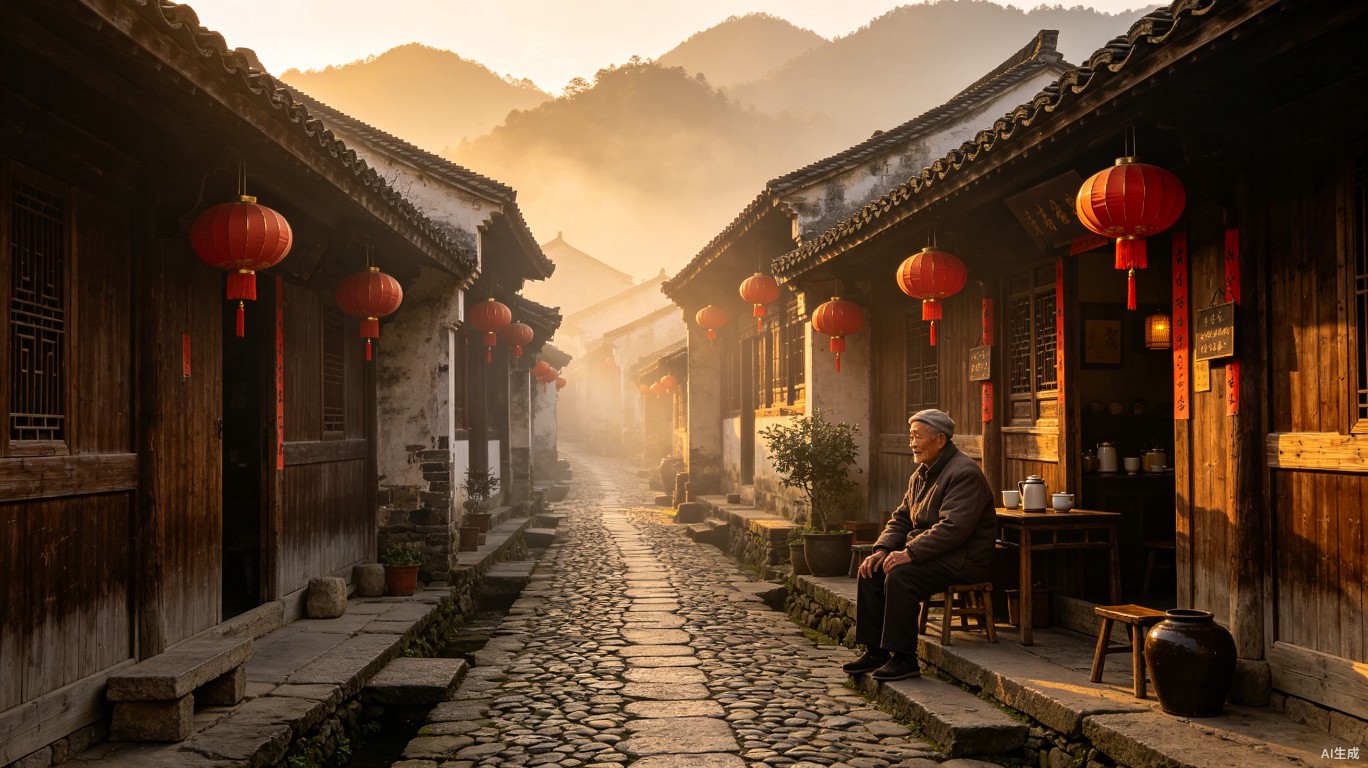
The cab driver laughed at me when I asked to be dropped at the main entrance of Wuzhen’s West Scenic Zone. It was a grey Tuesday morning in late October, and rain was coming sideways off the canal. He pointed through the windshield at a tiny alley I would have missed entirely—just a gap between two whitewashed walls with a single red lantern swaying in the wet wind. “That’s the real way in,” he said in Mandarin. “Tourists use the big gate. Locals use this one.” I ducked under the low arch, and within ten seconds, the tour buses disappeared. I was standing on a stone bridge over a canal so still it mirrored the grey sky perfectly. An old woman was washing greens in the water. A man on a bamboo pole boat glided past without a sound. That’s Wuzhen for you—a water town that can feel like a theme park at noon and a forgotten Ming dynasty village at 7 AM. This guide will tell you how to find the second one.
Quick answer
Wuzhen is the most accessible and best-preserved water town from Shanghai or Hangzhou, reachable in 90 minutes by high-speed rail or 2 hours by bus. As of 2026, most US, UK, Australian, and EU passport holders can visit visa-free for up to 15 days, making a day trip straightforward. Budget $50-80 (—60-580 CNY) per person including transport, entry fees, and a canal boat ride. Go on a weekday, arrive before 9 AM, and skip the East Scenic Zone entirely—West Scenic Zone is where the real experience lives.
The Short Version
If you only have time for one water town near Shanghai, make it Wuzhen. Skip the East Scenic Zone (too crowded, too touristy). Spend your day in the West Scenic Zone, which is larger, less packed, and actually has working canals with real boat traffic. Arrive before 9 AM to see the town without the crowds. Take a canal boat at dusk. Stay for the night market. Don’t bother with the museums—they’re mediocre. The magic is in the alleys and the bridges.
How I Picked These
I’ve been to Wuzhen seven times over six years—alone, with friends, with my parents when they visited from the UK. I’ve done the tourist bus tour (regret it), the private driver (better), and the high-speed rail (best). I’ve stayed overnight twice, once in a canal-side guesthouse that cost $120 and once in a hostel bunk that cost $15. I’ve had meals that cost $3 and meals that cost $60. I’ve talked to boatmen, shopkeepers, and the old ladies who sell sesame candy from baskets. This guide is the result of all those trips, plus a spreadsheet I keep of prices and schedules because I’m that person.
Comparison Table
| Rank | Place | Best For | Approx Cost (USD) | Time Needed | When to Go |
|------|-------|----------|-------------------|-------------|------------|
| 1 | West Scenic Zone (Xizha) | The real water town experience | $22 (150 CNY) entry | 4-6 hours | Weekday, arrive 8:30 AM |
| 2 | Canal Boat Ride at Dusk | Atmosphere and photos | $8 (60 CNY) per person | 25 minutes | 4:30-5:30 PM |
| 3 | Night Market by the Bridge | Local street food | $5-15 (35-110 CNY) | 1 hour | After 6 PM |
| 4 | East Scenic Zone (Dongzha) | If you must see both | $18 (120 CNY) entry | 2-3 hours | Skip unless you have 2 days |
| 5 | Mu Xin Art Museum | Art lovers only | $3 (20 CNY) | 45 minutes | Mid-afternoon heat |
| 6 | Old Post Office | Quirky photo stop | Free | 10 minutes | Anytime |
| 7 | Baosheng Bridge | Best canal photo spot | Free | 15 minutes | Golden hour |
| 8 | Theatrical Performance Stage | Traditional opera | Free with entry | 30 minutes | 2 PM show |
| 9 | Silk Workshop | Hands-on craft demo | $5 (35 CNY) | 30 minutes | Morning |
| 10 | Zhaoming Academy | Quiet escape from crowds | Free with entry | 20 minutes | Late afternoon |
West Scenic Zone (Xizha) — The One You Actually Want
I walked into the West Scenic Zone at 8:15 AM on a Wednesday and had the entire main canal to myself for exactly 17 minutes. A boatman was smoking a cigarette on his empty boat. A cat was sleeping on a stone step. The only sound was water lapping against the mossy walls. By 9 AM, the first tour group arrived. By 10 AM, it was shoulder-to-shoulder on the main bridge. But those 17 minutes? Worth every penny.
This is the larger, better-maintained, and more atmospheric of Wuzhen’s two scenic zones. It was restored in the early 2000s with a level of care that’s rare in China’s tourism industry—old stonework preserved, canals dredged, traditional wood-frame buildings stabilized without being Disneyfied. The ticket system is smart: you buy one entry pass and can come and go all day. The canals actually have working boats that transport goods, not just tourists. The alley network is a maze you want to get lost in.
📍 Location: Wuzhen Town, Tongxiang City, Jiaxing, Zhejiang Province. About 130 km southwest of Shanghai.
🎫 Entry fee: $22 (150 CNY) for West Zone only. Combo ticket with East Zone is $30 (200 CNY). Don’t buy the combo unless you have two days.
🕒 Opening hours: 8:00 AM to 10:00 PM (last entry 9:30 PM). The town is open late, but most shops close by 9 PM.
🚇 How to get there: From Shanghai Hongqiao Station, take the high-speed train to Tongxiang Station (40 minutes, $12/85 CNY). From Tongxiang Station, take Bus K282 (1 hour, $1.50/10 CNY) directly to Wuzhen West Scenic Zone. The bus stop is right outside the train station exit. Alternatively, a Didi (Chinese Uber) from Tongxiang Station costs $10-15 (70-110 CNY) and takes 30 minutes.
⏰When to visit: Weekday mornings before 9 AM. November through March has fewer tourists. Avoid Chinese national holidays (Golden Week in October, Spring Festival in January/February) like the plague.
💡 Insider tips: (1) Enter through the side gate near the post office, not the main entrance. The main entrance funnels you into the tourist gauntlet. (2) Buy your ticket online through WeChat or Trip.com to skip the queue. (3) The free shuttle boat that takes you from the entrance to the far end of the zone is worth taking—it gives you a 15-minute canal ride for free. (4) Bring cash for the old ladies selling snacks—they don’t take WeChat Pay. (5) The public restrooms are surprisingly clean and have free WiFi.
I met a boatman named Old Chen who’s been poling on these canals for 22 years. He told me the water was clean enough to drink when he was a kid. Now it’s clean enough to swim in, he said, laughing. “But don’t drink it.”
Canal Boat Ride at Dusk — The 25 Minutes You’ll Remember
The light turns golden at 4:47 PM in November. I know this because I was sitting on Baosheng Bridge, watching it happen. The canal turned into a sheet of liquid copper. The boatman started his last run of the day, his bamboo pole dipping into the water with a soft splash. A woman in a blue print dress leaned out a window to take a photo. For 25 minutes, the entire town felt like a painting someone forgot to finish.
The canal boat ride is the single best thing you can do in Wuzhen. It’s not a thrill ride—it’s slow, quiet, and meditative. The boat holds six people max. The boatman stands at the back, poling silently. You glide under stone bridges, past washing hung out to dry, past tea houses where old men play mahjong. The dusk timing is critical: you want to be on the water when the lights come on and the sky turns deep blue.
📍 Location: Boat dock at the main canal in West Scenic Zone, near the entrance.
🎫 Cost: $8 (60 CNY) per person for the standard route. $15 (110 CNY) for the longer route that goes to the far end of the zone.
🕒 Hours: Boats run from 8:30 AM to 5:00 PM (last departure). In summer, they extend to 6:00 PM.
🚇 How to get: Walk to the main dock near the entrance. Buy tickets at the booth. Don’t queue at the smaller docks—they have fewer boats and longer waits.
⏰When to visit: Aim for 30 minutes before sunset. Check the sunset time on your phone. In summer, that’s 6:30-7:00 PM. In winter, 4:30-5:00 PM.
💡 Insider tips: (1) The front of the boat has the best view. (2) Bring a jacket—it gets cold on the water. (3) Don’t take the ride at noon. The sun is harsh, and the boats queue up. (4) If you’re solo, you might get paired with strangers. That’s fine—I’ve had great conversations this way. (5) Tip the boatman 10-20 CNY if he does a good job. He won’t expect it, but he’ll appreciate it.
I made the mistake of taking the noon boat on my first visit. The sun was blinding, the boat was full of loud tourists, and I got sunburned on my left arm. Learn from me.
Night Market by the Bridge — Where the Locals Eat
The night market in Wuzhen doesn’t start until the tour buses leave. Around 6 PM, the day-trippers filter out, and the town exhales. By 7 PM, the main bridge near the post office transforms. A dozen stalls appear from nowhere—folded tables, portable stoves, plastic stools. The smell of sesame oil, garlic, and grilled fish fills the air. I ate there three nights in a row during my last visit. My stomach still thanks me.
This isn’t a tourist market. It’s where the people who work in Wuzhen eat after their shifts. The food is simple and excellent: stinky tofu (trust me, try it), grilled river fish, scallion pancakes, and a local specialty called “three treasures” (three types of tofu in a spicy broth). Prices are absurdly low. A full meal costs $3-5 (20-35 CNY). The best stall is the third one from the bridge—run by a grandmother who doesn’t speak a word of English but will smile at you and add extra tofu.
📍 Location: The bridge near the Old Post Office in West Scenic Zone. You’ll see the smoke and lights.
🎫 Cost: $3-10 (20-70 CNY) per person for a full meal.
🕒 Hours: 6:00 PM to 10:00 PM, but stalls start packing up around 9:30 PM.
🚇 How to get: Walk to the Old Post Office (it’s on the main canal). Cross the bridge. The market is on the far side.
⏰When to visit: 7:30 PM is the sweet spot—the crowd is settled, the food is fresh, and the temperature has dropped.
💡 Insider tips: (1) Bring cash. Most stalls don’t take cards or WeChat Pay. (2) Point at what you want. The vendors are used to non-Chinese speakers. (3) Try the stinky tofu. It smells like old socks but tastes like heaven. (4) Don’t sit at the first stall you see. Walk the whole market first. (5) The grilled river fish is the best thing on offer—order two.
I watched a teenage boy negotiate with the tofu grandma for five minutes over an extra piece of tofu. She won. He paid full price. He looked happy about it.
East Scenic Zone (Dongzha) — The Overrated One
I’ll be honest: I don’t like the East Scenic Zone. It’s smaller, more crowded, and feels like a movie set. The buildings are restored but sterile. The canals are narrow and clogged with tourist boats. The shops sell the same mass-produced souvenirs you see in every Chinese tourist attraction. I walked through it in 45 minutes and felt like I’d seen everything.
That said, if you have two days in Wuzhen, it’s worth a quick visit. It has a few things the West Zone doesn’t: a working silk workshop where you can see the entire process from cocoon to fabric, a small folk museum with old farming tools, and a few quieter corners if you venture off the main path. But if you only have one day, skip it. Spend your time in the West Zone instead.
📍 Location: East side of Wuzhen, about 1 km from the West Zone.
🎫 Entry fee: $18 (120 CNY) for East Zone only. Combo ticket with West Zone is $30 (200 CNY).
🕒 Opening hours: 7:00 AM to 6:00 PM (closes earlier than West Zone).
🚇 How to get: Free shuttle bus runs between East and West Zones every 15 minutes. Or walk—it’s a pleasant 15-minute stroll along the canal.
⏰When to visit: If you must go, go early (7 AM) before the crowds. By 10 AM, it’s a zoo.
💡 Insider tips: (1) The silk workshop is the only reason to come here. (2) Don’t eat at the restaurants inside the zone—they’re overpriced and mediocre. (3) The folk museum has a cool collection of old sedan chairs. (4) The main street is a trap. Go into the side alleys. (5) Exit through the back gate—it leads to a quiet residential area with real life.
I met a French couple who had spent three hours in the East Zone and were furious about it. “It’s a theme park,” the husband said. “We should have listened to our guidebook.” I didn’t tell them I wrote guidebooks.
Mu Xin Art Museum — For the Art Snobs (Including Me)
The Mu Xin Art Museum is a beautiful building that houses the work of a writer and painter I’d never heard of before visiting. Mu Xin (1927-2011) was a Chinese artist who spent 20 years in prison during the Cultural Revolution and emerged to create delicate, minimalist ink paintings and poetic essays. The museum is a glass-and-concrete box that sits on the water like a floating lantern. Inside, it’s quiet, cool, and almost empty.
The art is good—not great, but good. Mu Xin’s landscapes are spare and meditative, with a Japanese influence that feels out of place in a Chinese water town. The real reason to visit is the building itself. Designed by architect Lin Bing, it’s a masterclass in how to make a modern structure feel ancient. The light changes throughout the day. The reflections on the water shift. It’s worth 45 minutes of your time.
📍 Location: Inside West Scenic Zone, near the main entrance on the left.
🎫 Entry fee: $3 (20 CNY) on top of the West Zone ticket.
🕒 Opening hours: 9:00 AM to 5:00 PM (closed Mondays).
🚇 How to get: Enter West Zone, turn left at the main canal, walk 200 meters. You can’t miss the glass building.
⏰When to visit: Mid-afternoon, when the sun is high and the light floods the gallery.
💡 Insider tips: (1) No photography inside the galleries. (2) The gift shop has excellent postcards. (3) The cafe has decent coffee—rare in Wuzhen. (4) Go on a rainy day. The building looks better in the rain. (5) Read a bit about Mu Xin before you go. The art makes more sense with context.
I spent 20 minutes staring at one painting—a single boat on a grey river, with a line of poetry written in tiny characters along the edge. I still don’t know what it said, but I felt something.
Old Post Office — The Quirky Photo Stop
The Old Post Office is a tiny building from the Qing dynasty that still operates as a working post office. You can buy a stamp and send a postcard from here. The postmark says “Wuzhen” in elegant calligraphy. The building itself is nothing special—a two-story wooden structure with a red mailbox outside—but it’s become a sort of pilgrimage site for travelers who want to send a piece of the town home.
I sent a postcard to my mother from here. It arrived six weeks later, covered in Chinese stamps and a smudged postmark. She framed it. That’s the appeal of this place: it’s not about the building, it’s about the act. Plus, it’s free, which is rare in Wuzhen.
📍 Location: Main canal in West Scenic Zone, near the central bridge.
🎫 Entry fee: Free.
🕒 Opening hours: 9:00 AM to 5:00 PM.
🚇 How to get: Walk along the main canal. You’ll see the red mailbox and a small queue of tourists taking photos.
⏰When to visit: Anytime. It’s never crowded.
💡 Insider tips: (1) Buy your postcard inside—they have nice designs. (2) International stamps cost about $1 (7 CNY). (3) Write the address in English and Chinese if you can. (4) The postmark is worth the wait. (5) Don’t expect the postcard to arrive quickly. Mine took six weeks.
I watched a Japanese tourist spend 15 minutes choosing the perfect postcard. She finally picked one with a photo of the canal at dusk. Good choice.
Baosheng Bridge — The Best Photo Spot in Town
Every water town has that one bridge that everyone photographs. In Wuzhen, it’s Baosheng Bridge. It’s a simple stone arch bridge in the middle of West Zone, with a perfect view of the canal curving into the distance. The buildings on either side are old and slightly crooked. The reflections in the water are flawless on a calm day. I’ve taken probably 200 photos from this spot. About three of them are good.
The trick is timing. At noon, the bridge is packed with tourists taking selfies. At 7 AM, it’s empty. At sunset, it’s magical but crowded. My favorite time is 5:30 PM in winter, when the sun is low and the lights start coming on in the houses. The bridge itself is nothing special—it’s just a bridge—but the view from the top is the best in town.
📍 Location: West Scenic Zone, about 300 meters from the main entrance.
🎫 Entry fee: Free (included in West Zone ticket).
🕒 Opening hours: Always accessible.
🚇 How to get: Walk along the main canal. You’ll see the bridge with the highest arch and the most people on it.
⏰When to visit: Sunrise (7 AM in summer, 6:30 AM in winter) or sunset (30 minutes before).
💡 Insider tips: (1) Bring a tripod if you want long exposure shots. (2) The best angle is from the canal bank, not from the bridge itself. (3) Wait for a boat to pass through the arch. (4) In foggy weather, the photos look like ink paintings. (5) Don’t stay too long—the spot is small and other people want it.
I once stood on this bridge for 45 minutes waiting for the perfect shot. A Chinese grandfather tapped me on the shoulder and showed me his photo on his phone. It was better than mine. He smiled and walked away.
Theatrical Performance Stage — Traditional Opera for the Curious
The performance stage in West Zone is a wooden platform built over the water, where a troupe of local actors performs traditional Chinese opera every afternoon. The shows are short (30 minutes), free, and delightfully weird. The singing is high-pitched and nasal. The costumes are elaborate. The plots are incomprehensible to non-Chinese speakers. But the atmosphere is wonderful.
I sat through a performance of “The Peony Pavilion” (I think) and understood exactly nothing of the story. But the old Chinese women in the audience were crying. The actors moved with a precision that took decades to learn. The music—a mix of strings and percussion—was haunting. It’s not for everyone, but if you’re curious about traditional Chinese culture, this is a low-commitment way to experience it.
📍 Location: West Scenic Zone, near the main canal. Look for the stage with the red curtains.
🎫 Entry fee: Free with West Zone ticket.
🕒 Hours: Performances at 2:00 PM and 4:00 PM daily. Check the schedule at the information desk.
🚇 How to get: Walk along the main canal. You’ll hear the music before you see the stage.
⏰When to visit: The 2:00 PM show is less crowded. The 4:00 PM show has better light for photos.
💡 Insider tips: (1) Sit on the stone steps facing the stage. (2) Don’t try to understand the story—just watch the movement. (3) The actors appreciate applause. (4) Bring earplugs if you’re sensitive to high-pitched sounds. (5) The best seats are on the left side, near the musicians.
I sat next to an elderly Chinese man who was mouthing along to the lyrics. When the show ended, he turned to me and said, in English, “Very sad story. She dies for love.” Then he walked away.
Silk Workshop — Hands-On History
The silk workshop in East Zone is the one thing I’d recommend if you visit that side. It’s a small, working workshop where you can see the entire silk-making process, from silkworm cocoons to finished fabric. The old women who work here have been doing it for decades. Their hands move with a speed that seems impossible. They don’t look at what they’re doing—they just do it.
You can try it yourself. I attempted to pull silk threads from a cocoon and failed miserably. The old woman running the station laughed at me, took the cocoon, and did it in three seconds. She let me try again. I failed again. She patted my hand and said something in the local dialect that I’m pretty sure was “not everyone can do this.” Fair enough.
📍 Location: East Scenic Zone, near the main entrance.
🎫 Entry fee: $5 (35 CNY) for the hands-on experience. Watching is free.
🕒 Hours: 8:00 AM to 5:00 PM.
🚇 How to get: Enter East Zone, turn right at the first intersection. Follow the sound of looms.
⏰When to visit: Morning, when the workers are fresh and the light is good.
💡 Insider tips: (1) The cocoons are boiled in hot water—don’t touch the pot. (2) The finished silk scarves are for sale and make excellent gifts. (3) Bargaining is acceptable but keep it gentle. (4) The workers speak only local dialect, so use gestures. (5) The experience takes 15-20 minutes.
I bought a silk scarf from the workshop for $8 (60 CNY). It’s the softest thing I own. I wear it on cold flights.
Zhaoming Academy — The Quiet Escape
Zhaoming Academy is a small, walled compound in West Zone that was once a private school for the sons of wealthy merchants. It’s a cluster of courtyards with old trees, stone tables, and a tiny pond with goldfish. There are no shops here, no food stalls, no loudspeakers. Just silence and shade. I came here to escape the crowds and ended up staying for an hour, reading a book I’d brought.
The academy is named after Xiao Tong (501-531 AD), a prince who compiled one of China’s earliest literary anthologies. The connection is tenuous—the building is from the Qing dynasty, not the 6th century—but the name gives it a scholarly air. The main hall has a small exhibition on the history of education in the region. It’s dry but interesting if you’re a nerd like me.
📍 Location: West Scenic Zone, in a side alley off the main canal. Look for the sign in Chinese and English.
🎫 Entry fee: Free with West Zone ticket.
🕒 Hours: 8:00 AM to 5:00 PM.
🚇 How to get: Walk along the main canal until you see a narrow alley with a stone arch. Go through the arch. The academy is at the end.
⏰When to visit: Late afternoon, when the main canal is at its most crowded and you need a break.
💡 Insider tips: (1) Bring a book. The courtyard is perfect for reading. (2) The goldfish pond is a good spot for photos. (3) There’s a small tea room that’s rarely open—check if it is. (4) The stone tables are great for a picnic. (5) This is the best place in Wuzhen to escape the rain.
I sat on a stone bench in the courtyard, reading a novel, while rain dripped off the eaves. A cat came and sat next to me. We stayed there for 20 minutes, not speaking.
FAQ summary
Wuzhen is a 90-minute high-speed rail ride from Shanghai or Hangzhou, making it the easiest water town for a day trip. The West Scenic Zone (Xizha) costs $22 (150 CNY) and is far superior to the East Zone. Visit on a weekday, arrive before 9 AM, and take the canal boat ride at dusk for the best experience. Most international visitors can enter visa-free for up to 15 days as of 2026. Bring cash for street food, set up WeChat Pay for larger purchases, and download a translation app—English is limited outside the main tourist areas.
FAQ
Q: How do I get from Shanghai to Wuzhen?
A: Take the high-speed train from Shanghai Hongqiao Station to Tongxiang Station (40 minutes, $12/85 CNY). From Tongxiang, take Bus K282 (1 hour, $1.50/10 CNY) or a Didi ($10-15/70-110 CNY) directly to Wuzhen West ScenicZone. Total time: about 2 hours.
Do I need a visa for Wuzhen?
As of 2026, most US, UK, Australian, Canadian, and EU passport holders can visit visa-free for up to 15 days. This covers a day trip easily. Check the latest policy on the Chinese embassy website before you go.
Is one day enough for Wuzhen?
Yes. One day is enough to see the West Scenic Zone thoroughly, take the canal boat ride, eat at the night market, and get back to Shanghai by 10 PM. Two days is better if you want to stay overnight and see the town at sunrise.
Which is better: East or West Zone?
West Zone, without question. It’s larger, better preserved, less crowded, and has the night market. East Zone is smaller and more touristy. Only visit East Zone if you have two days.
Can I use my credit card in Wuzhen?
Not reliably. Set up WeChat Pay or Alipay before you go—they’re accepted everywhere. Bring about $30 (200 CNY) in cash for street food, tips, and small purchases.
Is English spoken in Wuzhen?
Limited. The ticket office and main hotels have English-speaking staff. Most shopkeepers and food vendors speak only Chinese. Download Google Translate or Pleco on your phone before you go.
What should I wear to Wuzhen?
Comfortable walking shoes—the streets are stone and uneven. In summer, light clothing and a hat. In winter, a warm jacket and scarf. The canals make the air humid, so bring a light rain jacket year-round.
The Honest Wrap-up
Wuzhen is not a hidden gem. It’s a famous tourist destination that gets crowded, commercial, and occasionally frustrating. But it’s famous for a reason. The canals are genuinely beautiful. The architecture is well-preserved. The night market is excellent. And if you time it right—early morning, weekday, off-season—it can feel like stepping into a painting.
This guide is for the traveler who wants to see the real Wuzhen, not the one on the brochure. It’s for the person who’s willing to wake up early, get lost in alleys, eat stinky tofu from a plastic bowl, and sit on a stone bridge watching the light change. If that sounds like you, go. If you want air conditioning and English menus and a sanitized experience, stay in Shanghai.
One final piece of advice: when you’re standing on Baosheng Bridge at dusk, watching the canal turn gold, put your phone down for a minute. Just watch. That’s the part you’ll remember.
Related Guides
Looking for more China travel guides? These match your topic:
Topics
More guides you may like
Top 10 Bridges in China
China's bridges are engineering marvels spanning mountains, rivers, and seas. Here are 10 of the most spectacular, from ancient stone to modern steel.
8 min read

Top 10 Buddhist Sites in China
From the Leshan Giant Buddha to the Dunhuang Caves, these 10 Buddhist sites represent 2,000 years of China's spiritual heritage.
9 min read
Top 10 Day Trips from Beijing You Shouldn't Miss
Beijing is packed with history, but some of China's best experiences are just a few hours away. Here are 10 day trips that will transform your visit.
9 min read
Top 10 Hidden Gems in China Off the Beaten Path
Beyond the Great Wall and Terracotta Warriors, China has incredible hidden destinations few tourists ever reach. Here are 10 underrated gems worth the detour.
9 min read
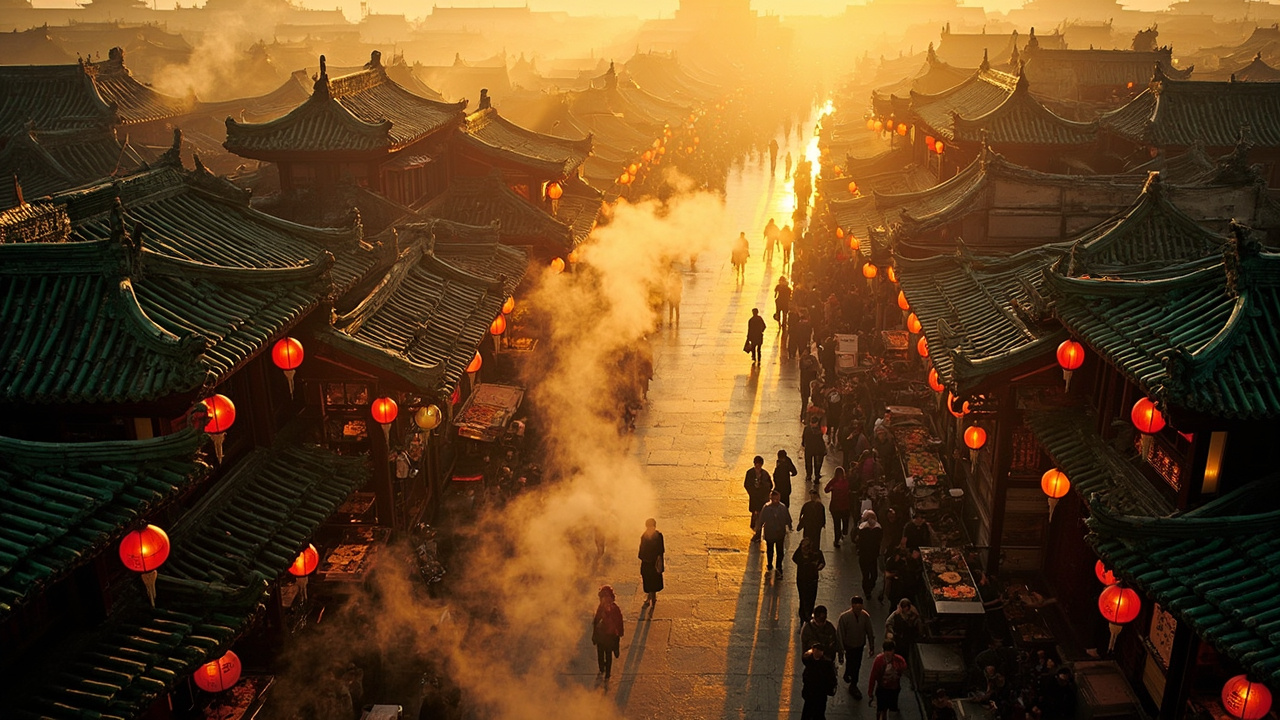
Top 10 Markets and Shopping Streets in China
From Shanghai's Bund to Beijing's Silk Street - 10 markets where foreigners can haggle, explore, and bring home authentic Chinese goods.
9 min read
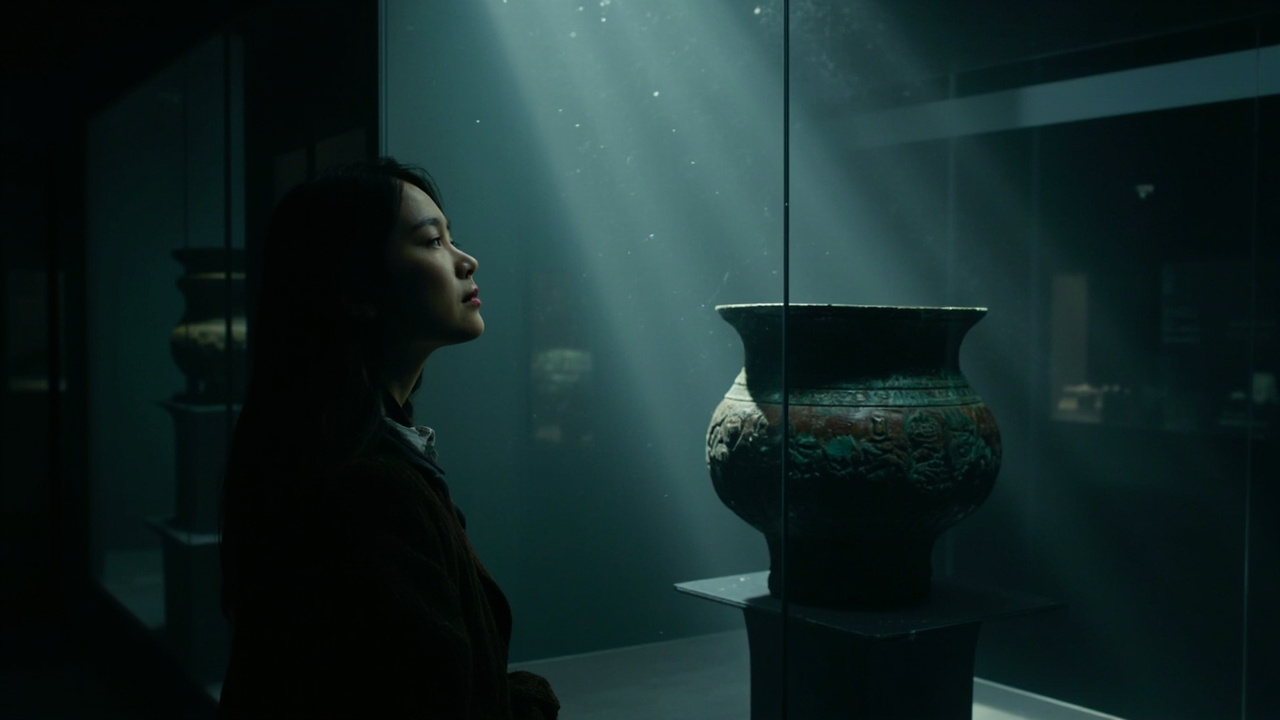
Top 10 Museums in China You Shouldn't Miss
China's museums span 5,000 years of civilization. These 10 - from the Palace Museum to Xi'an's terracotta gallery - are unmissable for culture lovers.
9 min read