
Chengdu Giant Buddha Leshan Day Trip
Chengdu Giant Buddha Leshan Day Trip: 2026 guide covers current prices, transport, payment apps, and what foreign visitors need to know.
The cab driver laughed at me when I asked to go to the Leshan Giant Buddha. Not a polite chuckle. A real, wheezing laugh that made his shoulders shake. I was sitting in the back of his battered Volkswagen in downtown Chengdu, holding up a photo on my phone of the giant stone face. “Too far,” he said in English, still laughing. “Three hours. You go tomorrow.” I didn’t go tomorrow. I went that morning, and the rain came sideways off the Min River for an hour before it stopped, turning the stone colossus into a weeping shadow. That was my first mistake. My second was forgetting to buy the return bus ticket before lunch.
The Leshan Giant Buddha and the city of Chengdu are not the same place, but every tourist guidebook pretends they are. Chengdu is the panda capital, the spicy food capital, the place where old men play mahjong in parks at 10 AM on a Tuesday. Leshan is a smaller city two hours south, home to the largest stone Buddha in the world—a 71-meter-tall carving that has sat staring at the confluence of three rivers since the Tang Dynasty. You can do both in one day. You shouldn’t, but you can. This guide will tell you exactly how to do it without the mistakes I made, what to skip, what to eat, and why you should probably just stay overnight in Leshan anyway.
Quick answer
Yes, you can visit the Leshan Giant Buddha as a day trip from Chengdu in 2026. The high-speed train from Chengdu East Station to Leshan Station takes about 50 minutes and costs roughly $8 (CNY 55) one way. Most international visitors from 54 countries, including the US, UK, Canada, and Australia, can enter China visa-free for up to 144 hours (6 days) if transiting through Chengdu Tianfu International Airport. The total cost for the day trip, including transport, entry fee, and food, is approximately $40–60 (CNY 290–430) per person.
The Short Version
If you only have one day, take the 7:30 AM high-speed train from Chengdu East to Leshan Station. Visit the Buddha first—arrive by 9 AM before the crowds. Walk down the Nine Turn Plank Path to see the Buddha from below. Skip the boat tour (it’s overpriced and rushed). Eat the Leshan-style qiao jiao niu rou (spicy beef) for lunch at a local spot near the temple exit. Take the 4 PM train back to Chengdu. You’ll be tired, your legs will ache, and you’ll have eaten something that makes your nose run, but you’ll have seen one of the most impressive things humans have ever carved out of a mountain.
How I Picked These
I’ve lived in Beijing for seven years and have traveled through China more than 40 times. I’ve been to Leshan four times: once as a clueless tourist, once with my parents (who hated the stairs), once alone on a rainy Tuesday, and once with a Sichuan friend who grew up 20 kilometers from the Buddha. I’ve also spent three weeks in Chengdu over multiple trips, eating my way through the city and arguing with taxi drivers about the best dan dan mian. Every recommendation here comes from a specific meal I ate, a specific conversation I had, or a specific mistake I made so you don’t have to.
Comparison Table
| Rank | Place | Best For | Approx Cost (USD) | Time Needed | When to Go |
|------|-------|----------|-------------------|-------------|------------|
| 1 | Leshan Giant Buddha Scenic Area | The main attraction | $11 (CNY 80) | 3–4 hours | Weekday mornings, Oct–Nov |
| 2 | Leshan Buddha Boat Tour | Quick photo op | $10 (CNY 70) | 1 hour | Skip unless mobility issues |
| 3 | Lingyun Temple | History + fewer crowds | Included in Buddha ticket | 1 hour | Same as Buddha |
| 4 | Wuyou Temple | Quiet mountain temple | $3 (CNY 20) | 1.5 hours | Late afternoon |
| 5 | Leshan Old Town | Local food + street life | Free | 1–2 hours | Lunch or dinner |
| 6 | Jiajiang Thousand Buddha Cliff | Less crowded alternative | $4 (CNY 30) | 1–2 hours | Morning |
| 7 | Giant Panda Base (Chengdu) | Pandas | $8 (CNY 55) | 3–4 hours | 7:30 AM opening |
| 8 | Jinli Ancient Street (Chengdu) | Souvenirs + snacks | Free | 1–2 hours | Evening |
| 9 | Wenshu Monastery (Chengdu) | Tea house + calm | Free | 1–2 hours | Afternoon |
| 10 | People’s Park (Chengdu) | Local life | Free | 1–2 hours | Weekend morning |
Leshan Giant Buddha Scenic Area – The Stone Giant That Makes You Feel Small
I stood at the top of the Buddha’s head, looking down at the river below, and felt a little dizzy. Not from the height—from the scale. The Buddha’s ear is six meters long. His nose is five meters. You can fit a full-grown adult on each of his toes. The carving took 90 years to complete, started by a monk named Haitong in 713 AD who wanted the Buddha to calm the dangerous river currents. It didn’t work. The river still kills people. But the Buddha has been sitting there for 1,300 years, moss growing on his shoulders, watching.
📍 Location: Leshan City, Sichuan Province. About 120 km south of Chengdu.
🎫 Entry fee: $11 (CNY 80) for the scenic area. The boat tour is an additional $10 (CNY 70).
🕒 Opening hours: 7:30 AM to 6:30 PM (April–October), 8:00 AM to 5:30 PM (November–March). Last entry is 30 minutes before closing.
🚇 How to get there: Take the high-speed train from Chengdu East Station to Leshan Station (50 minutes, $8/CNY 55). From Leshan Station, take Bus K1 or a taxi (20 minutes, $3/CNY 20) to the scenic area entrance.
⏰When to visit: Weekday mornings, ideally Tuesday–Thursday. October and November have the best weather—cool, clear, and fewer tourists. Avoid Chinese national holidays (May 1–5, October 1–7) and summer weekends.
💡 Insider tips: Buy your ticket on WeChat or Ctrip in advance to skip the line. Walk down the Nine Turn Plank Path (the stairs carved into the cliff) to see the Buddha from below—it’s narrow, steep, and terrifying, but worth it. Don’t take the boat tour; you’ll see the Buddha for 5 minutes from 100 meters away. Bring water and a hat; there’s almost no shade on the path.
I met a retired French couple at the top who had been traveling for six months. The wife looked at the Buddha, then at me, and said, “I have seen many things. This is different.” She was right.
Lingyun Temple – The Temple That Came First
Most tourists walk right past Lingyun Temple on their way to the Buddha. That’s a mistake. The temple was built in 713 AD, the same year work on the Buddha began, and it’s been rebuilt and expanded over the centuries. The main hall has a golden Buddha statue that’s smaller than the one outside but somehow more intimate. The incense smoke hangs thick in the air, and the monks chant in the morning. I sat on a stone bench in the courtyard for 20 minutes, watching an old man sweep leaves with a bamboo broom, and felt something close to peace.
📍 Location: Inside the Leshan Giant Buddha Scenic Area, at the top of the cliff.
🎫 Entry fee: Included in the Buddha ticket ($11/CNY 80).
🕒 Opening hours: Same as the scenic area.
🚇 How to get there: Enter the scenic area, walk straight past the ticket gate, and you’ll see the temple entrance on your left before the stairs down to the Buddha.
⏰When to visit: Early morning, before the crowds arrive. The chanting starts around 8 AM.
💡 Insider tips: The temple has a small tea house in the back courtyard where you can sit for $1 (CNY 10) and drink gaiwan tea. The tea is mediocre, but the view of the river is not. Don’t take photos of the monks without asking. One of them will scold you in Sichuan dialect, and you won’t understand a word, but you’ll feel bad anyway.
I bought a small jade pendant from a vendor outside the temple for $3 (CNY 20). It broke three days later. I still keep it in my bag.
Wuyou Temple – The Quiet One on the Other Side
Wuyou Temple sits on a separate hill across the river from the Giant Buddha. Most tourists don’t go. That’s why you should. The walk up is steep—about 300 stone steps through a bamboo forest—but the temple itself is beautiful and almost empty. The main hall has a 1,000-year-old wooden statue of Guanyin, the goddess of mercy, and the courtyard has a small pond with koi fish the size of my forearm. I sat there for an hour, eating a steamed bun I’d bought from a vendor at the bottom, and saw exactly three other people.
📍 Location: Across the Min River from the Giant Buddha, on Wuyou Mountain.
🎫 Entry fee: $3 (CNY 20).
🕒 Opening hours: 8:00 AM to 5:30 PM.
🚇 How to get there: From the Leshan Giant Buddha scenic area exit, walk to the ferry terminal (5 minutes) and take the public ferry across the river ($0.50/CNY 3). From the ferry dock, walk up the hill—you’ll see the temple entrance on your right.
⏰When to visit: Late afternoon, around 3–4 PM. The light is golden, and the temple is almost empty.
💡 Insider tips: Bring cash—the ticket booth doesn’t accept WeChat Pay or Alipay. The temple has a small vegetarian restaurant that serves mian (noodles) for $2 (CNY 15). It’s not great, but it’s the only food on the mountain. Don’t feed the koi fish; there’s a sign in Chinese that says not to, and a monk will come out and yell at you if you do.
I tried to feed the fish anyway. The monk came out. He yelled. I deserved it.
Leshan Old Town – Where the Real Food Is
The old town of Leshan is a maze of narrow streets, crumbling buildings, and food stalls that smell like chili oil and garlic. This is where you should eat lunch, not at the tourist restaurants near the Buddha. The specialty here is qiao jiao niu rou—spicy braised beef served in a clay pot with Sichuan peppercorns and dried chilies. I ate it at a tiny shop called Chen’s Beef, where the owner, a woman in her 60s with a gold tooth, brought me a bowl so spicy my ears rang. She laughed at me, just like the cab driver.
📍 Location: Leshan Old Town, about 2 km from the Giant Buddha scenic area.
🎫 Entry fee: Free.
🕒 Opening hours: Shops open from 10 AM to 9 PM. Restaurants serve lunch from 11:30 AM to 2 PM and dinner from 5 PM to 8 PM.
🚇 How to get there: From the Buddha scenic area exit, walk south along the river for 15 minutes, or take a taxi ($1.50/CNY 10).
⏰When to visit: Lunchtime, around 12 PM. The food stalls are busiest then, which means the food is freshest.
💡 Insider tips: Don’t eat at the first restaurant you see. Walk deeper into the old town, past the tourist shops, and look for places with plastic stools outside and no English menu. Point at what other people are eating. Try the bo bo ji (cold chicken skewers in chili oil) and san da pao (a glutinous rice dessert). Bring a translation app—very few people speak English here.
I ordered the wrong thing three times. The third dish was chicken feet. I ate them anyway. They were surprisingly good.
Jiajiang Thousand Buddha Cliff – The Less Crowded Buddha
About 30 minutes from Leshan by bus, the Jiajiang Thousand Buddha Cliff is exactly what it sounds like: a cliff face carved with hundreds of small Buddha statues. It’s not as famous as the Leshan Giant Buddha, and it’s not as big, but it’s quieter and more intimate. You can walk right up to the carvings and touch them (though you shouldn’t). The statues date from the Tang and Song dynasties, and many of them have been damaged by weather and vandalism. There’s a small temple at the base of the cliff where a monk lives alone.
📍 Location: Jiajiang County, about 20 km from Leshan city center.
🎫 Entry fee: $4 (CNY 30).
🕒 Opening hours: 8:00 AM to 6:00 PM.
🚇 How to get there: From Leshan city center, take Bus 307 from the main bus station to Jiajiang (45 minutes, $1/CNY 7). Get off at the Thousand Buddha Cliff stop. The entrance is a 5-minute walk from the bus stop.
⏰When to visit: Morning, around 9–10 AM. The light hits the carvings directly.
💡 Insider tips: The bus ride is bumpy and the bus might be crowded. Bring a mask—the road is dusty. The ticket booth only takes cash. There’s a small shop at the entrance that sells bottled water and instant noodles, but nothing else.
I got lost trying to find the bus stop and ended up walking 20 minutes in the wrong direction. A woman selling oranges from a cart pointed me back the right way. I bought three oranges. They were the sweetest I’ve ever had.
Giant Panda Base (Chengdu) – The Reason Most People Come
Let me be honest: the Giant Panda Base is a zoo. A very nice zoo, with lots of bamboo and carefully designed enclosures, but a zoo. The pandas are adorable, and you will spend 45 minutes watching a panda eat bamboo and feel like your heart is going to explode. But it’s crowded, expensive, and the gift shop sells stuffed pandas for $30 (CNY 200) that you can buy on Taobao for $5 (CNY 35). Go early—the pandas are most active in the morning, before it gets hot. By 10 AM, they’re all asleep.
📍 Location: Northern suburb of Chengdu, about 30 minutes from the city center.
🎫 Entry fee: $8 (CNY 55).
🕒 Opening hours: 7:30 AM to 6:00 PM. The panda nursery (where the baby pandas are) opens at 8:30 AM.
🚇 How to get there: Take Metro Line 3 to Panda Avenue Station, Exit B. From there, take the free shuttle bus to the base entrance (10 minutes).
⏰When to visit: Weekday mornings, arriving at 7:30 AM. The pandas are fed at 8 AM, and that’s when they’re most active.
💡 Insider tips: Skip the red pandas—they’re cute but they hide in the trees. The VIP tour ($30/CNY 200) lets you skip the line and get a closer view, but it’s not worth it. Bring a good zoom lens; the enclosures are far from the viewing platforms. Don’t touch the pandas. It’s illegal and dangerous.
I watched a panda poop while eating bamboo. It didn’t seem to notice. Neither did the crowd of 50 people taking photos.
Jinli Ancient Street (Chengdu) – The Tourist Trap That’s Actually Fun
Jinli Ancient Street is the kind of place I usually hate: a reconstructed “ancient” street lined with souvenir shops, chain restaurants, and tourists taking selfies. But I keep coming back. The street is pretty, with red lanterns hanging from wooden eaves and cobblestone paths that glow in the evening light. The food stalls sell chuan chuan xiang (skewers of meat and vegetables cooked in spicy broth) that are actually good, and the tea houses are cheap. It’s not authentic. But it’s fun.
📍 Location: Wuhou District, Chengdu. Near the Wuhou Shrine.
🎫 Entry fee: Free.
🕒 Opening hours: 24 hours, but most shops are open from 10 AM to 10 PM.
🚇 How to get there: Take Metro Line 3 to Gaoshengqiao Station, Exit D. Walk east for 10 minutes.
⏰When to visit: Evening, around 6–7 PM. The lanterns come on, and the street looks magical.
💡 Insider tips: Don’t eat at the restaurants on the main street—they’re overpriced and mediocre. Walk into the side alleys and look for stalls with long lines. Try the bing fen (sweet jelly with fruit) from a vendor near the north entrance. Bargain at the souvenir shops; they expect it.
I bought a silk scarf for $8 (CNY 55) after bargaining down from $15 (CNY 100). I saw the same scarf on Taobao later for $3 (CNY 20).
Wenshu Monastery (Chengdu) – The Quietest Place in the City
Wenshu Monastery is a Buddhist temple in the middle of Chengdu, surrounded by high-rise apartments and traffic. But inside the walls, the city disappears. The air smells like incense and wet stone. The trees are hundreds of years old. There’s a tea house in the back where old men sit for hours, drinking gaiwan tea and playing chess. I went there on a Sunday afternoon, sat under a banyan tree, and read a book for two hours. A monk walked past and nodded at me. I nodded back. That was the entire interaction.
📍 Location: Wenshu Yuan Street, Qingyang District, Chengdu.
🎫 Entry fee: Free.
🕒 Opening hours: 8:00 AM to 5:30 PM.
🚇 How to get there: Take Metro Line 1 to Wenshu Monastery Station, Exit K. Walk north for 5 minutes.
⏰When to visit: Weekday afternoons, around 2–4 PM. The tea house is busiest on weekends.
💡 Insider tips: The tea house serves tea for $1.50 (CNY 10) per cup, and you can sit as long as you want. Bring your own snacks—the food at the temple is overpriced. The vegetarian restaurant inside the temple is good but expensive ($10/CNY 70 for a set meal). Don’t take photos of the monks without asking.
I sat next to an old man who was reading a newspaper. He offered me a cigarette. I don’t smoke. I took it anyway.
People’s Park (Chengdu) – The Best Place to Watch the World Go By
People’s Park is not a tourist attraction. It’s a park where locals go to relax. You’ll see old men practicing calligraphy with water on the pavement, couples dancing in the pavilion, and families having picnics on the grass. There’s a small lake where you can rent a paddle boat for $3 (CNY 20) per hour. The tea house in the center of the park, Heming Teahouse, is famous for its gaiwan tea and its chaotic atmosphere. I sat there for an hour, drinking tea and watching a group of elderly women do tai chi. No one tried to sell me anything. No one asked me to take a photo. It was the most peaceful hour of my trip.
📍 Location: Shaocheng Road, Qingyang District, Chengdu.
🎫 Entry fee: Free.
🕒 Opening hours: 24 hours. The tea house is open from 8 AM to 6 PM.
🚇 How to get there: Take Metro Line 2 to People’s Park Station, Exit A. The park entrance is right outside.
⏰When to visit: Weekend mornings, around 9–10 AM. That’s when the park is busiest and most lively.
💡 Insider tips: The tea at Heming Teahouse costs $2 (CNY 15) per cup. You pay at the counter, get a ticket, and give it to the server. The tea is refilled with hot water from a thermos—just lift the lid to signal you want more. Don’t sit in the front section; it’s for tourists. Go to the back, where the locals sit.
I tried to join a group of men playing mahjong. They laughed at me. One of them gestured for me to sit down. I played three rounds and lost every one. It was the most fun I had in Chengdu.
FAQ summary
The Leshan Giant Buddha day trip is feasible from Chengdu via a 50-minute high-speed train costing $8 (CNY 55) one way. The total cost is approximately $40–60 (CNY 290–430) per person including transport, entry fee, and food. Most international visitors from 54 countries can enter China visa-free for up to 144 hours through Chengdu Tianfu International Airport. The best time to visit is weekday mornings in October or November. WeChat Pay and Alipay are widely accepted, but bring cash for small vendors and bus fares.
FAQ
Q: Do I need a visa for China in 2026?
A: If you’re transiting through Chengdu Tianfu International Airport and hold a passport from one of 54 eligible countries (including the US, UK, Canada, Australia, and most EU nations), you can stay for up to 144 hours (6 days) visa-free. You must have a confirmed onward ticket to a third country. If you’re flying directly into Chengdu from your home country and leaving from the same airport, you qualify. Check the latest policy on the Chinese Embassy website before you book.
Q: How do I get from Chengdu to Leshan?
A: Take the high-speed train from Chengdu East Station to Leshan Station. Trains run every 20–30 minutes from 6:30 AM to 9:30 PM. The journey takes 50 minutes and costs $8 (CNY 55) for a second-class seat. Buy your ticket on Ctrip or at the station. Don’t take the bus—it takes 2.5 hours and costs almost the same.
Q: Is the Leshan Giant Buddha worth it?
A: Yes, but only if you’re prepared for crowds and stairs. The Buddha is genuinely impressive—one of the most remarkable things I’ve seen in China. But the experience is diminished by the sheer number of tourists. Go on a weekday, arrive at 8 AM, and leave by 11 AM. If you can’t do that, skip it and visit the Jiajiang Thousand Buddha Cliff instead.
Q: Can I do Leshan and Chengdu in one day?
A: You can, but you shouldn’t. The train takes 50 minutes each way, and the Buddha requires at least 3 hours. Add lunch and transport, and you’re looking at 6–7 hours total. If you start early, you can be back in Chengdu by 4 PM. But you’ll be exhausted, and you’ll miss the best parts of both places. Stay overnight in Leshan if you can.
Q: What should I eat in Leshan?
A: The local specialty is qiao jiao niu rou (spicy braised beef in a clay pot). Also try bo bo ji (cold chicken skewers in chili oil), san da pao (glutinous rice dessert), and dou hua (silken tofu in chili sauce). The best food is in the old town, not near the Buddha. Look for restaurants with plastic stools outside and no English menu.
Q: Do I need a VPN in China?
A: Yes. Google, Instagram, Facebook, WhatsApp, and many other sites are blocked. Install a VPN on your phone before you arrive. ExpressVPN and NordVPN work well, but they sometimes get blocked. Download a backup VPN. Also, buy a Chinese SIM card at the airport—it’s cheaper than international roaming and works everywhere.
Q: Is English widely spoken in Leshan and Chengdu?
A: In Chengdu, yes—at hotels, tourist attractions, and nicer restaurants. In Leshan, no. The old town, the temples, and the food stalls have almost no English speakers. Download a translation app (Pleco is the best) and learn a few phrases: xie xie (thank you), duo shao qian (how much), and zhe ge (this one).
The Honest Wrap-up
This list is for the first-time visitor who wants to see the big things without feeling like a tourist. It’s for the person who wants to eat the food that locals eat, stand in front of a 1,300-year-old stone Buddha, and feel something real. It’s not for the person who wants a luxury vacation, or the person who hates stairs, or the person who thinks “authentic” means air-conditioned and English-speaking.
If you have one day, do the Buddha in the morning, eat lunch in Leshan old town, and take the train back to Chengdu for dinner. If you have two days, stay overnight in Leshan, visit Wuyou Temple in the afternoon, and take your time. If you have three days, add the Jiajiang Thousand Buddha Cliff and a morning at the Panda Base.
One final piece of advice: bring less than you think you need. You don’t need five pairs of shoes. You don’t need a guidebook. You need comfortable walking shoes, a water bottle, a translation app, and the willingness to get lost. The best things I found in Leshan and Chengdu were the things I wasn’t looking for.
Related Guides
Looking for more China travel guides? These match your topic:
Topics
More guides you may like
Top 10 Bridges in China
China's bridges are engineering marvels spanning mountains, rivers, and seas. Here are 10 of the most spectacular, from ancient stone to modern steel.
8 min read

Top 10 Buddhist Sites in China
From the Leshan Giant Buddha to the Dunhuang Caves, these 10 Buddhist sites represent 2,000 years of China's spiritual heritage.
9 min read
Top 10 Day Trips from Beijing You Shouldn't Miss
Beijing is packed with history, but some of China's best experiences are just a few hours away. Here are 10 day trips that will transform your visit.
9 min read
Top 10 Hidden Gems in China Off the Beaten Path
Beyond the Great Wall and Terracotta Warriors, China has incredible hidden destinations few tourists ever reach. Here are 10 underrated gems worth the detour.
9 min read
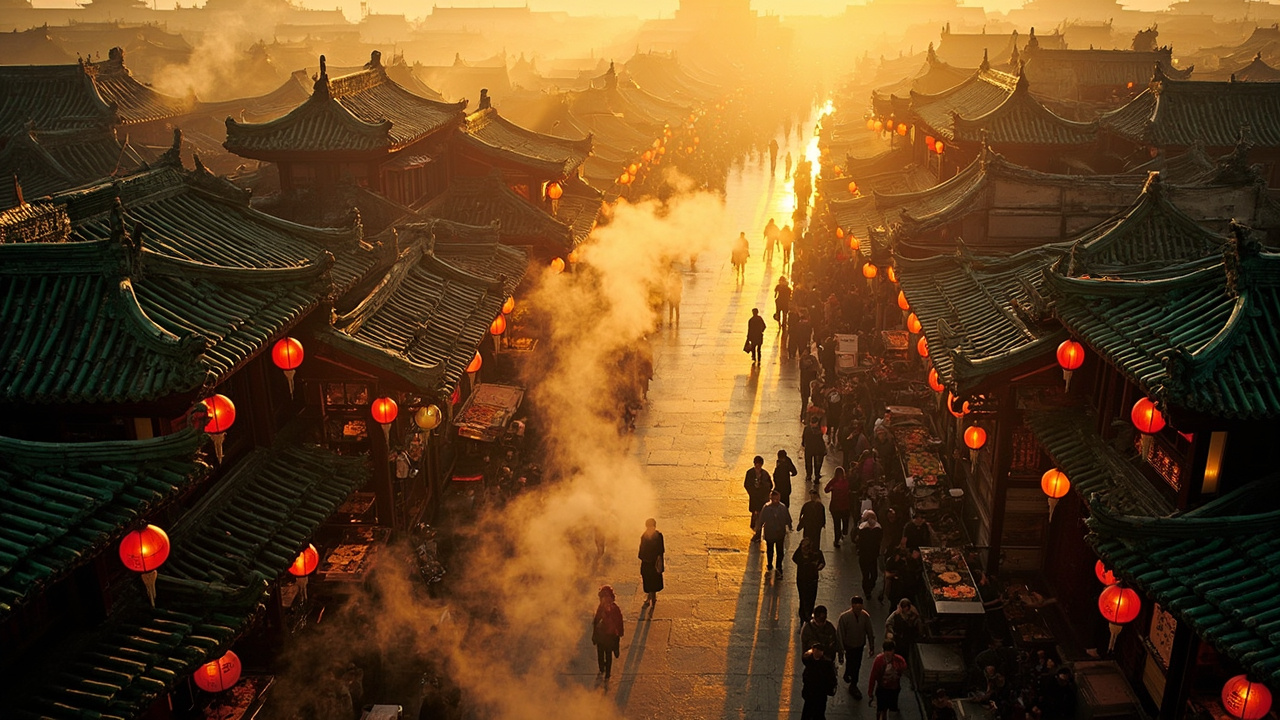
Top 10 Markets and Shopping Streets in China
From Shanghai's Bund to Beijing's Silk Street - 10 markets where foreigners can haggle, explore, and bring home authentic Chinese goods.
9 min read
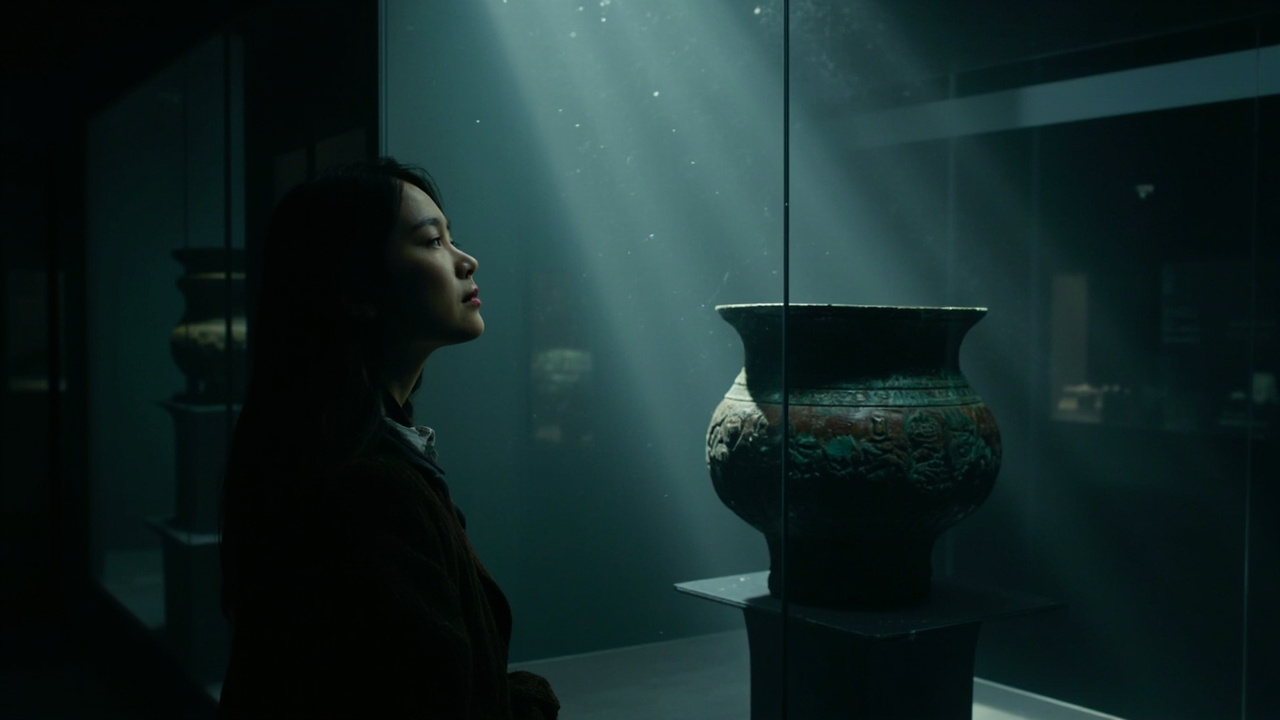
Top 10 Museums in China You Shouldn't Miss
China's museums span 5,000 years of civilization. These 10 - from the Palace Museum to Xi'an's terracotta gallery - are unmissable for culture lovers.
9 min read