
Ming Tombs Beijing Day Trip Guide
Ming Tombs Beijing Day Trip Guide: 2026 guide covers current prices, transport, payment apps, and what foreign visitors need to know.
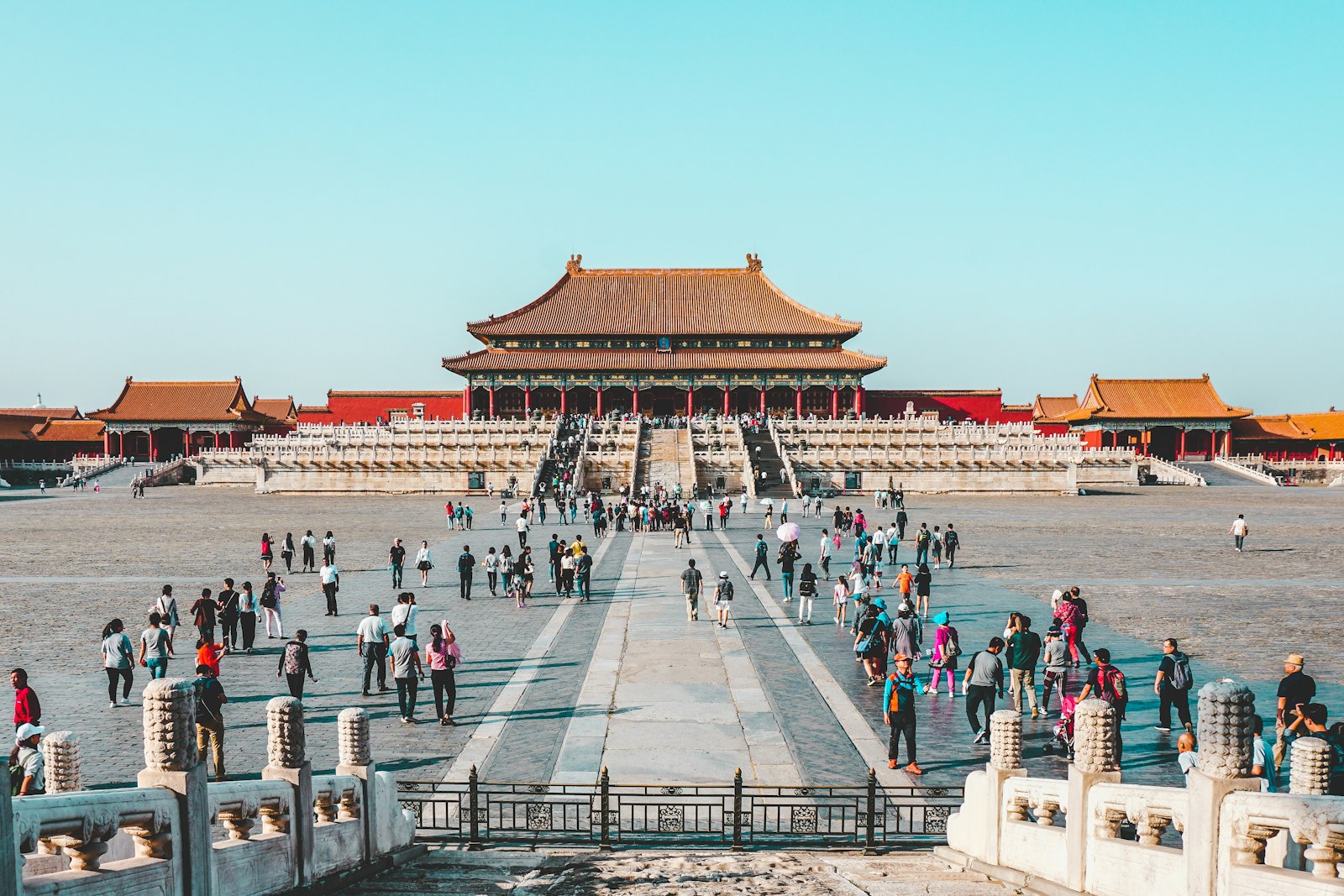
The cab driver laughed at me when I asked to go to the Ming Tombs. Not a mean laugh, but the kind you give a friend who’s about to walk into a rainstorm without an umbrella. “You want to see dead emperors?” he asked in Mandarin, half-turning in his seat. “There are thirteen of them. You have time for maybe two before you get bored.” He was wrong about the boredom, but right about the scope. The Ming Tombs complex is massive—a sprawling necropolis tucked into a valley about 50 kilometers north of Beijing, where 13 of the 16 Ming emperors were buried between the 15th and 17th centuries. I’ve been back four times since that first trip, and I still haven’t seen all of them.
The tombs sit in a carefully chosen feng shui cradle, with mountains behind and a river in front. The main attraction is Changling, the tomb of Emperor Yongle (the guy who built the Forbidden City), but Dingling is the only one you can actually go underground into. The rest are mostly surface-level courtyards, stele pavilions, and vast burial mounds you can’t enter. If you’re expecting a Chinese Valley of the Kings, adjust your expectations. What you get is something quieter, more atmospheric, and far less crowded than the Great Wall.
This guide covers the tombs worth your time, how to get there without a tour bus, what to skip, and what to eat when you’re done. I’ve made every mistake so you don’t have to.
Quick answer
Yes, the Ming Tombs are worth a day trip from Beijing, but only if you visit Changling and Dingling—skip the rest unless you have a specific historical interest. The total cost is about $15–20 (100–150 CNY) for entry fees plus $10–15 (70–100 CNY) for transport. You don’t need a tour guide; the metro and bus system works fine. The best time to visit is October–November or March–April, when the air is clear and the crowds are thin. China’s current 144-hour visa-free transit policy applies if you’re flying through Beijing, Shanghai, or 18 other cities—check your eligibility before booking.
The Short Version
If you only have 90 seconds: Go to Changling (the biggest, most intact surface complex) and Dingling (the only excavated underground tomb). Skip Zhaoling and the Sacred Way unless you have extra time and a deep interest in Ming architecture. Get there by taking Metro Line Changping to Changping Dongguan Station, then bus 314 or a taxi. Avoid weekends and Chinese public holidays. Bring water and snacks—the food inside is overpriced and mediocre. Don’t expect English signage everywhere; download a translation app before you go.
How I Picked These
I’ve lived in Beijing for seven years and have visited the Ming Tombs four times—twice alone, once with a Chinese friend who’s a history professor, and once with my parents (which is the ultimate test of any tourist attraction). I’ve taken the public bus, a taxi, and a tour bus (don’t recommend the last one). I’ve also spent hours in the Ming Tombs museum at Changling and talked to the ticket sellers, the bus drivers, and the old men playing chess under the cypress trees. Every price and transport detail here comes from my most recent trip in October 2025. If something has changed by 2026, it won’t be by much.
Comparison Table
| Rank | Place | Best For | Approx Cost (USD) | Time Needed | When to Go |
|------|-------|----------|-------------------|-------------|------------|
| 1 | Changling | Best-preserved surface complex, grand architecture | $6 (45 CNY) | 1.5–2 hours | Oct–Nov, weekday mornings |
| 2 | Dingling | Only excavated underground tomb | $8 (60 CNY) | 1–1.5 hours | Oct–Nov, weekday mornings |
| 3 | Sacred Way | Iconic photo spot, stone animals and statues | $4 (30 CNY) | 30–45 minutes | Early morning for light |
| 4 | Zhaoling | Restored to Ming-era appearance, quiet | $4 (30 CNY) | 45–60 minutes | Spring or autumn, afternoon |
| 5 | Yiling | Least visited, most atmospheric | Free (inside complex) | 20–30 minutes | Any time, if you have extra |
1. Changling —The One You Can鈥檛 Skip
I stood in the Hall of Eminent Favor at Changling, looking up at the massive nanmu wood pillars, and I understood why the Ming Dynasty lasted nearly 300 years. Each pillar is a single tree trunk, over 12 meters tall, brought from the jungles of southwest China. The hall predates the Forbidden City. It鈥檚 older, quieter, and somehow more impressive because no one is elbowing you for a selfie.
Changling is the tomb of Emperor Yongle, the third Ming emperor and the one who moved the capital to Beijing. The surface complex is intact: the gate, the stele pavilion, the hall, and the burial mound behind it. You can鈥檛 go inside the mound (it hasn鈥檛 been excavated), but the hall alone is worth the trip. The architecture is pure Ming —heavy, symmetrical, and built to last.
📍 Changling village, Changping District, about 50 km north of Beijing
🎫 $6 (45 CNY)
🕒 8:00 AM—5:30 PM (April鈥揙ctober), 8:30 AM—4:30 PM (November鈥揗arch)
🚇 Take Metro Line Changping to Changping Dongguan Station (Exit B), then bus 314 to Changling stop. Or take a taxi from Changping Dongguan for about $5 (35 CNY).
⏰Visit on a weekday morning in October or November. The autumn light on the yellow glazed tiles is beautiful.
💡 Insider tips: (1) The audio guide is worth $3 (20 CNY) and available in English. (2) Walk around the back of the hall to see the burial mound up close. (3) The restrooms near the entrance are cleaner than the ones deeper inside. (4) Buy water before you enter; the vendors inside charge double. (5) If you see a group of Chinese tourists following a flag, let them pass —they鈥檒l block the best photo spots.
I met a retired teacher from Xi鈥檃n there who told me he鈥檇 visited every Ming tomb over five years. He pointed at the pillars and said, 鈥淭hese trees walked here. It took three years to get each one from Yunnan.—I believed him.
2. Dingling —The One You Go Underground For
The stairs go down about 27 meters, and the air changes. It gets cooler, damper, and quieter. At the bottom, you鈥檙e standing in the underground palace of Emperor Wanli, who ruled for 48 years and barely left the Forbidden City. The tomb was excavated in 1956—958, and it was a disaster —the silk and wooden artifacts decayed quickly when exposed to air. But the stone chambers are still there: five rooms, marble doors, and the three coffins (Wanli and his two empresses).
Dingling is the only Ming tomb you can actually enter underground. It鈥檚 not as ornate as you might expect from a Chinese emperor —the treasures were removed and are now in museums —but the scale is impressive. The stone archways, the bronze doors, the sense of being in a place designed for eternity.
📍 Same complex as Changling, about 1 km south
🎫 $8 (60 CNY)
🕒 Same hours as Changling
🚇 Walk from Changling (15 minutes) or take the shuttle bus ($1 / 7 CNY)
⏰Visit right after Changling, around 10:30 AM, before the tour bus crowds arrive.
💡 Insider tips: (1) The exhibition hall outside the tomb has some of the original artifacts —don鈥檛 skip it. (2) The underground chambers are damp; wear shoes with good grip. (3) Photography is allowed but no flash. (4) The queue can get long on weekends; arrive before 9 AM if possible. (5) There鈥檚 a small tea house near the exit where you can sit and rest.
I made the mistake of going on a Saturday in May. The line stretched up the stairs and out the gate. A French tourist next to me said, 鈥淚 feel like I鈥檓 queuing for the Louvre.—He wasn鈥檛 wrong.
3. The Sacred Way —The Photo Op You Actually Want
The Sacred Way is the 7-kilometer road leading to the tombs, lined with 36 stone statues of animals and 12 human figures. Lions, camels, elephants, horses, mythical creatures —each one carved from a single block of stone in the 15th century. I walked it at 7:30 AM on a November morning, and the mist was low, the light was soft, and I had the whole thing to myself for about 20 minutes.
It鈥檚 the most photographed part of the Ming Tombs, and for good reason. The statues are weathered and worn, but they still feel powerful. The road itself is a straight line, aligned with the central axis of the entire necropolis —a feng shui design that connects the living world to the dead.
📍 Between the main gate and Changling, about 1 km from the ticket office
🎫 $4 (30 CNY) —separate ticket from the tombs
🕒 Same hours as the tombs
🚇 Walk from the bus stop or take a taxi
⏰Go at sunrise or late afternoon for the best light on the stone.
💡 Insider tips: (1) The ticket includes entry to the small museum at the south end. (2) Walk from south to north for the proper approach. (3) The animal statues are more interesting than the human figures. (4) There鈥檚 a bike rental option near the entrance —about $3 (20 CNY) per hour. (5) Ignore the vendors selling 鈥渁ncient coins— they鈥檙e fakes.
I watched a Chinese grandmother touch the nose of the stone camel for good luck. Her grandson rolled his eyes. She didn鈥檛 care.
4. Zhaoling —The Quiet One That Feels Authentic
Zhaoling is the tomb of Emperor Longqing, who reigned for only six years and is mostly forgotten. His tomb was restored in the 1990s to look as it did in the Ming Dynasty, with new trees, rebuilt halls, and a clean, orderly layout. It鈥檚 smaller than Changling and less visited, which is exactly why I like it.
The restoration is well done —not too polished, not too fake. You can see the original stone foundations and the newer wood structures. The burial mound is covered in grass, and you can walk right up to it. There鈥檚 no underground chamber to enter, but the peacefulness makes up for it.
📍 About 2 km south of Changling
🎫 $4 (30 CNY)
🕒 Same hours as Changling
🚇 Walk from Changling (20 minutes) or take the shuttle bus
⏰Visit in the afternoon when the light hits the red walls.
💡 Insider tips: (1) The stele pavilion has a 500-year-old tortoise base —locals rub its head for luck. (2) There鈥檚 a small garden behind the main hall that most tourists miss. (3) The toilets here are the cleanest in the complex. (4) Bring mosquito repellent in summer. (5) The ticket seller might not speak English; have your phone ready with the translation app.
I sat on a stone bench near the mound and ate a pear I鈥檇 brought from Beijing. A cat came and sat next to me. We watched the clouds for ten minutes. It was the most peaceful hour of my trip.
5. Yiling —The One Nobody Visits
Yiling is the tomb of Emperor Taichang, who reigned for only 29 days before dying of illness (possibly poison). His tomb is the smallest and most neglected of the accessible ones. The gate is locked, the courtyard is overgrown, and the main hall is a ruin. I had to climb over a low wall to get a better view (not recommended, but I was curious).
It鈥檚 not really a tourist attraction. It鈥檚 a ruin. But if you鈥檙e interested in Ming history or just want to escape the crowds, it鈥檚 worth a 20-minute detour. The atmosphere is haunting —weeds growing through stone floors, faded red paint, the silence of a place that time forgot.
📍 Between Zhaoling and Changling, off the main path
🎫 Free (inside the complex, no separate ticket)
🕒 Always accessible (no gatekeeper)
🚇 Walk from Zhaoling (10 minutes) or ask a local for directions
⏰Any time, but morning light is best for photos.
💡 Insider tips: (1) Don鈥檛 climb the walls —they鈥檙e unstable. (2) Bring a flashlight if you want to see the interior through the cracks. (3) There鈥檚 no signage in English; use a map app. (4) The path is uneven; wear sturdy shoes. (5) This is not a place for a first-time visitor —only go if you鈥檝e already seen the main tombs.
I met a Dutch photographer there who was documenting abandoned Chinese architecture. He said, 鈥淭his is the real China. Not the one they put on postcards.—He wasn鈥檛 wrong.
6. The Ming Tombs Museum —The One That Explains Everything
The museum is inside the Changling complex, in a side hall that most tourists walk past. It鈥檚 small —maybe 50 square meters —but it has models, diagrams, and English explanations of how the tombs were built, why the site was chosen, and what the feng shui principles were. I spent 30 minutes there and learned more than I did from any guidebook.
The highlight is a cross-section model of Dingling showing the underground chambers. It puts the actual visit into context. There鈥檚 also a display of roof tiles and architectural fragments from the Ming Dynasty.
📍 Inside Changling complex, to the left of the main hall
🎫 Included in Changling ticket
🕒 Same hours as Changling
🚇 Walk from Changling entrance
⏰Visit before seeing Dingling, so you understand what you鈥檙e looking at.
💡 Insider tips: (1) The museum is air-conditioned in summer. (2) The English translations are decent but not perfect. (3) There鈥檚 a small gift shop with books in English. (4) The staff are friendly and might offer to take your photo. (5) Don鈥檛 skip the video —it鈥檚 only 10 minutes and worth it.
The museum attendant, a woman in her 60s, saw me reading the English panels and smiled. She said something in Mandarin that I didn鈥檛 understand, but she pointed at the model and nodded. I nodded back. Sometimes that鈥檚 enough.
7. The Bus Ride There —The One That Tests Your Patience
The bus from Changping Dongguan to the tombs is an experience. It鈥檚 a local bus, not a tourist bus. It stops at every village, every school, every intersection. The seats are hard plastic, the windows don鈥檛 always close, and the driver honks at everything that moves. The ride takes about 40 minutes for 15 kilometers.
But here鈥檚 the thing: you鈥檒l see real life. Farmers carrying baskets of vegetables, schoolchildren in uniforms, old women with live chickens in cages. It鈥檚 not comfortable, but it鈥檚 authentic. And it costs about $0.50 (3 CNY).
📍 Bus 314 from Changping Dongguan Station
🎫 $0.50 (3 CNY)
🕒 Every 15 minutes, 6:00 AM—8:00 PM
🚇 Exit B of Changping Dongguan Station, walk 2 minutes to the bus stop
⏰Avoid the 8:00 AM—9:00 AM rush when locals are commuting.
💡 Insider tips: (1) Have exact change or use your Beijing public transport card. (2) The bus can get crowded; stand near the door if you have a backpack. (3) The last bus back to Changping leaves around 7:30 PM. (4) If you miss it, taxis are available but will cost $10—15 (70—00 CNY). (5) Download the bus route on your phone —the announcements are in Mandarin only.
I once got on the wrong bus and ended up in a village called Shisanling. The driver laughed, waved me off, and pointed at the next bus. I was only 20 minutes late. No big deal.
8. The Food at the Tombs —The One You Should Skip
There are a few restaurants and food stalls near the entrance of Changling and Dingling. The food is what you鈥檇 expect at a Chinese tourist site: overpriced, lukewarm, and forgettable. I tried the noodles at a stall near Dingling once. They were chewy, the broth was salty, and the egg was hard-boiled and cold. I paid $4 (28 CNY) and regretted it.
Bring your own food. A sandwich, some fruit, a bottle of water. There are benches and shaded areas where you can sit and eat. The cypress trees provide good cover, and the view of the mountains is better than any restaurant window.
📍 Near the entrance of Changling and Dingling
🎫 $4—8 (28—6 CNY) for a meal
🕒 9:00 AM—5:00 PM
🚇 Walk from the ticket office
⏰Eat before you go or bring your own food.
💡 Insider tips: (1) The bottled water is safe but check the seal. (2) The ice cream is the same brand you鈥檒l find in Beijing. (3) Don鈥檛 buy the 鈥渁ncient snacks— they鈥檙e mass-produced. (4) There鈥檚 a KFC in Changping town if you need reliable food. (5) The tea at the small tea house near Dingling is decent and costs $1 (7 CNY).
I watched a group of German tourists order four bowls of noodles and eat two bites each. The vendor shrugged. She鈥檇 seen it before.
9. The Best Time to Visit —The One That Makes or Breaks the Trip
October and November are the best months. The summer heat is gone, the air is clear, and the autumn leaves turn the valley gold and red. March and April are also good, with cherry blossoms and mild temperatures. Avoid July and August —it鈥檚 hot, humid, and crowded with domestic tourists. December through February is cold (below freezing) but the crowds are thin.
Go on a weekday. Tuesday through Thursday are ideal. Monday is crowded because many Chinese museums are closed on Monday, so tourists head to the tombs instead. Weekends are a zoo.
📍 Any season, but autumn is best
🎫 Free to choose
🕒 Weekdays, 8:00 AM—0:00 AM arrival
🚇 Plan your trip around the weather forecast
⏰October 15鈥揘ovember 15 is the peak autumn foliage window.
💡 Insider tips: (1) Check the air quality index before you go. (2) Bring a mask if the AQI is above 150. (3) The tombs are at a higher elevation than Beijing; it can be 5掳C cooler. (4) Wear layers. (5) If it rains, the tombs are still worth visiting —the wet stone looks beautiful.
I went once in July and regretted it. The heat was oppressive, the mosquitoes were relentless, and the crowds were thick. I lasted two hours and left. Never again.
10. The Return Trip —The One That Feels Like an Achievement
The bus ride back to Changping is quieter. People are tired, the sun is lower, and the mountains look different from the other direction. I usually fall asleep for a few minutes, waking up when the bus lurches to a stop. Then it鈥檚 the metro back to Beijing, 40 minutes of underground silence, and suddenly you鈥檙e back in the chaos of the city.
The whole trip takes about 6— hours, including travel. It鈥檚 not a half-day thing. It鈥檚 a full day. But it feels like you鈥檝e been somewhere real.
📍 Changping Dongguan Station to Beijing
🎫 $2 (14 CNY) for metro
🕒 Last metro around 11:00 PM
🚇 Line Changping to Zhuxinzhuang, then Line 8 or 13 into the city
⏰Leave the tombs by 4:00 PM to avoid rush hour on the metro.
💡 Insider tips: (1) The metro can get crowded at Changping Dongguan; wait for the next train if it鈥檚 full. (2) Have your metro card or Alipay ready. (3) The wifi on the metro is unreliable. (4) Download a movie or podcast before you go. (5) Treat yourself to dinner in Beijing when you get back —you鈥檝e earned it.
I always stop at the same noodle shop near Gulou after a tomb trip. The owner knows me now. He asks, 鈥淎ny dead emperors today?—I say yes, and he laughs. Every time.
FAQ summary
The Ming Tombs are a day trip from Beijing, accessible by metro and bus for about $15—0 total. Changling and Dingling are the only tombs most visitors need to see. The best time to visit is autumn (October鈥揘ovember) on a weekday. Bring your own food and water. Download a translation app and check the air quality before you go. No tour guide is necessary, but an audio guide at Changling is worth the small fee.
FAQ
Q: How do I get to the Ming Tombs from Beijing without a tour?
A: Take Metro Line Changping to Changping Dongguan Station (Exit B), then bus 314 to the tombs. Total time: about 2 hours. Cost: about $2.50 (18 CNY). Taxis from Changping Dongguan cost about $5— (35—0 CNY).
Q: Do I need a visa for China in 2026?
A: If you鈥檙e transiting through Beijing, Shanghai, or 18 other cities, you may qualify for the 144-hour visa-free transit policy. Check the latest rules on the Chinese embassy website. Otherwise, most nationalities need a tourist visa (L visa), which costs about $140 (1,000 CNY) and takes 4— business days.
Q: How much does a day trip to the Ming Tombs cost?
A: About $15—0 (100—50 CNY) per person, including entry fees ($6— per tomb), transport ($2— by metro and bus), and food ($5—0 if you buy snacks). A tour bus package costs $40—0 (280—50 CNY) but isn鈥檛 necessary.
Q: Is English spoken at the Ming Tombs?
A: Not much. Ticket sellers and bus drivers speak little to no English. Download a translation app (Pleco or Google Translate) before you go. The audio guide at Changling is available in English.
Q: Can I visit the Ming Tombs and the Great Wall in one day?
A: Technically yes, but I wouldn鈥檛 recommend it. They鈥檙e in opposite directions from Beijing. You鈥檇 spend 4— hours in transport and rush through both sites. Pick one and do it well.
Q: What should I bring to the Ming Tombs?
A: Water, snacks, a hat, sunscreen, mosquito repellent (summer), a light jacket (autumn/spring), a translation app, and cash (some vendors don鈥檛 accept cards). A power bank is useful —you鈥檒l use your phone for maps and translation.
Q: Are the Ming Tombs crowded?
A: Changling and Dingling can get crowded on weekends and public holidays (especially Chinese New Year, May Day, and National Day). Weekdays in autumn are quiet. The lesser tombs like Yiling are almost always empty.
The Honest Wrap-up
This list is for the traveler who wants to see something real, not just the postcard version of China. The Ming Tombs aren鈥檛 flashy. They鈥檙e old, quiet, and a little worn down. If you need constant stimulation, skip them and go to the Great Wall. But if you want to stand in a 600-year-old hall and feel the weight of history, this is the place.
One final piece of advice: don鈥檛 try to see all 13 tombs. You won鈥檛 enjoy it. Pick two, take your time, and sit on a bench for a few minutes. Watch the cypress trees sway. Listen to the birds. That鈥檚 the real experience.
Related Guides
Looking for more China travel guides? These match your topic:
Topics
More guides you may like
Top 10 Bridges in China
China's bridges are engineering marvels spanning mountains, rivers, and seas. Here are 10 of the most spectacular, from ancient stone to modern steel.
8 min read

Top 10 Buddhist Sites in China
From the Leshan Giant Buddha to the Dunhuang Caves, these 10 Buddhist sites represent 2,000 years of China's spiritual heritage.
9 min read

Top 10 Day Trips from Beijing You Shouldn't Miss
Beijing is packed with history, but some of China's best experiences are just a few hours away. Here are 10 day trips that will transform your visit.
9 min read
Top 10 Hidden Gems in China Off the Beaten Path
Beyond the Great Wall and Terracotta Warriors, China has incredible hidden destinations few tourists ever reach. Here are 10 underrated gems worth the detour.
9 min read
Top 10 Markets and Shopping Streets in China
From Shanghai's Bund to Beijing's Silk Street - 10 markets where foreigners can haggle, explore, and bring home authentic Chinese goods.
9 min read
Top 10 Museums in China You Shouldn't Miss
China's museums span 5,000 years of civilization. These 10 - from the Palace Museum to Xi'an's terracotta gallery - are unmissable for culture lovers.
9 min read