
Wuhan Yellow Crane Tower and Food
Wuhan Yellow Crane Tower and Food: 2026 guide covers current prices, transport, payment apps, and what foreign visitors need to know.
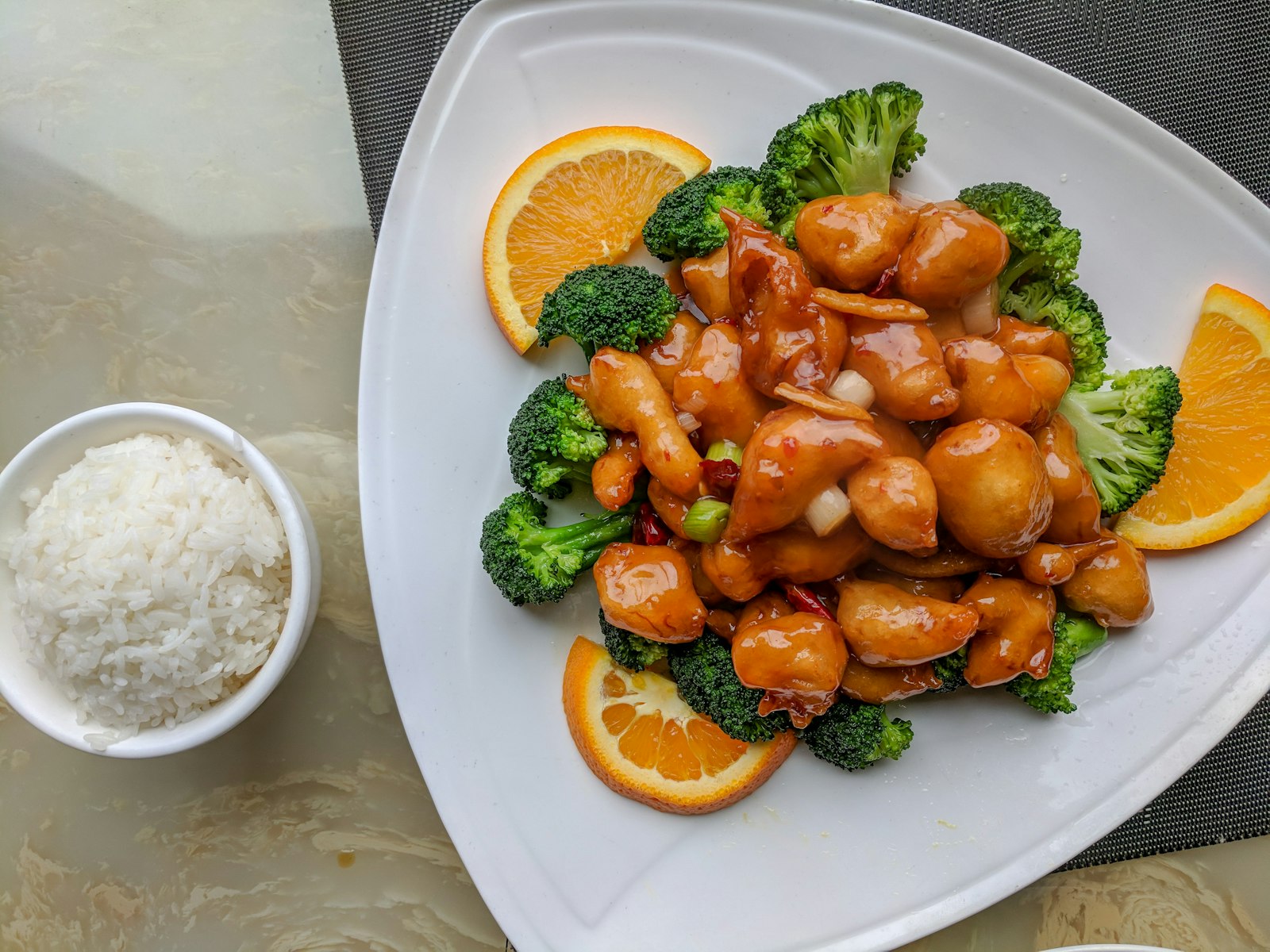
The cab driver, a man named Lao Chen who chain-smoked through Wuhan’s infamous traffic, laughed when I asked him if the Yellow Crane Tower was worth the hype. “It’s just a building,” he said, flicking ash out the window. “But you climb it, you look at the river, you feel something. That’s the point.” He was right. But he failed to mention the real reason you come to Wuhan: the food. The city is a steam engine of breakfast noodles and late-night skewers, a place where the Yangtze River splits the city in two, and where a 1,800-year-old tower sits on a hill, watching it all happen.
This guide is for the first-time foreign visitor who wants to see the tower without the tour-bus crush, and eat the city’s legendary food without getting lost in translation. I’ve lived in China for seven years and have eaten my way through Wuhan four times—once badly (don’t order the “spicy” anything without asking first), once brilliantly (a noodle shop with no English name and a 30-minute wait). I’ll tell you exactly what to see, what to skip, and where to shove your face.
Quick answer
Yes, the Yellow Crane Tower is worth visiting for first-time tourists, but only if you go at opening time on a weekday to avoid crowds. The tower costs about $9.50 (CNY 65) and takes 1.5–2 hours. The real reason to visit Wuhan is the food—specifically re gan mian (hot dry noodles), which you can eat for under $1.50 (CNY 10) at a street stall near the tower. Most international visitors from the US, UK, Canada, Australia, and 50+ other countries can enter China visa-free for up to 15 days (policy extended through 2026).
The Short Version
If you have 90 seconds: skip the tower if you hate stairs and crowds. Go if you want a postcard view of the Yangtze. But do not skip the food. Wuhan’s breakfast culture is one of China’s best—cheap, loud, and completely overwhelming in the best way. Get the hot dry noodles, the soup dumplings, and the fried dough sticks. Drink the rice wine. You will not regret it.
How I Picked These
I spent four days in Wuhan in late 2025, walking every street around the tower and the nearby food alleys. I ate at 14 different stalls and restaurants. I talked to three taxi drivers, a hostel owner, and a retired history teacher who corrected my pronunciation of “Yellow Crane” four times. I also made mistakes—I ate at one tourist-trap noodle shop near the tower that charged triple the normal price. I’ve excluded that place and included the ones locals actually use.
Comparison Table
| Rank | Place | Best For | Approx Cost (USD) | Time Needed | When to Go |
|------|-------|----------|-------------------|-------------|------------|
| 1 | Yellow Crane Tower | Iconic views & history | $9.50 (CNY 65) | 1.5–2 hours | Weekday morning, spring/fall |
| 2 | Hubu Alley Breakfast Street | Street food variety | $3–$8 (CNY 20–55) | 1–1.5 hours | 7–9 AM, any day |
| 3 | Cai Lin Ji Re Gan Mian | Best hot dry noodles | $1.50 (CNY 10) | 20 minutes | Breakfast or lunch |
| 4 | Wuhan Yangtze River Bridge | Walk across the river | Free | 30–45 minutes | Late afternoon, clear day |
| 5 | Hubei Provincial Museum | Ancient artifacts & chime bells | Free (ID required) | 2–3 hours | Weekday morning |
| 6 | Guiyuan Buddhist Temple | Peaceful escape | $1.50 (CNY 10) | 1 hour | Morning, weekday |
| 7 | Jianghan Road Walking Street | Shopping & snacks | Free entry | 1–2 hours | Evening, weekends |
| 8 | East Lake Greenway | Cycling & nature | Free | 2–4 hours | Sunny weekday |
| 9 | Tan Hua Lin | Famous Wuhan restaurant chain | $8–$15 (CNY 55–105) | 1 hour | Lunch or dinner |
| 10 | Wuhan Night Market (Hubu area) | Late-night skewers & beer | $5–$10 (CNY 35–70) | 1–2 hours | After 8 PM |
1. Yellow Crane Tower – The View That Makes the Climb Worth It
I arrived at 7:45 AM on a Tuesday in October. The ticket office had three people in line. By 9:30, buses were pulling up with tour groups. The trick is simple: be early. The tower itself is a reconstruction—the original burned down and was rebuilt 28 times over the centuries. The current version dates to 1985. Some people call it fake. I call it a stage set for one of the best views of the Yangtze River in central China.
You climb five floors. Each floor has a different exhibit—poems, paintings, a massive porcelain mural. The fifth floor is the payoff. The river curves south, the bridge stretches across, and the city sprawls in every direction. I stood there for ten minutes, just watching the barges move. A Chinese tourist next to me recited a Tang dynasty poem under his breath. I didn’t understand it, but I felt the weight of it.
📍 Location: Snake Hill, Wuchang District, near the Yangtze River Bridge
🎫 Entry fee: $9.50 (CNY 65). Free for children under 1.2 meters and seniors over 65 with ID.
🕒 Opening hours: 8:00 AM–6:00 PM (April–October), 8:00 AM–5:00 PM (November–March). Last entry 30 minutes before close.
🚇 How to get there: Take Metro Line 5 to Sijimen Station, Exit A. Walk east for 8 minutes. You’ll see the tower on the hill. Or take a taxi from Hankou Railway Station—about $4 (CNY 28), 20 minutes.
⏰When to visit: Weekday morning, ideally Tuesday–Thursday. Spring (March–May) or autumn (September–November) for clear skies. Avoid Chinese national holidays (October 1–7) unless you enjoy crowds.
💡 Insider tips:
-
Buy tickets on the WeChat mini-program “Yellow Crane Tower” to skip the line. You’ll need WeChat Pay set up.
-
Bring your passport—you might need it for the ticket counter if the app doesn’t work.
-
The elevator only goes to the 4th floor. You still have to walk the last flight.
-
Don’t buy souvenirs inside. They’re marked up 3x. Walk to the street vendors outside.
-
The night show (light & sound) costs extra—$18 (CNY 120). I skipped it. Friends said it’s fine but not essential.
One thing I remember: I bought a bottle of water from a vendor at the base. She charged me $0.70 (CNY 5). At the top, the same bottle was $1.40 (CNY 10). Bring your own.
2. Hubu Alley Breakfast Street – Where Wuhan Wakes Up
The smell hits you first. Sesame paste, fried dough, soy milk, chili oil, and something porky sizzling on a griddle. Hubu Alley is a narrow pedestrian lane about 150 meters long, packed with stalls that open by 6 AM. By 7:30, the line at the famous re gan mian shop is already 20 people deep. I watched a woman in her 60s work two woks at once, tossing noodles with one hand and ladling sauce with the other. She didn’t look up once.
This is where you eat breakfast like a local. Don’t sit down at a restaurant—stand at a stall, point at what looks good, and eat it on the street. The best strategy: buy one thing from each stall. Share with a friend if you can. I ate four different breakfasts in one hour and spent less than $5 (CNY 35).
📍 Location: Hubu Alley, Wuchang District, about 10 minutes walk from Yellow Crane Tower
🎫 Entry fee: Free. Food costs $0.50–$3 (CNY 3–20) per item.
🕒 Opening hours: 6:00 AM–11:00 AM for breakfast. Some stalls open again for dinner at 5 PM.
🚇 How to get there: From Yellow Crane Tower, walk south down Yellow Crane Tower Road for 10 minutes. You’ll see the alley entrance on your left.
⏰When to visit: 7:00–8:30 AM for the freshest food. Weekdays are less crowded than weekends.
💡 Insider tips:
-
Bring small bills and coins. Many stalls don’t take WeChat Pay for amounts under $0.70 (CNY 5).
-
Point at what others are eating. Don’t try to read the Chinese menu—it’s chaotic.
-
Try the mian wo (fried dough rings) and dou pi (glutinous rice wrapped in tofu skin). Both are Wuhan specialties.
-
If you see a long line at one stall, get in it. The locals know.
-
Avoid the stall with the English menu and photos. It’s for tourists and the food is worse.
One thing I remember: I tried to order in Mandarin and said “I want the hot dry noodles” but accidentally said “I want the hot dry face.” The stall owner laughed so hard she gave me an extra portion.
3. Cai Lin Ji Re Gan Mian – The Noodle That Defines a City
This is the most famous re gan mian shop in Wuhan, and it’s a chaotic, glorious mess. The shop is tiny—maybe 20 seats—and the line snakes out the door. You order at the counter, get a ticket, and hand it to the noodle cook. She’ll ask you one question: “With or without chili?” Say “with.” The noodles are sesame-paste coated, slightly chewy, topped with pickled vegetables and scallions. You mix it yourself. It’s the best $1.50 (CNY 10) you’ll spend in China.
The trick is to eat it fast. The noodles dry out after about five minutes. I watched a man next to me finish his bowl in 90 seconds, then walk out without a word. That’s the Wuhan way.
📍 Location: 125 Hubu Alley, Wuchang District (look for the red sign with yellow characters)
🎫 Entry fee: $1.50 (CNY 10) for a standard bowl. Add an egg for $0.30 (CNY 2).
🕒 Opening hours: 6:00 AM–1:00 PM. They sell out by noon most days.
🚇 How to get there: Walk into Hubu Alley from the north entrance. It’s about 50 meters in, on the left.
⏰When to visit: 7:00–8:00 AM on a weekday. Avoid weekends unless you enjoy 30-minute waits.
💡 Insider tips:
-
Have your WeChat Pay ready. The QR code is at the counter.
-
If you can’t handle spice, ask for “bu yao la” (no chili). But you’ll miss the point.
-
Don’t sit down until you have your noodles. The seats are for eating, not waiting.
-
Buy a bowl of dan jiu (rice wine) from the stall next door to drink with your noodles.
-
If the line is too long, walk to the second Cai Lin Ji branch on Liangdao Street—same noodles, half the wait.
One thing I remember: I asked the cook how long she’d been making noodles. She held up 30 fingers. I believed her.
4. Wuhan Yangtze River Bridge – The Walk That Changes Your Perspective
The bridge is a Soviet-Chinese engineering project from 1957, and it’s not beautiful in the way a Parisian bridge is beautiful. It’s functional, industrial, and massive. But walking across it—about 1.6 kilometers from one bank to the other—gives you a perspective on Wuhan you can’t get anywhere else. The river is brown and wide, the barges are slow, and the city rises on both sides like a concrete canyon.
I walked it at 4 PM on a Thursday. The sun was behind me, the air was cool, and I could see the Yellow Crane Tower on the hill to my left. Halfway across, I stopped and just watched the water. A Chinese man on a bicycle stopped next to me, lit a cigarette, and said, “Big river, eh?” I nodded. He rode off.
📍 Location: Connects Wuchang (south bank) to Hanyang (north bank)
🎫 Entry fee: Free
🕒 Opening hours: Open 24 hours, but walk during daylight for safety
🚇 How to get there: From Yellow Crane Tower, walk north for 15 minutes. You’ll see the bridge entrance at the end of Yellow Crane Tower Road.
⏰When to visit: Late afternoon (3–5 PM) for good light. Avoid noon in summer—no shade.
💡 Insider tips:
-
Walk from Wuchang to Hanyang (south to north). The view of the tower is better from this direction.
-
There’s a pedestrian walkway on both sides. Use the right side (east) for the tower view.
-
The bridge is 1.6 km long. It takes about 25 minutes to walk one way.
-
Don’t stop for photos on the vehicle lane. Use the designated viewing platforms.
-
If you’re tired, take the bus back across for $0.15 (CNY 1).
One thing I remember: A group of Chinese students asked me to take their photo. Then they asked for a selfie with me. I was the only foreigner on the bridge that hour.
5. Hubei Provincial Museum – The Bells That Sound Like History
I’m not usually a museum person, but this one surprised me. The main attraction is the set of 65 bronze chime bells from the Marquis Yi of Zeng, buried in 433 BC and unearthed in 1978. They’re enormous—the largest weighs over 200 kilograms—and they still play musical notes. There’s a daily performance where a musician in traditional robes strikes them with mallets. The sound is deep, clear, and ancient. I got chills.
The museum also has a good collection of lacquerware, swords, and bamboo slips. The building itself is modern and well-lit. English signage is decent—better than most Chinese museums. The whole thing is free, which feels like a steal.
📍 Location: 156 Donghu Road, Wuchang District, near East Lake
🎫 Entry fee: Free, but you need to reserve a ticket on the WeChat mini-program “Hubei Provincial Museum” in advance. Bring your passport.
🕒 Opening hours: 9:00 AM–5:00 PM (last entry 4:00 PM). Closed on Mondays (except public holidays).
🚇 How to get there: Take Metro Line 8 to Hubei Provincial Museum Station, Exit A. Walk 5 minutes east.
⏰When to visit: Weekday morning, right at 9 AM opening. The chime bell performance is at 10:30 AM and 2:30 PM—arrive early for seats.
💡 Insider tips:
-
Reserve your ticket at least 2 days in advance. Same-day tickets sell out by 10 AM.
-
The chime bell performance costs an extra $3 (CNY 20). Pay at the counter inside.
-
Don’t miss the sword exhibition on the second floor. The Sword of Goujian is there—it’s 2,500 years old and still sharp.
-
Photography is allowed without flash. No tripods.
-
The museum cafe is overpriced. Eat at a street stall nearby instead.
One thing I remember: A retired teacher saw me looking confused at a display and spent 15 minutes explaining the history of the bells in broken English. He refused my offer of coffee.
6. Guiyuan Buddhist Temple – The Quiet in the Noise
Wuhan is loud. Motorcycles, construction, street vendors shouting—it never stops. Guiyuan Temple is the exception. It’s a 400-year-old Buddhist complex in the middle of the city, and the moment you step through the gate, the noise drops by half. The air smells like incense and old wood. Monks in grey robes walk slowly across the courtyards.
The main hall has a massive golden Buddha. The side halls have 500 arhat statues, each with a different expression. I spent an hour just walking the grounds, sitting on a stone bench, watching the pigeons. A monk walked past and nodded at me. That was the entire interaction. It was perfect.
📍 Location: 20 Cuiwei Road, Hanyang District
🎫 Entry fee: $1.50 (CNY 10). Cash only at the gate.
🕒 Opening hours: 8:00 AM–5:00 PM daily
🚇 How to get there: Take Metro Line 4 to Zhongjiacun Station, Exit B. Walk 10 minutes west. Or take a taxi from the Yellow Crane Tower area—about $2.50 (CNY 18).
⏰When to visit: Weekday morning, 8–10 AM. Avoid weekends and Buddhist holidays (full moon days).
💡 Insider tips:
-
Dress modestly. Cover shoulders and knees.
-
Don’t take photos of the monks without asking. Some will say no.
-
The vegetarian restaurant inside is good—try the mock meat dishes. About $4 (CNY 28) for a meal.
-
Buy incense at the gate for $0.30 (CNY 2) and light it at the main hall.
-
If you want a fortune slip, shake the bamboo sticks at the side hall. A monk will interpret it for free.
One thing I remember: I sat next to an old woman who was praying. She finished, turned to me, and handed me a small peach-shaped bun. “Good luck,” she said. I ate it. It was sweet.
7. Jianghan Road Walking Street – The Pulse of the City
Jianghan Road is Wuhan’s answer to Nanjing Road in Shanghai—a pedestrian street lined with early 20th-century European buildings, modern shops, and food stalls. It’s touristy, yes. But it’s also where the city’s energy is most visible. On a Saturday night, the street is packed with teenagers on scooters, couples eating ice cream, and vendors selling everything from grilled squid to phone cases.
I walked it at 8 PM. The buildings were lit up in yellow and white. A street musician was playing a Chinese guitar. A group of women were dancing in the square. It felt alive in a way that’s hard to describe. If you want to see modern Wuhan, this is it.
📍 Location: Jianghan Road, Jianghan District (north bank of the Yangtze)
🎫 Entry fee: Free. Food and shopping costs vary.
🕒 Opening hours: Shops open 10 AM–10 PM. Street food stalls stay open until midnight.
🚇 How to get there: Take Metro Line 2 to Jianghan Road Station, Exit C. You’re right on the street.
⏰When to visit: Evening, 6–9 PM. Weekends are busier but more fun.
💡 Insider tips:
-
The best food is on the side alleys, not the main street. Walk into any alley that smells good.
-
Try the chou doufu (stinky tofu) from the stall at the intersection of Jianghan and Zhongshan. It’s $0.70 (CNY 5) and worth the smell.
-
Bargaining is expected at the souvenir stalls. Start at half the asking price.
-
The old buildings are former foreign concessions. Look up—the architecture is better than the shop fronts.
-
If you need a bathroom, use the McDonald’s on the corner. Free and clean.
One thing I remember: I bought a grilled corn on a stick from a vendor. She handed it to me with a napkin and said, “Hot. Careful.” I burned my tongue anyway.
8. East Lake Greenway – The Escape You Didn’t Know You Needed
East Lake is the largest urban lake in China—bigger than West Lake in Hangzhou by a lot. The greenway around it is 100 kilometers of bike paths, walking trails, and bridges. I rented a bike for $1.50 (CNY 10) per hour and rode for three hours. I saw lotus flowers, willow trees, old men fishing, and a wedding photoshoot. The air was clean. The sky was blue. I forgot I was in a city of 11 million people.
The best part is the section near Tingtao Scenic Area. The water is calm, the reeds are tall, and there’s a pavilion where you can sit and watch the boats. I stopped there for 20 minutes and didn’t look at my phone once.
📍 Location: East Lake Scenic Area, Wuchang District (multiple entrances)
🎫 Entry fee: Free. Bike rental $1.50 (CNY 10) per hour. Boat rides $3–$6 (CNY 20–42).
🕒 Opening hours: Greenway open 24 hours. Bike rentals available 7 AM–7 PM.
🚇 How to get there: Take Metro Line 8 to East Lake Scenic Area Station, Exit A. Walk 5 minutes to the greenway entrance.
⏰When to visit: Weekday morning or late afternoon. Spring (March–May) for cherry blossoms. Autumn (October–November) for cool weather.
💡 Insider tips:
-
Rent a bike from the official rental stations near the entrance. The private ones charge double.
-
Bring water and snacks. There are few shops on the greenway itself.
-
The full loop is 100 km. Do a 10–15 km section unless you’re training for a marathon.
-
Mosquito repellent is essential in summer. They are aggressive.
-
If you want a boat ride, go to the Tingtao dock. The pedal boats are $4 (CNY 28) for 30 minutes.
One thing I remember: I saw a man practicing tai chi on a platform over the water. He moved so slowly I thought he was a statue. Then he turned his head and smiled.
9. Tan Hua Lin – The Restaurant That Does Everything Right
Tan Hua Lin is a Wuhan institution—a chain restaurant that serves local dishes in a setting that’s nicer than a street stall but not as formal as a fine dining place. The food is consistent, the service is fast, and the menu has pictures. For a first-time visitor, this is the safest bet for a good meal.
I ordered the wuchang yu (Wuchang fish), a local freshwater fish steamed with ginger and scallions. It was delicate, flaky, and perfectly seasoned. I also had the lian ou tang (lotus root soup), which is a Hubei specialty—pork ribs simmered with lotus root until the soup turns milky. It tasted like home, even though I was 7,000 miles from mine.
📍 Location: Multiple branches. The best one for tourists is on Liangdao Street, Wuchang District, near the Yellow Crane Tower.
🎫 Entry fee: $8–$15 (CNY 55–105) per person, depending on how much you order.
🕒 Opening hours: 11:00 AM–9:30 PM daily
🚇 How to get there: From Yellow Crane Tower, walk south down Yellow Crane Tower Road for 12 minutes. The restaurant is on the left, second floor.
⏰When to visit: Lunch (11:30 AM–1:00 PM) or early dinner (5:00–6:30 PM) to avoid the rush.
💡 Insider tips:
-
Order the wuchang yu and lian ou tang. They are the signature dishes.
-
The menu has English translations and photos. Point if you can’t pronounce the names.
-
Portions are family-style. Order 2–3 dishes for two people.
-
The fried rice is good but not special. Skip it and get another vegetable dish instead.
-
They accept WeChat Pay, Alipay, and cash. No credit cards.
One thing I remember: My waiter was a young guy who spoke some English. He recommended the fish and said, “This is Wuhan. You must eat it.” I did. He was right.
10. Wuhan Night Market (Hubu Area) – The Final Feast
After dark, the streets around Hubu Alley transform. The breakfast stalls close, and the skewer stalls open. Grills fire up. Smoke rises. The smell of cumin, chili, and lamb fat fills the air. This is where you go for dinner if you want to eat like a local.
I went at 9 PM. The street was packed. I ordered lamb skewers ($0.40 each, CNY 3), grilled eggplant ($1, CNY 7), and a bottle of local beer ($0.70, CNY 5). I sat on a plastic stool at a tiny table and watched the chaos around me. A group of friends at the next table offered me a skewer of chicken heart. I accepted. It was delicious.
📍 Location: The streets surrounding Hubu Alley, Wuchang District
🎫 Entry fee: Free. Skewers $0.30–$0.70 (CNY 2–5) each.
🕒 Opening hours: 6:00 PM–midnight (some stalls until 2 AM)
🚇 How to get there: Same as Hubu Alley. Walk south from Yellow Crane Tower for 10 minutes.
⏰When to visit: 8–10 PM on a weeknight. Weekends are busier but more lively.
💡 Insider tips:
-
Look for stalls with the longest lines. That’s where the best food is.
-
Bring cash. Some stalls don’t take mobile payments.
-
The grilled tofu skin is a must-try. It’s crispy on the outside, soft on the inside.
-
Don’t be afraid to point at what others are eating. It’s the universal menu.
-
If you see a stall selling kao leng mian (grilled cold noodles), try it. It’s weird and wonderful.
One thing I remember: A drunk man at the next table insisted I try his baijiu (Chinese liquor). I took a sip. It burned. He laughed and clapped me on the back.
FAQ summary
The Yellow Crane Tower costs $9.50 (CNY 65) and is best visited on a weekday morning. The real draw of Wuhan is its food, especially re gan mian (hot dry noodles) from Hubu Alley, which costs under $1.50 (CNY 10). Most international visitors from 50+ countries can enter China visa-free for up to 15 days through 2026. Bring cash for street stalls, set up WeChat Pay for restaurants, and download a translation app—English is not widely spoken outside tourist areas.
FAQ
Q: Do I need a visa for China in 2026?
A: Citizens of the US, UK, Canada, Australia, and 50+ other countries can enter China visa-free for up to 15 days for tourism. This policy has been extended through 2026. If you’re staying longer, you need a visa. Check with your local Chinese embassy for the latest updates.
Q: How do I get from the airport to the Yellow Crane Tower area?
A: Take Metro Line 2 from Wuhan Tianhe Airport to Hongshan Square Station, then transfer to Line 5 to Sijimen Station. Total time: about 1 hour. Cost: $1.50 (CNY 10). A taxi costs $15–$20 (CNY 105–140) and takes 40 minutes.
Q: Is it safe to eat street food in Wuhan?
A: Yes, if you follow basic rules: eat at stalls with high turnover (lots of customers), avoid raw vegetables, and drink bottled water. I ate street food every day for four days and had zero issues. Your stomach might need a day to adjust—bring probiotics if you’re worried.
Q: Do I need a VPN for my phone in China?
A: Yes. Google, WhatsApp, Instagram, and Facebook are blocked. Install a VPN before you leave your home country. I use Astrill or ExpressVPN. Also buy a Chinese SIM card at the airport—China Unicom has tourist plans for $10–$20 (CNY 70–140) for 7 days.
Q: Can I use my credit card in Wuhan?
A: Rarely. Most places accept WeChat Pay, Alipay, or cash. Set up WeChat Pay before you arrive—link it to your foreign credit card. For street stalls, carry small bills ($1–$5, or CNY 7–35). ATMs are widely available at banks.
Q: How much time do I need for the Yellow Crane Tower and food tour?
A: One full day. Morning at the tower (1.5–2 hours), breakfast at Hubu Alley (1 hour), walk across the bridge (30 minutes), lunch at Tan Hua Lin (1 hour), afternoon at the museum or East Lake (2–3 hours), evening at Jianghan Road or the night market (1–2 hours). You’ll be tired but happy.
Q: Is English widely spoken in Wuhan?
A: No. At the Yellow Crane Tower and major hotels, some staff speak basic English. On the street, almost no one does. Download Google Translate (with offline Chinese pack) or Pleco. Learn three phrases: “xie xie” (thank you), “duo shao qian” (how much), and “zhe ge” (this one).
The Honest Wrap-up
This list is for the traveler who wants to see a famous landmark without feeling like a tourist, and eat food that tastes like the city itself. It’s not for people who want luxury shopping or five-star dining. Wuhan is rough around the edges—the traffic is insane, the air can be hazy, and the language barrier is real. But if you can handle a little chaos, you’ll find a city with soul.
My final advice: go early, eat everything, and talk to the old people. They’ve been here longer than the tower has been standing. They know where the best noodles are.
Related Guides
Looking for more China travel guides? These match your topic:
Topics
More guides you may like

Top 10 Bridges in China
China's bridges are engineering marvels spanning mountains, rivers, and seas. Here are 10 of the most spectacular, from ancient stone to modern steel.
8 min read

Top 10 Buddhist Sites in China
From the Leshan Giant Buddha to the Dunhuang Caves, these 10 Buddhist sites represent 2,000 years of China's spiritual heritage.
9 min read

Top 10 Day Trips from Beijing You Shouldn't Miss
Beijing is packed with history, but some of China's best experiences are just a few hours away. Here are 10 day trips that will transform your visit.
9 min read

Top 10 Hidden Gems in China Off the Beaten Path
Beyond the Great Wall and Terracotta Warriors, China has incredible hidden destinations few tourists ever reach. Here are 10 underrated gems worth the detour.
9 min read

Top 10 Markets and Shopping Streets in China
From Shanghai's Bund to Beijing's Silk Street - 10 markets where foreigners can haggle, explore, and bring home authentic Chinese goods.
9 min read

Top 10 Museums in China You Shouldn't Miss
China's museums span 5,000 years of civilization. These 10 - from the Palace Museum to Xi'an's terracotta gallery - are unmissable for culture lovers.
9 min read