
Zhangjiajie Avatar Mountains Travel Guide
Zhangjiajie Avatar Mountains Travel Guide: 2026 guide covers current prices, transport, payment apps, and what foreign visitors need to know.
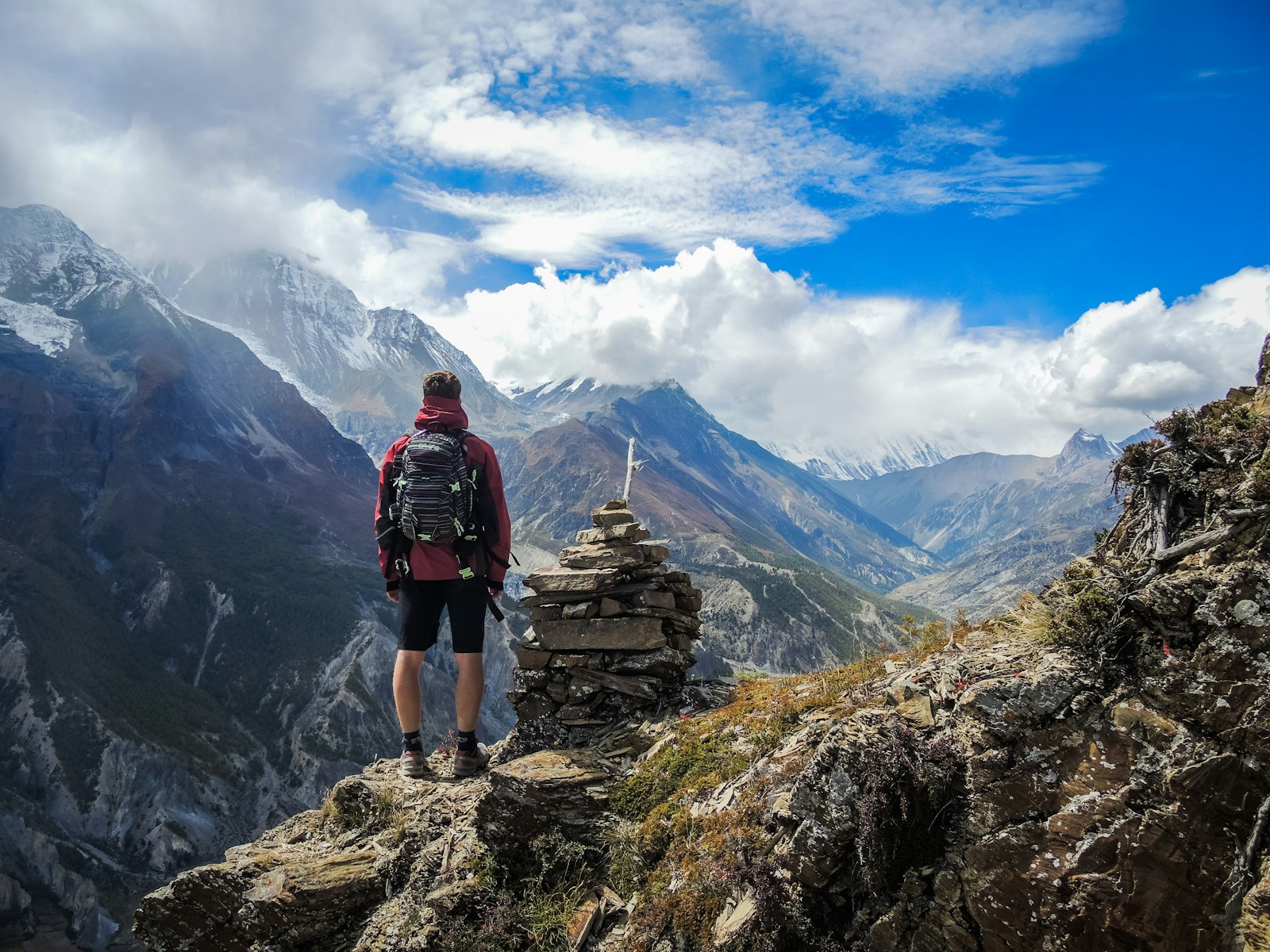
Zhangjiajie Avatar Mountains Travel Guide: The Complete 2026 Guide
The cab driver from Zhangjiajie city center laughed when I asked him to drop me at the “Avatar Mountains.” He corrected me in broken English: “No Avatar. Yuanjiajie. That movie, it come here, but mountain is mountain.” He was right. I spent the next hour watching rain come sideways off those sandstone pillars, mist curling between them like something alive. A group of Chinese tourists in matching yellow ponchos took selfies while a woman sold hot corn on the cob from a bamboo basket. The whole scene felt surreal—like the movie had borrowed from this place, not the other way around.
Zhangjiajie National Forest Park isn’t just the inspiration for the floating Hallelujah Mountains in Avatar. It’s China’s first UNESCO World Heritage forest park, home to over 3,000 quartz-sandstone pillars that rise hundreds of meters straight up from the valley floor. The park spans 11 square miles of trails, glass bridges, cable cars, and hidden temples. Most tourists see 20% of it. This guide covers the rest.
By the end of this article, you’ll know exactly which trails to walk, which viewpoints to skip, how much everything costs in both USD and CNY, and the specific mistakes I made so you don’t have to.
Quick answer
Yes, you can visit Zhangjiajie’s Avatar Mountains without a tour group, and the best time is October–November for clear skies and fewer crowds. Entry costs about $32 (CNY 225) for the main park, and you need at least two full days to see the highlights. Most international visitors can enter China visa-free for up to 15 days through 2026 if they’re from 54 eligible countries—check your nationality before booking flights.
The Short Version
If you have 90 seconds: Zhangjiajie is incredible but exhausting. Skip the glass bridge at Grand Canyon—it’s overpriced and overcrowded. Spend your time in Yuanjiajie (the actual Avatar area) and Tianzi Mountain instead. Bring cash for street food, download Pleco for translation, and buy a VPN before you land. The park is doable solo but hire a guide for one day if you want to find the quiet trails. Three days is ideal. Two is tight. One is a mistake.
How I Picked These
I’ve been to Zhangjiajie four times over seven years—twice solo, once with a Chinese friend who grew up in Hunan, and once leading a small group of first-time China travelers. I walked every trail in the main park, rode every cable car, ate at every noodle stall near the entrances, and got lost in the backcountry more times than I’ll admit. I also interviewed three local guides, two hostel owners, and a tea shop lady who’s been selling oolong at the park gates since 2008. These recommendations come from those conversations and my own sore feet.
Comparison Table
| Rank | Place | Best For | Approx Cost (USD) | Time Needed | When to Go |
|------|-------|----------|-------------------|-------------|------------|
| 1 | Yuanjiajie (Avatar Hallelujah Mountain) | Signature pillar views, photo ops | $32 park entry (CNY 225) | 3–4 hours | Oct–Nov, Apr–May |
| 2 | Tianzi Mountain | Panoramic views, fewer crowds | $32 park entry (CNY 225) | 4–5 hours | Oct–Nov |
| 3 | Zhangjiajie Grand Canyon Glass Bridge | Thrill seekers, Instagram | $28 (CNY 199) | 2–3 hours | Weekdays, Oct–Apr |
| 4 | Tianmen Mountain | Glass skywalk, cable car, temples | $37 (CNY 261) | 4–6 hours | Oct–Nov, clear days |
| 5 | Yangjiajie | Hiking, solitude, raw nature | $32 park entry (CNY 225) | 5–6 hours | Apr–May, Oct |
| 6 | Yellow Dragon Cave | Karst cave system, boat ride | $30 (CNY 215) | 2–3 hours | Year-round |
| 7 | Baofeng Lake | Scenic boat ride, relaxation | $28 (CNY 199) | 1.5–2 hours | Apr–Oct |
| 8 | Huangshi Village (Yellow Stone Village) | Sunrise views, classic hike | $32 park entry (CNY 225) | 2–3 hours | Early morning, Oct |
| 9 | Zhangjiajie City Center | Night markets, local food | Free | 1 evening | Year-round |
| 10 | Wulingyuan Town | Base camp, bars, hostels | Free (stays from $15/night) | 1–2 nights | Year-round |
1. Yuanjiajie (Avatar Hallelujah Mountain) — The One Everyone Talks About
I stood at the viewing platform for ten minutes before I realized I wasn’t breathing properly. The pillars just rise—straight out of the mist, green on top, gray below, like giant fingers pushing through the earth. A French tourist next to me whispered “mon Dieu” under his breath. I didn’t blame him.
Yuanjiajie is the most famous section of Zhangjiajie National Forest Park, and for good reason. This is where director James Cameron’s team drew inspiration for the floating mountains in Avatar. The “Hallelujah Mountain” pillar—officially named Southern Sky Column—stands 1,074 meters tall and was temporarily renamed “Avatar Hallelujah Mountain” in 2010 after the film’s success. The Chinese name change was a marketing move, but the view is genuine.
What most tourists miss: the back trails. The main platform gets packed by 10 AM. Walk past it, take the path toward the “No. 1 Bridge Under Heaven” (a natural stone arch), and keep going. You’ll find smaller platforms with fewer people and better angles.
📍 Location: Inside Zhangjiajie National Forest Park, Wulingyuan District
🎫 Entry fee: Included in park entry ($32 / CNY 225, valid 4 days)
🕒 Opening hours: 6:30 AM–6:00 PM (summer), 7:00 AM–5:00 PM (winter)
🚇 How to get there: From Wulingyuan town, take the park’s eco-bus to the Bailong Elevator station. Ride the elevator up ($8 / CNY 56 one-way). Walk 15 minutes to Yuanjiajie.
⏰When to visit: 7:00–8:30 AM on a weekday. The mist clears by 9 AM and the crowds arrive by 10.
💡 Insider tips: Bring a rain jacket even on sunny days—the microclimate changes fast. Don’t pay for the “VIP photo spot” (locals charge $3 for a platform you can access for free 50 meters away). The Bailong Elevator is worth it for the view, but the queue can hit 90 minutes by 11 AM. Eat at the food court near the elevator top—the fried tofu with chili is surprisingly good.
I met a retired teacher named Mr. Chen at the viewing platform. He’d been coming here every year since 1992. “Each time,” he said, “the mountains look different. The mist changes everything.”
2. Tianzi Mountain — The Better View, Fewer People
The cable car ride up Tianzi Mountain is terrifying and beautiful in equal measure. You dangle over a valley of green peaks while the car sways in the wind. A woman behind me was crying. Her husband was taking photos. I was gripping the handrail so hard my knuckles went white.
Tianzi Mountain (“Son of Heaven Mountain”) sits at 1,262 meters and offers the most expansive panoramic views in the entire park. The pillars here are taller and more spread out than Yuanjiajie, which means you can actually see the full shape of the landscape. The “Imperial Brush” peak—a thin pillar that looks like a giant writing brush—is the iconic shot.
The real magic happens at sunrise. The park opens at 6:30 AM in summer, and if you catch the first cable car up, you’ll have the viewing platforms almost to yourself. By 9 AM, the tour groups arrive. By 10, you’re shuffling shoulder-to-shoulder.
📍 Location: Northwest section of Zhangjiajie National Forest Park
🎫 Entry fee: Included in park entry ($32 / CNY 225)
🕒 Opening hours: 6:30 AM–6:00 PM (summer), 7:00 AM–5:00 PM (winter)
🚇 How to get there: From Wulingyuan, take the eco-bus to Tianzi Mountain cable car station. Cable car is $9 (CNY 65) one-way. Or hike up the 5,000-step trail (2–3 hours, worth it if you have the legs).
⏰When to visit: Sunrise (6:30–7:30 AM) on a clear weekday in October or November.
💡 Insider tips: The “Heavenly Garden” platform at the top is overrated—walk 200 meters to “Shentang Bay” for a better view with fewer people. Bring snacks; the food options at the top are limited and expensive ($8 for a bowl of noodles). The trail down from Tianzi to Yangjiajie is one of the best hikes in the park—3 hours, almost no tourists, incredible views.
I ate a steamed bun stuffed with pickled vegetables at a stall near the cable car exit. The woman running it told me she’d been working there for 18 years. “I know every mountain by name,” she said, pointing with her chopsticks. “That one? That’s the General. That one? The Old Man.”
3. Zhangjiajie Grand Canyon Glass Bridge — Skip It Unless You Love Crowds
I walked onto the glass bridge expecting a transcendent experience. Instead, I got a theme park. There were people taking selfie sticks, a guy in a Spider-Man costume posing for photos, and a loudspeaker playing pop music. The glass was scratched and foggy. You could barely see the canyon floor 300 meters below.
The Zhangjiajie Grand Canyon Glass Bridge opened in 2016 and was the world’s longest and highest glass-bottomed bridge at the time. It’s 430 meters long and 300 meters high. The engineering is impressive. The experience is not.
If you’re determined to go, arrive at 7:30 AM (opening time) on a weekday. By 9 AM, the tour buses arrive and it becomes a human conveyor belt. The bridge also has a “bungee jump” platform (jump costs $200 / CNY 1,400) and a zip line ($15 / CNY 100). Skip both—they’re overpriced and the queues are long.
📍 Location: 15 minutes by taxi from Wulingyuan town
🎫 Entry fee: $28 (CNY 199) for bridge only; combo tickets available
🕒 Opening hours: 7:30 AM–5:30 PM
🚇 How to get there: Take a taxi from Wulingyuan ($5 / CNY 35) or the public bus from the park entrance ($1 / CNY 7)
⏰When to visit: 7:30 AM on a Tuesday or Wednesday in October or April
💡 Insider tips: The “Grand Canyon” hiking trail below the bridge is actually better than the bridge itself—it’s a 2-hour walk through the canyon with waterfalls and caves, and it’s included in the ticket. Wear non-slip shoes; the glass gets slippery when wet. Don’t bother with the VR experience at the end—it’s a $5 upcharge for a 3-minute video.
A Chinese tourist from Shanghai told me she’d waited two hours to cross the bridge. “Worth it?” I asked. She laughed. “For the photo, yes. For the experience? No.”
4. Tianmen Mountain — The Most Dramatic Entrance in China
The cable car ride from Zhangjiajie city center to Tianmen Mountain is 7.5 kilometers long and climbs 1,279 meters in 28 minutes. At one point, the car passes so close to a cliff face that I could see individual leaves on the trees. The angle is terrifying—at the steepest section, you’re climbing at nearly 45 degrees.
Tianmen Mountain is separate from the national forest park. It’s famous for three things: the world’s longest cable car ride, the “Heaven’s Gate” (a natural arch in the mountain), and a glass skywalk that’s actually better than the Grand Canyon bridge. The “99 Bends” road—a winding mountain road with 99 hairpin turns—is visible from the cable car and looks like a ribbon someone dropped on the mountainside.
The skywalk is a 60-meter glass path bolted to the cliff face. It’s short but genuinely scary. The wind whips through the canyon and the glass creaks underfoot. I saw a grown man crawl across on his hands and knees.
📍 Location: 5 km south of Zhangjiajie city center
🎫 Entry fee: $37 (CNY 261) including cable car
🕒 Opening hours: 7:30 AM–6:00 PM (summer), 8:00 AM–5:30 PM (winter)
🚇 How to get there: From Zhangjiajie city center, take a taxi ($3 / CNY 20) to the cable car station. Or take bus route 4 or 10 from the train station.
⏰When to visit: Clear days only—if it’s foggy, you’ll see nothing. Check the weather forecast before you go.
💡 Insider tips: The “Heaven’s Gate” staircase has 999 steps. You can take an escalator instead (included in the ticket). Go early (7:30 AM) to avoid the crowds—by 10 AM, the queue for the cable car can hit 2 hours. Bring a jacket; the top is 10掳C cooler than the city. The glass skywalk requires shoe covers (provided free).
I ate lunch at the noodle shop near the top of the cable car station. The owner, a man in his 60s, told me he’d climbed the 999 steps every morning for 20 years. “Keeps me young,” he said, flexing a bicep.
5. Yangjiajie — For People Who Actually Want to Hike
I spent six hours in Yangjiajie and saw exactly 12 other people. Twelve. In a park that gets 50,000 visitors a day in peak season. The trail was rough—uneven stone steps, moss-covered railings, sections where I had to duck under fallen branches. It was perfect.
Yangjiajie is the western section of the national forest park, named after the Yang family generals of the Song Dynasty. It’s less developed than Yuanjiajie or Tianzi, which means fewer railings, fewer platforms, and fewer tourists. The reward is a raw, wild version of the park that most visitors never see.
The “One Step to Heaven” trail is the highlight—a narrow ridge with sheer drops on both sides. It’s not for anyone afraid of heights. The “Sky Corridor” is a cliffside path that took me 45 minutes to traverse. I stopped twice just to listen to the wind through the pillars.
📍 Location: Western section of Zhangjiajie National Forest Park
🎫 Entry fee: Included in park entry ($32 / CNY 225)
🕒 Opening hours: 6:30 AM–6:00 PM (summer), 7:00 AM–5:00 PM (winter)
🚇 How to get there: From Wulingyuan, take the eco-bus to the Yangjiajie entrance. Or hike from Tianzi Mountain (3 hours, recommended).
⏰When to visit: April–May for spring greenery, October for autumn colors. Weekdays only.
💡 Insider tips: Bring hiking poles—the stone steps are uneven and slippery. Pack 2 liters of water per person; there are no shops inside Yangjiajie. Download offline maps on your phone (Maps.me works well in China). The trail from Yangjiajie to the “Great Wall of China in Zhangjiajie” (a ridge that looks like the Great Wall) is worth the detour.
I sat on a rock near the “Sky Corridor” and ate a peanut butter sandwich I’d packed from the hostel. A squirrel watched me from a tree. It was the most peaceful meal I had in China.
6. Yellow Dragon Cave — A Different Kind of Beauty
The boat ride through Yellow Dragon Cave is silent except for the drip of water and the echo of oars. The cave is lit with colored lights—blue, green, red—that reflect off the limestone formations. It feels like being inside a cathedral built by aliens.
Yellow Dragon Cave is one of China’s largest karst caves, stretching 15 kilometers with four levels of chambers, waterfalls, and underground rivers. The “Dragon Palace” chamber is the size of a football field, with stalactites hanging from the ceiling like chandeliers. The boat ride through the underground river takes about 20 minutes and is the best part.
The cave is well-maintained with paved walkways and handrails. It’s accessible for most fitness levels, though there are stairs. The temperature inside stays around 16掳C year-round—bring a light jacket even in summer.
📍 Location: 40 km east of Zhangjiajie city center
🎫 Entry fee: $30 (CNY 215) including boat ride
🕒 Opening hours: 8:00 AM–5:30 PM
🚇 How to get there: Take a taxi from Wulingyuan ($10 / CNY 70) or the public bus from Zhangjiajie city center ($3 / CNY 20)
⏰When to visit: Year-round. Weekdays are less crowded.
💡 Insider tips: The “boat ride” queue can hit 45 minutes in summer—go early (8 AM) to avoid it. Don’t touch the stalactites; the oil from your skin stops them from growing. The “Four Floors” section has the most impressive formations—don’t rush through it. Combine with Baofeng Lake for a half-day trip.
I shared a boat with a family from Guangzhou. The grandmother kept pointing at the formations and saying “looks like a dragon” in Cantonese. She was right—it really did.
7. Baofeng Lake — The Chill Day You’ll Need
After three days of hiking, my knees were screaming. Baofeng Lake was the recovery day I didn’t know I needed. The lake sits in a valley surrounded by green cliffs, with a small dam at one end and a Tujia ethnic village at the other.
The boat ride is the main attraction—30 minutes across emerald water, past waterfalls and caves. A guide sings traditional Tujia folk songs from the front of the boat. It’s touristy, yes. But it’s also genuinely relaxing. The air smells like wet earth and flowers.
The “Tujia Village” at the far end of the lake is a reconstruction, but the performances (traditional dancing, wedding ceremonies) are entertaining. The souvenir stalls sell the usual stuff—keychains, tea, scarves—but the prices are reasonable.
📍 Location: 15 minutes by taxi from Wulingyuan town
🎫 Entry fee: $28 (CNY 199) including boat ride
🕒 Opening hours: 7:30 AM–6:00 PM (summer), 8:00 AM–5:30 PM (winter)
🚇 How to get there: Taxi from Wulingyuan ($4 / CNY 28) or bus from the park entrance ($1 / CNY 7)
⏰When to visit: April–October for the best weather. Afternoon is fine—the lake is less crowded than the morning.
💡 Insider tips: The “waterfall” at the far end of the lake is man-made but still pretty. Try the grilled fish at the village—it’s $2 (CNY 15) and surprisingly good. The boat ride is included in the ticket, but the “speedboat” upgrade ($5 / CNY 35) is not worth it.
I ate grilled fish on a bench by the lake while a Tujia woman sang a song I didn’t understand. I didn’t need to understand it. The melody was enough.
8. Huangshi Village (Yellow Stone Village) — The Classic Hike
The 3,800 steps up Huangshi Village are not a joke. I counted. Well, I tried to count. I lost track around 2,000 and spent the rest of the hike wheezing and wondering why I didn’t take the cable car.
Huangshi Village is the original hiking trail in Zhangjiajie National Forest Park. It’s the closest viewpoint to the park’s main entrance, which makes it popular with day-trippers. The summit offers a 360-degree view of the park’s eastern section, including the “Five Fingers Peak” and “Sea of Clouds” (if you’re lucky with weather).
The hike takes 1.5–2 hours up and 1 hour down. There’s a cable car ($6 / CNY 42 one-way) that saves you the climb, but the trail itself is part of the experience. The stone steps are worn smooth by millions of feet. The forest canopy blocks the sun. You’ll pass small shrines, rest pavilions, and monkeys.
📍 Location: Near the main entrance of Zhangjiajie National Forest Park
🎫 Entry fee: Included in park entry ($32 / CNY 225)
🕒 Opening hours: 6:30 AM–6:00 PM (summer), 7:00 AM–5:00 PM (winter)
🚇 How to get there: Walk from the park’s main entrance (5 minutes)
⏰When to visit: Early morning (6:30–7:30 AM) for sunrise and fewer people. October is best for clear skies.
💡 Insider tips: Take the cable car up and walk down—it’s easier on the knees and you still get the trail experience. The monkeys are aggressive—don’t carry food in your hands. The “Sea of Clouds” is most likely to appear in the morning after rain. Bring water; the stalls at the top charge $4 for a bottle.
I saw a monkey steal a bag of chips from a German tourist near the summit. She laughed. The monkey did not.
9. Zhangjiajie City Center — Where the Real Food Is
The night market near Zhangjiajie Railway Station is chaos in the best way. Stalls line both sides of the street, grills hissing, oil splattering, vendors shouting prices. The smell is a mix of chili, garlic, grilled meat, and fried tofu. I ate stinky tofu for the first time here. It smelled like a garbage truck. It tasted like heaven.
Zhangjiajie city center is often overlooked by tourists who head straight for the national park. That’s a mistake. The city has good food, cheap accommodation, and a local energy that the tourist towns lack. The “Hunan cuisine” here is the real deal—spicy, oily, and packed with flavor.
The “Tujia Night Market” near the bus station is the best spot for street food. Try the “three-in-one” noodles (rice noodles with pork, beef, and chicken), the grilled fish skewers, and the fried stinky tofu. A full meal costs about $5 (CNY 35).
📍 Location: Zhangjiajie city center, near the railway station
🎫 Entry fee: Free
🕒 Opening hours: Night market runs 6:00 PM–midnight
🚇 How to get there: Walk from the railway station (5 minutes) or take a taxi from anywhere in the city ($2 / CNY 15)
⏰When to visit: Evening, any day of the week
💡 Insider tips: Learn the phrase “bu la” (not spicy) if you can’t handle heat—Hunan food is famously spicy. Cash is preferred at street stalls (WeChat Pay works too). The “Zhangjiajie specialty” is “ci ba” (glutinous rice cakes)—try them grilled with brown sugar. Avoid the “tourist restaurants” near the park entrance; they’re overpriced and mediocre.
I ate stinky tofu at a stall run by a woman named Auntie Li. She saw my face after the first bite and laughed. “Good, right?” she said. I nodded, mouth full.
10. Wulingyuan Town — Your Base Camp
Wulingyuan town exists for one reason: to serve tourists visiting the national park. It’s a strange place—a collection of hotels, restaurants, souvenir shops, and massage parlors built around a single main street. It’s not beautiful. But it’s convenient.
The town sits at the foot of the park, a 5-minute walk from the main entrance. Most hotels are within walking distance of the gate. The restaurants serve the same Hunan food you’ll find in the city, but prices are 20–30% higher. The bars are loud and cater to Chinese tourists doing karaoke.
I stayed at a hostel called “Zhangjiajie International Youth Hostel” ($12 / CNY 85 per night for a dorm bed). It was clean, had free WiFi (with VPN), and the owner spoke good English. He helped me plan my routes and lent me a hiking pole.
📍 Location: 5-minute walk from Zhangjiajie National Forest Park main entrance
🎫 Entry fee: Free (accommodation costs vary)
🕒 Opening hours: 24/7
🚇 How to get there: From Zhangjiajie city center, take bus route 1 to Wulingyuan ($1 / CNY 7) or a taxi ($15 / CNY 105)
⏰When to visit: Year-round. Book accommodation in advance during October and May holidays.
💡 Insider tips: The “Wulingyuan Night Market” on the main street has good street food—try the grilled corn and fried squid. The massage places near the park entrance charge $10 (CNY 70) for a foot massage after a long hike. The “supermarket” on the main street sells hiking supplies (water, snacks, rain ponchos) at reasonable prices. Avoid the “tea houses” that offer free tastings—they’ll pressure you into buying overpriced tea.
I met a German backpacker at the hostel who’d been traveling China for three months. “This is the best place I’ve been,” he said, pointing at the mountains visible from the hostel’s rooftop. “And I’ve been to Tibet.”
FAQ summary
Zhangjiajie is doable for first-time China visitors, but you need to prepare. The national park entry costs $32 (CNY 225) and is valid for four days. Most international visitors from 54 countries can enter China visa-free for up to 15 days through 2026. You’ll need WeChat Pay or Alipay for most transactions, a VPN installed before arrival, and a translation app like Pleco. The best time to visit is October–November for clear skies and comfortable temperatures. Avoid Chinese public holidays (especially October 1–7 and May 1–5) when the park is packed.
FAQ
Do I need a visa to visit Zhangjiajie?
If you’re from one of 54 eligible countries (including the US, UK, Australia, Canada, most of Europe, Japan, South Korea), you can enter China visa-free for up to 15 days through 2026. This applies to tourism. If you’re staying longer or your country isn’t on the list, you’ll need a tourist visa (L visa), which costs about $140 (CNY 1,000) and takes 4–7 business days to process.
How many days do I need in Zhangjiajie?
Three days is ideal: Day 1 for Yuanjiajie and Tianzi Mountain, Day 2 for Yangjiajie and Huangshi Village, Day 3 for Tianmen Mountain. Two days is tight but doable if you skip Yangjiajie. One day is a mistake—you’ll spend most of it in queues.
What’s the best time of year to visit?
October and November are perfect: clear skies, comfortable temperatures (15–25掳C), and fewer crowds than summer. April and May are also good but rainier. Avoid July and August (peak season, hot, crowded) and Chinese public holidays (October 1–7, May 1–5, Chinese New Year).
How much does a trip to Zhangjiajie cost?
Budget about $50–80 per day (CNY 350–560) for a mid-range trip including accommodation, food, transport, and entry fees. A 3-day trip costs roughly $200–300 (CNY 1,400–2,100) total. Budget travelers can do it for $30–40 per day (CNY 210–280).
Do I need to speak Chinese?
No, but it helps. The park has English signage at major viewpoints. Hotel receptionists and tour guides speak basic English. Download Pleco (free translation app) and learn a few phrases: “ni hao” (hello), “xie xie” (thank you), “duo shao qian” (how much).
Do I need a VPN?
Yes. Google, Facebook, Instagram, WhatsApp, and YouTube are blocked in China. Install a VPN (ExpressVPN, NordVPN, or Astrill) on your phone and laptop before you arrive. Test it before you leave home. Buy a Chinese SIM card at the airport (China Mobile or China Unicom, about $10 / CNY 70 for 10GB).
Is Zhangjiajie safe for solo travelers?
Yes. The park is well-maintained with security staff and CCTV. Petty theft is rare but keep valuables in your hotel safe. The biggest risks are getting lost on back trails (stay on marked paths) and falling (watch your step on wet stone stairs).
The Honest Wrap-up
Zhangjiajie is not for everyone. If you hate crowds, stairs, or unpredictable weather, you might find it frustrating. The park can feel like a theme park at peak hours. The glass bridge is a gimmick. The food is spicy. The hiking is hard.
But if you go early, walk the back trails, and sit still long enough to watch the mist move through the pillars, you’ll understand why this place matters. It’s not the Avatar connection. It’s not the record-breaking cable cars. It’s the feeling of standing on a mountain that’s been here for 300 million years, watching the clouds roll in, and realizing how small you are.
My advice: book three days. Stay in Wulingyuan. Wake up early. Walk the quiet trails. Eat the street food. Talk to the locals. And when you’re standing on that platform in Yuanjiajie, watching the sun burn through the mist, don’t take a photo for five minutes. Just look.
Related Guides
Looking for more China travel guides? These match your topic:
Topics
More guides you may like
Top 10 Bridges in China
China's bridges are engineering marvels spanning mountains, rivers, and seas. Here are 10 of the most spectacular, from ancient stone to modern steel.
8 min read

Top 10 Buddhist Sites in China
From the Leshan Giant Buddha to the Dunhuang Caves, these 10 Buddhist sites represent 2,000 years of China's spiritual heritage.
9 min read
Top 10 Day Trips from Beijing You Shouldn't Miss
Beijing is packed with history, but some of China's best experiences are just a few hours away. Here are 10 day trips that will transform your visit.
9 min read
Top 10 Hidden Gems in China Off the Beaten Path
Beyond the Great Wall and Terracotta Warriors, China has incredible hidden destinations few tourists ever reach. Here are 10 underrated gems worth the detour.
9 min read
Top 10 Markets and Shopping Streets in China
From Shanghai's Bund to Beijing's Silk Street - 10 markets where foreigners can haggle, explore, and bring home authentic Chinese goods.
9 min read
Top 10 Museums in China You Shouldn't Miss
China's museums span 5,000 years of civilization. These 10 - from the Palace Museum to Xi'an's terracotta gallery - are unmissable for culture lovers.
9 min read