
Sichuan Chengdu Food Tour Self Guided
Sichuan Chengdu Food Tour Self Guided: 2026 guide covers current prices, transport, payment apps, and what foreign visitors need to know.
The cab driver, a guy named Liu who chain-smoked through Chengdu’s infamous traffic, looked at me in the rearview mirror and laughed. Not a mean laugh. The kind of laugh you get when you’ve asked a truly stupid question. I had just asked him, in my broken Mandarin, where the real Sichuan food was. He pointed at a nondescript alley we were passing, steam pouring out of a metal grate, a single red lantern flickering above a doorway with no sign. “There,” he said. “But you won’t like it. Too spicy for you.”
He was wrong. I loved it. My mouth was on fire, my nose was running, and I was sweating through my shirt in a room full of locals who thought the foreigner ordering another bowl of dandanmian was the funniest thing they’d seen all week. That was seven years ago. I’ve been back to Chengdu over a dozen times since, and every trip is a hunt for that same feeling: the chaos, the heat, the pure, addictive joy of Sichuan food.
This guide is for the first-timer who wants to eat their way through Chengdu without a tour guide, without a bus, and without ending up at a tourist trap. I’ve walked every street, argued over every bill, and burned my tongue on every chili. Here’s exactly how to do it yourself.
Quick answer
Yes, you can absolutely do a self-guided food tour in Chengdu without speaking Chinese. The city is safe, the subway is easy, and most famous food streets have enough English signage to navigate. Budget about $30–$50 (CNY 200–350) per day for eating like a king. The best strategy is to pick one or two neighborhoods per day and walk between stalls. Download Pleco (dictionary) and Alipay before you arrive. No visa is needed for most nationalities staying under 15 days (2026 policy).
The Short Version
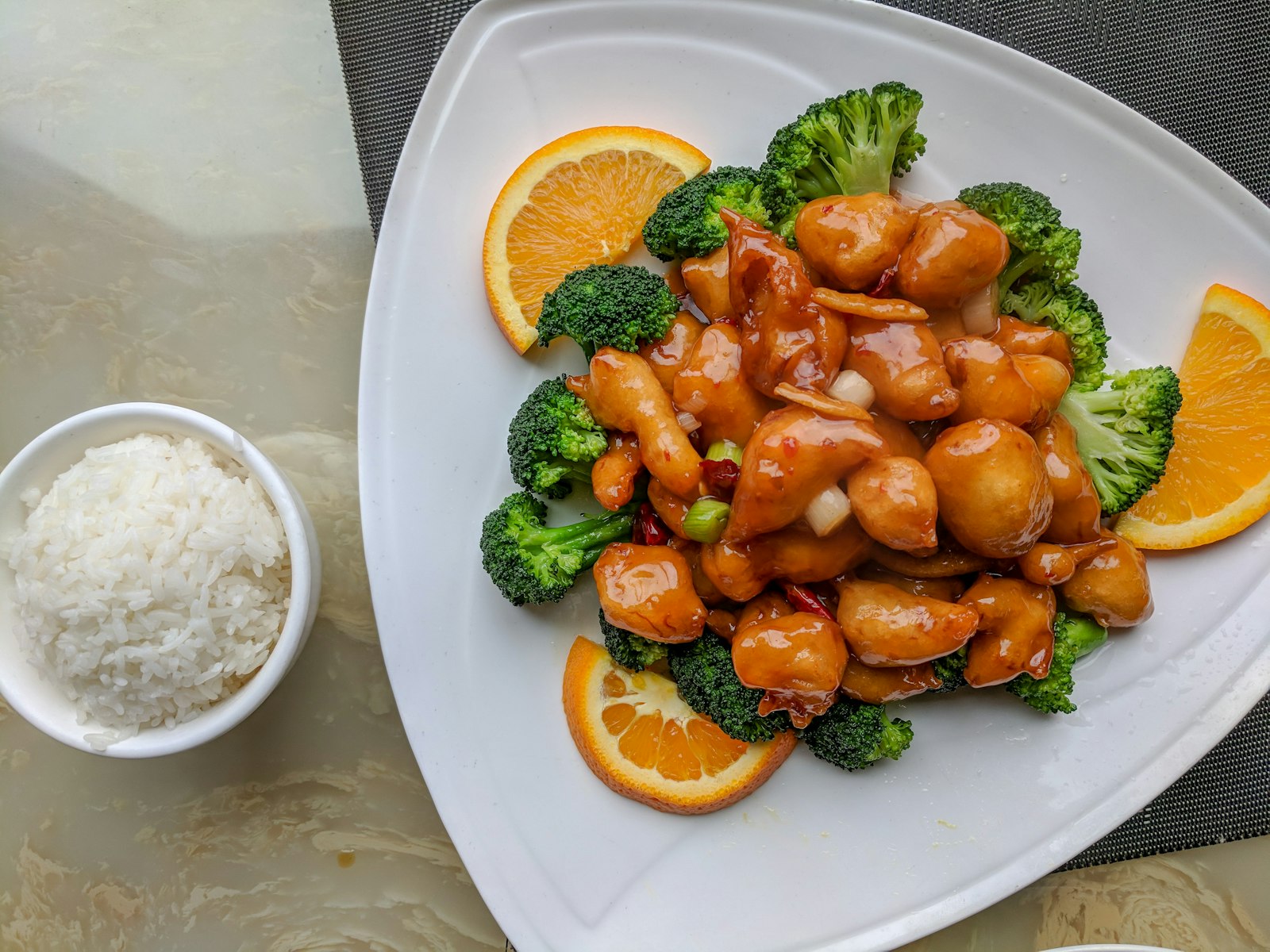
Skip the fancy restaurants. The real food is on the street, in the xiaochi (snack) alleys, and in the back rooms of unmarked shops. You want three things: dandanmian (noodles), mapo tofu (the real version, not the gloopy American one), and huoguo (hotpot). Go to Kuanzhai Alley for the vibe, but eat at the stalls on the side streets, not the main drag. Bring wet wipes. You will get chili oil on your shirt.
How I Picked These
I didn’t read a blog post. I moved to Beijing in 2019 and spent every spare weekend flying to Chengdu. I ate at 47 different mala tang stalls in one year. I asked taxi drivers, hostel receptionists, and a very grumpy old woman who ran a noodle shop next to a construction site. I also brought friends who had never been to China and watched where they gravitated. If a place made a first-timer’s eyes light up and a local nod in approval, it made the list. These ten spots survived the test of both my palate and my gut.
Comparison Table
| Rank | Place | Best For | Approx Cost (USD) | Time Needed | When to Go |
|---|---|---|---|---|---|
| 1 | Chen Mapo Tofu | Classic mapo tofu | $8–12 (CNY 55–85) | 1 hour | Lunch (11am) to avoid queue |
| 2 | Yulin Chuanchuanxiang | Street skewers | $5–10 (CNY 35–70) | 1.5 hours | Evening (6pm–8pm) |
| 3 | Kuanzhai Alley Side Streets | Snack crawl | $10–15 (CNY 70–105) | 2–3 hours | Late afternoon (3pm–6pm) |
| 4 | Mingting Restaurant | Huoguo (hotpot) | $15–25 (CNY 105–175) | 2 hours | Dinner (7pm) |
| 5 | Xichang Jie Night Market | Late-night street food | $8–12 (CNY 55–85) | 1.5 hours | 9pm–midnight |
| 6 | Renhe Douhua | Douhua (tofu pudding) | $3–5 (CNY 20–35) | 30 min | Breakfast (8am–10am) |
| 7 | Wangfujing Dumpling Shop | Jiaozi (dumplings) | $6–10 (CNY 42–70) | 45 min | Lunch (12pm) |
| 8 | Heji Roast Duck | Kaoya (Sichuan-style duck) | $12–18 (CNY 85–125) | 1.5 hours | Dinner (6pm) |
| 9 | Qingyang Temple Vegetarian | Vegetarian/vegan | $8–12 (CNY 55–85) | 1 hour | Lunch (11:30am–1pm) |
| 10 | The Back Alley of Jinli | Hidden mala tang | $4–7 (CNY 28–50) | 45 min | Late afternoon (4pm) |
Ten Detailed Entries
1. Chen Mapo Tofu – The One That Started It All
The first time I ate here, I ordered the mapo tofu and the waitress raised an eyebrow. “Are you sure?” she asked in English. I nodded. She brought it out, and it looked like a crime scene: a bowl of silken tofu swimming in a deep red oil, studded with ground pork and Sichuan peppercorns. The first bite was a slap. The second was a hug. By the third, I understood why this dish has been made the same way since 1862.
Chen Mapo Tofu is the most famous mapo tofu restaurant in Chengdu, and it earns the hype. The tofu is impossibly soft, the mala (numbing spice) is perfectly balanced, and the price is absurdly low for the quality. It’s not a fancy place. It’s fluorescent lights, plastic tablecloths, and a line that moves fast. You go for the dish, not the ambiance.
- 📍 Location: 197 Yulong Street, Qingyang District
- 🎫 Entry fee: Free entry. A bowl of mapo tofu is about $4 (CNY 28). A full meal for one is $8–12 (CNY 55–85).
- 🕒 Opening hours: 11am–9pm daily. The queue starts at 11:30am.
- 🚇 How to get there: Take Line 2 to Tonghuimen Station, Exit B. Walk south on Yulong Street for 3 minutes. It’s on your left, look for the red sign with yellow characters.
- ⏰When to visit: Go at 11am on a weekday. You’ll walk right in. Weekends are a 30–45 minute wait.
- 💡 Insider tips: Order the mapo tofu with “less oil” (shao you) if you want a cleaner version. The fuqi feipian (beef tripe salad) is also excellent. Don’t touch your eyes after eating. I learned this the hard way.
- I once sat next to a retired chef who told me the secret is the doubanjiang (fermented bean paste) from Pixian, a town 20km west. He was right.
2. Yulin Chuanchuanxiang – The Skewer Party
Yulin isn’t a single restaurant. It’s a street. A whole street dedicated to chuanchuanxiang, which is Sichuan’s answer to fondue: you grab a basket, fill it with skewers of meat, vegetables, and tofu, and then boil them in a shared pot of bubbling, spicy broth at your table. The bill is calculated by the number of skewers you ate. It’s cheap, it’s social, and it’s impossible to stop eating.
This is where you go with a group. The energy is loud, the broth is aggressive, and the beer flows freely. Don’t expect a quiet dinner. Expect a party.
- 📍 Location: Yulin Street, Wuhou District (the entire street)
- 🎫 Entry fee: Free entry. Skewers are about $0.15 (CNY 1) each. A full meal is $5–10 (CNY 35–70).
- 🕒 Opening hours: 5pm–2am. Most stalls open around 5:30pm.
- 🚇 How to get there: Take Line 1 to Sichuan Gymnasium Station, Exit C. Walk east on Yulin Street for 5 minutes. You’ll see the neon lights and steam.
- ⏰When to visit: Go at 6pm on a weeknight. Weekends are packed and the broth gets diluted.
- 💡 Insider tips: Count your skewers before you start. Some stalls will try to overcount. Look for stalls with a long line of locals—that’s the good one. The stall called “Lao Ma Tou” (Old Horse Head) is my favorite. Bring cash for the smaller stalls; Alipay works at the bigger ones.
- I once ate 47 skewers in one sitting. The cashier laughed and gave me a free bottle of water.
3. Kuanzhai Alley Side Streets – The Tourist Trap You Actually Want
Kuanzhai Alley is famous. It’s also crowded, overpriced, and full of people taking photos of themselves eating ice cream. I almost skipped it on my second trip. But then I turned off the main alley into a side street called Zhai Xiangzi, and everything changed. The crowds vanished. The prices dropped. And the food got real.
The side streets of Kuanzhai are where the locals actually eat. You’ll find dandanmian stalls, guokui (stuffed flatbread) vendors, and old women selling liangfen (cold jelly noodles) from plastic buckets. This is a snack crawl, not a sit-down meal. Eat as you walk.
- 📍 Location: Kuanzhai Alley, Qingyang District. Enter through the main gate, then immediately turn left into the first side alley.
- 🎫 Entry fee: Free. Budget $10–15 (CNY 70–105) for snacks.
- 🕒 Opening hours: The main alley is open 24/7. The side street stalls operate 10am–9pm.
- 🚇 How to get there: Take Line 2 to People’s Park Station, Exit D. Walk north for 5 minutes. The main entrance is obvious.
- ⏰When to visit: Go at 3pm on a weekday. The main alley is still busy, but the side streets are quiet.
- 💡 Insider tips: Don’t eat on the main alley. Walk 30 seconds into any side street. The guokui stall at the third intersection is run by a woman who has been making them for 20 years. Try the one with spicy beef. Also, the liangfen vendor near the back gate sells the best cold noodles in the area.
- I watched a tourist pay $8 (CNY 55) for a dandanmian on the main alley. The same bowl on the side street was $2 (CNY 14). The side street one was better.
4. Mingting Restaurant – The Hotpot That Hurts So Good
Hotpot in Chengdu is a religious experience. You sit around a bubbling cauldron of chili oil, drop in raw ingredients, and fish them out when they’re cooked. The broth is not for the faint of heart. It’s pure mala: numbing, spicy, and addictive. Mingting is my go-to because it’s consistent, the ingredients are fresh, and they have an English menu.
The room is loud, steamy, and smells like heaven. You’ll leave smelling like the broth, but you won’t care. This is the meal that makes you understand why Sichuan food is legendary.
- 📍 Location: 88 Qingjiang East Road, Qingyang District
- 🎫 Entry fee: Free entry. A full hotpot meal for two is $30–50 (CNY 210–350). Solo diners can order a “mini pot” for about $15 (CNY 105).
- 🕒 Opening hours: 11am–11pm daily.
- 🚇 How to get there: Take Line 4 to Chengdu University of TCM Station, Exit B. Walk east for 3 minutes. It’s a large building with a red facade.
- ⏰When to visit: Dinner at 6pm on a Tuesday or Wednesday. Avoid Friday and Saturday nights unless you like waiting an hour.
- 💡 Insider tips: Order the “yuan wei” (original) broth, not the “te la” (extra spicy). The original is already intense. Dip everything in the sesame oil bowl with garlic and cilantro—it cools the burn. The maodu (beef tripe) is the best thing on the menu. Cook it for exactly 10 seconds, no more.
- I brought a friend from Texas who claimed he could handle spice. He cried after the first bite. He then ordered another bowl of broth.
5. Xichang Jie Night Market – The Late-Night Crawl
Chengdu comes alive at 10pm. The night markets are where the city’s soul lives. Xichang Jie is a narrow street that fills with grills, steam tables, and plastic stools after dark. The food is cheap, fast, and aggressive. You’ll find kao leng mian (grilled cold noodles), chuan’r (barbecue skewers), and mala tang (spicy soup).
This is not a place for a sit-down dinner. This is a place to wander, point at things, and eat with your hands. The air is thick with smoke and chili. It’s perfect.
- 📍 Location: Xichang Jie, Jinjiang District
- 🎫 Entry fee: Free. Budget $8–12 (CNY 55–85) for a full crawl.
- 🕒 Opening hours: 8pm–2am. Peak time is 10pm–midnight.
- 🚇 How to get there: Take Line 2 to Chunxi Road Station, Exit D. Walk south for 10 minutes. The street is between Dongda Street and Hongxing Road.
- ⏰When to visit: Go at 10pm on a weeknight. Weekends are shoulder-to-shoulder.
- 💡 Insider tips: The kao leng mian stall near the north end is the best. The vendor, a young guy with a tattoo of a dragon on his arm, uses a secret spice blend. Try the chuan’r with lamb and cumin. Bring cash—some stalls don’t take cards or Alipay. Wear shoes you don’t care about; the ground gets greasy.
- I once ate a skewer of chicken heart here that was so good I ordered three more. The vendor nodded at me like I had passed a test.
6. Renhe Douhua – The Breakfast of Champions
Douhua is silken tofu served with a savory or sweet topping. In Chengdu, it’s savory: a spoonful of chili oil, soy sauce, pickled vegetables, and peanuts. Renhe Douhua is a tiny shop that has been serving it since the 1980s. The owner, a woman in her 60s, still makes the tofu by hand every morning.
It’s a simple breakfast. A bowl of douhua, a side of you tiao (fried dough stick), and a cup of soy milk. Total cost: about $3 (CNY 20). It’s the best $3 you’ll spend in Chengdu.
- 📍 Location: 12 Renhe Road, Qingyang District
- 🎫 Entry fee: Free. A bowl of douhua is $2–3 (CNY 14–20).
- 🕒 Opening hours: 6am–11am. They close when they run out, which is usually by 10:30am.
- 🚇 How to get there: Take Line 4 to Kuanzhaixiangzi Alley Station, Exit B. Walk east for 2 minutes. It’s a small shop with a yellow sign.
- ⏰When to visit: Go at 8am on a weekday. The tofu is freshest then.
- 💡 Insider tips: Order the “savory” (xian) version, not the sweet. Add an extra spoonful of chili oil if you’re brave. The you tiao is best when it’s still warm from the fryer. Don’t try to pay with a credit card—cash or Alipay only.
- I sat next to a construction worker who ate three bowls in ten minutes. He didn’t say a word. He just ate, paid, and left. I respected that.
7. Wangfujing Dumpling Shop – The Dumpling Fix
Dumplings in Chengdu are different from the ones in Beijing. The wrappers are thinner, the fillings are spicier, and they’re often served in a chili oil bath called hong you. Wangfujing Dumpling Shop is a no-frills place that does one thing well: jiaozi (boiled dumplings). The menu has about 15 fillings, but the pork and cabbage is the classic.
The shop is small, maybe 10 tables. The walls are covered in photos of the owner with famous customers. The dumplings arrive in a steaming basket. Dip them in the house-made vinegar and chili sauce. Repeat until you’re full.
- 📍 Location: 88 Wangfujing Street, Jinjiang District
- 🎫 Entry fee: Free. A plate of 12 dumplings is $5–7 (CNY 35–50).
- 🕒 Opening hours: 11am–9pm daily.
- 🚇 How to get there: Take Line 2 to Chunxi Road Station, Exit C. Walk north for 5 minutes. It’s on the east side of the street.
- ⏰When to visit: Go at 12pm on a weekday. The lunch rush starts at 12:30pm.
- 💡 Insider tips: Order the “pork and chive” (jiucai) filling if you want something more local. The vinegar on the table is house-made and worth buying a bottle to take home. Don’t ask for soy sauce—it’s not traditional here.
- I once ordered 24 dumplings by accident. I ate all of them. The owner gave me a thumbs-up.
8. Heji Roast Duck – The Duck That Doesn’t Need Pancakes
Beijing has Peking duck. Chengdu has kaoya, and it’s a completely different animal. The duck is marinated in Sichuan spices, roasted until the skin is crackling, and served with a side of mala salt for dipping. No pancakes, no hoisin sauce. Just duck, spice, and your hands.
Heji is a family-run restaurant that has been doing this for three generations. The duck is carved at your table. The aroma is intoxicating. It’s messy, it’s loud, and it’s unforgettable.
- 📍 Location: 55 Hejiangting Road, Wuhou District
- 🎫 Entry fee: Free. A half duck is $10–14 (CNY 70–98). A whole duck is $18–25 (CNY 125–175).
- 🕒 Opening hours: 11:30am–2pm, 5:30pm–9pm. Closed Mondays.
- 🚇 How to get there: Take Line 3 to Wuhou Temple Station, Exit A. Walk south for 5 minutes. It’s a yellow building with a red roof.
- ⏰When to visit: Go at 6pm on a Tuesday. The first seating is the freshest.
- 💡 Insider tips: Order the “half duck” for one person. The mala salt is on the table—use it sparingly at first. The skin is the best part. Eat it immediately. Don’t bother with the side dishes; the duck is the star.
- I brought a friend who swore she didn’t like duck. She ate half of mine.
9. Qingyang Temple Vegetarian – The Quiet Meal
After three days of chili oil and hotpot, your stomach might need a break. Qingyang Temple has a small vegetarian restaurant inside the temple grounds. The food is Buddhist-style: no garlic, no onion, no meat. Just vegetables, tofu, and mushrooms cooked with a lightness that’s rare in Chengdu.
The setting is peaceful. You eat in a courtyard with a view of the temple’s green roof. The monks eat here. It’s a completely different side of Sichuan food.
- 📍 Location: Inside Qingyang Temple, Qingyang District
- 🎫 Entry fee: Temple entry is $3 (CNY 20). The restaurant is free to enter.
- 🕒 Opening hours: 11:30am–1:30pm. They close early.
- 🚇 How to get there: Take Line 4 to Qingyang Temple Station, Exit A. Walk east for 2 minutes. The restaurant is behind the main hall.
- ⏰When to visit: Go at 11:30am on a weekday. It gets busy with temple visitors at noon.
- 💡 Insider tips: The mapo tofu here is made without meat and is surprisingly good. The liang mian (cold noodles) are also excellent. Don’t take photos of the monks eating. Be quiet. This is a place for reflection, not Instagram.
- I sat next to a monk who ate in complete silence for 20 minutes. I tried to do the same. I failed. The food was too good to be quiet about.
10. The Back Alley of Jinli – The Hidden Mala Tang
Jinli is a tourist street. It’s pretty, it’s crowded, and it’s mostly overpriced. But behind the main street, there’s a back alley that most tourists never find. It’s a narrow passage between two buildings, barely wide enough for two people to pass. At the end, there’s a woman who sells mala tang from a cart.
Her mala tang is the best I’ve had in Chengdu. The broth is dark, rich, and deeply spiced. She lets you pick your ingredients from a basket. She boils them in front of you. She charges by weight. It costs about $4 (CNY 28) for a bowl big enough to be a meal.
- 📍 Location: The back alley behind Jinli Street, Wuhou District. Enter Jinli from the south gate, walk 100 meters, then turn right into the alley between the two red buildings.
- 🎫 Entry fee: Free. A bowl of mala tang is $4–7 (CNY 28–50).
- 🕒 Opening hours: 4pm–9pm. She closes when the broth runs out.
- 🚇 How to get there: Take Line 3 to Wuhou Temple Station, Exit B. Walk north for 5 minutes. Enter Jinli, then find the alley.
- ⏰When to visit: Go at 4pm on a weekday. You’ll beat the crowd.
- 💡 Insider tips: The woman doesn’t speak English. Point at what you want. She’ll understand. The niangao (rice cakes) are the best thing to add. Don’t ask for less spice—she doesn’t do that.
- I found this place by accident. I was lost, hungry, and about to give up. The woman saw me, pointed at her cart, and smiled. That bowl of mala tang changed how I think about street food.
FAQ summary
Chengdu is one of the easiest cities in China for a self-guided food tour. Most famous food streets have enough English signage to navigate, and the subway covers all major neighborhoods. Budget $30–$50 (CNY 200–350) per day for food. Download Alipay and Pleco before you arrive. No visa is needed for most nationalities under 15 days (2026 policy). The best strategy is to focus on one or two neighborhoods per day and eat at stalls with long local lines.
FAQ
Q: Do I need to speak Chinese to do this food tour? A: No. Most vendors in the places I listed are used to tourists. Pointing, smiling, and using the Pleco app for basic phrases like “how much” (duo shao qian) will get you through. At Chen Mapo Tofu and Mingting, they have English menus.
Q: How much money should I bring for food? A: Budget $30–$50 (CNY 200–350) per day if you’re eating three meals and snacks. Street food is cheaper—a full meal at a chuanchuanxiang stall is about $8 (CNY 55). A hotpot dinner for two is $30–50 (CNY 210–350).
Q: Do I need a visa for China in 2026? A: For most nationalities (US, UK, Canada, Australia, most of Europe), China offers a 15-day visa-free transit policy. If you’re staying longer or entering from a non-participating country, you’ll need a tourist visa (L visa). Check the Chinese embassy website for your country before booking.
Q: What apps do I need? A: Alipay (for payments), Pleco (for translation), and a VPN (to access Google Maps, Instagram, and WhatsApp). Get the VPN before you leave—it’s hard to set up once you’re in China. A local SIM card from China Unicom or China Mobile costs about $10 (CNY 70) for 30 days of data.
Q: Is the food too spicy for someone who doesn’t eat spicy food? A: It can be. But you can ask for “bu la” (not spicy) at most restaurants. The vegetarian restaurant at Qingyang Temple is a good break. Also, the douhua at Renhe is mild if you skip the chili oil. Drink milk or yogurt to cool your mouth—water doesn’t help.
Q: What’s the best way to get around Chengdu? A: The subway. It’s clean, cheap, and has English signs and announcements. A single ride costs about $0.50 (CNY 3.50). You can also use Alipay to scan into the gates. Taxis are cheap (starting fare $1.50 / CNY 10) but traffic is bad during rush hour.
Q: Is it safe to eat street food in Chengdu? A: Yes. The turnover is high, so the food is fresh. Look for stalls with a long line of locals. If locals are eating there, it’s safe. I’ve eaten street food in Chengdu dozens of times and never gotten sick. Just avoid anything that looks like it’s been sitting out for hours.
The Honest Wrap-up
This list isn’t for everyone. If you want white tablecloths, quiet rooms, and food that doesn’t make you sweat, go to a hotel restaurant. But if you want to understand why Sichuan food is one of the great cuisines of the world, you need to eat where the steam is thick, the chairs are plastic, and the chili oil stains are permanent.
My advice? Pick three places from this list. Go to them. Get lost between them. Eat something you can’t pronounce. And when your mouth is on fire and your nose is running and you’re laughing at yourself for ordering the te la broth, you’ll know you’ve done it right. That’s the real Chengdu. Go find it.
Related Guides
Looking for more China travel guides? These match your topic:
Topics
More guides you may like

Top 10 Bridges in China
China's bridges are engineering marvels spanning mountains, rivers, and seas. Here are 10 of the most spectacular, from ancient stone to modern steel.
8 min read

Top 10 Buddhist Sites in China
From the Leshan Giant Buddha to the Dunhuang Caves, these 10 Buddhist sites represent 2,000 years of China's spiritual heritage.
9 min read

Top 10 Day Trips from Beijing You Shouldn't Miss
Beijing is packed with history, but some of China's best experiences are just a few hours away. Here are 10 day trips that will transform your visit.
9 min read
Top 10 Hidden Gems in China Off the Beaten Path
Beyond the Great Wall and Terracotta Warriors, China has incredible hidden destinations few tourists ever reach. Here are 10 underrated gems worth the detour.
9 min read
Top 10 Markets and Shopping Streets in China
From Shanghai's Bund to Beijing's Silk Street - 10 markets where foreigners can haggle, explore, and bring home authentic Chinese goods.
9 min read
Top 10 Museums in China You Shouldn't Miss
China's museums span 5,000 years of civilization. These 10 - from the Palace Museum to Xi'an's terracotta gallery - are unmissable for culture lovers.
9 min read