
Yangtze River Cruise Three Gorges Guide
Yangtze River Cruise Three Gorges Guide: 2026 guide covers current prices, transport, payment apps, and what foreign visitors need to know.
Yangtze River Cruise Three Gorges Guide: The Complete 2026 Guide
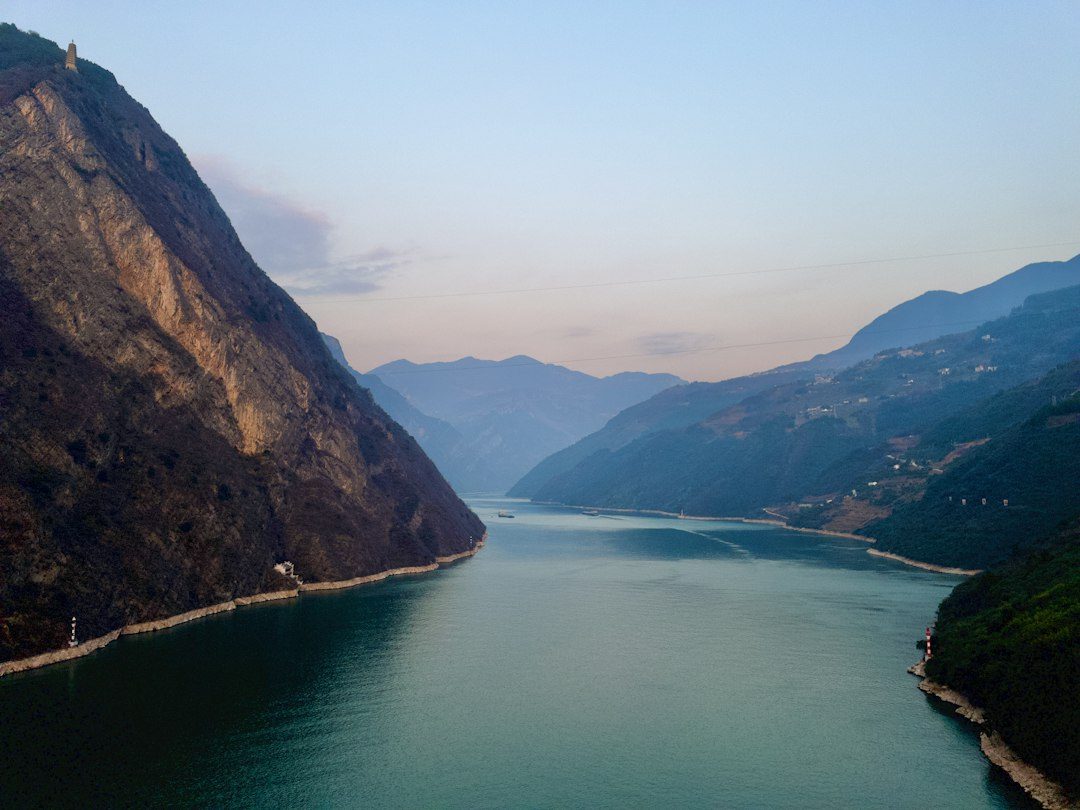
The cab driver in Chongqing laughed at me when I asked if we could see the Three Gorges from the city. “Miss,” he said, still chuckling, “you need three days on a boat, not twenty minutes in my taxi.” He was right, of course. I’d spent six years in Beijing thinking I understood China’s scale, but the Yangtze River Gorges humbled me in a way no other place has. The cliffs don’t just rise—they loom, gray-green and ancient, with mist curling through them like smoke from a temple incense burner. I watched a cargo ship the size of a city block disappear around a bend and realized the river was still going another 4,000 miles after that.
The Three Gorges region—Qutang, Wu, and Xiling—stretches across 120 miles of central China, cutting through the eastern edge of the Tibetan Plateau. This isn’t a day trip from anywhere. It’s a slow, deliberate journey through the most dramatic river landscape on earth, past villages that have been there since the Han Dynasty, through locks that lift your boat 370 feet in one go, and under cliffs that inspired poetry written 1,300 years ago.
This guide covers everything a first-time international visitor needs: which cruise company to pick, what you’ll actually see each day, how much it costs, when to go, and the mistakes I made so you don’t have to.
Quick answer
A Yangtze River Three Gorges cruise costs $400–$1,200 per person (CNY 2,900–8,700) for a 3–5 day trip between Chongqing and Yichang, with the best season being April–May or October–November. Most international visitors need a visa, though citizens of 54 countries including the US, UK, and most of Europe can use the 144-hour transit visa-free policy if arriving through Shanghai, Beijing, or Guangzhou. Book through a Chinese travel agency like China Highlights or directly with Century Cruises—Western booking sites charge 30–50% more.
The Short Version
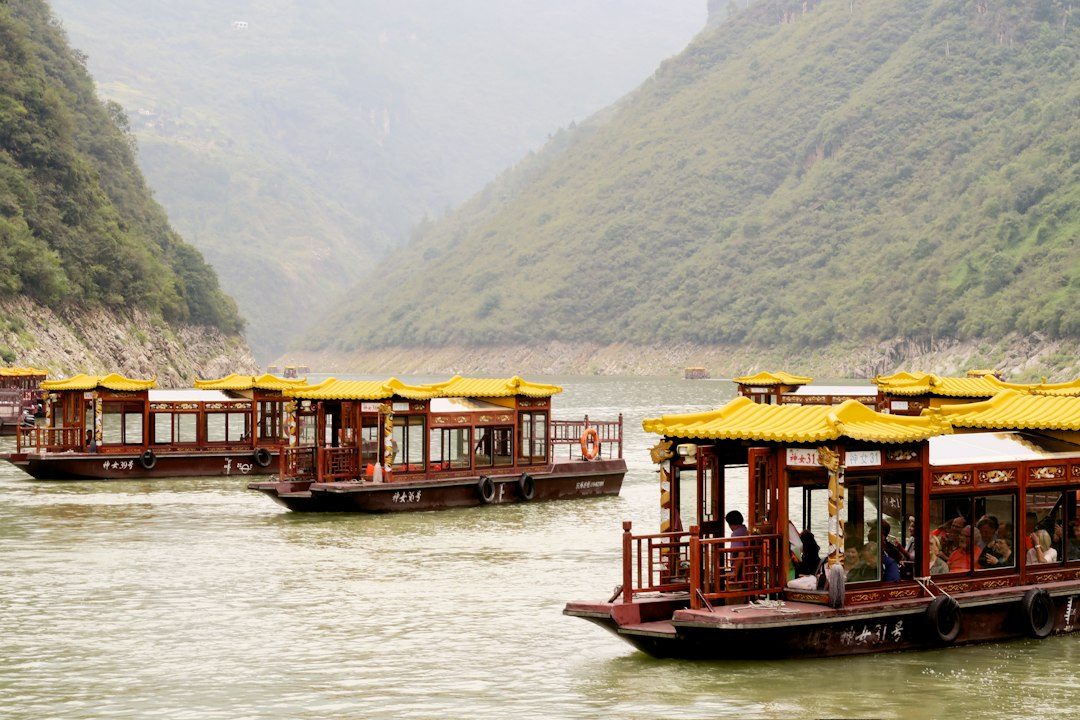
Take the downstream route from Chongqing to Yichang (3 nights, 4 days), not the reverse. Book a Century Cruises or Victoria Cruises ship—they have English-speaking guides and decent food. Spend the extra money for a balcony cabin on the upper deck. The Three Gorges Dam is impressive but skip the optional “tribe village” excursions. Bring cash for tips and snacks, download WeChat and Alipay before you arrive, and prepare for the fact that half the experience is just sitting on deck watching cliffs go by.
How I Picked These
I’ve done the Chongqing–Yichang route three times over six years: once on a budget boat that felt like a floating hostel, once on a mid-range Century Cruises ship, and once on a luxury Yangtze Gold cruise. I also spent two weeks living in a guesthouse in Wushan County, taking local ferries through the Lesser Three Gorges, and drinking tea with a retired river pilot named Mr. Chen who’d been navigating these waters since 1978. This guide combines what I learned from those trips, conversations with cruise staff, and the practical mistakes I made along the way.
Comparison Table
| Rank | Place | Best For | Approx Cost (USD) | Time Needed | When to Go |
|------|-------|----------|-------------------|-------------|------------|
| 1 | Qutang Gorge | Most dramatic scenery | Included in cruise | 2–3 hours passing | Apr–May, Oct–Nov |
| 2 | Wu Gorge & Goddess Peak | Hiking and views | $15 (CNY 110) | 3–4 hours | Mar–May, Sep–Oct |
| 3 | Three Gorges Dam | Engineering spectacle | $30 (CNY 220) | 2–3 hours | Year-round, avoid holidays |
| 4 | Lesser Three Gorges (Shennong Stream) | Quiet river beauty | $45 (CNY 330) | 4–5 hours | Apr–Oct |
| 5 | White Emperor City | History and poetry | $15 (CNY 110) | 2–3 hours | Mar–Nov |
| 6 | Shibaozhai Pagoda | Unique architecture | $20 (CNY 145) | 1–2 hours | Year-round |
| 7 | Fengdu Ghost City | Cultural oddity | $25 (CNY 180) | 2 hours | Year-round |
| 8 | Yichang City | Pre/post-cruise base | Free | 1–2 days | Year-round |
| 9 | Chongqing Departure | Urban start to journey | Free | 1–2 days | Year-round |
| 10 | Three Gorges Museum | Understanding the dam | Free | 2–3 hours | Year-round, closed Mondays |
Qutang Gorge – The One That Makes You Forget to Breathe
I remember standing on the bow at 6:30 AM, coffee in hand, when the ship rounded a bend and the cliffs just appeared. Not gradually. One second there was wide river, the next there were walls of rock rising 1,000 feet on both sides, close enough that you could see individual trees clinging to cracks in the stone. The water turned jade green. A heron flew past at eye level. Nobody on deck was talking.
Qutang Gorge is the shortest of the three—only 5 miles—but it’s the most dramatic. This is where the Yangtze forces its way through the Qiyue Mountains, and the cliffs are so steep and close that the river narrows to just 500 feet wide. The wind funnels through with a low hum. Ancient carvings mark the rock faces, some from the Tang Dynasty. Mr. Chen told me that before the dam raised the water level, the rapids here were so dangerous that boats had to be pulled upstream by teams of men on ropes.
📍 Location: Between Baidicheng (White Emperor City) and the town of Wushan, along the Yangtze River
🎫 Entry fee: Included in cruise fare
🕒 Opening hours: You pass through it—the ship doesn’t stop. Best viewing is 6–8 AM for downstream cruises
🚇 How to get there: You’re on a cruise ship. Go to the top deck, forward-facing, at least 30 minutes before the captain announces arrival
⏰When to visit: April–May for clear skies and moderate temperatures. October is also excellent but more crowded
💡 Insider tips:
-
The left side of the ship (port) has better views going downstream
-
Bring binoculars—you’ll see cliffside tombs and ancient plank roads
-
Don’t bother with the indoor observation lounge; the open deck is better
-
The morning light is softer and less hazy than afternoon
-
If you’re prone to seasickness, stand in the center of the deck, not the edges
-
I ate a steamed bun filled with pickled vegetables that a crew member’s grandmother had made—it was better than anything on the cruise menu
Wu Gorge & Goddess Peak – Where the Hiking Actually Gets Good
The first time I tried to hike Goddess Peak, I wore sneakers and nearly slid off the mountain. The second time, I wore proper hiking boots and brought a walking stick I bought from a woman selling them for $3 (CNY 20) at the trailhead. The difference was night and day. This isn’t a casual stroll—it’s 1,400 stone steps cut into a cliff face, with sections where you’re holding onto chains bolted into the rock.
Wu Gorge stretches for 25 miles, and it’s known for its 12 peaks, each with a name from Chinese mythology. Goddess Peak is the most famous—a slender stone pillar that locals say is a goddess turned to stone. The hike takes you up to a viewpoint where you can see the entire gorge bend southward, the river a ribbon of green far below. It’s exhausting. It’s worth it.
Most cruise ships offer this as an optional shore excursion, but you can also arrange it independently if you’re staying in Wushan overnight. The trail is well-maintained but steep—allow 3–4 hours round trip.
📍 Location: Near Wushan County, about 2 hours from the Shennong Stream entrance
🎫 Entry fee: $15 (CNY 110) for the trail, plus $5 (CNY 35) for the shuttle bus from Wushan dock
🕒 Opening hours: 7:30 AM–5:00 PM, last entry at 3:00 PM
🚇 How to get there: From Wushan dock, take the local ferry (30 minutes, $2/CNY 15) to the trailhead, or join your cruise’s shore excursion
⏰When to visit: March–May or September–October. Avoid July–August when it’s humid and the steps are slippery
💡 Insider tips:
-
Wear actual hiking shoes, not fashion sneakers
-
Bring at least 1 liter of water per person—there’s one vendor at the top charging $4 (CNY 30) for a bottle
-
Start by 8 AM to avoid the midday heat and the tour groups
-
The “Goddess Peak” you see from the boat is not the same as the hike viewpoint—the hike is better
-
Use the bathroom at the trailhead before starting; there are no facilities on the trail
-
A local guide named Xiao Wang pointed out a wild orchid growing on the cliff face and told me it only blooms for three days each year
Three Gorges Dam – The Thing Everyone Argues About
I stood on the observation deck of the Three Gorges Dam and watched a container ship rise 370 feet in the five-stage ship lock. It took 40 minutes. The ship went in, the gates closed, the water rose, the ship lifted, the gates opened, repeat. It was hypnotic. A retired engineer next to me said, “Twenty years ago, this was all rapids. Now it’s a staircase for boats.”
The Three Gorges Dam is the world’s largest power station by installed capacity. It’s also controversial—critics say it displaced 1.3 million people and caused environmental damage that’s still being studied. Both things are true. The dam is 7,660 feet long and 607 feet tall. Walking across it feels like standing on a concrete continent.
The tour takes you to three viewpoints: the dam crest (where you can see the scale), the observation platform (best photos), and the ship lock viewing area (most interesting). The museum on site explains the engineering but glosses over the human cost. Ask your guide about the resettlement villages if you want the full story.
📍 Location: Sandouping, Yichang, Hubei Province—about 30 miles from Yichang city center
🎫 Entry fee: $30 (CNY 220) for the standard tour, $45 (CNY 330) for the “VIP” tour that includes the dam crest
🕒 Opening hours: 8:00 AM–5:00 PM, last entry 4:00 PM. Closed during extreme weather
🚇 How to get there: Most cruises include this as the final shore excursion before arriving in Yichang. Independent visitors can take bus #8 from Yichang East Station (1 hour, $2/CNY 15)
⏰When to visit: Year-round, but avoid Chinese National Holiday (Oct 1–7) when crowds are insane
💡 Insider tips:
-
The dam crest tour requires a security check—no drones, no large bags
-
The best photos are from the observation platform at 4 PM when the light is golden
-
The ship lock viewing area is more interesting than the dam itself
-
Bring your passport—you need it for the security check
-
The official guides speak English but stick to the approved script; ask specific questions if you want real answers
-
I bought a bowl of noodles from a vendor outside the entrance for $1.50 (CNY 11) and it was the best meal I had that week
Lesser Three Gorges (Shennong Stream) – The Quiet Version
The main Yangtze cruise is impressive, but the Lesser Three Gorges on the Shennong Stream is where you feel like you’ve actually gone somewhere remote. The cruise ships are too big to enter these narrow tributaries, so you transfer to small wooden boats—long, narrow vessels that sit low in the water. The boatmen use poles to push through shallows, and the only sounds are the water, birds, and your own breathing.
The cliffs here are even steeper than the main gorges, and the water is so clear you can see the bottom at 30 feet. We passed a farmer washing vegetables on a rock, a family of ducks, and a cave entrance so high on the cliff that locals say it was used for burial coffins 2,000 years ago. The boatmen sing traditional work songs, and even if you don’t understand the words, the sound echoing off the cliffs is something you’ll remember.
📍 Location: Shennong Stream, a tributary of the Yangtze near Wushan County
🎫 Entry fee: $45 (CNY 330) for the boat tour, usually booked through your cruise ship
🕒 Opening hours: 7:30 AM–4:00 PM, boats leave when full (typically every 30 minutes)
🚇 How to get there: Your cruise ship will anchor near Wushan and you’ll transfer to a smaller boat. Independent travelers can arrange tours in Wushan town
⏰When to visit: April–October. The stream is too low in winter for the small boats
💡 Insider tips:
-
Sit at the front of the boat for the best views and least engine noise
-
Bring a light jacket—it’s cooler in the narrow gorges even in summer
-
The boatmen expect tips ($2–5/CNY 15–35 is fine)
-
Don’t bother with the “hanging coffin” viewing platform add-on—you can see them from the boat
-
If you get motion sick easily, take something beforehand; the boat rocks gently but consistently
-
One of the boatmen, a man named Old Zhou who’d been doing this for 22 years, pointed out a rock formation that he said looked like a monkey’s face—I still can’t unsee it
White Emperor City – Where Poets Came to Write
Baidicheng, or White Emperor City, sits on a hill at the entrance to Qutang Gorge. It’s not really a city—it’s a temple complex with a thousand years of poetry carved into its walls. Li Bai, Du Fu, and other Tang Dynasty poets came here to write about the river, and their poems are everywhere: on stone tablets, on wooden plaques, even on the walls of the restrooms.
The main hall has a statue of Liu Bei, the Three Kingdoms warlord who died here in 223 AD. According to the story, he entrusted his son to his general Zhuge Liang in this very spot. The temple feels old in a way that’s hard to describe—not just old like “this building is from 1600,” but old like “people have been coming to this exact spot to think about mortality for 1,800 years.”
📍 Location: On a hill overlooking Qutang Gorge, about 30 miles from Fengjie County
🎫 Entry fee: $15 (CNY 110)
🕒 Opening hours: 8:00 AM–5:30 PM (summer), 8:30 AM–5:00 PM (winter)
🚇 How to get there: Most cruises stop here as a shore excursion. Independent travelers can take a bus from Fengjie (30 minutes, $1/CNY 7)
⏰When to visit: March–May or September–November. The hillside gardens are beautiful in spring
💡 Insider tips:
-
Hire a guide at the entrance ($10/CNY 70) to explain the poetry inscriptions
-
The view from the top terrace is the best photo spot of Qutang Gorge
-
There’s a small museum with artifacts from the Three Kingdoms period
-
The stairs are steep—take your time
-
Buy the calligraphy scrolls from the shop near the exit; they’re actually hand-painted, not printed
-
I spent an hour sitting on a stone bench reading Li Bai’s poems on my phone translation app, and an old man came over to correct my pronunciation
Shibaozhai Pagoda – The Building That Shouldn’t Exist
Shibaozhai is a 12-story wooden pagoda built into the face of a cliff. It’s 184 feet tall, and it was built in 1819 without any nails or metal supports—just interlocking wooden beams. Before the dam raised the water level, the pagoda stood on a hill above the river. Now the water comes right up to its base, and you enter through a gate that used to be 50 feet above the ground.
The climb is 12 floors of steep wooden stairs, each floor narrower than the last. The top floor has a small shrine and a view of the river that makes the climb worthwhile. The pagoda was originally built as a fortress, but it’s been a temple, a school, and now a tourist attraction. The interior has exhibits on local history and the construction techniques used to build it.
📍 Location: Shibaozhai Village, Zhong County, about 100 miles downstream from Chongqing
🎫 Entry fee: $20 (CNY 145)
🕒 Opening hours: 8:00 AM–5:30 PM
🚇 How to get there: Most cruises stop here for 1–2 hours. Independent visitors can take a bus from Zhong County (45 minutes, $2/CNY 15)
⏰When to visit: Year-round, but avoid Chinese holidays when the narrow stairs get crowded
💡 Insider tips:
-
The stairs are uneven and narrow—wear shoes with good grip
-
Go early (before 10 AM) to avoid crowds on the stairs
-
The best photos are from across the river, not from the pagoda itself
-
There’s a small snack shop at the base selling stinky tofu—it’s an acquired taste
-
Don’t try to climb all 12 floors if you’re afraid of heights; the stairs get narrower and the railings lower as you go up
-
I got stuck behind a group of French tourists who were taking selfies on every single landing—learn from my frustration and go early
Fengdu Ghost City – The Weirdest Stop on the River
Fengdu is a hilltop complex of temples and statues dedicated to the afterlife. It’s based on Chinese folk religion’s version of hell, with 18 levels of punishment for various sins. The statues are graphic: people being sawed in half, boiled in oil, having their tongues pulled out. It’s kitschy and unsettling and absolutely fascinating.
The complex sits on Ming Mountain, and you reach it by climbing 300 steps (or taking a cable car). The main temple has a giant statue of the King of Hell, surrounded by smaller statues of judges and demons. The “Bridge of Helplessness” is a stone bridge that the dead are supposed to cross before being judged. Local legend says that if you have sinned, the bridge will shake when you walk on it. (It didn’t shake when I crossed it, but I wasn’t taking chances.)
📍 Location: Fengdu County, about 100 miles downstream from Chongqing
🎫 Entry fee: $25 (CNY 180), cable car $5 (CNY 35) extra
🕒 Opening hours: 7:30 AM–5:30 PM
🚇 How to get there: Cruise shore excursion or bus from Fengdu town (20 minutes, $1/CNY 7)
⏰When to visit: Year-round, but the statues are more atmospheric in overcast weather
💡 Insider tips:
-
Take the cable car up and walk down—the stairs are brutal in the heat
-
The statues are graphic but not gory; it’s more cartoonish than scary
-
Don’t take photos of the statues if you’re superstitious—locals consider it bad luck
-
The “Ghost King’s Palace” is the most interesting building
-
Skip the “Torture Chamber” exhibit if you’re easily disturbed
-
I bought a small jade pendant from a shop at the base, and the shopkeeper told me it would protect me from bad dreams—I still wear it
Yichang City – Where the Cruise Ends and the Real China Begins
Yichang is not a tourist city. It’s a working city of 4 million people, built around the dam and the shipping industry. The air smells like river water and diesel. The streets are wide and gray. But it’s also where you’ll get the best food of your trip—real Hubei cuisine, not the watered-down stuff they serve on the cruise.
The old town along the river has been mostly demolished for redevelopment, but a few streets remain near the Confucian Temple. The night market near Erma Road has street food that will change your life: spicy crayfish, grilled fish with cumin, lotus root stuffed with sticky rice. The Three Gorges Museum is excellent and free, with exhibits on the dam’s construction and the people who were relocated.
📍 Location: Yichang City, Hubei Province, at the eastern end of the Three Gorges
🎫 Entry fee: Free for the city; Three Gorges Museum is free
🕒 Opening hours: Museum: 9:00 AM–5:00 PM, closed Mondays
🚇 How to get there: High-speed train from Yichang East Station to Wuhan (2 hours, $25/CNY 180) or to Beijing (5 hours, $80/CNY 580)
⏰When to visit: Year-round, but spring and fall are most comfortable
💡 Insider tips:
-
Stay at the Yichang International Hotel or the Holiday Inn—they’re the most foreigner-friendly
-
The night market on Erma Road starts at 6 PM and goes until midnight
-
Don’t eat at the restaurants near the cruise terminal—they’re overpriced and bad
-
The bus from Yichang East Station to the city center takes 30 minutes and costs $0.50 (CNY 3.50)
-
Download Didi (Chinese Uber) before you arrive—taxis are hard to find after 9 PM
-
A noodle shop owner named Auntie Liu refused to let me pay for my second bowl of noodles because I’d complimented her cooking
Chongqing Departure – Starting the Journey Right
Chongqing is where most Three Gorges cruises begin, and it’s worth arriving a day early to see the city. It’s built on mountains—real mountains, not hills—and the result is a city of bridges, elevators, and buildings stacked on top of each other like blocks. The Yangtze and Jialing Rivers meet here, and the skyline at night looks like Blade Runner if Blade Runner had hot pot restaurants on every corner.
The cruise terminal is at Chaotianmen Square, where the two rivers converge. Check-in starts at 6 PM and the ship departs around 10 PM. The first night is spent sailing through the city lights, which is beautiful but not the main event. Use the evening to explore the ship, meet your fellow passengers, and adjust to the fact that you’re about to spend three days on a boat.
📍 Location: Chaotianmen Square, Yuzhong District, Chongqing
🎫 Entry fee: Free to visit the square; cruise prices start at $400 (CNY 2,900)
🚇 How to get there: Take Line 1 to Chaotianmen Station, Exit 2, walk 5 minutes south. Or take a taxi from the airport (40 minutes, $10/CNY 70)
⏰When to visit: Year-round, but the city is famous for fog—expect gray skies October–March
💡 Insider tips:
-
Arrive in Chongqing at least 3 hours before cruise check-in
-
Eat hot pot before you board—the cruise food is fine but not memorable
-
The Hongya Cave night market is touristy but worth seeing once
-
Don’t try to walk everywhere—the hills are brutal. Use the metro or taxis
-
The cruise terminal has luggage storage if you arrive early
-
I met a German couple at a hot pot restaurant who’d been traveling China for six months—they recommended the tripe, which I did not order
Three Gorges Museum – Understanding What You Just Saw
The Three Gorges Museum in Yichang is the best place to understand what you’ve just experienced. It’s a modern, well-designed museum with exhibits on the dam’s construction, the geology of the gorges, and the 1.3 million people who were relocated to make way for the reservoir. The tone is neutral—it presents the facts and lets you draw your own conclusions.
The highlight is the 3D model of the dam and the surrounding area, which shows how the landscape changed after the water level rose. There’s also a section on the archaeological sites that were excavated before the flooding, including ancient tombs and cliff carvings that were moved to higher ground. The museum doesn’t shy away from the controversy—there’s a wall of quotes from both supporters and critics of the dam.
📍 Location: 1 Changjiang Avenue, Yichang, near the city center
🎫 Entry fee: Free (bring your passport for entry)
🕒 Opening hours: 9:00 AM–5:00 PM, closed Mondays
🚇 How to get there: Bus #1 or #8 from Yichang East Station to the city center, then walk 10 minutes east
⏰When to visit: Any day except Monday. Allow 2–3 hours
💡 Insider tips:
-
The English audio guide is worth $3 (CNY 20)
-
The museum cafe has decent coffee—rare in this part of China
-
The gift shop sells books in English about the dam’s construction
-
The best exhibit is the “Resettlement Stories” section on the second floor
-
Photography is allowed but no flash in the artifact rooms
-
I spent an hour reading the resettlement stories and crying quietly in the corner—bring tissues
FAQ summary
A Yangtze River Three Gorges cruise costs $400–$1,200 per person for 3–5 days between Chongqing and Yichang. The best time to go is April–May or October–November for clear weather and moderate temperatures. Most international visitors need a visa, but citizens of 54 countries can use China’s 144-hour transit visa-free policy if arriving through major hubs like Shanghai or Beijing. Book through Chinese agencies like Century Cruises or China Highlights to avoid Western markup. Bring WeChat Pay, a VPN, and cash for tips. The downstream route (Chongqing to Yichang) is better than the reverse.
FAQ
Q: Do I need a visa for a Yangtze River cruise?
A: Most international visitors need a tourist visa (L visa) before arrival. However, if you’re transiting through Shanghai, Beijing, or Guangzhou, citizens of 54 countries including the US, UK, Canada, Australia, and most of Europe can use the 144-hour visa-free transit policy. You must arrive and depart from the same region and have a confirmed onward ticket. Apply at least 30 days before your trip.
Q: How much does a Three Gorges cruise cost?
A: Budget cruises start at $400 (CNY 2,900) per person for a 3-night downstream trip. Mid-range cruises like Century Cruises run $600–$900 (CNY 4,350–6,500). Luxury options like Yangtze Gold cost $1,000–$1,200 (CNY 7,250–8,700). This includes all meals, accommodation, and most shore excursions. Drinks, tips, and optional tours are extra.
Q: Which direction is better: Chongqing to Yichang or Yichang to Chongqing?
A: Downstream from Chongqing to Yichang is better. It’s faster (3 nights vs 4 nights), you pass through the gorges during daylight hours, and the ship’s motion is gentler. Upstream cruises take longer and you pass through the gorges at night or early morning.
Q: What’s the best time of year to go?
A: April–May and October–November are ideal. The weather is mild (60–75掳F / 15–24掳C), the skies are clearer, and the water levels are stable. Summer (June–August) is hot and humid with afternoon thunderstorms. Winter (December–February) is cold and foggy, and some excursions may be canceled.
Q: Do I need to speak Chinese?
A: No. Major cruise lines have English-speaking guides for all shore excursions. The crew speaks basic English. Menus have English translations. That said, download Google Translate or Pleco for independent exploring. You’ll need it for menus, signs, and taxi drivers.
Q: What should I pack?
A: Comfortable walking shoes, layers (it’s cooler on the water), sunscreen, a hat, binoculars, a reusable water bottle, and motion sickness medication if you’re prone to it. Bring cash in small denominations for tips and street food. Don’t forget your passport, visa documents, and travel insurance.
Q: Can I use my phone on the cruise?
A: Yes, but you’ll need a VPN to access Google, WhatsApp, Instagram, and Facebook. Buy a Chinese SIM card at the airport (China Mobile or China Unicom, about $20/CNY 145 for 10GB) or use an eSIM from Airalo or Holafly. The cruise ships have WiFi but it’s slow and often blocked for streaming.
The Honest Wrap-up
A Yangtze River cruise is not for everyone. If you want action, nightlife, and constant stimulation, skip it and go to Shanghai or Hong Kong. If you want to sit on a deck for three days watching cliffs go by, eating mediocre food, and thinking about how small you are in the grand scheme of things, this is exactly right.
The best advice I can give you is this: spend the extra money for a balcony cabin, go to the top deck at sunrise, and don’t look at your phone. The river has been flowing through these gorges for millions of years. It’ll still be here when you’re gone. That’s the whole point.
Related Guides
Looking for more China travel guides? These match your topic:
Topics
More guides you may like
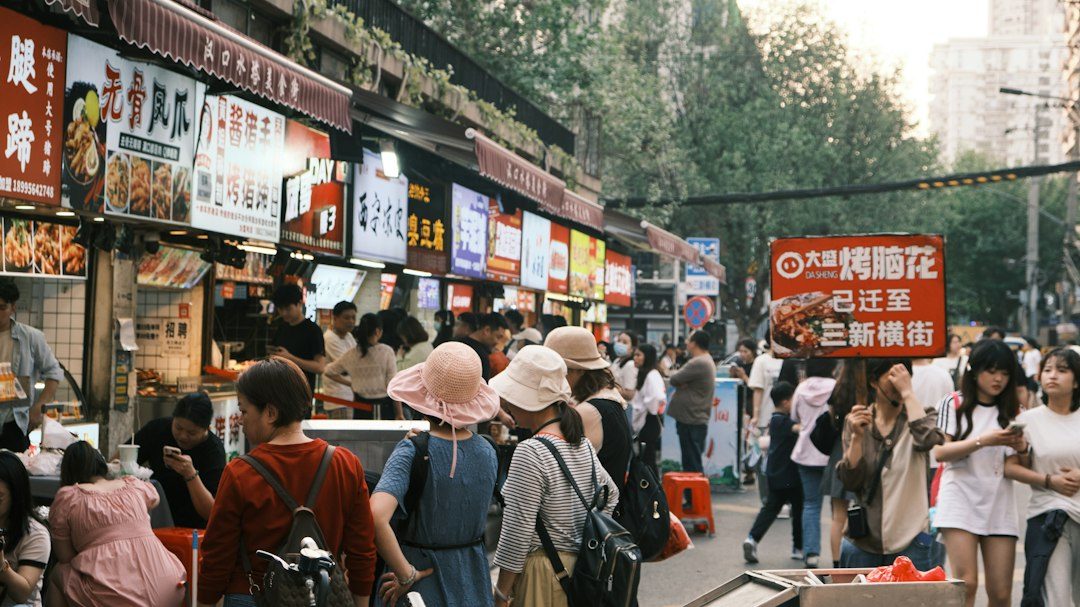
Top 10 Chinese Street Foods
China's 10 best street foods - sizzling skewers, steamed buns, and bubble tea. Where to find them and what to ask for.
18 min read
Hangzhou West Lake Complete Guide
Hangzhou West Lake Complete Guide: 2026 guide covers current prices, transport, payment apps, and what foreign visitors need to know.
18 min read
Guilin Li River Cruise Complete Guide
Guilin Li River Cruise Complete Guide: 2026 guide covers current prices, transport, payment apps, and what foreign visitors need to know.
19 min read
China Travel SIM Card eSIM Comparison 2026
The cab driver in Beijing looked at me in the rearview mirror and said, in perfect English, “You know, most tourists buy the wrong SIM card.” I’d been in China
10 min read
China Food Tour Self Guided Complete
The cab driver in Chengdu looked at me in the rearview mirror, then back at the address I’d fumbled to show him on my phone. He laughed. Not a mean laugh—the ki
16 min read
China Southern Cuisine Complete Travel Guide
The cab driver looked at me in his rearview mirror and said, in perfect English, \"You are going to eat until your belt breaks.\" I had just told him I was on a s
18 min read