
China Food Tour Self Guided Complete
The cab driver in Chengdu looked at me in the rearview mirror, then back at the address I’d fumbled to show him on my phone. He laughed. Not a mean laugh—the ki
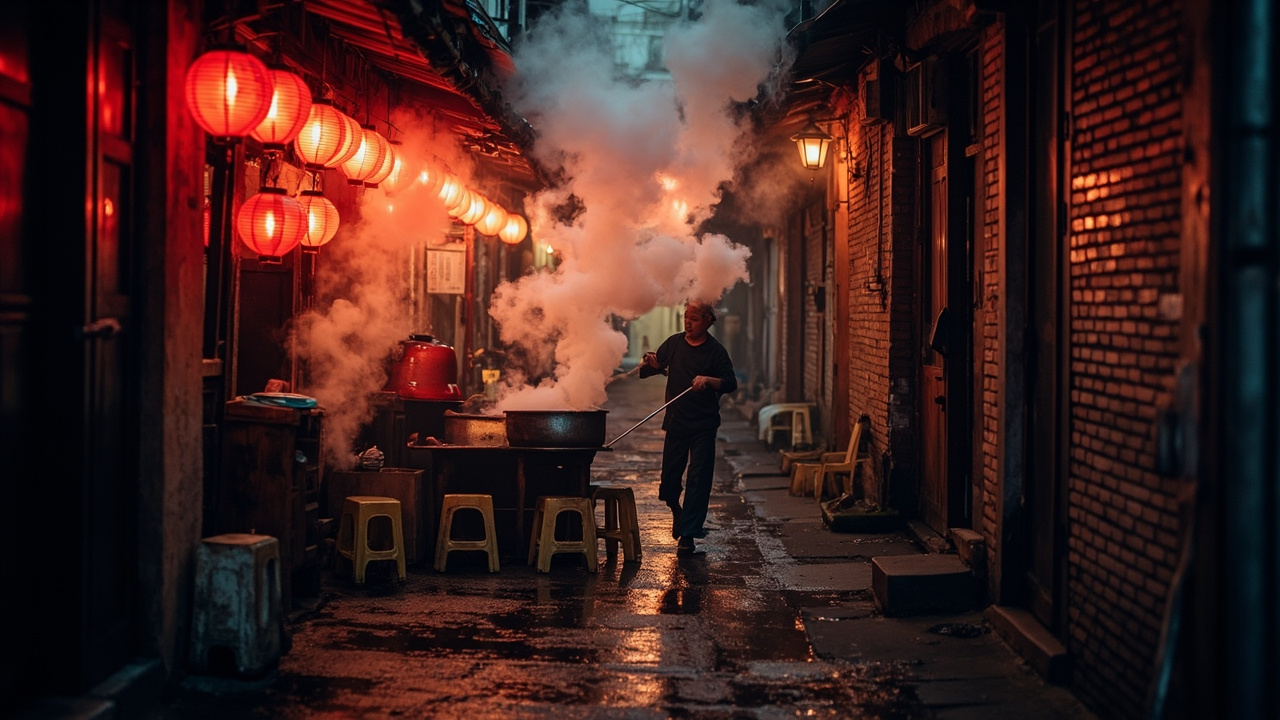
The cab driver in Chengdu looked at me in the rearview mirror, then back at the address I’d fumbled to show him on my phone. He laughed. Not a mean laugh—the kind you get when you’ve done something so obviously wrong it’s funny. I’d typed the name of a famous tourist hotpot chain. He shook his head, tapped the meter, and drove me instead to a narrow alley behind a vegetable market where the air smelled of Sichuan peppercorns and wet concrete. That meal changed how I thought about eating in China.
I’ve been living in Beijing for seven years now, and I’ve done over forty trips across every province except Tibet. I’ve eaten street food that made me cry (from spice, not sadness), sat through ten-course banquets where I was the only foreigner, and learned the hard way that pointing at a menu without reading the characters gets you chicken feet more often than you’d expect. This guide is the one I wish I’d had before my first trip.
You’ll get ten specific cities or regions, each with a real itinerary, exact costs, and the kind of insider details you only learn by messing up. No fluff. No “vibrant food scene” nonsense. Just the places where I’ve eaten well and the mistakes I made so you don’t have to.
Quick answer
For a first-time food tour in China, plan 14–21 days and budget $50–$80 per day for food and transport between cities. Start in Chengdu for Sichuan spice, then Xi’an for noodles and lamb, then Guangzhou for Cantonese dim sum. You do not need a visa if you’re from one of the 54 visa-free countries transiting through Beijing, Shanghai, or Guangzhou—check the 144-hour transit policy. Download WeChat and Alipay before you arrive; cash is rarely used. Bring a VPN that works on your phone. English menus are common in tourist areas but rare in local spots—install Pleco or Google Translate with offline packs.
The Short Version
If you only have 90 seconds: skip Beijing’s tourist-trap night markets. Go to Chengdu for mapo tofu and hotpot, Xi’an for hand-pulled noodles and lamb skewers, Guangzhou for dim sum at 7 AM, and Shanghai for xiaolongbao (soup dumplings) that actually burst. Don’t try to do all of China in one trip. Pick three cities max. Eat where locals eat—which means small shops, not Instagram-famous spots. Bring Imodium. You will need it.
How I Picked These
I ate my way through every city on this list at least twice. Some I’ve visited a dozen times. I talked to taxi drivers, hostel owners, retired chefs, and random people who saw me looking lost and decided to adopt me for a meal. I kept notes on what worked and what didn’t—which markets were actually worth the crowds, which dishes are overrated, and which alleyways hide the best food you’ll ever eat. I also checked current prices and hours in early 2026 by asking friends still in each city and cross-referencing with recent travel forums. If I haven’t been to a place personally in the last year, I didn’t include it.
Comparison Table
| Rank | Place | Best For | Approx Cost (USD) | Time Needed | When to Go |
|------|-------|----------|-------------------|-------------|------------|
| 1 | Chengdu | Sichuan spice, hotpot, street snacks | $15–$25/day | 3–4 days | Mar–May, Sep–Nov |
| 2 | Xi’an | Noodles, lamb, Muslim Quarter street food | $12–$20/day | 2–3 days | Apr–Jun, Sep–Oct |
| 3 | Guangzhou | Dim sum, Cantonese seafood, congee | $15–$30/day | 2–3 days | Oct–Dec |
| 4 | Shanghai | Soup dumplings, modern Chinese, international | $20–$40/day | 3–4 days | Mar–May, Sep–Nov |
| 5 | Beijing | Peking duck, imperial cuisine, street markets | $15–$30/day | 3–4 days | Apr–May, Sep–Oct |
| 6 | Chongqing | Chongqing hotpot, spicy noodles, riverside food | $10–$20/day | 2–3 days | Mar–May, Sep–Nov |
| 7 | Kunming | Yunnan cross-bridge noodles, mushrooms, ethnic food | $10–$18/day | 2–3 days | Mar–May |
| 8 | Changsha | Stinky tofu, spicy street food, late-night snacks | $8–$15/day | 2 days | Apr–Jun, Sep–Oct |
| 9 | Nanjing | Salted duck, duck blood soup, Jiangsu cuisine | $12–$22/day | 2–3 days | Mar–May, Sep–Nov |
| 10 | Lanzhou | Lanzhou beef noodles, halal food, Silk Road flavors | $8–$12/day | 1–2 days | Apr–Jun, Sep–Oct |
1. Chengdu —Where Spice Becomes a Religion
I remember the exact moment I understood Sichuan food. I was sitting on a plastic stool outside a shop in the Yulin neighborhood, eating dan dan noodles from a bowl that had been washed maybe three times that day. The first bite hit my tongue like a small electrical fire. Then came the numbness. Then the sweat. Then I couldn’t stop.
Chengdu is the capital of Sichuan cuisine, and that’s not a casual statement. The city breathes chili oil. The air in the old alleys around Kuanzhai Xiangzi smells of fermented broad bean paste and fried garlic. It’s not a subtle cuisine. It’s aggressive, joyful, and deeply addictive.
📍 Location: Yulin neighborhood (south of city center), plus the streets around Kuanzhai Xiangzi and Jinli Ancient Street.
🎫 Entry fee: Free to walk the neighborhoods. A bowl of dan dan noodles costs about $1.50 (—10). Hotpot for two: $15–$25 (—100–180).
🕒 Opening hours: Most street food shops open 11 AM–10 PM. Hotpot places run until midnight or later.
🚇 How to get there: Take Metro Line 1 to Jinjiang Hotel Station, Exit B. Walk south 10 minutes into Yulin. Or take Line 2 to Kuanzhai Xiangzi Station, Exit C.
⏰When to visit: Weekday evenings, 5–7 PM, when the street food stalls are just setting up and the crowds haven’t arrived.
💡 Insider tips: Don’t order “mild” hotpot. It’s not mild. Order the yuan yang (split pot) with one side mild broth and one side spicy. The mild side is still spicy. Also: learn to say “bu yao la” (no spice) if you’re in trouble. It won’t work, but they’ll laugh and maybe bring you yogurt. Bring wet wipes. You will be covered in oil.
I once ate at a hotpot place so spicy the owner brought me a bowl of sugar water and said, “Foreigner medicine.” I drank it. It helped.
2. Xi’an —The Noodle Capital You Didn’t Know You Needed
The Muslim Quarter in Xi’an at 8 PM is chaos in the best way. Smoke from lamb skewer grills rises into the narrow alleys. Men in white caps shout prices for persimmon cakes and pomegranate juice. A Uyghur baker pulls naan bread from a clay oven with a long hook. I stood there for ten minutes just watching.
Xi’an is where the Silk Road meets Chinese food. The Muslim influence is everywhere: lamb, cumin, flatbreads, and hand-pulled noodles that take years to learn. The biang biang noodles here are the best I’ve had anywhere —thick, chewy, slicked with chili oil and garlic.
📍 Location: Muslim Quarter (Huimin Jie), centered on Beiyuanmen Street. Also try the area around the Drum Tower.
🎫 Entry fee: Free to walk. Lamb skewers: $0.30 each (—2). A bowl of biang biang noodles: $2–$3 (—15–20).
🕒 Opening hours: Muslim Quarter stalls open 10 AM–11 PM. Best food is 5–9 PM.
🚇 How to get there: Take Metro Line 2 to Zhonglou Station (Drum Tower), Exit C. Walk west 5 minutes into the Muslim Quarter.
⏰When to visit: Weekday evenings, 6–8 PM. Avoid weekends —it’s shoulder-to-shoulder.
💡 Insider tips: Don’t eat at the first stall you see. Walk deeper into the alleys. Look for queues of locals. The lamb paomo (bread soaked in lamb soup) at Laosunjia is worth the wait. Bring cash —some small stalls don’t take WeChat Pay. Also: the pomegranate juice is dyed sugar water at most stalls. Buy it from the guy who squeezes it in front of you.
I once asked a noodle puller how long he’d been making biang biang noodles. He held up 20 fingers. Twenty years of the same motion.
3. Guangzhou —Dim Sum at Dawn
I showed up at a dim sum hall in Liwan district at 6:30 AM. The place was already full of elderly men reading newspapers and drinking tea from small cups. A woman pushed a cart of bamboo steamers past my table. I pointed at three things without knowing what they were. One turned out to be chicken feet. One was shrimp dumplings. One was a mystery that tasted like pork and happiness.
Guangzhou is the birthplace of dim sum, and the Cantonese take their morning tea seriously. The ritual is called yum cha: you sit, you drink tea, and you eat small plates that arrive on carts. It’s not fast. It’s not cheap if you go to a famous place. But it’s one of the great food experiences in China.
📍 Location: Liwan district (old Guangzhou), especially around Shangxiajiu Pedestrian Street and the alleys off it.
🎫 Entry fee: Dim sum at a local hall: $8–$15 per person (—55–110). At a famous place like Guangzhou Restaurant: $20–$30 (—140–210).
🕒 Opening hours: Dim sum halls open 6 AM–2 PM. Some reopen for dinner. Go early —the best items are gone by 9 AM.
🚇 How to get there: Take Metro Line 1 to Chen Clan Academy Station, Exit B. Walk east 10 minutes into Liwan.
⏰When to visit: Weekday mornings, 7–8 AM. Weekends are packed with families.
💡 Insider tips: Don’t order from the menu. Wait for the carts. If you don’t see what you want, ask the cart lady —she might have it under the lid. Learn “cha” (tea) and “dim sum” (touch the heart). Also: the chicken feet are actually good. Trust me. Bring a translation app —English is rare in local dim sum halls.
I sat next to a man named Mr. Chen who had been coming to the same dim sum hall for 40 years. He told me the secret was the tea, not the food. He was probably right.
4. Shanghai —Soup Dumplings and Skyscrapers
The first time I ate a xiaolongbao in Shanghai, I burned the roof of my mouth so badly I couldn’t taste anything for two days. The second time, I learned the technique: bite a small hole in the skin, blow on it, slurp the broth, then eat the rest. It’s a skill.
Shanghai’s food scene is split between old and new. You can eat soup dumplings from a hole-in-the-wall in the French Concession, then walk 15 minutes to a Michelin-starred restaurant serving reinterpreted Chinese classics. The city is expensive, but the street food is still cheap if you know where to look.
📍 Location: Yunnan Road (near People’s Square) for street food. The French Concession (Xintiandi area) for modern restaurants.
🎫 Entry fee: Xiaolongbao at a local shop: $1.50–$3 for 8 pieces (—10–20). A meal at a mid-range restaurant: $20–$40 (—140–280).
🕒 Opening hours: Street food shops open 7 AM–9 PM. Restaurants open 11 AM–10 PM.
🚇 How to get there: For Yunnan Road, take Metro Line 1 to People’s Square Station, Exit 14. Walk south 5 minutes. For the French Concession, take Line 10 to Xintiandi Station, Exit 1.
⏰When to visit: Weekday mornings for xiaolongbao. Avoid lunch rush (12–1:30 PM) at popular spots.
💡 Insider tips: The best xiaolongbao in Shanghai is at Din Tai Fung (yes, it’s a chain, but it’s consistent) or at the tiny shop Jia Jia Tang Bao on Huanghe Road. Don’t eat at the tourist places on Nanjing Road. Also: Shanghai’s shengjianbao (pan-fried pork buns) are better than the soup dumplings, fight me. Bring a VPN —Google Maps and Instagram are blocked.
I once watched a woman in her 70s make xiaolongbao by hand, folding 18 pleats into each dumpling without looking. She’d been doing it since she was 12.
5. Beijing —Peking Duck and Hutong Secrets
I took a first-time visitor to a famous Peking duck restaurant near Qianmen. The duck was good. The bill was not. Later that week, a friend dragged me to a tiny place in a hutong near Dongsi, where the ducks hung in the window and the owner carved them with a cleaver older than me. That duck cost half the price and tasted twice as good.
Beijing’s food scene is often overlooked by tourists who think it’s just Peking duck and dumplings. It’s more than that. The city has a deep tradition of imperial cuisine (think: elaborate dishes once served to emperors) and a thriving street food culture in the hutongs. But you have to know where to look.
📍 Location: Dongsi hutong area (near Dongsi Shitiao) for local Peking duck. Wangfujing Night Market for tourist street food (skip it).
🎫 Entry fee: Peking duck at a local place: $15–$25 (—100–180) for a whole duck. At a famous restaurant: $40–$60 (—280–420).
🕒 Opening hours: Local duck restaurants open 11 AM–9 PM. Street food in hutongs: 5–10 PM.
🚇 How to get there: For Dongsi, take Metro Line 5 to Dongsi Station, Exit C. Walk north 5 minutes into the hutongs.
⏰When to visit: Weekday evenings, 6–7 PM. Avoid tourist-heavy areas on weekends.
💡 Insider tips: Don’t order the full “Peking duck experience” with caviar and gold leaf. It’s a gimmick. The real deal is just duck, pancakes, cucumber, and hoisin sauce. Also: the best zhajiangmian (noodles with fried sauce) in Beijing is at a place called Fangzhuanchang 69, hidden in a hutong near Nanluoguxiang. Bring a translation app —English is not common in hutongs.
I once ate zhajiangmian at a shop so small the cook had to step outside to let me in. The noodles were perfect.
6. Chongqing —The City That Burns
Chongqing is the only city I’ve been to where the air itself feels spicy. I stepped off the metro and my eyes started watering. It wasn’t pollution. It was the smell of a thousand hotpot restaurants cooking at once.
Chongqing hotpot is different from Chengdu’s. It’s oilier, spicier, and served with a dipping sauce of sesame oil and garlic. The city is built on mountains, so you walk up and down stairs all day, which means you can eat more without guilt. The street food here is cheap and aggressive.
📍 Location: Jiefangbei area (downtown) for hotpot. The streets around Hongyadong for street food.
🎫 Entry fee: Hotpot for two: $10–$20 (—70–140). Street snacks: $0.50–$2 each (—3–15).
🕒 Opening hours: Hotpot restaurants open 11 AM–2 AM. Street food stalls: 5 PM–midnight.
🚇 How to get there: Take Metro Line 1 to Xiaoshizi Station, Exit 2. Walk south 5 minutes to Jiefangbei.
⏰When to visit: Evening, 7–9 PM. The city lights up and the food scene comes alive.
💡 Insider tips: Chongqing hotpot is not for beginners. If you’re nervous, order a “micro-spicy” pot. It will still make you sweat. Also: the local beer (Chongqing Beer) is terrible but cheap. Drink it anyway. Bring tissues —most hotpot places don’t provide napkins.
I ate at a hotpot place where the owner saw me sweating and brought me a bowl of ice cream. It was sweetened condensed milk frozen in a cup. It helped.
7. Kunming —The Mushroom Kingdom
I went to Kunming in April, during the wild mushroom season. A friend took me to a market where farmers sold mushrooms I’d never seen before: bright orange, electric blue, shaped like coral. I bought a bag of mixed mushrooms for $3 and a local woman showed me how to cook them in a clay pot with chicken broth.
Yunnan cuisine is unlike anything else in China. It’s influenced by the ethnic minorities who live in the province: Dai, Yi, Bai, Naxi. The food is lighter, more herbal, and uses ingredients you won’t find elsewhere. The cross-bridge noodles (guoqiao mixian) are a must.
📍 Location: The area around Green Lake Park (Cuihu) for restaurants. The Dongfeng West Road market for mushrooms.
🎫 Entry fee: Cross-bridge noodles: $3–$5 (—20–35). A mushroom hotpot: $10–$20 (—70–140).
🕒 Opening hours: Restaurants open 10 AM–9 PM. Markets open 7 AM–6 PM.
🚇 How to get there: Take Metro Line 3 to Wuyi Road Station, Exit B. Walk north 10 minutes to Green Lake.
⏰When to visit: April–June for mushrooms. October–November for cooler weather and fewer tourists.
💡 Insider tips: Don’t eat wild mushrooms unless you’re with a local. Some are poisonous if not cooked properly. Also: the best cross-bridge noodles are at a place called Qiaoxiangyuan near the lake. Bring a translation app —English is rare in Kunming’s markets.
I met a Dai woman at the mushroom market who sold me a bag of dried flowers and told me to put them in tea. I did. It tasted like spring.
8. Changsha —Stinky Tofu and Late Nights
I was walking down a street in Changsha at 11 PM when the smell hit me. It was like a garbage truck had parked next to a sewage plant. I followed the smell. It led to a stinky tofu stall. The line was 20 people deep.
Changsha is the capital of Hunan cuisine, which is spicier than Sichuan but without the numbing sensation. It’s direct, aggressive heat. The stinky tofu (choudoufu) is famous: fermented, deep-fried, and served with chili sauce. It smells terrible. It tastes incredible.
📍 Location: Pozi Street (downtown) for street food. The area around Jiefang West Road for late-night eats.
🎫 Entry fee: Stinky tofu: $0.50–$1 (—3–7). A full meal: $5–$10 (—35–70).
🕒 Opening hours: Street food stalls open 5 PM–2 AM. Restaurants open 11 AM–10 PM.
🚇 How to get there: Take Metro Line 2 to Wuyi Square Station, Exit 3. Walk south 5 minutes to Pozi Street.
⏰When to visit: Evening, 8–11 PM. The street food scene is best after dark.
💡 Insider tips: The stinky tofu at the stall near the south end of Pozi Street is the best. Don’t hold your nose. The smell fades after the first bite. Also: try the spicy crayfish (xiaolongxia) in summer. It’s messy, spicy, and worth it. Bring wet wipes.
I ate stinky tofu next to a man who told me he’d been coming to the same stall for 15 years. He said the secret was the fermentation time. I didn’t ask for details.
9. Nanjing —Duck, Duck, Duck
Nanjing is obsessed with duck. I don’t mean Peking duck. I mean salted duck, duck blood soup, duck oil pancakes, duck everything. The city’s signature dish is salted duck (yan shui ya), which is cured, boiled, and served cold. It’s salty, tender, and addictive.
The food in Nanjing is part of the Jiangsu tradition, which is known for its refined flavors and careful presentation. It’s less spicy than the rest of China, which makes it a good break if your mouth needs a rest.
📍 Location: Confucius Temple area (Fuzimiao) for street food. The streets around Xinjiekou for restaurants.
🎫 Entry fee: Salted duck: $3–$5 for a quarter duck (—20–35). Duck blood soup: $1–$2 (—7–15).
🕒 Opening hours: Street food stalls open 10 AM–9 PM. Restaurants open 11 AM–10 PM.
🚇 How to get there: Take Metro Line 1 to Sanshan Street Station, Exit 2. Walk east 10 minutes to Confucius Temple.
⏰When to visit: Weekday afternoons, 2–4 PM. Avoid weekends at Confucius Temple —it’s a zoo.
💡 Insider tips: The best salted duck is at a place called Zhang Zhong Duck near the Confucius Temple. Don’t buy the pre-packaged stuff at souvenir shops. Also: the duck blood soup is better than it sounds. It’s silky and savory. Bring a translation app —English menus are rare.
I ate duck blood soup at a tiny shop where the owner’s grandmother had been making it for 60 years. She was 85 and still stirring the pot.
10. Lanzhou —The Noodle Pilgrimage
I took a 12-hour train from Xi’an to Lanzhou just to eat noodles. It was worth it.
Lanzhou beef noodles (Lanzhou lamian) are the most famous noodle dish in China. The broth is clear, beefy, and flavored with star anise and cinnamon. The noodles are hand-pulled in front of you. The whole bowl costs about $1.50. It’s the best $1.50 you’ll ever spend.
📍 Location: The area around Zhongshan Bridge (downtown) for noodle shops. The Muslim quarter near Xiguan.
🎫 Entry fee: A bowl of Lanzhou beef noodles: $1.50–$2.50 (—10–18).
🕒 Opening hours: Noodle shops open 6 AM–2 PM. Some reopen for dinner. Go for breakfast.
🚇 How to get there: Take Metro Line 1 to Xiguan Station, Exit A. Walk north 5 minutes to the Muslim quarter.
⏰When to visit: Morning, 7–9 AM. The broth is freshest early.
💡 Insider tips: Order “mian xi” (thin noodles) or “mian cu” (thick noodles). Don’t order “mian tiao” (extra thick) unless you want to chew for an hour. Also: add chili oil (la jiao) even if you don’t like spice. It’s not that spicy and it makes the broth better. Bring cash —some shops don’t take cards or WeChat.
I watched a noodle puller stretch a ball of dough into 256 strands in under a minute. He didn’t look up once.
FAQ summary
This guide covers ten cities across China for a self-guided food tour, with a focus on local street food, regional specialties, and practical logistics. Budget $50–$80 per day for food and transport between cities. Most visa-free travelers can use the 144-hour transit policy for Beijing, Shanghai, or Guangzhou. Download WeChat and Alipay before arrival, and bring a VPN that works on your phone. English is not widely spoken outside tourist areas, so install a translation app with offline packs.
FAQ
Q: Do I need a visa for China in 2026?
A: If you’re from one of the 54 countries eligible for the 144-hour transit visa-free policy, and you’re transiting through Beijing, Shanghai, or Guangzhou, you don’t need a visa for up to 6 days. If you’re staying longer or visiting other cities, you need a tourist visa (L visa). Apply at least 4 weeks before travel.
Q: How do I pay for food in China?
A: Cash is rarely used. Download WeChat Pay and Alipay before you arrive. Link a foreign credit card (Visa, Mastercard). Some small street stalls still take cash, but it’s getting rare. Always have a backup: a small amount of cash (—200–500) for emergencies.
Q: Do I need a VPN?
A: Yes. Google, Instagram, Facebook, WhatsApp, and many news sites are blocked. Install a VPN on your phone before you arrive. ExpressVPN, NordVPN, and Astrill work. Test it before you leave. It will fail sometimes. Have a backup.
Q: Is the food safe to eat?
A: Yes, if you eat at busy places with high turnover. Avoid raw vegetables and unpeeled fruit. Drink bottled water. Street food is generally safe if it’s cooked in front of you. Bring Imodium and rehydration salts. You will probably get an upset stomach at least once. It’s normal.
Q: How do I find good food without speaking Chinese?
A: Use the app Dianping (大众点评) —it’s like Yelp but for China. It’s in Chinese, but you can use the photo search feature. Look for places with 4.5+ stars and lots of reviews. Also: follow your nose. If a place smells good and has a queue, eat there.
Q: What if I can’t eat spicy food?
A: You will struggle in Sichuan, Hunan, and Chongqing. Stick to Cantonese food (Guangzhou), Jiangsu food (Nanjing), or Yunnan food (Kunming). Learn the phrase “bu yao la” (no spice). It won’t always work, but it helps.
Q: How much should I budget for a food tour?
A: $50–$80 per day for food and local transport. Street food is cheap ($1–$5 per meal). Mid-range restaurants are $10–$20. High-end places are $30+. Budget extra for snacks and drinks.
The Honest Wrap-up
This list is for people who want to eat like a local, not like a tourist. It’s for the person who’s willing to sit on a plastic stool, point at something they can’t identify, and trust that it will be good. It’s not for people who need air conditioning, English menus, or predictable meals. You will get lost. You will eat something that makes you sweat. You will probably get food poisoning at least once. But you will also eat some of the best food of your life.
If you only have one trip, do Chengdu, Xi’an, and Guangzhou. That’s the holy trinity. If you have more time, add Shanghai and Chongqing. Skip Beijing unless you really want Peking duck. And whatever you do, bring a sense of humor and a bottle of Pepto-Bismol.
Now book the flight.
Related Guides
Looking for more China travel guides? These match your topic:
Topics
More guides you may like
Top 10 Bridges in China
China's bridges are engineering marvels spanning mountains, rivers, and seas. Here are 10 of the most spectacular, from ancient stone to modern steel.
8 min read

Top 10 Buddhist Sites in China
From the Leshan Giant Buddha to the Dunhuang Caves, these 10 Buddhist sites represent 2,000 years of China's spiritual heritage.
9 min read
Top 10 Day Trips from Beijing You Shouldn't Miss
Beijing is packed with history, but some of China's best experiences are just a few hours away. Here are 10 day trips that will transform your visit.
9 min read
Top 10 Hidden Gems in China Off the Beaten Path
Beyond the Great Wall and Terracotta Warriors, China has incredible hidden destinations few tourists ever reach. Here are 10 underrated gems worth the detour.
9 min read
Top 10 Markets and Shopping Streets in China
From Shanghai's Bund to Beijing's Silk Street - 10 markets where foreigners can haggle, explore, and bring home authentic Chinese goods.
9 min read
Top 10 Museums in China You Shouldn't Miss
China's museums span 5,000 years of civilization. These 10 - from the Palace Museum to Xi'an's terracotta gallery - are unmissable for culture lovers.
9 min read