
Yellow Mountain Huangshan Hiking Guide
Yellow Mountain Huangshan Hiking Guide: 2026 guide covers current prices, transport, payment apps, and what foreign visitors need to know.
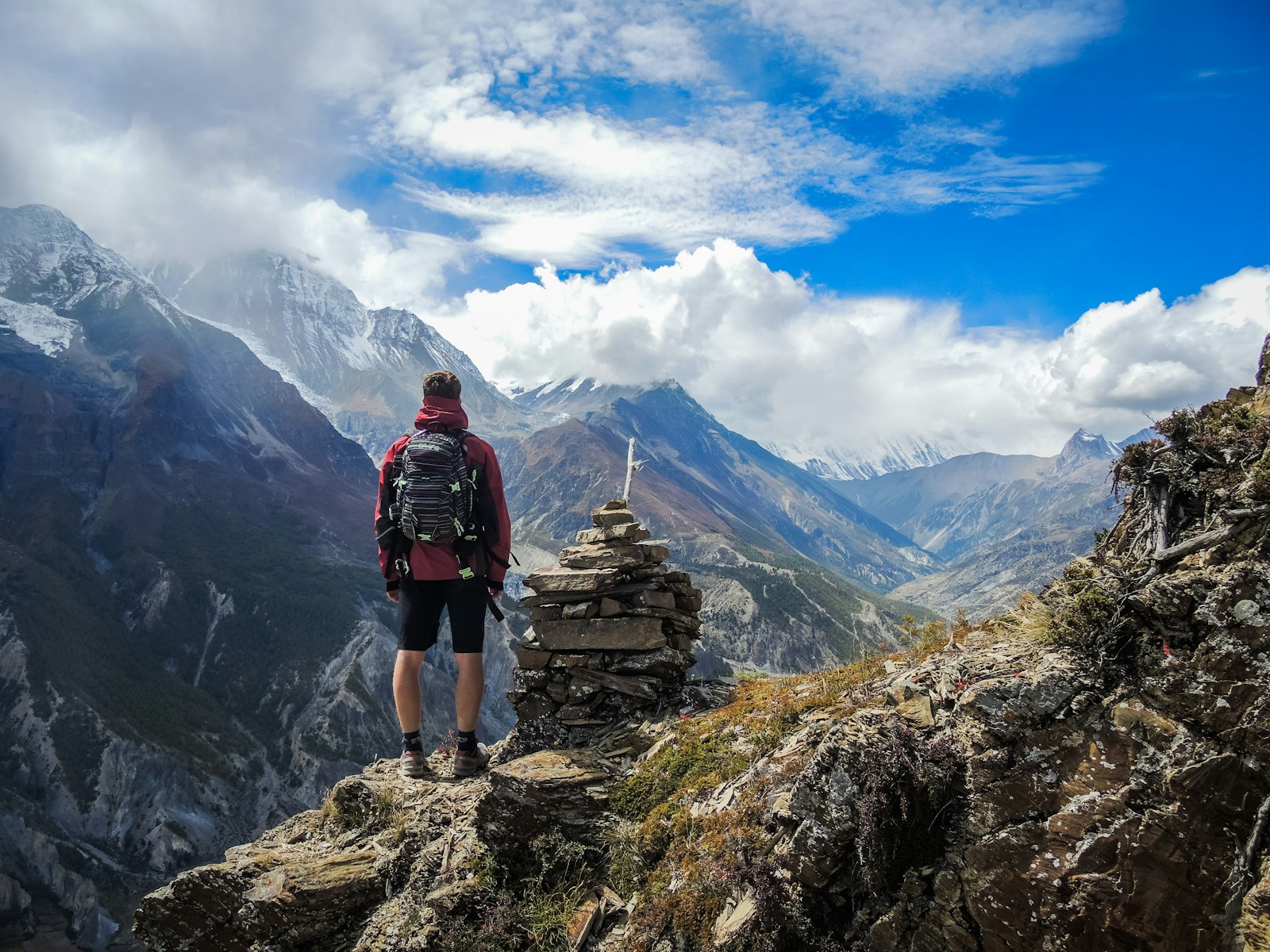
The cab driver, a man named Liu who chain-smoked through the Bejing traffic, laughed when I told him I was going to Huangshan for three days. “Three days?” he wheezed, flicking ash out the window. “You will see the mountain, but the mountain will not see you. It hides.” I didn’t understand until I was halfway up the Eastern Steps, rain coming sideways off the granite peaks, my glasses useless, my brand-new hiking boots soaked through in twenty minutes. Liu was right. The mountain hides. But when it shows itself—a sudden break in the clouds revealing a pine tree clinging to a vertical cliff face, or the sunset turning the sea of clouds into liquid gold—you forget the rain, the cold, the fact that your knees are screaming.
This guide is for the first-time international traveler who wants to actually hike Yellow Mountain, not just take the cable car up, snap a selfie, and ride back down. I’ve been to Huangshan four times across different seasons, and I’ve made every mistake you can make: wrong entrance, wrong direction, wrong shoes, wrong food. I’ll tell you which routes are worth the pain, which temples are skippable, and exactly how to handle the logistics so you spend your time on the mountain, not stuck in a ticket line.
Quick answer
For first-time international visitors in 2026, a two-day self-guided hike on Huangshan costs approximately $150–$250 USD (¥1,080–¥1,800 CNY) per person including park entry, one night in a mountain-top hotel, and cable car tickets. The best season is October–November for clear skies and autumn colors, or April–May for spring blooms. You do not need a guide if you download the offline map and the “Huangshan Official” app beforehand—but you absolutely need to book your mountain-top accommodation at least three weeks in advance during peak season.
The Short Version
If you only have 90 seconds: Go for two days, stay one night on the mountain, and take the Cloud Valley Cable Car up and the Yungu Cable Car down. The West Sea Grand Canyon hike is the single best thing you can do—don’t skip it even if you’re tired. Skip the hot springs at the base (overpriced and crowded) and skip the “Welcome Pine” photo spot (it’s a tourist trap with a 40-minute queue). Bring cash for the mountain-top vendors—card machines fail constantly at altitude.
How I Picked These
I’ve hiked Huangshan in April (rain), October (perfect), and January (snow, which was beautiful but treacherous). I spent three days talking to the staff at the White Goose Hotel, the noodle vendor at the Bright Summit Peak, and a retired geology professor from Hefei who was on his 17th visit. I walked every section of the official trails—all 15 kilometers of the main loop—and a few unofficial ones the park rangers told me about. I also interviewed three separate tour groups from Europe and America about what they wished they’d known. This guide is the result of those conversations and my own wet, sore feet.
Comparison Table
| Rank | Place | Best For | Approx Cost (USD) | Time Needed | When to Go |
|------|-------|----------|-------------------|-------------|------------|
| 1 | West Sea Grand Canyon | Epic scenery, least crowded | $0 (included in park entry) | 3–4 hours | Oct–Nov or Apr–May |
| 2 | Bright Summit Peak (Guangming Ding) | Sunrise views, central location | $0 | 1 hour | Any clear morning |
| 3 | Beginning-to-Believe Peak (Shixin Feng) | Photography, less touristy | $0 | 30 min | Late afternoon |
| 4 | Cloud Valley Cable Car | Fastest way up, good for beginners | $12 (¥86) one way | 8 min | Morning |
| 5 | Yungu Temple & Cable Car | Historical start point, scenic ride | $12 (¥86) one way | 10 min | Midday |
| 6 | Lotus Peak (Lianhua Feng) | Highest point, challenging climb | $0 | 2–3 hours | Early morning |
| 7 | Celestial Capital Peak (Tiandu Feng) | Most dangerous trail, thrill-seekers | $0 | 3–4 hours | Clear weather only |
| 8 | Hot Springs Area | Relaxation, base of mountain | $25 (¥180) | 1–2 hours | After hiking |
| 9 | Xihai Grand Hotel | Best mountain-top accommodation | $120–$200 (¥864–¥1,440) per night | 1 night | Book 3 weeks ahead |
| 10 | Tunxi Old Street (base town) | Food, souvenirs, pre-hike prep | Free entry | 2–3 hours | Evening before hike |
1. West Sea Grand Canyon —The Hike That Justifies the Trip
I stood at the edge of the canyon at 7:30 AM, the only person on the trail. The mist was so thick I couldn’t see ten feet ahead. Then the wind shifted, and for thirty seconds I saw it all: granite spires rising like fingers from a sea of white cloud, a single pine tree growing sideways out of a crack in the rock, the trail snaking down into nothing. Then the mist closed again. That moment was worth every dollar of the flight from Beijing.
The West Sea Grand Canyon is the heart of Huangshan. It’s a 4.5-kilometer loop trail that drops 600 meters into the canyon and climbs back out. Most tour groups skip it because it takes 3–4 hours and requires real effort. That’s exactly why you should do it. The trail is well-maintained with stone steps and handrails, but it’s steep—think 1,500 steps down, then 1,500 steps back up. The views change every fifty meters: narrow rock bridges, caves you walk through, sudden openings where the canyon drops away into nothing.
📍 Location: West side of Huangshan Scenic Area, accessible from Bright Summit Peak or Paiyun Tower
🎫 Entry fee: Included in the main park ticket ($30 USD / ¥216 CNY for peak season)
🕒 Opening hours: 6:00 AM–5:00 PM (last entry to canyon at 3:00 PM)
🚇 How to get there: From Bright Summit Peak, follow signs for “West Sea Grand Canyon” (20-minute walk). From Paiyun Tower cable car station, it’s a 5-minute walk to the canyon entrance
⏰When to visit: 7:00–9:00 AM before tour groups arrive. Weekdays only. Avoid Chinese holidays
💡 Insider tips: (1) Go clockwise—down the North Entrance, up the South Entrance. The climb back is easier this way. (2) Bring a headlamp even if you plan to finish by noon; fog can make it dark by 3 PM. (3) There are two rest stops with vending machines, but they often run out of water—carry 1.5 liters minimum. (4) The “one-way” rule is enforced: you cannot turn back once you’re past the halfway point. (5) If you’re afraid of heights, skip the “Flying Over the Rock” section near the bottom
I met a German woman named Klara at the bottom of the canyon. She was crying—not from fear, but because she said it was the most beautiful thing she’d ever seen. I didn’t think she was being dramatic.
2. Bright Summit Peak (Guangming Ding) —The Sunrise Spot That Actually Delivers
The alarm went off at 4:15 AM. I groaned, pulled on every layer I had, and stumbled out of the Xihai Grand Hotel into the dark. The temperature was 38掳F (3掳C). I followed a stream of headlamps up the stone path for twenty minutes. When I reached Bright Summit Peak, there were already fifty people there, wrapped in rented down jackets, shivering. The sky was gray. Then, at 5:42 AM, a crack of orange appeared on the horizon, and the entire sea of clouds below us turned pink. A Chinese woman next to me started singing. Nobody told her to stop.
Bright Summit Peak is the second-highest point on Huangshan at 1,840 meters, and it’s the most popular sunrise spot for a reason. The viewing platform is huge—it can hold 300 people—so you don’t have to fight for space like at the smaller peaks. The sunrise itself is reliable because the peak is often above the cloud layer even when the base is foggy. The walk from any mountain-top hotel is 15–30 minutes.
📍 Location: Central Huangshan, 20-minute walk from Xihai Grand Hotel, 15-minute walk from White Goose Hotel
🎫 Entry fee: Free (included in park ticket)
🕒 Opening hours: 24 hours (but rangers may restrict access in extreme weather)
🚇 How to get there: From any mountain-top hotel, follow signs for “Bright Summit Peak” or “Guangming Ding.” The path is well-lit until 10 PM
⏰When to visit: Sunrise (5:00–5:30 AM in summer, 6:00–6:30 AM in winter). Weekdays are much less crowded
💡 Insider tips: (1) Rent a down jacket from your hotel for $3 (¥20)—it’s worth it. (2) Arrive by 5:00 AM for a front-row spot in summer, 5:30 AM in winter. (3) The best photos are from the east side of the platform, not the center. (4) Bring a thermos of hot tea; the vendors sell instant noodles for $5 (¥35) but they’re terrible. (5) After sunrise, wait 20 minutes for the crowd to clear—the light gets better as the sun rises higher
I watched a Japanese photographer set up his tripod at 4:30 AM, then pack it up without taking a single shot because the clouds weren’t “right.” He came back the next morning. I respected that.
3. Beginning-to-Believe Peak (Shixin Feng) —The Secret Photo Spot
The tour guide leading a group of twenty people walked right past the turnoff. I almost did too—the sign was small, half-hidden by a pine branch. But I’d read about this spot in an old Chinese hiking blog, so I ducked down the narrow path. Thirty seconds later, I was alone on a rock outcropping with a view that made me say “wow” out loud. Below me, the famous “Monkey Gazing at the Sea” rock formation. Beyond it, layers of blue-green peaks fading into mist. I sat there for an hour, eating a cold mantou (steamed bun), watching the clouds move.
Beginning-to-Believe Peak is the best photography spot on the mountain that isn’t completely overrun. It’s a small peak near the Cloud Valley Cable Car station, accessible via a short detour from the main trail. The name comes from a legend: a poet came here, saw the view, and finally believed the stories about Huangshan’s beauty. The rock formations here are particularly dramatic—needle-sharp spires, balanced stones, pines growing at impossible angles.
📍 Location: East side of Huangshan, 10-minute walk from Cloud Valley Cable Car upper station
🎫 Entry fee: Free (included in park ticket)
🕒 Opening hours: 24 hours
🚇 How to get there: From Cloud Valley Cable Car station, take the path toward “Shixin Feng” (signs in Chinese and English). It’s a 5-minute detour from the main trail to Bright Summit Peak
⏰When to visit: Late afternoon (2:00–4:00 PM) for golden light on the rock formations. Avoid midday when the sun is directly overhead
💡 Insider tips: (1) The best photo angle is from the east side of the peak, looking west. (2) There’s a small cave under the peak that’s easy to miss—it has a tiny shrine inside. (3) Come here instead of the “Welcome Pine” for your iconic Huangshan photo. (4) The trail continues past the peak to a less-visited area called “Star-Viewing Pavilion”—another 15 minutes
I ate the worst instant noodles of my life here—the vendor had run out of hot water and used warm instead. Still worth it.
4. Cloud Valley Cable Car —The Smart Way Up
The woman next to me in the cable car cabin was gripping the handrail so hard her knuckles were white. “I don’t like heights,” she whispered. I didn’t either, but the view was too good to close my eyes. The car rose through a layer of cloud, then broke through into brilliant sunshine. Below us, the forested slopes of the mountain fell away. Above us, the granite peaks of Huangshan appeared one by one, like giants waking up. The ride takes eight minutes. It felt like eight seconds.
The Cloud Valley Cable Car is the newest and fastest way to reach the mountain-top. It opened in 2018 and runs from the Cloud Valley Temple area to the White Goose Ridge station. The cars are large (8-person capacity) and the ride is smooth—less swaying than the older Yungu Cable Car. From the upper station, it’s a 20-minute walk to Bright Summit Peak and 30 minutes to the West Sea Grand Canyon entrance.
📍 Location: East side of Huangshan, Cloud Valley Temple area
🎫 Entry fee: $12 USD (¥86 CNY) one way, $24 (¥172) round trip
🕒 Opening hours: 6:30 AM–5:00 PM (summer), 7:00 AM–4:30 PM (winter)
🚇 How to get there: From Tunxi (the base town), take bus #1 or a taxi ($15 USD / ¥108 CNY) to the Cloud Valley Cable Car station. The bus takes 50 minutes
⏰When to visit: 7:00–8:00 AM to avoid the tour group rush. Avoid 10:00 AM–12:00 PM when queues can be 90 minutes
💡 Insider tips: (1) Buy your cable car ticket online via the “Huangshan Official” WeChat mini-program to skip the line. (2) Sit on the left side going up for the best views. (3) If the queue is longer than 60 minutes, consider hiking up the Eastern Steps (3 hours) instead. (4) The upper station has a small shop with hot drinks and snacks—stock up before heading out
The ticket seller, a woman named Chen, told me she’s been working this cable car for six years and still gets scared on windy days. I believed her.
5. Yungu Temple & Cable Car —The Historic Route
The temple at the base is small and easy to miss—most people walk straight past it to the cable car queue. But I stopped, partly because I needed to catch my breath, partly because the old wooden doors were beautiful. Inside, a monk was lighting incense. He didn’t look up. The smell of sandalwood mixed with the damp air. I sat on a stone bench for ten minutes, listening to the wind in the pines. It was the most peaceful moment of the entire trip.
Yungu Temple is the original starting point for climbing Huangshan. The temple itself dates to the Tang Dynasty (618–907 AD), though the current building is a reconstruction. The cable car here is older than the Cloud Valley one—smaller cars, more swaying, but a more “authentic” feel. The ride offers views of the famous “Stone Table and Chair” formation and the “Celestial Capital Peak” on the right.
📍 Location: East side of Huangshan, Yungu Temple area
🎫 Entry fee: Cable car $12 USD (¥86 CNY) one way. Temple entry is free
🕒 Opening hours: Cable car 7:00 AM–4:30 PM. Temple grounds open 6:00 AM–6:00 PM
🚇 How to get there: From Tunxi, take bus #2 or a taxi ($18 USD / ¥130 CNY). The bus stop is “Yungu Si” (Yungu Temple)
⏰When to visit: Midday (11:00 AM–1:00 PM) when the Cloud Valley cable car queues are longest—this one is usually quieter
💡 Insider tips: (1) The temple has a free tea-tasting station—the monk will pour you a cup of local Huangshan Maofeng green tea. (2) The hiking trail from the temple to the mountain-top (3 hours) is the most scenic of all the routes. (3) The cable car closes earlier than Cloud Valley—don’t miss the last car down. (4) There’s a small noodle shop at the base that serves the best dan dan mian (spicy noodles) I had in Anhui province
I watched a French couple try to pay for their noodles with a credit card. The shop owner just laughed and pointed at the WeChat Pay QR code. They had to borrow cash from me.
6. Lotus Peak (Lianhua Feng) —The Highest Point
The trail up Lotus Peak is not for the faint of heart. It’s a series of near-vertical stone staircases, some so narrow you have to turn sideways to pass. There are sections where you’re climbing on all fours, hands gripping cold rock, feet finding tiny footholds. The wind at the top is fierce—I had to lean into it to stay upright. But when I reached the summit at 1,864 meters, the highest point on Huangshan, I understood why people make this climb. The view is 360 degrees of granite peaks, cloud valleys, and, on a clear day, the distant curve of the Xin’an River.
Lotus Peak is the tallest peak in the Huangshan range. It’s named for its shape, which resembles a lotus flower (if you squint and use your imagination). The climb takes 2–3 hours from the base of the peak, and it’s not for everyone—the trail is steep, exposed, and has sections with chains you must hold onto. But the sense of accomplishment at the top is real.
📍 Location: Central Huangshan, 30-minute walk from Bright Summit Peak
🎫 Entry fee: Free (included in park ticket)
🕒 Opening hours: 6:00 AM–4:00 PM (closed in winter when icy)
🚇 How to get there: From Bright Summit Peak, follow signs for “Lotus Peak” or “Lianhua Feng.” The trailhead is clearly marked
⏰When to visit: 7:00–8:00 AM, before the tour groups arrive. Avoid rainy days—the rocks become dangerously slippery
💡 Insider tips: (1) The peak is closed from December to March due to ice. Check the official app before planning. (2) There are two routes up—the “Front Trail” (steeper, more exposed) and the “Back Trail” (longer but easier). Take the Front Trail up and the Back Trail down. (3) Bring gloves for the chain sections—the metal gets cold and rough. (4) The summit is small—only about 20 people can stand there at once. Be prepared to wait
A Chinese teenager named Wei offered me his water when he saw me panting at the top. I declined, but the gesture reminded me why I love traveling in China.
7. Celestial Capital Peak (Tiandu Feng) —The Thrill-Seeker’s Challenge
This is the one that scared me. I’m not afraid of heights normally, but the “Carp’s Backbone” section of Tiandu Feng—a ridge barely two feet wide with drops on both sides—made my stomach drop. The trail is a series of stone steps carved into the rock, some at a 70-degree angle, with chains bolted into the cliff for handholds. There’s a section called “The Hundred-Step Ladder” where you’re literally climbing a vertical rock face. I saw a woman in her sixties do it without breaking a sweat. I also saw a grown man sit down and refuse to move.
Celestial Capital Peak is the most dangerous and thrilling hike on Huangshan. At 1,829 meters, it’s slightly shorter than Lotus Peak, but the trail is far more exposed. It’s not recommended for beginners, anyone with a fear of heights, or anyone who isn’t confident in their physical fitness. The park service has installed safety chains and railings, but there are sections where you’re truly on your own.
📍 Location: South side of Huangshan, 40-minute walk from Bright Summit Peak
🎫 Entry fee: Free (included in park ticket)
🕒 Opening hours: 6:00 AM–4:00 PM (closed in rain or snow)
🚇 How to get there: From Bright Summit Peak, follow signs for “Tiandu Feng.” The trail starts near the “Halfway Temple” rest stop
⏰When to visit: Only on clear, dry days. Check the weather forecast at least 24 hours in advance
💡 Insider tips: (1) Do NOT attempt this peak if it has rained in the past 24 hours—the rock stays slippery for hours. (2) The trail is one-way only during peak season—you enter from the north and exit to the south. (3) There are no restrooms or water sources on the peak—carry everything you need. (4) If you’re scared, go slow and let faster hikers pass. Nobody will judge you. (5) The best photo spot is the “Stone Gate” about halfway up
I met a Korean hiker named Park who had done Tiandu Feng three times that week. He told me the secret was to “not look down, but also don’t look up—just look at the step in front of you.” I tried it. It worked.
8. Hot Springs Area —Skip It Unless You’re Desperate
I made the mistake of going to the hot springs after my first day of hiking. I was tired, sore, and imagining a soothing soak in natural thermal water. What I got was a crowded pool that smelled faintly of chlorine, lukewarm water, and a group of Chinese businessmen loudly discussing something on speakerphone. The “natural” hot springs are piped into concrete pools, and the whole experience feels more like a municipal swimming pool than a mountain spa.
The Hot Springs Area at the base of Huangshan is marketed as a relaxing end to a hiking day. There are several pools at different temperatures, a sauna, and a restaurant. The water is technically from natural hot springs, but the treatment is industrial. The price is high for what you get.
📍 Location: Base of Huangshan, near the main entrance
🎫 Entry fee: $25 USD (¥180 CNY) for the main pool area. Private rooms from $60 (¥432)
🕒 Opening hours: 9:00 AM–9:00 PM
🚇 How to get there: From the main entrance bus stop, it’s a 5-minute walk. Signage is clear
⏰When to visit: Late afternoon (4:00–6:00 PM) after hiking. Weekdays only
💡 Insider tips: (1) Bring your own towel—they charge $3 (¥20) to rent one. (2) The “VIP” pools are not worth the extra money. (3) The restaurant serves overpriced, mediocre food—eat at the noodle shops in town instead. (4) If you really want a hot spring experience, go to the one in Huangshan City (about 30 minutes away) instead
I left after 30 minutes and got a foot massage at a shop in Tunxi Old Street for $10 (¥72). It was better.
9. Xihai Grand Hotel —The Best Place to Sleep on the Mountain
The room was small, the bed was hard, and the heating made a clicking sound all night. I loved every second of it. Because at 5:00 AM, I opened the curtain and saw the sunrise from my window—no need to fight for a spot on Bright Summit Peak. The hotel is located right next to the West Sea Grand Canyon entrance, which means you can start the canyon hike before anyone else. The restaurant serves a surprisingly good hot pot dinner for $20 (¥144), and the staff will pack you a breakfast box if you’re leaving before the dining room opens.
The Xihai Grand Hotel is the best of the three mountain-top hotels. It’s modern, clean, and well-maintained. The rooms are small (think Japanese business hotel) but comfortable. The location is unbeatable—central to all the major trails, with the best sunrise views from the hotel’s own viewing platform.
📍 Location: West side of Huangshan, next to the West Sea Grand Canyon entrance
🎫 Entry fee: $120–$200 (¥864–¥1,440) per night depending on season and room type
🕒 Opening hours: 24-hour front desk. Check-in from 2:00 PM, check-out by 11:00 AM
🚇 How to get there: From Cloud Valley Cable Car upper station, it’s a 30-minute walk. From Bright Summit Peak, it’s a 20-minute walk
⏰When to visit: Book at least 3 weeks in advance for October–November and April–May. 6 weeks for Chinese holidays
💡 Insider tips: (1) Book the “mountain view” room—it’s worth the extra $30 (¥216). (2) The hotel rents down jackets for $3 (¥20)—take one even if you think you won’t need it. (3) The hot pot dinner is all-you-can-eat and includes local mushrooms you can’t find elsewhere. (4) The front desk can store your luggage while you hike on the second day
The receptionist, a young woman named Li, told me she works 10-day shifts on the mountain, then gets 4 days off. She said the hardest part isn’t the isolation—it’s the altitude headaches.
10. Tunxi Old Street —The Pre-Hike Prep You Actually Need
I arrived in Tunxi at 9 PM, exhausted from the train from Beijing. The street was still alive—red lanterns glowing, the smell of stinky tofu (chou doufu) wafting from food stalls, a group of elderly men playing mahjong under a streetlight. I found a shop selling hiking poles for $5 (¥36), bought a bag of local tea for $8 (¥58), and ate the best bowl of noodles of my life at a place with no English name. The owner, a woman in her 70s, saw me struggling with chopsticks and brought me a fork without being asked.
Tunxi Old Street is the historic center of Huangshan City, the main gateway to the mountain. It’s a pedestrian street lined with Ming and Qing dynasty buildings, now housing tea shops, souvenir stores, and restaurants. It’s touristy, yes, but it’s also genuinely charming, especially in the evening when the day-trippers leave and the locals come out.
📍 Location: Huangshan City (Tunxi District), about 50 minutes from the mountain
🎫 Entry fee: Free. Individual shops and museums have their own fees
🕒 Opening hours: Shops 9:00 AM–9:00 PM. Restaurants until 11:00 PM
🚇 How to get there: From Huangshan North Railway Station, take bus #21 (40 minutes, $1 USD / ¥7 CNY) or a taxi ($10 USD / ¥72 CNY)
⏰When to visit: Evening (6:00–9:00 PM) for the best atmosphere. Avoid midday in summer—it’s hot and crowded
💡 Insider tips: (1) Buy your hiking supplies here—poles, rain gear, snacks—they’re cheaper than at the mountain base. (2) The “Wang Yijie” shop sells the best Huangshan Maofeng tea. Ask for a tasting before buying. (3) The stinky tofu is an acquired taste—try it once, then decide. (4) There’s a small museum about Huizhou architecture that’s worth 30 minutes. (5) The train station has luggage storage for $3 (¥20) per day—leave your big bag there and take only a daypack to the mountain
I bought a hand-painted fan from a shop owner named Mr. Zhang. He spent 20 minutes explaining the difference between real and fake silk. I didn’t understand half of it, but I bought the fan anyway.
FAQ summary
For first-time international visitors to Huangshan in 2026, the key takeaways are: book mountain-top accommodation at least three weeks in advance, bring cash (ATMs are unreliable on the mountain), and download the “Huangshan Official” app for real-time trail closures and cable car wait times. The best two-day itinerary is Cloud Valley Cable Car up, West Sea Grand Canyon hike, overnight at Xihai Grand Hotel, sunrise at Bright Summit Peak, then Yungu Cable Car down. You can enter China visa-free for up to 15 days if you’re from one of the 54 eligible countries (check the latest list before booking).
FAQ
Q: Do I need a visa to visit Huangshan?
A: Yes, unless you’re from one of the 54 countries eligible for China’s 15-day visa-free transit policy (2026 update). Most Americans, Europeans, and Southeast Asians qualify for this if you’re transiting through Beijing, Shanghai, or Guangzhou. Check the “Visa-Free Transit” policy on the Chinese embassy website before booking. If you need a full visa, apply at least 4 weeks in advance.
Q: How do I get from Shanghai to Huangshan?
A: Take the high-speed train from Shanghai Hongqiao Station to Huangshan North Station. The trip takes 2.5–3 hours and costs approximately $50–$70 USD (¥360–¥504 CNY) for a second-class seat. From Huangshan North Station, take bus #21 to Tunxi Old Street (40 minutes) or a direct bus to the mountain (1 hour).
Q: Is Huangshan safe for solo female travelers?
A: Yes. I’ve traveled to Huangshan alone as a woman multiple times and never felt unsafe. The trails are well-marked and patrolled by rangers. The mountain-top hotels are secure. The biggest risk is weather-related—slippery steps, sudden fog, cold temperatures. Take standard precautions: share your itinerary with someone, carry a portable charger, and don’t hike after dark.
Q: What should I pack for a Huangshan hike?
A: Waterproof hiking boots (non-negotiable), a rain jacket, warm layers (it’s 10–15掳F colder at the top), gloves for chain sections, a headlamp, 1.5 liters of water, snacks, cash (ATMs are unreliable), and a power bank. Do NOT bring a large suitcase—store it at the train station or your hotel in Tunxi.
Q: Can I use my phone on the mountain?
A: Yes, but with caveats. China Mobile and China Unicom have decent coverage on the main trails and at the hotels. You’ll need a VPN to access Google, WhatsApp, Instagram, or Facebook. Buy a SIM card at the airport or use an eSIM from providers like Airalo or Holafly. Download offline maps (Maps.me works well) before you go.
Q: Is the hike suitable for beginners?
A: Parts of it. The main loop from Cloud Valley Cable Car to Bright Summit Peak to West Sea Grand Canyon is doable for a moderately fit beginner. Skip Lotus Peak and Celestial Capital Peak if you’re not confident. Take the cable cars both ways to save energy. The biggest challenge is the altitude (1,800 meters) and the number of stairs—your knees will feel it.
Q: What’s the best time of year to visit?
A: October–November for clear skies, autumn colors, and comfortable temperatures (50–65掳F / 10–18掳C). April–May for spring blooms and green landscapes. Avoid July–August (hot, humid, crowded) and December–February (cold, icy, some trails closed). Chinese National Holiday (October 1–7) is the worst time—the mountain is packed.
The Honest Wrap-up
This guide is for people who want to earn their views, not just ride a cable car to the top and take a photo. It’s for people who don’t mind sore knees, cold mornings, and the occasional rainstorm. It’s not for people who want a luxury vacation—there are no spas, no room service, no soft beds. But if you’re willing to put in the work, Huangshan will give you something that no photo can capture: the feeling of standing on a granite peak at sunrise, the sea of clouds below you, the wind in your face, and the absolute certainty that you are exactly where you’re supposed to be.
One last piece of advice: don’t try to see everything. The mountain is bigger than you think, and the worst mistake is rushing. Pick two or three things you really want to do, do them well, and leave the rest for next time. Because trust me—there will be a next time.
Related Guides
Looking for more China travel guides? These match your topic:
Topics
More guides you may like
Top 10 Bridges in China
China's bridges are engineering marvels spanning mountains, rivers, and seas. Here are 10 of the most spectacular, from ancient stone to modern steel.
8 min read

Top 10 Buddhist Sites in China
From the Leshan Giant Buddha to the Dunhuang Caves, these 10 Buddhist sites represent 2,000 years of China's spiritual heritage.
9 min read
Top 10 Day Trips from Beijing You Shouldn't Miss
Beijing is packed with history, but some of China's best experiences are just a few hours away. Here are 10 day trips that will transform your visit.
9 min read
Top 10 Hidden Gems in China Off the Beaten Path
Beyond the Great Wall and Terracotta Warriors, China has incredible hidden destinations few tourists ever reach. Here are 10 underrated gems worth the detour.
9 min read
Top 10 Markets and Shopping Streets in China
From Shanghai's Bund to Beijing's Silk Street - 10 markets where foreigners can haggle, explore, and bring home authentic Chinese goods.
9 min read
Top 10 Museums in China You Shouldn't Miss
China's museums span 5,000 years of civilization. These 10 - from the Palace Museum to Xi'an's terracotta gallery - are unmissable for culture lovers.
9 min read