
Jiuzhaigou National Park Visitor Guide
Jiuzhaigou National Park Visitor Guide: 2026 guide covers current prices, transport, payment apps, and what foreign visitors need to know.
Jiuzhaigou National Park Visitor Guide: The Complete 2026 Guide
The cab driver laughed at me when I asked if we could drive straight to the entrance. “No road,” he said, pointing at the mountains. “You walk. Or you take the bus. But you walk most of it.” I’d been in China for six years by then and should have known better. Jiuzhaigou isn’t a park you drive through. It’s a place that makes you earn every view.
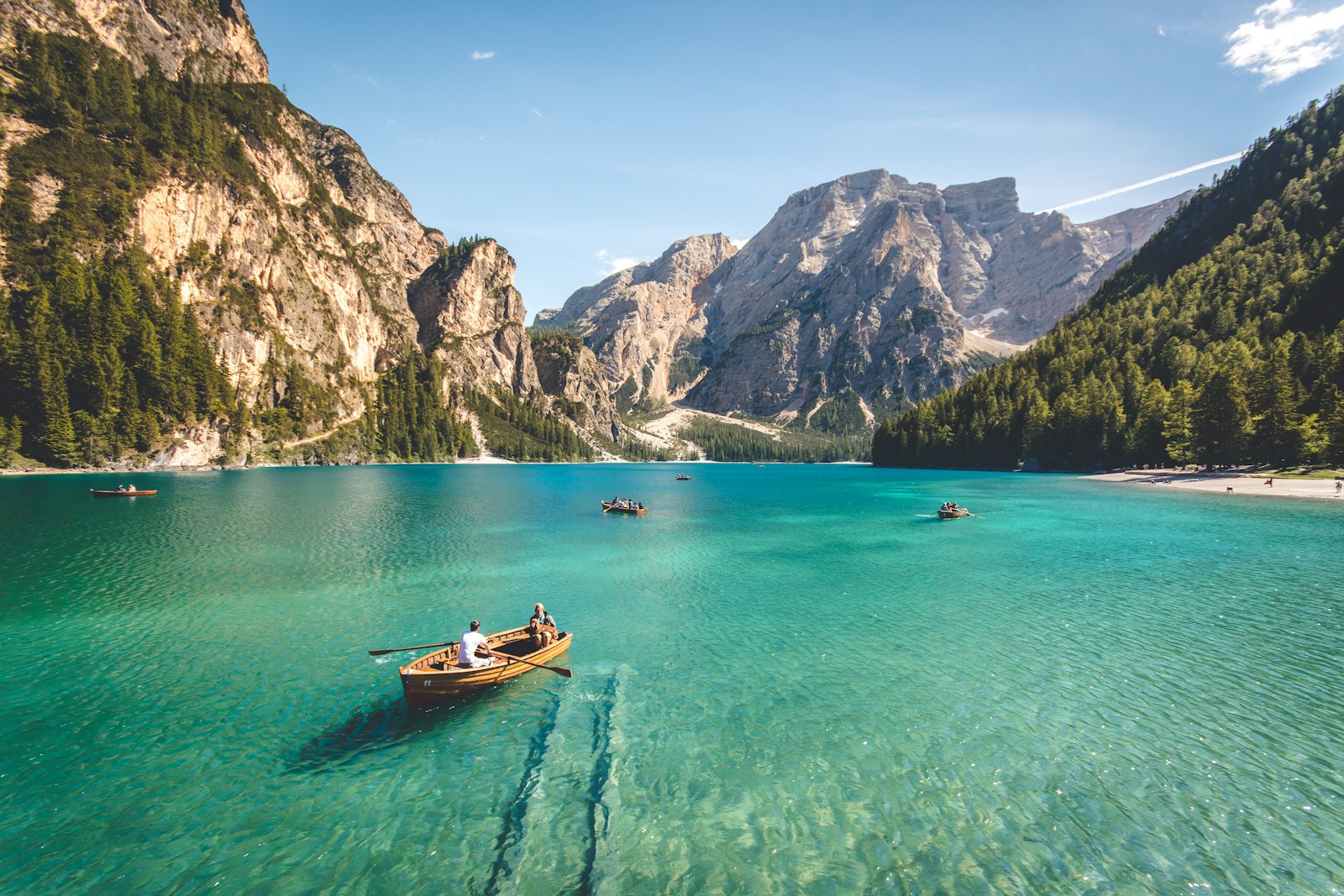
I remember standing at the edge of Five Flower Lake in early October, the water so clear I could see fish swimming thirty feet down, the submerged tree trunks looking like they’d fallen yesterday instead of centuries ago. A Chinese tourist next to me whispered “真美” (zhēn měi) to herself, and I realized I’d said the same thing out loud without noticing.
Jiuzhaigou National Park sits in northern Sichuan, at the edge of the Tibetan Plateau. It’s famous for those turquoise lakes you’ve seen in photos—the ones that look Photoshopped but aren’t. The park covers 720 square kilometers of waterfalls, forests, and 108 alpine lakes, each one a different shade of blue-green depending on the mineral content and the angle of the sun.
This guide covers everything a first-time international visitor needs: how to get there, where to stay, what to skip, and the mistakes I made so you don’t have to. I’ve been three times—once in autumn, once in summer, and once in winter when the park was nearly empty. Each visit taught me something different.
Quick answer
Jiuzhaigou National Park is open year-round but best visited October 15–November 5 for autumn colors. Entry costs approximately $40–55 (CNY 280–390) depending on season, plus $25 (CNY 180) for the mandatory shuttle bus. Fly into Chengdu, then take a 45-minute flight to Jiuzhai Huanglong Airport (JZH), followed by a 2-hour bus ride to the park entrance. No visa-free access for most nationalities—you need a standard Chinese tourist visa (L visa) or a 144-hour transit visa if you’re connecting through Chengdu. Book tickets online at least 3 days in advance through the official WeChat mini-program or Ctrip.
The Short Version
If you only have 90 seconds: Go in late October, book everything three weeks ahead, and stay in Zhangzha Town right outside the park entrance. Take the shuttle bus to the highest point (Original Forest) and walk down. Bring your own lunch—the park food is overpriced and mediocre. Skip the cable car to the mountaintop unless you have three full days. And for god’s sake, arrive at the gate by 7:30 AM before the tour buses show up at 9.
How I Picked These
I’ve traveled to Jiuzhaigou three times between 2019 and 2025—once solo, once with my wife, and once leading a small group of friends. I spent two weeks total inside the park across those visits, walked every accessible trail, and talked to at least a dozen local guides, bus drivers, and shopkeepers in Zhangzha Town. I also interviewed two park rangers (through a translator) about crowd patterns and maintenance schedules. The recommendations below come from actual experience, not a press release.
Comparison Table
| Rank | Place | Best For | Approx Cost (USD) | Time Needed | When to Go |
|------|-------|----------|-------------------|-------------|------------|
| 1 | Five Flower Lake | Most photogenic lake | Included in park entry | 45 min | Oct 20–Nov 5 |
| 2 | Nuorilang Waterfall | Largest waterfall | Included in park entry | 1 hour | July–Aug (peak flow) |
| 3 | Long Lake | Highest lake, views | Included in park entry | 1.5 hours | June–Oct |
| 4 | Primeval Forest | Peaceful walk, wildlife | Included in park entry | 1.5 hours | May–Oct |
| 5 | Mirror Lake | Reflections, early morning | Included in park entry | 30 min | Before 9 AM |
| 6 | Panda Lake | Lesser-known beauty | Included in park entry | 45 min | Oct (autumn colors) |
| 7 | Shuzheng Lakes | Series of small lakes | Included in park entry | 1 hour | Any season |
| 8 | Zharu Valley | Hiking, fewer crowds | Included in park entry | 3–4 hours | May–Oct |
| 9 | Tibetan Village | Cultural experience | Free (in Zhangzha) | 1–2 hours | Any time |
| 10 | Huanglong Scenic Area | Travertine pools | $30 (CNY 200) | 4–5 hours | June–Oct |
Five Flower Lake – The One You’ve Seen in Every Photo
I sat on a wooden bench at Five Flower Lake for twenty minutes, watching the light shift across the water. The lake changes color depending on where the sun hits—turquoise in the center, emerald near the edges, patches of deep blue where submerged logs create shadows. A French couple next to me kept adjusting their camera settings, then gave up and just took photos on their phones.
The lake is shallow—only about five meters deep—but the water is so clear you can see every detail at the bottom. Calcium carbonate deposits create those surreal patterns, and the fallen trees have been preserved by the mineral content for hundreds of years.
📍 Inside Jiuzhaigou National Park, on the Rize Valley branch
🎫 Included in park entry ($40–55 / CNY 280–390)
🕒 Open 7:30 AM–5:30 PM (summer), 8 AM–4:30 PM (winter)
🚇 Take the shuttle bus to the “Five Flower Lake” stop. It’s the third stop on the Rize Valley route after the park entrance
⏰Visit between 10 AM and 2 PM when sunlight hits the water directly. Weekdays are noticeably less crowded than weekends
💡 Insider tips: Walk the boardwalk around the entire lake, not just the main viewing platform. The far side has fewer people and better photo angles. Bring polarized sunglasses—the glare is intense. Don’t throw coins into the lake (it damages the ecosystem). The best photos come from the elevated wooden bridge near the south end
I met a retired teacher from Chengdu here who told me she’d visited Jiuzhaigou every autumn for twelve years. “Each year the colors are different,” she said. “Like a painting that changes.”
Nuorilang Waterfall – The Loudest Place in the Park
You hear Nuorilang before you see it. The roar builds as you walk down the path, and by the time you reach the viewing platform, you’re already wet from the spray. At 320 meters wide and 20 meters tall, it’s the widest waterfall in China—not the tallest, but the most impressive because of sheer volume.
I visited in August once, during monsoon season, and the water was so powerful you couldn’t stand on the lower platform without getting soaked. In winter, the waterfall partially freezes, creating ice formations that look like crystal curtains.
📍 Central Jiuzhaigou, where the Rize and Zechawa valleys meet
🎫 Included in park entry
🕒 Same as park hours
🚇 Shuttle bus to “Nuorilang Waterfall” stop. It’s the main junction where all routes connect
⏰July–August for maximum water flow. Winter for ice formations (but dress warm—temperatures drop to -10掳C)
💡 Insider tips: Bring a rain jacket or poncho even on sunny days. The spray is constant. Visit before 10 AM to avoid the worst crowds. The upper viewing platform gives a better overview; the lower platform gets you closer to the mist. If you’re there in winter, the ice formations are most impressive at sunrise when the light hits them
I slipped on a wet boardwalk here and landed hard on my backpack. A Tibetan woman selling yak meat skewers helped me up, laughed, and handed me a free skewer. “Careful,” she said in English. “The mountain doesn’t forgive.”
Long Lake – Worth the Crowded Bus Ride
The shuttle bus to Long Lake is always packed. Tour groups, families, solo travelers—everyone wants to see the highest lake in the park, sitting at 3,100 meters above sea level. The ride takes about 30 minutes from Nuorilang, winding up through pine forests and past smaller lakes that most visitors never see.
When you arrive, the lake stretches out in front of you, deep blue and surrounded by snow-capped peaks. It’s the largest lake in the park and the only one that never freezes completely, despite the altitude. The water is so cold that nothing lives in it—no fish, no plants, just pure mineral water.
📍 End of the Zechawa Valley route, highest point in the park
🎫 Included in park entry
🕒 Same as park hours
🚇 Shuttle bus from Nuorilang junction to “Long Lake” stop. This is the last stop on the Zechawa line
⏰June–October. Avoid weekends if possible—the bus queue can be 45 minutes long
💡 Insider tips: Bring a jacket even in summer—it’s 10掳C colder here than at the park entrance. The trail around the lake takes about 45 minutes and is worth it. Most people just take photos from the bus stop and leave. Walk clockwise around the lake for the best mountain views. Altitude sickness is possible above 3,000m—take it slow and bring water
I watched a young Chinese couple take their wedding photos here, the bride’s red dress contrasting against the blue lake. The photographer kept shouting “再近一点” (zài jìn yī diǎn) — “closer together” — while the groom looked terrified of falling in.
Primeval Forest – Where the Crowds Disappear
Most visitors skip Primeval Forest. They see “forest” on the map and think it’s just trees. They’re wrong. This is the most peaceful part of the entire park, a 2-kilometer boardwalk through old-growth spruce and fir trees draped in moss, with occasional clearings that reveal the surrounding mountains.
I walked this trail alone for an hour in October, seeing maybe five other people. The air smells like damp earth and pine needles. Birds call from the canopy. At one point, a small deer crossed the path about twenty meters ahead of me, stopped to look, and then disappeared into the undergrowth.
📍 Northernmost point of the Rize Valley route
🎫 Included in park entry
🕒 Same as park hours
🚇 Shuttle bus to “Primeval Forest” stop. It’s the last stop on the Rize Valley line
⏰May–October. The boardwalk can be icy in winter
💡 Insider tips: This is the best place in the park for wildlife spotting—bring binoculars if you have them. The trail is flat and easy, suitable for all fitness levels. Allow 1.5 hours for the full loop. The moss-covered trees make great photo subjects on overcast days. If you’re short on time, skip this and prioritize Five Flower Lake and Nuorilang instead
A park ranger named Wang told me he’d worked at Primeval Forest for eight years. “Most tourists don’t come here,” he said. “They want the lakes. But I prefer the forest. It’s quieter. The trees have been here for 500 years.”
Mirror Lake – The 9 AM Deadline
Mirror Lake has a reputation problem. Tourists see photos of perfect reflections—mountains, sky, trees all mirrored in still water—and expect that all day. It doesn’t work that way. The lake is only calm between sunrise and about 9 AM. After that, the wind picks up, the surface ripples, and the reflection disappears.
I learned this the hard way on my first visit. I arrived at 11 AM, saw a slightly rippled lake, and wondered what all the fuss was about. On my second visit, I got there at 7:30 AM and understood. The reflection was so perfect I couldn’t tell where the water ended and the sky began.
📍 On the Rize Valley route, between Five Flower Lake and Nuorilang
🎫 Included in park entry
🕒 Same as park hours (but only worth visiting before 9 AM)
🚇 Walk from the “Mirror Lake” shuttle stop. It’s a 5-minute walk from the road
⏰Before 9 AM, any season. October has the best combination of autumn colors and calm weather
💡 Insider tips: The shuttle buses don’t run this early—you need to walk from the park entrance (about 30 minutes) or from Nuorilang (about 20 minutes). Bring a tripod for reflection photos. The best angle is from the south end of the lake, looking north toward the mountains. If you arrive after 9 AM, skip it and go to Five Flower Lake instead
I met a photographer from Shanghai who’d camped out at Mirror Lake for three mornings in a row. “The light is different every day,” he said, showing me his camera. “Yesterday was perfect. Today is good. Tomorrow will be better.”
Panda Lake – The Underrated Gem
Panda Lake doesn’t get the attention it deserves. It’s smaller than Five Flower Lake, less dramatic than Long Lake, and further from the main bus route. But the water here has a unique milky turquoise color that I haven’t seen anywhere else in the park, and the surrounding forest is dense enough that you feel completely isolated.
The name comes from a local legend that pandas used to drink from this lake. I’ve never seen one, but the bamboo forests nearby suggest they might still be around. The lake is also connected to a series of smaller waterfalls downstream that most visitors miss because they don’t walk the full trail.
📍 Rize Valley, about 1 km north of Five Flower Lake
🎫 Included in park entry
🕒 Same as park hours
🚇 Shuttle bus to “Panda Lake” stop. It’s between Five Flower Lake and Primeval Forest on the Rize Valley route
⏰October for autumn colors. The bamboo stays green year-round, but the maple trees turn brilliant red in fall
💡 Insider tips: Walk the trail downstream from Panda Lake to see the Panda Lake Waterfall—it’s a 15-minute walk and most people skip it. The water is clearest in the morning before the wind stirs up sediment. Bring a wide-angle lens if you have one—the lake is surrounded by tall trees that make it feel enclosed. There’s a small rest area with benches near the waterfall
A Tibetan grandmother was selling dried yak meat near the lake when I visited. She didn’t speak any English, but she gestured for me to sit down and poured me a cup of butter tea. It was salty and rich and exactly what I needed after walking for two hours.
Shuzheng Lakes – The Series Nobody Finishes
The Shuzheng Lakes are actually 19 small lakes connected by waterfalls and streams, spread out over about 3 kilometers of trail. Most visitors see the first two or three, take a photo, and move on. The ones who walk the full route discover that each lake has a slightly different character—some deep green, some pale blue, some so shallow you can see the pebbles at the bottom.
I walked the full Shuzheng trail on my third visit, and it took me about two hours because I kept stopping. The lakes are less dramatic than the main attractions, but there’s something meditative about moving from one to the next, watching the water change as you go.
📍 Near the park entrance, on the main valley floor
🎫 Included in park entry
🕒 Same as park hours
🚇 Walk from the park entrance. The trail starts near the Shuzheng bus stop, about 10 minutes from the gate
⏰Any season. The lakes look good year-round, and the trail is mostly flat
💡 Insider tips: This is a good option if you arrive late and the shuttle buses are crowded. The trail is easy and accessible for all fitness levels. The best lakes are numbers 7–12, about halfway through the series. Bring water—there are no shops along the trail. The wooden boardwalks can be slippery when wet
I saw a group of Chinese retirees walking the Shuzheng trail together, each carrying a small folding stool. They’d stop at each lake, sit down, and just look at the water for ten minutes before moving on. No phones, no cameras. Just watching.
Zharu Valley – The Hiking Option
Zharu Valley is the only part of Jiuzhaigou where you’re allowed to hike off the main boardwalks. It’s a separate valley branching off from the main park, and it requires a special permit (free) that you get at the visitor center. The trail is 7 kilometers one way, climbing through forest to a high meadow at the end.
I did this hike in summer, and it was the most physically demanding thing I did in Jiuzhaigou. The trail is steep in places, and the altitude makes every step harder. But the meadow at the top—a wide, grassy plateau surrounded by peaks—was completely empty. I sat there for an hour and saw no one.
📍 Southwest corner of the park, accessible from the main entrance area
🎫 Included in park entry, but requires a free permit from the visitor center
🕒 8 AM–3 PM (last entry for the hike)
🚇 Walk from the park entrance to the Zharu Valley trailhead (about 15 minutes). The shuttle bus doesn’t go here
⏰May–October. The trail can be muddy in spring and after rain
💡 Insider tips: You need at least 4 hours for this hike. Bring plenty of water and snacks—there are no facilities on the trail. The permit limits the number of hikers to 200 per day, so arrive early. Wear sturdy shoes—the trail is uneven. The meadow at the end is a great spot for a picnic lunch. Altitude sickness is a real risk here—the trail tops out at 3,200 meters
I met a German backpacker on the trail who was hiking the entire valley solo. “I’ve been walking for three hours,” she said, “and I’ve seen exactly two people. This is why I came to China.”
Tibetan Village – The Free Cultural Experience
Zhangzha Town, where most visitors stay, has a Tibetan village section that’s worth exploring. It’s not a tourist attraction—it’s a real neighborhood where Tibetan families live and work. The houses are painted in traditional colors (white, red, yellow, blue), prayer flags hang from rooftops, and you can hear chanting from the small temple in the center.
I spent an evening wandering through the village, watching kids play soccer in a dusty square and old men playing mahjong under a tree. A shopkeeper invited me into her home for tea, showing me the family altar and explaining how her grandmother had lived in the same house for 80 years.
📍 Zhangzha Town, about 1 km from the park entrance
🎫 Free
🕒 Always accessible (but respect quiet hours after 9 PM)
🚇 Walk from any hotel in Zhangzha. The village is in the northern part of town, near the river
⏰Any time. Evening is best, when the light is golden and the prayer flags cast long shadows
💡 Insider tips: Dress modestly—this is a real community, not a theme park. Ask permission before taking photos of people. The small temple is open to visitors but remove your shoes before entering. Local restaurants serve authentic Tibetan food—try the yak meat dumplings (momo) and butter tea. Learn a few Tibetan phrases: “Tashi delek” (hello/good luck) goes a long way
An old Tibetan woman named Dolma showed me how to spin a prayer wheel. “Three times clockwise,” she said in slow English. “For peace. For family. For the mountain.”
Huanglong Scenic Area – The Side Trip Worth Taking
Huanglong is about 2 hours from Jiuzhaigou by bus, and it’s a completely different experience. Instead of lakes and waterfalls, you get travertine pools—terraced, multi-colored mineral pools that cascade down a mountainside like a giant’s staircase. The colors range from pale yellow to deep turquoise, and the contrast against the green forest is striking.
I visited Huanglong on a day trip from Jiuzhaigou, and I’m glad I did. But I’ll be honest: it’s not as impressive as Jiuzhaigou. The pools are beautiful, but the park is smaller and more crowded. If you have limited time, skip Huanglong and spend an extra day in Jiuzhaigou instead.
📍 40 km northwest of Jiuzhaigou, near Songpan County
🎫 $30 (CNY 200) plus $15 (CNY 100) for the cable car
🕒 8 AM–5 PM (summer), 8:30 AM–4 PM (winter)
🚇 Bus from Jiuzhaigou’s parking lot to Huanglong. Buses leave at 7 AM and return at 4 PM. Book through your hotel
⏰June–October. The pools are most colorful in late summer after rain
💡 Insider tips: Take the cable car up and walk down—it saves 2 hours of uphill hiking. The highest pool is at 3,600 meters—altitude sickness is common. Bring cash—card payments don’t always work at the ticket office. The walk down takes about 2 hours. The best pools are in the upper section, near the temple
I overheard a Chinese tour guide telling her group: “Huanglong is like a beautiful painting. Jiuzhaigou is like a dream. You need both to understand Sichuan.”
FAQ summary
Jiuzhaigou National Park requires a standard Chinese tourist visa (L visa) for most nationalities, though 144-hour transit visa exemptions apply if you’re connecting through Chengdu. The park costs approximately $40–55 (CNY 280–390) plus $25 (CNY 180) for the mandatory shuttle bus. Book tickets online through the official WeChat mini-program or Ctrip at least 3 days in advance—walk-up tickets are rarely available during peak season (October). The best time to visit is October 15–November 5 for autumn colors, but expect large crowds. Stay in Zhangzha Town for easy park access. Bring cash, a VPN-enabled phone, and warm layers even in summer.
FAQ
Q: Do I need a visa for Jiuzhaigou?
A: Yes, most nationalities need a standard Chinese tourist visa (L visa). If you’re transiting through Chengdu, you might qualify for a 144-hour visa-free transit, but you must stay within Sichuan Province. Apply at least 4 weeks before your trip.
Q: How do I get to Jiuzhaigou from Chengdu?
A: Fly from Chengdu Tianfu (TFU) or Shuangliu (CTU) to Jiuzhai Huanglong Airport (JZH) — about 45 minutes, $80–120 (CNY 550–850). From the airport, take a bus to Zhangzha Town (2 hours, $10 / CNY 70). Alternatively, take a bus from Chengdu’s Chadianzi Station (8 hours, $25 / CNY 180).
Is it safe to travel to Jiuzhaigou alone?
Yes. The park is well-maintained, the trails are marked, and there are staff at every major stop. Solo travelers are common. Just carry a translation app—English is limited outside the main tourist areas.
How many days should I spend at Jiuzhaigou?
Two days is ideal. One day for the main valley (Rize and Zechawa routes), one day for Zharu Valley hiking or a side trip to Huanglong. One day is possible but rushed—you’ll miss the quieter spots.
What should I pack?
Comfortable walking shoes, a rain jacket, sunscreen, a reusable water bottle, snacks, a power bank (outlets are scarce), and a jacket even in summer. In winter, add thermal layers, gloves, and a hat. Bring cash—some vendors don’t take cards.
Can I use my phone in the park?
Yes, but you need a Chinese SIM card or an international roaming plan. Free Wi-Fi is available at the visitor center but not on the trails. Install a VPN before you leave home—China blocks Google, WhatsApp, and Instagram.
Is the park crowded?
Yes, especially in October. The park caps daily visitors at 41,000, and that limit is reached every day during peak season. Arrive at the gate by 7:30 AM to avoid the worst crowds. Weekdays are better than weekends.
The Honest Wrap-up
Jiuzhaigou is one of those places that actually lives up to the photos. The lakes are that blue. The waterfalls are that loud. The mountains are that big. But it’s also crowded, expensive to get to, and physically demanding if you want to see the best parts.
This guide is for people who want the real experience—not just the Instagram shots, but the quiet moments: sitting alone at Mirror Lake at dawn, walking the Shuzheng trail when everyone else is at lunch, sharing butter tea with a Tibetan grandmother who doesn’t speak your language.
It’s not for people who want a relaxing vacation. Jiuzhaigou requires effort. You’ll walk 15,000 steps a day minimum. You’ll deal with crowds, cold weather, and the occasional language barrier. But if you’re willing to put in the work, you’ll leave with memories that no photo can capture.
If you’re on the fence: book the flight. Go in late October. Wake up early. Walk the trails. And when you’re standing at Five Flower Lake, watching the light dance on the water, you’ll understand why I keep going back.
Related Guides
Looking for more China travel guides? These match your topic:
Topics
More guides you may like

Top 10 Bridges in China
China's bridges are engineering marvels spanning mountains, rivers, and seas. Here are 10 of the most spectacular, from ancient stone to modern steel.
8 min read

Top 10 Buddhist Sites in China
From the Leshan Giant Buddha to the Dunhuang Caves, these 10 Buddhist sites represent 2,000 years of China's spiritual heritage.
9 min read

Top 10 Day Trips from Beijing You Shouldn't Miss
Beijing is packed with history, but some of China's best experiences are just a few hours away. Here are 10 day trips that will transform your visit.
9 min read

Top 10 Hidden Gems in China Off the Beaten Path
Beyond the Great Wall and Terracotta Warriors, China has incredible hidden destinations few tourists ever reach. Here are 10 underrated gems worth the detour.
9 min read

Top 10 Markets and Shopping Streets in China
From Shanghai's Bund to Beijing's Silk Street - 10 markets where foreigners can haggle, explore, and bring home authentic Chinese goods.
9 min read

Top 10 Museums in China You Shouldn't Miss
China's museums span 5,000 years of civilization. These 10 - from the Palace Museum to Xi'an's terracotta gallery - are unmissable for culture lovers.
9 min read