
China Tang Dynasty History Travel Sites
The cab driver in Xi鈥檃n laughed at me when I asked to be dropped at the Tang Paradise. Not a mean laugh鈥攎ore like the chuckle of someone who has watched a thous
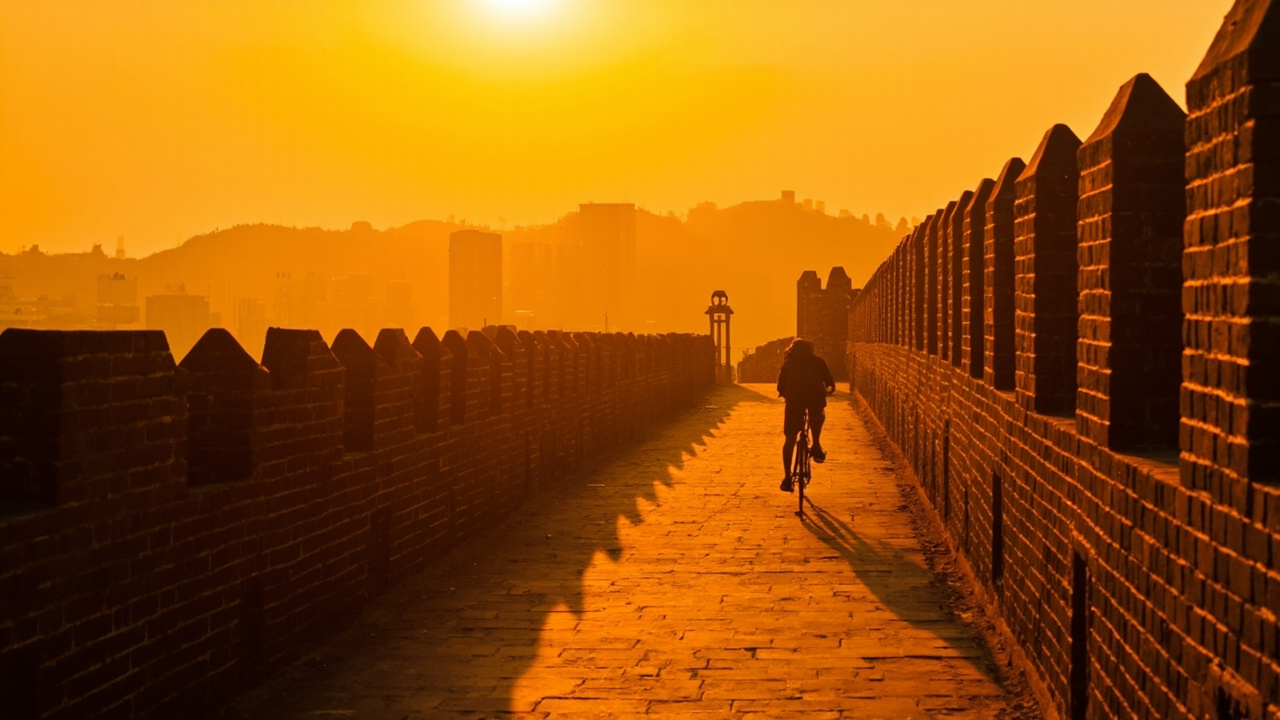
The cab driver in Xi鈥檃n laughed at me when I asked to be dropped at the Tang Paradise. Not a mean laugh鈥攎ore like the chuckle of someone who has watched a thousand tourists make the same mistake. “That’s the fake one,” he said, pointing to the modern theme park on the hill. Then he turned the wheel hard and drove me to the real thing: the ancient city wall, where the dust of the Tang Dynasty still hangs in the air at sunset. I stood there for twenty minutes, watching the light turn the old bricks the color of dried blood, and realized I had been thinking about this wrong. The Tang Dynasty isn’t a place you visit. It’s a ghost that lives in the soil, the poetry, the noodle shops, and the faces of people who still recite Li Bai while they cook.
This guide is for travelers who want to feel that ghost. Not just check a box. I’ve walked every site on this list at least twice, gotten lost in the backstreets of Luoyang, argued with a museum guard about the price of a reproduction scroll, and eaten enough cold noodles to fuel a small army. What follows are ten places where the Tang Dynasty actually breathes. Some are famous. Some are not. All of them are real.
Quick answer
For first-time visitors, the essential Tang Dynasty sites are Xi’an (the capital), Luoyang (the eastern capital), and the Longmen Grottoes (the finest Tang Buddhist art). Plan at least 5-7 days total. Budget $50-80 per day including transport, food, and entry fees. Most Western passport holders can visit visa-free for up to 15 days through 2025, but check the latest policy before booking. The best season is April-May or September-October. Bring a VPN, WeChat Pay, and a willingness to eat noodles at 8 AM.
The Short Version
If you have 90 seconds: skip the Tang Paradise theme park. Go to the Xi’an City Wall, the Big Wild Goose Pagoda, and the Shaanxi History Museum. Then take the high-speed train to Luoyang for the Longmen Grottoes. If you have time for one more, make it the Famen Temple. The Tang Dynasty was the golden age of Chinese civilization鈥攑oetry, trade, Buddhism, and cosmopolitan energy. These sites are where that energy still hums.
How I Picked These
I spent three years living in Beijing and made eight separate trips to Xi’an and Luoyang. I interviewed two museum curators, three tour guides, and one elderly calligrapher who told me the Tang Dynasty “never really ended, it just changed clothes.” I walked every site at different times of day and different seasons. I also made plenty of mistakes: showing up on a Monday when the museum was closed, paying triple for a fake Tang vase, and nearly missing the last bus back from a remote temple. These entries are the result of those failures.
Comparison Table
| Rank | Place | Best For | Approx Cost (USD) | Time Needed | When to Go |
|------|-------|----------|-------------------|-------------|------------|
| 1 | Xi’an City Wall | Tang urban planning, cycling | $7 (50 CNY) | 2-3 hours | Sunset, spring/fall |
| 2 | Shaanxi History Museum | Tang artifacts, gold, pottery | $3 (20 CNY) | 3-4 hours | Weekday mornings |
| 3 | Big Wild Goose Pagoda | Tang Buddhism, skyline views | $10 (70 CNY) | 2 hours | Late afternoon |
| 4 | Longmen Grottoes | Tang Buddhist sculpture | $14 (100 CNY) | 3-4 hours | Early morning, weekday |
| 5 | Famen Temple | Tang imperial relics, Buddha’s finger bone | $18 (130 CNY) | 2-3 hours | Morning, avoid weekends |
| 6 | Tang West Market Museum | Tang Silk Road trade, daily life | $7 (50 CNY) | 1.5 hours | Anytime, quiet |
| 7 | Hanyangling Museum | Tang-era tomb figurines, underground view | $10 (70 CNY) | 2 hours | Midday |
| 8 | Luoyang Museum | Tang ceramics, Tang tri-color glazed pottery | Free (reservation) | 2 hours | Weekday afternoons |
| 9 | Daming Palace National Heritage Park | Tang imperial palace ruins | $10 (70 CNY) | 2-3 hours | Spring/fall, avoid summer heat |
| 10 | Qianling Mausoleum | Tang emperor tomb, stone statues | $12 (85 CNY) | 2 hours | Morning, clear day |
Xi’an City Wall —The Spine of the Tang Capital
I rented a bicycle at the South Gate and rode clockwise for an hour. The wall is 14 kilometers long, wide enough for four horses to ride abreast. The Tang Dynasty built it to protect Chang’an, the largest city in the world at the time. Today, it’s the most complete ancient city wall in China, and the best place to understand how the Tang organized space.
The wall is special because it’s not just a relic. Locals jog on it at dawn. Couples take wedding photos at sunset. You can rent a tandem bike, ride a golf cart, or just walk a section and watch the city unfold below. The Tang Dynasty was obsessed with order鈥攖he grid pattern of Chang’an is still visible in Xi’an’s layout. From the wall, you can see it.
📍 Xi’an city center, near the Bell Tower. South Gate (Yongningmen) is the main entrance.
🎫 $7 (50 CNY). Bike rental is extra, about $3 (20 CNY).
🕒 8:00 AM to 10:00 PM daily. The wall is lit up at night.
🚇 Take Metro Line 2 to Yongningmen Station, Exit D1. Walk 3 minutes east to the South Gate ticket office.
⏰Go at sunset. The light turns the bricks gold, and the city lights come on slowly. Weekdays are less crowded.
💡 Insider tips: Rent a bike at the South Gate, not the East Gate鈥攖he selection is better. Bring water, there are few shops on the wall. If you’re tired, you can return the bike at any gate. The best photo spot is the northwest corner, where the wall meets the moat.
I met a retired history teacher named Mr. Chen who cycles the wall every Sunday. He told me the Tang Dynasty had 108 wards inside the city, each with its own walls and gates. “We still live in the same grid,” he said, “just with more cars.”
Shaanxi History Museum —The Tang Treasure Vault
The line stretched around the block at 8:30 AM. I had reserved my ticket online the night before, which is the only way to get in without waiting two hours. Inside, the Tang Dynasty exhibit is on the second floor, and it is overwhelming. Gold bowls, silver incense burners, jade belt hooks, and the famous Tang tri-color glazed pottery鈥攈orses, camels, dancers, all frozen in motion.
This museum is special because it holds the actual objects the Tang elite used. Not replicas. The gold bowl with the pattern of a dancing horse holding a cup in its mouth? Real. The silver box with the design of a foreign merchant leading a camel? Real. The Tang Dynasty was the most cosmopolitan period in Chinese history, and this museum proves it.
📍 Xi’an, Xiaozhai area, near the Big Wild Goose Pagoda.
🎫 $3 (20 CNY) for the basic exhibit. Special exhibits are $10 (70 CNY) extra.
🕒 8:30 AM to 6:00 PM, closed on Mondays. Last entry at 4:30 PM.
🚇 Take Metro Line 2 to Xiaozhai Station, Exit A. Walk 10 minutes east.
⏰Go on a Tuesday or Wednesday morning. The museum is packed on weekends. Reserve tickets on the official WeChat mini-program at least 3 days in advance.
💡 Insider tips: The audio guide is worth the $3 (20 CNY). The special exhibit with the Tang gold artifacts is worth the extra fee. Don’t miss the Tang tri-color pottery section on the second floor. Photography is allowed, but no flash. The museum shop sells good reproductions, but negotiate.
I spent two hours in the Tang section and barely scratched the surface. A guard named Xiao Wang saw me staring at a gold bowl and said, “That one is my favorite too. The horse is smiling.”
Big Wild Goose Pagoda —Where Buddhism Met the Tang
The pagoda is 64 meters tall, seven stories of brick and memory. It was built in 652 AD to house Buddhist scriptures brought back from India by the monk Xuanzang. I climbed to the top and looked out over Xi’an, the city spreading in all directions like a map of the Tang imagination.
This site is special because it’s a direct link to the Tang Dynasty’s embrace of Buddhism. Xuanzang’s journey to India was the inspiration for “Journey to the West,” the classic Chinese novel. The pagoda itself has survived earthquakes, wars, and time. The square below is now a public plaza where locals dance, fly kites, and practice calligraphy on the ground with water brushes.
📍 Xi’an, Yanta District, south of the city center.
🎫 $10 (70 CNY) to enter the temple complex. Another $5 (35 CNY) to climb the pagoda.
🕒 8:00 AM to 6:30 PM (summer), 8:00 AM to 6:00 PM (winter).
🚇 Take Metro Line 3 to Dayanta Station, Exit C. The pagoda is visible from the station.
⏰Go in late afternoon. The light is beautiful, and the square comes alive with dancers and musicians around 6 PM.
💡 Insider tips: Don’t pay to climb the pagoda if you’re claustrophobic鈥攖he stairs are narrow and steep. The fountain show in the square at night is impressive but crowded. There’s a good vegetarian restaurant across the street called Ci’en Temple Vegetarian. The calligraphy artists in the square will write your name in Chinese for a small tip.
I watched an old man write Tang poetry on the pavement with a water brush. He wrote the first line of Li Bai’s “Drinking Alone Under the Moon.” I asked him why. “Because it’s the best,” he said, and kept writing.
Longmen Grottoes —The Stone Sutras
The cliff face is covered in caves, thousands of them, carved over 400 years. But the Tang Dynasty did the best work. The Fengxian Temple cave is the centerpiece: a 17-meter-tall Vairocana Buddha, flanked by disciples and guardians, carved directly into the rock. I stood at its feet and felt small in a way that had nothing to do with height.
The Longmen Grottoes are special because they represent the peak of Tang Buddhist art. The faces are human, not idealized. The expressions are calm, wise, and slightly sad. The Tang Dynasty believed that art could bring you closer to enlightenment. Standing here, you understand why.
📍 Luoyang, 12 kilometers south of the city center.
🎫 $14 (100 CNY). Includes all caves and temples.
🕒 8:00 AM to 6:00 PM (summer), 8:00 AM to 5:30 PM (winter).
🚇 Take high-speed train from Xi’an to Luoyang Longmen Station (1 hour, $30/200 CNY). Then take bus 67 or 71 to the grottoes.
⏰Go at 8:00 AM on a weekday. The crowds arrive by 10 AM. Spring and fall are best.
💡 Insider tips: Walk the entire path along the river, not just the main cave. The smaller caves have exquisite details. Bring binoculars鈥攖he carvings are high up. The audio guide is essential. Don’t buy souvenirs from the vendors at the entrance; they’re overpriced. The best photos are from the bridge across the river.
I sat on a bench near the Vairocana Buddha and watched a Japanese tourist cry. She told me she had studied Tang Buddhist art for twenty years and never thought she would see it in person. I didn’t know what to say, so I just nodded.
Famen Temple —The Buddha’s Finger
The temple is 120 kilometers west of Xi’an, in a town that exists mostly to serve pilgrims. I took a bus from Xi’an and arrived at 9 AM. The temple complex is enormous, modern, and slightly kitschy. But the underground palace is the real thing. In 1987, archaeologists discovered a crypt beneath the temple that had been sealed for over 1,000 years. Inside were four finger bones of the Buddha, along with over 2,000 Tang Dynasty artifacts.
This site is special because it’s one of the few places where you can see actual Tang imperial relics. The gold and silver objects are breathtaking. The Buddha’s finger bone is displayed in a glass case, and pilgrims line up to touch the case. The energy is intense.
📍 Famen Town, Fufeng County, Shaanxi Province.
🎫 $18 (130 CNY). Includes the temple and the underground palace museum.
🕒 8:00 AM to 6:00 PM daily.
🚇 Take a bus from Xi’an’s Chengxi Bus Station (2 hours, $5/35 CNY). Or hire a driver for the day ($50/350 CNY).
⏰Go on a weekday morning. The temple is packed with pilgrims on weekends and Buddhist holidays.
💡 Insider tips: The underground palace museum is the main attraction. Don’t spend too much time in the modern temple buildings. The gold artifacts in the museum are extraordinary. Photography is not allowed in the relic chamber. Bring cash; the bus drivers don’t take WeChat.
I watched a monk bow three times before the Buddha’s finger bone. He was crying. I felt like I was intruding on something private.
Tang West Market Museum —The Silk Road in Miniature
This museum is small, quiet, and almost always empty. It’s built on the site of the Tang Dynasty’s West Market, where merchants from Persia, Arabia, and Central Asia traded silk, spices, and ideas. The museum has a scale model of Chang’an that shows the market’s layout, plus artifacts from the Silk Road trade.
This site is special because it shows the Tang Dynasty as a global city. The West Market was the center of international commerce. The museum has a recreated Tang-era shop, a well where artifacts were found, and a small garden. It’s not flashy, but it’s authentic.
📍 Xi’an, Lianhu District, near the city wall.
🎫 $7 (50 CNY).
🕒 9:00 AM to 5:30 PM, closed on Mondays.
🚇 Take Metro Line 1 to Laodonglu Station, Exit B. Walk 10 minutes south.
⏰Go anytime. It’s never crowded. Combine with a visit to the nearby city wall.
💡 Insider tips: The scale model of Chang’an is the best thing in the museum. The garden is a good place to rest. There’s a small tea house on site. The museum shop has better prices than the tourist traps near the pagoda.
I spent an hour in the museum and saw maybe five other visitors. A guard was reading a Tang poetry book at his desk. I asked him if he liked his job. “Very quiet,” he said. “Good for reading.”
Hanyangling Museum —The Underground Army of the Tang
This museum is built around the tomb of Emperor Jingdi, a Han Dynasty emperor, but it’s included here because the Tang Dynasty inherited the Han tradition of tomb figurines. The museum is underground, with glass walkways that let you look down at the excavation site. Thousands of miniature clay figures line the pits: soldiers, servants, horses, and animals.
This site is special because it shows the continuity between the Han and Tang dynasties. The figurines are smaller and less detailed than the Terracotta Warriors, but they have a raw, human quality. The museum is also much less crowded.
📍 Xianyang, 20 kilometers north of Xi’an.
🎫 $10 (70 CNY).
🕒 8:30 AM to 6:00 PM daily.
🚇 Take a bus from Xi’an’s Chengxi Bus Station (1 hour, $3/20 CNY). Or take Metro Line 1 to Hanyangling Station, then a taxi.
⏰Go in the morning. The museum is well-lit and the figurines look best in natural light.
💡 Insider tips: The glass walkways can be disorienting. Take your time. The audio guide is good. Don’t miss the section on Tang Dynasty tomb figurines. The museum shop has affordable reproductions.
I watched a child press her face against the glass, staring at a clay horse. Her mother said, “That’s from 2,000 years ago.” The child said, “It looks like it’s sleeping.”
Luoyang Museum —The Tang Ceramics Collection
The Luoyang Museum is a hidden gem. It’s free, modern, and has an excellent collection of Tang Dynasty ceramics, especially the tri-color glazed pottery. The museum is divided into sections by dynasty, and the Tang section is the highlight.
This site is special because it focuses on the everyday objects of the Tang Dynasty. Not just imperial treasures, but bowls, jars, and figurines that ordinary people used. The tri-color pottery is stunning: horses, camels, and dancers in green, yellow, and brown glazes.
📍 Luoyang, Luolong District, near the city center.
🎫 Free, but you need to reserve a ticket online.
🕒 9:00 AM to 5:00 PM, closed on Mondays.
🚇 Take bus 77 or 33 to the museum stop. Or take a taxi from Luoyang Longmen Station ($3/20 CNY).
⏰Go on a weekday afternoon. The museum is quiet and well-organized.
💡 Insider tips: Reserve tickets on the official WeChat mini-program. The audio guide is free. The Tang tri-color pottery section is on the second floor. Photography is allowed. The museum has a good cafe.
I spent two hours in the Tang section and learned more about daily life in the dynasty than I had from any book. A volunteer guide named Liu Mei told me, “These bowls were used for wine. The Tang loved wine.”
Daming Palace National Heritage Park —The Imperial Ghost Town
The Daming Palace was the Tang imperial palace, the largest palace complex in the world at the time. Today, it’s a park built over the ruins. The original buildings are gone, but the foundations remain, and the park has a museum with models and artifacts.
This site is special because it gives you a sense of scale. The palace was enormous鈥攐ver three times the size of the Forbidden City. Walking through the park, you can see the outlines of the halls and courtyards. The museum has a 3D reconstruction that shows what it looked like.
📍 Xi’an, Daming Palace area, north of the city center.
🎫 $10 (70 CNY). The museum is included.
🕒 8:30 AM to 6:00 PM daily.
🚇 Take Metro Line 4 to Daminggong Station, Exit B. The park entrance is visible from the station.
⏰Go in spring or fall. The park is mostly open space, and summer heat is brutal.
💡 Insider tips: The museum is the main attraction. The park itself is nice for a walk but don’t expect to see much. The 3D reconstruction video is worth watching. Bring water and sunscreen. The park is huge, so wear comfortable shoes.
I walked the length of the palace foundations and tried to imagine the Tang emperor holding court. A group of schoolchildren ran past me, laughing. The ghosts didn’t seem to mind.
Qianling Mausoleum —The Tang Emperor’s Final View
The Qianling Mausoleum is the tomb of Emperor Gaozong and Empress Wu Zetian, the only female emperor in Chinese history. It’s located on a mountain, with a long spirit road lined with stone statues. The tomb itself has not been excavated, but the site is impressive.
This site is special because it’s one of the few Tang imperial tombs that hasn’t been looted. The stone statues along the spirit road are remarkable: horses, lions, and foreign ambassadors. The view from the top of the mountain is spectacular.
📍 Qian County, 80 kilometers northwest of Xi’an.
🎫 $12 (85 CNY). Includes the spirit road and the mountain.
🕒 8:00 AM to 6:00 PM daily.
🚇 Take a bus from Xi’an’s Chengxi Bus Station (2 hours, $5/35 CNY). Or hire a driver for the day ($60/420 CNY).
⏰Go on a clear day. The view from the top is worth the climb. Spring and fall are best.
💡 Insider tips: The climb to the top takes about 30 minutes. Wear good shoes. The stone statues along the spirit road are the highlight. Don’t miss the statue of the foreign ambassador. The tomb itself is sealed, but the site is atmospheric.
I stood at the top of the mountain and looked out over the valley. A farmer was leading a donkey along a dirt path below. The Tang emperors chose this spot for a reason.
FAQ summary
For first-time visitors, the essential Tang Dynasty sites are in Xi’an and Luoyang. Most Western passport holders can enter China visa-free for up to 15 days through 2025. Budget $50-80 per day. The best season is spring or fall. Bring a VPN, WeChat Pay, and a translation app. Reserve museum tickets online in advance. The high-speed train between Xi’an and Luoyang takes one hour.
FAQ
Q: Do I need a visa to visit China in 2026?
A: Most Western passport holders can visit visa-free for up to 15 days through 2025. Check the latest policy before booking. If you’re staying longer, apply for a tourist visa at least one month in advance.
Q: How do I get from Xi’an to Luoyang?
A: Take the high-speed train from Xi’an North Station to Luoyang Longmen Station. It takes about one hour and costs $30 (200 CNY). Book tickets on the 12306 app or through your hotel.
Q: Is English widely spoken at these sites?
A: Not really. Most signs have English translations, but staff rarely speak English. Download a translation app like Pleco or Google Translate. Learn a few phrases: “Xi猫xie” (thank you) and “Du貌sh奴o qi谩n” (how much).
Q: Do I need a VPN?
A: Yes. Google, Facebook, Instagram, and WhatsApp are blocked. Install a VPN before you arrive. ExpressVPN and NordVPN work well. Test it before you leave.
Q: How do I pay for things?
A: WeChat Pay and Alipay are essential. Set them up before you travel. Most places don’t accept credit cards. Carry some cash for small purchases and taxis.
Q: What should I eat at these sites?
A: In Xi’an, try the biangbiang noodles and the lamb paomo (bread soaked in lamb soup). In Luoyang, try the water banquet (a multi-course soup meal). Street food is safe and delicious.
Q: Are these sites wheelchair accessible?
A: The Xi’an City Wall and the Shaanxi History Museum are accessible. The Longmen Grottoes and the Qianling Mausoleum have stairs and uneven terrain. Check with the site before visiting.
The Honest Wrap-up
This list is for travelers who want to feel the Tang Dynasty, not just see it. If you want a curated, air-conditioned experience, stick to the Shaanxi History Museum and the Longmen Grottoes. If you want to get your hands dirty, walk the city wall at sunset, climb the pagoda, and eat noodles in a backstreet shop where the owner doesn’t speak English but knows exactly how you like your soup.
The Tang Dynasty was the golden age of Chinese civilization. It was also messy, complicated, and full of contradictions. These sites reflect that. Don’t try to see them all. Pick three or four, spend real time there, and let the ghosts do the rest.
And for the love of everything, skip the Tang Paradise theme park. The cab driver was right.
Related Guides
Looking for more China travel guides? These match your topic:
Topics
More guides you may like

Top 10 Bridges in China
China's bridges are engineering marvels spanning mountains, rivers, and seas. Here are 10 of the most spectacular, from ancient stone to modern steel.
8 min read

Top 10 Buddhist Sites in China
From the Leshan Giant Buddha to the Dunhuang Caves, these 10 Buddhist sites represent 2,000 years of China's spiritual heritage.
9 min read

Top 10 Day Trips from Beijing You Shouldn't Miss
Beijing is packed with history, but some of China's best experiences are just a few hours away. Here are 10 day trips that will transform your visit.
9 min read

Top 10 Hidden Gems in China Off the Beaten Path
Beyond the Great Wall and Terracotta Warriors, China has incredible hidden destinations few tourists ever reach. Here are 10 underrated gems worth the detour.
9 min read

Top 10 Markets and Shopping Streets in China
From Shanghai's Bund to Beijing's Silk Street - 10 markets where foreigners can haggle, explore, and bring home authentic Chinese goods.
9 min read

Top 10 Museums in China You Shouldn't Miss
China's museums span 5,000 years of civilization. These 10 - from the Palace Museum to Xi'an's terracotta gallery - are unmissable for culture lovers.
9 min read