
China Taoist Mountain Temples Guide
China Taoist Mountain Temples Guide: 2026 guide covers current prices, transport, payment apps, and what foreign visitors need to know.
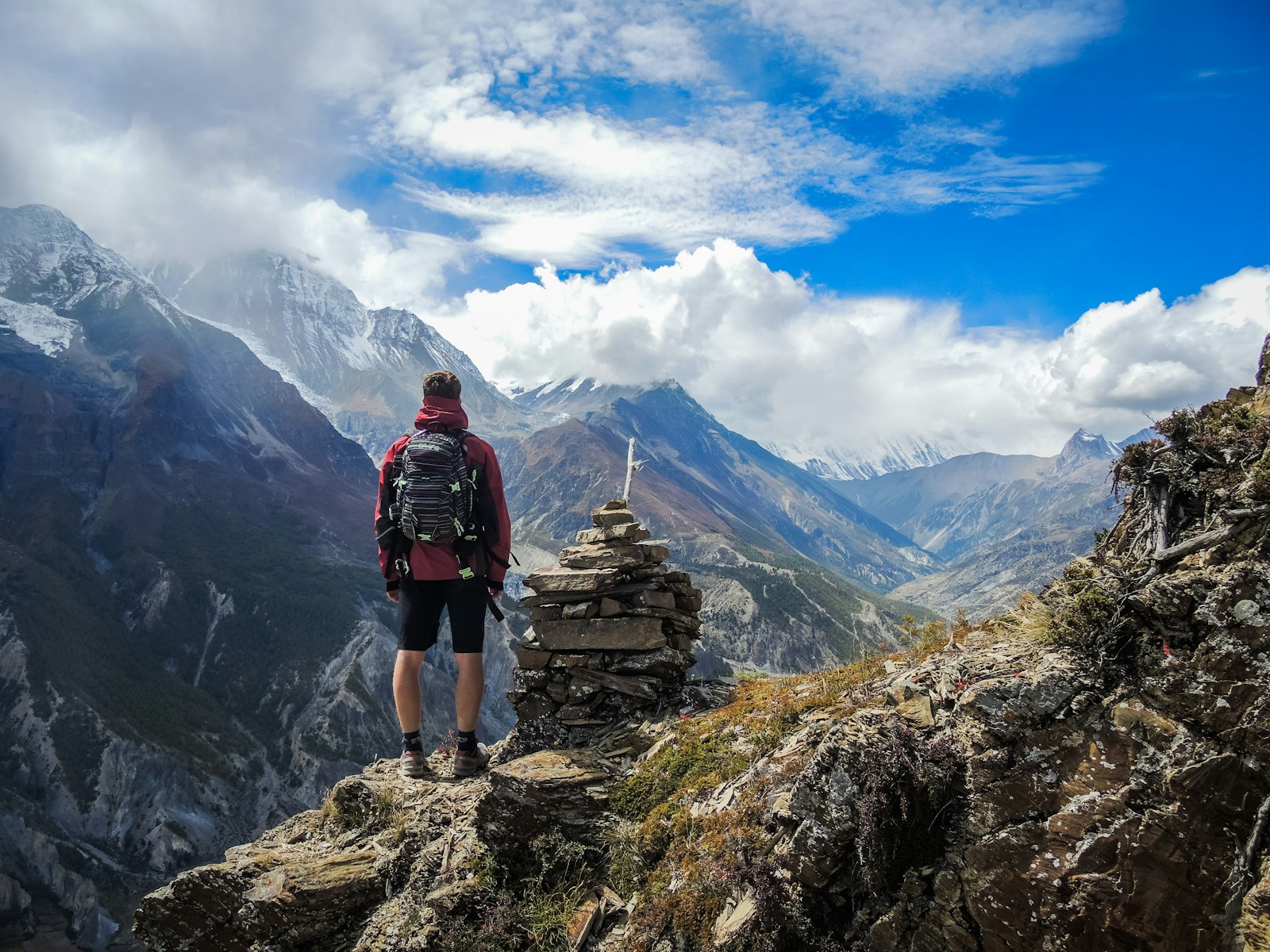
The cab driver, a guy named Old Chen who chain-smoked through the Beijing traffic, laughed at me when I told him I was going to a Taoist temple. “You want to see the real thing?” he said, spitting out the window. “Don’t go to the one in the city. Go to the mountain. The one where the monks don’t speak English and the stairs will kill you.” I didn’t know it then, but that was the best travel advice I ever got in China.
Taoist mountain temples are different from the polished, tourist-packed sites in Beijing or Shanghai. They cling to cliffs. They hide in bamboo forests. The air smells like incense and wet stone, and the only sounds are wind chimes and your own ragged breathing as you climb. These are places where the philosophy actually lives—not in a museum case, but in the way the morning mist rolls through a 1,500-year-old gate.
This guide covers ten Taoist mountain temples I’ve visited over the past seven years. Some are famous. Some are quiet. All of them will make you forget you’re in 2026. I’ll tell you exactly how to get there, what to pay, and what mistake I made so you don’t repeat it.
Quick answer
For a first-time visitor, the best Taoist mountain temple is Mount Qingcheng (near Chengdu) for accessibility and atmosphere, or Wudang Mountain if you want the full kung fu movie experience. Most temples cost $5–$20 USD (35–140 CNY) entry. The best season is spring (April–May) or autumn (September–October) to avoid rain and crowds. You need a VPN and a translation app—English signage is rare once you leave the ticket booth.
The Short Version
If you only have 90 seconds: skip the temples in central Beijing. They’re rebuilt and crowded. Go to Mount Qingcheng for an easy day trip from Chengdu, or Wudang Mountain if you want to spend 2–3 days hiking. Avoid July and August—the humidity will ruin you. Bring cash (small bills) for incense and donations. And for the love of all that is holy, wear proper shoes. I saw a woman in flip-flops on Wudang once. She did not make it.
How I Picked These
I’ve been to every temple on this list at least twice. Some I visited alone, some with Chinese friends who translated the calligraphy on the walls. I spent nights in monastery guesthouses, ate meals I couldn’t identify, and got lost on trails that weren’t on any map. I also talked to taxi drivers, hostel owners, and the occasional monk. These ten are the ones I’d send my own mother to—safe, beautiful, and worth the climb.
Comparison Table
| Rank | Place | Best For | Approx Cost (USD) | Time Needed | When to Go |
|------|-------|----------|-------------------|-------------|------------|
| 1 | Mount Qingcheng | First-timers, easy access | $12 (85 CNY) | 4–6 hours | Apr–May, Sep–Oct |
| 2 | Wudang Mountain | Hikers, kung fu fans | $20 (140 CNY) | 2–3 days | Apr–Oct |
| 3 | Mount Tai | Sunrise views, history | $18 (125 CNY) | 1–2 days | Apr–Jun, Sep–Oct |
| 4 | Mount Hua | Thrill seekers, cable cars | $20 (140 CNY) | 1–2 days | Mar–May, Sep–Nov |
| 5 | Mount Lao | Coastal scenery, quiet | $15 (105 CNY) | 1 day | May–Oct |
| 6 | Mount Longhu | Boat rides, cliff tombs | $12 (85 CNY) | 1 day | Apr–Oct |
| 7 | Mount Sanqing | Photographers, granite peaks | $15 (105 CNY) | 2 days | May–Oct |
| 8 | Mount Heng (South) | Pilgrims, fewer tourists | $10 (70 CNY) | 1 day | Apr–Oct |
| 9 | Mount Wuyi | Tea lovers, rafting | $20 (140 CNY) | 2 days | Apr–Oct |
| 10 | Mount Tiantai | Meditation, solitude | $8 (55 CNY) | 1 day | May–Sep |
Mount Qingcheng — The One You Actually Visit
I remember standing at the base of Mount Qingcheng, staring up at a gate covered in moss, and thinking: This is what a Taoist temple should look like. Not gold. Not gaudy. Just stone and wood and green, like the mountain grew it.
This is the birthplace of Taoism. The temples here are older than most countries. The main path is a series of stone steps that wind through bamboo groves and past streams. You don’t need to be a hiker to do this—the cable car gets you most of the way up. But walk if you can. The middle section, past the Jianfu Temple, has a teahouse where a old woman sells jasmine tea for $1 (7 CNY). I sat there for an hour just listening to the wind.
-
📍 Location: Dujiangyan, 70 km northwest of Chengdu
-
🎫 Entry fee: $12 (85 CNY) for the mountain; cable car $8 (55 CNY) extra
-
🕒 Hours: 8:00 AM – 5:00 PM (last entry 4:00 PM)
-
🚇 Getting there: Take Metro Line 2 to Xipu Station, then the Chengdu-Dujiangyan high-speed train (30 minutes, $3 / 20 CNY). From Dujiangyan station, bus 101 to the mountain gate.
-
⏰Best time: Weekday mornings in April or October. Avoid Chinese holidays (May 1–7, October 1–7).
-
💡 Tips: Bring cash for the teahouse. The cable car closes early if it’s windy. Don’t miss the Tianshi Cave—it’s the oldest temple on the mountain. The English signs are terrible, so download Pleco or Google Translate before you go. Wear grippy shoes—the steps get slippery after rain.
-
I spent an hour talking to a retired calligraphy teacher named Mr. Wang near the Shangqing Temple. He showed me how to write “Tao” with a brush. I still have the paper.
Wudang Mountain — The Kung Fu Mountain
The first thing you notice about Wudang is the scale. It’s not one temple. It’s a whole mountain range with temples scattered across it like rice grains. The second thing you notice is the stairs. There are a lot of them. I counted once. I stopped at 3,000.
This is where the Taoist martial arts movies were filmed. The Golden Hall at the top is a copper temple that glows in the sunset. The climb takes about 4–6 hours from the base, or you can take the cable car and walk 20 minutes. I did the cable car up and walked down. My knees hated me for three days, but it was worth it.
-
📍 Location: Shiyan, Hubei Province
-
🎫 Entry fee: $20 (140 CNY) for the mountain; cable car $18 (125 CNY) round trip
-
🕒 Hours: 7:30 AM – 5:30 PM (summer), 8:00 AM – 5:00 PM (winter)
-
🚇 Getting there: High-speed train from Wuhan to Shiyan (2 hours, $15 / 105 CNY). From Shiyan, bus 202 to the mountain gate (1 hour).
-
⏰Best time: April–May or September–October. Summer is humid and crowded. Winter is cold but empty.
-
💡 Tips: Stay overnight in the town at the base—hotels start at $25 (175 CNY). The cable car line can be 2 hours long on weekends. Go on a Tuesday or Wednesday. Bring a water bottle—there are refill stations at the temples. If you want to see kung fu, visit the Wudang Tai Chi Academy at the base. They do demonstrations at 10 AM.
-
I met a German guy named Klaus who had been studying tai chi at the academy for six months. He said his knees were now “made of rubber.” I believed him.
Mount Tai — The Sunrise Mountain
I woke up at 3:00 AM to climb Mount Tai in the dark. There were about 200 other people doing the same thing. We all carried flashlights and wore rented winter coats. At the top, we sat on a cold stone wall and watched the sun come up over a sea of clouds. A Chinese woman next to me started crying. I didn’t blame her.
Mount Tai is the most climbed mountain in China. It’s not a Taoist temple in the traditional sense—it’s more of a sacred mountain with Taoist and Buddhist elements mixed in. But the Dai Temple at the base is pure Taoist, with a 1,000-year-old cypress tree and a hall full of murals.
-
📍 Location: Tai’an, Shandong Province
-
🎫 Entry fee: $18 (125 CNY) for the mountain; cable car $15 (105 CNY) one way
-
🕒 Hours: 24 hours (night climbing allowed)
-
🚇 Getting there: High-speed train from Beijing to Tai’an (2 hours, $25 / 175 CNY). From Tai’an station, bus 3 or taxi ($3 / 20 CNY) to the mountain gate.
-
⏰Best time: April–June for clear skies. September–October for fewer crowds. Avoid July–August (rain and humidity).
-
💡 Tips: Rent a coat at the base for $3 (20 CNY)—it’s freezing at the top even in summer. Bring snacks and water; prices triple as you climb. The night climb takes 4–6 hours. Start by 2:00 AM for sunrise. The cable car doesn’t run until 6:00 AM, so you’ll walk down unless you wait. Don’t buy the “lucky locks” from vendors—they’re a tourist trap.
-
A group of university students shared their steamed buns with me at the summit. They were cold but delicious.
Mount Hua — The Plank Walk Mountain
Mount Hua is not for the faint of heart. Literally. The plank walk—a series of wooden boards bolted to a vertical cliff face—is one of the scariest things I’ve ever done. You wear a harness clipped to a steel cable, and you shuffle sideways while the wind tries to push you off. I did it. I screamed. I would do it again.
The temples here are less famous than the hikes, but the Jade Spring Temple at the base is a quiet gem. Most tourists skip it on their way to the cable car. Don’t. It has a courtyard with a 500-year-old wisteria vine that blooms purple in April.
-
📍 Location: Huayin, Shaanxi Province
-
🎫 Entry fee: $20 (140 CNY) for the mountain; cable car $18 (125 CNY) round trip
-
🕒 Hours: 7:00 AM – 7:00 PM (summer), 8:00 AM – 5:00 PM (winter)
-
🚇 Getting there: High-speed train from Xi’an to Huashan North Station (30 minutes, $8 / 55 CNY). Free shuttle bus from the station to the mountain gate.
-
⏰Best time: March–May or September–November. Summer is crowded and hot. Winter is icy and dangerous.
-
💡 Tips: The plank walk costs an extra $5 (35 CNY) and requires a harness rental. Go early—the line for the plank walk can be 3 hours by noon. Don’t bring a big backpack; you’ll need both hands. Wear gloves (sold at the base for $1). The cable car to the north peak is less scary than the west peak cable car. If you’re afraid of heights, skip the plank walk and just hike the peaks.
-
I watched a Chinese grandmother in her 70s do the plank walk without flinching. I felt deeply inadequate.
Mount Lao — The Sea Mountain
Mount Lao is the only Taoist mountain that meets the ocean. The temples here are scattered along a coastal ridge, and the view from the top is a mix of green peaks and blue sea that looks like a painting. I went in October, when the air was crisp and the crowds were thin.
The main temple, Taiqing Temple, is 2,000 years old and has a courtyard with a giant ginkgo tree that turns gold in autumn. The monks here grow tea on the mountain slopes. The Lao Shan tea is famous in China—slightly smoky, slightly sweet. I bought a bag from a monk who wouldn’t let me pay. I insisted. He took the money and gave me two bags.
-
📍 Location: Qingdao, Shandong Province
-
🎫 Entry fee: $15 (105 CNY) for the mountain; cable car $10 (70 CNY) one way
-
🕒 Hours: 7:30 AM – 5:30 PM
-
🚇 Getting there: Take Metro Line 11 to Miaoling Road Station, then bus 110 or 618 to the mountain gate (40 minutes).
-
⏰Best time: May–October. Spring for flowers, autumn for clear skies. Avoid weekends in July–August.
-
💡 Tips: The cable car stops at the middle of the mountain—you still need to walk 30 minutes to the top. Bring a jacket; the sea wind is cold even in summer. The tea at the temple is expensive ($10 / 70 CNY for a small bag) but worth it. There’s a beach at the base of the mountain—bring a swimsuit if it’s warm. Don’t feed the monkeys near the entrance; they’re aggressive.
-
A fisherman named Zhang gave me a ride back to Qingdao in his truck. He played Chinese opera on the radio and sang along.
Mount Longhu — The Boat Ride Mountain
Mount Longhu, or Dragon Tiger Mountain, is the place where Taoist rituals were invented. The Zhang family, the hereditary leaders of Taoism, lived here for centuries. The temples are spread along a river, and the best way to see them is by bamboo raft.
The raft ride is quiet—just the sound of the pole hitting the water and the birds in the cliffs above. You float past cliff tombs that are 2,500 years old, wooden coffins wedged into holes in the vertical rock face. No one knows exactly how they got there. The raft guide shrugged when I asked. “Old people,” he said.
-
📍 Location: Yingtan, Jiangxi Province
-
🎫 Entry fee: $12 (85 CNY) for the mountain; raft ride $15 (105 CNY)
-
🕒 Hours: 8:00 AM – 5:00 PM
-
🚇 Getting there: High-speed train from Nanchang to Yingtan (1 hour, $10 / 70 CNY). From Yingtan station, bus K2 to the mountain gate (30 minutes).
-
⏰Best time: April–October. The river is highest in summer, making the raft ride smoother.
-
💡 Tips: The raft ride is the highlight—don’t skip it. Bring a hat and sunscreen; there’s no shade on the river. The cliff tombs are best seen in late afternoon when the sun hits them directly. The temple complex at the base has a museum with Taoist artifacts. English labels are minimal, so use a translation app. The local specialty is “Taoist tofu”—a soft, silky tofu served in a clay pot.
-
I ate the Taoist tofu at a small restaurant near the river. The owner, a woman named Auntie Lin, told me it was the same recipe her grandmother used. I believe her.
Mount Sanqing — The Photographer’s Mountain
Mount Sanqing is what you’d get if a mountain decided to look like a Chinese ink painting. The granite peaks rise straight up out of the mist, and the temples are tucked into the gaps between them. It’s the most photogenic mountain on this list.
The main temple, Sanqing Palace, is at the top of a 3-hour hike. The path is a series of stone steps that wind through pine forests and past waterfalls. I went in May, when the rhododendrons were blooming. The air smelled like flowers and wet rock. I took about 400 photos. Most of them were bad. The ones that turned out look like they’re from another world.
-
📍 Location: Shangrao, Jiangxi Province
-
🎫 Entry fee: $15 (105 CNY) for the mountain; cable car $12 (85 CNY) round trip
-
🕒 Hours: 7:30 AM – 5:30 PM
-
🚇 Getting there: High-speed train from Nanchang to Shangrao (1.5 hours, $15 / 105 CNY). From Shangrao, bus to the mountain gate (1.5 hours).
-
⏰Best time: May–October. The mist is heaviest in June–July, which makes for dramatic photos but poor visibility.
-
💡 Tips: The cable car is essential—the hike from the base takes 6 hours. Stay overnight at the mountain hotel ($40 / 280 CNY) to catch sunrise. The best photo spots are at the West Coast Stack and the South Qing Garden. Bring a rain cover for your camera; the mist gets into everything. The food at the top is expensive and mediocre—bring your own snacks.
-
I met a photographer from Shanghai who had been coming to Sanqing for ten years. He showed me a photo of the same peak in four seasons. It was stunning.
Mount Heng (South) — The Pilgrim’s Mountain
Mount Heng, the southern one (there’s also a northern Mount Heng), is less famous than the others on this list. That’s why I like it. The temples here are small and quiet, and the pilgrims are mostly locals who come to burn incense and pray.
The main temple, Zhurong Temple, is at the top of a 2-hour hike. The path goes through a bamboo forest and past a series of small shrines where you can light incense for $0.50 (3 CNY). The atmosphere is more devotional than touristy. I watched an old woman bow 108 times at one of the shrines. No one rushed her.
-
📍 Location: Hengyang, Hunan Province
-
🎫 Entry fee: $10 (70 CNY) for the mountain; cable car $8 (55 CNY) one way
-
🕒 Hours: 7:30 AM – 5:30 PM
-
🚇 Getting there: High-speed train from Changsha to Hengyang West (1 hour, $10 / 70 CNY). From Hengyang West, bus to the mountain gate (40 minutes).
-
⏰Best time: April–October. Summer is hot but the bamboo forest provides shade.
-
💡 Tips: This is a good option if you’re short on time—you can do the whole mountain in 4–5 hours. The cable car is small and can have long waits on weekends. Go on a weekday. Bring cash for incense and donations. The vegetarian restaurant at the base serves a good “Buddha’s delight” dish for $3 (20 CNY). Don’t expect English signage—bring a translation app.
-
A monk at the Zhurong Temple gave me a red string bracelet and said it would bring good luck. I still wear it.
Mount Wuyi — The Tea Mountain
Mount Wuyi is famous for two things: Taoist temples and oolong tea. The two are connected—the monks here have been growing tea for 1,000 years. The Da Hong Pao tea bushes, the most expensive tea in China, grow on the cliffs near the Tianxin Temple.
The temple itself is small but perfectly placed, overlooking a river that winds through a valley of tea terraces. I went in April, during the tea harvest. The air smelled like green leaves and earth. A farmer let me pick a few leaves and taste them raw. They were bitter. He laughed and said, “That’s why we roast them.”
-
📍 Location: Wuyishan, Fujian Province
-
🎫 Entry fee: $20 (140 CNY) for the mountain; bamboo raft ride $15 (105 CNY)
-
🕒 Hours: 7:30 AM – 5:30 PM
-
🚇 Getting there: High-speed train from Fuzhou to Wuyishan North (1.5 hours, $15 / 105 CNY). From the station, bus 6 or 7 to the mountain gate (20 minutes).
-
⏰Best time: April–May for tea harvest, September–October for clear skies.
-
💡 Tips: The bamboo raft ride is 90 minutes and sells out fast—book online or arrive by 8 AM. The Da Hong Pao tea tasting at the Tianxin Temple costs $5 (35 CNY) and is worth it. Wear shoes that can get wet; the raft ride splashes. The hiking trails are well-marked in Chinese but not in English. Download offline maps. The local dish is “Wuyi smoked goose”—it’s salty and delicious.
-
I bought a bag of Da Hong Pao from a farmer named Chen for $20 (140 CNY). Back in Beijing, a tea shop owner told me it was a bargain.
Mount Tiantai — The Quiet One
Mount Tiantai is the least visited mountain on this list. It’s in Zhejiang Province, not far from the coast, but most tourists go to Hangzhou instead. Their loss. The temple here, Guoqing Temple, is one of the oldest in China and the birthplace of the Tiantai school of Buddhism—but it has Taoist elements too, like a statue of Laozi in a side hall.
The temple courtyard has a 1,400-year-old plum tree that still blooms every spring. I went in March, when the tree was covered in white flowers. A monk was sweeping the fallen petals into a pile. He didn’t look up. I sat on a stone bench and watched him for 20 minutes.
-
📍 Location: Tiantai County, Zhejiang Province
-
🎫 Entry fee: $8 (55 CNY) for the temple; free for the mountain trails
-
🕒 Hours: 7:30 AM – 5:00 PM
-
🚇 Getting there: Bus from Hangzhou to Tiantai County (2.5 hours, $10 / 70 CNY). From Tiantai, local bus 5 to the temple (20 minutes).
-
⏰Best time: March–April for the plum tree, May–September for hiking.
-
💡 Tips: This is a day trip from Hangzhou, but it’s a long one—start by 7 AM. The mountain trails behind the temple are empty and beautiful. Bring a picnic; there’s only one restaurant near the temple and it closes at 2 PM. The temple has a small guesthouse if you want to stay overnight ($15 / 105 CNY). No English signage—use a translation app. The local specialty is “Tiantai tofu pudding,” a sweet dessert served with ginger syrup.
-
I spent the afternoon hiking a trail behind the temple and found a waterfall that wasn’t on any map. I sat there for an hour and didn’t see another person.
FAQ summary
Most first-time visitors should start with Mount Qingcheng for its easy access from Chengdu and well-preserved temples. Wudang Mountain is better for hikers and those interested in kung fu, but requires 2–3 days. All temples require cash for incense and donations, and a VPN is essential for Google Maps and translation apps. The best season is spring (April–May) or autumn (September–October). Entry fees range from $8–$20 USD (55–140 CNY). Avoid Chinese public holidays when crowds triple.
FAQ
Q: Do I need a visa to visit these temples in 2026?
A: If you’re from the US, UK, Canada, Australia, or most European countries, you need a tourist visa (L visa) unless you qualify for the 144-hour transit visa-free policy in certain cities like Beijing, Shanghai, or Chengdu. Check the latest policy at your local Chinese embassy—rules change frequently.
Q: How much cash should I bring?
A: Bring about $50 (350 CNY) in small bills for each temple visit. Most temples don’t accept cards or Alipay for incense, donations, or small snacks. The ticket office usually takes WeChat Pay, but the old woman selling tea at the top won’t.
Q: Will I need a VPN?
A: Yes. Google, Facebook, Instagram, WhatsApp, and many news sites are blocked in China. Install a VPN on your phone and laptop before you arrive. I use ExpressVPN or Astrill. Test it before you leave—some don’t work well in China.
Q: Can I use my phone at the temples?
A: Cell service is spotty on most mountains. Download offline maps (Google Maps offline or Maps.me) and translation files (Pleco or Google Translate) before you go. Some temples have free Wi-Fi, but it’s slow.
Q: Are the temples safe for solo travelers?
A: Yes. I’ve traveled to all of these alone as a woman. The biggest risks are slippery stairs and aggressive monkeys at Mount Lao. Don’t hike after dark unless you’re with a group. Stick to marked trails.
Q: What should I wear?
A: Wear sturdy hiking shoes with grip. No sandals, no flip-flops. Bring layers—it’s hot at the base and cold at the top. A rain jacket is essential even on clear days. Avoid shorts in temples; cover your knees and shoulders out of respect.
Q: Can I take photos inside the temples?
A: Usually yes, but no flash near statues or murals. Some temples have signs saying no photos in the main hall. If a monk shakes their head at you, put the camera away. Ask before taking photos of monks or pilgrims.
The Honest Wrap-up
This list isn’t for everyone. If you want air conditioning and a gift shop, go to the Temple of Heaven in Beijing. If you want to feel like you’ve stepped into a poem, go to the mountains.
My final advice: pick one mountain and spend a full day there. Don’t try to do three in a week. The magic of these places is in the slow moments—the tea you drink on a stone bench, the monk who nods at you, the mist that rolls in and changes everything. You can’t rush that.
Book the flight. Get the VPN. Buy the hiking shoes. And when you’re standing on a mountain at 5,000 feet, watching the sun rise over a sea of clouds, you’ll understand why Old Chen laughed at me in that cab. The real thing is worth the climb.
Related Guides
Looking for more China travel guides? These match your topic:
Topics
More guides you may like
Top 10 Bridges in China
China's bridges are engineering marvels spanning mountains, rivers, and seas. Here are 10 of the most spectacular, from ancient stone to modern steel.
8 min read

Top 10 Buddhist Sites in China
From the Leshan Giant Buddha to the Dunhuang Caves, these 10 Buddhist sites represent 2,000 years of China's spiritual heritage.
9 min read
Top 10 Day Trips from Beijing You Shouldn't Miss
Beijing is packed with history, but some of China's best experiences are just a few hours away. Here are 10 day trips that will transform your visit.
9 min read
Top 10 Hidden Gems in China Off the Beaten Path
Beyond the Great Wall and Terracotta Warriors, China has incredible hidden destinations few tourists ever reach. Here are 10 underrated gems worth the detour.
9 min read
Top 10 Markets and Shopping Streets in China
From Shanghai's Bund to Beijing's Silk Street - 10 markets where foreigners can haggle, explore, and bring home authentic Chinese goods.
9 min read
Top 10 Museums in China You Shouldn't Miss
China's museums span 5,000 years of civilization. These 10 - from the Palace Museum to Xi'an's terracotta gallery - are unmissable for culture lovers.
9 min read