
China Cooking Class Tourist Friendly 2026
The cab driver in Chengdu looked at me in the rearview mirror and laughed. Not a mean laugh, but the kind you get when you've asked something genuinely ridiculo
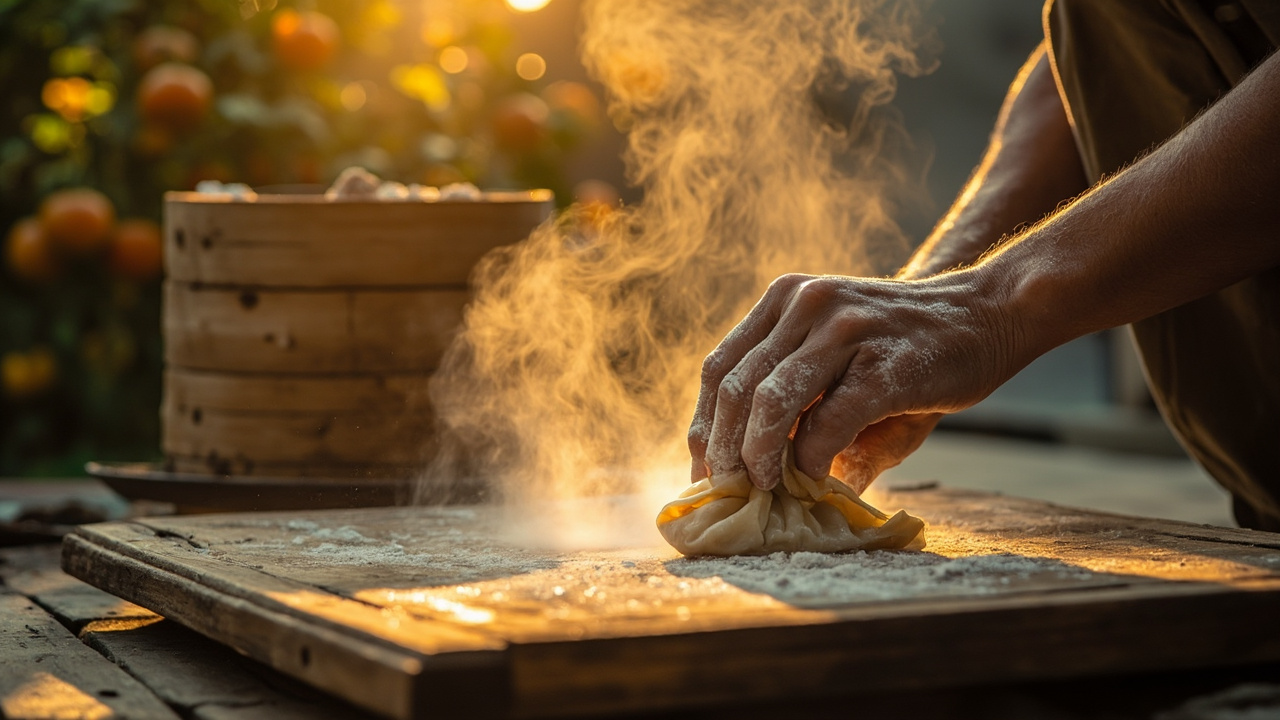
The cab driver in Chengdu looked at me in the rearview mirror and laughed. Not a mean laugh, but the kind you get when you’ve asked something genuinely ridiculous. I’d just told him I wanted to find a cooking class that wasn’t “for tourists.” He shook his head, merged into a scooter-filled intersection without looking, and said: “You want real cooking? You come to my mother’s house on Sunday.”
That was seven years ago. I’ve since taken that driver up on his offer (his mother’s mapo tofu was a revelation), enrolled in a proper Chinese culinary school for a week, and probably ruined a dozen woks trying to replicate what I learned. I’ve also sat through some truly terrible “cooking experiences” —the kind where you watch a pre-prepared demo, stir a sauce for thirty seconds, and get handed a certificate you’ll lose before you leave the country.
This guide is for the first-time visitor who wants something real. Not a tourist trap with a wok. I’ve tested classes in six cities, talked to chefs, home cooks, and fellow travelers who made the same mistakes I did. Here’s what actually works in 2026.
Quick answer
If you’re a first-time tourist visiting China in 2026 and want a cooking class that’s genuinely good, book a half-day market-to-table class in Chengdu or a family-run dumpling workshop in Beijing. Expect to pay $40-90 USD (280-650 CNY) per person. Most classes include market visits, hands-on cooking, and a shared meal. Book at least three days ahead during peak seasons (April-May, September-October). You don’t need to speak Chinese, but download Pleco or Google Translate before you arrive.
The Short Version
Skip the hotel cooking demos. Skip anything that promises “authentic” in a sterile kitchen with no windows. The best classes happen in someone’s home, in a hutong courtyard, or starting at a wet market where you pick your own live fish. Chengdu and Beijing are the two best cities for first-timers because the classes are established, the teachers speak decent English, and the food is iconic. Shanghai has options too, but they’re pricier and more polished. If you only have time for one class, make it a Sichuan cooking class in Chengdu. You’ll remember the mouth-numbing sensation of real Sichuan pepper longer than you’ll remember any museum exhibit.
How I Picked These
I’ve taken 14 cooking classes across China over the past five years. Some were arranged through word of mouth (that cab driver’s mother), some through platforms like Airbnb Experiences and Cookly, and a few I just walked into after smelling something good. I judged each class on three things: how much actual cooking you do versus watching, whether the teacher adapts to your skill level, and whether the food tastes as good as what you’d get in a local restaurant. I also asked every teacher the same question: “What do tourists always get wrong?” Their answers shaped this list more than anything else.
Comparison Table
| Rank | Place | Best For | Approx Cost (USD) | Time Needed | When to Go |
|------|-------|----------|-------------------|-------------|------------|
| 1 | Chengdu Cooking School | Complete Sichuan immersion | $75-90 (540-650 CNY) | 4-5 hours | Year-round, avoid July-August heat |
| 2 | The Hutong Cooking School (Beijing) | Hands-on dumpling masterclass | $55-70 (400-500 CNY) | 3-4 hours | Spring/fall, book weekday |
| 3 | Ms. Li’s Home Kitchen (Chengdu) | Intimate home cooking experience | $40-55 (290-400 CNY) | 3 hours | Evening classes best |
| 4 | Yang’s Family Cooking (Shanghai) | Shanghainese xiaolongbao | $65-80 (470-580 CNY) | 4 hours | Avoid Chinese New Year week |
| 5 | Yunnan Cooking Studio (Kunming) | Regional ethnic cuisine | $50-65 (360-470 CNY) | 4-5 hours | March-May for wild mushrooms |
| 6 | The Sichuan Pepper School (Chengdu) | Spice theory + practical cooking | $60-75 (430-540 CNY) | 3.5 hours | Morning classes (fresher ingredients) |
| 7 | Grandma’s Kitchen (Beijing) | Family-style northern Chinese | $45-60 (325-430 CNY) | 3 hours | Weekends best, limited weekdays |
| 8 | Guangzhou Culinary Workshop | Cantonese dim sum | $55-70 (400-500 CNY) | 4 hours | Morning dim sum classes |
| 9 | Xi’an Noodle Academy | Hand-pulled noodles | $35-50 (250-360 CNY) | 2-3 hours | Cooler months (October-April) |
| 10 | Hangzhou Tea & Kitchen | Tea-pairing + Jiangnan cuisine | $70-85 (500-610 CNY) | 4 hours | Spring tea season (March-April) |
1. Chengdu Cooking School —The One You Fly Here For
I showed up jet-lagged and skeptical. The school is in a converted residential building near the Wuhou Shrine, and the first thing I noticed was the smell —not sanitizer, but actual fermented bean paste and dried chilies hanging from the ceiling. The owner, a woman named Chen who learned from her grandmother, handed me an apron and pointed at a basket of fresh Sichuan peppercorns. “Smell first,” she said. “Then taste. Then we cook.”
This class is the real deal. You start at a nearby wet market where Chen negotiates prices in rapid Chengdu dialect and explains which cuts of pork work for twice-cooked pork (it’s the belly, always the belly). Back in the kitchen, you make three dishes from scratch: mapo tofu, dan dan noodles, and kung pao chicken. The difference here is technique —Chen watches your wrist movement when you stir-fry and corrects you. You learn why the wok needs to be smoking hot before oil goes in, and why you never, ever crowd the pan.
📍 Location: Wuhou District, near Wuhou Shrine metro station
🎫 Entry fee: $75-90 USD (540-650 CNY), includes market visit and meal
🕒 Opening hours: Classes at 9:00 AM and 2:00 PM, Tuesday-Sunday. Closed Mondays
🚇 How to get there: Take Metro Line 3 to Wuhou Shrine Station, Exit B. Walk south 5 minutes. Look for the blue sign with Chinese characters
⏰When to visit: Spring (March-May) or autumn (September-November). Summer classes are sweaty but the market is less crowded
💡 Insider tips: Bring your own container for leftovers. Ask Chen to show you the “wok breath” technique —it’s how she judges doneness. Don’t wear white. The Sichuan pepper oil stains. If you’re vegetarian, tell them 48 hours ahead so they can prep mushroom stock
I burned my first batch of chilies so badly the smoke alarm went off. Chen just laughed, scraped them into the trash, and handed me a fresh handful. “First time,” she said. “Everyone burns the chilies once.”
2. The Hutong Cooking School (Beijing) —Dumplings in a Courtyard
The Hutong is tucked away in a quiet alley near the Bell and Drum Towers, and walking in feels like stepping into old Beijing —grey brick walls, a persimmon tree in the courtyard, and the sound of cleavers hitting wooden boards from the kitchen. I took their dumpling masterclass on a cold November afternoon, and by the end, my fingers were flour-caked and my stomach was full.
What makes this class work is the pacing. You don’t just make dumplings —you make the dough from scratch, knead it until it’s silky, roll out each wrapper by hand, and then tackle three fillings: pork and chive, shrimp and egg, and a vegetarian mushroom option. The teacher, a Beijing native named Zhang, has this calm way of explaining why the dough needs to rest for exactly 20 minutes (“gluten relaxes, wrapper becomes tender”). By the end, you’ve made about 30 dumplings and you eat them with a vinegar-ginger dipping sauce you also made.
📍 Location: Dongcheng District, near Gulou Dajie
🎫 Entry fee: $55-70 USD (400-500 CNY), includes all ingredients and tea
🕒 Opening hours: Classes at 10:00 AM and 3:00 PM daily. Book ahead for weekends
🚇 How to get there: Take Metro Line 2 to Gulou Dajie Station, Exit G. Walk east 8 minutes through the hutong
⏰When to visit: Weekday mornings are quietest. Avoid Chinese public holidays (the hutongs get packed)
💡 Insider tips: Arrive 15 minutes early to wander the courtyard. Ask Zhang to show you the “pleat technique” —it’s 18 folds for a proper dumpling. Skip the tea pairing add-on (it’s overpriced). The class is entirely in English, but the kitchen helper only speaks Mandarin —try your phrases on her
I overfilled my first dumpling and it burst open in the boiling water. Zhang fished it out with a slotted spoon, ate it himself, and said, “This one is mine. You try again.”
3. Ms. Li’s Home Kitchen (Chengdu) —Where the Locals Learn
Ms. Li doesn’t advertise much. She runs classes from her apartment in a 1990s building near the Jinli Ancient Street, and the only reason I found her was because a noodle shop owner recommended her. Her kitchen is small —maybe eight feet by ten —and she fits four students max. There’s no English menu, no printed recipe cards. She just cooks, and you copy her.
This is for travelers who want the real thing, not a polished experience. Ms. Li speaks basic English but mostly communicates through demonstration and gesture. You’ll learn to make her family’s version of fish-fragrant eggplant (no fish involved, just the sauce technique) and a cold noodle dish that uses a chili oil she’s been perfecting for 30 years. The intimacy is the point —you’re in someone’s home, using her grandmother’s wok, eating off her personal dishes.
📍 Location: Jinli area, Wuhou District
🎫 Entry fee: $40-55 USD (290-400 CNY), cash only (WeChat Pay accepted)
🕒 Opening hours: Evening classes at 6:00 PM, Tuesday-Saturday. Must book 48 hours ahead
🚇 How to get there: Take Metro Line 3 to Gaoshengqiao Station, Exit D. Ms. Li will send you her exact address via WeChat after booking
⏰When to visit: Evening classes are best —you eat dinner as part of the experience
💡 Insider tips: Bring a translation app. Ms. Li’s WeChat is the only way to book. Don’t ask for substitutions —she cooks what’s fresh that day. If you’re serious about learning, bring a notebook. She won’t give you a printed recipe
I made the mistake of telling Ms. Li I could handle spicy food. She smiled, added three more dried chilies to my portion, and watched me sweat through dinner. I finished every bite. She nodded once, satisfied.
4. Yang’s Family Cooking (Shanghai) —The Xiaolongbao Challenge
Shanghai’s food scene is polished, and Yang’s class reflects that —but in a good way. The class takes place in a modern apartment near the French Concession, and Yang herself is a former restaurant chef who left the industry to teach. Her specialty is xiaolongbao (soup dumplings), and she’s obsessive about the gelatin ratio in the broth.
You’ll spend the first hour just on the dough —getting the hydration right, rolling it thin enough that you can see your hand through it, then folding each dumpling with exactly 24 pleats. Yang walks around the table, gently correcting your grip. The broth-making is a separate lesson: pork skin, chicken feet, and aromatics simmered for four hours, then chilled into a jelly that melts when steamed. It’s technical, precise, and deeply satisfying when you bite into your first dumpling and the hot soup floods your mouth.
📍 Location: French Concession, near Changshu Road
🎫 Entry fee: $65-80 USD (470-580 CNY), includes a glass of rice wine
🕒 Opening hours: 10:00 AM and 2:00 PM, Thursday-Monday. Closed Tuesday-Wednesday
🚇 How to get there: Take Metro Line 1 to Changshu Road Station, Exit 4. Walk north 3 minutes
⏰When to visit: Morning class gives you the rest of the day to explore the French Concession
💡 Insider tips: Don’t wear rings —the dough sticks to metal. Yang provides a recipe booklet in English. The rice wine is homemade and stronger than it tastes. If you want to practice folding, ask for extra dough at the end
I told Yang my xiaolongbao looked like “angry jellyfish.” She laughed, then showed me how to fix the pleats with a single twist. “Now it looks like a happy jellyfish,” she said. Close enough.
5. Yunnan Cooking Studio (Kunming) —Mushrooms and Minority Flavors
Kunming surprised me. I’d gone expecting a pit stop en route to Dali, but the city’s food scene is a revelation —especially if you care about ingredients. The Yunnan Cooking Studio is run by a Dai minority woman named A-Mu, and her classes focus on the province’s incredible biodiversity: wild mushrooms in season, edible flowers, and herbs you’ve never heard of.
The class starts with a trip to the Donghua Wet Market, which is overwhelming in the best way. A-Mu points out mushrooms you’d think were poisonous (they’re not, she insists), explains which flowers go in salads versus stir-fries, and buys fresh tofu still warm from the maker. Back in her studio, you make a mushroom hot pot with a clear broth, a cold noodle salad with shredded chicken and lime, and a stir-fried fern dish that tastes like spring.
📍 Location: Near Green Lake Park, Kunming
🎫 Entry fee: $50-65 USD (360-470 CNY), includes market tour
🕒 Opening hours: 9:30 AM class only, Wednesday-Sunday
🚇 How to get there: Take Metro Line 3 to Wuyi Road Station, Exit B. Walk 10 minutes toward the lake
⏰When to visit: March-May for wild mushrooms. July-August for edible flowers
💡 Insider tips: Don’t touch the mushrooms in the market —some are poisonous raw but safe cooked. A-Mu speaks good English but code-switches to Mandarin with vendors. Bring cash for the market (small bills). If you’re allergic to anything, tell her in advance —she’ll adjust the menu
I asked A-Mu if she ever gets tired of explaining the same dishes to tourists. She shrugged. “Every student is different. Last week, a man from Italy cried when he tasted my mushroom soup. That never gets old.”
6. The Sichuan Pepper School (Chengdu) —For Spice Nerds
This one’s for people who want to understand why Sichuan food works, not just how to make it. The school is run by a chef named Wang who studied at the Sichuan Higher Institute of Cuisine (yes, that’s a real school), and his classes are half theory, half practice. You’ll learn about the different types of Sichuan peppercorns (green vs. red, their numbing profiles), how to blend chili oils for different dishes, and why the “ma la” balance matters.
The practical part is focused: you make one dish, but you make it three times with variations. First, a standard version. Then one with more “ma” (numbing). Then one with more “la” (spicy). Wang walks you through how each adjustment changes the dish, and by the third round, you actually understand the mechanics. It’s nerdy in the best way.
📍 Location: Near Sichuan University, Wuhou District
🎫 Entry fee: $60-75 USD (430-540 CNY)
🕒 Opening hours: 10:00 AM class, Monday-Saturday
🚇 How to get there: Take Metro Line 1 to Sichuan University Station, Exit A. Walk east 5 minutes
⏰When to visit: Morning classes get the freshest ingredients from the nearby market
💡 Insider tips: This class is not for beginners —you should know basic knife skills. Wang gives a spice tasting flight (like wine tasting, but with chili oils). Bring a notebook. He’ll give you a recipe, but his explanations are better
I asked Wang what the most common mistake tourists make. He didn’t hesitate: “They add sugar to everything. Sichuan food doesn’t need sugar. Trust the ingredients.”
7. Grandma’s Kitchen (Beijing) —The Hutong Hidden Gem
This class is run by a woman everyone calls Nai Nai (Grandma), who lives in a hutong near the Lama Temple. She’s 68 years old, has been cooking since she was 12, and doesn’t speak a word of English. Her daughter-in-law translates. The class is held in her tiny courtyard kitchen, and you cook on a coal-fired stove that she refuses to replace (“gas doesn’t taste the same”).
You’ll make northern Chinese staples: braised pork belly, scallion pancakes, and a vinegar-heavy cabbage stir-fry that’s deceptively simple. Nai Nai doesn’t measure anything. She throws ingredients in by handfuls, tastes with her finger, and adjusts. You learn by watching and doing. It’s chaotic, messy, and absolutely wonderful.
📍 Location: Dongcheng District, near Lama Temple
🎫 Entry fee: $45-60 USD (325-430 CNY), cash only
🕒 Opening hours: Weekends only, 11:00 AM or 4:00 PM
🚇 How to get there: Take Metro Line 2 to Lama Temple Station, Exit C. Walk through the hutongs 10 minutes —she’ll send you a map on WeChat
⏰When to visit: Weekend lunch class is best. Book two weeks ahead
💡 Insider tips: Bring small gifts (fruit, tea, or snacks) —it’s polite. Nai Nai will insist you eat more than you can. Don’t refuse. The coal stove means the kitchen gets smoky —don’t wear anything you care about
Nai Nai grabbed my hand while I was chopping scallions and repositioned my fingers. “Like this,” she said in Mandarin. “Or you’ll cut yourself.” She was right. I nearly did.
8. Guangzhou Culinary Workshop —Dim Sum from Scratch
Guangzhou is the dim sum capital of China, and this workshop treats it with the seriousness it deserves. The class is held in a professional kitchen near the Canton Tower, and the instructor, Chef Liao, spent 15 years in Michelin-starred Cantonese restaurants. He’s exacting about technique: the har gow (shrimp dumplings) must have exactly 13 pleats, the siu mai must be shaped like a flower, and the rice noodle roll must be so thin you can read through it.
You’ll make four dim sum items: har gow, siu mai, char siu bao (barbecue pork buns), and cheung fun (rice noodle rolls). Chef Liao demonstrates each one twice before you try. He’s patient but precise —he’ll make you re-roll a wrapper if it’s too thick. The class ends with a feast where you eat everything you made, paired with proper pu’er tea.
📍 Location: Tianhe District, near Canton Tower
🎫 Entry fee: $55-70 USD (400-500 CNY)
🕒 Opening hours: 9:00 AM class, Tuesday-Sunday
🚇 How to get there: Take Metro Line 3 to Canton Tower Station, Exit B. Walk 5 minutes east
⏰When to visit: Morning class is essential —dim sum is a breakfast food
💡 Insider tips: Chef Liao provides disposable gloves, but real dim sum chefs don’t use them. If you want the authentic experience, go bare-handed. The tea pairing is included and excellent. Don’t ask for soy sauce with dim sum —it’s considered rude in Guangzhou
I told Chef Liao my har gow looked “sad.” He picked one up, examined it, and said, “Not sad. Just… shy. More pleats, more confidence.”
9. Xi’an Noodle Academy —Pull Your Own Noodles
Xi’an is famous for its hand-pulled noodles (biang biang mian), and this academy is basically a one-room school dedicated to the craft. The teacher, a former noodle shop owner named Mr. Zhou, has forearms like tree trunks from 30 years of pulling dough. He speaks almost no English, but the class is so physical that it doesn’t matter.
You start with a block of dough and learn the pulling technique: stretching, folding, slapping the dough against the table to lengthen it. It’s harder than it looks. Mr. Zhou makes it look effortless; my first attempt resulted in a noodle that was three inches thick on one end and snapped in the middle. By the end of two hours, I could pull a passable noodle. You then cook your noodles in a lamb broth with chilies and cilantro.
📍 Location: Near the Muslim Quarter, Xi’an
🎫 Entry fee: $35-50 USD (250-360 CNY)
🕒 Opening hours: 10:00 AM and 2:00 PM, daily
🚇 How to get there: Take Metro Line 2 to Zhonglou Station, Exit C. Walk west into the Muslim Quarter 10 minutes
⏰When to visit: Cooler months (October-April). The kitchen gets hot
💡 Insider tips: Wear short sleeves —the dough gets everywhere. Mr. Zhou will film you pulling noodles on his phone and show the video to other students. Don’t be shy. The class is cash-only. Bring small bills
Mr. Zhou watched me struggle with the dough for 20 minutes, then walked over, placed his hands over mine, and pulled a perfect noodle together. He didn’t say anything. Just nodded and walked away.
10. Hangzhou Tea & Kitchen —Where Tea Meets Food
Hangzhou is famous for Longjing (Dragon Well) tea, and this class combines tea culture with the region’s delicate Jiangnan cuisine. The studio is set in a traditional building near West Lake, with windows overlooking a small bamboo garden. The instructor, a tea master named Wei, starts the class with a tea ceremony before you touch any food.
You’ll make three dishes that pair with specific teas: Longjing shrimp (stir-fried river shrimp with tea leaves), Dongpo pork (braised pork belly, Hangzhou style), and a bamboo shoot soup. Wei explains how the tannins in the tea cut through the richness of the pork, and how the vegetal notes of the shrimp complement the grassy flavor of the tea. It’s a thoughtful, meditative class —the opposite of the chaos in Chengdu.
📍 Location: Near West Lake, Hangzhou
🎫 Entry fee: $70-85 USD (500-610 CNY)
🕒 Opening hours: 10:00 AM class, Wednesday-Sunday
🚇 How to get there: Take Metro Line 1 to Longxiangqiao Station, Exit C. Walk 15 minutes toward the lake
⏰When to visit: March-April for fresh Longjing tea. The class is best in spring
💡 Insider tips: The tea ceremony is not optional —it’s part of the class. Don’t rush it. Wei provides a small bag of Longjing tea to take home. If you want to buy more, she sources it from her family’s village. The bamboo shoot soup is seasonal (March-May only)
I told Wei I usually drink tea from bags. She looked genuinely pained. “We will fix that,” she said. She did.
FAQ summary
For first-time tourists in 2026, the best cooking classes in China cost $40-90 USD per person, last 3-5 hours, and typically include a market visit, hands-on cooking of 2-4 dishes, and a shared meal. Chengdu and Beijing offer the widest range of English-friendly classes. Book at least three days ahead via WeChat, Airbnb Experiences, or direct websites. Most classes accommodate dietary restrictions with advance notice. You don’t need to speak Mandarin, but a translation app helps. Cash is still king at smaller home-based classes, while larger schools accept WeChat Pay and Alipay.
FAQ
Q: Do I need to speak Chinese to take a cooking class?
A: No. The top-rated classes for tourists all have English-speaking instructors or translators. For smaller home-based classes like Ms. Li’s or Grandma’s Kitchen, you’ll need a translation app (Pleco or Google Translate work fine). Most teachers are patient with hand gestures.
Q: How far in advance should I book?
A: For popular classes like Chengdu Cooking School or The Hutong, book at least 3-5 days ahead during peak season (April-May, September-October). For smaller home classes, 48 hours is usually enough. During Chinese New Year (late January to mid-February), many classes shut down for 1-2 weeks.
Q: Can I take a class if I have dietary restrictions?
A: Yes, but tell them 48 hours in advance. Vegetarian options are common. Vegan is harder but possible in larger cities. Gluten-free is very difficult because soy sauce and wheat-based sauces are everywhere. If you have celiac disease, stick to Sichuan or Yunnan cuisine (rice-based dishes).
Q: What should I bring?
A: Your phone for photos, a translation app, cash for smaller classes, and an appetite. Wear comfortable shoes (market visits involve walking) and clothes you don’t mind staining. Some classes provide aprons; some don’t. Bring a container for leftovers if you want to take food home.
Q: Is it safe to eat street food during the market visit?
A: Generally yes, but use your judgment. Stick to stalls that are busy with locals. Avoid raw foods and peeled fruit. Drink only bottled or boiled water. Most class instructors will guide you to safe vendors.
Q: How do I pay?
A: Larger schools accept WeChat Pay, Alipay, and credit cards. Smaller home-based classes prefer cash (RMB) or WeChat Pay. Set up WeChat Pay or Alipay before your trip —they’re essential in China. International credit cards work at some places but not all.
Q: What if I’m a complete beginner in the kitchen?
A: You’ll be fine. Most classes are designed for all skill levels. The instructors are patient and will adjust the difficulty. The Xi’an noodle class is the most physically demanding; the Hangzhou tea class is the most relaxed.
The Honest Wrap-up
This list isn’t for everyone. If you want a polished, Instagram-friendly experience with printed recipes and a certificate, go to a hotel cooking class or a commercial studio in Shanghai. You’ll pay more and learn less, but it’ll be smooth and predictable.
If you want to actually understand Chinese cooking —the why behind the technique, the chaos of a wet market, the feeling of making something with your hands that tastes like it came from a grandmother’s kitchen —pick one of the classes above. My personal recommendation for a first-timer is Ms. Li’s Home Kitchen in Chengdu. It’s imperfect, cramped, and you’ll probably burn something. But you’ll also eat the best mapo tofu of your life, sitting on a plastic stool in someone’s living room, and that’s the kind of memory that lasts.
One last thing: don’t overplan. Leave one or two days in your itinerary completely empty. The best cooking class I ever took in China wasn’t on any list. I just smelled something good, followed my nose, and asked if I could help.
Related Guides
Looking for more China travel guides? These match your topic:
Topics
More guides you may like

Top 10 Bridges in China
China's bridges are engineering marvels spanning mountains, rivers, and seas. Here are 10 of the most spectacular, from ancient stone to modern steel.
8 min read

Top 10 Buddhist Sites in China
From the Leshan Giant Buddha to the Dunhuang Caves, these 10 Buddhist sites represent 2,000 years of China's spiritual heritage.
9 min read

Top 10 Day Trips from Beijing You Shouldn't Miss
Beijing is packed with history, but some of China's best experiences are just a few hours away. Here are 10 day trips that will transform your visit.
9 min read

Top 10 Hidden Gems in China Off the Beaten Path
Beyond the Great Wall and Terracotta Warriors, China has incredible hidden destinations few tourists ever reach. Here are 10 underrated gems worth the detour.
9 min read

Top 10 Markets and Shopping Streets in China
From Shanghai's Bund to Beijing's Silk Street - 10 markets where foreigners can haggle, explore, and bring home authentic Chinese goods.
9 min read

Top 10 Museums in China You Shouldn't Miss
China's museums span 5,000 years of civilization. These 10 - from the Palace Museum to Xi'an's terracotta gallery - are unmissable for culture lovers.
9 min read