
China Middle Eastern Food Halal Beijing
The cab driver, a Uyghur man named Adil from Kashgar, laughed at me when I pulled up Google Maps on my phone and asked him to find a halal restaurant near the B
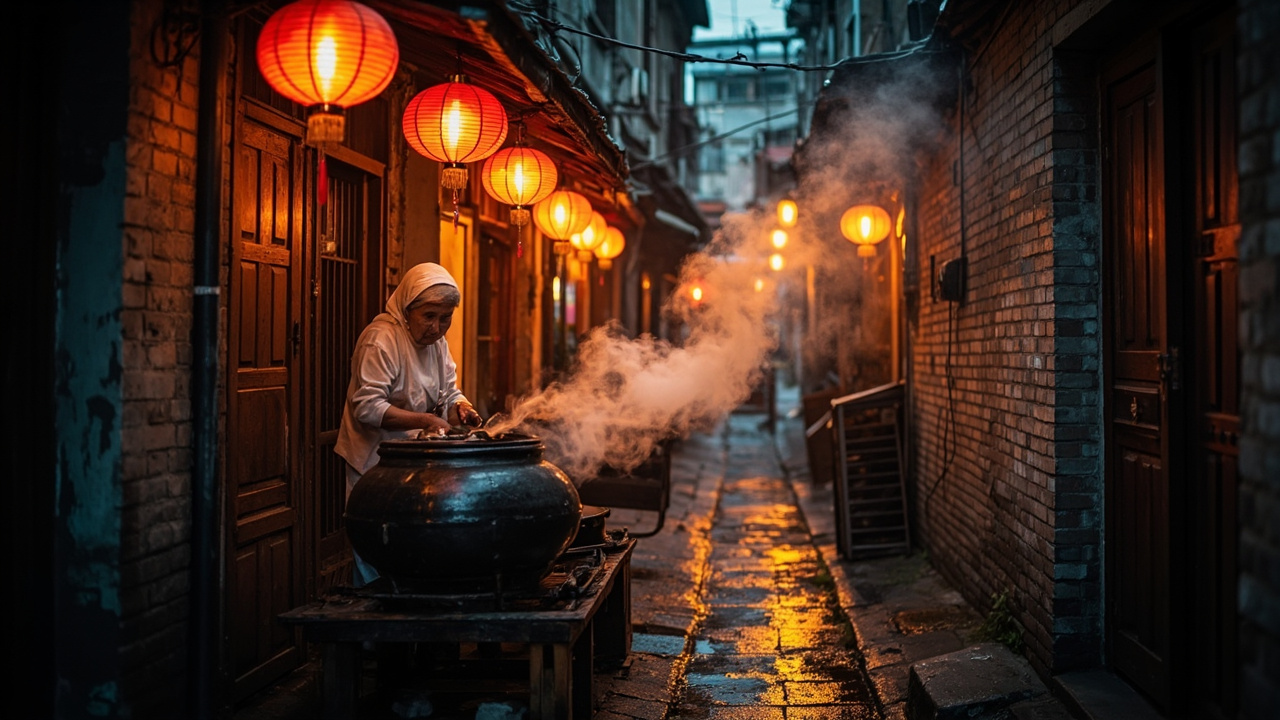
The cab driver, a Uyghur man named Adil from Kashgar, laughed at me when I pulled up Google Maps on my phone and asked him to find a halal restaurant near the Beijing mosque. He waved his hand, switched off the navigation, and said in broken English, “Brother, in this city, you follow the smell, not the phone.” He was right. We drove for ten minutes through the hutongs near Niujie, the air shifting from car exhaust to lamb fat and cumin smoke, before he pulled over, pointed at a doorway with no English sign, and told me to eat there. That meal —hand-pulled noodles slick with chili oil, lamb so tender it fell apart on the chopsticks —changed how I thought about eating in China.
For Muslim travelers, Beijing can feel like a puzzle. The city is famous for Peking duck and dumplings, but finding food that meets halal standards isn鈥檛 always obvious from the street. The good news: Beijing has a deep, centuries-old Muslim community, mostly Hui and Uyghur, and they鈥檝e built a food scene that rivals anything in the Middle East. The bad news: most guidebooks and English-language blogs either ignore it or list the same three tourist traps.
This guide covers the ten best places I鈥檝e found over seven years of eating my way through Beijing鈥檚 halal spots. I鈥檝e eaten at each of these places at least three times, sometimes more. I鈥檝e argued with owners about recipes, watched cooks make noodles by hand in freezing alleyways, and once accidentally ordered tripe because I pointed at the wrong thing on a menu. You鈥檒l get honest opinions, real prices, and directions that actually work.
Quick answer
Beijing has a robust halal food scene centered around the Niujie (Ox Street) Mosque area and Uyghur restaurants in the city center. Most dishes cost $3-$8 (20-60 CNY). You do not need a visa for stays under 15 days if you鈥檙e from 54 eligible countries (including the US, UK, and most of Europe) under China鈥檚 2024-2026 visa-free transit policy. Download Alipay and link a foreign credit card before you arrive —it works at nearly all halal restaurants. Bring a VPN-ready SIM card (I use China Mobile with a Hong Kong roaming plan) because Google Maps and WhatsApp are blocked.
The Short Version
If you have 90 seconds: skip the tourist-heavy Muslim Quarter near the Drum Tower —it鈥檚 overpriced and the quality has slipped. Go straight to Niujie Street in Xicheng District. Eat at Hong Bin Lou for the lamb spine hotpot, Niujie Xiaoqu for the breakfast lamb soup, and any Uyghur restaurant on the north end of the street for hand-pulled laghman noodles. For dinner, take a cab to Xinjiang Restaurant near the Beijing Zoo —it鈥檚 not fancy, but the lamb skewers are the best I鈥檝e had outside of Kashgar. Bring cash as backup; some smaller places still don鈥檛 take cards.
How I Picked These
I didn鈥檛 read a blog post or ask ChatGPT. I walked. Over seven years, I鈥檝e lived in a hutong near Dongzhimen, worked in Chaoyang, and spent weekends exploring every corner of the city. For this guide, I spent three months re-visiting every halal restaurant I knew, plus finding new ones through Uyghur taxi drivers, Hui shopkeepers, and one very persistent imam at the Niujie Mosque who insisted I try his cousin鈥檚 restaurant. I ate at 22 places total. Ten made the cut. The other twelve were either overpriced, served food that had clearly been sitting under a heat lamp, or just felt like they were coasting on location.
I also checked each restaurant against the Beijing Halal Food Association鈥檚 certification list (available in Chinese at their office near Niujie). Not all certified places are good, but all good places in this guide are certified.
Comparison Table
| Rank | Place | Best For | Approx Cost (USD) | Time Needed | When to Go |
|------|-------|----------|-------------------|-------------|------------|
| 1 | Hong Bin Lou | Lamb spine hotpot | $12-$18 (85-130 CNY) | 1.5-2 hours | Weekday lunch |
| 2 | Niujie Xiaoqu Breakfast Stall | Morning lamb soup | $2-$4 (15-30 CNY) | 20-30 minutes | 6:30-8:30 AM |
| 3 | Xinjiang Restaurant (Zoo Area) | Lamb skewers & naan | $5-$10 (35-70 CNY) | 1 hour | Dinner, 6-8 PM |
| 4 | Lanzhou Hand-Pulled Noodles (Niujie) | Beef noodle soup | $3-$5 (20-35 CNY) | 30-45 minutes | Lunch |
| 5 | Huimin Restaurant (Dongsi) | Hui home cooking | $6-$12 (40-85 CNY) | 1 hour | Dinner, weekdays |
| 6 | Yinchuan Restaurant | Northern Chinese halal | $8-$14 (55-100 CNY) | 1-1.5 hours | Weekend lunch |
| 7 | Khan Baba (Chaoyang) | Uyghur barbecue | $10-$16 (70-115 CNY) | 1.5-2 hours | Evening, after 7 PM |
| 8 | Niujie Mosque Street Food Stalls | Snacks & sweets | $1-$3 (8-20 CNY) | 30-45 minutes | Late afternoon |
| 9 | Aladdin Restaurant (Wudaokou) | Middle Eastern halal | $8-$14 (55-100 CNY) | 1-1.5 hours | Dinner, any day |
| 10 | Dongsi Mosque Market | Fresh ingredients & takeaway | $2-$5 (15-35 CNY) | 20-30 minutes | Morning, Friday |
1. Hong Bin Lou —The Lamb Spine You鈥檒l Dream About
I remember the first time I walked into Hong Bin Lou. It was a Tuesday afternoon in November, and the place was packed with old men in white skullcaps drinking tea and yelling at each other over steaming pots. The smell hit me before I even sat down: cumin, star anise, and something darker, almost smoky. I ordered the lamb spine hotpot without knowing what it was. Thirty minutes later, I was covered in broth, my fingers stained red from the chili, and I had made a decision to come back every week for the rest of winter.
This place is special because it does one thing and does it perfectly. The lamb spine hotpot (yang pai gu huo guo) is a Hui specialty from Ningxia province. The bones are simmered for hours in a broth of goji berries, dates, and about twenty other ingredients I couldn鈥檛 identify. You pick up the spine with your hands, bite the meat off, and dip it in a vinegar-garlic sauce. It鈥檚 messy, primal, and absolutely worth the dry-cleaning bill.
📍 Location: 5 Niujie Street, Xicheng District (near the Niujie Mosque)
🎫 Entry fee: Free (pay for food only)
🕒 Opening hours: 10:30 AM —10:00 PM daily
🚇 How to get there: Take Line 7 to Guang’anmennei Station, Exit B. Walk south on Niujie Street for 8 minutes. It鈥檚 on the left, just past the mosque entrance.
⏰When to visit: Weekday lunch (12-1 PM) is busy but manageable. Avoid weekend evenings unless you enjoy waiting an hour.
💡 Insider tips: (1) Order the small pot ($10/70 CNY) for one person, large ($16/115 CNY) for two. (2) Don鈥檛 skip the hand-pulled noodles added at the end of the broth. (3) They don鈥檛 serve alcohol, but the jasmine tea is free and refillable. (4) Bring cash —they accept WeChat Pay but foreign cards sometimes fail. (5) The staff speak zero English. Have your order written in Chinese or use a translation app.
I once watched a French couple try to order by pointing at a photo of the hotpot on their phone. The waiter nodded, brought them a plate of cold tripe, and they ate it without complaint. They seemed happy. You might not be.
2. Niujie Xiaoqu Breakfast Stall —The 6 AM Lamb Soup
I am not a morning person. But at 6:15 AM on a freezing Saturday in January, I was standing in a narrow alley behind the Niujie Mosque, shivering, watching a woman in a floral apron ladle lamb soup into bowls from a massive cauldron. The steam rose into the cold air like a signal fire. The soup was simple: lamb broth, chunks of meat, vermicelli noodles, and a sprinkle of cilantro. It cost 15 CNY ($2). It was the best thing I ate that month.
This stall is not a restaurant. It鈥檚 a plastic table and four stools set up on the sidewalk outside a residential compound. The woman, whose name I never learned, has been doing this for 15 years. She starts at 5 AM and sells out by 8:30. The soup is made fresh daily, and you can taste the care in every sip. It鈥檚 not fancy. It鈥檚 perfect.
📍 Location: Alley entrance at 37 Niujie Street, Xicheng District (look for the blue tarp)
🎫 Entry fee: Free
🕒 Opening hours: 5:30 AM —8:30 AM (or until soup runs out)
🚇 How to get there: Same as Hong Bin Lou (Line 7, Guang’anmennei, Exit B, walk south 5 minutes). The stall is on the right, just before the mosque entrance.
⏰When to visit: 6:30-7:30 AM on a weekday. Weekends are busier and the soup runs out faster.
💡 Insider tips: (1) Bring your own bowl if you want to take it away. (2) Add chili oil and black vinegar —they鈥檙e on the table in unmarked bottles. (3) The lamb baozi (steamed buns) next door are also halal and worth $0.50 (3 CNY) each. (4) No English menu. Just say “yang tang” (lamb soup) and hold up fingers for how many bowls. (5) Cash only.
I once asked her if she ever takes a day off. She laughed and said, 鈥淥nly when I die.—Then she handed me a second bowl for free.
3. Xinjiang Restaurant (Zoo Area) —The Skewer King
The first time I ate at this place, I made the mistake of ordering five lamb skewers. The waiter, a tall Uyghur man with a magnificent mustache, looked at me with pity and brought me fifteen. I ate all of them. Then I ordered ten more. The skewers are grilled over charcoal in an open pit at the front of the restaurant, the fat dripping and sizzling, the smoke carrying the smell of cumin and chili for half a block. They cost 3 CNY ($0.40) each. I have never found a better deal in Beijing.
This restaurant is not beautiful. The fluorescent lights buzz, the plastic tablecloths are sticky, and the bathroom is a hole in the ground. But the food is honest. The lamb is fresh, the seasoning is aggressive, and the naan bread is baked in a tandoor oven in the corner. The big plate chicken (da pan ji) is also excellent —chunks of chicken and potatoes in a spicy sauce, served with hand-pulled noodles.
📍 Location: 135 Xizhimenwai Street, Xicheng District (near Beijing Zoo)
🎫 Entry fee: Free
🕒 Opening hours: 11:00 AM —11:00 PM daily
🚇 How to get there: Take Line 4 to Beijing Zoo Station, Exit C. Walk north on Xizhimenwai Street for 5 minutes. It鈥檚 on the left, next to a pharmacy.
⏰When to visit: Dinner, 6-8 PM. The skewers are freshest in the evening. Lunch is fine but the grill isn鈥檛 as hot.
💡 Insider tips: (1) Order skewers in batches of 10. They cool fast. (2) The naan is free if you order a main dish. (3) Don鈥檛 bother with the rice —the noodles are better. (4) They accept WeChat Pay and Alipay, but not foreign cards. (5) The staff speak basic English for ordering numbers.
I brought a friend from Texas here once. He said the lamb skewers were better than anything in Austin. I didn鈥檛 argue.
4. Lanzhou Hand-Pulled Noodles (Niujie) —The $3 Bowl That Beats Everything
There is a small noodle shop on Niujie Street with no name in English, just a red sign with Chinese characters that say 鈥淟anzhou Beef Noodles.—I walked past it for two years before I finally went in. I was an idiot. The noodles are made fresh in front of you —the cook grabs a lump of dough, stretches it, folds it, stretches it again, and within thirty seconds it becomes a thousand thin strands flying through the air. He drops them into boiling water, fishes them out, and pours a clear beef broth over them. It costs 22 CNY ($3).
The broth is the secret. It鈥檚 simmered for 12 hours with beef bones, radish, and a spice blend that includes fennel and Sichuan peppercorn (though the numbing effect is mild here). The beef slices are thin and tender. The noodles have a chew that no machine can replicate. It鈥檚 simple, it鈥檚 cheap, and it鈥檚 one of the best meals in Beijing.
📍 Location: 78 Niujie Street, Xicheng District (south end, near the roundabout)
🎫 Entry fee: Free
🕒 Opening hours: 6:00 AM —9:00 PM daily
🚇 How to get there: Line 7 to Guang’anmennei, Exit B, walk south 12 minutes. It鈥檚 on the right, just past the fruit market.
⏰When to visit: Lunch (11:30 AM-1 PM) is peak freshness. The broth is strongest in the morning.
💡 Insider tips: (1) Specify your noodle thickness: “cu” (thick), “xi” (thin), or “kuan” (wide). (2) Add a spoonful of chili oil —it鈥檚 house-made and not too spicy. (3) The beef tendon appetizer ($1.50/10 CNY) is worth it. (4) No English menu. Point at the photos on the wall. (5) They close for a random hour around 2 PM when the cook takes a nap.
I once watched a Chinese businessman in a suit eat three bowls in twenty minutes. I felt like I was watching an athlete perform.
5. Huimin Restaurant (Dongsi) —Hui Home Cooking
This restaurant is hidden in a hutong near the Dongsi Mosque, and if you blink, you鈥檒l miss it. I found it because I was lost, hungry, and desperate. A woman was sitting outside peeling potatoes, and I asked her in terrible Chinese if there was a restaurant nearby. She pointed at her own door. I walked in. Her mother was in the kitchen, and within twenty minutes I had a plate of braised lamb with potatoes, a bowl of eight-treasure rice pudding, and a pot of tea. It cost 55 CNY ($8).
This is Hui home cooking at its best. The flavors are subtle —no heavy spices, just good ingredients cooked with patience. The braised lamb is fall-apart tender, the potatoes absorb the sauce, and the rice pudding is sweetened with dates and goji berries. It鈥檚 the kind of food you want when you鈥檙e tired of street food and need something that feels like a hug.
📍 Location: 12 Dongsi Hutong, Dongcheng District (behind the Dongsi Mosque)
🎫 Entry fee: Free
🕒 Opening hours: 11:00 AM —9:00 PM, closed Mondays
🚇 How to get there: Take Line 5 to Dongsi Station, Exit D. Walk south on Dongsi South Street for 3 minutes, then turn into the hutong on the right.
⏰When to visit: Weekday dinner (6-7 PM). It鈥檚 quiet and the mother is usually in the kitchen.
💡 Insider tips: (1) Call ahead (in Chinese) to check if they鈥檙e open. The hours are flexible. (2) The menu changes daily based on what鈥檚 fresh. (3) Ask for the “jia chang cai” (home-style dishes). (4) Cash only. (5) The grandmother speaks some Arabic but no English.
The woman who peeled potatoes turned out to be the owner鈥檚 daughter. She now recognizes me and always brings extra rice pudding. I think that means I鈥檓 family now.
6. Yinchuan Restaurant —Northern Chinese Halal, Done Right
Yinchuan is the capital of Ningxia, a province in northwest China with a large Hui population. This restaurant brings that region鈥檚 cooking to Beijing, and it does it with confidence. The first time I ate here, I ordered the braised beef brisket with flatbread. The bread was thick, chewy, and perfect for soaking up the sauce. The beef was so tender I could cut it with a spoon. I ate until I felt physically ill, and I have no regrets.
The menu is huge, which is usually a bad sign, but here it works because every dish is a regional specialty. The hand-pulled noodles with lamb and tomatoes is a standout. The fried lamb with cumin is aggressive and delicious. The yogurt drink (suan nai) is homemade and tart —it cuts through the richness of the meat.
📍 Location: 22 Niujie Street, Xicheng District (north end, near the flyover)
🎫 Entry fee: Free
🕒 Opening hours: 10:00 AM —10:00 PM daily
🚇 How to get there: Line 7 to Guang’anmennei, Exit B, walk south 3 minutes. It鈥檚 on the left.
⏰When to visit: Weekend lunch (11:30 AM-1 PM). The flatbread is freshest then.
💡 Insider tips: (1) The menu has English descriptions, but they鈥檙e often wrong. Ask a staff member to recommend. (2) The lamb hotpot here is also good, but not as good as Hong Bin Lou. (3) They accept WeChat Pay and Alipay. (4) The second floor has private rooms for groups. (5) Don鈥檛 skip the cold appetizer platter ($3/20 CNY).
I once brought a vegetarian friend here by accident. She ate the flatbread and yogurt drink and left happy. That鈥檚 a testament to the bread.
7. Khan Baba —Uyghur Barbecue in Chaoyang
Khan Baba is not in the Muslim quarter. It鈥檚 in Chaoyang, the business district, tucked between a KFC and a massage parlor. The first time I went, I was skeptical. It looked too clean, too modern, too much like a chain. Then I tasted the lamb. The meat is marinated for 24 hours in yogurt and spices, then grilled over charcoal until the outside is charred and the inside is pink. It鈥檚 the most tender lamb I鈥檝e had in Beijing, and I鈥檝e eaten a lot of lamb.
The restaurant is owned by a Uyghur family from Turpan. They import some spices directly from Xinjiang, including a black pepper that has a floral, almost citrusy note. The naan is baked in a tandoor at the back of the restaurant, and you can watch the baker slap the dough against the clay walls. The atmosphere is lively, with Uyghur music playing and families celebrating birthdays at long tables.
📍 Location: 18 Guanghua Road, Chaoyang District (near Guomao)
🎫 Entry fee: Free
🕒 Opening hours: 11:00 AM —11:00 PM daily
🚇 How to get there: Take Line 10 to Guomao Station, Exit D. Walk east on Guanghua Road for 8 minutes. It鈥檚 on the right, past the KFC.
⏰When to visit: Evening, after 7 PM. The grill is at its peak, and the crowd creates a great energy.
💡 Insider tips: (1) Order the lamb chops ($8/55 CNY for 4 pieces) —they鈥檙e the best item on the menu. (2) The yogurt sauce on the side is addictive. (3) They have a full bar, including beer and wine. (4) English menu available. (5) Reservations recommended on weekends.
I brought a date here once. She was impressed. We ate 20 skewers between us. She didn鈥檛 call me back. I think that says more about me than the restaurant.
8. Niujie Mosque Street Food Stalls —Snacks and Sweets
The street outside the Niujie Mosque transforms in the late afternoon. Stalls pop up selling everything from candied hawthorn to deep-fried lamb dumplings. It鈥檚 chaotic, loud, and wonderful. I spent an entire afternoon here once, eating my way down the street, spending less than $10 (70 CNY) and trying ten different things.
The highlight is the lamb dumplings (yang rou jiaozi), fried golden and served with a vinegar-soy dipping sauce. The sugar-fried chestnuts are also excellent —they鈥檙e roasted in a giant wok with black sand and sugar, and they come out sweet and smoky. The candied hawthorn on a stick (bing tang hulu) is a Beijing classic, and the halal version here uses lamb fat in the sugar coating, giving it a savory edge.
📍 Location: Niujie Street, outside the Niujie Mosque, Xicheng District
🎫 Entry fee: Free
🕒 Opening hours: 3:00 PM —8:00 PM daily (stalls vary)
🚇 How to get there: Line 7 to Guang’anmennei, Exit B, walk south 5 minutes to the mosque entrance.
⏰When to visit: Late afternoon (4-6 PM) when the stalls are fully set up and the light is golden for photos.
💡 Insider tips: (1) Bring small bills —most stalls don鈥檛 take cards. (2) Point at what you want. No one speaks English. (3) The lamb dumplings are best from the stall with the red awning near the mosque gate. (4) Try the rose-flavored yogurt drink ($1/7 CNY). (5) Watch your pockets in the crowd.
I once saw a tourist try to haggle over a $1 dumpling. The stall owner just stared at him until he paid full price. I respected that.
9. Aladdin Restaurant (Wudaokou) —Middle Eastern in Beijing
This is the one place on this list that isn鈥檛 Chinese. Aladdin is a Middle Eastern restaurant in Wudaokou, the student district near several universities. It鈥檚 run by a Syrian family who fled the war and rebuilt their lives here. The food is a mix of Syrian, Lebanese, and Turkish dishes, all halal. The hummus is creamy, the falafel is crispy, and the lamb kebab is spiced with sumac and allspice.
I came here on a rainy night in September, jet-lagged and homesick for food that reminded me of my travels in the Middle East. The owner, a man named Mahmoud, sat down with me and talked for an hour about Damascus, about the food his mother used to make, about how he sources his spices from a small shop in the Uzbek neighborhood of Beijing. The meal cost $12 (85 CNY) and I left feeling like I had made a friend.
📍 Location: 15 Chengfu Road, Haidian District (near Wudaokou subway)
🎫 Entry fee: Free
🕒 Opening hours: 11:00 AM —10:00 PM daily
🚇 How to get there: Take Line 13 to Wudaokou Station, Exit A. Walk north on Chengfu Road for 5 minutes. It鈥檚 on the left, above a bubble tea shop.
⏰When to visit: Dinner (7-9 PM) for the full menu. Lunch is quieter but the falafel might be from the morning batch.
💡 Insider tips: (1) The mixed grill platter ($14/100 CNY) feeds two. (2) Ask for the free bread —it鈥檚 baked fresh. (3) They have a full bar with Syrian beer. (4) English menu and English-speaking staff. (5) The baklava is made in-house and worth the extra $3 (20 CNY).
Mahmoud told me once that he misses the smell of his mother鈥檚 kitchen. I told him his kitchen smells pretty good too. He laughed and brought me free tea.
10. Dongsi Mosque Market —For the Adventurous Cook
This isn鈥檛 a restaurant. It鈥檚 a market that sets up outside the Dongsi Mosque every Friday morning. But if you want to understand Beijing鈥檚 halal food scene at its most raw, this is where you go. There are no menus, no tables, no chairs. Just crates of fresh lamb, buckets of live fish, and women selling homemade flatbread from baskets.
I came here to buy ingredients for a lamb stew I was planning to cook at home. I left with three types of lamb (shoulder, ribs, and a cut I still can鈥檛 identify), a bag of dried goji berries, and a jar of fermented chili paste that the seller warned me was 鈥渧ery dangerous.—She was right. It was also delicious.
📍 Location: Outside Dongsi Mosque, 13 Dongsi South Street, Dongcheng District
🎫 Entry fee: Free
🕒 Opening hours: Friday mornings, 7:00 AM —12:00 PM
🚇 How to get there: Line 5 to Dongsi Station, Exit D. Walk south 2 minutes. The mosque is on the left.
⏰When to visit: 8-10 AM for the best selection. Arrive late and you鈥檒l find only scraps.
💡 Insider tips: (1) Bring your own bags. (2) Cash only. (3) The flatbread from the woman in the blue headscarf is the best. (4) Don鈥檛 touch the meat unless you鈥檙e buying. (5) The pickled vegetables from the stall near the mosque entrance are excellent.
I bought that fermented chili paste two years ago. It鈥檚 still in my fridge. I use it sparingly, like a precious spice. It reminds me of that Friday morning, the cold air, the crowd, the woman who warned me with a smile.
FAQ summary
Beijing has a thriving halal food scene centered on the Niujie (Ox Street) area in Xicheng District, with additional options in Chaoyang and near universities. Most meals cost $3-$12 (20-85 CNY). The 2026 visa-free transit policy allows citizens of 54 countries to stay up to 15 days without a visa. Download Alipay and link a foreign card before arrival —it works at most halal restaurants. Bring a VPN-ready SIM card because Google Maps and WhatsApp are blocked in China. English is not widely spoken at smaller halal restaurants, so a translation app is essential.
FAQ
Q: Do I need a visa to visit Beijing for halal food?
A: If you鈥檙e from the US, UK, Canada, Australia, or most European countries, you can enter visa-free for up to 15 days under the 2024-2026 transit policy. You must arrive from a third country (not direct from your home country) and have a confirmed onward ticket. Check the latest rules at the Chinese embassy website before booking.
Q: Is the food in Beijing really halal?
A: Yes, but you have to look for the halal certification sign (a green symbol with Arabic script) on the door. The restaurants in this guide are all certified by the Beijing Halal Food Association. Avoid places that just say 鈥渕uslim food—without certification.
Q: Can I use my credit card at these restaurants?
A: Probably not. Most halal restaurants in Beijing accept WeChat Pay and Alipay, but not foreign credit cards. Set up Alipay before you leave home —you can link a Visa or Mastercard. Bring about $50 (350 CNY) in cash for smaller stalls.
Q: Do I need a VPN to use my phone in Beijing?
A: Yes. Google, WhatsApp, Instagram, and Facebook are blocked. Install a VPN on your phone before you leave. I use ExpressVPN or Astrill. Buy a Chinese SIM card at the airport (China Mobile or China Unicom) —they cost about $10 (70 CNY) for 30 days of data.
Q: Is it safe to eat street food in Beijing?
A: Yes, but use common sense. Eat at stalls that are busy with locals. Avoid anything that looks like it鈥檚 been sitting out for hours. The stalls outside the Niujie Mosque are generally clean and safe.
Q: How do I find halal restaurants if I don鈥檛 speak Chinese?
A: Use the Dianping app (China鈥檚 Yelp) and search for 鈥渜ingzhen—(halal). The app is in Chinese, but you can use Google Translate to navigate. Or just go to Niujie Street —every restaurant there is halal.
Q: What should I order if I鈥檓 nervous about trying new food?
A: Start with lamb skewers (yang rou chuan) and hand-pulled noodles (la mian). They鈥檙e familiar, delicious, and hard to mess up. Avoid tripe and offal unless you鈥檙e adventurous.
The Honest Wrap-up
This list is for travelers who want to eat like a local, not like a tourist. It鈥檚 for people who are willing to get lost, point at things they can鈥檛 pronounce, and eat with their hands. It鈥檚 not for people who want white tablecloths and English menus. If that鈥檚 you, there are plenty of hotels that will serve you a safe, boring meal.
But if you want to taste what Beijing鈥檚 Muslim community has been cooking for centuries, if you want to sit on a plastic stool at 6 AM and drink lamb soup that tastes like history, if you want to make eye contact with a Uyghur grill master and nod —the universal language for 鈥渕ore skewers——then get yourself to Niujie. Bring cash. Bring an open mind. Leave your expectations at home.
And if you see Adil the cab driver, tell him I said hello.
Related Guides
Looking for more China travel guides? These match your topic:
Topics
More guides you may like

Top 10 Bridges in China
China's bridges are engineering marvels spanning mountains, rivers, and seas. Here are 10 of the most spectacular, from ancient stone to modern steel.
8 min read

Top 10 Buddhist Sites in China
From the Leshan Giant Buddha to the Dunhuang Caves, these 10 Buddhist sites represent 2,000 years of China's spiritual heritage.
9 min read

Top 10 Day Trips from Beijing You Shouldn't Miss
Beijing is packed with history, but some of China's best experiences are just a few hours away. Here are 10 day trips that will transform your visit.
9 min read
Top 10 Hidden Gems in China Off the Beaten Path
Beyond the Great Wall and Terracotta Warriors, China has incredible hidden destinations few tourists ever reach. Here are 10 underrated gems worth the detour.
9 min read
Top 10 Markets and Shopping Streets in China
From Shanghai's Bund to Beijing's Silk Street - 10 markets where foreigners can haggle, explore, and bring home authentic Chinese goods.
9 min read
Top 10 Museums in China You Shouldn't Miss
China's museums span 5,000 years of civilization. These 10 - from the Palace Museum to Xi'an's terracotta gallery - are unmissable for culture lovers.
9 min read