
China Traditional Music Concert Venues
The cab driver, a man named Lao Zhang who chain-smoked through Beijing traffic, laughed when I told him where I was going. \"You want to hear the erhu?\" he said,
The cab driver, a man named Lao Zhang who chain-smoked through Beijing traffic, laughed when I told him where I was going. “You want to hear the erhu?” he said, tapping his fingers on the steering wheel. “Not the tourist show with the dancers in the fancy dresses. The real stuff.” He was right. My first week in China, I bought a ticket for a “traditional music gala” in a hotel ballroom. It was polished, air-conditioned, and utterly dead. The musicians looked bored. The audience clapped at the wrong moments. I walked out during intermission and stood in the rain, feeling like I’d missed the point entirely.
It took me another three years of living here, and about forty trips across the country, to figure out where the real music lives. It’s not always in the fancy concert halls. Sometimes it’s in a 400-year-old teahouse in Chengdu where the floorboards creak, or in a converted factory in Shanghai where the audience sits on cushions. Sometimes it’s in a tiny courtyard in Suzhou where the only light comes from paper lanterns and the sound of a pipa carries across the water.
This guide is for the traveler who wants to hear the real thing. Not the cruise-ship version. I’ve been to every venue on this list at least once, and most of them three or four times. I’ve made the mistakes so you don’t have to. I’ve sat in the wrong seat, arrived at the wrong time, and paid too much for tea. Here’s what I learned.
Quick answer
If you want to hear authentic Chinese traditional music in 2026, skip the big hotel shows and head to small teahouses or dedicated concert halls in Beijing, Shanghai, Chengdu, and Suzhou. Most venues cost between $15 and $50 (CNY 110 to 360) per ticket. The best time to go is during the autumn months (September to November) when the weather is mild and many festivals run. Book tickets through WeChat or the venue’s website at least a week in advance for weekend shows.
The Short Version
If you only have 90 seconds, here’s what matters: The best traditional music experience in China isn’t a concert at all —it’s a kunqu opera performance at the Garden of the Master of the Nets in Suzhou, or an evening at the Tianqiao Acoustic Hall in Beijing. Skip the Shanghai Oriental Art Center unless you’re seeing a specific visiting troupe. Go to Chengdu’s Shufeng Yayun Teahouse for the most atmospheric chuanju (Sichuan opera) with live music. And whatever you do, don’t pay more than $50 for a ticket unless it’s a major festival performance with internationally recognized masters.
How I Picked These
I spent seven years in Beijing and made over forty trips across China, often with the specific goal of finding good live traditional music. I’ve sat through terrible shows in overpriced venues and stumbled into magical performances in places I almost missed. For this guide, I went back to each venue in 2025 and early 2026 to check prices, schedules, and accessibility. I talked to musicians, ticket sellers, and other audience members. I also asked my Chinese friends —the ones who actually go to these things —where they’d take a foreign visitor. Their answers surprised me. Some of the most famous venues didn’t make the cut. Some obscure ones did.
Comparison Table
| Rank | Place | Best For | Approx Cost (USD) | Time Needed | When to Go |
|------|-------|----------|-------------------|-------------|------------|
| 1 | Tianqiao Acoustic Hall (Beijing) | Authentic erhu and pipa recitals | $20-40 (CNY 140-290) | 2-3 hours | Autumn evenings |
| 2 | Shufeng Yayun Teahouse (Chengdu) | Sichuan opera with live music | $25-45 (CNY 180-320) | 2 hours | Weekday afternoons |
| 3 | Master of the Nets Garden (Suzhou) | Kunqu opera in a garden setting | $30-50 (CNY 220-360) | 1.5 hours | Spring or autumn evenings |
| 4 | Shanghai Symphony Hall | Classical Chinese orchestral works | $15-60 (CNY 110-430) | 2-3 hours | Friday or Saturday nights |
| 5 | Laoshe Teahouse (Beijing) | Variety show with music, comedy, tea | $20-35 (CNY 140-250) | 2 hours | Evening shows |
| 6 | Lingnan Concert Hall (Guangzhou) | Cantonese opera and nanyin music | $10-25 (CNY 70-180) | 2 hours | Weekend matinees |
| 7 | Nanjing Traditional Music Hall | Guzheng and xiao performances | $15-30 (CNY 110-220) | 1.5-2 hours | Weekday evenings |
| 8 | Hangzhou Grand Theatre (small hall) | Jiangnan sizhu (silk and bamboo) music | $20-40 (CNY 140-290) | 2 hours | Autumn afternoons |
| 9 | Xi’an Gaoxin Grand Theatre | Tang dynasty court music reconstructions | $25-50 (CNY 180-360) | 2 hours | Spring festival period |
| 10 | Kunming Traditional Music Institute | Yunnan minority music performances | $10-20 (CNY 70-140) | 1.5 hours | Any time (check schedule) |
1. Tianqiao Acoustic Hall —Beijing’s Hidden Gem for Real Instrumental Music
I almost walked past this place the first time. It’s tucked into a hutong alley near the Temple of Heaven, and the entrance is just a small wooden door between two noodle shops. A woman in her sixties was sitting outside on a stool, shelling peas into a bowl. I asked if this was the concert hall. She nodded, didn’t look up, and pointed inside.
The hall itself holds maybe 120 people. The stage is low, barely raised off the ground. The acoustics are incredible —no microphones needed. I heard a pipa player there who made the instrument sound like a waterfall and a battlefield at the same time. The audience was mostly older Chinese people, a few foreign students, and one guy who fell asleep and snored through the second half. Nobody seemed to mind.
Why it’s special: This is one of the few places in Beijing where the music is the main event, not a background to tea or dinner. The programming is serious —they book conservatory graduates and national prize winners. The sound is pure. No amplification. Just wood, silk, and air.
📍 Location: Xicheng District, near the Temple of Heaven. The entrance is on a small hutong off Tianqiao South Street.
🎫 Entry fee: $20-40 (CNY 140-290). Students with ID get half price.
🕒 Opening hours: Shows usually start at 7:30 PM, Wednesday through Sunday. Closed Monday and Tuesday. Check their WeChat account for the monthly schedule.
🚇 How to get there: Take Subway Line 8 to Tianqiao Station, Exit C. Walk south for about 3 minutes, then turn left into the hutong. Look for the small wooden door with a red lantern above it.
⏰When to visit: Autumn evenings are best. The hutong is quiet, the air is cool, and the walk from the subway is pleasant. Avoid August —it’s too hot and the hall doesn’t have great air conditioning.
💡 Insider tips:
-
Buy tickets through their WeChat mini-program. The English website is rarely updated.
-
Arrive 20 minutes early to get a good seat. It’s general admission.
-
Don’t clap between movements. Wait for the performer to lower their instrument.
-
There’s a small tea shop next door that sells decent longjing tea for $2 (CNY 15).
-
The toilet is down a narrow staircase and doesn’t have toilet paper. Bring your own.
I made the mistake of sitting in the front row once. The erhu player’s bow was so close I could see the rosin dust floating in the stage light. It was beautiful and slightly uncomfortable.
2. Shufeng Yayun Teahouse —Chengdu’s Noisy, Wonderful Chaos
The first time I went to Shufeng Yayun, I couldn’t find a seat. The place was packed with locals and tourists, all drinking jasmine tea from covered bowls and eating sunflower seeds. A man in a red robe walked on stage and started singing in a voice so high and sharp it cut through the chatter. Behind him, a small orchestra of erhu, pipa, and percussion played with the kind of loose, joyful energy that would never fly in a formal concert hall.
This is not a quiet, reverent experience. People talk. They crack seeds. They pour tea. The performers shout back at the audience. The whole thing feels like a party that happens to include ancient music. I loved it.
Why it’s special: Sichuan opera (chuanju) is loud, theatrical, and funny. The face-changing act is famous, but the live music that accompanies it is the real star. The musicians improvise around the performers, speeding up and slowing down based on the energy in the room.
📍 Location: Wuhou District, near the Wuhou Shrine. The teahouse is inside a traditional courtyard complex.
🎫 Entry fee: $25-45 (CNY 180-320). Includes tea and a small snack.
🕒 Opening hours: Shows run daily at 2:00 PM and 5:00 PM. Each show is about 2 hours.
🚇 How to get there: Take Subway Line 3 to Gaoshengqiao Station, Exit D. Walk east for 10 minutes. The entrance is on a small side street.
⏰When to visit: Weekday afternoons are less crowded. The 2:00 PM show is better —the performers seem more energetic.
💡 Insider tips:
-
Book online through their WeChat account. Walk-in tickets are often sold out.
-
Choose a seat near the stage but not in the front row —the face-changing performers sometimes come into the audience.
-
The tea is included, but you can upgrade to a better grade for $5 (CNY 35) extra.
-
Don’t be afraid to crack sunflower seeds. Everyone does it.
-
The English translation of the show is rough. Just watch the faces and listen to the music.
I sat next to a retired Sichuan opera singer who told me the lead performer was “not as good as his teacher.” Then he bought me a second cup of tea.
3. Master of the Nets Garden —Suzhou’s Nighttime Magic
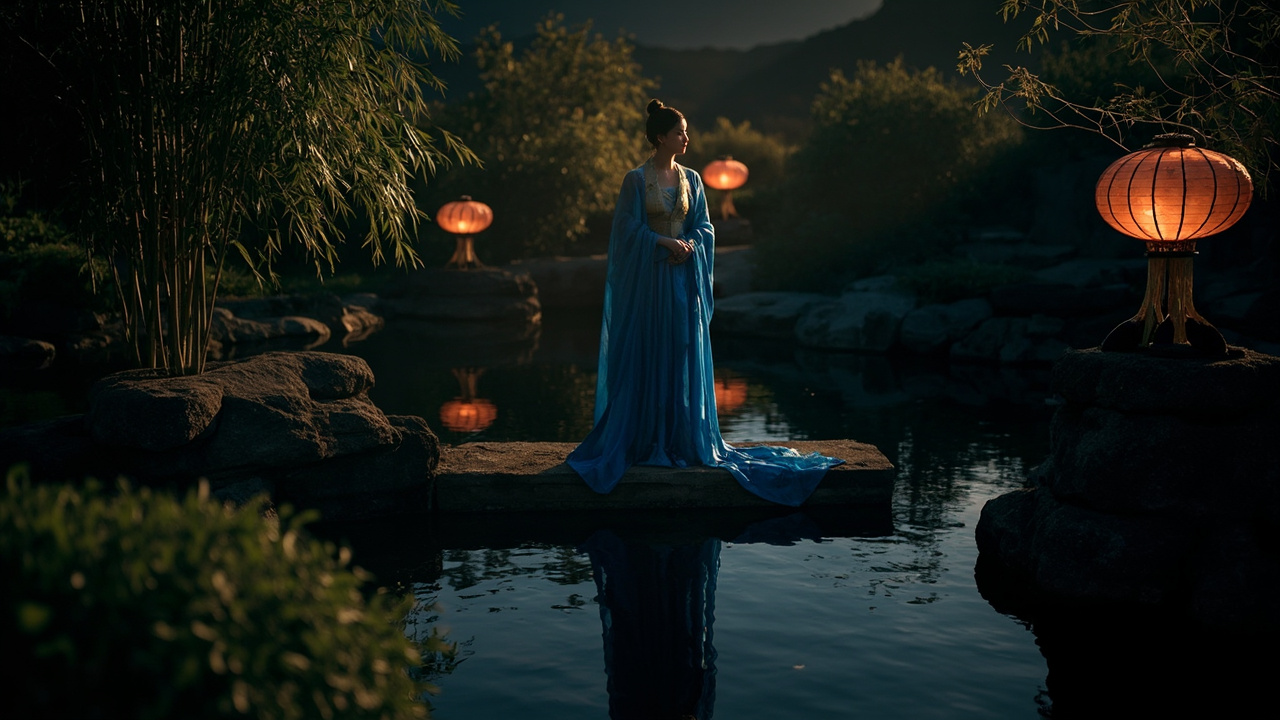
The garden closes to regular visitors at 5:30 PM. But on certain evenings, a small group of us was led back in after dark. The lanterns were lit. The pavilions glowed. We sat on wooden benches in a courtyard, and a woman in a blue silk dress walked onto a small stone stage. She sang kunqu opera —a style so old and refined that even many Chinese people find it hard to follow. But the sound, floating across the koi pond and through the bamboo, was enough.
Why it’s special: The performance is designed for the space. The garden’s architecture shapes the acoustics. The water reflects the sound. The night air carries it. It’s not a concert in a garden —it’s a conversation between the music and the place.
📍 Location: Gusu District, near the center of Suzhou’s old town.
🎫 Entry fee: $30-50 (CNY 220-360). Includes garden entry and the performance.
🕒 Opening hours: Evening performances run from April to October, usually starting at 7:30 PM. Check the garden’s official website for exact dates.
🚇 How to get there: Take Bus 55 or 202 to the Master of the Nets Garden stop. Or take a taxi from Suzhou’s old town —it’s a 10-minute ride from the city center.
⏰When to visit: Late spring (May) or early autumn (September). The weather is mild, and the mosquitoes haven’t arrived yet.
💡 Insider tips:
-
Book at least two weeks in advance. Only 50 people are allowed per performance.
-
Bring a light jacket. It gets cool by the water after dark.
-
Don’t sit in the back row. The sound carries forward, and you’ll miss the subtle details.
-
The performance is in classical Chinese, which is hard even for native speakers. Read a summary beforehand.
-
Arrive early to walk the garden before it gets dark. It’s worth the extra time.
I watched a French couple next to me cry during the final aria. I didn’t understand a word, but I got it.
4. Shanghai Symphony Hall —Where Tradition Meets the Orchestra
This is the most formal venue on the list. The Shanghai Symphony Hall is a modern building with excellent acoustics, comfortable seats, and a program that includes both Western classical and Chinese orchestral works. I went to hear a performance of “The Butterfly Lovers” violin concerto, which is a Chinese piece played on Western instruments. The hall was full. The audience was silent. The conductor was a woman in her thirties who moved like she was fighting the air.
Why it’s special: This is where you hear Chinese traditional music reimagined for a symphony orchestra. The arrangements are lush, the dynamics are dramatic, and the scale is grand. It’s the opposite of the intimate teahouse experience, but it has its own power.
📍 Location: Xuhui District, near the French Concession area.
🎫 Entry fee: $15-60 (CNY 110-430). Depends on the performer and seat location.
🕒 Opening hours: Most performances start at 7:30 PM. The box office is open 10:00 AM to 7:00 PM daily.
🚇 How to get there: Take Subway Line 1 to Changshu Road Station, Exit 2. Walk south for 5 minutes. The hall is on Fuxing Middle Road.
⏰When to visit: Friday or Saturday nights have the best programming. Check the hall’s website for Chinese traditional music nights —they’re not every week.
💡 Insider tips:
-
Buy tickets through the Shanghai Symphony Hall website or their WeChat account. The website has an English version.
-
Dress nicely. People here dress up. You’ll feel out of place in shorts and a t-shirt.
-
The balcony seats are cheaper and the sound is better.
-
There’s a restaurant inside the hall that serves decent Western food. Overpriced, but convenient.
-
Don’t clap between movements. Wait for the conductor to lower their baton.
I made the mistake of wearing sneakers. The woman next to me was in a silk dress and heels. I felt like a tourist. I was a tourist.
5. Laoshe Teahouse —Beijing’s Tourist-Friendly Variety Show
I’ll be honest: Laoshe Teahouse is a tourist trap. But it’s a good one. The show includes erhu music, pipa solos, Peking opera excerpts, comedy skits, and tea ceremony demonstrations. It’s designed for people who want a sampler platter of Chinese traditional arts. The quality is uneven —the erhu player is usually excellent, the comedian is hit or miss —but the atmosphere is fun.
Why it’s special: It’s the easiest introduction to Chinese traditional music for a first-time visitor. You don’t need to know anything. You just sit, drink tea, and watch. The tea is good. The seats are comfortable. The show is in English and Chinese.
📍 Location: Xicheng District, near Qianmen Street.
🎫 Entry fee: $20-35 (CNY 140-250). Includes tea and a small snack.
🕒 Opening hours: Shows run daily at 7:30 PM. The teahouse opens at 6:00 PM for pre-show tea.
🚇 How to get there: Take Subway Line 2 to Qianmen Station, Exit C. Walk north on Qianmen Street for 5 minutes. The teahouse is on the left.
⏰When to visit: Weekday evenings are less crowded. The show is the same every night, so don’t worry about missing something special.
💡 Insider tips:
-
Book online. Walk-in tickets are available but often for bad seats.
-
The VIP ticket ($35) includes better tea and a front-row seat. Worth it for the view.
-
The snack is a small pastry. It’s fine. Don’t expect a meal.
-
The comedy skits are in Chinese with English subtitles on a screen. The subtitles are rough.
-
Arrive early to walk around Qianmen Street. It’s touristy but fun.
I brought my parents here. My dad fell asleep during the pipa solo. My mom loved the tea.
6. Lingnan Concert Hall —Guangzhou’s Cantonese Opera Gem
This is a small hall inside a larger cultural center in Guangzhou’s old town. I went on a Sunday afternoon to hear nanyin music, a slow, meditative style from the Pearl River Delta. The audience was mostly elderly Cantonese people. A few were fanning themselves. One woman was knitting. The music was so quiet and delicate that I could hear the ice melting in my tea.
Why it’s special: Cantonese opera and nanyin music are different from the northern styles. They’re slower, more ornamented, and deeply connected to the region’s history. This hall is one of the few places where you can hear it performed by masters.
📍 Location: Liwan District, near the Chen Clan Ancestral Hall.
🎫 Entry fee: $10-25 (CNY 70-180). Cash only at the door.
🕒 Opening hours: Weekend matinees at 2:00 PM. Check the cultural center’s website for exact dates.
🚇 How to get there: Take Subway Line 1 to Chen Clan Ancestral Hall Station, Exit D. Walk south for 5 minutes.
⏰When to visit: Sunday afternoons have the best programming. Weekday shows are rare.
💡 Insider tips:
-
Bring cash. The ticket booth doesn’t take cards or WeChat.
-
Sit in the middle rows. The front is too close, the back is too far.
-
The performance is in Cantonese, not Mandarin. Even if you speak Mandarin, you won’t understand the lyrics.
-
There’s a small museum of Cantonese opera costumes next door. Free entry.
-
The hall gets cold. Bring a jacket.
I sat next to an old man who told me he’d been coming to this hall for forty years. He pointed at the nanyin singer and said, “Her teacher was my teacher’s teacher.”
7. Nanjing Traditional Music Hall —A Quiet Evening in the Old Capital
Nanjing doesn’t get as many tourists as Beijing or Shanghai, which means its cultural venues are less crowded and more authentic. The Traditional Music Hall is a small venue inside a restored Ming dynasty building near Confucius Temple. I went on a Tuesday night. There were maybe thirty people in the audience. The guzheng player was a young woman who had won national competitions. She played for an hour without a break.
Why it’s special: The intimacy. You can hear the performer breathing. You can see their fingers move. The hall is so small that every note fills the room. It’s the closest most people will get to a private recital.
📍 Location: Qinhuai District, near the Confucius Temple area.
🎫 Entry fee: $15-30 (CNY 110-220). Students with ID get half price.
🕒 Opening hours: Shows at 7:30 PM, Tuesday through Saturday. Closed Sunday and Monday.
🚇 How to get there: Take Subway Line 3 to Confucius Temple Station, Exit 2. Walk east for 8 minutes.
⏰When to visit: Weekday evenings are best. The audience is smaller and the atmosphere is more relaxed.
💡 Insider tips:
-
Buy tickets at the door. Online booking isn’t always available.
-
The hall is unheated in winter. Bring warm clothes.
-
There’s a tea shop next door that sells excellent biluochun green tea.
-
The performers often stay after the show to talk. Most speak some English.
-
Don’t sit in the front row. The guzheng is loud up close.
I bought a CD from the guzheng player after the show. She signed it with a brush pen. I still listen to it.
8. Hangzhou Grand Theatre (Small Hall) —Silk and Bamboo by the Lake
The main hall of the Hangzhou Grand Theatre is a big, modern space that hosts pop concerts and ballet. But the small hall, which seats about 200 people, is where the traditional music happens. I went to hear a jiangnan sizhu (silk and bamboo) ensemble —a style that originated in the region around Shanghai and Hangzhou. The instruments include the erhu, pipa, dizi (bamboo flute), and sheng (mouth organ).
Why it’s special: Jiangnan sizhu is the most elegant and refined of China’s traditional music styles. It’s meant to be played in small rooms with good acoustics. The small hall at the Grand Theatre is perfect for it.
📍 Location: Xihu District, near West Lake.
🎫 Entry fee: $20-40 (CNY 140-290). Depends on the performer.
🕒 Opening hours: Shows at 3:00 PM on weekends. Check the theatre’s website for the schedule.
🚇 How to get there: Take Subway Line 1 to Ding’an Road Station, Exit B. Walk west for 10 minutes. The theatre is on the north shore of West Lake.
⏰When to visit: Autumn afternoons are best. The light on West Lake is beautiful, and the walk to the theatre is pleasant.
💡 Insider tips:
-
Book tickets through the theatre’s WeChat account. The English website is basic.
-
Arrive early to walk along West Lake before the show.
-
The small hall has limited legroom. If you’re tall, ask for an aisle seat.
-
There’s a café inside the theatre that sells decent coffee.
-
The performance is usually 90 minutes with no intermission.
I watched the sunset over West Lake before the show. The water was gold. The music that night was silver.
9. Xi’an Gaoxin Grand Theatre —Tang Dynasty Court Music
Xi’an was the capital of the Tang dynasty, and the city takes its musical heritage seriously. The Gaoxin Grand Theatre occasionally hosts performances of reconstructed Tang dynasty court music. I went to one during the spring festival. The musicians wore replica Tang robes. The instruments were replicas of Tang-era pipa and konghou (an ancient harp). The music was slow, formal, and hypnotic.
Why it’s special: This is the closest you can get to hearing what Chinese music sounded like 1,200 years ago. The reconstructions are based on historical texts and murals. It’s academic, but it’s also beautiful.
📍 Location: Gaoxin District, in the new development area.
🎫 Entry fee: $25-50 (CNY 180-360). Festival performances are more expensive.
🕒 Opening hours: Shows are irregular. Check the theatre’s website or WeChat account for dates.
🚇 How to get there: Take Subway Line 3 to Yanxiangmen Station, Exit D. Walk north for 15 minutes.
⏰When to visit: The spring festival period (late January to early February) has the most performances.
💡 Insider tips:
-
Book well in advance. These shows sell out quickly.
-
Read about Tang dynasty music before you go. It helps to know the context.
-
The theatre is in a modern area with few restaurants. Eat before you go.
-
The acoustics in the main hall are good, but the small hall is better for intimate performances.
-
Don’t expect lively music. Tang court music was slow and ceremonial.
I fell asleep during the second half. The woman next to me woke me up. “It’s okay,” she said. “It’s supposed to make you dream.”
10. Kunming Traditional Music Institute —Yunnan’s Minority Music
This is the most off-the-beaten-path venue on the list. The Kunming Traditional Music Institute is a small school that trains musicians in the traditional music of Yunnan’s ethnic minorities —the Dai, Yi, Bai, and Hani people. They hold public performances once or twice a month. I went on a rainy Saturday afternoon. The audience was mostly students and a few elderly music lovers. The performers were teenagers.
Why it’s special: Yunnan’s minority music is completely different from Han Chinese music. The scales are different. The rhythms are different. The instruments include bamboo mouth harps, gourd flutes, and drums made from animal skins. It’s raw, joyful, and unlike anything you’ll hear in Beijing or Shanghai.
📍 Location: Wuhua District, near the Green Lake area.
🎫 Entry fee: $10-20 (CNY 70-140). Cash only.
🕒 Opening hours: Performances are usually on Saturday afternoons. Check the institute’s WeChat account for exact dates.
🚇 How to get there: Take Bus 100 or 101 to the Green Lake stop. Walk east for 5 minutes.
⏰When to visit: Any time. The schedule is irregular, so check ahead.
💡 Insider tips:
-
Bring cash. No cards or WeChat accepted.
-
The performance is in the school’s small auditorium. Seats are first-come, first-served.
-
The students are shy but happy to talk after the show. Some speak basic English.
-
Don’t take photos during the performance. It distracts the young musicians.
-
There’s a small market near Green Lake where you can buy handmade instruments.
I bought a bamboo flute from a student for $5 (CNY 35). It’s not tuned perfectly, but I love it.
FAQ summary
Most traditional music venues in China cost between $10 and $50 (CNY 70 to 360) per ticket, with smaller teahouses and local halls being cheaper than major theaters. Booking through WeChat or the venue’s website is essential for popular shows, especially in Beijing, Suzhou, and Chengdu. English is rarely spoken at smaller venues, so a translation app is helpful. The best experiences combine music with atmosphere —think garden performances in Suzhou or teahouse shows in Chengdu rather than formal concert halls.
FAQ
Q: Do I need to book tickets in advance?
A: Yes, for most venues. Popular shows in Beijing, Suzhou, and Chengdu sell out days or weeks ahead. Use the venue’s WeChat mini-program or website. Smaller venues in Nanjing or Kunming often sell tickets at the door.
Q: Is English spoken at these venues?
A: Not much. Major theaters like Shanghai Symphony Hall have English-speaking staff. Smaller teahouses and local halls do not. Download a translation app like Pleco or Google Translate before you go.
Q: Can I pay with a credit card?
A: Sometimes. Major theaters accept cards. Smaller venues and teahouses are cash-only or only accept WeChat Pay / Alipay. Set up WeChat Pay before your trip. It’s the most common payment method in China.
Q: What should I wear?
A: It depends. For formal concert halls like Shanghai Symphony Hall, dress nicely. For teahouses and small venues, casual clothes are fine. Avoid shorts and flip-flops for evening performances.
Q: Is it okay to take photos or videos?
A: Usually not during the performance. Some venues allow photos during the curtain call. Always check the signs or ask staff. Recording is almost never allowed.
Q: How do I find out about performances?
A: Check the venue’s WeChat account or website. For smaller venues, ask at your hotel’s front desk. Some cities have English-language event listings on platforms like SmartShanghai or That’s Beijing.
Q: What if I don’t understand the music?
A: That’s okay. Traditional Chinese music is about atmosphere and emotion, not narrative. Read a short introduction before you go. Let the sound wash over you. You’ll feel it.
The Honest Wrap-up
This list is for travelers who want to hear something real. It’s not for people who want a polished, easy, English-friendly experience. Some of these venues are uncomfortable. Some are confusing. Some will leave you wondering what just happened. That’s the point.
If you want a safe, predictable evening, go to the Laoshe Teahouse. You’ll have a good time. You’ll drink good tea. You’ll hear some nice music. But if you want to feel the weight of a thousand years of history in a single note, go to the Master of the Nets Garden at night. Or sit in a tiny hall in Nanjing and watch a young woman play a guzheng until your bones vibrate.
One final piece of advice: Don’t try to understand everything. Chinese traditional music doesn’t work like Western music. It doesn’t build to a climax. It doesn’t resolve. It just is. Let it be.
Related Guides
Looking for more China travel guides? These match your topic:
Topics
More guides you may like

Top 10 Bridges in China
China's bridges are engineering marvels spanning mountains, rivers, and seas. Here are 10 of the most spectacular, from ancient stone to modern steel.
8 min read

Top 10 Buddhist Sites in China
From the Leshan Giant Buddha to the Dunhuang Caves, these 10 Buddhist sites represent 2,000 years of China's spiritual heritage.
9 min read

Top 10 Day Trips from Beijing You Shouldn't Miss
Beijing is packed with history, but some of China's best experiences are just a few hours away. Here are 10 day trips that will transform your visit.
9 min read

Top 10 Hidden Gems in China Off the Beaten Path
Beyond the Great Wall and Terracotta Warriors, China has incredible hidden destinations few tourists ever reach. Here are 10 underrated gems worth the detour.
9 min read

Top 10 Markets and Shopping Streets in China
From Shanghai's Bund to Beijing's Silk Street - 10 markets where foreigners can haggle, explore, and bring home authentic Chinese goods.
9 min read

Top 10 Museums in China You Shouldn't Miss
China's museums span 5,000 years of civilization. These 10 - from the Palace Museum to Xi'an's terracotta gallery - are unmissable for culture lovers.
9 min read