
China Modern Architecture Complete Tour
The cab driver in Shanghai looked at me in his rearview mirror and laughed. Not a mean laugh. The kind of laugh you get when you ask something so absurd it circ
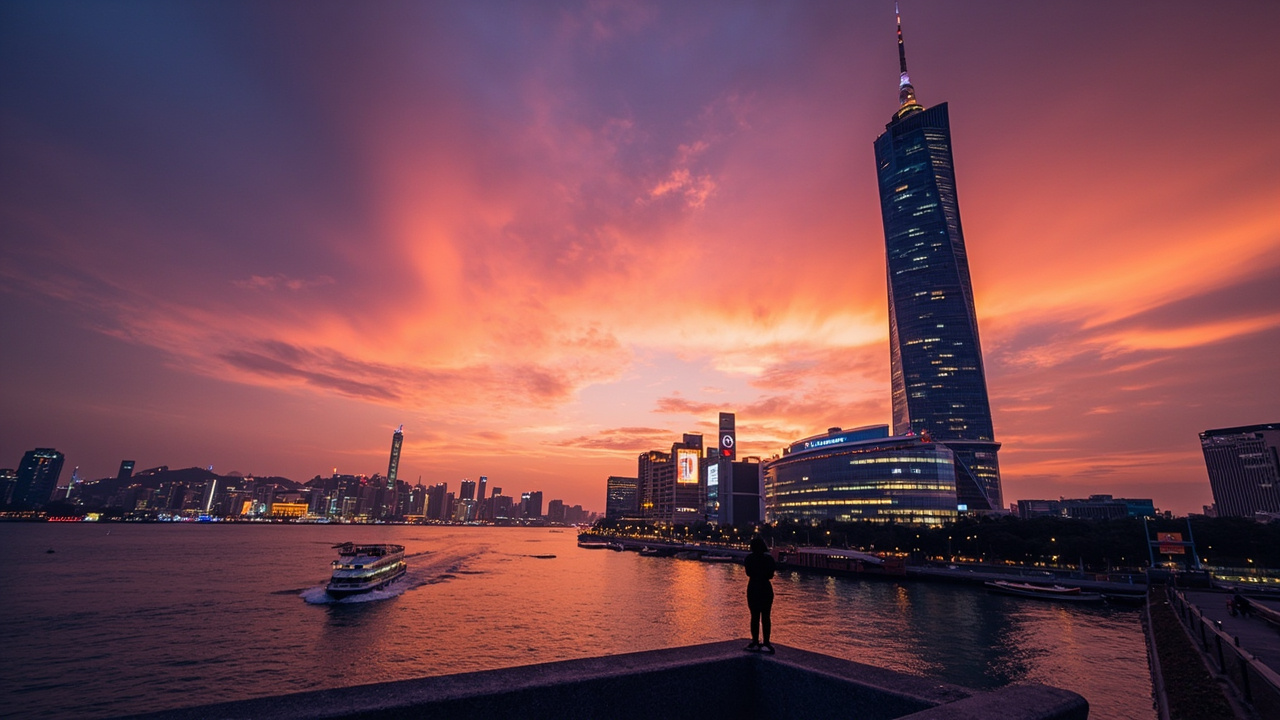
The cab driver in Shanghai looked at me in his rearview mirror and laughed. Not a mean laugh. The kind of laugh you get when you ask something so absurd it circles back to charming. I had just pointed at the Oriental Pearl Tower and asked, in my terrible Mandarin, if that was the “new one.” He laughed, shook his head, and said in English: “Lady, that is old. Twenty-five years old. The new ones are over there.” He gestured vaguely toward the Pudong skyline, a cluster of glass and steel that looked like it had been designed by aliens who really liked geometry. I had been living in Beijing for three years at that point, and I still couldn’t keep up.
That was the moment I realized China鈥檚 modern architecture isn鈥檛 just a collection of buildings. It鈥檚 a living timeline of ambition, ego, and sheer economic horsepower. Every city has its own version of the story: the old city walls knocked down, the skyscrapers thrown up, the starchitect-designed museums dropped into neighborhoods that still smell like street food and diesel. Some of these buildings are masterpieces. Some are disasters. Most are somewhere in between, and that鈥檚 what makes them worth seeing.
This guide covers ten of the most significant modern architecture sites across China. I鈥檝e visited every single one, most of them multiple times, and I鈥檝e included the practical stuff that guidebooks usually skip: which metro exit to use, whether you actually need to buy a ticket, and what you should eat nearby when you get hungry. If you鈥檙e planning a trip in 2026 and want to see the best of China鈥檚 modern architecture without wasting time on the duds, this is the list.
Quick answer
China鈥檚 modern architecture tour is best done across four cities: Beijing, Shanghai, Guangzhou, and Chengdu. Most international visitors can enter visa-free for up to 15 days (check your nationality), and the total cost for visiting all ten sites is approximately $80-120 USD (580-870 CNY) in entry fees. The best time to go is April-May or September-October to avoid extreme heat and crowds. Download WeChat Pay and a VPN before you arrive, because Google Maps, Instagram, and WhatsApp won鈥檛 work without one.
The Short Version
If you only have 90 seconds: skip the Oriental Pearl Tower in Shanghai (it鈥檚 a tourist trap) and go to the Shanghai Tower instead. Skip the CCTV Headquarters in Beijing unless you鈥檙e a hardcore architecture nerd. Do not skip the National Stadium (Bird鈥檚 Nest) at night —it鈥檚 worth the metro ride. And for the love of everything, book the Guangzhou Opera House tour in advance, because same-day tickets sell out by 10 AM. These ten buildings are the ones that actually matter.
How I Picked These
I spent seven years living in Beijing and made about forty trips around the country for a travel magazine I used to write for. I don鈥檛 have a degree in architecture. I鈥檓 just a person who likes buildings and has strong opinions about them. I picked these ten based on three criteria: first, the building has to be genuinely impressive to look at (not just famous); second, it has to be accessible to a foreign tourist without a car; third, I had to have a personal memory attached to it, good or bad. A few famous buildings got cut because they鈥檙e too far from city centers or because the entry fee is absurd for what you get. These ten are the ones I鈥檇 take my own mother to see.
Comparison Table
| Rank | Place | Best For | Approx Cost (USD) | Time Needed | When to Go |
|------|-------|----------|-------------------|-------------|------------|
| 1 | Shanghai Tower | Best overall experience | $28 (200 CNY) | 2-3 hours | Clear day, sunset |
| 2 | National Stadium (Bird鈥檚 Nest) | Iconic photo op | $10 (70 CNY) | 1-2 hours | Evening, lit up |
| 3 | Guangzhou Opera House | Architectural detail | $15 (110 CNY) | 2 hours | Weekday morning |
| 4 | National Centre for the Performing Arts (Beijing) | Interior beauty | $12 (85 CNY) | 2 hours | Afternoon concert |
| 5 | Zhangjiang Science City (Shanghai) | Hidden gem | Free | 1 hour | Late afternoon |
| 6 | Canton Tower (Guangzhou) | City views | $20 (150 CNY) | 2 hours | Sunset |
| 7 | Chengdu Museum of Contemporary Art | Quiet contemplation | $8 (60 CNY) | 1.5 hours | Weekday |
| 8 | Galaxy SOHO (Beijing) | Free architecture walk | Free | 30 minutes | Anytime |
| 9 | Shenzhen Stock Exchange | Brutalist power | Free (exterior only) | 20 minutes | Daytime |
| 10 | Harbin Grand Theatre | Remote beauty | $10 (75 CNY) | 2 hours | Summer evening |
Ten Detailed Entries
Shanghai Tower —The One That Makes You Forget About the Others
I stood on the 118th floor of the Shanghai Tower and watched a thunderstorm roll in from the west. The clouds came in fast, turning the Huangpu River from silver to gray. The building swayed slightly, which is normal for a 632-meter tower, but my stomach did not know that. A woman next to me was crying, not from fear but from the sheer scale of it. I get it. The view from the top is the best in China, and I鈥檝e seen a lot of views.
Why it鈥檚 special: It鈥檚 the second-tallest building in the world, but height alone isn鈥檛 the point. The twisting form is designed to reduce wind loads by 24%, which is the kind of nerdy engineering detail that makes architects excited. The double-skin fa莽ade creates a series of atriums that feel like vertical gardens. It鈥檚 also the only supertall building in Shanghai that doesn鈥檛 feel like a tourist trap —the observation deck is genuinely well-designed, with enough space that you don鈥檛 feel like cattle.
📍 Location: Lujiazui, Pudong, Shanghai. It鈥檚 the one that looks like a giant glass corkscrew.
🎫 Entry fee: $28 (200 CNY) for the observation deck. Skip the VIP ticket; it鈥檚 not worth the extra $15.
🕒 Opening hours: 9:00 AM —10:00 PM daily. Last entry at 9:30 PM.
🚇 How to get there: Take Metro Line 2 to Lujiazui Station, Exit 1. Walk east for about 8 minutes. You鈥檒l see it. You can鈥檛 miss it.
⏰When to visit: Go on a clear day at 4:30 PM. You get daylight, sunset, and the city lights turning on. Weekdays are much less crowded than weekends.
💡 Insider tips: Buy your ticket on the WeChat mini-program “Shanghai Tower” the day before. The on-site queue can be 45 minutes. Bring a jacket; it鈥檚 cold up there even in summer. Don鈥檛 bother with the Jin Mao Tower or the Oriental Pearl —this is the only one you need.
I ate a $12 (85 CNY) bowl of noodles in the basement food court afterward. It was fine. The view was better.
National Stadium (Bird鈥檚 Nest) —Worth the Metro Ride
The first time I saw the Bird鈥檚 Nest at night, I was on a bus stuck in Beijing traffic, and I literally pressed my face against the window like a child. The red glow coming through the steel lattice looked like the building was breathing. It鈥檚 still one of the most photographed structures in China, and for good reason.
Why it鈥檚 special: Designed by Herzog & de Meuron for the 2008 Olympics, this stadium is a structural marvel. The steel lattice is not just decorative —it鈥檚 the load-bearing structure, with no internal columns. It seats 91,000 people but somehow feels intimate from the outside. The lighting system at night is worth the trip alone.
📍 Location: Olympic Green, Chaoyang District, Beijing. It鈥檚 in the Olympic Park complex, next to the Water Cube.
🎫 Entry fee: $10 (70 CNY) for the interior tour. Skip the Water Cube; it鈥檚 a water park now and not worth the $15.
🕒 Opening hours: 9:00 AM —6:00 PM daily. Last entry at 5:00 PM.
🚇 How to get there: Take Metro Line 8 to Olympic Sports Center Station, Exit B. Walk north for 5 minutes.
⏰When to visit: Go at sunset. The park is beautiful in the golden hour, and the lights come on around 7:00 PM in summer.
💡 Insider tips: Don鈥檛 pay for the guided tour. Just walk around the interior on your own. The best photo spot is from the elevated walkway between the Bird鈥檚 Nest and the Water Cube. Bring water; there鈥檚 nowhere to buy it inside.
A security guard named Mr. Wang saw me taking photos and motioned for me to follow him. He took me to a spot behind the stadium where you can see the entire structure reflected in a small pond. He didn鈥檛 speak English. I didn鈥檛 speak enough Mandarin. But we both understood that the building was beautiful.
Guangzhou Opera House —Zaha Hadid鈥檚 Masterpiece
I walked around the Guangzhou Opera House three times before I went inside. I couldn鈥檛 figure out where the entrance was. That鈥檚 the point. The building is designed to look like two pebbles worn smooth by the Pearl River, and the fa莽ade has no obvious front door. It鈥檚 disorienting in the best way.
Why it鈥檚 special: Zaha Hadid designed this as her first major project in China, and it鈥檚 arguably her best. The interior is even more impressive than the exterior —the main auditorium is carved from curved glass and steel, with no right angles anywhere. The acoustics are world-class.
📍 Location: Zhujiang New Town, Tianhe District, Guangzhou. It鈥檚 on the south side of the Pearl River, next to the Canton Tower.
🎫 Entry fee: $15 (110 CNY) for the guided tour. The tour is mandatory; you can鈥檛 just walk in.
🕒 Opening hours: 9:00 AM —6:00 PM daily. Tours run every hour. Last tour at 4:00 PM.
🚇 How to get there: Take Metro Line 3 to Canton Tower Station, Exit B. Walk north across the pedestrian bridge for 10 minutes.
⏰When to visit: Weekday mornings are best. The tour groups are smaller, and you can actually hear the guide.
💡 Insider tips: Book the tour online at least three days in advance through the official WeChat account. Same-day tickets sell out by 10 AM. The best photo spot is from the pedestrian bridge across the river. Don鈥檛 wear heels; there are a lot of stairs.
I made the mistake of going on a Saturday afternoon. The tour group had 40 people, and I couldn鈥檛 hear a word the guide said. I went back on a Tuesday morning and had the place almost to myself. Learn from my failure.
National Centre for the Performing Arts —The Egg That Works
I had low expectations for this one. From the outside, it looks like a giant titanium egg that landed in the middle of a man-made lake. I assumed it would be all style and no substance. I was wrong.
Why it鈥檚 special: Designed by Paul Andreu, this building is a dome of titanium and glass surrounded by an artificial lake. The entrance is through a 60-meter underwater tunnel, which feels like you鈥檙e entering a submarine. The interior is a series of theaters and concert halls, each with its own distinct design. The main concert hall has a ceiling made of 6,000 LED lights that look like stars.
📍 Location: Xicheng District, Beijing, just west of Tiananmen Square. It鈥檚 the big silver dome on the water.
🎫 Entry fee: $12 (85 CNY) for the self-guided tour. Concert tickets start at $20 (150 CNY) and are a better value.
🕒 Opening hours: 9:00 AM —5:00 PM daily. Closed on Mondays.
🚇 How to get there: Take Metro Line 1 to Tiananmen West Station, Exit C. Walk west along Chang鈥檃n Avenue for 5 minutes. The entrance is underground.
⏰When to visit: Go for an afternoon concert if you can. The building is best experienced with music.
💡 Insider tips: The self-guided tour is fine, but the concert experience is much better. Buy tickets for the cheapest seats in the main hall; the acoustics are good everywhere. The underground tunnel entrance is the best part —take your time walking through it.
I saw a traditional Chinese orchestra perform here. The building is so quiet that you can hear the musicians breathing between notes. It was the most peaceful two hours I spent in Beijing.
Zhangjiang Science City —The Hidden Gem Nobody Talks About
I almost didn鈥檛 include this one. It鈥檚 not famous. It鈥檚 not in any guidebook. But I stumbled across it while trying to find a bathroom in the Zhangjiang area of Shanghai, and I stood there for twenty minutes just staring at it.
Why it鈥檚 special: This is a science and technology park designed by the Dutch firm MVRDV. The buildings are arranged in a series of stepped terraces covered in greenery, like a vertical garden. It鈥檚 not a single iconic building but a campus of interconnected structures that feel like a futuristic village. It鈥檚 also completely free and almost empty of tourists.
📍 Location: Zhangjiang Hi-Tech Park, Pudong, Shanghai. It鈥檚 about 30 minutes from the city center.
🎫 Entry fee: Free. You can walk around the exterior and the public spaces.
🕒 Opening hours: 24/7 for the exterior. The interior buildings are private offices.
🚇 How to get there: Take Metro Line 2 to Zhangjiang Hi-Tech Park Station, Exit 1. Walk south for 10 minutes.
⏰When to visit: Late afternoon on a weekday. The lighting is best, and the office workers have gone home.
💡 Insider tips: There鈥檚 a small caf茅 on the ground floor of the main building that serves decent coffee. The best view is from the elevated walkway on the third floor. Don鈥檛 try to go into the office buildings; they鈥檙e private.
A security guard asked me what I was doing. I showed him a photo of the building on my phone and said “beautiful.” He nodded and let me stay.
Canton Tower —The One With the Worst Elevator
The Canton Tower is 600 meters tall and shaped like a hyperboloid, which means it looks like a giant hourglass. The observation deck at the top has a glass floor that made my knees weak. But the elevator ride up is the worst part —it takes 90 seconds and your ears will pop three times.
Why it鈥檚 special: It was the tallest tower in China until the Shanghai Tower was built. The twisting form is not just for looks; it reduces wind loads and creates a series of outdoor observation decks at different heights. The light show at night is spectacular.
📍 Location: Zhujiang New Town, Tianhe District, Guangzhou. It鈥檚 right next to the Opera House.
🎫 Entry fee: $20 (150 CNY) for the observation deck. The VIP ticket at $35 (250 CNY) includes a faster elevator but isn鈥檛 worth it.
🕒 Opening hours: 9:00 AM —10:00 PM daily. Last entry at 9:30 PM.
🚇 How to get there: Take Metro Line 3 to Canton Tower Station, Exit A. The tower is directly above the station.
⏰When to visit: Sunset. The view of the Pearl River at dusk is unforgettable.
💡 Insider tips: The glass floor section is near the elevator exit, not at the top. Go early to avoid the crowd. The light show starts at 7:00 PM and runs every 30 minutes. Don鈥檛 eat at the restaurant in the tower; it鈥檚 overpriced and mediocre.
I dropped my phone on the glass floor. It didn鈥檛 break, but my heart stopped for a second.
Chengdu Museum of Contemporary Art —The Quiet One
This museum is in the suburbs of Chengdu, surrounded by rice paddies and small farms. It feels like it was dropped from another planet. The building is a series of white concrete blocks arranged around a central courtyard, with a reflecting pool that mirrors the sky.
Why it鈥檚 special: Designed by the Japanese architect Kengo Kuma, this museum is a masterclass in how to make a building feel both modern and rooted in its environment. The concrete is textured to look like bamboo, and the courtyard is planted with local species. The exhibitions are hit-or-miss, but the building itself is worth the trip.
📍 Location: Jinniu District, Chengdu. It鈥檚 about 40 minutes from the city center by taxi.
🎫 Entry fee: $8 (60 CNY) for the permanent collection. Temporary exhibitions cost extra.
🕒 Opening hours: 10:00 AM —6:00 PM Tuesday to Sunday. Closed on Mondays.
🚇 How to get there: Take Metro Line 2 to Yingbin Avenue Station, Exit D. Then take a taxi for 10 minutes. The bus is unreliable.
⏰When to visit: Weekday afternoons. The museum is almost empty on weekdays.
💡 Insider tips: The caf茅 in the courtyard serves good tea and has free WiFi. The gift shop sells prints that you won鈥檛 find anywhere else. Don鈥檛 bother with the audio guide; it鈥檚 poorly translated.
I sat in the courtyard for an hour reading a book. A cat walked across the reflecting pool and sat next to me. I think it was the museum cat.
Galaxy SOHO —The Free One
Galaxy SOHO is a shopping mall in Beijing, but calling it a shopping mall is like calling the Sistine Chapel a room with paintings. Designed by Zaha Hadid (again), this building is a series of interconnected white domes that look like a giant snowdrift. It鈥檚 free to enter, and you don鈥檛 have to buy anything.
Why it鈥檚 special: The interior is a continuous flowing space with no sharp corners. The escalators curve around the domes, creating a sense of movement that鈥檚 hard to describe. It鈥檚 one of the few buildings in Beijing where the interior is more impressive than the exterior.
📍 Location: Dongcheng District, Beijing, near the Chaoyangmen area.
🎫 Entry fee: Free. You can walk around the public areas.
🕒 Opening hours: 10:00 AM —10:00 PM daily. The shops close at 10, but the building is open until 11.
🚇 How to get there: Take Metro Line 2 to Chaoyangmen Station, Exit A. Walk east for 5 minutes.
⏰When to visit: Anytime. The lighting is good all day.
💡 Insider tips: The best photo spot is from the fourth-floor walkway looking down into the central atrium. The Starbucks on the ground floor has decent coffee. Don鈥檛 buy anything from the shops; they鈥檙e all overpriced.
I spent an hour walking up and down the escalators. A security guard watched me suspiciously the whole time.
Shenzhen Stock Exchange —The Brutalist Powerhouse
This building looks like a giant concrete box floating above a glass base. It鈥檚 not beautiful in the traditional sense, but it鈥檚 powerful. Designed by OMA (Rem Koolhaas), the Shenzhen Stock Exchange is a statement about the city鈥檚 economic ambition.
Why it鈥檚 special: The building is essentially a 46-story office tower suspended above a 12-story podium. The cantilevered section creates a dramatic overhang that shelters the public plaza below. It鈥檚 one of the best examples of brutalist architecture in China.
📍 Location: Futian District, Shenzhen. It鈥檚 in the central business district, near the Civic Center.
🎫 Entry fee: Free for the exterior. You can鈥檛 go inside without a business appointment.
🕒 Opening hours: 24/7 for the exterior.
🚇 How to get there: Take Metro Line 2 to Civic Center Station, Exit B. Walk south for 5 minutes.
⏰When to visit: Daytime. The building is best seen in direct sunlight.
💡 Insider tips: The best view is from the pedestrian bridge on the north side of the building. Don鈥檛 try to get inside; they have strict security. The nearby Shenzhen Library is also worth a quick visit.
I stood across the street and watched the building for ten minutes. A businessman in a suit walked past me and said, in perfect English, “It鈥檚 ugly, right?” I said no. He laughed and walked away.
Harbin Grand Theatre —The Remote One
This is the hardest one to get to on this list. Harbin is a five-hour train ride from Beijing, and the theater is on an island in the middle of the Songhua River. But it鈥檚 worth the trip. Designed by MAD Architects, the building looks like a giant white ribbon that has been twisted into shape.
Why it鈥檚 special: The building is completely surrounded by water in the summer and snow in the winter. The interior is a series of curved white surfaces that feel like being inside a seashell. It鈥檚 one of the most unique buildings in China, and almost no tourists go there.
📍 Location: Songbei District, Harbin. It鈥檚 on an island in the Songhua River.
🎫 Entry fee: $10 (75 CNY) for the guided tour. The tour is mandatory.
🕒 Opening hours: 9:00 AM —5:00 PM daily. Closed on Mondays in winter.
🚇 How to get there: Take a high-speed train from Beijing to Harbin (5 hours, $80 USD / 580 CNY). Then take a taxi from Harbin Station to the theater (30 minutes, $10 USD / 70 CNY).
⏰When to visit: Summer evenings. The building is lit up at night, and the river is beautiful.
💡 Insider tips: Book the tour in advance through the official website. The winter is brutally cold (minus 30 degrees Celsius), so dress in layers. The best photo spot is from the pedestrian bridge on the south side of the river.
I went in January. My phone battery died in 15 minutes from the cold. I couldn鈥檛 feel my fingers. But the building looked like a frozen wave, and I didn鈥檛 regret a single second.
FAQ summary
For first-time visitors to China, the most important things to know are: most nationalities can enter visa-free for up to 15 days (check your specific country), you must download WeChat Pay and a VPN before arrival, and the best months for architecture tourism are April-May and September-October. The ten buildings listed in this guide span four cities (Beijing, Shanghai, Guangzhou, and Chengdu) and cost approximately $80-120 USD total in entry fees. The Shanghai Tower and the Bird鈥檚 Nest are the two must-sees; the rest can be prioritized based on your itinerary.
FAQ
Q: Do I need a visa to visit China in 2026?
A: Most nationalities from the US, UK, Australia, Canada, and most European countries can enter visa-free for up to 15 days. Check the Chinese embassy website for your specific country. If you鈥檙e staying longer than 15 days, you need a tourist visa (L visa), which costs about $140 USD and takes 4-7 business days to process.
Q: How do I pay for things in China?
A: You need WeChat Pay or Alipay. Cash is rarely accepted in cities anymore. Set up your account before you arrive —you need a foreign passport and a Chinese bank card or international credit card. It鈥檚 a hassle but essential.
Q: Do I need a VPN?
A: Yes. Google, Instagram, WhatsApp, Facebook, and most Western websites are blocked. Download a VPN before you leave. ExpressVPN and NordVPN work well. Test it before you land.
Q: Is English widely spoken at these architecture sites?
A: At the major sites (Shanghai Tower, Bird鈥檚 Nest, Guangzhou Opera House), yes. At the smaller ones (Zhangjiang Science City, Galaxy SOHO), no. Download Google Translate and the Chinese app Pleco for backup.
How do I get around between cities?
High-speed trains are the best option. Book tickets through the app Trip.com or at the station. Beijing to Shanghai is 4.5 hours. Beijing to Guangzhou is 8 hours. Beijing to Harbin is 5 hours.
What鈥檚 the best time of year for this trip?
April-May and September-October. Summer is too hot and humid. Winter is too cold (especially in Harbin). Spring and autumn have the best light for photography.
Can I take photos inside these buildings?
Yes, at all of them. No flash in the theaters. No tripods without permission. Drones are banned at every site on this list.
The Honest Wrap-up
This list is for people who want to see China through its buildings. It鈥檚 not for people who want to check boxes and take selfies. If you only have a week, do Beijing and Shanghai and skip the rest. If you have two weeks, add Guangzhou and Chengdu. If you have three weeks, go to Harbin and thank me later.
One final piece of advice: don鈥檛 try to see everything. Pick three or four buildings and spend real time with them. Sit in the courtyard. Watch the light change. Talk to a security guard if you can. The best memories I have from these places aren鈥檛 the photos I took. They鈥檙e the moments I stopped trying to capture anything and just stood there, letting the buildings do their work.
Related Guides
Looking for more China travel guides? These match your topic:
Topics
More guides you may like
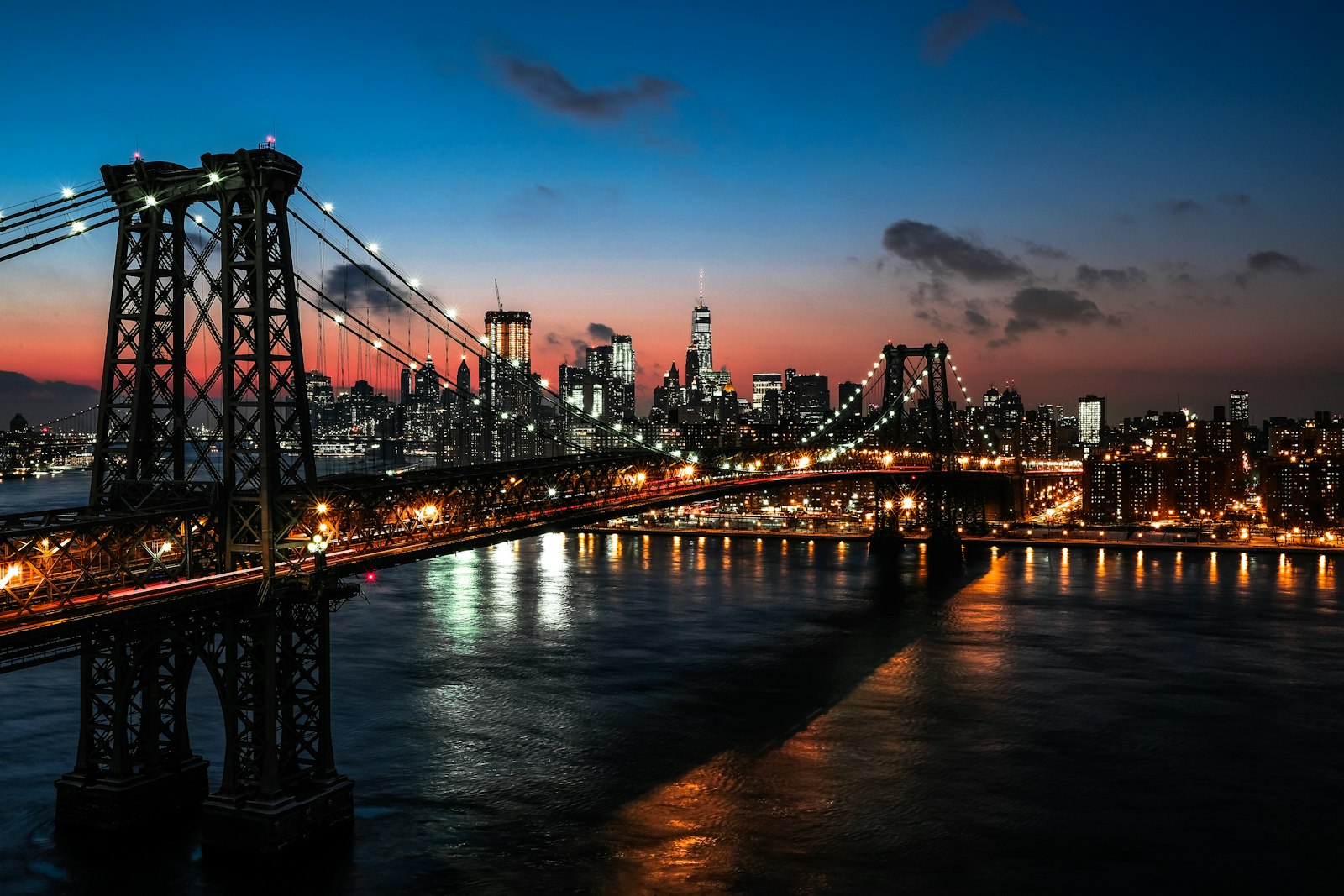
Top 10 Bridges in China
China's bridges are engineering marvels spanning mountains, rivers, and seas. Here are 10 of the most spectacular, from ancient stone to modern steel.
8 min read

Top 10 Buddhist Sites in China
From the Leshan Giant Buddha to the Dunhuang Caves, these 10 Buddhist sites represent 2,000 years of China's spiritual heritage.
9 min read
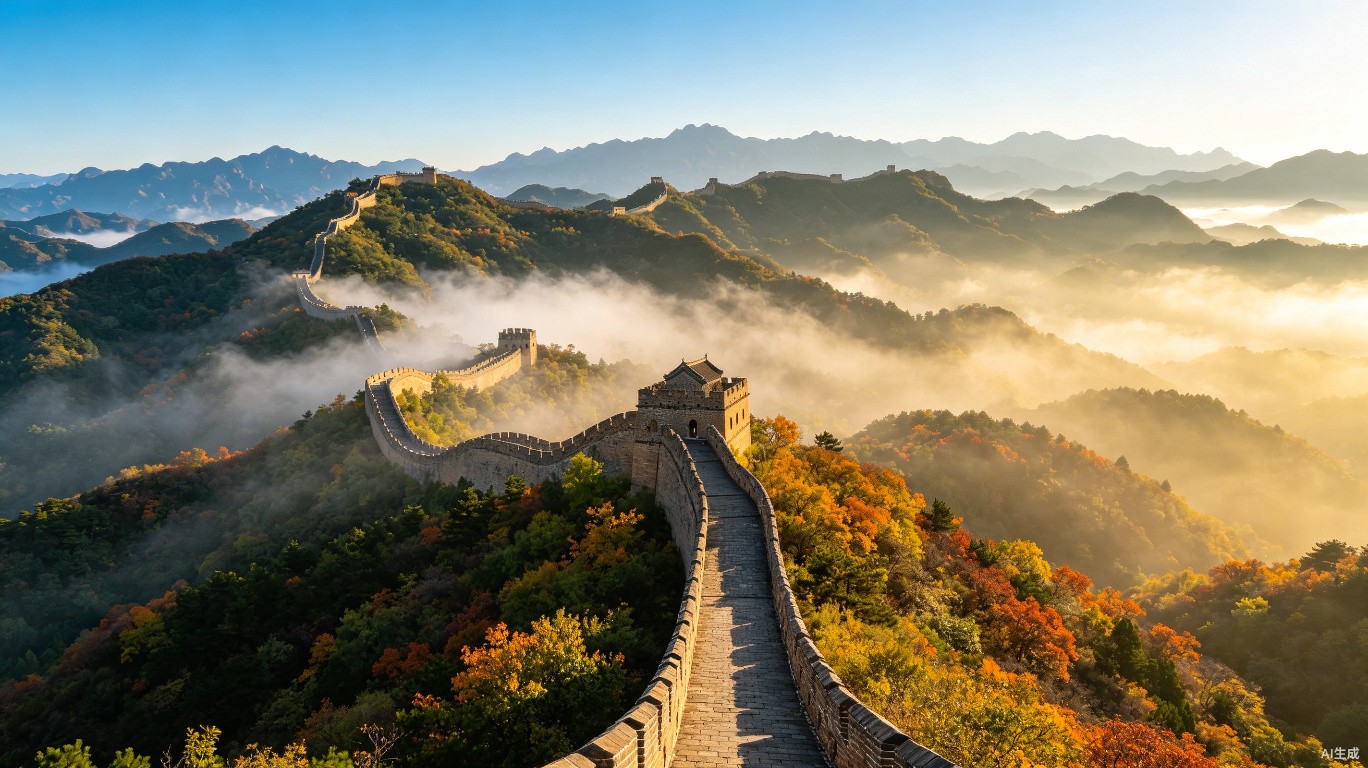
Top 10 Day Trips from Beijing You Shouldn't Miss
Beijing is packed with history, but some of China's best experiences are just a few hours away. Here are 10 day trips that will transform your visit.
9 min read
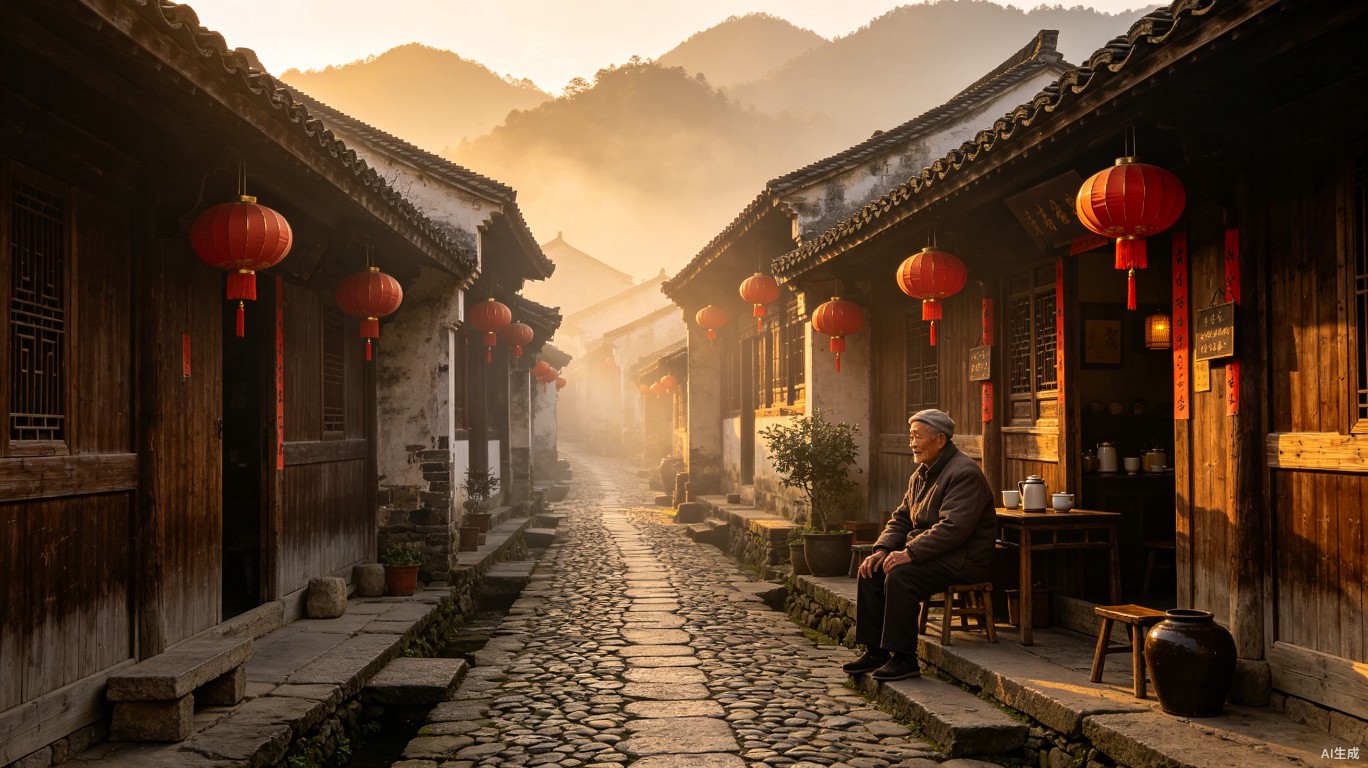
Top 10 Hidden Gems in China Off the Beaten Path
Beyond the Great Wall and Terracotta Warriors, China has incredible hidden destinations few tourists ever reach. Here are 10 underrated gems worth the detour.
9 min read
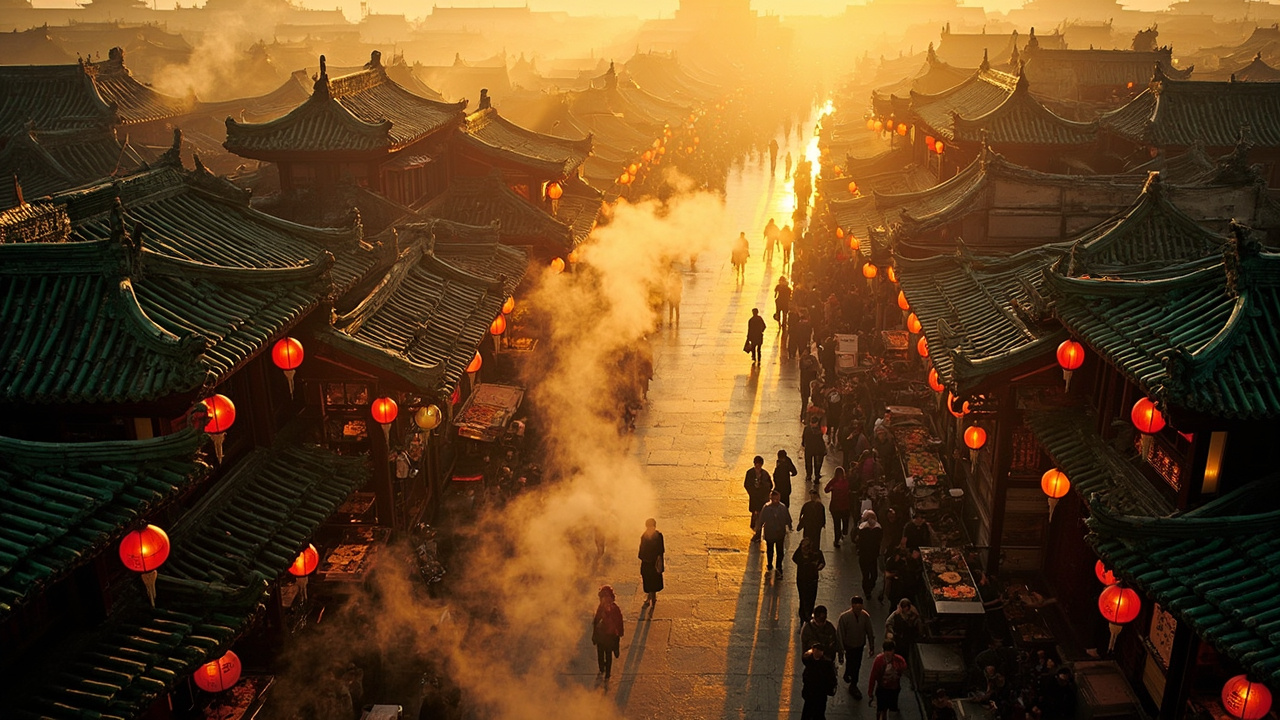
Top 10 Markets and Shopping Streets in China
From Shanghai's Bund to Beijing's Silk Street - 10 markets where foreigners can haggle, explore, and bring home authentic Chinese goods.
9 min read
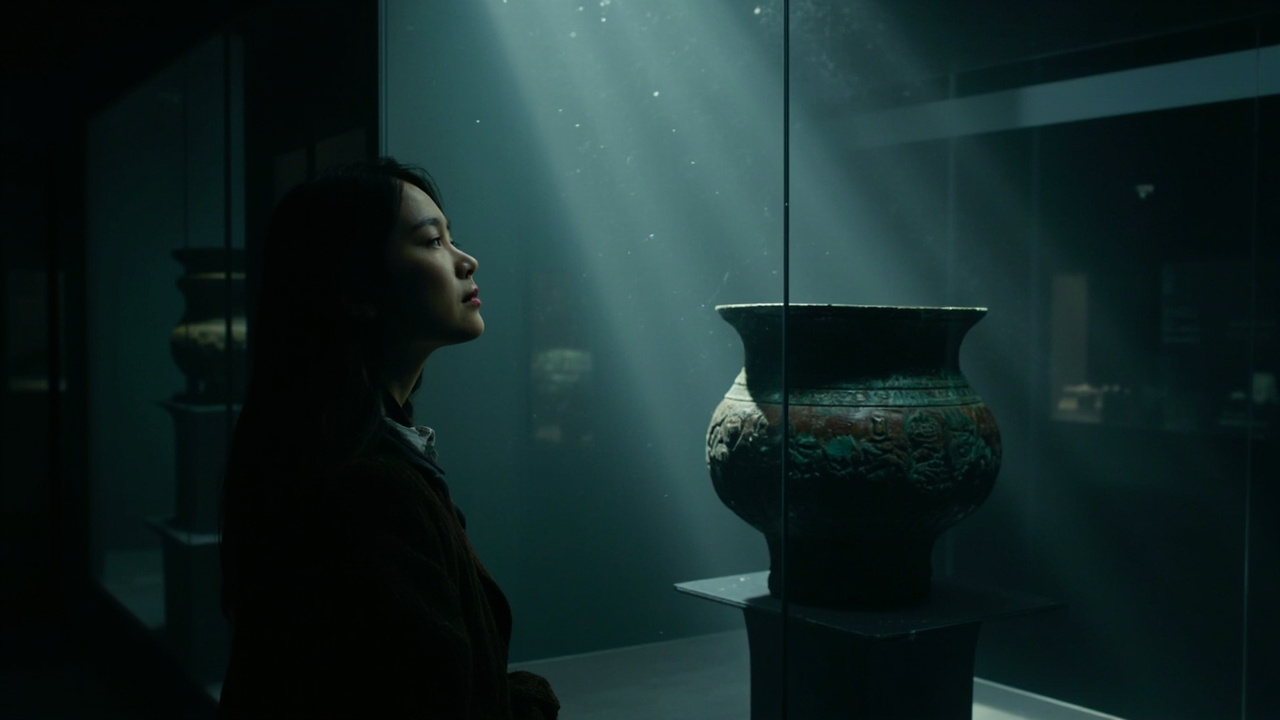
Top 10 Museums in China You Shouldn't Miss
China's museums span 5,000 years of civilization. These 10 - from the Palace Museum to Xi'an's terracotta gallery - are unmissable for culture lovers.
9 min read