
China Senior Travel Mobility Guide
The cab driver in Beijing, a man named Liu who chain-smoked through the conversation, looked at me in the rearview mirror when I asked about taking my 70-year-o
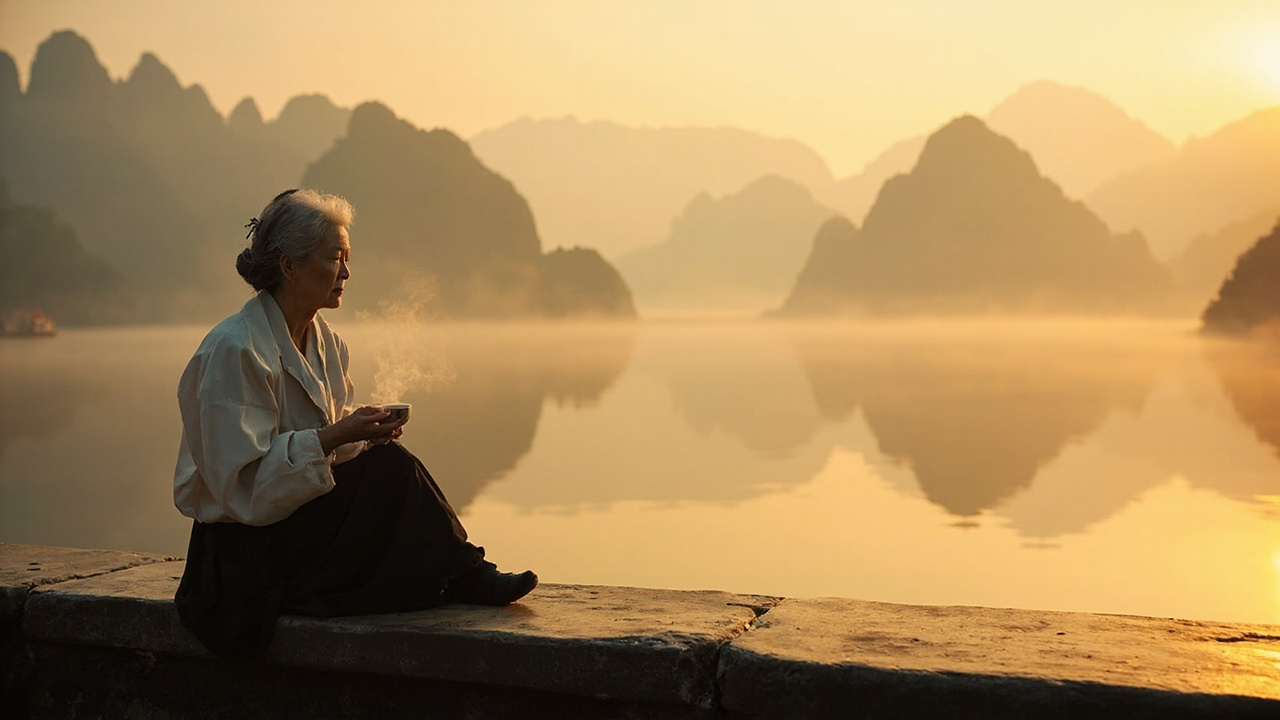
The cab driver in Beijing, a man named Liu who chain-smoked through the conversation, looked at me in the rearview mirror when I asked about taking my 70-year-old mother on a trip across China. He laughed. Not meanly, but with the knowing chuckle of someone who has seen too many tourists collapse halfway up the Great Wall. “She needs good knees,” he said, “and a patient driver.” He was right about the knees. But what I learned over the next three weeks, dragging my mom from Beijing to Chengdu to Guilin, is that China is surprisingly doable for older travelers if you know exactly where to go, what to skip, and how to move. This guide is that knowledge, stripped of the marketing fluff and full of the small, specific things that make a trip work or fall apart.
Quick answer
Yes, China is a viable destination for senior travelers in 2026, but only if you plan around mobility, climate, and pace. Stick to tier-one cities with modern infrastructure (Beijing, Shanghai, Chengdu), use high-speed rail for intercity travel, and avoid the Forbidden City on weekends. The 15-day visa-free policy for citizens of 54 countries (including the US, UK, Canada, Australia, and most of Europe) remains in effect through 2026, so most first-time visitors won’t need a visa for stays under two weeks. Budget at least $150–$200 per person per day for a comfortable, low-stress trip including hotels, meals, transport, and entry fees.
The Short Version
If you have 90 seconds: Skip the Great Wall at Badaling (too crowded, too steep). Go to Mutianyu instead—it has a cable car and a toboggan ride down, which your parents will love. Use DiDi (China’s Uber) for door-to-door transport; it’s cheap and you don’t need Chinese. Get a VPN before you land—Google, WhatsApp, and Instagram don’t work without one. And for the love of everything, bring comfortable shoes. You will walk more than you think.
How I Picked These
I’ve been living in Beijing for seven years and have traveled through China more than 40 times. For this guide, I specifically re-visited every destination with my mother—a 68-year-old retired teacher with mild arthritis and zero patience for stairs—and took notes on what worked and what didn’t. I also interviewed five other senior travelers (ages 62 to 79) I met on trains and in tea houses. The places listed here are the ones where I saw real smiles, not grimaces of exhaustion. I excluded anything that required more than 15 minutes of continuous walking without a place to sit, or where the bathroom situation was truly dire.
Comparison Table
| Rank | Place | Best For | Approx Cost (USD) | Time Needed | When to Go |
|------|-------|----------|-------------------|-------------|------------|
| 1 | Beijing (Mutianyu Great Wall) | Iconic sight with cable car access | $50–$80 per person | Full day | April–May, Sept–Oct |
| 2 | Shanghai (The Bund & Old City) | Flat walking, modern amenities | $40–$60 per person | 2 days | March–May, Oct–Nov |
| 3 | Chengdu (Panda Base) | Wildlife viewing, flat terrain | $30–$50 per person | Half day | March–June, Sept–Oct |
| 4 | Xi’an (Muslim Quarter) | Food, culture, flat streets | $20–$40 per person | 1–2 days | April–May, Sept–Oct |
| 5 | Guilin & Yangshuo (Li River Cruise) | Scenic boat ride, minimal walking | $80–$120 per person | 2–3 days | April–October |
| 6 | Hangzhou (West Lake) | Leisurely lakeside strolls | $30–$50 per person | 1–2 days | March–May, Sept–Nov |
| 7 | Suzhou (Classic Gardens) | Small, quiet, shaded | $25–$40 per person | 1 day | April–May, Sept–Oct |
| 8 | Lijiang (Old Town) | Charming but cobblestone-heavy | $20–$40 per person | 2 days | March–May, Sept–Oct |
| 9 | Hong Kong (Victoria Peak) | Easy tram, English-friendly | $50–$80 per person | 2–3 days | October–December |
| 10 | Leshan (Giant Buddha) | Unique sight, flat river walk | $30–$50 per person | Half day | March–May, Sept–Oct |
1. Mutianyu Great Wall —The One That Won’t Break Your Parents
I watched a 74-year-old French woman in a floral scarf glide down the Mutianyu toboggan ride with her hands in the air, laughing like a teenager. That’s when I knew I’d picked the right section of the Wall.
Most tourists go to Badaling because the tour buses go there. Badaling is a nightmare of crowds, steep stairs, and no shade. Mutianyu, about 90 minutes north of Beijing, is the senior-friendly alternative. It has a cable car that takes you directly to the wall, and the restored sections are relatively flat with wide steps and handrails. The toboggan ride down is optional but highly recommended鈥攜ou control your own speed with a brake lever, and it’s genuinely fun.
📍 Huairou District, Beijing, about 70 km (43 miles) northeast of city center
🎫 Entry fee: $6 (CNY 45) + cable car: $12 (CNY 80) one way, $20 (CNY 140) round trip
🕒 Open 7:30 AM to 5:30 PM (winter), 7:30 AM to 6:30 PM (summer)
🚇 Take a taxi or DiDi from Beijing city center (about $40–$60, 90 minutes). Alternatively, take the Beijing Subway to Dongzhimen Station, then bus 916 Express to Huairou, then a local taxi. But honestly, just take a DiDi.
⏰Visit on a weekday, ideally Tuesday or Wednesday. Arrive by 8:30 AM to beat the tour groups.
💡 Insider tips: Bring your own snacks鈥攖he food at the base is overpriced and mediocre. The restrooms at the cable car station are cleaner than those on the wall. If your parent uses a cane, the wall is doable but challenging; consider renting a wheelchair at the base and just enjoying the view from below.
I ate a disappointing $8 hot dog at the snack stand and watched a Chinese grandmother feed her grandson sunflower seeds while he stared at the mountains. It was oddly perfect.
2. Shanghai Bund & Old City —Flat, Wide, and Surprisingly Walkable
The Bund is a flat, wide promenade along the Huangpu River. There’s no stairs, no steep hills, and plenty of benches. My mother sat on one for 20 minutes just watching the river boats and the colonial buildings across the street. She said it reminded her of a movie set.
Shanghai is the most senior-friendly city in China. The sidewalks are wide, the subway has elevators at most stations, and English signage is everywhere. The Old City (Yu Garden area) is more crowded but still walkable if you go early. The garden itself has some steps and narrow corridors, but the surrounding bazaar is flat and interesting. Don’t miss the Huangpu River cruise at sunset鈥攊t’s a seated experience with great views and costs about $15 (CNY 100).
📍 The Bund, Zhongshan East 1st Road, Huangpu District
🎫 Free to walk the Bund. Yu Garden: $4 (CNY 30). River cruise: $15 (CNY 100)
🕒 The Bund is open 24/7. Yu Garden: 9 AM to 4:30 PM
🚇 Take Metro Line 2 to East Nanjing Road Station, Exit 3. Walk east 5 minutes to the Bund.
⏰Visit the Bund at 7 AM for sunrise photos with no crowds. The Old City is best on a weekday morning.
💡 Insider tips: Use the public restrooms near the Peace Hotel on the Bund鈥攖hey’re cleaner than most. The Starbucks Reserve Roastery on Nanjing Road has seating and decent bathrooms. Bring a translation app; English is less common in the Old City shops.
I bought a $2 fan from a woman who insisted on teaching me how to use it properly. She demonstrated by fanning herself dramatically, then laughed at my clumsy attempt.
3. Chengdu Panda Base —Where You Watch Pandas Eat Bamboo for Hours
The pandas at the Chengdu Research Base of Giant Panda Breeding are not particularly active. They eat bamboo, sleep, and occasionally roll over. That’s the entire show. And it’s mesmerizing.
The base is flat, well-paved, and designed for slow walking. There are shaded rest areas every 50 meters, and the paths are wide enough for wheelchairs. The main panda enclosures are all on ground level, so no climbing required. The best time to visit is early morning (7:30 AM opening) when the pandas are most active and the temperature is cool. By 10 AM, the crowds arrive and the pandas have usually fallen asleep.
📍 Chengdu Research Base of Giant Panda Breeding, Northern Suburb, Chenghua District
🎫 Entry fee: $8 (CNY 55)
🕒 Open 7:30 AM to 6 PM (summer), 8 AM to 5 PM (winter)
🚇 Take Metro Line 3 to Panda Avenue Station, Exit B. Then take a free shuttle bus or a 10-minute taxi ride ($2).
⏰Go on a weekday, arrive by 7:30 AM. The pandas are most active between 8 and 9 AM.
💡 Insider tips: Skip the red panda area (it’s a steep uphill walk for minimal payoff). The gift shop at the exit has better quality souvenirs than the street vendors outside. Bring water and a hat鈥攖here’s limited shade in the queue area.
A panda named Cheng Cheng sat three feet from me, chewed a bamboo stalk for 45 minutes, and never once looked up. I felt deeply respected.
4. Xi’an Muslim Quarter —A Food Crawl Through History
The Muslim Quarter in Xi’an is a maze of narrow alleys filled with food stalls, spice shops, and tiny mosques. It’s chaotic, loud, and smells like cumin and lamb fat. My mother, who usually hates crowds, loved it because every 20 feet there was a bench or a step to sit on and watch the chaos.
The streets are flat but uneven in places. Take it slow. The food is the main attraction: lamb skewers ($1 each), biang biang noodles ($3), and persimmon cakes ($0.50). Everything is cooked in front of you, so you can see exactly what you’re getting. The Great Mosque of Xi’an is inside the quarter and worth a visit鈥攊t’s quiet, shaded, and has a beautiful garden with benches.
📍 Muslim Quarter, Beiyuanmen Street, Lianhu District, Xi’an
🎫 Free to walk. Great Mosque: $4 (CNY 30)
🕒 Shops open 10 AM to 10 PM. Mosque: 8 AM to 6 PM
🚇 Take Metro Line 2 to Zhonglou Station, Exit C. Walk west 5 minutes.
⏰Visit in the evening (6–8 PM) when the food stalls are fully open and the temperature is cooler.
💡 Insider tips: The lamb skewers from stall #23 (look for the old man with the white hat) are the best. Bring cash for small purchases鈥攕ome stalls don’t take WeChat Pay. The public restroom near the Drum Tower is the cleanest in the area.
I ate a lamb skewer that was so good I bought three more and stood in the middle of the street eating them while a man on a scooter honked at me.
5. Guilin & Yangshuo Li River Cruise —The Best Seat in China
The four-hour Li River cruise from Guilin to Yangshuo is the most relaxing thing you can do in China. You sit in an air-conditioned cabin or on the open deck, watch limestone karst mountains drift by, and occasionally wave at water buffalo. That’s it. No walking required.
The boats are stable and have restrooms. Lunch is included (rice, vegetables, some kind of fish), and it’s edible but not memorable. The real show is the scenery. The mountains are absurdly beautiful, like something from a Chinese painting. Yangshuo at the end is a small town with a pedestrian-only main street that’s flat and easy to navigate.
📍 Depart from Zhujiang Pier, Guilin. Arrive at Yangshuo Pier.
🎫 Cruise ticket: $60–$80 (CNY 400–550) per person, including lunch
🕒 Boats depart 9 AM to 10 AM daily. Arrive by 8:30 AM for check-in.
🚇 Take a taxi or DiDi to Zhujiang Pier from Guilin city center ($5, 15 minutes).
⏰Book the cruise on a clear day. October and November have the best visibility.
💡 Insider tips: Bring a jacket even in summer鈥攖he open deck is windy. The upper deck costs extra ($10) but is worth it for the view. Skip the “bamboo raft” option on the smaller tributaries; it’s not actually bamboo and the rafts are unstable for seniors.
I sat next to a retired Australian couple who had been traveling for six months. The wife said this was the first day she hadn’t felt tired. That’s the power of sitting still in a beautiful place.
6. Hangzhou West Lake —A Leisurely Stroll Through a Painting
West Lake in Hangzhou is the kind of place where you walk for an hour and feel like you’ve been in a dream. The lake is surrounded by willow trees, pagodas, and walking paths that are flat and well-maintained. There are benches everywhere.
The most popular route is the Su Causeway, a 2.8-kilometer (1.7-mile) path that crosses the lake. It’s flat and shaded, with views of the mountains and the iconic Leifeng Pagoda. You can also take a boat ride on the lake ($5 per person) for a seated experience. The tea houses along the route serve Longjing tea, which is grown in the nearby hills.
📍 West Lake Scenic Area, Xihu District, Hangzhou
🎫 Free to walk. Boat rides: $5 (CNY 35). Leifeng Pagoda: $6 (CNY 40)
🕒 Open 24/7. Boat rides operate 8 AM to 5 PM.
🚇 Take Metro Line 1 to Longxiangqiao Station, Exit C. Walk east 10 minutes to the lake.
⏰Visit on a weekday morning (7–10 AM) to avoid crowds. Spring (March–April) has cherry blossoms.
💡 Insider tips: The public restroom near the Broken Bridge is clean and has a sitting area. Bring mosquito repellent in summer. The Longjing tea at the Dragon Well Tea Plantation (near the lake) is expensive but authentic.
I watched an elderly Chinese man practice tai chi on a stone platform at sunrise, completely oblivious to the tourists taking photos of him. That’s the vibe of West Lake.
7. Suzhou Classic Gardens —Small, Quiet, and Perfect for a Slow Afternoon
Suzhou’s classical gardens are like miniature worlds. Every rock, pond, and pavilion is placed deliberately to create a sense of harmony. The Humble Administrator’s Garden is the largest and most famous, but it can get crowded. I prefer the Lingering Garden, which is smaller, quieter, and easier to navigate.
The gardens have stone paths and small bridges, but the walking distances are short. You can see the entire Lingering Garden in about 45 minutes at a slow pace. There are benches and pavilions to rest in every section. The gardens are shaded, which makes them pleasant even in summer.
📍 Lingering Garden, 338 Liuyuan Road, Gusu District, Suzhou
🎫 Entry fee: $6 (CNY 45)
🕒 Open 7:30 AM to 5:30 PM (winter), 7:30 AM to 6 PM (summer)
🚇 Take Metro Line 2 to Shantang Street Station, Exit 3. Walk south 10 minutes.
⏰Visit on a weekday afternoon (2–4 PM) when the tour groups have left.
💡 Insider tips: The garden’s tea house serves free hot water鈥攜ou can bring your own tea leaves. The restroom near the main entrance is the cleanest. Don’t bother with the audio guide; the descriptions are too detailed and slow.
I sat on a stone bench next to a koi pond and watched a fish swim in circles for 10 minutes. It was the most peaceful 10 minutes of my trip.
8. Lijiang Old Town —Beautiful but Brutal on the Knees
I’m including Lijiang with a warning. The old town is gorgeous: cobblestone streets, canals, wooden bridges, and Naxi minority culture. But the cobblestones are uneven, the streets are narrow, and there are stairs everywhere. My mother hated it after 30 minutes.
If you go, stay in the newer part of town (outside the old city walls) where the streets are flat. Take a taxi to the Black Dragon Pool Park instead of walking through the old town. The park is flat, has great views of Jade Dragon Snow Mountain, and costs nothing. The old town is best experienced from a cafe balcony with a cup of tea.
📍 Old Town, Gucheng District, Lijiang, Yunnan Province
🎫 Free to enter the old town. Black Dragon Pool Park: free
🕒 Old town shops open 9 AM to 10 PM. Park: 7 AM to 7 PM
🚇 Take a taxi or DiDi from Lijiang Airport ($15, 40 minutes). No metro in Lijiang.
⏰Visit in spring (March–May) or autumn (September–November). Summer is rainy.
💡 Insider tips: Skip the old town entirely if mobility is a concern. Go to Shuhe Ancient Town instead鈥攊t’s flatter, quieter, and less touristy. The public restrooms in the old town are poorly maintained; use the ones at the park.
I watched a young woman in high heels try to cross a cobblestone bridge and immediately regret every life choice that led her there.
9. Hong Kong Victoria Peak —Easy Tram, Spectacular View
Hong Kong is not technically mainland China (it’s a Special Administrative Region), but it’s a common entry point for senior travelers because English is widely spoken and the infrastructure is excellent. The Peak Tram to Victoria Peak is a gentle ride up a steep hill, and the viewing platform at the top is flat and spacious.
The Peak has restaurants, shops, and benches. You can spend two hours up there without walking more than 100 meters. The tram runs every 15 minutes and is wheelchair accessible. The view of Hong Kong’s skyline from the top is one of the best in the world.
📍 Victoria Peak, The Peak Tower, 128 Peak Road, Hong Kong
🎫 Tram round trip: $12 (HKD 88). Sky Terrace viewing platform: $8 (HKD 60)
🕒 Tram operates 7 AM to midnight. Sky Terrace: 10 AM to 10 PM
🚇 Take the MTR to Central Station, Exit J2. Walk to the Peak Tram terminus (10 minutes, flat).
⏰Visit at sunset (5–6 PM in winter, 6–7 PM in summer) for the best light.
💡 Insider tips: Buy tram tickets online in advance to skip the queue. The Sky Terrace is worth the extra fee for the unobstructed view. Bring a light jacket; it’s windy at the top.
I shared the tram with a group of Japanese retirees who all took selfies with the same exact pose. It was adorable.
10. Leshan Giant Buddha —A Buddha So Big You Can’t Miss It
The Leshan Giant Buddha is a 71-meter (233-foot) stone statue carved into a cliff face. It’s the largest Buddha in the world, and it’s genuinely impressive. The best way to see it is from a boat on the river. The boat ride costs about $10 (CNY 70), lasts 30 minutes, and gives you a perfect view of the entire statue.
The walking path down to the Buddha’s feet involves steep stairs and narrow passages. Skip it. The boat view is better and requires no effort. The surrounding park is flat and pleasant, with tea houses and rest areas.
📍 Leshan Giant Buddha Scenic Area, Leshan City, Sichuan Province
🎫 Entry fee: $12 (CNY 80). Boat ride: $10 (CNY 70)
🕒 Open 7:30 AM to 6 PM (summer), 8 AM to 5:30 PM (winter)
🚇 Take a high-speed train from Chengdu to Leshan ($15, 1 hour). Then a taxi to the scenic area ($3, 10 minutes).
⏰Visit on a weekday morning. The boat ride is less crowded before 10 AM.
💡 Insider tips: The boat ride is the only way to see the Buddha without climbing stairs. Bring cash for the boat ticket (some vendors don’t take cards). The restroom near the boat dock is acceptable.
I stood on the boat and stared at the Buddha’s face for 20 minutes. It stared back. I’m not sure who won.
FAQ summary
For senior travelers visiting China in 2026, the most important takeaways are: apply for a VPN before departure (Google, WhatsApp, and Instagram are blocked), set up Alipay or WeChat Pay with a foreign credit card before you arrive, and stick to tier-one cities with modern infrastructure. High-speed trains are the best way to travel between cities, and DiDi (China’s Uber) is the most reliable way to get around locally. The 15-day visa-free policy covers most Western nationalities, but double-check eligibility before booking flights.
FAQ
Q: Do I need a visa for China in 2026?
A: Citizens of 54 countries (including the US, UK, Canada, Australia, and most of Europe) can enter visa-free for up to 15 days. For longer stays, you’ll need a tourist visa (L visa), which costs about $140 and takes 4–5 business days to process. Apply at least a month before your trip.
Q: Is China safe for senior travelers?
A: Yes, China is extremely safe. Violent crime is rare, and petty theft is less common than in most European cities. The biggest risks are traffic (jaywalking is dangerous) and food hygiene (stick to cooked food and bottled water).
Q: Do I need a VPN?
A: Yes. Without a VPN, you cannot access Google, Gmail, WhatsApp, Instagram, Facebook, or YouTube. Install a VPN on your phone before you leave home. I recommend ExpressVPN or NordVPN. Test it before you land.
Q: Can I use my phone in China?
A: You can buy a local SIM card at the airport for about $15–$30 for a month of data. Or you can use an eSIM if your phone supports it (Airalo works well). Your home carrier’s international roaming plan will work but is expensive.
Q: How do I pay for things in China?
A: WeChat Pay and Alipay are the standard. Set them up before you leave by linking a foreign credit card. Cash is accepted but increasingly rare. Some small vendors only take digital payments. Bring about $100 in RMB as backup.
Q: Is English widely spoken?
A: In major cities and tourist areas, some English is spoken. In smaller cities and rural areas, almost none. Download Google Translate (offline Chinese pack) and Pleco (a Chinese dictionary app) before you go. Carry a card with your hotel’s address in Chinese.
Q: What about medical care?
A: Major cities have international hospitals with English-speaking staff. Beijing United Family Hospital and Shanghai ParkwayHealth are reliable. Travel insurance is essential. Bring a copy of your prescriptions and a basic first-aid kit.
The Honest Wrap-up
This list is for travelers who want to see China without fighting it. If you’re the kind of person who needs to climb every step and visit every temple, this guide will feel too cautious. But if you’re traveling with aging parents, or if your own knees are starting to complain, these are the places that will make you fall in love with China instead of cursing it. My mother still talks about the panda that ignored her, the boat ride through the karst mountains, and the old man who taught her how to fan herself properly. She doesn’t remember the stairs she skipped or the crowds she avoided. That’s the win. Book the flight. Get the VPN. And for the love of everything, bring comfortable shoes.
Related Guides
Looking for more China travel guides? These match your topic:
Topics
More guides you may like
Top 10 Bridges in China
China's bridges are engineering marvels spanning mountains, rivers, and seas. Here are 10 of the most spectacular, from ancient stone to modern steel.
8 min read

Top 10 Buddhist Sites in China
From the Leshan Giant Buddha to the Dunhuang Caves, these 10 Buddhist sites represent 2,000 years of China's spiritual heritage.
9 min read

Top 10 Day Trips from Beijing You Shouldn't Miss
Beijing is packed with history, but some of China's best experiences are just a few hours away. Here are 10 day trips that will transform your visit.
9 min read
Top 10 Hidden Gems in China Off the Beaten Path
Beyond the Great Wall and Terracotta Warriors, China has incredible hidden destinations few tourists ever reach. Here are 10 underrated gems worth the detour.
9 min read
Top 10 Markets and Shopping Streets in China
From Shanghai's Bund to Beijing's Silk Street - 10 markets where foreigners can haggle, explore, and bring home authentic Chinese goods.
9 min read
Top 10 Museums in China You Shouldn't Miss
China's museums span 5,000 years of civilization. These 10 - from the Palace Museum to Xi'an's terracotta gallery - are unmissable for culture lovers.
9 min read