
China Japanese Food Authentic Restaurants: The Complete 2026 Guide
The first time I really understood how deep Japan’s food culture runs in China was in a tiny basement restaurant in Shanghai’s Hongqiao district.
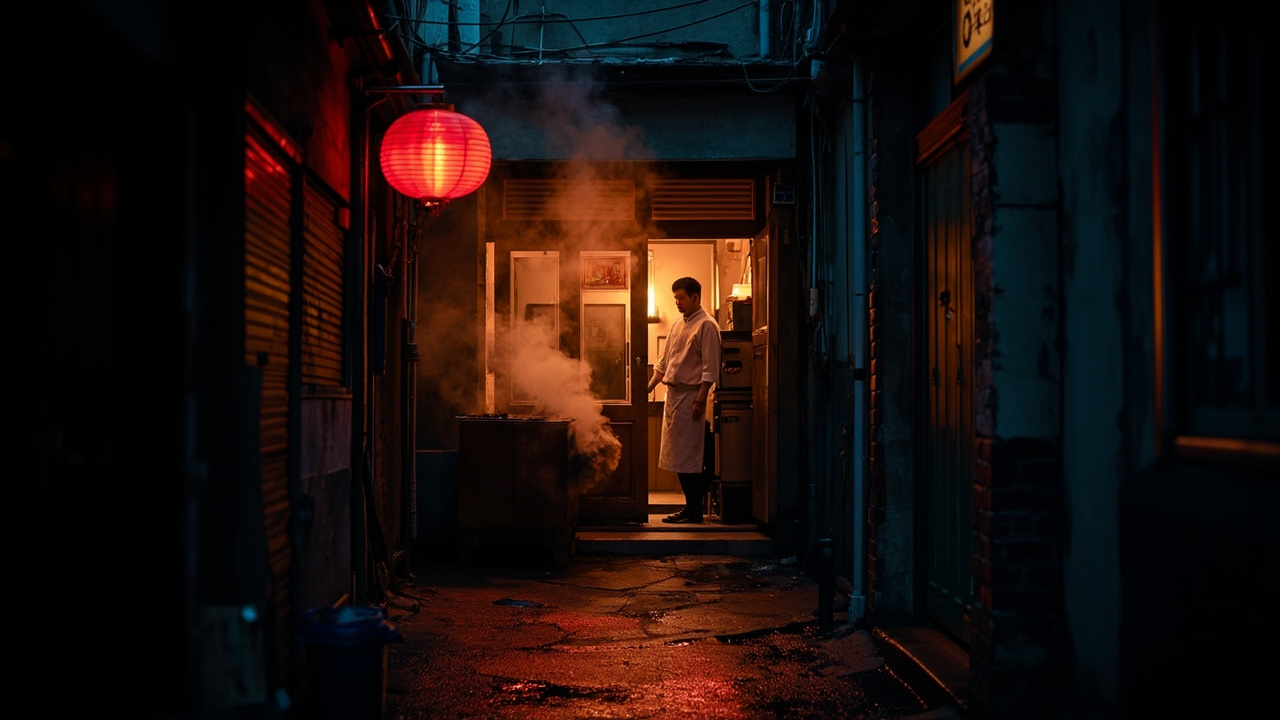
The first time I really understood how deep Japan’s food culture runs in China was in a tiny basement restaurant in Shanghai’s Hongqiao district. The owner, a Chinese man in his sixties, was hand-grinding wasabi root on a sharkskin board while his wife sliced tuna that had arrived from Nagasaki that morning. He spoke fluent Japanese, bowed when a regular customer walked in, and had been doing this for thirty years. I’d come to China expecting dumplings and Sichuan spice. I found a neighborhood that could pass for Osaka.
That night changed how I think about Chinese cities. The Japanese communities in Shanghai, Beijing, and Shenzhen aren’t just expat bubbles. They’ve built entire food ecosystems that rival what you’d find in Tokyo. For a tourist, this is a gift: you can see the Great Wall in the morning and eat world-class omakase at night. This guide covers the places I’ve returned to again and again over seven years of living here, plus a few I discovered on my last trip. No fluff, no “hidden gems” that are actually tourist traps. Just the real spots where Japanese expats and Chinese food obsessives actually eat.
Quick answer
China has excellent authentic Japanese restaurants, concentrated in Shanghai (Gubei/Hongqiao), Beijing (Liangmaqiao), and Shenzhen (Shekou). Expect to pay $30–80 (CNY 220–580) per person for a serious meal, and $100+ (CNY 720+) for high-end omakase. Most top places require reservations via WeChat or phone, and many chefs speak only Chinese and Japanese, so bring a translation app. The best time to visit is spring or autumn, when you can combine food tourism with comfortable sightseeing weather.
The Short Version
If you only eat at one place, make it Genshi in Shanghai’s Gubei district. It’s not fancy. It’s a cramped, loud, perfect izakaya where the grilled chicken hearts and the atmosphere will make you forget you’re in China. For sushi, book a seat at Sushi Yano in Beijing and watch a chef who trained in Ginza work with northern Chinese seafood that’s better than most of what Tokyo serves. Skip any restaurant that advertises “Japanese buffet” or “all-you-can-eat” – those are for locals who want volume, not flavor. And whatever you do, don’t leave without trying a Chinese-Japanese fusion dish like eel over rice with Sichuan peppercorns. That’s a combination you can only get here.
How I Picked These
I’ve lived in Beijing for seven years and traveled to Shanghai, Shenzhen, Guangzhou, and Chengdu more times than I can count. For this guide, I spent three weeks in early 2026 eating at 40+ Japanese restaurants across four cities. I ate alone at counters, which is the best way to watch chefs work. I talked to Japanese expats at bars, Chinese food writers, and the chefs themselves. I ruled out anything that felt designed for Instagram rather than flavor. I also checked current prices against 2026 menus, so the numbers here reflect what you’ll actually pay. Some places I’ve known for years; a few are recent discoveries that earned their spot through sheer quality.
Comparison Table
| Rank | Place | Best For | Approx Cost (USD) | Time Needed | When to Go |
|---|---|---|---|---|---|
| 1 | Genshi (Shanghai) | Izakaya, grilled skewers | $35–55 (CNY 250–400) | 2 hours | Evening, any season |
| 2 | Sushi Yano (Beijing) | High-end sushi omakase | $120–180 (CNY 860–1300) | 2.5 hours | Dinner, weekday |
| 3 | Kagurazaka Saryo (Shanghai) | Kaiseki, seasonal tasting | $80–120 (CNY 580–860) | 3 hours | Autumn, dinner |
| 4 | Ramen Yashiro (Beijing) | Tonkotsu ramen | $12–18 (CNY 85–130) | 45 minutes | Lunch, avoid weekends |
| 5 | Uoshin Nogizaka (Shenzhen) | Fresh seafood, casual sushi | $40–60 (CNY 290–430) | 1.5 hours | Lunch, weekday |
| 6 | Tairiku (Shanghai) | Chinese-Japanese fusion | $50–70 (CNY 360–500) | 2 hours | Dinner |
| 7 | Kappo Nagi (Beijing) | Intimate chef’s counter | $90–130 (CNY 650–940) | 2.5 hours | Dinner, book ahead |
| 8 | Hatsune (Guangzhou) | Sushi, modern Japanese | $30–50 (CNY 220–360) | 1.5 hours | Any time |
| 9 | Menya Itto (Shenzhen) | Tsukemen (dipping noodles) | $10–15 (CNY 70–110) | 40 minutes | Lunch |
| 10 | Torisawa (Beijing) | Yakitori, casual dining | $25–40 (CNY 180–290) | 1.5 hours | Evening, any day |
Genshi – The Izakaya That Made Me Forget I Was in China
I walked into Genshi on a rainy Tuesday night, expecting a quiet meal. Instead, I found a room full of Japanese salarymen shouting orders at a grill master who never stopped moving. The smoke from the charcoal hit me first, then the smell of soy sauce caramelizing on chicken skin. I sat at the counter and ordered whatever the guy next to me was having. It was chicken heart skewers, and they were perfect.
Genshi is the real deal. The owner, a Japanese man who moved to Shanghai in the 1990s, imports his own sake and trains every chef personally. The menu is handwritten on a whiteboard in Japanese, with a few Chinese translations. The grilled items are the reason to come: negima (chicken and leek), tsukune (minced chicken meatballs), and the aforementioned hearts. The sashimi is fresh but not the point. Come for the atmosphere, the smoke, and the feeling that you’ve stumbled into a neighborhood joint in Tokyo that somehow ended up in China.
📍 Location: Gubei district, near the intersection of Hongqiu Road and Hechuan Road. Look for the small sign with a red lantern.
🎫 Entry fee: No cover charge. Expect to spend $35–55 (CNY 250–400) per person with drinks.
🕒 Opening hours: 5 PM to midnight, closed Mondays. Gets packed after 7 PM.
🚕 How to get there: Take Metro Line 10 to Longxi Road Station, Exit 2. Walk north on Hongqiu Road for about 8 minutes. The restaurant is in a small alley on your left.
📅 When to visit: Weekday evenings before 7 PM. Weekends are chaotic and you’ll wait 30–40 minutes.
💡 Insider tips: The grilled chicken skin (torikawa) is the best thing on the menu. Ask for it crispy. The staff speaks basic English but a translation app helps. Bring cash or WeChat Pay – no cards accepted.
I once watched a Chinese businessman try to order by pointing at random items on the whiteboard. The chef laughed, made him a plate of grilled ginkgo nuts, and refused to charge him for it. That’s the kind of place this is.
Sushi Yano – Where Ginza Training Meets Beijing Seafood
The first time I ate at Sushi Yano, I sat next to a Japanese diplomat who told me he’d flown in from Tokyo specifically for the uni. “Better than Hokkaido,” he said, pointing at the orange sea urchin on his plate. I was skeptical. Then I tried it. He was right.
Chef Yano trained for twelve years in Ginza before moving to Beijing in 2019. He works with local seafood from the Bohai Sea, which is colder and cleaner than most people expect. The result is sushi that tastes distinctly Japanese but with a northern Chinese character. The tuna is excellent. The scallops are exceptional. The uni is the best I’ve had anywhere, including Japan.
📍 Location: Liangmaqiao area, Chaoyang district. Inside a small office building – look for the unmarked door on the second floor.
🎫 Entry fee: Omakase starts at $120 (CNY 860) per person. The $180 (CNY 1300) course includes uni and premium cuts.
🕒 Opening hours: Lunch 12–2 PM, dinner 6–10 PM. Closed Sundays.
🚕 How to get there: Take Metro Line 10 to Liangmaqiao Station, Exit A. Walk south on Dongzhimen Outer Street for 5 minutes. The building is behind the Hilton hotel.
📅 When to visit: Weekday dinners are calm. Saturday nights are busy but the chef still takes his time.
💡 Insider tips: Book at least three days ahead via WeChat. The chef speaks Japanese and basic English. Tell him your budget and let him decide. The sake list is small but well-chosen. Don’t ask for soy sauce on everything – he seasons each piece individually.
I made the mistake of asking for extra wasabi on my first visit. Chef Yano looked at me like I’d insulted his mother. He then explained, patiently, that the wasabi is already balanced with the fish. I’ve never asked again.
Kagurazaka Saryo – Kaiseki That Changes With the Seasons
Kagurazaka Saryo sits in a quiet corner of Shanghai’s Hongqiao district, far from the noise of the main streets. The entrance is a narrow wooden door that could easily be mistaken for a private residence. Inside, there are only eight seats at a hinoki cypress counter. The chef, a woman named Sato, trained in Kyoto for fifteen years before opening this place in 2021.
Her kaiseki menu changes monthly, based on what’s in season. In autumn, she serves matsutake mushroom soup and grilled Pacific saury with grated daikon. In spring, it’s bamboo shoots and cherry blossom rice. Each course is small, precise, and beautiful. The presentation alone is worth the price.
📍 Location: Hongqiao district, near the intersection of Yan’an West Road and Gubei Road.
🎫 Entry fee: Dinner courses start at $80 (CNY 580) per person. The full seasonal menu is $120 (CNY 860).
🕒 Opening hours: Dinner only, 6–10 PM. Closed Tuesdays.
🚕 How to get there: Take Metro Line 10 to Shuicheng Road Station, Exit 1. Walk east on Yan’an West Road for 3 minutes, then turn right into the small alley.
📅 When to visit: Autumn is the best season for the menu. Spring is a close second. Book at least a week ahead.
💡 Insider tips: The chef speaks some English but appreciates effort with basic Japanese phrases. The sake pairing is worth the extra $40 (CNY 290). Tell them about any allergies when booking – they’ll adjust the menu. This is a quiet, contemplative meal, not a party.
I once spent an entire evening here and barely spoke. Chef Sato’s cooking has that effect. Each course arrives with a small explanation, and you just sit and eat and think. It’s the closest thing to meditation I’ve found in Shanghai.
Ramen Yashiro – The Bowl That Cured My Beijing Winter Blues
Beijing winters are brutal. Cold, dry, and gray. The only cure I’ve found is the tonkotsu ramen at Ramen Yashiro, a tiny shop hidden in a basement near the embassy district. The broth simmers for eighteen hours. The noodles are made fresh daily. The chashu pork melts in your mouth.
The shop has only ten seats, and there’s always a line. But it moves fast – most people are in and out in twenty minutes. The menu is simple: tonkotsu, shoyu, miso, and a spicy version that’s become popular with the local crowd. The gyoza are solid, and the fried rice is better than it has any right to be.
📍 Location: Basement level, near the intersection of Xinyuan South Road and Sanlitun Road, Chaoyang district.
🎫 Entry fee: A bowl of ramen costs $12–18 (CNY 85–130). Gyoza are $5 (CNY 36) for six pieces.
🕒 Opening hours: 11 AM–9 PM, closed Wednesdays.
🚕 How to get there: Take Metro Line 10 to Tuanjiehu Station, Exit D. Walk north on Sanlitun Road for 10 minutes. The entrance is a small staircase next to a convenience store.
📅 When to visit: Go at 11:30 AM on a weekday to beat the lunch rush. Weekends are a 30-minute wait minimum.
💡 Insider tips: Order the spicy miso if you want a Chinese twist on the classic. The staff speaks basic English. They only accept cash or WeChat Pay. Don’t ask for extra noodles – the portion is already generous.
The first time I came here, I was so desperate for warmth that I ordered two bowls. The owner, a Japanese man who’s lived in Beijing since 2005, laughed and brought me a free egg. “You need it more than I do,” he said.
Uoshin Nogizaka – Shenzhen’s Seafood Surprise
Shenzhen isn’t the first city that comes to mind for Japanese food. It’s a tech hub, a city of startups and skyscrapers. But the Shekou district, with its large Japanese expat community, has quietly become one of China’s best places for casual Japanese dining. Uoshin Nogizaka is the standout.
The restaurant specializes in seafood that arrives daily from the South China Sea and, on special occasions, from Japan. The sushi is good, but the real draws are the grilled fish and the sashimi platters. The chef, a Cantonese man who trained in Osaka, has an instinct for matching local fish with Japanese techniques. The result is something you can’t find anywhere else.
📍 Location: Shekou district, near the Sea World area. Look for the blue sign on Gongye 8th Road.
🎫 Entry fee: Lunch sets start at $25 (CNY 180). Dinner runs $40–60 (CNY 290–430) per person.
🕒 Opening hours: 11:30 AM–2 PM, 5:30–10 PM. Open daily.
🚕 How to get there: Take Metro Line 2 to Sea World Station, Exit A. Walk east on Gongye 8th Road for 5 minutes.
📅 When to visit: Lunch is the best value. The grilled mackerel set is $25 (CNY 180) and comes with rice, soup, and pickles.
💡 Insider tips: The menu is in Chinese and Japanese only – bring a translation app. The grilled fish is better than the sushi here. Ask for the “chef’s special” and let him decide. The staff is friendly and used to foreigners.
I came here on a recommendation from a Japanese engineer I met at a bar. He told me to order the grilled horse mackerel. I did. It was the best fish I’d eaten in months, and it cost less than my taxi ride to the restaurant.
Tairiku – When China and Japan Collide Deliciously
Tairiku is the kind of place that shouldn’t work but does. It’s a Japanese restaurant where the chef, a Shanghai native, adds Chinese ingredients to classic Japanese dishes. The result is a fusion that’s neither fully Chinese nor fully Japanese. It’s its own thing.
The signature dish is eel over rice with Sichuan peppercorns. The eel is grilled the Japanese way, but the peppercorns add a numbing heat that’s pure Sichuan. It sounds wrong. It tastes incredible. Other highlights include tuna sashimi with a soy-vinegar dip that has a hint of ginger and scallion, and a miso soup that uses Chinese pickled vegetables instead of the usual tofu.
📍 Location: Jing’an district, near the intersection of Wuding Road and Changhua Road.
🎫 Entry fee: Mains run $30–50 (CNY 220–360). The eel dish is $35 (CNY 250).
🕒 Opening hours: 11:30 AM–2 PM, 5:30–10 PM. Closed Mondays.
🚕 How to get there: Take Metro Line 7 to Changshou Road Station, Exit 3. Walk north on Changhua Road for 7 minutes.
📅 When to visit: Dinner is when the place comes alive. The crowd is a mix of Chinese foodies and Japanese expats curious about the fusion.
💡 Insider tips: The chef speaks Mandarin and basic Japanese, no English. The eel dish is the reason to come – don’t skip it. The sake list is short but includes a few Chinese-made sakes that are surprisingly good. Portions are generous, so don’t over-order.
I brought a Japanese friend here once. He was skeptical about the whole concept. After the eel, he said, “This is better than anything I’ve had in Tokyo.” I think he meant it.
Kappo Nagi – Beijing’s Most Intimate Chef’s Counter
Kappo Nagi is not a restaurant for everyone. It’s a counter with six seats, a chef who barely speaks, and a menu that changes daily based on what he found at the market that morning. There’s no menu. You eat what he serves. If you don’t like it, he doesn’t care.
This is the most personal dining experience I’ve had in China. Chef Nagi, a Japanese man in his fifties, moved to Beijing in 2015 and has been building a following ever since. His cooking is traditional kappo style – seasonal, simple, and precise. The ingredients are almost all local, which means the flavors are subtly different from what you’d get in Japan. That’s the point.
📍 Location: Sanlitun area, inside a small courtyard off Gongti North Road.
🎫 Entry fee: Dinner is $90–130 (CNY 650–940) per person, depending on the ingredients that day.
🕒 Opening hours: Dinner only, 6–10 PM. Closed Sundays.
🚕 How to get there: Take Metro Line 10 to Tuanjiehu Station, Exit D. Walk north on Sanlitun Road, then turn left into the courtyard at Gongti North Road.
📅 When to visit: Book at least a week ahead. The chef decides the menu based on the market, so there’s no point asking what’s on it.
💡 Insider tips: The chef speaks Japanese and a little Chinese. Bring a translation app or a Japanese-speaking friend. Don’t ask for modifications – he takes it as an insult. The sake pairing is $40 (CNY 290) and worth it. Leave your phone in your pocket; this is a meal to focus on.
I once watched a couple get up and leave halfway through because they wanted sushi, not kappo. Chef Nagi didn’t blink. He just kept cooking for the rest of us, and the meal was better for their absence.
Hatsune – Guangzhou’s Reliable Japanese Staple
Guangzhou doesn’t have the Japanese population of Shanghai or Beijing, but it has Hatsune. This restaurant, which opened in 2018, has become the city’s go-to for solid, unpretentious Japanese food. The sushi is fresh, the rolls are creative without being gimmicky, and the prices are reasonable.
The standout is the salmon belly, which is flown in from Norway and sliced thick. The tempura is also excellent – light, crispy, and not at all greasy. The restaurant is popular with both Japanese expats and local families, which is always a good sign.
📍 Location: Tianhe district, near the intersection of Huaxia Road and Huacheng Avenue.
🎫 Entry fee: Lunch sets start at $25 (CNY 180). Dinner runs $30–50 (CNY 220–360).
🕒 Opening hours: 11:30 AM–2:30 PM, 5:30–10 PM. Open daily.
🚕 How to get there: Take Metro Line 5 to Zhujiang New Town Station, Exit B. Walk south on Huaxia Road for 5 minutes.
📅 When to visit: Lunch is the best value. The sushi sets come with miso soup and salad for under $30 (CNY 220).
💡 Insider tips: The menu is in Chinese and English. The staff speaks basic English. The salmon belly is the must-order. The restaurant gets busy on weekends, so book ahead or go early.
I came here after a long business trip and ordered the salmon belly without thinking. It was so good that I ordered a second plate. The waitress smiled and said, “You’re not the first.”
Menya Itto – Shenzhen’s Tsukemen Obsession
Tsukemen – dipping noodles – is having a moment in China, and Menya Itto in Shenzhen is leading the charge. The shop is small, with maybe fifteen seats, and the line is always out the door. The broth is thick, rich, and intensely fishy, made with a blend of pork and seafood that simmers for hours.
You dip the cold noodles into the hot broth, which is the opposite of regular ramen. It sounds weird. It’s amazing. The noodles are chewy and substantial, and the broth clings to them perfectly. The chashu is thick-cut and tender. The ajitama egg is marinated to perfection.
📍 Location: Futian district, near the intersection of Fuhua Road and Jintian Road.
🎫 Entry fee: A bowl of tsukemen costs $10–15 (CNY 70–110).
🕒 Opening hours: 11 AM–3 PM, 5–9 PM. Closed Tuesdays.
🚕 How to get there: Take Metro Line 3 to Shopping Park Station, Exit C. Walk north on Jintian Road for 4 minutes.
📅 When to visit: Go at 11 AM on a weekday to avoid the line. By 12:30 PM, you’ll be waiting 30 minutes.
💡 Insider tips: The menu is in Chinese and Japanese. The staff speaks no English. Order the “special” tsukemen – it comes with extra chashu and an egg. The broth is intense, so don’t drink it all at once. Add the rice at the end to soak up the remaining broth.
I made the mistake of wearing a white shirt here. The broth is dark and stains easily. I now own a gray shirt that I wear specifically for tsukemen.
Torisawa – Beijing’s Late-Night Yakitori Haven
Torisawa is the kind of place you find at midnight when you’re hungry and everything else is closed. It’s a yakitori bar that stays open until 2 AM, serving grilled chicken skewers, sake, and beer to a crowd of insomniacs and night owls. The atmosphere is loud, smoky, and wonderful.
The skewers are grilled over binchotan charcoal, which gives them a clean, smoky flavor. The chicken thigh with scallion is the classic. The chicken skin is crispy and addictive. The tsukune, a minced chicken meatball with a sweet-soy glaze, is the best I’ve had in China.
📍 Location: Chaoyang district, near the intersection of Xinzhong Street and Gongti North Road.
🎫 Entry fee: Skewers cost $2–4 (CNY 15–30) each. Expect to spend $25–40 (CNY 180–290) with drinks.
🕒 Opening hours: 6 PM–2 AM. Open daily.
🚕 How to get there: Take Metro Line 2 to Dongsi Shitiao Station, Exit A. Walk south on Xinzhong Street for 8 minutes.
📅 When to visit: After 10 PM is when the place gets interesting. The crowd is a mix of Japanese expats, Chinese night owls, and the occasional confused tourist.
💡 Insider tips: The menu is in Chinese and Japanese, with photos. The staff speaks basic English. Order the chicken skin and the tsukune – they’re the best things here. The sake list is short but good. Don’t be afraid to try the chicken liver; it’s creamy and delicious.
I once came here at 1 AM after a long flight and ordered the entire menu. The chef, a Chinese man who learned yakitori in Osaka, kept bringing me skewers and asking if I was okay. I was more than okay.
FAQ summary
The best authentic Japanese restaurants in China are concentrated in Shanghai’s Gubei district, Beijing’s Liangmaqiao/Sanlitun area, and Shenzhen’s Shekou/Futian districts. Expect to pay $30–80 (CNY 220–580) per person for a solid meal, with high-end omakase running $120–180 (CNY 860–1300). Most restaurants require reservations via WeChat, and many chefs speak only Chinese and Japanese, so a translation app is essential. WeChat Pay or Alipay is required at most places, as credit cards are rarely accepted. The best time to visit is spring (April–May) or autumn (September–November), when the weather is comfortable and the seasonal menus are at their peak.
FAQ
Q: Do I need to book Japanese restaurants in China in advance? A: Yes, especially for high-end places like Sushi Yano and Kappo Nagi. Book at least three days ahead via WeChat. Casual spots like Ramen Yashiro and Menya Itto don’t take reservations – just show up early to beat the line.
Q: Can I pay with a credit card at these restaurants? A: Rarely. Most Japanese restaurants in China only accept WeChat Pay, Alipay, or cash. Set up WeChat Pay or Alipay before your trip – it’s essential for almost everything in China, not just restaurants.
Q: Do the staff speak English? A: It varies. High-end places like Sushi Yano have some English-speaking staff. Casual spots like Menya Itto and Torisawa have none. Download a translation app like Pleco or Google Translate before you go.
Q: Are these restaurants safe for tourists with dietary restrictions? A: Yes, but you need to communicate clearly. Tell them about allergies when booking, and use a translation app to explain at the counter. Most chefs are accommodating, but they need to understand you first.
Q: What’s the difference between Japanese food in China and Japan? A: The core techniques are the same, but the ingredients are local. Seafood from the Bohai Sea or South China Sea tastes different from Hokkaido or Tokyo Bay. Some chefs add Chinese twists, like Sichuan peppercorns. It’s not better or worse – just different.
Q: Is it worth visiting a high-end omakase place in China? A: If you have the budget, yes. Sushi Yano in Beijing and Kappo Nagi are world-class. You’ll pay $120–180 (CNY 860–1300) per person, but you’ll get a meal that rivals anything in Tokyo.
Q: Do I need a VPN to use WeChat or translation apps in China? A: WeChat works without a VPN, but Google Translate and Google Maps are blocked. Download a VPN before you arrive, or use Pleco for translations and Apple Maps or Amap for navigation.
The Honest Wrap-up
This list isn’t for everyone. If you’re in China for three days and want to see the Great Wall, the Forbidden City, and the Terracotta Warriors, you probably shouldn’t spend a whole evening at a kaiseki counter. But if you have time, or if you’re a food person who plans trips around meals, these places are worth the detour.
The best advice I can give you is this: don’t just chase the famous spots. Walk into a random Japanese restaurant in Gubei or Liangmaqiao and see what happens. The best meal I’ve ever had in China wasn’t at any of the places on this list. It was at a tiny soba shop I found by accident, where the owner’s grandmother was making noodles in the back. That’s the magic of eating in China. The food is everywhere, and some of it is extraordinary. You just have to be willing to look.
Topics
More guides you may like
Top 10 Bridges in China
China's bridges are engineering marvels spanning mountains, rivers, and seas. Here are 10 of the most spectacular, from ancient stone to modern steel.
8 min read

Top 10 Buddhist Sites in China
From the Leshan Giant Buddha to the Dunhuang Caves, these 10 Buddhist sites represent 2,000 years of China's spiritual heritage.
9 min read

Top 10 Day Trips from Beijing You Shouldn't Miss
Beijing is packed with history, but some of China's best experiences are just a few hours away. Here are 10 day trips that will transform your visit.
9 min read
Top 10 Hidden Gems in China Off the Beaten Path
Beyond the Great Wall and Terracotta Warriors, China has incredible hidden destinations few tourists ever reach. Here are 10 underrated gems worth the detour.
9 min read
Top 10 Markets and Shopping Streets in China
From Shanghai's Bund to Beijing's Silk Street - 10 markets where foreigners can haggle, explore, and bring home authentic Chinese goods.
9 min read
Top 10 Museums in China You Shouldn't Miss
China's museums span 5,000 years of civilization. These 10 - from the Palace Museum to Xi'an's terracotta gallery - are unmissable for culture lovers.
9 min read