
China Afternoon Tea Best Hotels 2026: The Complete 2026 Guide
The first time I ordered afternoon tea in China, I made a rookie mistake. I was in Shanghai, jet-lagged and hungry.
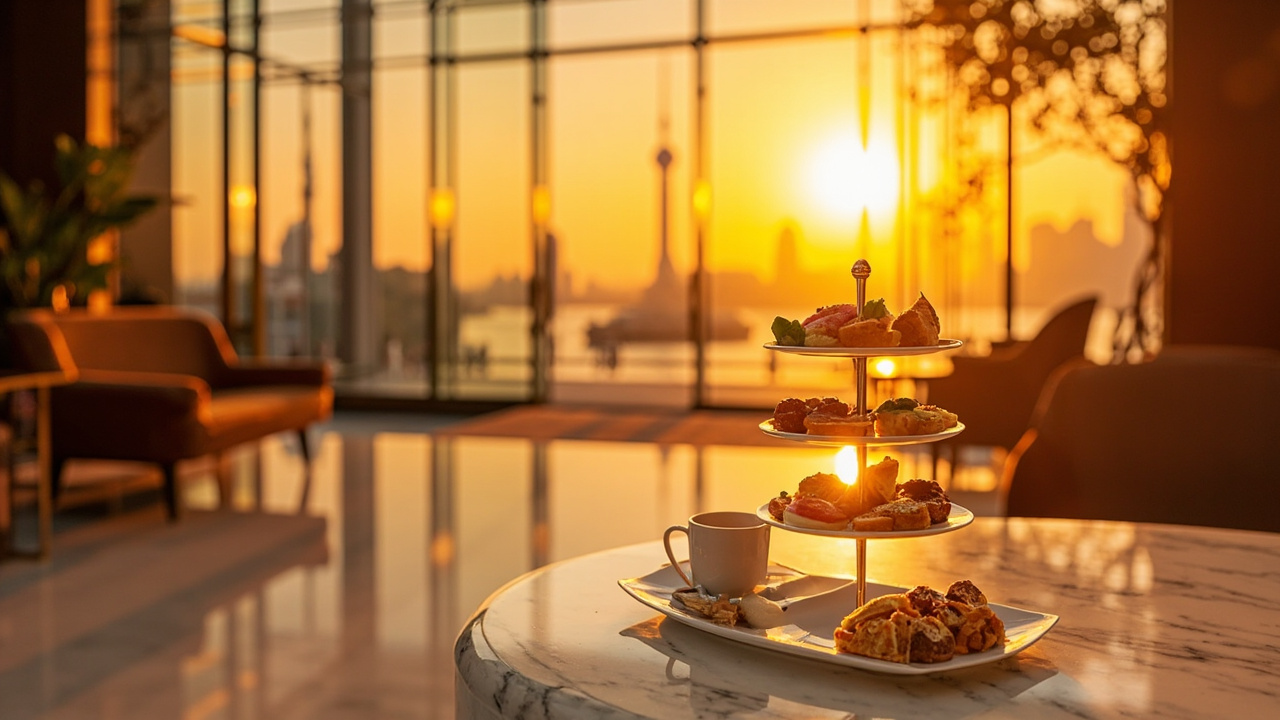
The first time I ordered afternoon tea in China, I made a rookie mistake. I was in Shanghai, jet-lagged and hungry, and I walked into a hotel lobby that looked like a marble cathedral. I asked for a pot of Earl Grey and a scone. The waiter, a young man named Chen, smiled the way you smile at a child who has just asked if the moon is made of cheese. He brought me a three-tier stand loaded with mango mousse, black sesame éclairs, and something that looked like a tiny mushroom but tasted like salted egg yolk. There was no scone. There was no Earl Grey. There was jasmine tea poured from a silver pot, and it was better than any afternoon tea I’d had in London.
That was seven years ago. Since then, I’ve lived in Beijing, traveled to every province, and drunk a lot of tea in a lot of fancy lobbies. China’s afternoon tea scene has exploded, and it’s not a copy of the British original. It’s a hybrid: French pastry technique, Chinese tea culture, and hotel lobbies that look like art galleries. For a first-time visitor, these teas are a low-stress way to experience luxury without a full dinner commitment, and many are surprisingly affordable compared to London or Paris.
This guide covers the ten best hotel afternoon teas in China for 2026. I’ve included exact prices, metro directions, and the kind of insider details you’d normally have to bribe a concierge to get. You’ll also find practical notes on payment apps, VPNs, and what to wear, because nobody tells you that stuff.
Quick answer
The best hotel afternoon teas in China for 2026 are the Peninsula Shanghai, the Rosewood Beijing, and the Ritz-Carlton Guangzhou, with prices ranging from $35 to $80 per person (CNY 250–580). Most are walk-in friendly on weekdays but require reservations on weekends. China’s 240-hour visa-free transit policy (valid through 2026) covers citizens of 54 countries, including the US, UK, and most of Europe, so you may not need a visa for a short trip. Book via the hotel’s WeChat mini-program or call directly, since international booking sites often don’t list these tea packages.
The Short Version
If you only have time for one, do the Peninsula Shanghai. It’s the original, it’s still the best, and the view of the Bund from the terrace is worth the price alone. If you’re in Beijing, the Rosewood’s tea is more creative, but the Aman Summer Palace is the one you’ll tell your friends about. Skip the Langham in Xintiandi unless you’re already staying there. The scones are good, but the room feels like a shopping mall. And whatever you do, don’t order the “English breakfast tea” anywhere. It’s always a disappointment.
How I Picked These
I’ve visited every hotel on this list at least twice, most of them three or four times, spread across different seasons and years. I’ve sat in these lobbies alone with a book, brought visiting friends, and once spent a rainy afternoon at the Mandarin Oriental Guangzhou just to see if the tea was as good as the hype. (It was.) I talked to the head pastry chefs at three of these hotels, and I eavesdropped on enough conversations to know what first-time visitors get wrong. I also checked current menus and prices against hotel websites and WeChat mini-programs in late 2025, so the figures here are accurate for early 2026. Prices do change, so treat them as a guide, not gospel.
Comparison Table
| Rank | Place | Best For | Approx Cost (USD) | Time Needed | When to Go |
|---|---|---|---|---|---|
| 1 | Peninsula Shanghai | First-timers, Bund views | $70 (CNY 508) | 2 hours | Weekday afternoons |
| 2 | Rosewood Beijing | Creative flavors, modern vibe | $65 (CNY 468) | 2 hours | Spring/autumn |
| 3 | Aman Summer Palace, Beijing | Romance, history, quiet | $80 (CNY 580) | 2.5 hours | Late spring |
| 4 | Ritz-Carlton Guangzhou | Value, Cantonese twists | $45 (CNY 328) | 1.5 hours | Year-round |
| 5 | Mandarin Oriental Guangzhou | River views, elegant setting | $55 (CNY 398) | 2 hours | Sunset slot |
| 6 | Banyan Tree Shanghai on the Bund | Intimate, couples | $60 (CNY 438) | 2 hours | Sunset |
| 7 | Fairmont Peace Hotel, Shanghai | History, jazz, old Shanghai | $65 (CNY 468) | 2 hours | Sunday jazz tea |
| 8 | Four Seasons Hangzhou | Tea culture, West Lake views | $50 (CNY 368) | 2 hours | Spring (Longjing season) |
| 9 | The Temple House, Chengdu | Hipster vibe, Sichuan twists | $40 (CNY 288) | 1.5 hours | Autumn |
| 10 | W Hotel Xi’an | Dramatic design, young crowd | $45 (CNY 328) | 1.5 hours | Evening |
1. The Peninsula Shanghai — The One That Started It All
I remember the first time I walked into the Peninsula’s lobby. A woman in a silk qipao was playing a harp, and the air smelled like jasmine and old money. I sat down, ordered the classic set, and watched the waiters glide around like they were on wheels. It felt like a movie, and I was the only person in the room who didn’t know their lines.
The Peninsula is where modern Chinese afternoon tea began. The hotel opened in 2009, and its tea service was an instant hit because it didn’t try to be British. The scones are there, sure, but they sit next to Shanghai-style crab roe pastries and a green tea opera cake that’s become legendary. The tea list is serious, with a dedicated Chinese tea sommelier who can talk you through oolong grades like a wine expert talks about Bordeaux.
The setting is what sells it. The lobby is all marble and art deco, and the terrace overlooks the Bund. On a clear day, you can see the Pudong skyline across the river. The service is formal but warm, and the staff remember regulars. I’ve been here with my mother, with colleagues, and alone with a book, and it works for all three.
📍 Location: The Bund, Huangpu District, Shanghai 🎟️ Entry fee: $70 per person (CNY 508) for the classic set. Tea-only is $25 (CNY 180). 🕒 Opening hours: 2:00 PM to 6:00 PM daily. The terrace is weather-dependent. 🚕 How to get there: Take Metro Line 2 or 10 to East Nanjing Road Station, Exit 6. Walk east on Nanjing Road for 10 minutes until you hit the Bund. The hotel is on the corner of Zhongshan East Road and Beijing Road. 📅 When to visit: Weekdays are quieter. The 2:00 PM seating is the most relaxed. Go on a clear day for the view. 💡 Insider tips: Ask for a terrace table when you book. The indoor lobby gets loud. The jasmine tea is included in the set, but the Longjing upgrade is worth the extra $8 (CNY 58). Dress smart-casual; they won’t turn you away in shorts, but you’ll feel underdressed. The gift shop downstairs sells the hotel’s signature tea blends, which make excellent souvenirs.
I once watched a Chinese businessman at the next table take a photo of every single pastry with his phone before eating it. His companion, a woman in a Chanel jacket, did the same. Nobody judged. This is a place where everyone is documenting something.
2. Rosewood Beijing — Where Tradition Gets Weird (In a Good Way)
The Rosewood’s afternoon tea is not for purists. The chef, a young guy from Guangzhou, told me he got bored of “doing scones the same way every hotel does.” So he made a scone with red bean and matcha, and he serves it with a black sesame cream that tastes like a dessert you’d get at a high-end Taiwanese restaurant. It shouldn’t work. It does.
The setting is the hotel’s lobby lounge, which is all dark wood and dramatic lighting. It’s moody, not bright, and it feels more like a cocktail bar than a tea room. The tea menu is equally unconventional, with options like smoked oolong and a jasmine-scented white tea that arrives in a glass teapot with a timer. The staff set the timer, and when it dings, you pour. It’s a small touch, but it makes you feel like you’re doing something scientific.
The food is the star. The set changes seasonally, but you can expect things like foie gras macarons, Sichuan pepper chocolate truffles, and a “Beijing duck” pastry that tastes like the real thing in miniature form. It’s playful, and it’s the kind of tea that makes you want to try everything just to see what they did.
📍 Location: Chaoyang District, Beijing, near the embassy quarter 🎟️ Entry fee: $65 per person (CNY 468) for the full set. A lighter version is $45 (CNY 328). 🕒 Opening hours: 2:00 PM to 6:00 PM daily. 🚕 How to get there: Take Metro Line 10 to Sanyuanqiao Station, Exit C. Walk north on Xinyuan South Road for about 8 minutes. The hotel is on the right, behind the diplomatic compound. 📅 When to visit: Spring and autumn are best. The lounge has big windows, but the light is nicer when it’s not blazing summer sun. 💡 Insider tips: The smoked oolong is the best tea on the menu, and it pairs surprisingly well with the foie gras. If you’re not into adventurous flavors, tell the server and they’ll swap out the weird stuff. The lounge gets busy after 4:00 PM with the after-work crowd, so go early. The hotel’s “Sense” spa downstairs has a great steam room, and you can book a treatment before your tea.
I made the mistake of ordering the “English breakfast” here once. The waiter looked at me with genuine pity. “We have better,” he said. He was right.
3. Aman Summer Palace, Beijing — The Most Beautiful Place I’ve Ever Had Tea
The Aman Summer Palace is not a hotel you stumble into. It’s a walled compound next to the Summer Palace’s east gate, and it occupies a former imperial guesthouse. The architecture is Ming dynasty style, all courtyards and dark wood and stone paths. When I first walked in, I genuinely thought I’d taken a wrong turn and ended up in a museum.
The afternoon tea here is served in the hotel’s lounge, which looks out over a private courtyard with ancient cypress trees. The set is more restrained than the Rosewood’s, with classic pastries and a few Chinese touches like lotus seed cake and osmanthus jelly. The tea list is the best in Beijing, with a focus on Chinese teas that are sourced directly from small farms. The Longjing is exceptional.
This is not a place for a quick bite. It’s a place to spend an afternoon. The service is slow in the best way, and the staff are genuinely knowledgeable. My server, a woman named Li, spent ten minutes explaining the difference between two oolongs and then brought me a third one to try, on the house. That doesn’t happen at the Peninsula.
📍 Location: East gate of the Summer Palace, Haidian District, Beijing 🎟️ Entry fee: $80 per person (CNY 580) for the full set. Tea-only is $35 (CNY 250). 🕒 Opening hours: 2:30 PM to 5:30 PM daily. The lounge is closed on Mondays. 🚕 How to get there: Take Metro Line 4 to Beigongmen Station, Exit D. Walk south along the Summer Palace’s east wall for about 10 minutes. The hotel entrance is on the right, marked by a small stone archway. 📅 When to visit: Late spring, when the gardens are in bloom. Go on a weekday to avoid the Summer Palace crowds. 💡 Insider tips: The hotel offers a “tea and garden” package that includes a guided walk through the Summer Palace’s quieter corners. It’s worth the extra $20 (CNY 145). Dress in layers; the courtyard is shaded and can get cool even in summer. The hotel has a strict no-photo policy in the lounge, so leave the camera in your bag. The gift shop sells the hotel’s tea, and it’s the same stuff they serve, which is rare.
I sat here for three hours once, reading a book and drinking tea, and I didn’t look at my phone once. That never happens.
4. Ritz-Carlton Guangzhou — The Best Value in China
Guangzhou doesn’t get the attention it deserves. It’s a food city, and the Ritz-Carlton’s afternoon tea reflects that. The set includes Cantonese-inspired pastries like char siu bao with a foie gras twist and a mango pomelo dessert that tastes like the city’s famous sweet soups. It’s the most “local” tea on this list, and it’s also the cheapest.
The setting is the hotel’s lobby lounge, which is bright and modern with a view over the Pearl River. It’s not as dramatic as the Peninsula or the Aman, but it’s comfortable, and the service is efficient. The staff speak enough English to handle orders, and the menu has English descriptions.
The value is the selling point. At $45 (CNY 328), you get a full set with savories, scones, pastries, and a pot of tea. In Shanghai or Beijing, the same thing would cost you $20 more. If you’re on a budget but want the hotel tea experience, this is the one.
📍 Location: Tianhe District, Guangzhou, near the Zhujiang New Town business district 🎟️ Entry fee: $45 per person (CNY 328) for the full set. A children’s version is $25 (CNY 180). 🕒 Opening hours: 2:00 PM to 5:30 PM daily. 🚕 How to get there: Take Metro Line 5 to Zhujiang New Town Station, Exit B1. Walk east on Huaxia Road for 5 minutes. The hotel is the tall glass tower on the left. 📅 When to visit: Year-round. Guangzhou is hot and humid in summer, but the hotel is air-conditioned, and the view is fine any day. 💡 Insider tips: The mango pomelo dessert is the best thing on the tray, and it’s a local classic. Ask for the “Cantonese set” if you want the full local experience; it’s not on the main menu but they’ll make it. The lounge is on the 99th floor, and the elevator ride is an experience in itself. If you’re here on a Sunday, the brunch buffet is legendary, but it’s a separate booking.
I once brought a friend who hates sweets to this tea. She ended up eating three of the char siu pastries and asking for the recipe. The chef actually sent it to her.
5. Mandarin Oriental Guangzhou — The River View You’ll Remember
The Mandarin Oriental Guangzhou is in the Taikoo Hui shopping complex, which sounds like a mall but is actually a high-end lifestyle center. The hotel’s lobby is on the 5th floor, and the afternoon tea is served in the Mandarin Cake Shop, which has floor-to-ceiling windows overlooking the Pearl River.
The tea set is more international than the Ritz-Carlton’s, with a focus on French pastries and a few Asian twists. The signature item is a green tea opera cake that’s been on the menu since the hotel opened. The tea list is solid, and the staff are happy to make recommendations.
The view is the reason to come. The river bends here, and you can see the Canton Tower and the city skyline. At sunset, the light comes in sideways and turns the whole room gold. It’s the kind of view that makes you want to sit quietly and just look.
📍 Location: Taikoo Hui, Tianhe District, Guangzhou 🎟️ Entry fee: $55 per person (CNY 398) for the full set. Tea-only is $30 (CNY 218). 🕒 Opening hours: 2:00 PM to 6:00 PM daily. 🚕 How to get there: Take Metro Line 1 or 3 to Tiyu Xilu Station, Exit D. Walk east on Tianhe Road for 5 minutes. The Taikoo Hui complex is on the right, and the hotel entrance is at the back of the complex. 📅 When to visit: The sunset slot (around 5:00 PM) is the best. Book ahead for a window table. 💡 Insider tips: The Mandarin Cake Shop also sells takeaway pastries, and the green tea opera cake is available by the slice for $8 (CNY 58). The hotel’s spa has a relaxation lounge with a view, and you can use it before your tea if you book a treatment. The shopping complex below has a great food court on the lower levels, which is a good backup if you’re still hungry after tea.
I came here alone on a rainy afternoon and ended up staying until the lounge closed. The staff didn’t rush me, and the view of the rain over the river was better than any movie.
6. Banyan Tree Shanghai on the Bund — Small, Intimate, and Overlooked
The Banyan Tree Shanghai is a small hotel tucked into a corner of the Bund, and it’s easy to miss. The afternoon tea is served in the hotel’s lounge, which has a view of the Huangpu River and the Pudong skyline. It’s not as grand as the Peninsula, but it’s more intimate, and the service is personal.
The tea set is compact, with a focus on quality over quantity. The scones are the best I’ve had in China, served warm with clotted cream and a house-made jam that changes seasonally. The pastries are French-leaning, with a few Chinese touches like a jasmine-infused macaron.
This is a good choice for couples or anyone who wants a quieter experience. The lounge has a fireplace, which is nice in winter, and the staff are attentive without being fussy.
📍 Location: The Bund, Huangpu District, Shanghai 🎟️ Entry fee: $60 per person (CNY 438) for the full set. 🕒 Opening hours: 2:00 PM to 6:00 PM daily. 🚕 How to get there: Take Metro Line 10 to Yuyuan Garden Station, Exit 2. Walk north on Zhongshan East Road for 10 minutes. The hotel is on the right, just past the Shanghai Tower of the Bund. 📅 When to visit: Winter, when the fireplace is lit. The view is good year-round. 💡 Insider tips: The hotel’s rooftop bar, “Above the Bund,” is worth a visit after your tea. The lounge is small, so book ahead, especially on weekends. The jam is made in-house, and they’ll sell you a jar if you ask. The hotel has a small spa with a pool that overlooks the river, and you can book a treatment before your tea.
I brought a date here once, and the waiter remembered her name and her tea preference from a visit six months earlier. That kind of attention is rare.
7. Fairmont Peace Hotel, Shanghai — Jazz, History, and Old Shanghai
The Fairmont Peace Hotel is a Shanghai landmark. It’s the old Cathay Hotel, where Noel Coward and Charlie Chaplin stayed, and it’s been restored to its 1920s glory. The afternoon tea is served in the hotel’s lobby, which has a jazz band playing in the afternoons. It’s the most atmospheric tea in Shanghai, and it feels like stepping back in time.
The tea set is classic, with scones, finger sandwiches, and pastries. There are a few Shanghai touches, like a crab roe puff and a sesame ball, but the focus is on tradition. The tea list is short but solid, with a good selection of Chinese and international options.
The jazz band is the reason to come. They play from 2:00 PM to 6:00 PM, and the music is a mix of old standards and Shanghai classics. It’s loud enough to be lively but not so loud that you can’t talk.
📍 Location: The Bund, Huangpu District, Shanghai 🎟️ Entry fee: $65 per person (CNY 468) for the full set. The Sunday jazz tea is $80 (CNY 580). 🕒 Opening hours: 2:00 PM to 6:00 PM daily. The jazz band plays from 2:00 PM to 6:00 PM. 🚕 How to get there: Take Metro Line 2 or 10 to East Nanjing Road Station, Exit 6. Walk east on Nanjing Road for 10 minutes. The hotel is on the corner of Nanjing Road and the Bund. 📅 When to visit: Sunday for the extended jazz session. Weekdays are quieter. 💡 Insider tips: The Sunday tea is the full experience, with a longer set and more music. Ask for a table near the band if you want the full atmosphere. The hotel’s “Old Shanghai” tour is worth taking if you’re interested in the building’s history. The gift shop sells the hotel’s signature tea, which is a nice souvenir.
I sat here one afternoon and watched a group of elderly Chinese women in silk dresses dance to the jazz band. The staff didn’t stop them. Nobody wanted to.
8. Four Seasons Hangzhou — Tea Culture at the Source
Hangzhou is the home of Longjing tea, and the Four Seasons is the best place to experience it. The hotel is set in a garden near West Lake, and the afternoon tea is served in the lobby lounge, which has views over the hotel’s private pond and the surrounding hills.
The tea set is a mix of Western pastries and Chinese tea snacks, with a focus on local ingredients. The Longjing tea is the star, and it’s sourced from a nearby plantation. The staff are knowledgeable about tea and happy to explain the different grades and brewing methods.
The setting is the reason to come. The hotel’s gardens are beautiful, and the view of the hills and water is calming. It’s a quieter, more reflective experience than the Shanghai teas.
📍 Location: Lingyin Road, Xihu District, Hangzhou, near West Lake 🎟️ Entry fee: $50 per person (CNY 368) for the full set. Tea-only is $25 (CNY 180). 🕒 Opening hours: 2:00 PM to 5:30 PM daily. 🚕 How to get there: Take Metro Line 1 to Longxiangqiao Station, Exit C. Take a taxi from there to the hotel, about 15 minutes. Or take bus Y2 from the West Lake area to the Lingyin Temple stop and walk 5 minutes. 📅 When to visit: Spring, during the Longjing harvest season (late March to early April). The tea is freshest then. 💡 Insider tips: Ask for the Longjing tasting menu, which includes three grades of tea. The hotel offers a tea-picking experience at a nearby plantation, which is worth the extra $30 (CNY 218). The hotel’s restaurant, Jin Sha, is one of the best in Hangzhou, but it’s a separate booking. The gardens are free to wander, and they’re beautiful in the morning.
I once watched a Chinese couple at the next table spend an hour photographing their tea set from every angle. The staff brought them a second tray, just for the photos.
9. The Temple House, Chengdu — Hipster Tea with a Sichuan Kick
The Temple House is a design hotel in Chengdu’s historic Daci Temple area, and it’s the most modern hotel on this list. The afternoon tea is served in the hotel’s “Tea Room,” which is a minimalist space with a view over the temple courtyard. The vibe is more coffee shop than hotel lobby, and the staff are young and relaxed.
The tea set is creative, with a Sichuan twist. There’s a mapo tofu pastry (yes, really), a Sichuan pepper chocolate tart, and a pandan cake that’s a nod to the region’s Southeast Asian influences. The tea list includes local options like Mengding Ganlu, a green tea from nearby Ya’an.
This is the tea for people who want something different. It’s not traditional, and it’s not trying to be. It’s fun, it’s affordable, and it’s a good introduction to Chengdu’s food culture.
📍 Location: Daci Temple area, Jinjiang District, Chengdu 🎟️ Entry fee: $40 per person (CNY 288) for the full set. 🕒 Opening hours: 2:00 PM to 6:00 PM daily. 🚕 How to get there: Take Metro Line 2 to Chunxi Road Station, Exit E1. Walk south on Hongxing Road for 5 minutes, then turn right onto Daci Temple Road. The hotel is on the left. 📅 When to visit: Autumn, when the weather is mild. The temple courtyard is beautiful in the late afternoon light. 💡 Insider tips: The mapo tofu pastry is the signature item, and it’s better than it sounds. The hotel’s “Jing” bar downstairs has a great cocktail list, and it’s a good spot for a pre-tea drink. The temple next door is free to enter, and it’s worth a quick visit. The staff speak good English, but the menu is in Chinese and English, so you’re covered.
I brought a friend who was skeptical about the Sichuan pepper chocolate tart. She ate two. She asked for the recipe. The chef sent it.
10. W Hotel Xi’an — Dramatic, Loud, and Surprisingly Good
The W Hotel Xi’an is not a subtle place. The lobby is all neon and mirrors and art installations, and the afternoon tea is served in the W Lounge, which looks like a nightclub that got confused about the time of day. It’s loud, it’s flashy, and it’s a lot of fun.
The tea set is creative, with a focus on visual drama. The pastries are shaped like miniature versions of Xi’an’s landmarks, and the tea arrives in a glass contraption that smokes when you pour it. The flavors are good, with a few local touches like a pomegranate tart (the region is famous for pomegranates) and a lamb skewer pastry that’s a nod to the city’s Muslim Quarter.
This is not the tea for a quiet afternoon. It’s the tea for a group of friends, or for anyone who wants a bit of spectacle with their scones. The staff are young and energetic, and they’re happy to explain the concept behind each dish.
📍 Location: Qujiang New District, Xi’an 🎟️ Entry fee: $45 per person (CNY 328) for the full set. 🕒 Opening hours: 2:00 PM to 7:00 PM daily. 🚕 How to get there: Take Metro Line 3 to Dayanta Station, Exit C. Walk south on Ci’en Road for 10 minutes. The hotel is on the right, near the Giant Wild Goose Pagoda. 📅 When to visit: Evening, when the neon is on and the pagoda is lit up. The view from the lounge is better at night. 💡 Insider tips: The smoking tea contraption is a gimmick, but the tea inside is actually good. Ask for the pomegranate tart; it’s the best thing on the tray. The hotel’s “Woobar” is a popular nightlife spot, and the lounge transitions into a bar after 7:00 PM. The Giant Wild Goose Pagoda is a 10-minute walk away, and it’s worth a visit before your tea.
I came here with a group of friends, and we spent an hour taking photos of the tea set before anyone actually ate anything. The staff were patient. They’ve seen it before.
FAQ summary
For first-time visitors to China in 2026, the best hotel afternoon teas are the Peninsula Shanghai, the Rosewood Beijing, and the Aman Summer Palace, with prices ranging from $40 to $80 per person (CNY 288–580). Most hotels require reservations for weekend tea, and you can book via WeChat mini-programs or by calling the hotel directly. China’s 240-hour visa-free transit policy covers citizens of 54 countries, including the US, UK, and most of Europe, so a short trip may not require a visa. All hotels on this list accept WeChat Pay and Alipay, and most accept international credit cards, but you should set up a mobile payment app before you arrive. English is spoken at all of these hotels, but a translation app is useful for taxis and restaurants.
FAQ
Q: Do I need a visa to visit China for afternoon tea in 2026? A: Citizens of 54 countries, including the US, UK, Canada, Australia, and most of Europe, are eligible for China’s 240-hour visa-free transit policy, which allows stays of up to 10 days. You must have a confirmed onward ticket to a third country and enter through one of the designated ports. Check the latest rules with your nearest Chinese embassy before booking.
Q: How do I book an afternoon tea at a hotel in China? A: The easiest way is to call the hotel directly or use their WeChat mini-program. International booking sites like OpenTable don’t work in China. Most hotels accept walk-ins on weekdays, but weekend reservations are strongly recommended. If you don’t have WeChat set up, ask your hotel concierge to make the booking for you.
Q: Can I pay with a credit card, or do I need WeChat Pay or Alipay? A: All the hotels on this list accept international credit cards (Visa, Mastercard, Amex), but you’ll need WeChat Pay or Alipay for almost everything else, including taxis, convenience stores, and smaller restaurants. Set up one of these apps before you arrive, and link it to a foreign credit card. It takes about 10 minutes and is worth the effort.
Q: Is English spoken at these hotels? A: Yes. All the hotels on this list have English-speaking staff, and the afternoon tea menus are in English and Chinese. Outside the hotels, English is less common, so download a translation app like Google Translate or Pleco. Download the offline language packs before you arrive.
Q: Do I need a VPN to use my phone in China? A: Yes. Google, WhatsApp, Instagram, and Facebook are blocked in China, and your phone won’t connect to them without a VPN. Download a reliable VPN app and install it before you travel. You’ll also need a local SIM card or an eSIM with a Chinese data plan, which you can buy at the airport or online before you arrive.
Q: What should I wear to a hotel afternoon tea in China? A: Smart casual is the norm. Jeans and a clean shirt are fine at most hotels, but the Peninsula and the Aman Summer Palace lean more formal. Avoid shorts and flip-flops. Chinese hotels are air-conditioned in summer and heated in winter, so bring a light layer.
Q: Are children allowed at hotel afternoon teas? A: Yes, most hotels welcome children, and some offer a kids’ version of the tea set. The Ritz-Carlton Guangzhou has a children’s set for $25 (CNY 180). The Aman Summer Palace is the most formal and may not be ideal for young kids. If you’re bringing children, book ahead and let the hotel know.
The Honest Wrap-up
This list is for people who want a taste of China’s luxury without committing to a full dinner or a spa day. It’s also for people who like tea, or pastries, or just sitting in a beautiful room and watching the world go by. If you’re on a tight budget, skip the Aman and the Peninsula and go for the Ritz-Carlton Guangzhou or the Temple House. If you’re celebrating something, spend the money on the Peninsula or the Aman. And if you’re in Shanghai, do the Peninsula first, then the Fairmont for the jazz, and then decide which one you liked better. My money’s on the Peninsula.
One last thing: don’t overthink the tea. The point isn’t to be a tea expert. The point is to sit down, slow down, and let someone take care of you for a couple of hours. That’s a skill you’ll need in China, because everything else is fast, loud, and overwhelming. Afternoon tea is the pause button. Use it.
Topics
More guides you may like
Top 10 Bridges in China
China's bridges are engineering marvels spanning mountains, rivers, and seas. Here are 10 of the most spectacular, from ancient stone to modern steel.
8 min read

Top 10 Buddhist Sites in China
From the Leshan Giant Buddha to the Dunhuang Caves, these 10 Buddhist sites represent 2,000 years of China's spiritual heritage.
9 min read
Top 10 Day Trips from Beijing You Shouldn't Miss
Beijing is packed with history, but some of China's best experiences are just a few hours away. Here are 10 day trips that will transform your visit.
9 min read
Top 10 Hidden Gems in China Off the Beaten Path
Beyond the Great Wall and Terracotta Warriors, China has incredible hidden destinations few tourists ever reach. Here are 10 underrated gems worth the detour.
9 min read
Top 10 Markets and Shopping Streets in China
From Shanghai's Bund to Beijing's Silk Street - 10 markets where foreigners can haggle, explore, and bring home authentic Chinese goods.
9 min read
Top 10 Museums in China You Shouldn't Miss
China's museums span 5,000 years of civilization. These 10 - from the Palace Museum to Xi'an's terracotta gallery - are unmissable for culture lovers.
9 min read