
China Brunch Breakfast Cafes 2026: The Complete 2026 Guide
The first time I really understood what brunch meant in China was in a Shanghai lane house, watching a French chef argue with a vegetable vendor over the price.
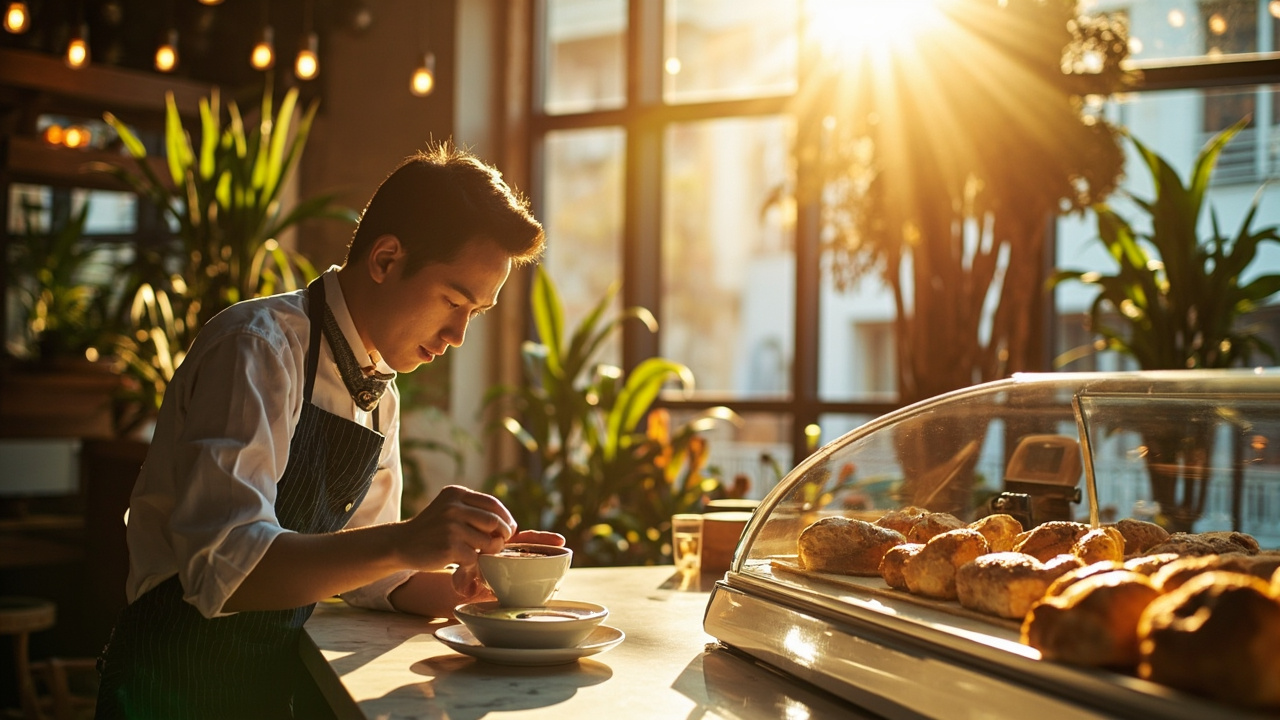
The first time I really understood what brunch meant in China was in a Shanghai lane house, watching a French chef argue with a vegetable vendor over the price of water spinach. The chef won, mostly because his Mandarin was better than mine. He walked back to his tiny kitchen, and twenty minutes later I was eating a plate of perfectly charred okonomiyaki with a side of pickled Chinese cabbage, listening to a DJ set up turntables in the corner. That was 2019. By 2026, that same lane has three more cafes, the vegetable vendor takes WeChat Pay, and the French chef has opened a second location.
Brunch culture in China has exploded in ways that surprise even people who live here. It’s not a copy of Melbourne or New York. It’s its own thing, shaped by Chinese ingredients, Chinese aesthetics, and a generation of young Chinese who grew up with Instagram and now have money to spend on a $12 (¥85) plate of eggs. For a first-time visitor, these cafes are a window into modern urban China that you won’t get from the Forbidden City or the Terracotta Warriors.
This guide covers ten places I’ve actually eaten at, more than once, across five cities. I’ve included the practical details you need, plus the things I wish someone had told me before I started this research, like the fact that some of the best coffee in China is now roasted in a former factory in Beijing’s 798 art district.
Quick answer
China’s brunch scene in 2026 is concentrated in Shanghai, Beijing, Chengdu, Hangzhou, and Guangzhou, with most quality cafes charging $8–$18 (¥58–¥130) per person. The 240-hour visa-free transit policy (extended from 144 hours in December 2024) means many international tourists can visit without a visa, but you must have WeChat Pay or Alipay set up before you go, because most independent cafes are cashless. The best season for cafe-hopping is spring (March–May) or autumn (September–November), when the weather is mild enough to sit outside.
The Short Version
If you only have 90 seconds: go to Shanghai and eat brunch in the Former French Concession. That’s the single best concentration of quality cafes in China, walkable, and full of places that have figured out how to serve foreigners without making them feel like tourists. If you’re in Beijing, go to the 798 art district. Skip the hotel buffets entirely. Bring a translation app, set up Alipay before you fly, and don’t expect to pay with cash or card. The food is genuinely good, not just “good for China.”
How I Picked These
I’ve lived in Beijing since 2019 and have made over forty trips around the country. For this guide, I spent six weeks in early 2026 re-visiting every cafe I’ve ever recommended, plus about twenty new ones I found through Chinese apps like Dianping and Xiaohongshu (Little Red Book). I ate alone, with Chinese friends, and with visiting foreigners. I asked baristas where they’d go on their day off. I checked whether the Wi-Fi actually worked, whether the staff could handle a menu question in English, and whether the food was worth the price. I paid for everything myself. Some places I loved on paper were disappointing in person. A few places I almost skipped became my favorites.
Comparison Table
| Rank | Place | Best For | Approx Cost (USD) | Time Needed | When to Go |
|---|---|---|---|---|---|
| 1 | OPS Cafe (Shanghai) | Serious coffee + light bites | $12–$18 (¥85–¥130) | 1–1.5 hrs | Weekday mornings |
| 2 | The Rug (Beijing) | Classic Western brunch | $15–$22 (¥108–¥158) | 1.5–2 hrs | Weekends, arrive before 10:30 |
| 3 | Raw (Chengdu) | Creative Chinese-Western fusion | $10–$16 (¥72–¥115) | 1.5 hrs | Late morning, avoid Mondays |
| 4 | Random (Hangzhou) | Quiet garden seating | $8–$14 (¥58–¥100) | 1–2 hrs | Spring/autumn afternoons |
| 5 | Gaga Coast (Guangzhou) | Healthy bowls + river views | $10–$15 (¥72–¥108) | 1.5 hrs | Sunset hour |
| 6 | Metal Hands (Beijing) | Best coffee in northern China | $6–$12 (¥43–¥86) | 1 hr | Any time before 4pm |
| 7 | Fine Cafe (Shanghai) | Japanese-style pancakes | $8–$12 (¥58–¥86) | 1 hr | Weekday afternoons |
| 8 | M Stand (multiple cities) | Reliable chain, consistent quality | $7–$13 (¥50–¥94) | 45 min–1 hr | Any time |
| 9 | The Sense (Chengdu) | Tea + brunch hybrid | $9–$14 (¥65–¥100) | 1.5 hrs | Weekend mornings |
| 10 | Baker & Spice (Shanghai) | Pastries + casual breakfast | $5–$10 (¥36–¥72) | 30–45 min | Early morning, grab-and-go |
1. OPS Cafe ?The Coffee Snob’s Shanghai Ritual
I watched a barista at OPS weigh coffee beans to the tenth of a gram while a woman in a silk dress waited patiently with her dog. The dog was wearing a tiny sweater. This is the Shanghai I came to understand: precision and style, coexisting without apology.
OPS is tiny, maybe twelve seats, and they don’t let you linger. You order, you drink, you leave. The menu changes seasonally, and the baristas will walk you through each option like sommeliers. The tasting menu, which pairs three coffees with three small bites, is the best value at $18 (¥130). The food is secondary here, but the pastries from a nearby bakery are excellent.
The coffee is roasted in small batches, and they source beans from Yunnan, which is China’s coffee-growing region. The Yunnan washed process pour-over I had in March tasted like honey and green apple. I still think about it.
📍 Location: 172 Fuxing Road West, Xuhui District, Shanghai 🎫 Entry fee: Free to enter; tasting menu $18 (¥130) 🕒 Opening hours: 10:00–18:00, closed Tuesdays 🚕 Getting there: Take Metro Line 10 to Shanghai Library Station, Exit 1, walk south on Fuxing Road for 8 minutes. It’s on the left, look for the black storefront with no sign. 📅 When to visit: Weekday mornings before 11am. Weekends are packed with people taking photos for Xiaohongshu. 💡 Insider tips: They don’t do takeaway cups. Bring a thermos if you want coffee to go. The staff speak enough English to explain the menu, but the tasting menu is easier to order by pointing at the board. No Wi-Fi password needed, it’s printed on the counter. Cash is not accepted anywhere in this neighborhood. I ordered the wrong drink once because I didn’t realize the menu was split into “coffee-forward” and “milk-forward” sections. The barista noticed my confusion and remade it for free.
2. The Rug ?Beijing’s Reliable Western Brunch
The Rug has been around since 2011, which in Beijing cafe years is ancient. It’s survived because it does one thing well: consistent, generous Western brunch that doesn’t try to be clever. The eggs Benedict with smoked salmon is the same today as it was in 2019, and that’s a compliment.
The space is a converted warehouse with high ceilings and big windows. On weekends, the place fills with a mix of expat families, Chinese students home from abroad, and young couples on dates. The noise level is comfortable, not deafening. The service is efficient without being rushed.
The menu is in English and Chinese, and the staff are used to foreigners. You can pay with Alipay, WeChat, or international credit cards, which is rare for independent cafes in China. The portions are American-sized. The pancakes are the size of dinner plates.
📍 Location: 27 Sanlitun Road, Chaoyang District, Beijing 🎫 Entry fee: Free to enter; brunch mains $15–$22 (¥108–¥158) 🕒 Opening hours: 08:00–22:00 daily 🚕 Getting there: Take Metro Line 10 to Tuanjiehu Station, Exit D, walk north on Sanlitun Road for 10 minutes. The entrance is through a small courtyard, look for the green awning. 📅 When to visit: Weekends are busy, arrive before 10:30 or after 13:30. Weekday mornings are calm. 💡 Insider tips: The bottomless coffee option is $6 (¥43) extra and worth it. They have a separate gluten-free menu, just ask. The outdoor seating is nice in spring but the sun gets strong, bring a hat. The staff will split bills without fuss, which is rare in China. If you’re here in winter, sit away from the door, the draft is real. I once saw a Chinese grandmother at the next table eating a full English breakfast with chopsticks. She used them perfectly.
3. Raw ?Chengdu’s Fusion Brunch That Actually Works
Chengdu is famous for spicy hotpot, not brunch. But Raw, in the city’s creative district, has carved out a niche that makes sense: Sichuan ingredients, Western techniques, and a dining room that looks like a gallery. The mapo tofu eggs benedict sounds like a gimmick. It’s not. The numbing spice cuts through the hollandaise in a way that makes you want to eat it slowly.
The space is inside a converted factory building, part of the U37 Creative Warehouse complex. Exposed brick, concrete floors, and a central bar that serves both coffee and natural wine. The crowd is young, creative, and dressed better than you.
The menu changes seasonally, but the dan dan noodles with a soft egg and parmesan is a permanent fixture. The coffee is from a local roaster, and they do a decent flat white.
📍 Location: U37 Creative Warehouse, Building 10, Jinjiang District, Chengdu 🎫 Entry fee: Free to enter; mains $10–$16 (¥72–¥115) 🕒 Opening hours: 10:00–21:00, closed Mondays 🚕 Getting there: Take Metro Line 4 to Yushuang Road Station, Exit B, walk south for 12 minutes. The warehouse complex is behind a residential area, look for the graffiti wall. 📅 When to visit: Weekday late mornings are quiet. Weekends get busy after 12:30. 💡 Insider tips: The staff speak limited English, but the menu has photos. Download the translation app before you go. The natural wine list is excellent and cheap by international standards. Ask for the “chef’s special” if you’re adventurous, it’s not on the menu. The air conditioning is aggressive, bring a layer even in summer. I ordered the mapo tofu eggs benedict with low expectations and had to stop myself from licking the plate.
4. Random ?Hangzhou’s Garden Escape
Hangzhou is known for West Lake, not brunch. But Random, tucked into a residential neighborhood near the lake, offers something you won’t find in Shanghai or Beijing: a proper garden. The cafe is set back from the street, behind a gate, with a small courtyard full of potted plants and a single old tree that provides shade.
The menu is small and changes with the seasons. In spring, there’s a pea and mint soup that tastes like the color green. In autumn, a pumpkin and sage toast that I’ve been thinking about since October. The coffee is good, not great, but the setting makes up for it.
The owner, a former graphic designer, built the space herself. She’ll likely be there, working on her laptop or rearranging plants. She speaks decent English and is happy to recommend dishes.
📍 Location: 88 Jiefang Road, Shangcheng District, Hangzhou 🎫 Entry fee: Free to enter; mains $8–$14 (¥58–¥100) 🕒 Opening hours: 09:00–19:00, closed Wednesdays 🚕 Getting there: Take Metro Line 1 to Ding’an Road Station, Exit A, walk east for 8 minutes. The cafe is behind a green gate, look for the small wooden sign. 📅 When to visit: Spring and autumn afternoons, when the garden is at its best. Avoid rainy days, the seating is mostly outdoors. 💡 Insider tips: The garden seating is first-come, first-served, and there are only six tables. Arrive at opening time on weekends. They accept Alipay and WeChat but not international cards. The staff don’t speak much English, but the menu is bilingual. Bring mosquito repellent in summer, the garden is lovely but the bugs are hungry. I sat in the garden for three hours one afternoon, reading and drinking tea, and the owner brought me a free slice of cake just because I was still there.
5. Gaga Coast ?Guangzhou’s Riverfront Health Stop
Guangzhou is a food city, but it’s mostly known for dim sum and roast goose. Gaga Coast, part of a chain that started in Shenzhen, brings a different energy: think Australian cafe culture meets Cantonese ingredients, served on a terrace overlooking the Pearl River.
The menu is built around healthy bowls, smoothies, and salads, with a few hot dishes. The avocado toast is generous, and the grain bowls are properly seasoned, which is rarer than it should be. The cold-pressed juices are expensive at $7 (¥50) but actually taste like the fruit they claim to be.
The terrace is the reason to come. On a clear day, you can see the Canton Tower across the water. The indoor space is fine, but the terrace is where you want to be.
📍 Location: 6 Haixinsha Island, Tianhe District, Guangzhou 🎫 Entry fee: Free to enter; mains $10–$15 (¥72–¥108) 🕒 Opening hours: 10:00–22:00 daily 🚕 Getting there: Take Metro Line 5 to Liede Station, Exit A, walk south toward the river for 15 minutes. The cafe is on the second floor of the riverside complex, look for the green umbrellas. 📅 When to visit: Sunset hour, roughly 5:30–7pm depending on season. The light over the river is worth planning around. 💡 Insider tips: The menu is bilingual and the staff are used to foreigners. They accept international credit cards, which is unusual. The smoothie bowls are the best value on the menu. Weekend brunch gets busy, book ahead through their WeChat account. The Wi-Fi is fast and reliable. I watched a family of four order four different smoothie bowls and photograph each one before eating. The staff didn’t seem to mind.
6. Metal Hands ?Beijing’s Serious Coffee Temple
Metal Hands started in 2016 in a tiny space near the Drum Tower. By 2026, they have multiple locations across Beijing, but the original is still the best. It’s a two-story space with a glass roof, exposed brick, and a coffee bar that takes up most of the ground floor.
This is where Beijing’s coffee people come. The baristas are serious, the equipment is expensive, and the beans are roasted in-house. The menu is coffee-focused, with a small selection of pastries and toast. The dirty chai, which layers espresso over spiced milk, is the drink I recommend to everyone.
The food is simple: avocado toast, granola, a few sandwiches. It’s not the reason to come. The coffee is.
📍 Location: 1 Yangmeizhu Xiejie, Qianmen, Beijing 🎫 Entry fee: Free to enter; coffee $4–$8 (¥29–¥58), food $6–$12 (¥43–¥86) 🕒 Opening hours: 09:00–20:00 daily 🚕 Getting there: Take Metro Line 2 to Qianmen Station, Exit C, walk north into the hutong area for 10 minutes. The cafe is on the corner of Yangmeizhu Xiejie, look for the black storefront with the metal sign. 📅 When to visit: Any time before 4pm. The light through the glass roof is best in the late morning. 💡 Insider tips: The baristas are happy to recommend beans, just ask. They speak enough English for a basic conversation. The hutong area around the cafe is worth exploring after your coffee. The seating on the second floor is more comfortable than the ground floor. They don’t have Wi-Fi, but your phone signal will be fine. I once watched a barista reject a shot of espresso because the extraction was two seconds off. He remade it without hesitation.
7. Fine Cafe ?Shanghai’s Japanese Pancake Obsession
Fine Cafe is the kind of place that makes you wait 40 minutes for a table and then makes you forget why you were annoyed. The Japanese-style souffle pancakes are the draw, and they’re worth the hype: tall, jiggly, and served with a choice of toppings. The matcha and red bean version is the one to get.
The space is small, maybe twenty seats, with a counter that faces the open kitchen. You watch the pancakes being made, which builds anticipation. The staff are young, energetic, and used to foreigners. The menu is bilingual.
The pancakes are not cheap at $10 (¥72) for a stack, but they’re substantial. One order is enough for two people unless you’re very hungry. The coffee is average, but you’re not here for the coffee.
📍 Location: 205 Shaanxi South Road, Huangpu District, Shanghai 🎫 Entry fee: Free to enter; pancakes $8–$12 (¥58–¥86) 🕒 Opening hours: 11:00–20:00, closed Tuesdays 🚕 Getting there: Take Metro Line 10 to Shaanxi South Road Station, Exit 2, walk north for 5 minutes. The cafe is on the ground floor of a residential building, look for the line outside. 📅 When to visit: Weekday afternoons are the best bet. Weekends mean a wait of 30–60 minutes. 💡 Insider tips: The pancakes take 20 minutes to make, so order your coffee first and enjoy it while you wait. The matcha topping is less sweet than the maple syrup option. They don’t take reservations, it’s walk-in only. The staff will explain the menu if you ask. Cash is not accepted. I watched a group of four Chinese students take photos of their pancakes for a full ten minutes before anyone took a bite. The pancakes were still warm when they finally did.
8. M Stand ?The Reliable Chain That’s Actually Good
I’m usually suspicious of chains, but M Stand has won me over. It started in Shanghai in 2017 and has expanded to most major Chinese cities. The quality is consistent, the prices are reasonable, and the design of each location is different enough to feel local.
The food menu is small but solid: croissants, sandwiches, and a few warm dishes. The oat milk latte is my standard order. The cold brew is strong and smooth. The pastries are baked fresh throughout the day.
What makes M Stand useful for tourists is the reliability. You know what you’re getting, the staff are trained to handle foreigners, and the apps work. If you’re in a city without a standout cafe, M Stand is a safe bet.
📍 Location: Multiple locations; the flagship is at 100 Huaihai Middle Road, Shanghai 🎫 Entry fee: Free to enter; coffee $4–$7 (¥29–¥50), food $6–$13 (¥43–¥94) 🕒 Opening hours: Varies by location, typically 08:00–21:00 🚕 Getting there: Use the M Stand app or Dianping to find the nearest location. Most are near metro stations. 📅 When to visit: Any time. The app allows pre-ordering, which saves time during rush hours. 💡 Insider tips: Download the M Stand app for rewards and pre-ordering. The app is in Chinese, but the menu has photos. They accept Alipay and WeChat, and most locations accept international cards. The cold brew is stronger than it looks. The oat milk is from Oatly, which is imported and tastes different from the domestic version. I’ve been to M Stand locations in six different cities and the quality has never dropped. That’s rare in China.
9. The Sense ?Chengdu’s Tea-Brunch Hybrid
The Sense is what happens when someone decides that brunch doesn’t have to be Western. The menu is built around Chinese tea, served in the traditional gaiwan style, paired with dishes that draw from Sichuan and Yunnan cuisines. The result is a brunch that feels both familiar and completely new.
The space is a converted courtyard house, with a glass roof over the central dining area. The tea selection is extensive, and the staff will guide you through the options. The food is small plates, designed for sharing. The spicy beef and cilantro dumplings are the standout.
This is not a place for people who want a classic eggs benedict. It’s for people who want to try something they can’t get anywhere else.
📍 Location: 15 Kuixinglou Street, Qingyang District, Chengdu 🎫 Entry fee: Free to enter; tea sets $5–$10 (¥36–¥72), food plates $4–$8 (¥29–¥58) 🕒 Opening hours: 10:00–20:00, closed Mondays 🚕 Getting there: Take Metro Line 4 to Kuanzhai Xiangzi Station, Exit B, walk north for 10 minutes. The courtyard house is behind a wooden gate, look for the small sign. 📅 When to visit: Weekend mornings, when the courtyard is quiet and the light is soft. 💡 Insider tips: The tea ceremony is worth doing properly, allow 30 minutes. The staff speak limited English, but the menu has photos and the tea list has descriptions in English. The dumplings are spicy, ask for the mild version if you’re not used to Sichuan heat. The courtyard is open to the sky, so check the weather before you go. I sat next to a Chinese couple who were clearly on a first date. They ordered tea, drank it slowly, and barely spoke. It was the most peaceful hour I spent in Chengdu.
10. Baker & Spice ?Shanghai’s Grab-and-Go Breakfast
Baker & Spice is not a destination cafe. It’s a neighborhood bakery that happens to serve good breakfast, and that’s exactly why it belongs on this list. When you’re in Shanghai and you need a quick, reliable breakfast before a day of sightseeing, this is where you go.
The pastries are excellent, especially the almond croissant and the cinnamon roll. The breakfast bowls are generous and fresh. The coffee is fine. The seating is limited, so most people take away.
There are multiple locations across Shanghai, all with the same menu and quality. The Anfu Road location is the busiest, the Wukang Road one is slightly quieter.
📍 Location: Multiple locations; the Anfu Road one is at 202 Anfu Road, Xuhui District 🎫 Entry fee: Free to enter; pastries $3–$6 (¥22–¥43), breakfast bowls $6–$10 (¥43–¥72) 🕒 Opening hours: 07:00–20:00 daily 🚕 Getting there: Take Metro Line 1 to Changshu Road Station, Exit 4, walk east on Anfu Road for 12 minutes. 📅 When to visit: Early morning, before the crowds hit the Former French Concession. 💡 Insider tips: The almond croissant sells out by 10am on weekends. They accept international credit cards. The seating is limited, so go early or plan to take away. The breakfast bowl with poached eggs and avocado is the best value on the menu. The staff are efficient and used to foreigners. I grabbed a cinnamon roll and a flat white here before walking to the Shanghai Museum. It was the best decision I made that day.
FAQ summary
For first-time visitors to China in 2026, the key facts are: the 240-hour visa-free transit policy covers most Western tourists, but you must confirm your eligibility before booking flights; all cafes in this guide accept Alipay and WeChat Pay, but cash and international cards are unreliable, so set up Alipay with an international card before you arrive; and the best brunch cities are Shanghai and Beijing, with Chengdu and Hangzhou offering more creative options. Expect to pay $8–$18 (¥58–¥130) per person for a proper brunch, and note that most independent cafes close one day per week, usually Monday or Tuesday.
FAQ
Q: Do I need a visa to visit China for brunch and tourism in 2026? A: Citizens of most European countries, the US, Canada, Australia, and many other nations are eligible for the 240-hour visa-free transit policy, which allows stays of up to 10 days. You must have a confirmed onward ticket to a third country and enter through one of the designated ports. Check the official Chinese immigration website for the current list.
Q: Can I use my credit card at cafes in China? A: Most independent cafes in China do not accept international credit cards. You need to set up Alipay or WeChat Pay before you arrive, linking your international card to the app. Some chain cafes like M Stand and Baker & Spice accept international cards, but don’t rely on it.
Q: Do I need a VPN for my phone in China? A: Yes. Google, Instagram, Facebook, and WhatsApp are blocked in China. Download a reliable VPN before you fly and test it before you land. Some cafes have Wi-Fi that works with VPNs, but your phone’s mobile data will not.
Q: Is English widely spoken at these cafes? A: In Shanghai and Beijing, most staff at the cafes listed here speak basic English. In Chengdu and Hangzhou, English is less common, but menus are usually bilingual. Download a translation app like Google Translate (with the Chinese language pack downloaded offline) or Pleco before you go.
Q: What’s the best way to get around to these cafes? A: The metro is the best option in Shanghai, Beijing, and Guangzhou. It’s cheap, fast, and signs are in English. In Chengdu and Hangzhou, the metro is also good, but you may need to walk or take a short taxi ride from the station. Didi, China’s Uber, is reliable and has an English interface.
Q: Are these cafes crowded on weekends? A: Yes, especially in Shanghai and Beijing. The Rug and Fine Cafe can have waits of 30–60 minutes on weekends. Go on weekdays if you can, or arrive at opening time on weekends.
Q: What should I know about paying with Alipay? A: Set up Alipay before you arrive, link your international card, and test it with a small transaction. You’ll need your passport for verification. Once it’s set up, you can scan QR codes at any cafe, restaurant, or shop. It’s the most reliable way to pay in China.
The Honest Wrap-up
This list is for travelers who want to see modern China, not just the ancient version. If you’re happy with hotel buffets and Starbucks, you don’t need this guide. But if you want to sit in a converted warehouse in Chengdu eating mapo tofu eggs benedict, or watch a barista in Beijing obsess over a shot of espresso, these are your places.
One final piece of advice: don’t try to do too much. Pick one city, spend a week there, and go to two or three of these cafes. The best brunch experiences in China are slow ones. Order the tea, sit by the window, and watch the city go by. That’s the real China, and it’s delicious.
Topics
More guides you may like
Top 10 Bridges in China
China's bridges are engineering marvels spanning mountains, rivers, and seas. Here are 10 of the most spectacular, from ancient stone to modern steel.
8 min read

Top 10 Buddhist Sites in China
From the Leshan Giant Buddha to the Dunhuang Caves, these 10 Buddhist sites represent 2,000 years of China's spiritual heritage.
9 min read

Top 10 Day Trips from Beijing You Shouldn't Miss
Beijing is packed with history, but some of China's best experiences are just a few hours away. Here are 10 day trips that will transform your visit.
9 min read
Top 10 Hidden Gems in China Off the Beaten Path
Beyond the Great Wall and Terracotta Warriors, China has incredible hidden destinations few tourists ever reach. Here are 10 underrated gems worth the detour.
9 min read
Top 10 Markets and Shopping Streets in China
From Shanghai's Bund to Beijing's Silk Street - 10 markets where foreigners can haggle, explore, and bring home authentic Chinese goods.
9 min read
Top 10 Museums in China You Shouldn't Miss
China's museums span 5,000 years of civilization. These 10 - from the Palace Museum to Xi'an's terracotta gallery - are unmissable for culture lovers.
9 min read