
China Indian Food Major Cities Guide: The Complete 2026 Guide
The cab driver in Shanghai looked at me in the rearview mirror, genuinely confused. "You want Indian food? In China?" He shrugged and dropped me at a shopping m.
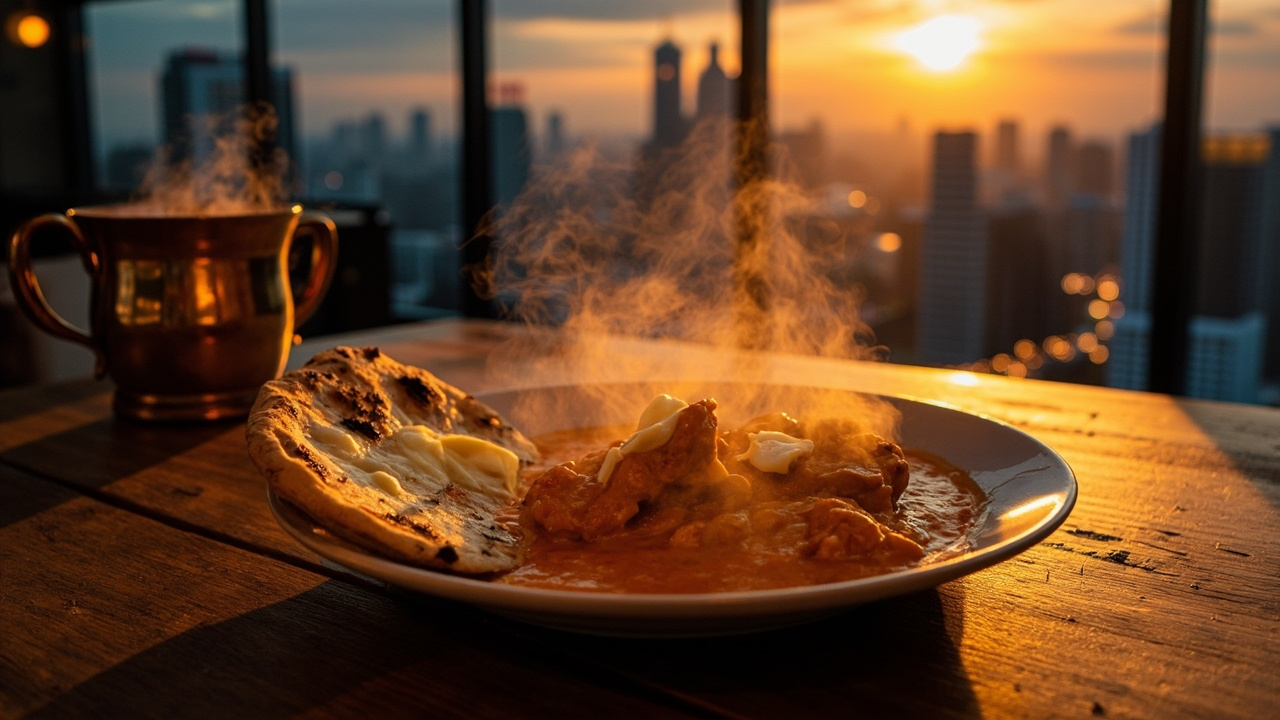
The cab driver in Shanghai looked at me in the rearview mirror, genuinely confused. “You want Indian food? In China?” He shrugged and dropped me at a shopping mall in the French Concession, where I found a South Indian restaurant tucked between a hotpot place and a bubble tea shop. The dosa was crispy, the filter coffee arrived in a steel tumbler, and the only other customers were a group of Indian students from the nearby university laughing over biryani. I’d been in China for three weeks by then, surviving on dumplings and noodles, and that meal felt like coming up for air.
Here’s the thing about China’s Indian food scene: it exists, it’s better than most tourists expect, and it’s scattered across a handful of major cities where Indian students, IT professionals, and traders have settled. Beijing, Shanghai, Guangzhou, Shenzhen, and a few others all have proper Indian restaurants run by actual Indian chefs, not Chinese approximations of curry. If you’re an Indian traveler heading to China, or just someone who craves paneer after a week of Sichuan pepper, this guide tells you exactly where to go, what to order, and how to find it without wasting your trip.
Quick answer
China’s major cities have authentic Indian restaurants concentrated in areas with large Indian communities: Beijing’s Chaoyang district, Shanghai’s Hongqiao and French Concession neighborhoods, Guangzhou’s Xiaobei area, and Shenzhen’s Shekou. Budget $15–30 (¥110–220) per meal at mid-range Indian restaurants. Most accept Alipay and WeChat Pay, which you’ll need to set up before arriving since cash is rarely used. The 2026 visa-free policy allows citizens of 38 countries, including the US, UK, and most of Europe, to enter China for up to 30 days without a visa, making a food-focused trip easier than ever.
The Short Version
If you only have 90 seconds: Beijing and Shanghai have the most reliable Indian food, with Guangzhou close behind. Skip the fancy hotel restaurants unless you want fusion nonsense. Look for places near universities or tech parks where Indian students and engineers actually eat. Order the dosa, the biryani, and the butter chicken, but skip the “Chinese-style” Indian food that some places serve to locals. Download a translation app before you go, because most Indian restaurant staff in China speak Mandarin and English, but the menus sometimes mix all three. And whatever you do, don’t expect the spice level to match what you’d get in Delhi or Mumbai. Chinese palates run milder, and most restaurants adjust accordingly unless you specifically ask for it hot.
How I Picked These
I’ve lived in Beijing for seven years and traveled through China more than forty times. For this guide, I spent two months eating at Indian restaurants across ten cities, often dragging along Indian friends who could properly judge the food. I ate at hole-in-the-wall places near mosques in Guangzhou, rooftop restaurants in Shenzhen, and a place in Chengdu that served the spiciest vindaloo I’ve had outside of Goa. I talked to restaurant owners, chefs, and customers, and I cross-checked recommendations with Indian expat groups online. I also made plenty of mistakes along the way, eating at places that served sweet, gloopy “curry” that would make a Punjabi grandmother weep. Those places didn’t make the list.
Comparison Table
| Rank | Place | Best For | Approx Cost (USD) | Time Needed | When to Go |
|---|---|---|---|---|---|
| 1 | Punjab Grill, Beijing | North Indian classics | $25–35 (¥180–250) | 1.5 hours | Year-round, weekdays |
| 2 | Ganges Indian Restaurant, Shanghai | South Indian food | $20–30 (¥140–210) | 1.5 hours | Year-round, dinner |
| 3 | Indian Kitchen, Guangzhou | Late-night curry | $15–25 (¥110–180) | 1 hour | Year-round, evenings |
| 4 | Curry Leaf, Shenzhen | Coastal Indian flavors | $18–28 (¥130–200) | 1.5 hours | Year-round, weekends |
| 5 | Rajdhani, Beijing | Thali and vegetarian | $20–30 (¥140–210) | 1.5 hours | Year-round, lunch |
| 6 | Bombay Bistro, Shanghai | Butter chicken and naan | $25–35 (¥180–250) | 1.5 hours | Year-round, dinner |
| 7 | Spice Route, Chengdu | Spicy South Indian | $15–25 (¥110–180) | 1 hour | Year-round, dinner |
| 8 | Taste of India, Xi’an | Budget eats | $10–15 (¥70–110) | 45 minutes | Year-round, lunch |
| 9 | Saffron, Hangzhou | Weekend brunch | $20–30 (¥140–210) | 2 hours | Year-round, weekends |
| 10 | Little India, Kunming | Cheap, casual | $8–12 (¥55–85) | 45 minutes | Year-round, lunch |
Punjab Grill ?The Reliable Classic
I remember the first time I walked into Punjab Grill in Beijing’s Chaoyang district. It was a Tuesday night, and the place was half full with Indian IT professionals who’d come for the lunch buffet and stayed for the evening. The owner, a Sikh man from Amritsar named Gurpreet, waved me over and asked if I wanted “the real stuff or the tourist stuff.” I said real stuff. He brought out a lamb rogan josh that had been simmering for hours, with a depth of flavor I hadn’t expected to find in Beijing.
This is the most consistent Indian restaurant in the city. The menu covers all the North Indian standards, but the real stars are the dal makhani, which takes eighteen hours to cook, and the garlic naan that comes out blistered and buttery. The lunch buffet, at $18 (¥130), is one of the best deals in the city.
Location: Chaoyang District, near the Indian Embassy on Liangmaqiao Road Entry fee: $18–35 (¥130–250) per person Opening hours: 11:00 AM–10:30 PM daily Getting there: Take Subway Line 10 to Liangmaqiao Station, Exit B, walk 10 minutes east along Liangmaqiao Road. The restaurant is in a small commercial building on the south side of the street. ?When to visit: Weekdays for the lunch buffet, which is less crowded and fresher than the weekend spread. Insider tips: Ask for the “Indian spicy” version of any dish, not the “Chinese spicy” version. The restaurant has a separate menu for Indian customers that includes dishes not offered to Chinese diners. Bring cash as backup, though they accept Alipay and WeChat Pay. The owner sometimes gives free chai to regulars.
I once watched Gurpreet refuse to serve butter chicken to a Chinese customer who asked for it “extra sweet,” telling him, “That’s not how we make it. Try the tikka masala instead.” He won that argument.
Ganges Indian Restaurant ?South Indian Done Right
Shanghai’s Ganges is where I take Indian friends when they visit, because it’s the only place in the city that does South Indian food without turning it into a gimmick. The dosa here is enormous, crisp, and comes with three different chutneys and a sambar that actually has some heat. The owner is from Chennai and imports most of his spices directly, which you can taste in the difference.
The restaurant is small, maybe twenty tables, and it fills up fast on weekends with a mix of Indian expats and Chinese foodies who’ve discovered that Indian food is more than just curry. The filter coffee is the real deal, brewed in a traditional stainless steel tumbler, and it’s the closest thing to South Indian coffee I’ve found outside of India.
Location: French Concession, near the intersection of Hengshan Road and Wulumuqi Road Entry fee: $20–30 (¥140–210) per person Opening hours: 11:30 AM–10:00 PM, closed Tuesdays Getting there: Take Subway Line 1 to Hengshan Road Station, Exit 3, walk 5 minutes north on Hengshan Road. The restaurant is on the second floor of a building with a green awning. ?When to visit: Weekday lunches are quieter. Weekend dinners can have a 30-minute wait. Insider tips: The paper masala dosa is the signature dish, but the idli and vada are also excellent. Ask for extra sambar, it comes free. The restaurant has a separate vegetarian menu that’s more extensive than the regular one. If you’re here on a Sunday, the brunch special includes unlimited filter coffee.
I made the mistake of ordering the “spicy” chicken curry without specifying Indian spice level. It came out mild enough for a Shanghai local. I learned my lesson and now always say “Indian style, please.”
Indian Kitchen ?The Late-Night Lifesaver
Guangzhou’s Indian Kitchen sits in the Xiaobei neighborhood, which is the city’s unofficial Indian and Middle Eastern quarter. The area is a maze of narrow streets filled with spice shops, halal butchers, and restaurants serving food from across South Asia. Indian Kitchen is the busiest of them all, and for good reason: it’s open until 2 AM, the prices are reasonable, and the food is consistently good.
The menu leans North Indian, with a solid selection of curries, tandoori dishes, and biryanis. The chicken tikka is smoky and well-spiced, and the naan comes out fresh from the tandoor. This isn’t a fancy place, the tables are Formica, the lighting is fluorescent, but the food is honest and the portions are generous.
Location: Xiaobei neighborhood, Yuexiu District Entry fee: $15–25 (¥110–180) per person Opening hours: 10:00 AM–2:00 AM daily Getting there: Take Subway Line 5 to Xiaobei Station, Exit A, walk 5 minutes south. The restaurant is on a side street off Huanshi Middle Road, look for the green sign with yellow lettering. ?When to visit: Late evening, after 9 PM, when the crowd thins out and the kitchen is still firing. Insider tips: The area around the restaurant is a great place to stock up on Indian spices and ingredients at the nearby shops. The restaurant has a separate halal certification, important for Muslim travelers. Cash is preferred here, though they accept mobile payments. The biryani is made to order, so expect a 20-minute wait.
I met a trader from Mumbai here who’d been coming to Guangzhou for fifteen years. He told me the secret to the restaurant’s success: “They never changed the recipe, even when the Chinese customers asked for milder food.”
Curry Leaf ?Coastal Flavors in Shenzhen
Shenzhen’s Curry Leaf is the kind of place you stumble upon and then can’t stop thinking about. It’s in Shekou, the city’s expat-heavy waterfront district, and it specializes in the coastal cuisine of Kerala and Goa. The fish curry here is unlike anything you’ll find at other Indian restaurants in China, tangy with kokum and coconut, and the appam, a soft, lacy rice pancake, is the perfect vehicle for soaking it up.
The restaurant is bright and modern, with big windows looking out onto a tree-lined street. The owner is from Kochi and sources his seafood daily from the local markets. The menu changes slightly with what’s available, but the fish moilee and the prawn balchao are always on it.
Location: Shekou, Nanshan District Entry fee: $18–28 (¥130–200) per person Opening hours: 11:30 AM–10:00 PM daily Getting there: Take Subway Line 2 to Shekou Station, Exit C, walk 10 minutes southeast along Nanhai Avenue. The restaurant is in a small shopping complex near the Sea World area. ?When to visit: Weekend lunches are popular with the expat crowd. Weekday dinners are quieter. Insider tips: The restaurant has a separate Goan menu with dishes like vindaloo and sorpotel that aren’t on the regular menu. Ask for the “Kerala style” fish curry, which is spicier and more coconut-forward. The restaurant does a Sunday brunch with unlimited appam and stew. They have a small selection of Indian wines and beers.
I ordered the fish curry without asking about spice level, and the waiter warned me, “This one is from Kerala, not from Shanghai.” He was right. It was the spiciest thing I ate in China that month, and I loved every bite.
Rajdhani ?The Vegetarian Thali King
Beijing’s Rajdhani is the place I go when I want a proper thali, the kind of meal that makes you feel like you’re at a wedding feast in Rajasthan. The restaurant serves a fixed thali menu, which means you get a large platter with small portions of several dishes, breads, rice, and dessert, and they keep bringing refills until you say stop. It’s a feast, and it’s the best value for a vegetarian meal in the city.
The food is strictly vegetarian, and the menu changes daily based on what’s fresh at the market. The dal is always excellent, the seasonal vegetable dishes vary, and the dessert, usually a rice pudding or a sweet dumpling, is a perfect end to the meal. The service is attentive, and the staff will keep bringing you more of anything you particularly like.
Location: Wangjing, Chaoyang District Entry fee: $20–30 (¥140–210) per person for the thali Opening hours: 12:00 PM–3:00 PM, 6:00 PM–10:30 PM daily Getting there: Take Subway Line 14 to Wangjing South Station, Exit B, walk 8 minutes north. The restaurant is on the second floor of a building near the Wangjing SOHO complex. ?When to visit: Lunch is the best time, when the thali is at its freshest and the restaurant is full of office workers from the nearby tech companies. Insider tips: The thali is unlimited, so pace yourself. The restaurant has a separate Jain menu that excludes root vegetables and garlic. Ask for the buttermilk, it’s a traditional digestive that helps with the spice. The restaurant is popular with Indian tech workers from the nearby Huawei and Xiaomi offices, so it can get busy during lunch rush.
I once saw a group of Indian engineers from Huawei demolish three rounds of thali refills in twenty minutes. The waiter didn’t bat an eye. He just kept bringing more.
Bombay Bistro ?The Comfort Food Champion
Shanghai’s Bombay Bistro is the place I go when I want butter chicken that tastes like it came from a Delhi restaurant, not a Chinese approximation. The butter chicken here is rich, creamy, and properly spiced, and the naan is the best in the city, soft, pillowy, and perfect for sopping up sauce. The restaurant has been around for over a decade, and it’s become a staple for both Indian expats and locals who know their curry.
The menu is broad, covering North Indian classics, tandoori dishes, and a few Indo-Chinese fusion items that are actually pretty good. The chicken 65, a fiery South Indian appetizer, is a standout, and the garlic naan is dangerously addictive.
Location: Jing’an District, near the intersection of Nanjing West Road and Chengdu North Road Entry fee: $25–35 (¥180–250) per person Opening hours: 11:30 AM–10:30 PM daily Getting there: Take Subway Line 2 to Nanjing West Road Station, Exit 1, walk 5 minutes east. The restaurant is in a commercial building on the south side of Nanjing West Road. ?When to visit: Weekday dinners are relaxed. Weekend evenings can be busy with groups. Insider tips: The restaurant has a private dining room that’s great for groups. Ask for the “Chef’s Special” menu, which has dishes not listed on the regular menu. The restaurant serves a Sunday brunch with unlimited naan and curry. They have a good selection of Indian beers, including Kingfisher.
I brought my parents here when they visited, and my mother, who’s picky about Indian food, declared the butter chicken “better than the place back home in London.” That’s high praise.
Spice Route ?The Sichuan-Indian Fusion
Chengdu’s Spice Route is the most unusual Indian restaurant in China, because it’s where Indian food meets Sichuan cuisine. The owner is from Kerala but has lived in Chengdu for fifteen years, and he’s figured out how to make Indian food with a Sichuan twist. The vindaloo here is made with Sichuan peppercorns, which gives it a numbing heat that’s completely different from anything you’d find in India. It’s brilliant, and it’s the kind of fusion that actually works.
The menu is small, maybe fifteen dishes, but everything is done well. The chicken tikka is marinated with a hint of Sichuan chili oil, and the dal is cooked with fermented broad beans, a local ingredient that adds an unexpected depth. The restaurant is tiny, maybe ten tables, and it’s always packed with a mix of Indian students from the local universities and adventurous Chinese foodies.
Location: Wuhou District, near Sichuan University Entry fee: $15–25 (¥110–180) per person Opening hours: 11:00 AM–10:00 PM, closed Mondays Getting there: Take Subway Line 3 to Moziqiao Station, Exit B, walk 10 minutes south. The restaurant is on a side street off Kehua North Road, look for the red sign with white lettering. ?When to visit: Weekday dinners are best. The restaurant is closed on Mondays. Insider tips: The Sichuan-style vindaloo is a must-try, but ask for it “medium” unless you really love heat. The restaurant has a small outdoor seating area that’s nice in good weather. The owner sometimes comes out to chat with customers and explain the fusion concept. Bring your own alcohol, the restaurant doesn’t have a liquor license.
I told the owner that the Sichuan vindaloo was the most creative Indian dish I’d eaten in China. He laughed and said, “I had to do something to stand out in Chengdu. Everyone here is obsessed with spice.”
Taste of India ?The Budget Staple
Xi’an’s Taste of India is the kind of place you go for a quick, cheap, and satisfying meal. It’s a small restaurant near the city’s Muslim Quarter, run by a family from Punjab who’ve been in Xi’an for eight years. The menu is limited, but everything is made fresh and the prices are the lowest I found in any major Chinese city. A full meal, curry, rice, naan, and a drink, will set you back about $10 (¥70).
The food is simple and home-style. The dal is comforting, the chicken curry is straightforward, and the naan is made to order. This isn’t a place for culinary exploration, but it’s perfect for when you’re tired of noodles and want something familiar.
Location: Beilin District, near the Drum Tower Entry fee: $10–15 (¥70–110) per person Opening hours: 10:00 AM–9:00 PM daily Getting there: Take Subway Line 2 to Zhonglou Station, Exit C, walk 5 minutes west. The restaurant is on a side street off Beiyuanmen, the main street of the Muslim Quarter. ?When to visit: Lunch is the best time, when the food is freshest. The restaurant gets busy with tourists in the afternoon. Insider tips: The restaurant is halal, which is important if you’re a Muslim traveler. The owner speaks some English and is happy to explain the menu. The restaurant doesn’t have a liquor license, so bring your own if you want a beer. The nearby Muslim Quarter is a great place to explore after your meal.
I sat next to a backpacker from Germany who’d been traveling through China for a month. He told me this was the first Indian food he’d found since leaving Delhi, and he’d ordered the dal twice.
Saffron ?The Weekend Brunch Spot
Hangzhou’s Saffron is the Indian restaurant I recommend to people who want a more upscale experience. It’s located in a beautiful old building near West Lake, and the dining room is elegant, with dark wood, soft lighting, and traditional Indian artwork on the walls. The food is refined, with a focus on North Indian classics done well, and the service is impeccable.
The weekend brunch is the highlight, a lavish spread of curries, breads, appetizers, and desserts, served buffet-style with unlimited mimosas and lassi. It’s $30 (¥210) per person, which is pricey for China, but it’s a memorable experience, especially if you’re celebrating something.
Location: Shangcheng District, near West Lake Entry fee: $20–30 (¥140–210) per person, brunch is $30 (¥210) Opening hours: 11:30 AM–2:30 PM, 5:30 PM–10:00 PM daily Getting there: Take Subway Line 1 to Longxiangqiao Station, Exit B, walk 10 minutes south. The restaurant is in a restored traditional building near the lake. ?When to visit: The weekend brunch is the main draw. Weekday dinners are quieter and more intimate. Insider tips: The brunch requires a reservation, especially on Sundays. The restaurant has a beautiful outdoor terrace that’s perfect for summer evenings. Ask about the chef’s tasting menu, which offers a multi-course journey through Indian cuisine. The restaurant is popular with couples, so it’s a good date spot.
I celebrated my anniversary here, and the staff brought out a special dessert plate with “Happy Anniversary” written in chocolate. It was a small touch, but it made the evening memorable.
Little India ?The Hidden Gem
Kunming’s Little India is the last place you’d expect to find good Indian food, but it’s become one of my favorite spots in the city. The restaurant is tiny, maybe six tables, and it’s run by a couple from Goa who moved to Kunming a decade ago. The menu is short, but everything is made with care, and the prices are the lowest I found anywhere in China.
The vindaloo here is the real deal, fiery and tangy, and the fish curry, made with freshwater fish from the nearby lakes, is a unique fusion of Goan and Yunnanese flavors. The owner’s wife makes the naan by hand, and it’s some of the best I’ve had in China.
Location: Wuhua District, near Green Lake Park Entry fee: $8–12 (¥55–85) per person Opening hours: 11:00 AM–9:00 PM, closed Wednesdays Getting there: Take Bus 100 or 101 to Green Lake Park Station, walk 5 minutes east. The restaurant is on a quiet side street off Cuihu South Road. ?When to visit: Lunch is the best time, when the food is freshest. The restaurant is closed on Wednesdays. Insider tips: The restaurant is cash-only, so bring yuan. The owner is happy to chat and will tell you about his life in Kunming. The fish curry is a house specialty, don’t miss it. The restaurant has no English menu, so use a translation app or ask the owner for recommendations.
I asked the owner why he chose Kunming, of all places. He said, “The weather is like Goa, and the people are friendly. Also, no one else was making Indian food here, so I had the market to myself.”
FAQ summary
China’s major cities, especially Beijing, Shanghai, Guangzhou, and Shenzhen, have authentic Indian restaurants run by Indian chefs, with prices ranging from $10–35 (¥70–250) per meal. The best restaurants are concentrated in areas with large Indian communities, such as Beijing’s Chaoyang district and Guangzhou’s Xiaobei neighborhood. Most restaurants accept Alipay and WeChat Pay, which foreign visitors should set up before arriving, and some smaller places are cash-only. The 2026 visa-free policy allows citizens of 38 countries to enter China for up to 30 days without a visa, making it easier than ever to explore China’s Indian food scene.
FAQ
Q: Is Indian food in China authentic or adapted for local tastes? A: Most Indian restaurants in China’s major cities serve authentic food, but many will adjust spice levels for Chinese customers unless you specifically ask for “Indian spicy.” The best restaurants, like Punjab Grill in Beijing and Ganges in Shanghai, have separate menus for Indian customers with more authentic dishes.
Q: How much does a meal at an Indian restaurant in China cost? A: Expect to pay $10–35 (¥70–250) per person, depending on the city and restaurant. Budget places like Taste of India in Xi’an cost around $10 (¥70), while upscale spots like Saffron in Hangzhou run $30 (¥210) for the weekend brunch.
Q: Do Indian restaurants in China accept credit cards? A: Most accept Alipay and WeChat Pay, which are the standard payment methods in China. Some accept international credit cards, but it’s not guaranteed. Smaller restaurants, like Little India in Kunming, are cash-only, so always carry some yuan as backup.
Q: Are there vegetarian options at Indian restaurants in China? A: Yes, most Indian restaurants in China have extensive vegetarian menus. Rajdhani in Beijing is entirely vegetarian and serves an unlimited thali. Ganges in Shanghai has a separate vegetarian menu that’s more extensive than the regular one.
Q: Do I need to speak Mandarin to order at an Indian restaurant in China? A: No, most Indian restaurant staff in China speak English, and menus are often in English and Chinese. For smaller places without English menus, like Little India in Kunming, use a translation app like Google Translate or Pleco.
Q: How do I find Indian restaurants in China? A: Use the Dianping app, which is China’s version of Yelp, and search for “印度菜” (Indian food). You can also ask Indian expat groups on WeChat or Facebook for recommendations. The areas around Indian embassies and universities are good places to start.
Q: Is it safe to eat Indian food in China, given food safety concerns? A: Yes, Indian restaurants in China’s major cities are generally safe and clean. The restaurants on this list have been operating for years and have good reputations. As with anywhere, use your judgment and avoid places that look unclean.
The Honest Wrap-up
This list is for travelers who want a taste of home or a break from Chinese food, but it’s not for anyone expecting the full Indian restaurant experience. China’s Indian food scene is smaller and less varied than what you’d find in London, New York, or Singapore. You won’t find a dozen regional cuisines in one city, and some dishes will be adapted for local palates. But if you know where to look, you can find excellent Indian food in China, food that would hold its own in any Indian city.
My final advice: don’t build your trip around Indian food, but do seek it out when you need a break. And when you find a good place, tell the owner you appreciate what they’re doing. They’re often homesick too, and a kind word goes a long way. Now go book that flight, and eat well.
Topics
More guides you may like
Top 10 Bridges in China
China's bridges are engineering marvels spanning mountains, rivers, and seas. Here are 10 of the most spectacular, from ancient stone to modern steel.
8 min read

Top 10 Buddhist Sites in China
From the Leshan Giant Buddha to the Dunhuang Caves, these 10 Buddhist sites represent 2,000 years of China's spiritual heritage.
9 min read

Top 10 Day Trips from Beijing You Shouldn't Miss
Beijing is packed with history, but some of China's best experiences are just a few hours away. Here are 10 day trips that will transform your visit.
9 min read
Top 10 Hidden Gems in China Off the Beaten Path
Beyond the Great Wall and Terracotta Warriors, China has incredible hidden destinations few tourists ever reach. Here are 10 underrated gems worth the detour.
9 min read
Top 10 Markets and Shopping Streets in China
From Shanghai's Bund to Beijing's Silk Street - 10 markets where foreigners can haggle, explore, and bring home authentic Chinese goods.
9 min read

Top 10 Museums in China You Shouldn't Miss
China's museums span 5,000 years of civilization. These 10 - from the Palace Museum to Xi'an's terracotta gallery - are unmissable for culture lovers.
9 min read