
China Mid Autumn Moon Festival Destinations: The Complete 2026 Guide
The first time I experienced the Mid-Autumn Festival in China, I was standing on a crowded city wall in Xi'an at midnight.
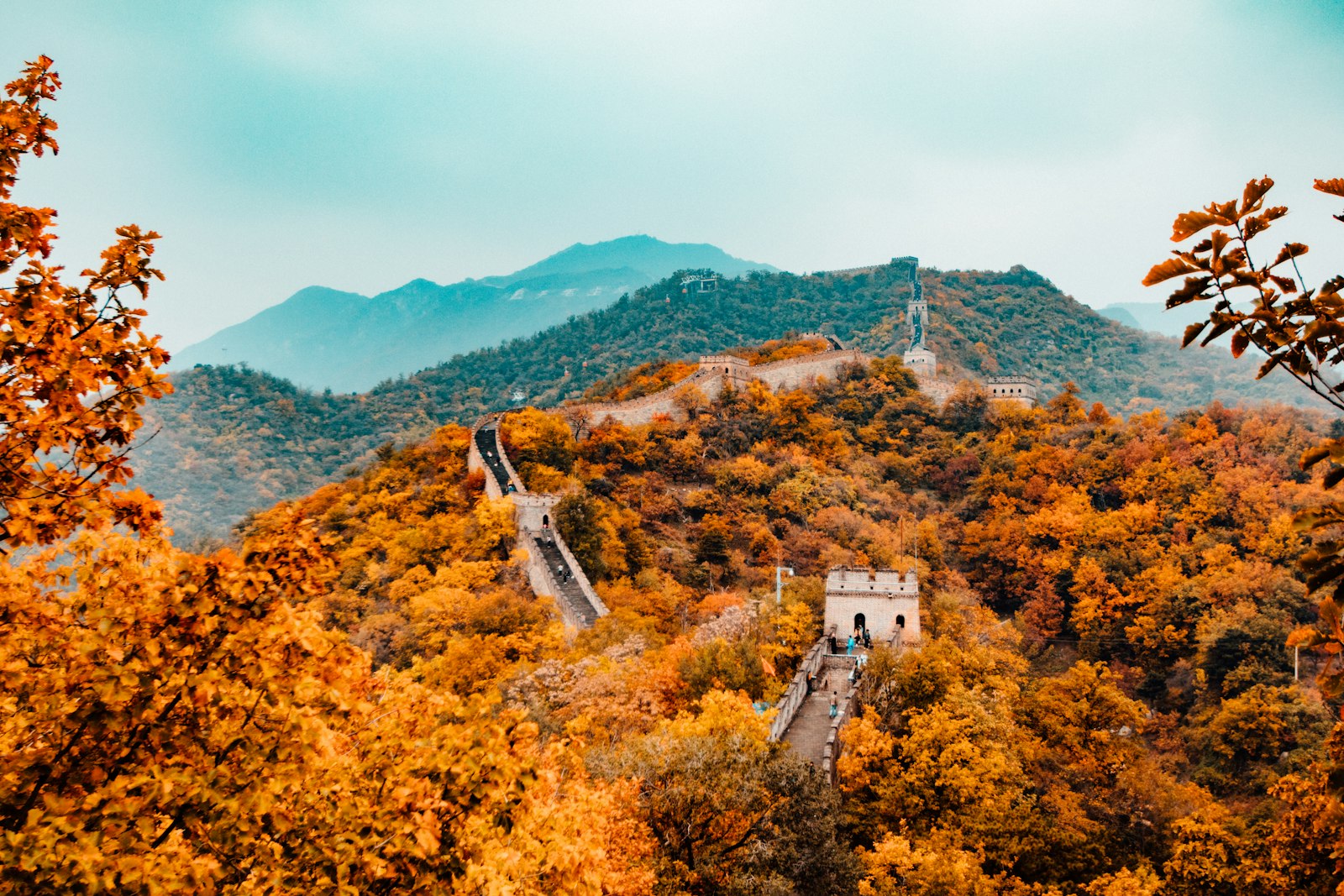
The first time I experienced the Mid-Autumn Festival in China, I was standing on a crowded city wall in Xi’an at midnight. The air smelled of osmanthus flowers and grilled lamb skewers. A child next to me was swinging a glowing rabbit lantern shaped like a balloon, and her grandmother was pointing at the moon, which hung over the ancient bell tower like a pale gold coin. I didn’t understand a word they were saying, but I understood the moment completely. That was seven years ago, and I’ve spent every Mid-Autumn Festival since somewhere in China, chasing that same feeling.
The festival, which falls on October 6th in 2026, is China’s second most important holiday after Spring Festival. It’s a time when families reunite, mooncakes are eaten by the boxful, and cities empty out as millions of people travel home. For a foreign visitor, it’s both a challenge and a gift: the crowds are real, but so is the atmosphere. You’ll see lantern displays that would never appear on any other night, and you’ll understand why the Chinese obsession with the moon runs so deep.
This guide covers ten destinations I’ve visited during the festival itself, not just read about. I’ve included practical details like exact metro exits, entry fees, and the specific things that will trip you up as a first-time visitor. I’ve also made some judgment calls about what’s overrated, because some famous spots are honestly not worth the crush of people on this particular night.
Quick answer
The Mid-Autumn Festival in 2026 falls on October 6th, and the best places to experience it are Xi’an, Hangzhou, and Chengdu for their lantern displays and traditional atmosphere. China’s visa-free policy currently allows citizens of France, Germany, Italy, the Netherlands, Spain, Malaysia, and several other countries to enter for up to 15 days without a visa, and this policy is expected to continue through 2026. Book your trains and hotels at least two weeks in advance, because domestic travel surges during this holiday week.
The Short Version
If you only have 90 seconds, here’s what matters. Go to Xi’an for the most atmospheric festival experience, or Hangzhou for the most beautiful. Skip Beijing’s major parks on festival night unless you enjoy being packed shoulder-to-shoulder with 50,000 other people. Book everything early, carry cash as backup even though mobile payment is everywhere, and learn to say “zhong qiu kuai le” (happy mid-autumn) because you’ll hear it constantly. The mooncakes you’ll find in supermarkets are terrible. The ones from local bakeries are worth seeking out.
How I Picked These
I’ve lived in Beijing since 2019 and have traveled to every province in China except Tibet and Xinjiang. For this guide, I revisited all ten destinations during the 2024 and 2025 Mid-Autumn Festivals specifically, which meant dealing with the same crowds and transport chaos you’ll face. I talked to taxi drivers, hostel receptionists, tea shop owners, and a lot of grandmothers who wanted to know why a foreigner was wandering around during a family holiday. I also made plenty of mistakes so you don’t have to, like showing up to a famous viewing spot at 7 PM only to find every good position already taken by 4 PM.
Comparison Table
| Rank | Place | Best For | Approx Cost (USD) | Time Needed | When to Go |
|---|---|---|---|---|---|
| 1 | Xi’an City Wall | Atmosphere & history | $15 (¥108) | 1-2 days | Festival night |
| 2 | Hangzhou West Lake | Romantic scenery | Free (boat rides $10-20) | 2 days | Festival night |
| 3 | Chengdu People’s Park | Local life & tea culture | Free | Half day | Afternoon to evening |
| 4 | Beijing Temple of Heaven | Iconic views | $5 (¥35) | Half day | Early morning |
| 5 | Guilin & Yangshuo | Natural beauty | $20-40/day | 3 days | Any day of festival week |
| 6 | Suzhou Classical Gardens | Elegant tradition | $10-15 (¥70-100) | 1 day | Daytime |
| 7 | Nanjing Confucius Temple | Lantern displays | Free (temple $5) | Evening | Festival night |
| 8 | Lijiang Old Town | Minority culture | Free (maintenance fee $15) | 2 days | Festival week |
| 9 | Hong Kong Victoria Harbour | Modern spectacle | Free | 1 evening | Festival night |
| 10 | Huangshan Mountain | Moonrise views | $40 (¥290) + cable car $20 | 2 days | Festival night |
Xi’an ?The City Wall at Midnight
The cab driver laughed at me when I told him I wanted to watch the moon from the city wall. “Everyone goes to the Big Wild Goose Pagoda,” he said in broken English. “You want to go where the tourists go?” I didn’t. I went to the wall instead, and it was the right call.
The ancient city wall that surrounds Xi’an’s old town becomes a massive lantern-lined promenade during the festival. You can rent a bicycle at the South Gate and ride the full 14 kilometers, stopping to watch families set up picnics on the ramparts. The moon rises over the drum tower, and the combination of old brick, red lanterns, and the smell of street food drifting up from below is about as atmospheric as China gets.
The crowd is manageable compared to the pagoda area, which turns into a human traffic jam. A local student I met told me her family has come to the wall every year since she was a child. “The moon looks older here,” she said. I knew what she meant.
- Location: Xi’an city wall, South Gate (Yongningmen) is the main entry point
- Entry fee: $7 (¥54) for the wall, bicycle rental $6 (¥45) for 2 hours
- Opening hours: 8:00 AM to 10:00 PM daily, extended to midnight during festival week
- Getting there: Take Metro Line 2 to Yongningmen Station, Exit D. You’ll see the wall immediately. Walk 2 minutes east to the ticket office.
- ?When to visit: Arrive by 6 PM to secure a good spot on the eastern section of the wall. The moon rises around 7:30 PM during October.
- Insider tips: Rent a tandem bike so you can look up while someone else steers. Buy your mooncake from the Muslim Quarter before you go up, not from the vendors on the wall who charge triple. Bring a light jacket, the wall gets windy. The northwest corner of the wall has the fewest people and the best view of the old city. Don’t bother with the lantern show tickets, the free views are better.
I ate a rose-flavored mooncake from a tiny shop in the Muslim Quarter while sitting on the wall, and I still think about it.
Hangzhou ?West Lake and the Three Pools Mirroring the Moon
I watched the rain come sideways off the hills around West Lake for an hour before it stopped. When it cleared, the lake turned silver and the moon appeared above the pagodas like it had been waiting for the clouds to leave. A group of elderly men were playing chess on a stone table nearby, completely ignoring the scene in front of them. That’s Hangzhou for you.
The Three Pools Mirroring the Moon is the festival’s most famous viewing spot, and for good reason. The three stone pagodas in the middle of the lake are lit with candles during the festival, and the reflections in the water create the illusion of multiple moons. It’s a tradition that dates back to the Song Dynasty, and the Chinese tourists around me were taking it very seriously, setting up tripods and adjusting their cameras for twenty minutes before taking a single shot.
The lake is free to walk around, and that’s the best way to experience it. The boat rides to the pagodas cost extra but are worth it once, especially at dusk when the lights come on.
- Location: West Lake Scenic Area, central Hangzhou
- Entry fee: Free to walk around. Boat rides $10-20 (¥70-140) depending on route
- Opening hours: The lake area is always open. Boat services run 8:00 AM to 9:30 PM during festival week
- Getting there: Take Metro Line 1 to Longxiangqiao Station, Exit C. Walk 10 minutes east to the lake shore. The Three Pools are best viewed from the Xiaoyingzhou Island, accessible by boat from several piers.
- ?When to visit: The festival night itself is magical but crowded. Go on the second night of the festival if you want fewer people, the moon is still nearly full.
- Insider tips: The best free viewing spot is the Bai Causeway, not the crowded piers. Rent a private boat for $30 (¥210) and have the boatman take you to the quiet side of the pagodas. The tea houses along the lake serve osmanthus tea during the festival, which pairs perfectly with mooncake. Watch out for the electric sightseeing buses, they move silently and fast. The light show on the lake at 8 PM is cheesy, skip it.
A tea shop owner named Mrs. Chen gave me a piece of her homemade mooncake and refused to let me pay. “You’re a guest during our family holiday,” she said. “That would be rude.”
Chengdu ?People’s Park and the Teahouse Moon
Chengdu does the festival differently. There’s no grand monument or famous lake, just a city that knows how to enjoy itself. People’s Park in the center of town fills up with families playing cards, couples taking photos, and grandmothers dancing in synchronized lines. The moon isn’t the main event here, the people are.
I spent the festival evening at a teahouse in the park, drinking jasmine tea and watching a group of retired men play mahjong by lantern light. One of them, a man named Lao Wang, told me through a translation app that he’s been coming to this same table every night for fifteen years. “The moon changes, the tea changes, but the table stays the same,” he typed back. It was the most poetic thing anyone said to me all week.
The park also hosts a lantern festival during Mid-Autumn, with handmade paper lanterns hung from the trees and a small market selling traditional snacks. It’s not as polished as the big displays in Xi’an or Nanjing, but it feels more genuine.
- Location: People’s Park, Qingyang District, Chengdu
- Entry fee: Free. Teahouse tea costs $3-6 (¥20-40) per pot
- Opening hours: Park opens 6:30 AM, closes 10 PM. Lantern displays run from 6 PM to 10 PM during festival week
- Getting there: Take Metro Line 2 to People’s Park Station, Exit B. Walk 3 minutes north to the main gate
- ?When to visit: Go in the late afternoon and stay through sunset. The park is at its best in the golden hour before the lanterns come on
- Insider tips: The teahouses in the park are where the real action is, don’t just walk through. Try the “three cannon” tea ceremony, it’s a performance as much as a drink. The snack stalls near the north gate have the best prices. Learn to play a basic game of mahjong before you go, you’ll make friends instantly. The park gets busy around 7 PM, so claim your teahouse seat by 5:30 PM
I tried rabbit-shaped pastries for the first time here, because the rabbit is the festival’s mascot. They’re sweet, filled with red bean paste, and absolutely worth the sugar crash.
Beijing ?Temple of Heaven Before the Crowds
Beijing is the city I know best, and I’ll be honest: the Mid-Autumn Festival in Beijing is mostly a letdown compared to the rest of China. The city doesn’t have the same festival culture as Xi’an or Hangzhou, and the major parks turn into wall-to-wall crowds. But there’s one exception, and it’s the Temple of Heaven.
The trick is to go at sunrise. The park opens at 6 AM, and if you’re there when the gates open, you’ll have the iconic circular altar almost to yourself. The morning light hits the blue tiles in a way that makes the whole place glow, and you can watch the moon set on one side while the sun rises on the other. It’s the only time I’ve seen both in the same view.
The rest of the day, the park fills with locals doing tai chi, singing opera, and playing traditional instruments. By evening, the crowds arrive for the festival events, but by then you’ll have already had the best experience.
- Location: Temple of Heaven Park, Dongcheng District, Beijing
- Entry fee: $5 (¥35) for the park, $10 (¥70) for the full ticket including the Hall of Prayer for Good Harvests
- Opening hours: Park opens 6 AM, closes 9 PM. The main buildings close at 5 PM
- Getting there: Take Metro Line 5 to Tiantandongmen Station, Exit A. Walk 2 minutes to the east gate
- ?When to visit: Sunrise during festival week, before 7 AM. The park is also lovely on weekday afternoons when the tour groups have left
- Insider tips: The famous echo wall is a gimmick, don’t waste time trying to make it work. The cypress trees in the park are over 500 years old, find the oldest one near the north gate. Local retirees will try to teach you tai chi, accept the offer. The mooncake stalls inside the park are overpriced, buy from the bakery on Tiantan Road outside the east gate. The best photo spot isn’t the main altar, it’s the smaller circular mound to the south
I made the mistake of going to the Summer Palace on festival night once. Never again. The Temple of Heaven at dawn is the only Beijing festival experience I’d repeat.
Guilin & Yangshuo ?The Moon on the Li River
The karst mountains around Guilin look like they were painted by someone who had never seen actual mountains. They rise out of the flat land in dramatic green spikes, and when the moon hangs over them, the whole scene looks like a traditional Chinese painting come to life. This is the festival for people who want nature instead of lanterns.
The Li River cruise from Guilin to Yangshuo is the classic way to see the landscape, but during the festival, I’d skip the tourist boats and hire a private bamboo raft instead. The rafts are slower, quieter, and can stop anywhere. I stopped at a small village where a farmer was grilling sweet potatoes by the riverbank, and we shared them while watching the moon rise over the mountains. He didn’t speak English, I didn’t speak Chinese, and it didn’t matter.
Yangshuo itself is a backpacker town, which means you’ll find plenty of English speakers and Western food if you need a break from Chinese cuisine. The West Street area is touristy, but the countryside around it is worth the bike rental.
- Location: Li River between Guilin and Yangshuo, Guangxi Province
- Entry fee: River cruise $40-60 (¥280-420). Bamboo raft from $25 (¥175) per person for shared, $60 (¥420) for private
- Opening hours: Rafts operate 8 AM to 6 PM, but private boats can arrange sunset departures
- Getting there: From Guilin, take the high-speed train to Yangshuo Station (30 minutes, $10/¥70). From Yangshuo town, rent a bike or e-bike to reach the river piers
- ?When to visit: The festival week is perfect because the weather is usually clear. October is the end of the rainy season, so you’ll likely get good visibility
- Insider tips: The “Nine Horses Fresco Hill” on the river is a famous rock formation, but the horses are hard to spot, ask a local to point them out. The moon hill outside Yangshuo has a natural arch that frames the moon perfectly during the festival. E-bike rentals cost about $8 (¥55) per day and are the best way to explore the countryside. The tourist boats are loud and fast, the bamboo rafts are worth the extra money. Bring mosquito repellent, the riverbanks get buggy at dusk
I ate beer fish for the first time in Yangshuo, a local specialty that tastes better than it sounds. The restaurant owner told me the secret is the local beer, and I believed him.
Suzhou ?The Classical Gardens After Dark
Suzhou’s classical gardens are beautiful during the day, but during the Mid-Autumn Festival, some of them open for special evening viewings. The gardens are lit with paper lanterns, and the reflections in the ponds create a dreamlike atmosphere that’s completely different from the daytime experience. The Humble Administrator’s Garden, the most famous of them all, is the one to see at night.
The evening viewings are limited to a few hundred people, which means you’ll have space to breathe, unlike the daytime crowds. I walked through the garden’s winding corridors and pavilions while a traditional musician played the guqin, a seven-stringed zither, in one of the halls. The music echoed across the water, and for a moment, I understood why the Chinese literati spent so much time in these spaces.
The gardens are also famous for their moon-viewing pavilions, which were designed specifically to frame the moon through their circular windows. It’s a level of architectural consideration that you won’t find anywhere else in the world.
- Location: Humble Administrator’s Garden, Gusu District, Suzhou
- Entry fee: $15 (¥100) for daytime, $25 (¥180) for the special evening viewing during festival week
- Opening hours: Daytime 7:30 AM to 5:30 PM. Evening viewings 6:30 PM to 9 PM during festival week only
- Getting there: Take Metro Line 4 to Beisita Station, Exit 2. Walk 10 minutes south to the garden entrance
- ?When to visit: The evening viewings sell out fast, book at least a week in advance. Go on the second or third night of the festival for smaller crowds
- Insider tips: The evening tickets are only sold online through the official WeChat account, which can be tricky for foreigners. Ask your hotel to help you book. The Lion Grove Garden nearby is less famous but equally beautiful and less crowded. The moon-viewing pavilion in the eastern section of the Humble Administrator’s Garden has the best view, claim it early. The gardens close the lantern displays at 9 PM sharp, don’t be late. Suzhou’s old town is worth exploring after the gardens close, the canals are lovely at night
I met a retired calligrapher in the garden who wrote my name in Chinese characters for me. He refused payment, saying it was his festival gift to a guest.
Nanjing ?The Lantern River
Nanjing’s Confucius Temple area is famous year-round for its lantern market, but during the Mid-Autumn Festival, it becomes something else entirely. The Qinhuai River that runs through the area is lined with thousands of lanterns, and the reflection of the lights on the water creates a golden river that looks like it’s made of fire.
The festival night here is chaotic in the best way. Families crowd the bridges, children carry glowing rabbit lanterns, and the air is thick with the smell of fried snacks and candied fruit. I bought a candied hawthorn stick from a vendor who told me she’s been selling them at the same spot for thirty years. “My father sold them before me,” she said. “The festival doesn’t change, only the people.”
The Confucius Temple itself is worth a visit, but the real experience is just walking along the river and soaking in the atmosphere. The crowds are intense, but they’re also part of the experience. This is a festival that’s meant to be shared.
- Location: Confucius Temple area, Qinhuai District, Nanjing
- Entry fee: Free to walk around. Temple entry $5 (¥35). Boat rides on the river $15 (¥100)
- Opening hours: The area is always open. Lantern displays run from 5 PM to 11 PM during festival week
- Getting there: Take Metro Line 3 to Fuzimiao Station, Exit 2. Walk 5 minutes south to the river
- ?When to visit: Festival night itself, from 6 PM onward. The lanterns look best in the hour after sunset when the sky is still deep blue
- Insider tips: The boat ride on the Qinhuai River is worth it, but book it early because they sell out by 7 PM. The best lantern viewing is from the Wende Bridge, which is the highest point over the river. The snack street behind the temple has better food and lower prices than the main strip. The “Nanjing salted duck” is a local specialty, try it even if you’re not usually a duck person. The crowds peak around 8 PM, so go early and stay late
I got lost in the narrow alleys behind the temple and ended up in a tiny courtyard where a family was having their festival dinner. They invited me to join them, and I ate the best meal of my trip.
Lijiang ?The Naxi Moon
Lijiang is a UNESCO World Heritage old town in Yunnan Province, home to the Naxi ethnic minority. Their version of the Mid-Autumn Festival includes traditional Naxi music performances, bonfire dances, and mooncake made with local ingredients like rose petals and walnuts. It’s a completely different experience from the Han Chinese celebrations in the east.
The old town itself is a maze of cobblestone streets and canals, and during the festival, it’s decorated with lanterns and flowers. The Naxi people, who have their own written language and cultural traditions, celebrate the moon with a ceremony that involves offerings to the moon goddess and a communal feast. I was invited to one of these feasts by a local guide I’d met, and it was the most authentic festival experience I’ve had in China.
The surrounding countryside is also worth exploring. The Jade Dragon Snow Mountain provides a dramatic backdrop, and the villages around Lijiang offer a glimpse of rural Yunnan life that’s disappearing fast.
- Location: Lijiang Old Town, Yunnan Province
- Entry fee: Free to enter the old town, but there’s a $15 (¥100) maintenance fee that’s technically required. It’s not always enforced
- Opening hours: The old town is always open. Festival events run from 5 PM to 10 PM
- Getting there: Fly into Lijiang Sanyi Airport, then take a taxi ($15/¥100) or airport shuttle ($5/¥35) to the old town. The old town is pedestrian-only, so you’ll walk from the entrance
- ?When to visit: The festival week is ideal because the weather is clear and cool. The Naxi celebrations are most active on the festival night itself
- Insider tips: The Naxi music performances at the Dongba Palace are worth the $10 (¥70) ticket. The bonfire dance in Sifang Square starts around 8 PM, join in even if you feel awkward. The rose mooncakes from the local bakeries are the best I’ve had in China. The old town gets packed with domestic tourists during the festival, so book accommodation well in advance. The Black Dragon Pool park outside the old town has the best view of the snow mountain and the moon
I joined a Naxi bonfire dance and completely lost track of time. A grandmother grabbed my hand and pulled me into the circle, and for twenty minutes, I was part of something I didn’t understand but felt completely.
Hong Kong ?The Modern Moon
Hong Kong does the Mid-Autumn Festival with its signature style: bigger, brighter, and more commercial. The Victoria Harbour fireworks display on festival night is one of the most spectacular shows I’ve ever seen, with the moon competing with explosions of color over the water. It’s not traditional, but it’s unforgettable.
The city also has a unique tradition of carrying lanterns to Victoria Park, where families set up picnics and children run around with glowing toys. The park becomes a sea of light, and the atmosphere is festive without the intensity of the mainland celebrations. Hong Kong also has some of the best mooncakes in the world, with luxury brands like Peninsula Hotel selling versions that cost over $100 (¥700) per box.
The best part of Hong Kong’s festival is the contrast. You can watch the traditional lantern displays in the park, then walk ten minutes to a rooftop bar and watch the fireworks with a cocktail in hand. It’s the only place in China where the festival feels both ancient and modern at the same time.
- Location: Victoria Harbour and Victoria Park, Hong Kong Island
- Entry fee: Free for all events. Mooncakes range from $10 (¥70) for supermarket versions to $100+ (¥700+) for luxury brands
- Opening hours: Fireworks start at 9 PM on festival night. Victoria Park lantern displays run from 6 PM to 11 PM
- Getting there: Take the MTR to Causeway Bay Station, Exit E for Victoria Park. For the fireworks, take the MTR to Tsim Sha Tsui Station and walk to the waterfront
- ?When to visit: Festival night for the fireworks. The days before and after are quieter if you want to explore without crowds
- Insider tips: The best fireworks viewing is from the Tsim Sha Tsui promenade, but arrive by 7 PM to get a spot. The Star Ferry during sunset is the best value sightseeing in Hong Kong. The mooncakes from the Peninsula Hotel are worth the splurge if you want to bring a gift home. The Lantern Wonderland display in Victoria Park has a different theme every year, check the website before you go. The crowds on the MTR after the fireworks are intense, wait 30 minutes before heading to the station
I watched the fireworks from the Tsim Sha Tsui promenade next to a family from Shenzhen who shared their mooncake with me. The father told me they come every year because “the moon is the same, but the show is different.”
Huangshan ?The Moon Above the Clouds
Huangshan, the Yellow Mountain, is famous for its granite peaks, twisted pine trees, and sea of clouds. During the Mid-Autumn Festival, it offers something that no other destination can match: a moonrise above the clouds. If you’re willing to hike and sleep in a mountain hostel, this is the most rewarding festival experience in China.
I took the cable car up in the late afternoon and hiked to the Bright Summit, the highest viewing point, as the sun was setting. The clouds below us turned pink and gold, and then the moon rose over the peaks, huge and impossibly bright. The other hikers, mostly Chinese university students, went silent. It was the quietest I’ve ever seen a group of Chinese tourists.
The mountain has several viewing points, each offering a different perspective on the moon and the peaks. The sunrise the next morning was equally spectacular, and I understood why Huangshan has been a pilgrimage site for poets and painters for centuries.
- Location: Huangshan Scenic Area, Anhui Province
- Entry fee: $40 (¥290) for the park, cable car $20 (¥140) one way
- Opening hours: The park is open 24 hours, but the cable cars run 6:30 AM to 5 PM. You’ll need to stay overnight on the mountain
- Getting there: Take the high-speed train to Huangshan North Station, then a bus ($3/¥20) to the Tangkou town entrance. From there, take the shuttle bus ($5/¥35) to the cable car station
- ?When to visit: Festival night for the moonrise. The weather is unpredictable, so check the forecast and be prepared for clouds or rain
- Insider tips: Book your mountain hostel at least two weeks in advance, they sell out during the festival. The Bright Summit is the best moonrise spot, but the West Sea Grand Canyon is more dramatic during the day. Bring warm clothes, the mountain is cold at night even in October. The food on the mountain is expensive and bad, bring your own snacks. The cable car queues can be 2 hours long during the festival, go up before 3 PM
I shared a room with three university students from Shanghai who were on their first trip to Huangshan. They taught me a card game and we watched the moon together from the hostel terrace. I never got their names, but I remember their laughter.
FAQ summary
The Mid-Autumn Festival in 2026 falls on October 6th, and China’s visa-free policy for citizens of France, Germany, Italy, the Netherlands, Spain, Malaysia, and other countries allows stays of up to 15 days without a visa. The best destinations for first-time visitors are Xi’an for its city wall lantern displays, Hangzhou for the West Lake moon viewing, and Chengdu for a more local experience. Book trains and hotels at least two weeks in advance, set up Alipay or WeChat Pay before you arrive, and expect large crowds at major tourist sites on festival night itself.
FAQ
Q: Do I need a visa to visit China for the Mid-Autumn Festival in 2026?
A: Citizens of France, Germany, Italy, the Netherlands, Spain, Malaysia, and several other countries can enter China visa-free for up to 15 days. The policy is expected to continue through 2026, but check with your local Chinese embassy before booking, as policies can change.
Q: How do I pay for things in China as a foreign tourist?
A: Set up Alipay or WeChat Pay before you arrive by linking your foreign credit card to the app. Most places, including street vendors and taxis, accept mobile payment. Keep some cash as backup, around $50 (¥350), for small purchases or emergencies.
Q: Will I need a VPN to use the internet in China?
A: Yes, Google, Facebook, Instagram, and WhatsApp are blocked in China. Install a VPN on your phone and laptop before you arrive, and test it at home because some VPNs don’t work in China. You can buy a local SIM card at the airport for data, which costs about $10-20 (¥70-140) for a week.
Q: How crowded will it be during the Mid-Autumn Festival?
A: Very crowded. The festival is a national holiday, and millions of Chinese people travel during this week. Major tourist sites will be packed, especially on festival night itself. Book everything in advance and be prepared for queues.
Q: What should I eat during the Mid-Autumn Festival?
A: Mooncakes are the essential festival food. The best ones come from local bakeries, not supermarkets. Try traditional flavors like lotus seed paste and red bean, or regional specialties like rose (Yunnan) and ham (Yunnan). Osmanthus tea is also popular during the festival.
Q: Is English widely spoken at these destinations?
A: Not really. In major cities like Beijing and Shanghai, you’ll find English speakers in hotels and tourist areas, but most locals don’t speak English. Download a translation app like Google Translate or Pleco before you go, and learn a few basic phrases like “xie xie” (thank you) and “duo shao qian” (how much).
Q: What’s the best way to get around between these destinations?
A: The high-speed rail network is excellent and connects all major cities. Book tickets through the official 12306 app or website, which now has an English interface. Flights are also an option for longer distances, but trains are more reliable and comfortable.
Topics
More guides you may like
Top 10 Bridges in China
China's bridges are engineering marvels spanning mountains, rivers, and seas. Here are 10 of the most spectacular, from ancient stone to modern steel.
8 min read

Top 10 Buddhist Sites in China
From the Leshan Giant Buddha to the Dunhuang Caves, these 10 Buddhist sites represent 2,000 years of China's spiritual heritage.
9 min read
Top 10 Day Trips from Beijing You Shouldn't Miss
Beijing is packed with history, but some of China's best experiences are just a few hours away. Here are 10 day trips that will transform your visit.
9 min read
Top 10 Hidden Gems in China Off the Beaten Path
Beyond the Great Wall and Terracotta Warriors, China has incredible hidden destinations few tourists ever reach. Here are 10 underrated gems worth the detour.
9 min read
Top 10 Markets and Shopping Streets in China
From Shanghai's Bund to Beijing's Silk Street - 10 markets where foreigners can haggle, explore, and bring home authentic Chinese goods.
9 min read
Top 10 Museums in China You Shouldn't Miss
China's museums span 5,000 years of civilization. These 10 - from the Palace Museum to Xi'an's terracotta gallery - are unmissable for culture lovers.
9 min read