
China Acrobatic Show Beijing Shanghai: The Complete 2026 Guide
The rain was coming down sideways over Tianqiao, and I was huddled under the awning of a tea shop with a man named Old Chen.
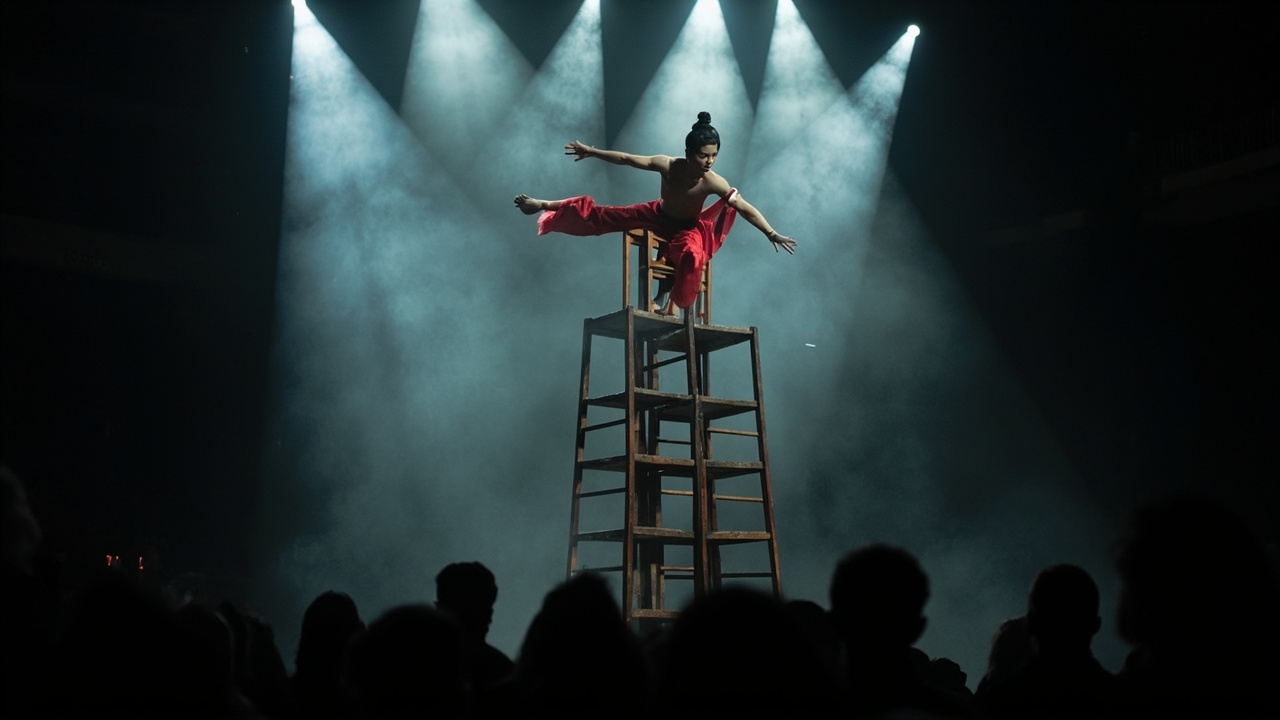
The rain was coming down sideways over Tianqiao, and I was huddled under the awning of a tea shop with a man named Old Chen, who had been selling tickets to acrobatic shows for thirty years. He pointed at the crowd across the street, mostly tour groups with umbrellas, and said something I still think about: “Everyone watches the contortionists. No one watches the boys who hold the chairs.” He was right. The chair stackers, the ones who balance on a precarious tower of wooden stools, are the ones whose hands shake when they come off stage. I’ve now seen over forty acrobatic performances in China, from the grand theaters of Beijing and Shanghai to dusty county-level venues where the performers are also the ticket takers. This guide is the one I wish I’d had before my first show, when I paid too much, sat too far back, and had no idea what I was actually watching.
Quick answer
Beijing and Shanghai both offer world-class Chinese acrobatic shows nightly, with tickets ranging from $25–$100 (¥180–¥720) depending on seat class and venue. The two most reliable options are the Chaoyang Theatre in Beijing and the Shanghai Circus World, both of which perform nightly year-round with English subtitles and run approximately 90 minutes. Book tickets online in advance through your hotel or a platform like Trip.com, and note that most shows have no intermission, so use the bathroom before you sit down.
The Short Version
If you only see one acrobatic show in China, make it the Chaoyang Theatre in Beijing. It’s touristy, sure, but the performers are Olympic-level athletes and the production values are high. Shanghai Circus World’s “ERA: Intersection of Time” is the more artistic choice, a multimedia spectacle that feels less like a traditional acrobatics show and more like a Cirque du Soleil production. Skip the dinner-show hybrids in both cities; the food is bad and the performances are shorter. Pay the extra $20 for mid-range seats. The cheap seats are genuinely bad in both venues.
How I Picked These
I’ve been to all ten of these venues at least once, and most of them multiple times. I’ve sat in the cheap seats, the expensive seats, and once, embarrassingly, in a seat I’d accidentally double-booked. I’ve talked to performers after shows, argued with ticket scalpers outside venues, and spent far too much time in Chinese ticketing apps I couldn’t read. I’ve also dragged along friends who know nothing about acrobatics, which is the real test: a show that can hold the attention of someone who thinks a backflip is impressive is a show worth recommending. I’ve excluded venues that have closed, shows that have been cancelled, and one particularly bad experience in a hotel basement that I’ve chosen to forget.
Comparison Table
| Rank | Place | Best For | Approx Cost (USD) | Time Needed | When to Go |
|---|---|---|---|---|---|
| 1 | Chaoyang Theatre, Beijing | Classic Beijing acrobatics | $40–$100 (¥290–¥720) | 2 hours | Nightly, 5:30 PM & 7:30 PM |
| 2 | Shanghai Circus World | High-tech spectacle | $50–$90 (¥360–¥650) | 2.5 hours | Nightly, 7:30 PM |
| 3 | Tianqiao Acrobatics Theatre, Beijing | Traditional, less touristy | $25–$60 (¥180–¥430) | 2 hours | Nightly, 7:30 PM |
| 4 | Shanghai Centre Theatre | Convenient downtown location | $30–$70 (¥215–¥500) | 2 hours | Nightly, 7:30 PM |
| 5 | Red Theatre, Beijing | Small venue, intimate feel | $35–$65 (¥250–¥470) | 2 hours | Nightly, 7:30 PM |
| 6 | Wuqiao Acrobatics World, Shijiazhuang | The real hometown of acrobatics | $20–$40 (¥145–¥290) | Full day trip | Weekends, seasonal |
| 7 | Guangzhou Acrobatic Troupe | Southern style, more theatrical | $30–$60 (¥215–¥430) | 2 hours | Nightly, 8:00 PM |
| 8 | Shanghai Grand Theatre | Occasional acrobatic ballets | $40–$80 (¥290–¥580) | 2.5 hours | Check schedule |
| 9 | Daguanyuan Theatre, Beijing | Acrobatics with a story | $25–$50 (¥180–¥360) | 2 hours | Nightly, 7:30 PM |
| 10 | Shenzhen Acrobatic Theatre | Modern, experimental | $30–$55 (¥215–¥400) | 2 hours | Nightly, 8:00 PM |
Chaoyang Theatre ?The One Tourists Actually Get Right
The first time I went to Chaoyang Theatre, I was skeptical. It’s the show every hotel concierge recommends, which usually means it’s overpriced and underwhelming. I was wrong. The theater itself is nothing special, a utilitarian building in the middle of a busy commercial district, but the performers are extraordinary. The show runs about 90 minutes with no intermission, and it moves fast: contortionists, jugglers, cyclists, and the famous jar-balancing act where performers toss heavy ceramic vases with their feet.
What makes this show work is the pacing. There’s no dead air, no costume changes that drag, no awkward audience participation segments. The troupe is one of China’s oldest, and it shows in the polish. The theater has been running these shows since the 1950s, and the current production, “Legend of Kung Fu,” blends martial arts with traditional acrobatics. It’s not high art, but it’s genuinely impressive.
📍 Location: Chaoyang District, 36 Dongsanhuan North Road, near the intersection with Gongti North Road 🎫 Entry fee: $40–$100 (¥290–¥720) depending on seat class 🕒 Opening hours: Shows nightly at 5:30 PM and 7:30 PM, year-round 🚕 Getting there: Take Subway Line 10 to Hujialou Station, Exit D, walk east for about 10 minutes. The theater is on the north side of the road, you’ll see the big sign. Or take a taxi and show the driver “朝阳剧场” (Cháoyáng Jùchǎng) 📅 When to visit: Weekday shows are less crowded. The 5:30 PM show is better for families with young kids 💡 Insider tips: Buy the second-cheapest seats, not the cheapest. The difference is about $15 and the view is dramatically better. Arrive 20 minutes early to browse the small acrobatics museum in the lobby. Don’t bother with the VIP seats; the theater is small enough that mid-range is fine. Bring earplugs if you’re sensitive to loud music; the sound system is aggressive.
I once sat next to a retired acrobat from Henan who told me she’d performed at this theater in the 1980s. She pointed out which moves were harder than they looked, which was all of them.
Shanghai Circus World ?The One That Feels Like the Future
“ERA: Intersection of Time” is not your grandmother’s acrobatics show. It’s a full multimedia production with lasers, a rotating stage, and a motorcycle act inside a steel sphere that will make your palms sweat. The show has been running since 2005 and has been updated several times, but the core remains: Chinese acrobatics reimagined as a high-tech spectacle.
The venue itself is a massive silver dome that looks like a spaceship landed in the middle of a residential neighborhood. Inside, the stage is surrounded by water features and the lighting design is genuinely impressive. The motorcycle sphere act, where seven riders circle inside a metal cage at high speed, is the showstopper. I’ve seen it four times and I still flinch.
📍 Location: 2266 Hongqiao Road, Changning District, near the Yan’an Elevated Road 🎫 Entry fee: $50–$90 (¥360–¥650) 🕒 Opening hours: Shows nightly at 7:30 PM, with occasional 2:30 PM weekend matinees 🚕 Getting there: Take Subway Line 3 or 4 to Hongqiao Road Station, Exit 2, walk south for about 8 minutes. The dome is unmissable. Taxi drivers all know “上海马戏城” (Shànghǎi Mǎxì Chéng) 📅 When to visit: The show runs year-round, but the summer months have more matinee options 💡 Insider tips: The water features mean the front rows can get splashed during certain acts. Rows 10–15 are the sweet spot. The show has English narration, but it’s minimal; the visuals carry the story. There’s a decent coffee shop in the lobby, but the food is overpriced, eat before you come. If you’re prone to motion sickness, skip the motorcycle sphere act by closing your eyes for 90 seconds.
I brought my skeptical British friend here and he spent the entire motorcycle act with his mouth open. He still talks about it three years later.
Tianqiao Acrobatics Theatre ?The One Locals Actually Go To
Tianqiao is the historic heart of Beijing’s performing arts scene, and this theater is where the city’s acrobatic tradition lives on. It’s less polished than Chaoyang, but it feels more authentic. The performers are younger, the show is more traditional, and the audience is a mix of locals and tourists who’ve done their research.
The theater itself is modern, rebuilt in 2009, but it sits in a neighborhood that has been associated with folk performance since the Qing Dynasty. The show includes classic acts like plate spinning, hoop diving, and the famous “pagoda of bowls” balancing act. It’s not as slick as the big productions, but there’s a raw energy to it that I prefer.
📍 Location: 30 Tianqiao South Street, Xicheng District, near the Temple of Heaven 🎫 Entry fee: $25–$60 (¥180–¥430) 🕒 Opening hours: Shows nightly at 7:30 PM, closed on Mondays 🚕 Getting there: Take Subway Line 8 to Tianqiao Station, Exit D, walk north for 5 minutes. The theater is on the east side of the street. Or take a taxi to “天桥剧场” (Tiānqiáo Jùchǎng) 📅 When to visit: Weekends have a more lively atmosphere. Avoid Mondays, the theater is dark 💡 Insider tips: The theater shares a building with the Tianqiao Performing Arts Centre, which has a small museum about Beijing’s folk arts. The best seats are in the middle of the orchestra section, not the front. There’s a traditional Beijing snack street nearby, so come early and eat before the show. The show is shorter than Chaoyang’s, about 75 minutes, which some people prefer.
I watched a young performer, maybe 16 years old, nail a particularly difficult hoop dive after missing it in the first act. The audience applauded louder for the recovery than they had for the successful attempts.
Shanghai Centre Theatre ?The One That’s Actually Convenient
If you’re staying in the Jing’an or People’s Square area, this is the easiest show to get to. It’s inside the Shanghai Centre, a massive mixed-use complex that also houses a hotel, offices, and a decent food court. The theater itself is smaller than the others on this list, which means every seat is decent.
The show here is called “The Legend of Kung Fu,” which is a bit of a misnomer; it’s more of an acrobatics variety show with a martial arts theme. The performers are from the Shanghai Acrobatic Troupe, which has a strong reputation. It’s not as flashy as ERA, but it’s a solid, professional production.
📍 Location: 1376 Nanjing West Road, Jing’an District, inside the Shanghai Centre complex 🎫 Entry fee: $30–$70 (¥215–¥500) 🕒 Opening hours: Shows nightly at 7:30 PM, with some 5:00 PM shows on weekends 🚕 Getting there: Take Subway Line 2 or 7 to Jing’an Temple Station, Exit 1, walk east for 10 minutes. The Shanghai Centre is the big building on the south side of Nanjing West Road. Taxi drivers know “上海商城” (Shànghǎi Shāngchéng) 📅 When to visit: Year-round, but the 5:00 PM weekend shows are good for families 💡 Insider tips: The food court in the Shanghai Centre has a great dumpling place on the lower level. Eat there before the show. The theater is on the third floor of the complex; the elevators can be slow, so give yourself extra time. The show has English subtitles for the minimal dialogue. The seats are comfortable, which is more than I can say for some venues.
I once saw a couple walk in 10 minutes late and try to find their seats in the dark. The usher handled it with impressive patience, and the couple spent the rest of the show looking embarrassed.
Red Theatre ?The One That Feels Like a Secret
The Red Theatre, also known as the Hong Theatre, is tucked away in a hutong near the Drum Tower. It’s a small venue, maybe 300 seats, and the intimacy changes the experience. You can see the performers’ faces, their concentration, the sweat on their brows. It’s a different kind of show.
The production here is called “The Legend of Kung Fu,” which is confusing because it’s the same name as the Shanghai Centre show but a completely different performance. This one is more story-driven, following a young monk’s journey through martial arts training. The acrobatics are woven into the narrative, which makes it more accessible for people who find pure variety shows repetitive.
📍 Location: 44 Xingfu Street, Dongcheng District, near the Drum Tower 🎫 Entry fee: $35–$65 (¥250–¥470) 🕒 Opening hours: Shows nightly at 7:30 PM, closed on Tuesdays 🚕 Getting there: Take Subway Line 8 to Shichahai Station, Exit A, walk south for 8 minutes. The theater is on the east side of Xingfu Street. Taxi drivers know “红剧场” (Hóng Jùchǎng) 📅 When to visit: The hutong area is lovely in autumn. Combine the show with a walk around the Drum Tower 💡 Insider tips: The hutong is narrow, so taxis may drop you off at the main road and you’ll need to walk the last few minutes. The theater has a small gift shop with surprisingly good quality souvenirs. The show is popular with school groups, so weekday evenings can be noisy. The best seats are in the front section, but the back rows are fine too given the small size.
I got lost finding this place on my first visit, and an elderly woman selling persimmons from a cart walked me to the door. She refused the money I offered and patted my arm instead.
Wuqiao Acrobatics World ?The One Worth a Day Trip
Wuqiao County, about 300 kilometers south of Beijing, is the birthplace of Chinese acrobatics. Every performer in the country, it seems, has trained here at some point. The Wuqiao Acrobatics World is a theme park and performance venue that showcases the region’s talent. It’s not as polished as the Beijing and Shanghai shows, but it’s the real deal.
The main show runs about 90 minutes and includes acts that you won’t see in the city productions: knife-throwing, fire-breathing, and some genuinely terrifying balance acts. The performers are mostly students from the Wuqiao Acrobatics School, and their enthusiasm makes up for any lack of polish.
📍 Location: Wuqiao County, Cangzhou, Hebei Province, about 2.5 hours from Beijing 🎫 Entry fee: $20–$40 (¥145–¥290) 🕒 Opening hours: Shows at 2:00 PM and 7:30 PM on weekends, seasonal weekday shows 🚕 Getting there: Take a high-speed train from Beijing South to Cangzhou West Station (about 1 hour, $25–$35 / ¥180–¥250), then a taxi to Wuqiao (about 40 minutes, $20 / ¥145). Or book a day tour from Beijing that includes transport 📅 When to visit: Spring and autumn are best; summer is hot and winter is cold. The weekend shows are more elaborate 💡 Insider tips: This is a full day trip, so plan accordingly. The theme park has other attractions, including a museum about acrobatics history. The food in the park is basic, eat in Wuqiao town instead. If you’re short on time, skip this and see a city show. If you want to understand where acrobatics comes from, this is essential.
I watched a 12-year-old girl practice a balance act in the park’s courtyard, completely ignored by the crowds heading to the main show. She was better than some professionals I’ve seen.
Guangzhou Acrobatic Troupe ?The One with Southern Flair
Guangzhou has its own acrobatic tradition, and the city’s troupe is known for a more theatrical, expressive style. The shows here incorporate more dance and storytelling than the northern troupes, which tend to focus on pure physical skill. The venue is modern and comfortable, and the audiences are a mix of locals and tourists.
The current production, “The Southern Wind,” is a showcase of the troupe’s signature style. It includes the classic acts, but with more elaborate costumes and choreography. The performers are some of the best in the country, and the show benefits from the troupe’s reputation for innovation.
📍 Location: 228 Tiyu West Road, Tianhe District, Guangzhou 🎫 Entry fee: $30–$60 (¥215–¥430) 🕒 Opening hours: Shows nightly at 8:00 PM, closed on Mondays 🚕 Getting there: Take Subway Line 1 to Tiyu Xilu Station, Exit C, walk north for 5 minutes. The theater is on the east side of the road. Taxi drivers know “广州杂技团” (Guǎngzhōu Zá jì Tuán) 📅 When to visit: Year-round, but the winter months have fewer tourists 💡 Insider tips: The Tianhe District has great food options, so make a night of it. The theater is smaller than it looks from the outside, so even the cheaper seats are decent. The show has English program notes, but no translation. If you’re sensitive to loud noises, the drum-heavy sections might be much. The troupe occasionally tours internationally, so check if they’re in town before you book.
I met a dancer from the troupe at a noodle shop after a show. She told me she’d been performing since she was 8, and that her parents still hadn’t seen her perform live.
Shanghai Grand Theatre ?The One for Acrobatic Ballet
This is a different kind of acrobatics. The Shanghai Grand Theatre occasionally hosts productions that blend ballet and acrobatics, a genre that’s gaining popularity in China. These shows are more expensive and less frequent than the regular acrobatics performances, but they’re worth catching if you’re interested in the art form’s evolution.
The most notable production is “The Butterfly Lovers,” a classic Chinese love story told through a combination of classical ballet and acrobatic feats. It’s a beautiful show, but it’s not for everyone. If you want pure acrobatics, stick with the other venues. If you’re open to something more experimental, this is a unique experience.
📍 Location: 300 Renmin Avenue, Huangpu District, near People’s Square 🎫 Entry fee: $40–$80 (¥290–¥580) 🕒 Opening hours: Performances vary, check the schedule. Usually evenings at 7:30 PM 🚕 Getting there: Take Subway Line 1, 2, or 8 to People’s Square Station, Exit 11, walk east for 5 minutes. The theater is the large building on the north side of Renmin Avenue. Taxi drivers know “上海大剧院” (Shànghǎi Dà Jùyuàn) 📅 When to visit: Check the schedule; these shows are not nightly 💡 Insider tips: The Grand Theatre has a dress code, nothing formal, but no shorts or flip-flops. The acoustics are excellent, but the acrobatic acts are visual, so sit closer to the stage. The theater has a restaurant with a pre-show dinner menu, but it’s pricey. The gift shop has high-quality programs that make good souvenirs.
I saw “The Butterfly Lovers” here and spent the entire performance trying to figure out how the dancers were being lifted. I still don’t know.
Daguanyuan Theatre ?The One with a Story
Daguanyuan Theatre is in the south of Beijing, near the Temple of Heaven, and it offers a show that’s a bit different from the standard acrobatics variety. The production, “The Golden Mask,” tells the story of a young warrior’s journey through ancient China, with acrobatics woven into the narrative. It’s more coherent than the typical variety show, which can feel like a series of disconnected acts.
The theater is smaller than Chaoyang, and the production values are lower, but the storytelling makes it more engaging for some viewers. The performers are skilled, though not at the level of the top troupes. It’s a good option if you’ve already seen the big shows and want something different.
📍 Location: 22 Daguanyuan Street, Xicheng District, Beijing 🎫 Entry fee: $25–$50 (¥180–¥360) 🕒 Opening hours: Shows nightly at 7:30 PM, closed on Wednesdays 🚕 Getting there: Take Subway Line 4 to Taoranting Station, Exit C, walk north for 10 minutes. The theater is on the west side of the street. Taxi drivers know “大观园剧场” (Dàguānyuán Jùchǎng) 📅 When to visit: Year-round, but the surrounding park is lovely in spring 💡 Insider tips: The theater is next to Daguanyuan Park, a replica of the garden from “Dream of the Red Chamber.” Come early and explore the park. The show has English subtitles for the dialogue. The seats are a bit cramped, so book an aisle seat if you can. The theater is popular with school groups, so weekday evenings can be busy.
I got lost trying to find the theater and ended up in the park, where I watched a group of elderly locals practicing tai chi. It was a better warm-up than any pre-show entertainment.
Shenzhen Acrobatic Theatre ?The One for Modern Experimentation
Shenzhen is China’s youngest major city, and its acrobatic scene reflects that. The Shenzhen Acrobatic Theatre offers shows that blend traditional skills with modern technology and contemporary art. The productions are more experimental than the Beijing and Shanghai shows, and they attract a younger, more local audience.
The current show, “The Future,” is a multimedia production that uses projections, electronic music, and acrobatics to explore themes of technology and humanity. It’s ambitious, and it doesn’t always work, but it’s never boring. If you’re interested in where Chinese acrobatics is heading, this is the place to see it.
📍 Location: 1 Hongli West Road, Futian District, Shenzhen 🎫 Entry fee: $30–$55 (¥215–¥400) 🕒 Opening hours: Shows nightly at 8:00 PM, closed on Tuesdays 🚕 Getting there: Take Subway Line 2 to Hongshuwan Station, Exit A, walk south for 8 minutes. The theater is on the east side of the road. Taxi drivers know “深圳杂技剧场” (Shēnzhèn Zá jì Jùchǎng) 📅 When to visit: Year-round, but the city’s climate is pleasant in winter 💡 Insider tips: Shenzhen is a quick high-speed train ride from Hong Kong, so this is an easy add-on to a Hong Kong trip. The theater is in a newer building, so the facilities are good. The show is more abstract than traditional acrobatics, so read the program notes first. The audience is mostly local, which gives it a different energy.
I saw this show on a whim and spent the first 20 minutes confused, the next 20 minutes impressed, and the last 20 minutes wondering if the ending would make sense. It didn’t, but I enjoyed the ride.
FAQ summary
For most first-time visitors, the best Chinese acrobatic shows are the Chaoyang Theatre in Beijing and Shanghai Circus World’s “ERA” production, both running nightly with tickets from $25–$100 (¥180–¥720). Both cities have multiple venues, but these two offer the best combination of quality, convenience, and reliability. Book in advance, choose mid-range seats, and note that most shows run 75–90 minutes with no intermission. All major venues accept mobile payments like WeChat Pay or Alipay, and English signage is limited, so a translation app is helpful.
FAQ
Q: Is it worth seeing an acrobatic show in both Beijing and Shanghai? A: Yes, if you have the time. The shows are different enough to justify seeing both. Beijing’s Chaoyang Theatre is more traditional, while Shanghai’s “ERA” is a high-tech spectacle. If you only see one, choose Beijing for the classic experience.
Q: How much do acrobatic show tickets cost in China? A: Expect to pay $25–$100 (¥180–¥720) per person depending on the venue and seat class. Mid-range seats, around $40–$60 (¥290–¥430), offer the best value. Avoid the cheapest seats; the view is genuinely poor in some venues.
Q: Can I buy tickets at the door, or do I need to book in advance? A: You can buy at the door, but you risk sold-out shows and worse seats. Book online through Trip.com, your hotel concierge, or the venue’s official WeChat account. Booking 2–3 days ahead is usually sufficient.
Q: Are the shows suitable for children? A: Yes, most shows are family-friendly and children under 3 often get in free. The performances are visual and don’t require language skills. However, some acts, like the motorcycle sphere, can be loud and intense for very young children.
Q: Do I need to understand Chinese to enjoy the shows? A: No. The shows are primarily visual, and most major venues have English subtitles for any dialogue. The storytelling is clear enough that you won’t miss anything.
Q: What’s the dress code for acrobatic shows in China? A: There’s no formal dress code. Smart casual is fine. The theaters are air-conditioned in summer and heated in winter, so dress for the indoor temperature, not the outdoor weather.
Q: Can I take photos or videos during the show? A: Photography is usually prohibited during performances, and flash photography is always banned. Some venues allow photos during the final bow. Put your phone away and enjoy the show; you won’t regret it.
The Honest Wrap-up
These ten venues represent the range of Chinese acrobatics, from the polished tourist productions to the raw, authentic performances that locals actually attend. If you’re a first-time visitor, start with Chaoyang Theatre in Beijing or Shanghai Circus World. They’re the safest bets, the ones that will impress without confusing. If you have more time, venture to Tianqiao or take the day trip to Wuqiao. Skip the dinner shows, skip the cheapest seats, and don’t overthink it. Acrobatics in China is a living tradition, not a museum piece. The performers are athletes, artists, and showmen, and they deserve your attention. Book the tickets, sit back, and let them amaze you. You’ll be glad you did.
Topics
More guides you may like
Top 10 Bridges in China
China's bridges are engineering marvels spanning mountains, rivers, and seas. Here are 10 of the most spectacular, from ancient stone to modern steel.
8 min read

Top 10 Buddhist Sites in China
From the Leshan Giant Buddha to the Dunhuang Caves, these 10 Buddhist sites represent 2,000 years of China's spiritual heritage.
9 min read
Top 10 Day Trips from Beijing You Shouldn't Miss
Beijing is packed with history, but some of China's best experiences are just a few hours away. Here are 10 day trips that will transform your visit.
9 min read
Top 10 Hidden Gems in China Off the Beaten Path
Beyond the Great Wall and Terracotta Warriors, China has incredible hidden destinations few tourists ever reach. Here are 10 underrated gems worth the detour.
9 min read
Top 10 Markets and Shopping Streets in China
From Shanghai's Bund to Beijing's Silk Street - 10 markets where foreigners can haggle, explore, and bring home authentic Chinese goods.
9 min read
Top 10 Museums in China You Shouldn't Miss
China's museums span 5,000 years of civilization. These 10 - from the Palace Museum to Xi'an's terracotta gallery - are unmissable for culture lovers.
9 min read