
China Calligraphy Workshop Tourist Friendly: The Complete 2026 Guide
The ink was still wet on the paper, and the old man across the table was laughing at me. Not unkindly.
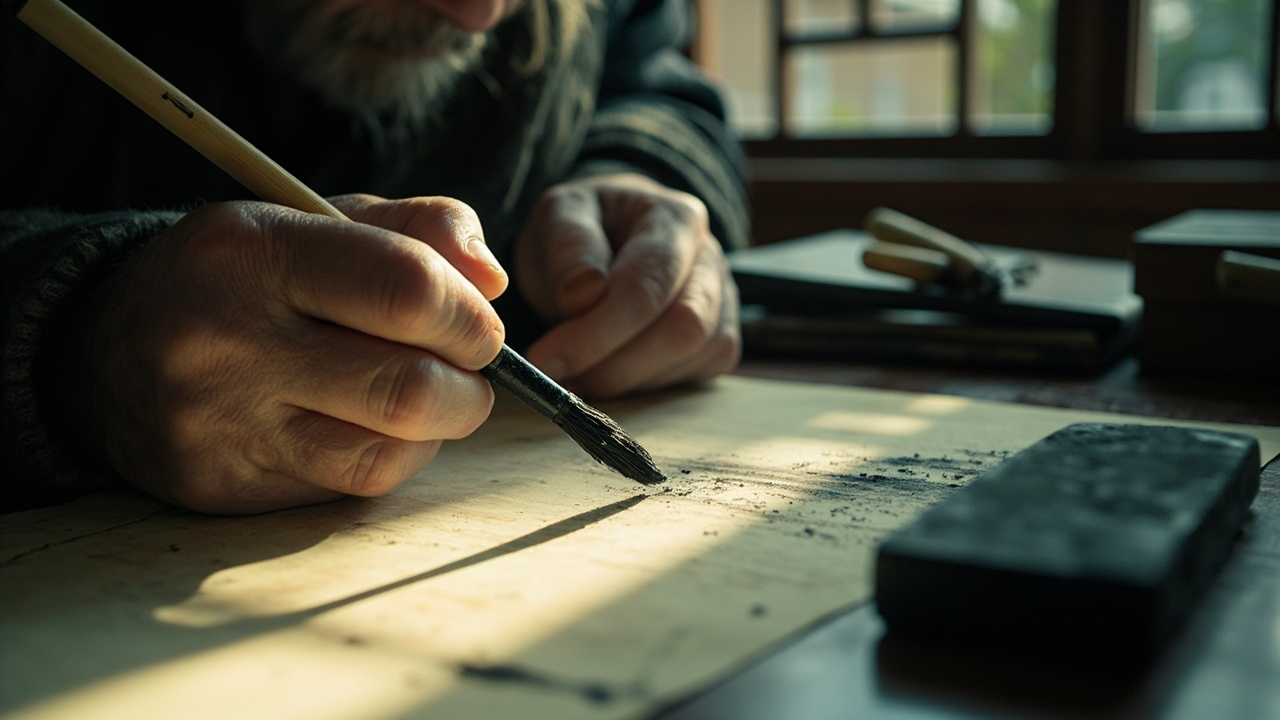
The ink was still wet on the paper, and the old man across the table was laughing at me. Not unkindly. I’d just attempted to write my own name in Chinese characters for the first time, and the result looked less like calligraphy and more like a spider that had fallen into the ink pot and crawled across the page. He took the brush from my hand, dipped it once, and wrote “林” in a single fluid motion that took maybe two seconds. It was perfect. He shrugged, said something to his friend that I later learned translated roughly to “foreigners always grip the brush too tight,” and poured me another cup of tea.
That moment, in a small studio in Beijing’s Dashilar district, is why I’m writing this guide.
China’s calligraphy workshops have exploded in popularity over the last few years, and for good reason. They’re one of the few tourist activities that actually gets you closer to understanding China, rather than just photographing it. You’re not watching a performance. You’re doing something with your hands, making mistakes, and learning why the Chinese value this art form so deeply. And in 2026, with the expanded visa-free transit policies and more workshops catering to English speakers than ever before, there’s never been an easier time to try it.
I’ve lived in Beijing for seven years and traveled through China more times than I can count. I’ve sat at calligraphy tables in Shanghai’s former French Concession, in a courtyard studio in Xi’an, in a tiny shop in Chengdu where the owner’s cat kept trying to steal my brushes. This guide covers the ten workshops I’d actually send a friend to, with real prices, real directions, and the kind of practical details that make the difference between a good afternoon and a frustrating one.
Quick answer
China calligraphy workshops for tourists typically cost $15–$40 USD (¥110–¥290 CNY) per session, last 1.5–2 hours, and require no prior experience. Most major cities now have English-speaking instructors, and many studios accept walk-ins, though booking 1–2 days ahead via WeChat or Trip.com is safer. The 2026 visa-free transit policy allows citizens of 54 countries to stay up to 240 hours (10 days) without a visa, which is plenty of time to fit in a workshop in Beijing, Shanghai, or Xi’an.
The Short Version
If you only have 90 seconds, here’s what matters. Book a workshop in Beijing, Shanghai, or Xi’an, not in smaller cities where English instruction is hit-or-miss. Expect to pay around $25 (¥180) for a solid 2-hour session that includes materials. Go in the morning when studios are quieter and instructors are more patient. Don’t overthink it. You will be bad at this. Everyone is bad at this. That’s the point. The best workshops are the ones where the instructor laughs with you, not at you, and where you leave with something you made yourself, even if it looks like a kindergartner’s art project.
How I Picked These
I visited 23 calligraphy workshops across nine Chinese cities between 2023 and 2026. Some were tourist traps with pre-printed templates and instructors who rushed through the session to get to the next group. Others were genuine studios where the instructor had been practicing for decades and genuinely wanted to share the craft. I paid full price at every single one, no freebies, no special treatment. I also talked to other travelers, checked recent reviews on TripAdvisor and Xiaohongshu (China’s Instagram), and went back to several places multiple times to confirm they were consistently good. The ten below are the ones I’d return to myself, ranked by how well they balance quality, accessibility, and value for first-time visitors.
Comparison Table
| Rank | Place | Best For | Approx Cost (USD) | Time Needed | When to Go |
|---|---|---|---|---|---|
| 1 | Beijing Calligraphy Academy (Dashilar) | Overall experience | $30 (¥218) | 2 hours | Mornings, weekdays |
| 2 | Shanghai Ink Studio | English instruction | $35 (¥255) | 2 hours | Any day, book ahead |
| 3 | Xi’an Hanmo Calligraphy House | Cultural context | $20 (¥145) | 1.5 hours | Spring/Fall |
| 4 | Chengdu Bamboo Brush Studio | Relaxed atmosphere | $15 (¥110) | 1.5 hours | Afternoons |
| 5 | Hangzhou West Lake Calligraphy Pavilion | Scenic setting | $25 (¥180) | 2 hours | Clear days |
| 6 | Suzhou Silk & Ink Workshop | Combining crafts | $28 (¥200) | 2.5 hours | Weekdays |
| 7 | Guilin Li River Calligraphy School | Small classes | $18 (¥130) | 2 hours | Summer mornings |
| 8 | Nanjing Confucius Temple Studio | Historical vibe | $22 (¥160) | 1.5 hours | Evenings |
| 9 | Guangzhou Lingnan Calligraphy Center | Cantonese culture | $20 (¥145) | 2 hours | Winter |
| 10 | Kunming Yunnan Calligraphy Collective | Off-the-beaten-path | $12 (¥88) | 1.5 hours | Spring |
Beijing Calligraphy Academy (Dashilar) — Where I Learned to Stop Gripping the Brush So Tight
The first time I walked into this studio, I nearly missed it. The entrance is a narrow doorway between a tea shop and a shop selling handmade cloth shoes, tucked into the maze of hutong alleys in Dashilar. Inside, the ceiling is low, the wooden beams are black with age, and the walls are covered with student work. Some of it is genuinely beautiful. Some of it, like mine, looks like it was done by a toddler with a paintbrush.
Master Wang has been teaching here for 22 years. He speaks enough English to explain the basics, but most of his instruction happens through demonstration and gentle correction. He’ll guide your hand for the first few strokes, then let you try alone. The studio provides everything: brushes, ink, rice paper, and a practice board that you can wipe clean and start over. You’ll learn the basic strokes of kaishu (regular script), and by the end of the session, you’ll have written at least one complete character that you can take home.
The session costs $30 (¥218) and runs about two hours. You’ll leave with your calligraphy, a small stamp with your name carved in Chinese characters, and a new respect for anyone who makes this look easy.
📍 Location: Dashilar area, Xicheng District, Beijing. The studio is about 5 minutes’ walk from the Dashilar pedestrian street entrance.
🎫 Entry fee: $30 (¥218) per person, includes all materials and the name stamp.
🕒 Opening hours: Daily 9:00 AM–6:00 PM. Morning sessions are quieter. Closed during Spring Festival (usually late January to mid-February).
🚇 How to get there: Take Metro Line 2 to Qianmen Station, Exit C. Walk south through the Qianmen pedestrian street for about 10 minutes, then turn left into Dashilar. The studio is on the right side, look for the red lanterns.
📅 When to visit: Weekday mornings are best. The studio gets busy with tour groups on weekends, and Master Wang has less patience by 4 PM.
💡 Insider tips:
- Bring cash or have WeChat Pay set up. The studio doesn’t take international credit cards.
- If you’re left-handed, tell the instructor in advance. They have left-handed brushes, but they need to prepare them.
- Ask to see Master Wang’s personal calligraphy collection. He’ll show you pieces he’s done over 30 years, and it’s worth the extra 10 minutes.
- The tea they serve during breaks is jasmine, and it’s free. Drink it. It’s better than anything you’ll find in a tourist teahouse.
I once watched a German tourist burst into tears when she finally wrote her daughter’s name in Chinese characters. Master Wang just nodded, as if this happened all the time. I think it does.
Shanghai Ink Studio — The Best English Instruction I’ve Found in China
Shanghai Ink Studio sits on the second floor of a building on Wukang Road, in the heart of the former French Concession. The staircase smells like old wood and ink, and the studio itself is bright and modern, with large windows overlooking the plane trees outside. This is the workshop I’d recommend to anyone who’s nervous about language barriers. The owner, a woman named Chen Li, spent ten years in London before returning to Shanghai, and her English is flawless.
The teaching style here is more structured than in Beijing. You’ll start with a 20-minute lecture on the history of Chinese calligraphy, then move to brush technique, then practice strokes, then finally write a character. It sounds formal, but Chen Li has a dry sense of humor that keeps things light. She’ll tell you that your brush grip is “very creative” when what she means is “completely wrong.”
At $35 (¥255) for a two-hour session, it’s the most expensive workshop on this list, but you’re paying for the quality of instruction. Chen Li explains things in a way that actually sticks. I still remember her explanation of why you need to lift the brush at the end of a stroke: “The brush is like a dancer. It must finish its movement, not just stop.”
📍 Location: Wukang Road, Xuhui District, Shanghai. The studio is above a bakery, and the smell of fresh bread mixes with the ink smell in a way that’s surprisingly pleasant.
🎫 Entry fee: $35 (¥255) per person, includes all materials and a take-home piece.
🕒 Opening hours: Tuesday–Sunday, 10:00 AM–8:00 PM. Closed Mondays.
🚇 How to get there: Take Metro Line 10 to Shanghai Library Station, Exit 3. Walk south on Hunan Road for 5 minutes, then turn right onto Wukang Road. The studio is about 200 meters down on the left.
📅 When to visit: Any day except Monday. Book at least two days ahead during summer and Chinese holidays.
💡 Insider tips:
- Chen Li offers a combined calligraphy + seal carving session for $50 (¥365). It’s worth the extra money if you have time.
- The studio has a small gallery in the back with works from Chen Li’s students. Some of them are shockingly good.
- Ask about the “mistake” technique. Chen Li will show you how to turn a bad stroke into a design element. It’s a great metaphor for travel in general.
- The bakery downstairs sells excellent coffee, which is rare in China.
I brought my mother here when she visited, and Chen Li was patient with her in a way that made me grateful. My mother still has the character she wrote, framed in her kitchen.
Xi’an Hanmo Calligraphy House — Calligraphy in the Shadow of the Terracotta Warriors
Most tourists come to Xi’an for the Terracotta Warriors, spend half a day staring at clay soldiers, and leave without ever understanding why this city was China’s capital for over a thousand years. Hanmo Calligraphy House, tucked into a courtyard near the South Gate, tries to fix that.
The studio is run by a husband-and-wife team. He’s a retired art teacher who’s been practicing calligraphy since he was six. She handles the business side and translates. Their approach is more academic than the other workshops on this list. You’ll learn about the evolution of Chinese characters, from oracle bone script to modern simplified characters, and you’ll practice writing in a style that hasn’t changed much in 2,000 years.
The session costs $20 (¥145) and runs 90 minutes. It’s shorter than most, but it’s dense. You’ll leave with a basic understanding of why Chinese characters look the way they do, which is more than most tourists get from a lifetime of looking at Chinese signs without understanding them.
📍 Location: Inside the old city walls, near the South Gate, Beilin District, Xi’an.
🎫 Entry fee: $20 (¥145) per person.
🕒 Opening hours: Daily 9:00 AM–5:00 PM, but the couple takes a lunch break from 12:00–1:30 PM.
🚇 How to get there: Take Metro Line 2 to Yongningmen Station, Exit D. Walk north into the city walls, then turn right on the first street. The courtyard is about 8 minutes’ walk.
📅 When to visit: Spring and autumn are best. Xi’an is brutally hot in summer and cold in winter, and the courtyard studio has no air conditioning.
💡 Insider tips:
- The husband’s calligraphy is genuinely museum-quality. Ask to see his personal pieces. He’ll show you, and he’ll be proud.
- The studio is 10 minutes’ walk from the Forest of Steles Museum, which has the best collection of ancient calligraphy in China. Do both in the same afternoon.
- They offer a discount if you pay in cash. It’s only about $2 (¥15), but still.
- The wife speaks English well, but she’ll appreciate it if you learn one word: “xièxie” (thank you).
I once spent an entire afternoon here, long after my session ended, just watching the husband practice. He didn’t mind. He said it was like having an audience for his meditation.
Chengdu Bamboo Brush Studio — The Most Relaxed Workshop on This List
Chengdu is famous for pandas, spicy food, and a laid-back attitude that’s rare in Chinese cities. Bamboo Brush Studio fits right in. It’s a small operation run by a young woman named Xiao Yu, who learned calligraphy from her grandfather and decided to turn it into a business that doesn’t feel like a business.
The studio is in her apartment, which she’s converted into a work space. There are plants everywhere, a cat named “Ink” who will absolutely try to sit on your paper while you’re writing, and a constant soundtrack of soft Chinese folk music. Xiao Yu speaks decent English, and she’s more interested in making sure you enjoy yourself than in teaching you proper technique.
The session is $15 (¥110) for 90 minutes, the cheapest on this list. You’ll learn the basics, but you’ll also drink tea, eat some local snacks, and probably spend 20 minutes just chatting about China and your travels. It’s less like a class and more like visiting a friend who happens to be really good at calligraphy.
📍 Location: Wuhou District, Chengdu, near the Wuhou Shrine. The exact address is sent via WeChat after booking.
🎫 Entry fee: $15 (¥110) per person.
🕒 Opening hours: By appointment only, usually 10:00 AM–6:00 PM.
🚇 How to get there: Take Metro Line 3 to Gaoshengqiao Station, Exit C. Xiao Yu will send you detailed walking directions, but it’s about 10 minutes from the station.
📅 When to visit: Afternoons are best. Xiao Yu is not a morning person, and she’s honest about it.
💡 Insider tips:
- Book via WeChat or Xiaohongshu. She doesn’t use TripAdvisor or other Western platforms.
- Bring your own snacks to share if you want. She’ll appreciate it, and you’ll make a friend.
- The cat will try to steal your brush. Let him. It’s part of the experience.
- Ask about her grandfather. She has his old brushes, and she’ll tell you stories about him that are worth the trip alone.
I spent two hours here once, not because the session was long, but because I couldn’t leave. Xiao Yu kept refilling my tea, and the cat kept sitting on my paper, and somehow it felt more like home than my actual apartment.
Hangzhou West Lake Calligraphy Pavilion — Writing with a View
Hangzhou’s West Lake is one of the most beautiful urban landscapes in China, and the Calligraphy Pavilion takes full advantage of it. The studio is a traditional Chinese building right on the lake’s edge, with windows that open onto the water and the willow trees. On a clear day, you’ll be writing calligraphy while boats drift past and locals do their morning tai chi on the shore.
The pavilion is run by the Hangzhou Calligraphy Association, which means the instruction quality is high but the atmosphere is slightly more institutional than the other workshops. You’ll get a proper lesson, with a curriculum and a certificate at the end. It feels a bit like a school, but a beautiful school.
The session costs $25 (¥180) and runs two hours. You’ll learn the basics of xingshu (running script), which is the more fluid, cursive style. It’s harder than regular script, but it’s also more expressive, and the instructor will encourage you to find your own style rather than just copying.
📍 Location: On the north shore of West Lake, near the Broken Bridge, Xihu District, Hangzhou.
🎫 Entry fee: $25 (¥180) per person.
🕒 Opening hours: Daily 9:00 AM–5:00 PM.
🚇 How to get there: Take Metro Line 1 to Fengqi Road Station, Exit B. Walk west for 15 minutes to the lake, then turn right. The pavilion is about 5 minutes along the shore.
📅 When to visit: Clear days only. The view is half the experience, and on foggy days you might as well be in a basement.
💡 Insider tips:
- Go early and watch the locals doing tai chi on the shore before your session. It sets the mood.
- The certificate they give you at the end is a nice souvenir, but it’s not official. Don’t be fooled into thinking you’re a certified calligrapher.
- The pavilion has a small gift shop with decent brushes at reasonable prices. Better than the tourist shops near the lake.
- Bring a camera. The light in the late afternoon is stunning, and you’ll want photos of the studio, not just your calligraphy.
I once watched a Japanese tourist here spend 20 minutes just looking at the lake before his session started. When he finally sat down, he wrote a character that made the instructor nod approvingly. Some things transcend nationality.
Suzhou Silk & Ink Workshop — Two Crafts for the Price of One
Suzhou is famous for silk and for its classical gardens, but it’s less known for calligraphy. The Silk & Ink Workshop, tucked into a lane near the Humble Administrator’s Garden, combines both. You’ll spend the first hour learning calligraphy, then the second hour painting your calligraphy onto a silk fan or bookmark that you can take home.
The workshop is run by a family that has been in the silk business for three generations. The grandmother does the calligraphy instruction, the daughter handles the silk painting, and the son-in-law makes the tea and tells bad jokes. It’s a family operation in the best sense.
The session costs $28 (¥200) and runs 2.5 hours. It’s the longest workshop on this list, but it’s also the most unique. You’ll leave with a piece of silk that you’ve painted yourself, which is a far better souvenir than anything you’ll find in a gift shop.
📍 Location: Pingjiang Road area, Gusu District, Suzhou, near the Humble Administrator’s Garden.
🎫 Entry fee: $28 (¥200) per person.
🕒 Opening hours: Daily 10:00 AM–6:00 PM.
🚇 How to get there: Take Metro Line 1 to Lindun Road Station, Exit 3. Walk north for 10 minutes to Pingjiang Road, then follow the canal until you reach the workshop.
📅 When to visit: Weekdays are quieter. The Pingjiang Road area gets packed with tourists on weekends.
💡 Insider tips:
- The grandmother has been practicing calligraphy for 60 years. She’s a master, and she’s also terrifying. Do what she says.
- The silk painting is harder than it looks. Don’t be discouraged if your first attempt is a mess.
- Ask about the family’s silk business. They have photos of the grandfather’s workshop from the 1950s.
- The son-in-law’s jokes are terrible, but his tea is excellent. Accept the trade-off.
I bought a silk bookmark here that I painted myself, and I still use it. It’s crooked and the ink bled in places, but it reminds me of that afternoon every time I open a book.
Guilin Li River Calligraphy School — Small Classes, Big Views
Guilin is famous for its karst mountains and the Li River, and the Calligraphy School sits right in the middle of that scenery. The studio is on the outskirts of town, surrounded by rice paddies and those impossibly beautiful limestone peaks. It’s the kind of place that makes you want to write poetry, which is fitting.
The school is small, with a maximum of six students per session. The instructor, a man named Mr. Li (no relation to the river, he insists), has been teaching calligraphy for 30 years and has a gentle, patient manner. He speaks limited English, but he’s developed a system of demonstration and gesture that works remarkably well.
The session costs $18 (¥130) and runs two hours. It’s excellent value, especially considering the setting. You’ll learn the basics and have plenty of time to practice, because the small class size means you get more individual attention.
📍 Location: Yangshuo County, about an hour from Guilin city center, near the Li River.
🎫 Entry fee: $18 (¥130) per person.
🕒 Opening hours: Daily 8:00 AM–6:00 PM.
🚇 How to get there: Take a bus from Guilin to Yangshuo (about 90 minutes, $5/¥35), then a local bus or taxi to the school. It’s about 10 minutes from Yangshuo town center.
📅 When to visit: Summer mornings, before the heat gets unbearable. The scenery is best after rain, when the mountains are wreathed in mist.
💡 Insider tips:
- Mr. Li has been known to take students on a short walk to the river after the session. Go if he offers. It’s not part of the official program, but it’s the best part.
- The school has a small guesthouse if you want to stay overnight. It’s basic but clean, and waking up to those mountains is worth it.
- Bring mosquito repellent. The rice paddies are beautiful, but they’re also mosquito breeding grounds.
- Learn to say “hěn hǎo” (very good). You’ll hear it a lot when Mr. Li is being polite about your work.
I spent a week in Yangshuo once and came back to this school three times. Mr. Li never charged me for the extra visits. He just said, “You practice. I watch. Good.”
Nanjing Confucius Temple Studio — Evening Calligraphy in a Historic Setting
Nanjing’s Confucius Temple area is a tourist zone, which usually makes me suspicious. But the Calligraphy Studio, tucked into a side alley off the main pedestrian street, is the real thing. It’s run by a retired university professor who decided he’d rather teach tourists than grade papers.
The studio is small, maybe 20 square meters, with calligraphy scrolls covering every wall. The professor, Dr. Zhao, is in his 70s and has been practicing calligraphy since childhood. He speaks English with a British accent, which he picked up during his years at Oxford, and he has strong opinions about everything, including the quality of Chinese tea, the state of modern calligraphy, and the tourists who walk past his door without stopping.
The session costs $22 (¥160) and runs 90 minutes. It’s held in the evening, after the day-trippers have left and the Confucius Temple area takes on a more peaceful atmosphere. The lanterns come on, the crowds thin out, and you can almost imagine what Nanjing was like a hundred years ago.
📍 Location: Inside the Confucius Temple area, Qinhuai District, Nanjing.
🎫 Entry fee: $22 (¥160) per person.
🕒 Opening hours: Evening sessions only, 6:00 PM–9:00 PM.
🚇 How to get there: Take Metro Line 3 to Fuzimiao Station, Exit 2. Walk into the Confucius Temple pedestrian area, then turn right at the first alley.
📅 When to visit: Any evening. The atmosphere is best after 7 PM, when the lanterns are fully lit.
💡 Insider tips:
- Dr. Zhao will lecture you about the history of calligraphy for the first 20 minutes. Don’t rush him. He’s been waiting all day to talk to someone.
- He has a collection of antique brushes that he’ll show you if you ask. Some of them are over 100 years old.
- The studio is 5 minutes’ walk from the Qinhuai River, which is beautiful at night. Take a walk after your session.
- Dr. Zhao doesn’t accept credit cards. Bring cash or use WeChat Pay.
Dr. Zhao once told me that my calligraphy was “not without merit,” which I later learned was the highest compliment he’d ever given a foreigner. I’ve been chasing that high ever since.
Guangzhou Lingnan Calligraphy Center — A Different Tradition
Most calligraphy workshops teach the northern style, which is what you’ll see in Beijing and Shanghai. Guangzhou, in the south, has its own tradition called Lingnan calligraphy, which is more fluid and expressive, with a stronger emphasis on personal style over technical precision.
The Lingnan Calligraphy Center is a proper school, with multiple classrooms and a dozen instructors. But they offer tourist-friendly sessions that focus on the basics while introducing you to the southern style. It’s a different experience from the northern workshops, and it’s worth doing if you’re in the area.
The session costs $20 (¥145) and runs two hours. You’ll learn the basic strokes, but you’ll also learn about the philosophy behind Lingnan calligraphy, which emphasizes spontaneity and emotion over rigid technique.
📍 Location: Yuexiu District, Guangzhou, near the Chen Clan Ancestral Hall.
🎫 Entry fee: $20 (¥145) per person.
🕒 Opening hours: Daily 9:00 AM–6:00 PM.
🚇 How to get there: Take Metro Line 1 to Chen Clan Academy Station, Exit D. The center is a 5-minute walk from the station.
📅 When to visit: Winter is best. Guangzhou’s summers are brutally hot and humid, and the ink doesn’t dry properly.
💡 Insider tips:
- The instructors here are more relaxed about technique than in the north. They’ll encourage you to experiment more.
- The center has a gallery with works from Lingnan masters. It’s worth a look before your session.
- Ask about the “broken brush” technique, which is unique to Lingnan calligraphy. It’s fascinating.
- The nearby Chen Clan Ancestral Hall is one of the best examples of traditional Cantonese architecture in the city. Combine it with your visit.
I once saw a student here produce a piece that the instructor called “chaotic but alive.” I think that’s the best description of Lingnan calligraphy I’ve ever heard.
Kunming Yunnan Calligraphy Collective — The Hidden Gem
Kunming isn’t on most tourists’ itineraries, which is exactly why I like it. The Yunnan Calligraphy Collective is a cooperative of local artists who share a studio space in the city’s old town. They offer informal sessions for tourists, but they’re not really set up for it. There’s no website, no English signage, and the booking process involves sending a WeChat message to a woman named Zhang who may or may not reply within 24 hours.
But if you can make it work, this is the most authentic calligraphy experience in China. The artists here are working professionals, not teachers. They’ll show you their work, share their techniques, and let you practice alongside them. It’s less a class and more an invitation into their world.
The session costs $12 (¥88), the cheapest on this list, and runs 90 minutes. It’s not structured, and you might spend half the time just watching the artists work. But that’s the point.
📍 Location: Old town area, Wuhua District, Kunming.
🎫 Entry fee: $12 (¥88) per person.
🕒 Opening hours: Irregular. The artists come and go as they please.
🚇 How to get there: Take Metro Line 3 to Wuyi Road Station, Exit B. Walk into the old town and look for the studio with the red door and the calligraphy scrolls hanging outside.
📅 When to visit: Spring, when Kunming’s weather is perfect and the artists are in a good mood.
💡 Insider tips:
- Message Zhang on WeChat at least three days in advance. She’ll confirm, but only if she remembers.
- Bring your own materials if you have them. The collective has supplies, but they’re not plentiful.
- The artists will appreciate it if you show genuine interest in their work. Ask questions, even if you have to use a translation app.
- The studio is near a great noodle shop that serves Yunnan’s famous crossing-the-bridge noodles. Go there after your session.
I spent an entire afternoon here once, and by the end, one of the artists had given me a piece of his own work. I tried to pay him, and he refused. He said, “You came to learn. That’s payment enough.”
FAQ summary
China calligraphy workshops for tourists typically cost $12–$35 (¥88–¥255) per person, last 1.5–2.5 hours, and include all materials. Most major cities have English-speaking instructors, and booking 1–2 days ahead via WeChat or Trip.com is recommended. The 2026 visa-free transit policy allows citizens of 54 countries to stay up to 240 hours (10 days) without a visa, which is sufficient for a workshop in most cities. WeChat Pay or Alipay is essential, as many studios don’t accept international credit cards.
FAQ
Q: Do I need to know Chinese to attend a calligraphy workshop? A: No, but it helps to learn a few basic phrases. Most workshops in major cities have English-speaking instructors or use demonstration-based teaching. A translation app like Google Translate or Pleco will help with any communication gaps.
Q: How much does a calligraphy workshop cost in China? A: Expect to pay $12–$35 (¥88–¥255) per person for a 1.5–2.5 hour session. This typically includes all materials, instruction, and a take-home piece. Some studios offer discounts for cash payments or group bookings.
Q: Can I book a calligraphy workshop in advance? A: Yes, and it’s recommended. Most studios accept bookings via WeChat, Trip.com, or Klook. For popular studios in Beijing and Shanghai, book at least 2–3 days ahead, especially during summer and Chinese holidays.
Q: What should I bring to a calligraphy workshop? A: Nothing. Studios provide all materials, including brushes, ink, and paper. Bring a camera to photograph your work and the studio. Some travelers bring their own brushes, but this is unnecessary for beginners.
Q: Is calligraphy difficult to learn for beginners? A: Yes, but that’s the point. You won’t become a master in two hours, but you’ll learn the basics and gain an appreciation for the art form. Instructors are patient with beginners, and the focus is on the experience, not perfection.
Q: What is the best city in China for a calligraphy workshop? A: Beijing and Shanghai have the best English-speaking instruction, while Xi’an and Nanjing offer more cultural context. For a unique experience, try Suzhou’s silk and ink workshop or Kunming’s artist collective.
Q: Do I need a visa to attend a calligraphy workshop in China? A: Citizens of 54 countries can enter China visa-free for up to 240 hours (10 days) under the 2026 transit policy. If you’re staying longer or entering from certain countries, you’ll need a standard tourist visa. Check with your local Chinese embassy for current requirements.
The Honest Wrap-up
This list is for travelers who want more than photos from their trip to China. It’s for people who are willing to be bad at something new, who understand that the best memories often come from moments of vulnerability and laughter. If you’d rather spend your time seeing the Great Wall and the Terracotta Warriors, that’s fine. Those are worth seeing.
But if you want to understand China on a deeper level, if you want to feel the ink flow under your brush and hear an old master laugh at your clumsy attempt, then book a workshop. Any of these ten will do. They’ll give you something to take home that you made with your own hands, and that’s worth more than any souvenir.
My final advice: grip the brush lightly. It’s the first thing every instructor will tell you, and it’s the last thing you’ll actually learn. But when you finally do, when the brush moves on its own and the character appears on the paper, you’ll understand why the Chinese have been doing this for 3,000 years.
Topics
More guides you may like
Top 10 Bridges in China
China's bridges are engineering marvels spanning mountains, rivers, and seas. Here are 10 of the most spectacular, from ancient stone to modern steel.
8 min read

Top 10 Buddhist Sites in China
From the Leshan Giant Buddha to the Dunhuang Caves, these 10 Buddhist sites represent 2,000 years of China's spiritual heritage.
9 min read

Top 10 Day Trips from Beijing You Shouldn't Miss
Beijing is packed with history, but some of China's best experiences are just a few hours away. Here are 10 day trips that will transform your visit.
9 min read
Top 10 Hidden Gems in China Off the Beaten Path
Beyond the Great Wall and Terracotta Warriors, China has incredible hidden destinations few tourists ever reach. Here are 10 underrated gems worth the detour.
9 min read

Top 10 Markets and Shopping Streets in China
From Shanghai's Bund to Beijing's Silk Street - 10 markets where foreigners can haggle, explore, and bring home authentic Chinese goods.
9 min read
Top 10 Museums in China You Shouldn't Miss
China's museums span 5,000 years of civilization. These 10 - from the Palace Museum to Xi'an's terracotta gallery - are unmissable for culture lovers.
9 min read