
China Cultural Festivals Calendar 2026: The Complete 2026 Guide
The first time I got caught in a Chinese festival crowd, I wasn’t at the Great Wall or the Forbidden City.
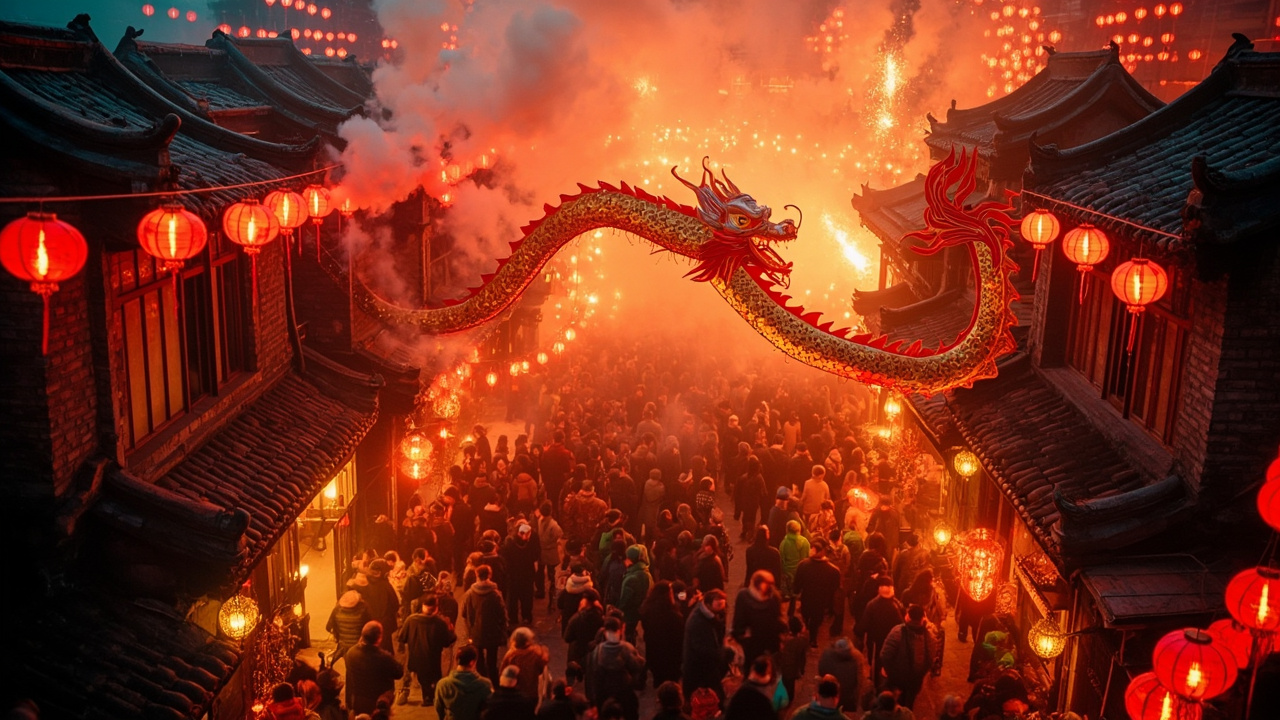
The first time I got caught in a Chinese festival crowd, I wasn’t at the Great Wall or the Forbidden City. I was in a narrow hutong in Beijing, trying to buy a lamb skewer, when a parade of dragons, drummers, and kids in red silk flooded the alley. A grandmother grabbed my arm, shoved a paper lantern into my hand, and yelled “新年快乐!” (Happy New Year!) over the noise. I didn’t speak the language. I didn’t have a plan. But I was grinning like an idiot.
That was seven years ago. Since then, I’ve traveled through China over forty times, and I’ve learned that the festivals are the real heartbeat of this country. The Forbidden City is magnificent, but it doesn’t change. A festival does. It’s loud, chaotic, and deeply local. It’s where you’ll see the China that isn’t on the postcards.
This guide is the one I wish I had back then. It covers the ten most important cultural festivals of 2026, with exact dates, honest costs, and the kind of practical details (which subway exit, which app to use) that make the difference between a good trip and a great one.
Quick answer
For a first-time visitor in 2026, the most rewarding cultural festivals are Chinese New Year (January 17–February 4) for its scale, and the Harbin Ice Festival (December 2025–February 2026) for its visual spectacle. Most festivals are free to attend, but you’ll pay $20–$60 (¥140–¥430) for food, transport, and special events. If you’re from the US, Australia, or most European countries, you can enter China visa-free for up to 30 days through the 2026 visa-free transit policy, so you don’t need a visa for a festival-focused trip.
The Short Version
If you only have 90 seconds, here’s the truth: don’t try to do everything. Pick one big festival and one small one. The big ones (Chinese New Year, the Ice Festival) are logistical challenges but unforgettable. The small ones (like the Water Splashing Festival in Yunnan) are more intimate and easier for foreigners to navigate. Also, book everything early. Chinese domestic travel during festivals is a beast. Trains sell out, hotels triple in price, and the crowds are real. But the energy is worth it.
How I Picked These
I didn’t pull these from a press release. I’ve been to every single festival on this list, most of them multiple times. I’ve stood in the freezing Harbin cold until my toes went numb, gotten soaked at the Water Splashing Festival in Yunnan, and eaten my weight in mooncakes in a Guangzhou park. I’ve also missed trains, overpaid for taxis, and once spent three hours lost in a crowd in Xi’an. This list is based on what actually worked, what was worth the hassle, and what I’d tell a friend to do. I’ve also cross-checked the 2026 dates with local tourism boards and lunar calendar calculations, but always double-check closer to your travel date.
Comparison Table
| Rank | Place | Best For | Approx Cost (USD) | Time Needed | When to Go |
|---|---|---|---|---|---|
| 1 | Harbin Ice Festival | Spectacle, photography | $50–$100 (¥360–¥720) | 2–3 days | Jan–Feb 2026 |
| 2 | Chinese New Year (Beijing) | Authentic culture, food | $30–$80 (¥215–¥575) | 3–4 days | Jan 17–Feb 4, 2026 |
| 3 | Lantern Festival (Xi’an) | History, evening beauty | $20–$40 (¥145–¥290) | 1–2 days | Mar 3, 2026 |
| 4 | Qingming Festival (Hangzhou) | Serenity, spring scenery | $15–$30 (¥110–¥215) | 2–3 days | Apr 4–6, 2026 |
| 5 | Dragon Boat Festival (Guangzhou) | Local energy, river racing | $20–$50 (¥145–¥360) | 2–3 days | Jun 19, 2026 |
| 6 | Water Splashing Festival (Xishuangbanna) | Fun, unique culture | $25–$60 (¥180–¥430) | 3–4 days | Apr 13–15, 2026 |
| 7 | Mid-Autumn Festival (Guilin) | Scenery, relaxation | $30–$70 (¥215–¥500) | 3–4 days | Sep 25, 2026 |
| 8 | Chongyang Festival (Nanjing) | Hiking, autumn views | $10–$25 (¥70–¥180) | 1–2 days | Oct 18, 2026 |
| 9 | Harbin Summer Music Festival | Music, mild weather | $20–$60 (¥145–¥430) | 3–5 days | Jul–Aug 2026 |
| 10 | Shangsi Festival (Nanning) | Folk traditions, minority culture | $15–$40 (¥110–¥290) | 2–3 days | Apr 19, 2026 |
1. Harbin Ice Festival — A City Made of Frozen Light
I remember stepping out of the taxi in Harbin and my nostrils freezing together. It was minus 25 degrees Celsius, and I was wearing two pairs of socks. Then I turned the corner, and I forgot about the cold. The entire city was glowing. Ice castles, ice slides, ice pagodas, all lit up in neon blues, pinks, and greens. It felt like walking inside a video game.
The main event is the Harbin Ice and Snow World, a massive theme park made entirely of ice blocks carved from the Songhua River. It’s gaudy, it’s over-the-top, and it’s absolutely worth it. The craftsmanship is insane. Sculptors work for weeks in sub-zero temperatures to build these things.
📍 Location: Sun Island, across the Songhua River from central Harbin. 🎫 Entry fee: $35 (¥250) for Ice and Snow World. The Ice Lantern Art Fair is $15 (¥110). 🕒 Opening hours: 11:00 AM–9:30 PM daily, but go after 4:00 PM when the lights come on. 🚇 How to get there: Take Metro Line 2 to Sun Island Station, Exit 3. Walk 10 minutes to the entrance. Or take a taxi from central Harbin, about $5 (¥35). 📅 When to visit: Early January to mid-February 2026. Weekdays are less crowded. Go on a Tuesday if you can. 💡 Insider tips:
- Wear thermal underwear, a down jacket, and a hat that covers your ears. You’ll see tourists crying from the cold.
- Rent a pair of ice cleats for your shoes at the entrance. The paths are slippery.
- The ice slides are free, but the lines are long. Go at 5:00 PM when the lights come on, and the crowd thins out.
- Bring a power bank. Your phone battery drains fast in the cold.
- Hot water is free at the tea stalls inside. It’s a lifesaver.
I tried a candied hawthorn stick from a vendor near the entrance. My teeth nearly broke, but it was the most delicious thing I’ve ever eaten in the cold.
2. Chinese New Year in Beijing — The Big One
The first time I was in Beijing for Chinese New Year, I made the mistake of trying to get a taxi on New Year’s Eve. I waited an hour in the freezing cold before a driver named Liu took pity on me and gave me a ride for double the fare. He also gave me a bag of dumplings his wife had made. That’s China for you.
Chinese New Year, or Spring Festival, is the biggest holiday in the world. The city empties out as millions of people go home to their families. The streets are quiet, but the hutongs are alive with firecrackers, red lanterns, and the smell of frying oil.
📍 Location: Central Beijing, especially the hutongs around Shichahai and the temple fairs at Ditan Park. 🎫 Entry fee: Free to wander. Temple fairs cost $2–$5 (¥15–¥35). 🕒 Opening hours: Festivities run Jan 17–Feb 4, 2026. The main events are on New Year’s Eve (Jan 28) and New Year’s Day (Jan 29). 🚇 How to get there: Take Metro Line 2 to Gulou Dajie Station, Exit B. Walk south into the hutongs. 📅 When to visit: Arrive a few days before New Year’s Eve to see the preparations. Leave after the 2nd or 3rd day of the new year. 💡 Insider tips:
- Set up WeChat Pay and Alipay before you arrive. Many small vendors only accept mobile payment.
- Book your hotel at least a month in advance. Prices triple during this period.
- Don’t expect to do normal sightseeing. The Forbidden City is packed, and many restaurants are closed.
- Join a local family for dinner if you can. Ask your hotel staff. They’re usually happy to help.
- Learn to say “新年快乐” (Happy New Year). It goes a long way.
I ate dumplings with Liu’s family in a tiny apartment that smelled of garlic and joy. I didn’t understand a word, but I understood everything.
3. Lantern Festival in Xi’an — A City of Ancient Lights
Xi’an is the old capital of China, and it does the Lantern Festival better than anyone. The city wall is lined with thousands of lanterns, each one hand-painted with scenes from Chinese mythology. I walked the entire 14-kilometer circuit one year, and I still didn’t see them all.
The festival marks the end of the Chinese New Year celebrations. It’s a quieter, more contemplative event. The crowds are smaller, and the atmosphere is more magical than chaotic.
📍 Location: Xi’an City Wall and the Datang Everbright City area. 🎫 Entry fee: $8 (¥60) for the city wall. The Datang Everbright area is free. 🕒 Opening hours: The city wall is open 8:00 AM–10:00 PM. The lanterns are best seen after 7:00 PM. 🚇 How to get there: Take Metro Line 2 to Yongningmen Station, Exit D. You’ll be at the South Gate of the city wall. 📅 When to visit: March 3, 2026, the night of the full moon. Go at dusk. 💡 Insider tips:
- Rent a bike on the city wall. It’s the best way to see the lanterns without walking for hours.
- The Datang Everbright City area has a free light show at 8:00 PM. It’s cheesy but fun.
- Try the tangyuan (glutinous rice balls) at a local shop. They’re sweet and warm.
- Bring a tripod if you’re into photography. The lanterns are stunning.
- Don’t buy the paper lanterns from street vendors. They’re overpriced and often break.
I met a calligrapher on the wall who wrote my name in Chinese characters for free. I still have the paper, though I’ve long forgotten what it said.
4. Qingming Festival in Hangzhou — A Time to Remember
Qingming, or Tomb-Sweeping Day, is China’s day for remembering the dead. Families visit ancestral graves, sweep the tombs, and offer food and paper money. It sounds somber, but it’s actually a beautiful spring festival. In Hangzhou, the willows are green, the tea fields are budding, and the air smells fresh.
I spent a Qingming morning at a cemetery outside Hangzhou. I watched a family light incense, pour tea on a grave, and then sit down for a picnic. It was a reminder that in China, death isn’t separate from life. It’s part of it.
📍 Location: West Lake and the surrounding hills in Hangzhou. 🎫 Entry fee: Free. The lake area is open to the public. 🕒 Opening hours: 24 hours, but the best time is early morning before the crowds. 🚇 How to get there: Take Metro Line 1 to Longxiangqiao Station, Exit C. Walk 10 minutes to the lake. 📅 When to visit: April 4–6, 2026. Go on the 5th or 6th to avoid the peak crowds. 💡 Insider tips:
- Rent a boat on West Lake. It’s $15 (¥110) for an hour, and it’s worth every cent.
- Visit the Longjing tea village. The spring tea harvest is happening, and you can taste the freshest tea of the year.
- Bring tissues. The spring pollen is brutal.
- Don’t be surprised if you see people burning paper money on the streets. It’s a tradition.
- Wear comfortable shoes. You’ll be walking a lot.
I watched an old man fly a kite on the lake’s edge. He told me he’d been doing it for 40 years, every Qingming, in memory of his wife.
5. Dragon Boat Festival in Guangzhou — Racing on the Pearl River
The Dragon Boat Festival is loud, wet, and gloriously chaotic. In Guangzhou, the Pearl River becomes a racecourse. Teams of paddlers, drums pounding, race their long, colorful boats. The crowds on the banks are just as loud, cheering and setting off firecrackers.
I was on a bridge over the river when a boat passed underneath. The paddlers were screaming, the drum was thumping, and the spray from the oars hit my face. I’ve never felt so alive in a crowd.
📍 Location: The Pearl River, especially around the Zhujiang New Town area. 🎫 Entry fee: Free to watch from the banks. Some viewing platforms charge $5 (¥35). 🕒 Opening hours: Races run from 9:00 AM to 5:00 PM on June 19, 2026. 🚇 How to get there: Take Metro Line 3 to Canton Tower Station, Exit B. Walk to the riverfront. 📅 When to visit: Arrive early (before 9:00 AM) to get a good spot. The finals are in the afternoon. 💡 Insider tips:
- Eat zongzi (sticky rice dumplings wrapped in bamboo leaves). They’re the festival food.
- Bring a hat and sunscreen. There’s no shade on the riverbank.
- If you want to see the boats up close, take a ferry across the river. It’s $1 (¥7).
- Don’t stand too close to the firecrackers. I learned this the hard way.
- Learn the word “加油” (jiā yóu), which means “go go go.” You’ll be shouting it all day.
I ate a zongzi from a street vendor that had pork and salted egg yolk inside. It was the best thing I ate all year.
6. Water Splashing Festival in Xishuangbanna — Getting Soaked in the South
The Water Splashing Festival is the New Year celebration of the Dai people, an ethnic minority in Yunnan province. It’s exactly what it sounds like: everyone throws water at everyone else. For three days, the streets of Jinghong are a massive water fight. It’s the most fun I’ve ever had in China.
I walked out of my hotel on the first day, and within ten seconds, I was drenched. A kid on a motorbike had a water gun, and he wasn’t missing anyone. I laughed so hard I nearly choked.
📍 Location: Jinghong, the capital of Xishuangbanna Dai Autonomous Prefecture. 🎫 Entry fee: Free. The water fights are in the streets. 🕒 Opening hours: April 13–15, 2026. The main events are on the 15th. 🚇 How to get there: Fly into Xishuangbanna Gasa Airport. From the airport, take a taxi to the city center, about $10 (¥70). 📅 When to visit: Go on the 14th or 15th. The 13th is more traditional, with temple ceremonies. 💡 Insider tips:
- Bring a waterproof phone case. Your phone will get soaked.
- Wear clothes you don’t mind ruining. You’ll be soaked all day.
- Join a local group. They’ll teach you the traditional dances.
- Don’t bring a backpack. It’ll be a target.
- The Dai people also celebrate with dragon boat races and fireworks. Don’t miss them.
I got soaked by a group of teenage girls who then pulled me into their dance circle. I have no idea what I was doing, but I was having the time of my life.
7. Mid-Autumn Festival in Guilin — Mooncakes and Karst Mountains
The Mid-Autumn Festival is about family, the moon, and mooncakes. In Guilin, the karst mountains and the Li River make the setting almost too perfect. I sat on a hill overlooking the river, eating a mooncake and watching the full moon rise. It was one of the most peaceful moments of my life.
The festival is also called the Mooncake Festival, and for good reason. The streets are full of vendors selling these dense, sweet pastries. They’re an acquired taste, but you have to try one.
📍 Location: The Li River area, especially around Yangshuo. 🎫 Entry fee: Free. Boat rides on the river cost $30–$60 (¥215–¥430). 🕒 Opening hours: The festival is on September 25, 2026. The moon is best seen after 8:00 PM. 🚇 How to get there: Take a high-speed train from Guilin to Yangshuo, about $15 (¥110). Then take a taxi to the river. 📅 When to visit: Go a day before the festival and stay a day after. The crowds are manageable, and the weather is perfect. 💡 Insider tips:
- Don’t buy the fancy mooncakes in the tourist shops. Get them from a local bakery. They’re cheaper and better.
- Take a bamboo raft ride on the Li River at sunset. It’s magical.
- The moon in Guilin is famous. It’s said to be the clearest in China.
- Bring insect repellent. The riverbanks have mosquitoes.
- If you’re in Yangshuo, climb Moon Hill for the best view.
I shared my mooncake with a local farmer who was selling oranges by the river. He gave me three oranges in return. We didn’t speak the same language, but we understood each other.
8. Chongyang Festival in Nanjing — Climbing for Good Luck
Chongyang, or the Double Ninth Festival, is a day for climbing hills and honoring the elderly. In Nanjing, the city’s Purple Mountain is the place to be. I climbed to the top with thousands of other people, all of us puffing and sweating, but all of us smiling.
The festival is also a day for drinking chrysanthemum wine and eating cakes. It’s a quieter, more local festival, and that’s what I love about it.
📍 Location: Purple Mountain (Zijin Shan) in Nanjing. 🎫 Entry fee: Free to climb. The Sun Yat-sen Mausoleum at the top costs $5 (¥35). 🕒 Opening hours: The mountain is open 24 hours. The best time is early morning. 🚇 How to get there: Take Metro Line 2 to Xiamafang Station, Exit 1. Walk 15 minutes to the base. 📅 When to visit: October 18, 2026. Go at sunrise to beat the heat and the crowds. 💡 Insider tips:
- Wear good shoes. The climb is steep.
- Bring water. There are vendors, but they’re overpriced.
- The chrysanthemum wine is an acquired taste. Try a small sip first.
- If you’re not up for the climb, take the cable car. It’s $10 (¥70).
- The view from the top is worth the sweat.
I met an elderly couple on the mountain who were celebrating their 50th wedding anniversary. They’d been climbing Purple Mountain every Chongyang since they got married.
9. Harbin Summer Music Festival — A Cool Escape
Harbin isn’t just for winter. In the summer, the city hosts a classical music festival that draws musicians from all over the world. The weather is mild, the streets are pleasant, and the music is world-class. It’s a completely different Harbin from the frozen one.
I went one July and spent a week listening to concerts in old churches and modern concert halls. It was a refreshing change from the chaos of the rest of China.
📍 Location: Various venues across Harbin, including the Harbin Concert Hall and St. Sophia Cathedral. 🎫 Entry fee: Concert tickets range from $10–$40 (¥70–¥290). 🕒 Opening hours: The festival runs from July 20 to August 10, 2026. Check the schedule online. 🚇 How to get there: Take Metro Line 1 to Museum Station, Exit 2. The concert hall is a 10-minute walk. 📅 When to visit: Go in late July. The weather is perfect, and the festival is in full swing. 💡 Insider tips:
- Book tickets in advance. Popular concerts sell out.
- The St. Sophia Cathedral concerts are the most atmospheric. Don’t miss them.
- Dress in layers. The evenings can be cool.
- The beer festival happens at the same time. It’s a fun combination.
- Learn a few classical music terms in Chinese. It helps.
I met a violinist from Moscow who told me he’d been coming to Harbin for 10 years. He said the audiences here were the most passionate he’d ever played for.
10. Shangsi Festival in Nanning — A Hidden Gem
The Shangsi Festival is one of China’s oldest festivals, but it’s not well known outside of the region. It celebrates the third day of the third lunar month, and it’s a big deal for the Zhuang people, the largest ethnic minority in China. In Nanning, the festival is a riot of color, music, and traditional dress.
I stumbled upon it by accident. I was in Nanning for work, and suddenly the streets were full of people in embroidered clothes, singing and dancing. It was like walking into a different country.
📍 Location: The Guangxi Ethnic Museum and the streets of Nanning. 🎫 Entry fee: Free. 🕒 Opening hours: April 19, 2026. The main events are in the morning. 🚇 How to get there: Take Metro Line 1 to Guangxi University Station, Exit C. Walk 15 minutes to the museum. 📅 When to visit: Go early. The best performances are before noon. 💡 Insider tips:
- The Zhuang people have a tradition of singing antiphonal songs. It’s fascinating to watch.
- Try the five-color sticky rice. It’s a festival specialty, dyed with natural plant extracts.
- The museum has excellent English signage. It’s a good place to learn about the culture.
- Don’t be shy. The locals are happy to explain their traditions.
- Bring a camera. The costumes are stunning.
I tried the five-color rice and asked a local woman what the colors meant. She smiled and said, “It means spring is here, and we are happy.”
FAQ summary
The best time to visit China for festivals in 2026 is either late January to mid-February (Chinese New Year and the Harbin Ice Festival) or mid-April (Qingming, Water Splashing, and Shangsi festivals). Most festivals are free to attend, but budget $20–$60 (¥145–¥430) per day for food, transport, and special events. The 30-day visa-free transit policy covers citizens of most Western countries, but you must enter and exit through approved ports. Set up WeChat Pay and Alipay before you arrive, as cash is rarely used. Download a translation app like Pleco, and consider a VPN if you need access to Google, WhatsApp, or Instagram.
FAQ
Q: Do I need a visa to attend a festival in China in 2026? A: If you’re a citizen of the US, UK, Australia, Canada, or most European countries, you can enter China visa-free for up to 30 days under the 2026 visa-free transit policy. You must have a confirmed onward ticket and enter through an approved port. For longer stays, you’ll need a tourist visa.
Q: Is it safe to travel to China for a festival as a solo traveler? A: Yes, China is one of the safest countries I’ve ever traveled in. Violent crime is rare, and the biggest risks are petty theft and getting lost. Just be aware of your surroundings, keep your phone charged, and have your hotel’s address written in Chinese.
Q: How do I pay for things at a festival? A: Cash is rarely used in China. You’ll need WeChat Pay or Alipay. Set these up before you arrive by linking your international credit card. You can also use a travel card like Revolut or Wise, but mobile payment is the most convenient.
Q: Will people speak English at these festivals? A: Not much. In big cities like Beijing and Xi’an, you’ll find some English speakers, but at smaller festivals like Shangsi, you’ll be on your own. Download a translation app like Pleco or Google Translate (with a VPN) before you go.
Q: What should I wear to a festival in China? A: It depends on the festival. For Harbin in January, you need serious winter gear. For the Water Splashing Festival, wear quick-drying clothes and waterproof shoes. For everything else, comfortable layers are best. Always bring comfortable walking shoes.
Q: Do I need a VPN for my phone in China? A: Yes. Google, WhatsApp, Instagram, and most Western websites are blocked. Buy a VPN subscription before you arrive and install it on your phone. Astrill and ExpressVPN are the most reliable.
Q: How do I get around between festivals? A: The high-speed train network is excellent. Book tickets on the official 12306 app or through a travel agent like Trip.com. For longer distances, domestic flights are cheap and reliable. Always book in advance during festival periods.
The Honest Wrap-up
This list isn’t for everyone. If you want a quiet, predictable vacation, skip the festivals. They’re loud, crowded, and chaotic. But if you want to see the real China, the one that exists beyond the tourist photos, you need to be there when the drums start. I’ve been to all ten of these festivals, and I’d go back to every single one. The memories I have from them, the people I’ve met, the food I’ve eaten, they’re the reason I keep coming back to this country. So book the flight, pack the bags, and get ready to be surprised. And if you see a grandmother shoving a lantern into your hand, take it. You’ll know what to do.
Topics
More guides you may like
Top 10 Bridges in China
China's bridges are engineering marvels spanning mountains, rivers, and seas. Here are 10 of the most spectacular, from ancient stone to modern steel.
8 min read

Top 10 Buddhist Sites in China
From the Leshan Giant Buddha to the Dunhuang Caves, these 10 Buddhist sites represent 2,000 years of China's spiritual heritage.
9 min read
Top 10 Day Trips from Beijing You Shouldn't Miss
Beijing is packed with history, but some of China's best experiences are just a few hours away. Here are 10 day trips that will transform your visit.
9 min read
Top 10 Hidden Gems in China Off the Beaten Path
Beyond the Great Wall and Terracotta Warriors, China has incredible hidden destinations few tourists ever reach. Here are 10 underrated gems worth the detour.
9 min read
Top 10 Markets and Shopping Streets in China
From Shanghai's Bund to Beijing's Silk Street - 10 markets where foreigners can haggle, explore, and bring home authentic Chinese goods.
9 min read
Top 10 Museums in China You Shouldn't Miss
China's museums span 5,000 years of civilization. These 10 - from the Palace Museum to Xi'an's terracotta gallery - are unmissable for culture lovers.
9 min read