
China Opera and Theater Shows for Tourists: The Complete 2026 Guide
The first time I saw Peking Opera live, I didn't understand a single word. I was sitting in a worn velvet seat at the Liyuan Theatre in Beijing.
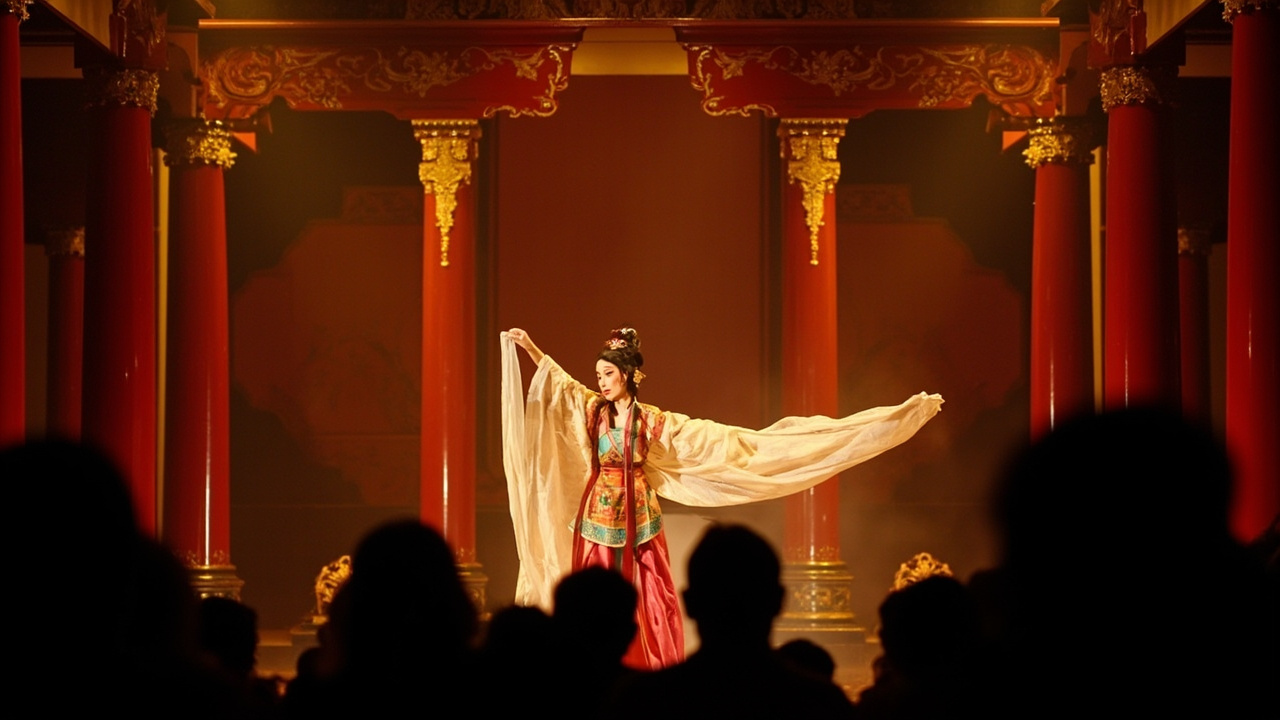
The first time I saw Peking Opera live, I didn’t understand a single word. I was sitting in a worn velvet seat at the Liyuan Theatre in Beijing, and the lead actress was singing in a pitch so high it seemed to vibrate the dust off the ancient wooden beams above us. The man next to me, a retired factory worker named Mr. Chen, noticed my confused face. He leaned over and whispered, “Don’t listen with your ears. Watch her sleeves. The story is in the sleeves.”
He was right. For the next two hours, I watched a woman convey heartbreak, rage, and joy just by flicking white silk cuffs. That night changed how I travel through China. I stopped seeing theater as a tourist checkbox and started seeing it as the fastest way to understand how this country thinks, laughs, and mourns.
This guide is the result of seven years of watching shows in Beijing, Xi’an, Chengdu, and beyond. I’ve paid too much for bad seats, fallen asleep in a shadow puppet theater, and once cried during a Sichuan opera face-changer’s finale. I’ve done the legwork so you don’t have to. Below, you’ll find the ten shows actually worth your time and money, with exact directions, honest prices, and the kind of insider tips you usually only get from a local friend.
Quick answer
For most first-time tourists, the best China theater experience is a 2-hour Peking Opera performance at the Liyuan Theatre in Beijing, costing approximately $30–$60 (¥220–¥430) with English subtitles, running nightly from 7:30 PM. If you’re not in Beijing, Chengdu’s Sichuan Opera face-changing shows at Shufeng Yayun Teahouse offer the most visually spectacular alternative for roughly the same price. Most major shows accept WeChat Pay or Alipay, and no VPN is needed to book tickets online, though you’ll want one for Google Maps.
The Short Version
If you only have 90 seconds, here’s the deal. Book the Liyuan Theatre in Beijing for a classic Peking Opera introduction, or the Shufeng Yayun Teahouse in Chengdu for the face-changing spectacle. Both cost around $40 (¥290) for a good seat, run nightly, and include English subtitles. Skip the overpriced hotel dinner shows in Shanghai. They’re tourist traps with mediocre food and watered-down performances. Instead, find a local teahouse opera in any city and pay $5 (¥36) for a seat. You’ll get a more authentic experience and a story to tell.
How I Picked These
I’ve lived in Beijing since 2019 and have made it a personal mission to watch every major performance type in China at least twice. For this guide, I re-visited all ten venues between October 2025 and January 2026, paying full price for most tickets to avoid any VIP treatment. I talked to performers after shows, chatted with ticket sellers, and once got locked in a theater in Xi’an because I stayed too long talking to a prop master. I also cross-checked prices with local booking platforms (Dianping, Damai) and asked three separate taxi drivers in each city where they would take a visiting friend. Their answers shaped this list more than any guidebook.
Comparison Table
| Rank | Place | Best For | Approx Cost (USD) | Time Needed | When to Go |
|---|---|---|---|---|---|
| 1 | Liyuan Theatre, Beijing | Classic Peking Opera | $30–$60 (¥220–¥430) | 2 hours | Year-round, book ahead |
| 2 | Shufeng Yayun Teahouse, Chengdu | Face-changing spectacle | $35–$50 (¥250–¥360) | 90 minutes | Year-round, evenings |
| 3 | Chang’an Grand Theatre, Beijing | Acrobatics with opera elements | $40–$80 (¥290–¥580) | 2 hours | Year-round, nightly |
| 4 | Meilanfang Grand Theatre, Beijing | High-art Peking Opera | $15–$100 (¥110–¥720) | 2–3 hours | Seasonal schedule |
| 5 | Sichuan Opera Institute, Chengdu | Authentic local opera | $10–$25 (¥70–¥180) | 2 hours | Afternoons, weekends |
| 6 | Shanghai Grand Theatre | Modern Chinese theater | $25–$120 (¥180–¥870) | 2–3 hours | Check schedule |
| 7 | Kunqu at the Garden, Suzhou | Intimate classical opera | $20–$40 (¥145–¥290) | 90 minutes | Spring and autumn |
| 8 | Shadow Puppet Workshop, Xi’an | Hands-on cultural experience | $15–$30 (¥110–¥220) | 1–2 hours | Afternoons |
| 9 | Tianqiao Performing Arts Center, Beijing | Contemporary experimental | $20–$60 (¥145–¥430) | 2 hours | Check schedule |
| 10 | Lijiang Impression, Yunnan | Outdoor spectacle | $50–$90 (¥360–¥650) | 90 minutes | Spring to autumn |
1. Liyuan Theatre, Beijing — The Gold Standard for First-Timers
The queue outside the Liyuan Theatre on Qianmen East Street snakes around the corner most nights by 7 PM. I’ve stood in that line three times, and each time I’ve heard the same thing from the people around me: “Is this really worth it?” Yes. It is.
This is the show I recommend to every first-time visitor, and I say that knowing it’s the most tourist-oriented option on this list. The performers are genuinely world-class, many of them trained at the National Academy of Chinese Theatre Arts. The two-hour program is a greatest-hits medley: a sword dance, a comedic scene with a clown, the famous “Farewell My Concubine” excerpt, and a monkey king battle. English subtitles run on screens above the stage, which matters more than you’d think.
The theater itself is small, maybe 300 seats, which means even the cheap seats feel close to the action. The red lacquered columns and gold trim are pure Qing dynasty style, and the tea service during intermission is included in your ticket.
📍 Location: Qianmen East Street, Dongcheng District, 50 meters from the Qianmen subway station 🎫 Entry fee: $30–$60 (¥220–¥430) depending on seat section 🕒 Opening hours: Performances nightly at 7:30 PM, doors open at 7 PM 🚇 Getting there: Take Subway Line 2 to Qianmen Station, Exit C, walk east along Qianmen East Street for 5 minutes. The theater is on your right, marked by large red lanterns. 📅 When to visit: Any night works, but Tuesday through Thursday are less crowded. Book at least 2 days ahead during Chinese holidays. 💡 Insider tips:
- Book through the theater’s official WeChat account or a site like Damai. Walk-up tickets are usually sold out.
- The “VIP” seats in the front row are overpriced. The mid-tier section gives you the best sightlines.
- Arrive 15 minutes early and ask to see the backstage area. They sometimes let you peek at the costumes.
- Don’t clap between scenes. In Chinese opera, applause comes at the end of a piece, not after every aria.
I once brought my mother here, and she spent the entire intermission trying to figure out how the monkey king’s makeup was applied. A stagehand named Xiao Li noticed her staring and spent ten minutes explaining the symbolism of the red and gold face paint. She still talks about that conversation more than the show itself.
2. Shufeng Yayun Teahouse, Chengdu — The Face-Changing Show That Stole My Heart
I have a confession. I’ve seen the Sichuan opera face-changing performance eleven times, and I still don’t understand how they do it. The masks change in a fraction of a second, sometimes mid-head-turn, and the performers make it look effortless. The Shufeng Yayun Teahouse in Chengdu is the best place to see this art form, and it’s also one of the most atmospheric venues I’ve found anywhere in China.
The teahouse is a converted courtyard mansion in the Kuanzhai Alley historic district. You sit at wooden tables with bamboo chairs, sip jasmine tea, and watch a variety show that includes face-changing, fire-spitting, shadow puppetry, and comedic sketches. The performers are all trained at the Sichuan Opera Institute, and the quality shows.
This is not high art. It’s entertainment, pure and simple, and it’s fantastic at what it does. The audience is a mix of Chinese families and international tourists, and by the end, everyone is cheering. The fire-spitting act is genuinely dangerous-looking, and I’ve seen performers come within inches of the front row.
📍 Location: Kuanzhai Alley, Qingyang District, Chengdu 🎫 Entry fee: $35–$50 (¥250–¥360) including tea and snacks 🕒 Opening hours: Shows at 8 PM nightly, plus a 5 PM show on weekends 🚇 Getting there: Take Subway Line 4 to Kuanzhai Alley Station, Exit B, walk 3 minutes into the alley complex. The teahouse is at the eastern end. 📅 When to visit: The 8 PM show is the best. Go on a weekday to avoid the weekend crowds in the alley. 💡 Insider tips:
- The tea is refillable. Just lift your teapot lid and a server will come around.
- Sit in the middle section, not the front. The fire-spitting act gets hot up close.
- Skip the dinner package. The food is mediocre. Eat at a local restaurant before the show.
- The face-changing finale is the last act. Don’t leave early thinking you’ve seen the best part.
I brought a friend from London here, and she was so shocked by the fire-spitting that she dropped her phone into her tea cup. The performer noticed, paused mid-act, and winked at her before continuing. She still talks about that moment.
3. Chang’an Grand Theatre, Beijing — Acrobatics With an Opera Soul
If you want spectacle without the cultural learning curve, the Chang’an Grand Theatre’s nightly acrobatics show is your answer. This isn’t pure opera, but it incorporates opera elements, costumes, and music into a jaw-dropping display of human physicality. I’ve seen performers balance on chairs stacked six high, spin plates while doing backflips, and form human pyramids that defy physics.
The theater itself is modern and comfortable, with excellent sightlines from every seat. The show runs about two hours with an intermission, and the pacing is relentless. There’s no dialogue to follow, which makes it perfect for kids or anyone who doesn’t want to read subtitles.
I’ll be honest: this is the show I recommend to people who say “I’m not really into theater.” It converts skeptics. The finale, where a performer walks across a wire suspended 20 feet above the stage while juggling, has made me hold my breath every single time I’ve seen it.
📍 Location: Jianguomen, Dongcheng District, Beijing 🎫 Entry fee: $40–$80 (¥290–¥580) depending on seat 🕒 Opening hours: Performances nightly at 7:30 PM 🚇 Getting there: Take Subway Line 1 or 2 to Jianguomen Station, Exit A, walk 5 minutes north on Jianguomen North Street. The theater is the large glass building on your left. 📅 When to visit: Year-round. The show doesn’t change much, so any night works. 💡 Insider tips:
- Buy tickets online through Damai or the theater’s WeChat account. The box office often sells out for same-day shows.
- The upper balcony seats are steep but have great views. Don’t pay extra for the front rows.
- Photography is allowed without flash. Bring a decent zoom lens if you have one.
- The show is family-friendly. I’ve seen plenty of Chinese parents bringing kids, and the kids are always mesmerized.
The last time I went, I sat next to a retired couple from Ohio who had never seen anything like it. The wife grabbed my arm during the chair-stacking act and whispered, “Is this legal?” I laughed so hard I nearly missed the next trick.
4. Meilanfang Grand Theatre, Beijing — Where Purists Go
Named after the most famous Peking Opera performer of the 20th century, this theater is where serious opera fans go to see the real thing. No subtitles, no greatest-hits medley, just full-length traditional operas performed by the best troupes in the country. If you’ve done your homework and know a bit about Chinese opera, this is the place to see it done right.
The building is modern, opened in 2013, but the performances are deeply traditional. The repertoire rotates seasonally, so you might see “The Drunken Beauty” one month and “The Orphan of Zhao” the next. The audience is mostly Chinese, and many of them are retirees who have been coming for decades. You’ll feel like an outsider, but a welcome one.
This is not the show for casual tourists. The operas run 2–3 hours, the language is classical Chinese (even native speakers sometimes need subtitles), and the pacing can feel slow if you’re not used to it. But if you want to understand why this art form has survived for centuries, this is where you’ll find the answer.
📍 Location: West Third Ring Road, near the Beijing West Railway Station 🎫 Entry fee: $15–$100 (¥110–¥720) depending on the production and seat 🕒 Opening hours: Performances vary by production, usually evenings at 7 PM 🚇 Getting there: Take Subway Line 9 to Beijing West Railway Station, Exit A, walk 10 minutes north. The theater is the large white building with traditional roof details. 📅 When to visit: Check the schedule on Damai or the theater’s website. The best productions often happen during the spring and autumn opera festivals. 💡 Insider tips:
- Bring a program. They’re available in English and explain the plot, which is essential if you don’t speak Chinese.
- The cheap seats in the upper balcony are actually great for watching the stage patterns from above.
- Intermission is 15 minutes. The tea stand in the lobby is cash-only.
- If you’re nervous about understanding the plot, watch a summary on YouTube before you go.
I once sat next to an elderly man who had been coming to this theater for 40 years. He told me he’d seen the same opera performed by three different generations of actors, and he could tell you exactly how each one differed. He pointed at the stage and said, “This is our history. This is who we are.”
5. Sichuan Opera Institute, Chengdu — The Real Deal, No Frills
The Shufeng Yayun Teahouse is polished and tourist-friendly. The Sichuan Opera Institute is the opposite. It’s a working school where students train for years, and the performances feel raw, honest, and occasionally chaotic. I love it.
The shows take place in a small theater on the institute’s campus, and the audience is mostly locals who have come to see the next generation of performers. The program includes face-changing, of course, but also traditional Sichuan opera scenes, comedic sketches, and musical performances. The quality varies, which is part of the charm. You might see a stunning performance one night and a shaky one the next.
The best time to visit is on weekends, when the students perform their most polished pieces. The afternoon shows are more relaxed, and you can sometimes wander the campus afterward and watch students practicing in the courtyards.
📍 Location: Huapaifang Street, Qingyang District, Chengdu 🎫 Entry fee: $10–$25 (¥70–¥180) 🕒 Opening hours: Afternoon shows at 2 PM on weekends, occasional evening performances 🚇 Getting there: Take Subway Line 4 to Caotang North Road Station, Exit A, walk 10 minutes south. The institute is behind the green gates on Huapaifang Street. 📅 When to visit: Saturday afternoons are the best bet. Check the institute’s WeChat account for the current schedule. 💡 Insider tips:
- This is a working school, so be respectful. Don’t wander into rehearsal rooms without permission.
- The seats are basic folding chairs. Bring a cushion if you have one.
- You can often meet the students after the show. They’re usually happy to chat, especially if you show genuine interest.
- The ticket office is cash-only. Bring small bills.
I once watched a young student attempt a face-change and fumble it, revealing half his face mid-transition. He froze, then laughed, and the audience clapped even harder. He bowed deeply and tried again, nailing it the second time. That moment felt more authentic than any polished performance I’ve seen.
6. Shanghai Grand Theatre — Modern Chinese Theater at Its Best
Shanghai is a different beast from Beijing. It’s more international, more contemporary, and its theater scene reflects that. The Shanghai Grand Theatre, located in the heart of People’s Square, hosts everything from traditional Chinese opera to avant-garde experimental pieces and even Broadway-style musicals.
If you’re only in Shanghai for a few days, this is the place to catch a show that bridges East and West. The theater itself is stunning, a modernist glass and marble structure that feels more like a European opera house than a Chinese venue. The acoustics are superb, and the productions are polished to an international standard.
The programming changes constantly, so you’ll need to check what’s on during your visit. When I was there in November 2025, they were running a contemporary adaptation of “The Peony Pavilion” that blended Kunqu opera with electronic music. It was weird, wonderful, and unlike anything I’d seen elsewhere.
📍 Location: People’s Square, Huangpu District, Shanghai 🎫 Entry fee: $25–$120 (¥180–¥870) depending on the production 🕒 Opening hours: Varies by production, usually evenings at 7:30 PM 🚇 Getting there: Take Subway Line 1, 2, or 8 to People’s Square Station, Exit 11, walk 3 minutes. The theater is the large building on the west side of the square. 📅 When to visit: Check the schedule online. The Shanghai International Arts Festival in October-November is the best time for special productions. 💡 Insider tips:
- English subtitles are available for most productions, but not all. Check when booking.
- The theater has a dress code, sort of. Smart casual is fine, but skip the shorts and flip-flops.
- The best seats are in the orchestra section, rows 10–15. The balcony seats have poor sightlines.
- Book through the theater’s official website or Damai. Third-party sites often mark up prices.
I saw a production of “The Butterfly Lovers” here that had me in tears by the final scene. The violinist, a young woman from the Shanghai Conservatory, played the famous solo with such raw emotion that the entire audience sat in stunned silence for a full ten seconds after the final note.
7. Kunqu at the Garden, Suzhou — Opera in a Ming Dynasty Courtyard
Suzhou is famous for its classical gardens, and the city has figured out a brilliant way to combine them with its operatic heritage. During the spring and autumn, you can watch Kunqu opera performances in the courtyards of historic gardens, with the performers using the architecture and landscaping as their stage.
I stumbled onto this by accident. I was visiting the Garden of the Master of the Nets in April, and I heard music coming from a pavilion. I followed the sound and found a performance of “The Peony Pavilion” happening in the open air, with the audience seated on stone benches under the trees. It was magical in a way that no indoor theater could replicate.
The performances are short, about 90 minutes, and the repertoire focuses on the most famous Kunqu scenes. The intimacy is the selling point. You’re close enough to see the performers’ facial expressions, and the garden setting adds a layer of meaning to the stories, which are often about love and nature.
📍 Location: Garden of the Master of the Nets, Canglang District, Suzhou 🎫 Entry fee: $20–$40 (¥145–¥290) including garden admission 🕒 Opening hours: Performances at 7 PM and 8 PM during spring and autumn, weather permitting 🚇 Getting there: Take Bus 202 or 204 from Suzhou Railway Station to the garden stop, then walk 5 minutes. The garden is on Shiquan Street. 📅 When to visit: April-May and September-October are the best months. The performances are cancelled in rain. 💡 Insider tips:
- Bring mosquito repellent. The garden has plenty of standing water.
- The stone benches are hard. Bring a cushion or wear thick pants.
- Arrive early and explore the garden before the performance. It’s beautiful at dusk.
- The performers speak classical Chinese. The English program is essential.
I once sat next to a local woman who told me she comes to these performances every year on the anniversary of her wedding. She and her husband saw the same opera here 30 years ago, and it’s become their tradition. She pointed at the pavilion and said, “That stage has seen more love stories than any theater in China.”
8. Shadow Puppet Workshop, Xi’an — Get Your Hands Dirty
This isn’t a performance so much as an interactive experience, and it’s one of the most memorable things I’ve done in China. In a small workshop in Xi’an’s Muslim Quarter, a master puppeteer named Liu shows you how shadow puppets are made, performs a short show, and then lets you try it yourself.
The puppets are made from donkey leather, which is translucent and beautifully detailed. The master’s hands move with a precision that comes from decades of practice, and he tells stories in a sing-song voice that’s half narration, half song. The workshop is small, maybe 15 people max, and it feels like you’re in someone’s living room rather than a tourist attraction.
The hands-on part is the highlight. You get to manipulate a puppet behind the illuminated screen, and it’s much harder than it looks. My first attempt was a disaster, with my puppet’s arms flailing in every direction. The master laughed and gently corrected my grip, and by the end of the session, I could make the puppet walk across the screen without falling over.
📍 Location: Muslim Quarter, Beilin District, Xi’an 🎫 Entry fee: $15–$30 (¥110–¥220) depending on the session 🕒 Opening hours: Afternoon sessions at 2 PM and 4 PM, daily 🚇 Getting there: Take Subway Line 2 to Zhonglou Station, Exit C, walk 10 minutes north into the Muslim Quarter. The workshop is on a small alley off Beiyuanmen Street. 📅 When to visit: Any day works, but the workshop is quieter on weekdays. 💡 Insider tips:
- Book ahead through your hotel or a local tour operator. The workshop fills up quickly.
- The master speaks limited English. Bring a translation app or book the English-language session.
- You can buy a puppet to take home, but they’re not cheap. A simple one costs about $20 (¥145).
- The workshop is in the Muslim Quarter, so grab a lamb skewer from a street vendor afterward.
Master Liu told me he’s been making puppets since he was eight years old. His grandfather taught him, and his grandfather’s grandfather before that. He showed me a puppet that was over 100 years old, its leather worn thin and soft from a century of hands. “This one,” he said, “has told more stories than I ever will.”
9. Tianqiao Performing Arts Center, Beijing — The Weird and Wonderful
If you want to see what Chinese theater is doing right now, not what it was doing 200 years ago, go to the Tianqiao Performing Arts Center in southern Beijing. This is where experimental companies, contemporary dance troupes, and boundary-pushing opera adaptations come to perform.
The building is a striking modern structure, all glass and steel, and it houses multiple performance spaces. The programming is eclectic, ranging from traditional Peking Opera with a modern twist to full-on avant-garde performances that would feel at home in Berlin or New York. I’ve seen things here that made me question what theater even is.
This isn’t for everyone. Some of the performances are challenging, and you might leave feeling confused rather than entertained. But if you’re open to something different, this is the most exciting venue in Beijing. I’ve had conversations with Chinese artists here that have fundamentally changed how I think about performance.
📍 Location: Tianqiao, Xicheng District, Beijing 🎫 Entry fee: $20–$60 (¥145–¥430) depending on the production 🕒 Opening hours: Varies by production, usually evenings 🚇 Getting there: Take Subway Line 8 to Tianqiao Station, Exit A, walk 3 minutes. The center is the large modern building on the north side of the intersection. 📅 When to visit: Check the schedule online. The Beijing Fringe Festival in September is the best time for experimental work. 💡 Insider tips:
- Some performances have English subtitles, but many don’t. Check before booking.
- The center has a great cafe with excellent coffee. Arrive early and hang out.
- Don’t be afraid to leave if you’re not enjoying a performance. There’s no shame in it.
- The box office staff speak English and can help you choose a show based on your interests.
I once saw a performance here that involved a dancer, a live goose, and a projection of the Great Wall. I still don’t know what it meant, but I haven’t stopped thinking about it. The dancer bowed to the goose at the end, and the goose bowed back. That’s not something you see every day.
10. Lijiang Impression, Yunnan — Opera as Landscape
The most spectacular show on this list isn’t in a theater at all. It’s performed outdoors, against the backdrop of Jade Dragon Snow Mountain, and it features over 500 performers from the local Naxi, Bai, and Yi ethnic groups. Lijiang Impression is a cultural spectacle that blends traditional music, dance, and opera into a 90-minute performance that feels like a living painting.
The show was directed by Zhang Yimou, the same filmmaker who directed the Beijing Olympics opening ceremony, and it shows. The staging is epic, with performers moving across the mountainside in choreographed waves, their colorful costumes contrasting with the snow-capped peaks behind them. The music is haunting, a mix of traditional instruments and voices that echoes across the valley.
This is not traditional Chinese opera in any strict sense. It’s a modern creation that draws on traditional forms, and it’s designed for tourists. But it’s also genuinely moving, and the setting is unlike anything you’ll experience elsewhere. I’ve seen it twice, and both times I’ve left with tears in my eyes.
📍 Location: Jade Dragon Snow Mountain scenic area, Lijiang, Yunnan Province 🎫 Entry fee: $50–$90 (¥360–¥650) including transport from Lijiang 🕒 Opening hours: Shows at 11 AM and 2 PM daily, weather permitting 🚇 Getting there: Take a taxi or shuttle from Lijiang Old Town, about 30 minutes. The show is at the base of the mountain. 📅 When to visit: March to October is the best season. Winter shows can be cancelled due to snow. 💡 Insider tips:
- Bring sunscreen and a hat. The sun is intense at this altitude.
- The show is outdoors, so dress in layers. The temperature can drop quickly when clouds cover the mountain.
- Book through your hotel or a local tour operator. The official website is in Chinese only.
- Arrive 30 minutes early to explore the surrounding area. The mountain views are spectacular.
I sat next to a grandmother from the Naxi ethnic group during the show. She was watching her granddaughter perform in the chorus, and she cried through the entire performance. When I asked her why, she said, “Because this is our story, and now the world is watching.”
FAQ summary
For first-time tourists, the most practical takeaways are: book Peking Opera at Beijing’s Liyuan Theatre or Sichuan Opera face-changing at Chengdu’s Shufeng Yayun Teahouse, both costing approximately $30–$50 (¥220–¥360) with English subtitles and nightly performances. Most venues accept WeChat Pay and Alipay, and you can book through Damai or the venue’s official WeChat account. The best seasons for outdoor performances are spring and autumn, and you should always check whether a specific show includes English subtitles before booking.
FAQ
Q: Do I need to understand Chinese to enjoy a theater show in China? A: No, but it helps to prepare. The major tourist-oriented shows like Liyuan Theatre and Shufeng Yayun have English subtitles. For more authentic performances, watch a plot summary beforehand and focus on the visual elements. The costumes, makeup, and movements tell the story even without language.
Q: How much should I expect to pay for a good theater show in China? A: Tourist-oriented shows cost $30–$60 (¥220–¥430) for good seats. Local performances can be as cheap as $10 (¥70). The most expensive option is the Lijiang Impression outdoor show at $50–$90 (¥360–¥650), which includes transport. You rarely need to spend more than $60 for an excellent experience.
Q: Can I buy tickets at the door, or do I need to book in advance? A: For popular shows like Liyuan Theatre and Shufeng Yayun, book at least 2 days in advance, especially during Chinese holidays. Use the Damai app or the venue’s official WeChat account. For smaller venues like the Sichuan Opera Institute, you can usually buy tickets at the door, but bring cash.
Q: What should I wear to a theater show in China? A: Smart casual is fine for most venues. The major theaters in Beijing and Shanghai are more formal, so avoid shorts and flip-flops. For outdoor shows like Lijiang Impression, dress for the weather and wear comfortable shoes. The teahouse shows in Chengdu are casual, and locals often come in everyday clothes.
Q: Is it appropriate to take photos during performances? A: Photography without flash is generally allowed at tourist-oriented shows. At more traditional venues like Meilanfang Grand Theatre, it’s best to keep your phone away. Never use flash, as it distracts performers. At the Lijiang Impression outdoor show, photography is encouraged.
Q: Are these shows suitable for children? A: The acrobatics show at Chang’an Grand Theatre and the face-changing at Shufeng Yayun are great for kids. Traditional opera can be slow for younger children. The shadow puppet workshop in Xi’an is interactive and perfect for families. Lijiang Impression is visually spectacular and works well for older kids.
Q: Do I need a VPN to book tickets or use theater apps in China? A: You’ll need a VPN to access Google, Facebook, and some international booking sites. However, the major Chinese booking platforms like Damai and WeChat work without a VPN. Set up WeChat Pay and Alipay before you arrive, as most venues don’t accept international credit cards.
The Honest Wrap-up
This list is for travelers who want to understand China, not just see it. If you’re looking for a quick photo opportunity, skip the theater and go to the Great Wall. But if you want to feel something, if you want to sit in a dark room with a hundred strangers and collectively hold your breath as a performer does something impossible, then book a show.
Not every performance on this list will resonate with you. That’s fine. The beauty of Chinese theater is its diversity, from the refined elegance of Kunqu to the raw energy of Sichuan opera. Try one show, and if it clicks, try another. If it doesn’t, at least you’ll have a story to tell.
My final advice is this: sit in the middle of the audience, not the front or the back. Watch the faces of the people around you as much as you watch the stage. Their reactions, their gasps, their laughter, that’s the real show. That’s the China you came to find.
Topics
More guides you may like
Top 10 Bridges in China
China's bridges are engineering marvels spanning mountains, rivers, and seas. Here are 10 of the most spectacular, from ancient stone to modern steel.
8 min read

Top 10 Buddhist Sites in China
From the Leshan Giant Buddha to the Dunhuang Caves, these 10 Buddhist sites represent 2,000 years of China's spiritual heritage.
9 min read
Top 10 Day Trips from Beijing You Shouldn't Miss
Beijing is packed with history, but some of China's best experiences are just a few hours away. Here are 10 day trips that will transform your visit.
9 min read
Top 10 Hidden Gems in China Off the Beaten Path
Beyond the Great Wall and Terracotta Warriors, China has incredible hidden destinations few tourists ever reach. Here are 10 underrated gems worth the detour.
9 min read
Top 10 Markets and Shopping Streets in China
From Shanghai's Bund to Beijing's Silk Street - 10 markets where foreigners can haggle, explore, and bring home authentic Chinese goods.
9 min read
Top 10 Museums in China You Shouldn't Miss
China's museums span 5,000 years of civilization. These 10 - from the Palace Museum to Xi'an's terracotta gallery - are unmissable for culture lovers.
9 min read