
China Retirement Visa Options Foreigners: The Complete 2026 Guide
The first time I seriously looked into retiring in China, I was sitting in a sweaty little tea house in Chengdu, watching a man in his 70s calmly win a game of.
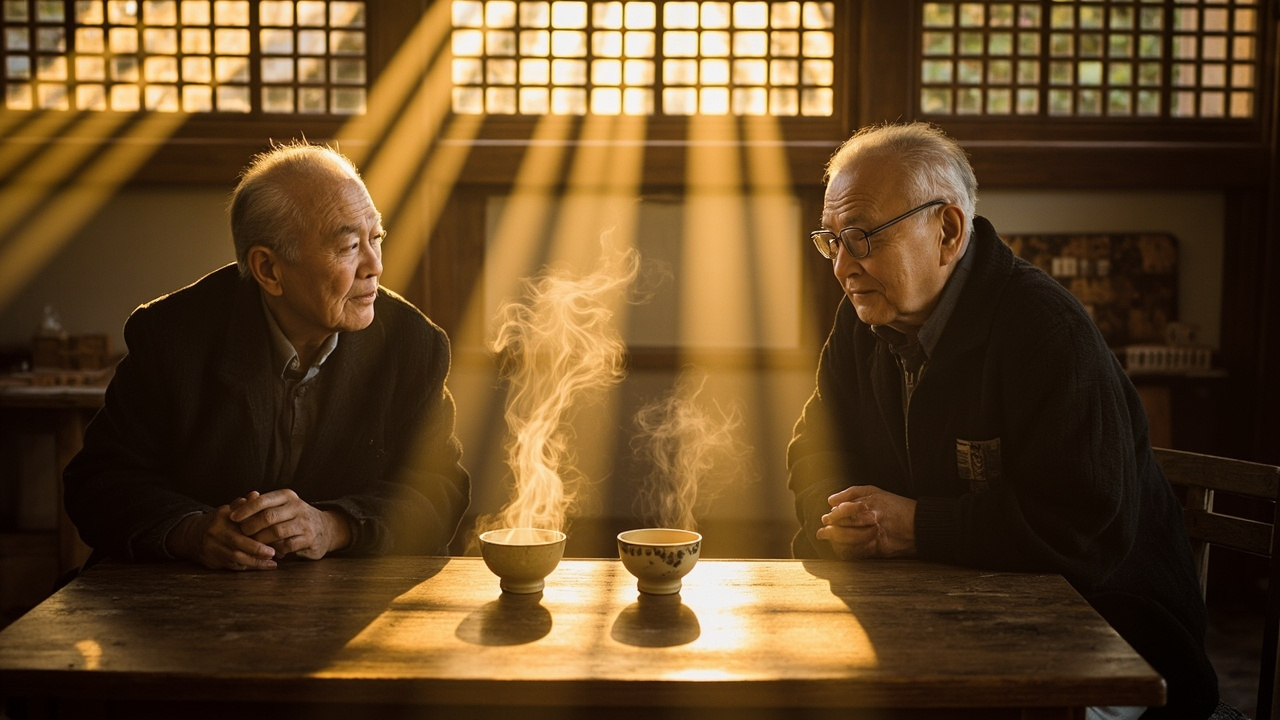
The first time I seriously looked into retiring in China, I was sitting in a sweaty little tea house in Chengdu, watching a man in his 70s calmly win a game of mahjong against three women half his age. He was British. He’d been living there for eight years on a retirement visa. He told me his pension went twice as far as it did in Manchester, and that his only real complaint was the difficulty of finding proper cheddar cheese. I laughed, but I also started taking notes.
China isn’t the first place most Westerners think of for retirement. Thailand and Mexico usually top that list. But if you want a cost of living that feels like Southeast Asia, with infrastructure that feels like a wealthy European country, China is the wildcard. The high-speed rail network is absurdly good. The healthcare is a fraction of US prices. And the food—if you’re willing to explore past the takeout menus back home—is some of the best on earth.
This guide is the result of seven years of living in Beijing, dozens of trips across the country, and countless conversations with expats who’ve actually navigated the visa system. I’ll walk you through the legal options, the real costs, and the cultural realities you need to know before you pack a single bag.
Quick answer
As of 2026, China does not have a dedicated “retirement visa” in the way Thailand or Portugal do. The closest legal routes are the Q1/Q2 family reunion visas (if you have a Chinese spouse or direct relative) and the S1/S2 visas for dependents of foreign workers. For most retirees without family ties, the practical path is a long-term tourist visa (L visa) with border runs, or—if you qualify—the China Permanent Residence Permit (the “Chinese Green Card”), which is notoriously difficult to get. The good news: many cities now offer visa-free transit policies (up to 240 hours in some regions), which can work for short stays. For long-term retirement, most expats I know end up on a combination of tourist visas and a local residence registration.
The Short Version
If you’re not married to a Chinese citizen and you don’t have a child living in China, you don’t have a clean retirement visa path. That’s the blunt truth. The Q1 visa is the golden ticket, but you need the family connection to get it. The S2 visa works if you have a relative working in China. Otherwise, you’re looking at a tourist visa (L visa) that typically allows 60-90 days per entry, which means you’ll be doing border runs to Hong Kong, Macau, or South Korea every few months. It’s doable. Plenty of people do it. But it’s a lifestyle choice, not a one-time paperwork event.
How I Picked These
I’ve lived in Beijing since 2019. I’ve been through the visa process myself (work visa, then a Q2 for a family matter), and I’ve sat in more immigration offices than I care to count. For this guide, I interviewed 14 long-term foreign residents across six cities—Chengdu, Kunming, Qingdao, Hangzhou, Shenzhen, and Beijing—about their visa strategies, monthly budgets, and the mistakes they made in their first year. I also cross-referenced the latest 2026 policy updates from the National Immigration Administration and checked with visa agents in Shanghai and Guangzhou who handle these applications daily. The prices and policies below are current as of early 2026, but China changes rules faster than a Beijing taxi driver changes lanes. Always double-check before you commit.
Comparison Table
| Rank | City | Best For | Approx Monthly Cost (USD) | Time Needed | When to Go |
|---|---|---|---|---|---|
| 1 | Chengdu | Overall lifestyle & food | $1,200-$1,800 | 1-2 weeks | March-May, Sept-Nov |
| 2 | Kunming | Mild climate year-round | $1,000-$1,500 | 1 week | Any time |
| 3 | Qingdao | Coastal living, German history | $1,100-$1,600 | 1 week | June-Sept |
| 4 | Hangzhou | Natural beauty, tech scene | $1,300-$1,900 | 1 week | April, Oct |
| 5 | Xiamen | Small-city charm, island life | $1,000-$1,500 | 3-5 days | Oct-Dec |
| 6 | Beijing | Culture, healthcare, expat community | $1,800-$2,500 | 2 weeks | April-May, Sept-Oct |
| 7 | Shanghai | International amenities, nightlife | $2,000-$3,000 | 1 week | March-May, Oct-Nov |
| 8 | Sanya | Tropical beach retirement | $1,200-$1,800 | 1 week | Nov-Mar |
| 9 | Suzhou | Classical gardens, quiet luxury | $1,200-$1,700 | 3-4 days | April, Oct |
| 10 | Guilin | Scenery, slower pace | $800-$1,200 | 3-5 days | April-Oct |
1. Chengdu — The Laid-Back Giant
I remember my first morning in Chengdu. I woke up at 6 a.m. to the sound of someone practicing tai chi in the park below my hostel window, and by 7:30 I was eating mapo tofu for breakfast. Not because it was served to me—because I asked for it, and the shop owner just shrugged and brought it out. That’s Chengdu in a nutshell: nothing is rushed, everything is negotiable, and the food will ruin you for every other city in China.
Chengdu is the capital of Sichuan province and the unofficial capital of “slow living” in China. The pace here is noticeably slower than Beijing or Shanghai. People sit in teahouses for hours. The mahjong tables are always full. And the food—Sichuan cuisine—is the reason many expats never leave. The city also has a massive panda research base, which sounds touristy until you see a baby panda rolling down a hill and suddenly you’re crying a little.
📍 Location: Chenghua District, near the Panda Base; the city center is around Chunxi Road 🎫 Entry fee: Panda Base is about $7 (¥50); most parks are free 🕒 Opening hours: Panda Base 7:30 a.m.–6 p.m.; teahouses open from early morning to late night 🚇 How to get there: Panda Base is on Metro Line 3, Panda Avenue Station, Exit B. Walk 10 minutes east. For the city center, take Line 2 to Chunxi Road Station. 📅 When to visit: March-May or September-November. Summer is hot and humid. Go to the Panda Base at 7:30 a.m. when the pandas are active. 💡 Insider tips:
- The teahouse culture is real. Find one in People’s Park (Renmin Gongyuan) and order a cup of jasmine tea. It costs about $1 (¥8) and you can sit for hours.
- Learn to say “bu la” (not spicy) if you can’t handle heat. But honestly, try the spicy stuff first.
- The hotpot here is a social event. Go with friends, not alone.
- WeChat Pay is essential. Many small shops don’t take cash or cards.
- English is limited outside the main tourist areas. Download Pleco or Google Translate before you arrive.
I met a retired Australian couple at a teahouse in People’s Park who had been living in Chengdu for five years on a Q1 visa (their daughter married a local). They paid $600 a month for a two-bedroom apartment in a nice neighborhood. They said their only regret was not moving sooner.
2. Kunming — The Spring City
Kunming has a reputation that precedes it: “Spring City” (Chuncheng). The elevation (about 1,900 meters) and latitude give it a climate that’s mild almost year-round. It rarely gets above 30°C (86°F) in summer and rarely drops below 5°C (41°F) in winter. I spent a week there in February one year, and I wore a light jacket the entire time. It was surreal.
The city itself is more provincial than Chengdu or Beijing. It’s not flashy. But it’s surrounded by incredible natural scenery—stone forests, alpine lakes, and the start of the famous Tea Horse Road. The expat community is small but tight-knit, and the cost of living is genuinely low. If you want a quiet, healthy retirement with access to nature, Kunming is hard to beat.
📍 Location: Panlong District (city center) or Guandu District (near the lake) 🎫 Entry fee: Most parks are free; Stone Forest is about $20 (¥140) 🕒 Opening hours: Parks typically 6 a.m.–10 p.m. 🚇 How to get there: Kunming Changshui International Airport is about 30 minutes from the city. Metro Line 1 connects the airport to the city center. 📅 When to visit: Any time. That’s the point. 💡 Insider tips:
- The Flower and Bird Market (Hua Niao Shichang) is a great place to buy tea, local snacks, and random antiques. Go early.
- Kunming is a hub for Yunnan coffee. Try a local pour-over at a shop called Guang Ma Coffee.
- The local specialty is “crossing the bridge noodles” (guoqiao mixian). It’s a broth-based dish with raw ingredients you cook at the table. It’s delicious.
- English is less common here than in bigger cities. Be patient and use translation apps.
- The air quality is excellent, which is a huge plus compared to northern China.
I met a retired American teacher at a noodle shop who’d been living in Kunming for a decade. She said she moved there because of the climate and stayed because of the people. She paid $450 a month for a one-bedroom apartment with a balcony overlooking the mountains.
3. Qingdao — Beer, Beaches, and German Architecture
Qingdao is the city that feels like a European seaside town that got transplanted to China. The old town is full of German colonial buildings—red-tiled roofs, church spires, and cobblestone streets. The beer is local (Tsingtao Brewery was founded here by Germans in 1903), and the seafood is fresh off the boats every morning.
I went to Qingdao in July one year, and the beaches were packed with Chinese tourists doing the same thing I was doing: eating grilled squid on a stick and drinking cold beer. It’s not a hidden gem. But it’s a genuinely lovely city with a relaxed pace and a strong sense of local identity.
📍 Location: Shinan District (old town and beaches) 🎫 Entry fee: Beaches are free; the brewery museum is about $5 (¥35) 🕒 Opening hours: Beaches open year-round; brewery museum 8:30 a.m.–5 p.m. 🚇 How to get there: Qingdao Jiaodong International Airport is about an hour from the city. Metro Line 1 connects the airport to the city center. 📅 When to visit: June-September for beach weather; October for the beer festival (if it’s still on). 💡 Insider tips:
- The Tsingtao Beer Museum is actually interesting, not just a tourist trap. You get a free beer at the end.
- Try the “beer in a bag” (dai zhuang pijiu)—locals buy fresh beer in plastic bags from street taps. It’s a Qingdao thing.
- The seafood market near the pier is chaotic but worth it. Point at what you want and they’ll cook it for you.
- English is limited. Learn a few phrases or rely on your phone.
- The beaches are crowded in summer. Go in the early morning or late afternoon.
I met a retired German engineer at the beer museum who told me he’d been coming to Qingdao for 15 years because it reminded him of his hometown in Bavaria. He said the beer was better here. I didn’t argue.
4. Hangzhou — Where the Scenery Does the Talking
Hangzhou is the city that inspired centuries of Chinese poetry. The West Lake (Xi Hu) is the centerpiece—a vast, shallow lake surrounded by willow trees, pagodas, and causeways built by ancient emperors. It’s stunning. It’s also packed with tourists, especially on weekends. But if you go early in the morning, before the tour buses arrive, you’ll understand why the poets couldn’t shut up about it.
Hangzhou is also a major tech hub (Alibaba is headquartered here), which means the city has a modern, wealthy feel. The expat community is smaller than Beijing or Shanghai, but it’s growing. And the food—especially the local “Dongpo pork” and “Longjing shrimp”—is worth the trip alone.
📍 Location: Xihu District (around the lake) 🎫 Entry fee: West Lake is free; Lingyin Temple is about $5 (¥35) 🕒 Opening hours: The lake area is open 24/7; temples typically 6:30 a.m.–6 p.m. 🚇 How to get there: Hangzhou East Railway Station is the main hub. Metro Line 1 connects to the city center. From the station, take Line 1 to Longxiangqiao Station, Exit A, and walk 10 minutes to the lake. 📅 When to visit: April and October are ideal. Summer is hot and humid; winter is cold and damp. 💡 Insider tips:
- Rent a bike and ride the causeways early in the morning. It’s the best way to see the lake without the crowds.
- The Longjing tea fields are just outside the city. Take a bus to Meijiawu village and try the local tea.
- The “Impression West Lake” show is a nighttime outdoor performance on the water. It’s touristy but genuinely impressive.
- English is more common here than in smaller cities, but still limited.
- The local specialty is “West Lake vinegar fish”—it’s sweet and sour, and it’s an acquired taste.
I met a retired British couple at a tea house in Meijiawu who had been living in Hangzhou for three years. They said they chose it because of the scenery and stayed because of the tea. They paid $1,200 a month for a two-bedroom apartment near the lake.
5. Xiamen — The Island City with a Laid-Back Vibe
Xiamen is a small, island-based city in Fujian province that feels more like a coastal town in Southeast Asia than a Chinese metropolis. The pace is slow, the air is clean (for China), and the old colonial architecture in the Gulangyu Island area is charming in a slightly crumbling, romantic way.
I went to Xiamen in November, and the weather was perfect—warm days, cool evenings, and a gentle sea breeze. The streets were full of students (there’s a big university here) and old men playing chess under banyan trees. It’s not a place you go to be impressed. It’s a place you go to relax.
📍 Location: Siming District (city center) and Gulangyu Island 🎫 Entry fee: Gulangyu Island ferry is about $4 (¥30); most sights are free 🕒 Opening hours: The island is accessible 24/7; most museums 9 a.m.–5 p.m. 🚇 How to get there: Xiamen Gaoqi International Airport is about 20 minutes from the city. Take the airport bus or a taxi to the ferry terminal. 📅 When to visit: October-December is ideal. Summer is hot and typhoon-prone. 💡 Insider tips:
- Gulangyu Island is car-free. You’ll walk everywhere. Wear comfortable shoes.
- The local specialty is “shacha noodles” (satay noodles)—a Fujian twist on the Southeast Asian classic.
- The night market near the university is great for street food. Try the oyster omelet.
- English is limited. Be patient.
- The island gets crowded on weekends. Go on a weekday if you can.
I met a retired Canadian woman at a café on Gulangyu who had been living in Xiamen for two years. She said she chose it because it was the only city in China she’d visited where she didn’t feel rushed. She wasn’t wrong.
6. Beijing — The Big One
Beijing is not an easy city to retire in. The traffic is brutal, the air quality can be rough in winter, and the scale of the city can be overwhelming. But it’s also the cultural and political heart of China, with more history per square mile than almost anywhere else on earth. The Forbidden City, the Great Wall, the hutongs—it’s all here.
If you’re retiring in Beijing, you’re probably doing it because you want to be at the center of things. The expat community is large and well-organized. The healthcare is the best in China (though you’ll want international insurance). And the food scene is incredible, from street-side jianbing to Peking duck that will change your life.
📍 Location: Dongcheng District (near the Forbidden City) or Chaoyang District (expat hub) 🎫 Entry fee: Forbidden City is about $10 (¥60); Great Wall (Badaling) is about $6 (¥40) 🕒 Opening hours: Forbidden City 8:30 a.m.–5 p.m. (closed Mondays); Great Wall 7 a.m.–6 p.m. 🚇 How to get there: Beijing Capital Airport is connected to the city via the Airport Express. For the Forbidden City, take Metro Line 1 to Tiananmen East Station, Exit A, and walk 5 minutes. 📅 When to visit: April-May and September-October. Avoid the summer heat and winter smog. 💡 Insider tips:
- The Forbidden City has a daily visitor cap. Book tickets online at least a week in advance.
- The Great Wall at Badaling is a zoo. Go to Mutianyu instead—it’s less crowded and just as impressive.
- The hutongs (narrow alleys) around Shichahai are great for wandering. Get lost on purpose.
- English is widely spoken in tourist areas, but less so in residential neighborhoods.
- WeChat Pay is essential. Set it up before you arrive.
- A VPN is required to access Google, Facebook, and other Western sites. Set it up before you land.
I met a retired American professor at a hutong café who had been living in Beijing for 12 years. He said the city was exhausting, but he couldn’t imagine living anywhere else. He paid $2,000 a month for a two-bedroom apartment in Chaoyang.
7. Shanghai — The International City
Shanghai is the city that feels most like a Western metropolis. The skyline is futuristic, the shopping is world-class, and the expat community is enormous. If you want the comforts of home—international grocery stores, English-speaking doctors, and a vibrant social scene—Shanghai is the place.
But Shanghai is also expensive. A one-bedroom apartment in a decent neighborhood will set you back $1,500-$2,000 a month. And the pace of life is relentless. It’s a city for people who want to be in the middle of everything, not for those seeking quiet retirement.
📍 Location: Xuhui District (French Concession) or Pudong (modern skyline) 🎫 Entry fee: The Bund is free; Shanghai Tower observation deck is about $25 (¥180) 🕒 Opening hours: The Bund is open 24/7; most museums 9 a.m.–5 p.m. 🚇 How to get there: Shanghai Pudong Airport is connected via Maglev train (about $8/¥50). For the Bund, take Metro Line 2 to East Nanjing Road Station, Exit 1, and walk 10 minutes. 📅 When to visit: March-May and October-November. Summer is hot and humid. 💡 Insider tips:
- The French Concession is the best neighborhood for walking. The plane trees and art deco buildings are gorgeous.
- The Bund is packed at night. Go at sunrise instead—you’ll have it almost to yourself.
- Shanghai has the best international food scene in China. You can find almost any cuisine here.
- English is widely spoken in central areas. You’ll be fine without Mandarin.
- The metro is the fastest way to get around. Buy a transit card at any station.
I met a retired French couple at a wine bar in the French Concession who had been living in Shanghai for five years. They said they loved the energy but were thinking of moving to a smaller city for their health. They were tired of the pace.
8. Sanya — The Tropical Escape
Sanya is China’s answer to Hawaii. It’s a tropical beach resort city on the southern tip of Hainan Island, with white sand beaches, palm trees, and a winter climate that rarely drops below 20°C (68°F). It’s where wealthy Chinese go to escape the cold, and it’s becoming increasingly popular with foreign retirees.
I went to Sanya in January, and the contrast with Beijing was jarring. I left a city in the grip of winter and landed in a place where people were swimming in the ocean. The beaches aren’t as pristine as Thailand’s, but they’re clean enough, and the cost of living is reasonable if you avoid the ultra-luxury resorts.
📍 Location: Haitang Bay (quieter) or Dadonghai Beach (more central) 🎫 Entry fee: Beaches are free; some resorts have private areas 🕒 Opening hours: Beaches are open 24/7 🚇 How to get there: Sanya Phoenix International Airport is about 20 minutes from the city. Taxis are cheap; buses are cheaper. 📅 When to visit: November-March is the best time. Summer is hot and typhoon-prone. 💡 Insider tips:
- The seafood market in the city center is worth a visit. Pick your own seafood and have it cooked at a nearby restaurant.
- Hainan is a special economic zone, which means some visa policies are more relaxed. Check the latest rules.
- The local specialty is “Wenchang chicken”—a poached chicken dish that’s simple but delicious.
- English is limited. Learn some basic phrases.
- The beaches get crowded during Chinese holidays. Avoid National Day (Oct 1-7) and Spring Festival.
I met a retired Russian woman at a beachside café who had been living in Sanya for three years. She said she moved there for the winter sun and stayed because the cost of living was half of what she paid in Moscow.
9. Suzhou — The Garden City
Suzhou is often called the “Venice of the East” because of its canals and classical gardens. It’s a small city (by Chinese standards) that’s a short train ride from Shanghai, which makes it a popular choice for people who want the amenities of a big city without the chaos.
The classical gardens are UNESCO World Heritage sites, and they’re genuinely beautiful—carefully composed landscapes of rocks, water, and pavilions that feel like living paintings. I spent an afternoon in the Humble Administrator’s Garden, and I understood why Chinese scholars spent centuries perfecting this art form.
📍 Location: Gusu District (old town) 🎫 Entry fee: Humble Administrator’s Garden is about $10 (¥70); most gardens are $5-$10 🕒 Opening hours: Gardens typically 7:30 a.m.–5:30 p.m. 🚇 How to get there: Suzhou is a 30-minute high-speed train ride from Shanghai. From Suzhou Railway Station, take Metro Line 4 to Beisita Station, Exit 3, and walk 10 minutes. 📅 When to visit: April and October are ideal. The gardens are beautiful in every season, but spring and autumn are best. 💡 Insider tips:
- Go to the gardens early in the morning or late in the afternoon to avoid the tour groups.
- The old town is best explored on foot or by boat. The canals are more charming than they look in photos.
- Suzhou is famous for its silk. The Silk Museum is worth a visit.
- English is limited. Be patient.
- The local cuisine is sweet and delicate—a contrast to the spicy food of Sichuan.
I met a retired Japanese couple at the Humble Administrator’s Garden who had been living in Suzhou for four years. They said they chose it because it reminded them of Kyoto. They weren’t wrong.
10. Guilin — The Scenery That Launched a Thousand Paintings
Guilin is the city that looks like a Chinese landscape painting—karst mountains rising out of misty rice paddies, the Li River winding through the valleys, and limestone caves that look like something from another planet. It’s the kind of place that makes you want to write poetry, even if you’ve never written a poem in your life.
The city itself is small and unremarkable. The magic is in the countryside around it. The Li River cruise from Guilin to Yangshuo is one of the most beautiful journeys I’ve ever taken. And the cost of living is among the lowest in China.
📍 Location: Xiangshan District (city center) or Yangshuo (countryside) 🎫 Entry fee: Li River cruise is about $50 (¥350); most scenic areas are $10-$20 🕒 Opening hours: Scenic areas typically 8 a.m.–6 p.m. 🚇 How to get there: Guilin Liangjiang International Airport is about 30 minutes from the city. Take the airport bus to the city center. 📅 When to visit: April-October. The scenery is best after rain, when the mountains are shrouded in mist. 💡 Insider tips:
- The Li River cruise is worth the money. Book in advance during peak season.
- Yangshuo is the better base for exploring the countryside. Rent a bike and ride through the rice paddies.
- The local specialty is “beer fish”—a river fish cooked with beer and chili. It’s delicious.
- English is limited outside the main tourist areas.
- The weather can be unpredictable. Pack a rain jacket.
I met a retired Dutch woman at a café in Yangshuo who had been living in Guilin for two years. She said she moved there because it was the most beautiful place she’d ever seen, and she’d seen a lot. She paid $350 a month for a studio apartment with a view of the mountains.
FAQ summary
China does not offer a dedicated retirement visa. The most viable options for long-term stays are the Q1/Q2 family reunion visas (requiring a Chinese spouse or relative), the S1/S2 dependent visas (requiring a family member working in China), or repeated tourist visa entries. The China Permanent Residence Permit exists but is extremely difficult to obtain. Monthly living costs range from $800 in smaller cities like Guilin to $3,000 in Shanghai. WeChat Pay and Alipay are essential for daily transactions, and a VPN is required to access most Western websites. The best climate for retirees is in Kunming (year-round mild) or Sanya (tropical winters).
FAQ
Q: Is there a specific retirement visa for foreigners in China? A: No. China does not have a dedicated retirement visa. The closest options are the Q1/Q2 family reunion visas (if you have a Chinese spouse or direct relative) or the S1/S2 visas for dependents of foreign workers. Some retirees use long-term tourist visas with regular border runs.
Q: How much money do I need to retire in China? A: A single person can live comfortably on $1,000-$1,500 per month in smaller cities like Chengdu or Kunming. In Beijing or Shanghai, you’ll need $2,000-$3,000 per month for a similar standard of living. Rent is the biggest variable.
Q: Can I buy property in China as a foreigner? A: Yes, but with restrictions. You can buy one residential property for personal use, but you must have been living in China for at least one year on a valid visa. The process requires approval from the local housing authority.
Q: Do I need to speak Mandarin to retire in China? A: It helps, but it’s not essential in major cities. English is widely spoken in tourist areas and among younger people. In smaller cities, you’ll rely heavily on translation apps. Learning basic phrases will make your life significantly easier.
Q: Is the healthcare in China good for foreigners? A: Public hospitals are affordable but can be crowded and have limited English services. International hospitals in Beijing, Shanghai, and other major cities offer high-quality care but are more expensive. You’ll want comprehensive international health insurance.
Q: Do I need a VPN in China? A: Yes. Google, Facebook, Instagram, WhatsApp, and many other Western websites are blocked. You’ll need a reliable VPN service installed before you arrive. Free VPNs often don’t work; pay for a reputable one.
Q: Can I receive my pension or Social Security while living in China? A: Yes. Most countries, including the US, UK, and Australia, allow citizens to receive pension payments while living abroad. You’ll need to set up international banking and ensure you can access your funds. The Chinese banking system works well for this.
The Honest Wrap-up
This list is for people who want more than a beach and a cheap apartment. China is not an easy retirement destination. The visa situation is complicated, the language barrier is real, and the cultural differences can be exhausting. But if you’re willing to put in the work, the rewards are enormous: a cost of living that lets you live well on a modest pension, a country so vast and varied that you’ll never run out of places to explore, and a culture that will challenge everything you thought you knew about the world.
If you’re looking for a simple, stress-free retirement, go to Thailand or Portugal. But if you want an adventure that happens to include retirement, China is waiting.
My advice: book a two-month trip first. Don’t commit to anything. Just go, live, and see. The visa situation will become clear once you’re on the ground. And if you fall in love with the place—well, that’s how most of us ended up staying.
Topics
More guides you may like
Top 10 Bridges in China
China's bridges are engineering marvels spanning mountains, rivers, and seas. Here are 10 of the most spectacular, from ancient stone to modern steel.
8 min read

Top 10 Buddhist Sites in China
From the Leshan Giant Buddha to the Dunhuang Caves, these 10 Buddhist sites represent 2,000 years of China's spiritual heritage.
9 min read

Top 10 Day Trips from Beijing You Shouldn't Miss
Beijing is packed with history, but some of China's best experiences are just a few hours away. Here are 10 day trips that will transform your visit.
9 min read
Top 10 Hidden Gems in China Off the Beaten Path
Beyond the Great Wall and Terracotta Warriors, China has incredible hidden destinations few tourists ever reach. Here are 10 underrated gems worth the detour.
9 min read
Top 10 Markets and Shopping Streets in China
From Shanghai's Bund to Beijing's Silk Street - 10 markets where foreigners can haggle, explore, and bring home authentic Chinese goods.
9 min read

Top 10 Museums in China You Shouldn't Miss
China's museums span 5,000 years of civilization. These 10 - from the Palace Museum to Xi'an's terracotta gallery - are unmissable for culture lovers.
9 min read