
China Wine Regions Ningxia Shandong Guide: The Complete 2026 Guide
The first time I stood in a Ningxia vineyard, I wasn't sure what to expect. The cab driver who took me from Yinchuan to the Helan Mountain foothills kept pointi.
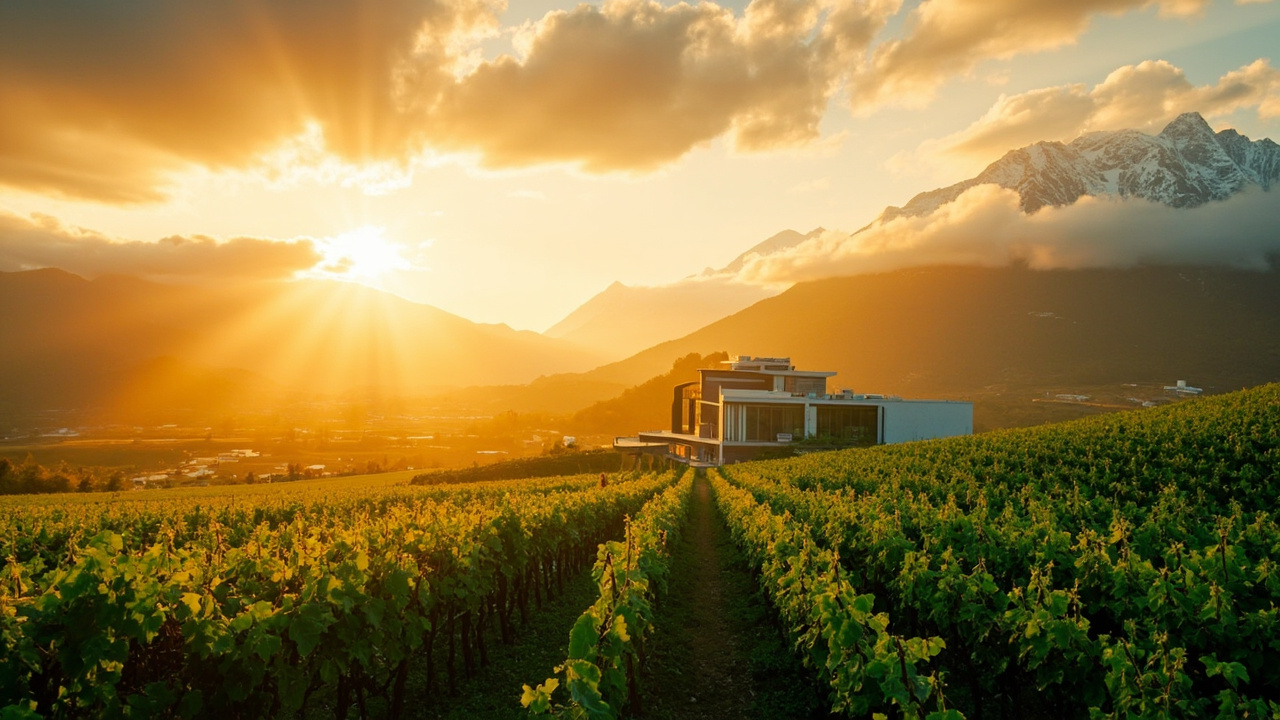
The first time I stood in a Ningxia vineyard, I wasn’t sure what to expect. The cab driver who took me from Yinchuan to the Helan Mountain foothills kept pointing at the barren, rocky ground and shrugging. Then we crested a small rise, and the vines appeared: row after row of dusty green stretching toward snow-dusted peaks that looked like they belonged in a Chinese ink painting. I grabbed a bottle of their Cabernet Sauvignon that night at a local restaurant, and it stopped me mid-bite. It wasn’t a novelty wine. It was genuinely, seriously good.
China is now the world’s second-largest vineyard area, but most tourists never taste a single bottle of its wine. They land in Beijing, see the Great Wall, eat Peking duck, and leave. That’s a mistake. The wine regions of Ningxia and Shandong offer something most itineraries miss: a look at modern China that isn’t about ancient history. You’ll see state-of-the-art wineries built with French consultants, meet young Chinese winemakers who studied in Bordeaux, and taste wines that are winning international awards. This guide covers the two regions that matter most, how to visit them, and what to actually drink when you get there. You’ll get specific directions, honest opinions, and the kind of practical details that make a first trip to China feel manageable.
Quick answer
Ningxia and Shandong are China’s two premier wine regions, both accessible from major cities (Yinchuan and Qingdao respectively) and best visited between May and October. A day trip to either region costs approximately $50–$80 USD (¥360–¥580 CNY) including transport, tasting fees, and lunch. Most wineries require advance booking, and the 2026 visa-free policy for citizens of 54 countries (including the US, UK, and most of Europe) allows stays of up to 30 days without a visa, making a wine-focused side trip easier than ever.
The Short Version
If you have 90 seconds: Ningxia is the serious one. It’s China’s Bordeaux, producing bold reds that have won Decanter awards, and it’s a two-hour flight from Beijing. Shandong is the scenic one, with coastal wineries near Qingdao that feel more like Napa Valley, and it’s a 3.5-hour high-speed train from Beijing. Both require booking ahead. Both are worth the effort. If you only have time for one, pick Ningxia for the wine and the dramatic Helan Mountain backdrop. Pick Shandong if you want to combine wine with beaches, seafood, and a more relaxed coastal vibe.
How I Picked These
I’ve lived in Beijing for seven years and have made four separate trips to Ningxia and three to Shandong’s wine country. I’ve visited over thirty wineries across both regions, from massive state-backed operations to tiny family plots. I spent a harvest season in Ningxia in 2023, helping sort grapes one morning (I was terrible at it), and I’ve sat through more wine-pairing lunches than I care to count. I’ve also made every mistake a foreign visitor can make: showing up without a reservation, trying to pay with a foreign credit card, and once, memorably, getting locked inside a winery’s tasting room after closing time. This guide is built from those trips, plus conversations with winemakers, tour operators, and the taxi drivers who know exactly which wineries are worth your time.
Comparison Table
| Rank | Place | Best For | Approx Cost (USD) | Time Needed | When to Go |
|---|---|---|---|---|---|
| 1 | Chateau Changyu Moser XV (Ningxia) | Serious red wine tastings | $30–$50 (¥216–¥360) | Half day | May–Oct |
| 2 | Kanaan Winery (Ningxia) | Small-batch, artisanal wines | $25–$40 (¥180–¥288) | 2–3 hours | May–Oct |
| 3 | Silver Heights (Ningxia) | Boutique luxury, personal tours | $40–$60 (¥288–¥432) | Half day | May–Oct |
| 4 | Chateau Nine Peaks (Shandong) | Coastal scenery, architecture | $25–$45 (¥180–¥324) | Half day | Jun–Sep |
| 5 | Domaine de Penglai (Shandong) | French-Chinese collaboration | $30–$50 (¥216–¥360) | Half day | Jun–Sep |
| 6 | Helan Qingxue (Ningxia) | Award-winning, historic winery | $20–$35 (¥144–¥252) | 2 hours | May–Oct |
| 7 | Chateau Rongzi (Ningxia) | Luxury, high-end tastings | $50–$80 (¥360–¥576) | 2–3 hours | May–Oct |
| 8 | Huadong Winery (Shandong) | Riesling, heritage winery | $20–$30 (¥144–¥216) | 2 hours | Jun–Sep |
| 9 | Longsi Winery (Ningxia) | Organic wines, vineyard walks | $25–$40 (¥180–¥288) | 2–3 hours | May–Oct |
| 10 | Chateau Junding (Shandong) | Grand architecture, photo ops | $30–$50 (¥216–¥360) | Half day | Jun–Sep |
Chateau Changyu Moser XV — The Grandaddy of Chinese Wine
I remember walking into the barrel room at Changyu Moser XV and just standing there for a minute. The scale of it. Three hundred French oak barrels in perfect rows, the air thick with that sweet, oaky smell you only get in a serious winery. The guide, a young woman named Li who had studied enology in Adelaide, noticed I was taking it in and said, “This is where we make the wine that changed people’s minds about China.”
Changyu is China’s oldest and largest wine producer, founded in 1892, and this Ningxia estate is their flagship. It’s named after Austrian winemaker Lenz Moser, whose family consulted on the project. The winery produces a range of wines, but their flagship Cabernet Sauvignon, the “Moser XV,” is the one that’s won international awards. The tasting room is polished and professional, with English-speaking staff and a proper gift shop.
📍 Location: Helan Mountain East Road, Yinchuan, Ningxia (about 30 minutes from downtown Yinchuan) 🎟️ Entry fee: $15–$25 (¥108–¥180) for basic tours; premium tastings up to $50 (¥360) 🕒 Opening hours: 9:00 AM–5:00 PM daily, but book ahead for English tours 🚕 Getting there: Take a taxi from Yinchuan (about $15/¥108). There’s no public transport to the winery. Ask the driver to take you to 张裕摩塞尔十五世酒庄 (Zhangyu Moser XV Winery) and show the Chinese characters. 📅 When to visit: September–October for harvest activities; weekdays are much quieter 💡 Insider tips: Book the “VIP tour” which includes a barrel-tasting directly from the cask. Ask for Li if she’s available; her English is excellent. The restaurant on site serves a surprisingly good wine-paired lunch for about $30 (¥216) per person. Don’t bother with the museum part of the tour; it’s a bit corporate.
I tried their 2018 Cabernet Sauvignon Reserve during that first visit, and it had this dark cherry and cedar thing going on that I genuinely didn’t expect from a Chinese wine. I bought two bottles to take home. They didn’t survive the trip.
Kanaan Winery — The One That Feels Like a Family Farm
Kanaan is the winery I always recommend to friends who want something less polished. It’s run by Wang Fang, a former IT professional who decided to make wine in 2005, and his wife Gao Yuan. The winery is small, producing maybe 100,000 bottles a year, and it feels like it. The tasting room is a converted farmhouse with mismatched chairs and a dog named Grape who will absolutely try to steal your charcuterie.
The wines are natural-leaning, with minimal intervention, and they’ve developed a cult following among Beijing’s wine nerds. Their Cabernet Franc is the standout, with this beautiful floral nose that you don’t often find in China. Wang is often there himself, and if you catch him in the right mood, he’ll tell you about the early days when he had to convince local farmers to let him plant vines on their land.
📍 Location: Helan Mountain East Road, about 40 minutes from Yinchuan 🎟️ Entry fee: Free for basic tastings; premium flights $15–$25 (¥108–¥180) 🕒 Opening hours: 10:00 AM–5:00 PM, closed some weekdays in winter (Nov–Mar) 🚕 Getting there: Taxi from Yinchuan, about $18 (¥130). Show the driver: 迦南美地酒庄 (Kanaan Winery). Or arrange a pickup through your hotel. 📅 When to visit: Late September for harvest; May–June for the greenest vineyard views 💡 Insider tips: Call ahead and ask if Wang is around. He’s the best part of the visit. The tasting flights are generous, so you don’t need to buy a full bottle. Bring cash; their card machine is unreliable. If the dog Grape approaches you, just let him sniff your hand first. He’s friendly, but he’s also a bit of a drama queen.
I spent an hour talking with Wang about the challenges of organic farming in Ningxia’s dry climate. He offered me a glass of his 2020 Cabernet Franc and said, “People think Chinese wine is a joke. I think it’s the best joke I’ve ever been part of.” He wasn’t joking.
Silver Heights — The Boutique Pioneer
Silver Heights is the winery that put Ningxia on the international map. Founded by Emma Gao, who trained at Chateau Margaux in Bordeaux, and her husband Marc, it’s consistently rated as one of China’s best wineries. The tasting room is small and elegant, with a view over the vineyards toward the Helan Mountains. It feels more like a private club than a tourist attraction, which is both a strength and a weakness.
The wines are excellent, particularly their “Family Reserve” Cabernet Sauvignon, which has a polish that rivals many Bordeaux wines. But the winery is small, and they limit visitors to small groups. You need to book at least a week in advance, and they’re strict about it. I’ve seen people turned away at the gate.
📍 Location: Helan Mountain East Road, Yinchuan, Ningxia 🎟️ Entry fee: $30–$50 (¥216–¥360) depending on tasting flight 🕒 Opening hours: By appointment only, typically 10:00 AM–4:00 PM 🚕 Getting there: Taxi from Yinchuan, about $15 (¥108). Show: 银色高地酒庄 (Silver Heights Winery). 📅 When to visit: Any time May–October; mornings are best for light 💡 Insider tips: Book through their WeChat account or have your hotel call. They speak English, but you need to be persistent. The “Family Reserve” tasting is worth the extra cost. Don’t show up without a booking; you’ll be turned away. If Emma is there, she’s happy to talk about her Bordeaux years, but she’s often busy, so don’t be offended if you get a junior staff member.
I once brought a French friend here who was deeply skeptical of Chinese wine. He tasted the 2019 Family Reserve and went quiet for a long moment. Then he said, “Okay. This is real.” That’s the highest compliment a Frenchman can give.
Chateau Nine Peaks — The Coastal Showstopper
Shandong’s wine country is completely different from Ningxia. Instead of arid mountains, you get rolling green hills, ocean breezes, and a coastline that reminds me vaguely of California’s Sonoma Coast. Chateau Nine Peaks is the most impressive winery in the region, built on a hillside overlooking the Bohai Sea. The architecture is a blend of French chateau and Chinese elements, with a grand staircase that’s become a favorite photo spot for Chinese tourists.
The wines are good, particularly their Chardonnay, which benefits from the cooler coastal climate. But honestly, the main draw here is the setting. You can stand on the terrace, glass in hand, and watch fishing boats in the distance. It’s the kind of place that makes you forget you’re in China at all.
📍 Location: Penglai District, Yantai, Shandong (about 1 hour from Yantai city center) 🎟️ Entry fee: $15–$25 (¥108–¥180) for tours and tastings 🕒 Opening hours: 9:00 AM–5:30 PM daily 🚕 Getting there: From Yantai, take a taxi (about $25/¥180) or the high-speed train to Penglai Station (20 minutes, $5/¥36), then taxi 20 minutes to the winery. Show: 九顶庄园 (Nine Peaks Winery). 📅 When to visit: June–September for the best weather; October for harvest 💡 Insider tips: The sunset views from the terrace are spectacular; time your visit for late afternoon. The on-site restaurant is excellent, especially the seafood dishes that pair with their Chardonnay. Book ahead for English tours; they’re popular with international visitors. If you’re driving, the last stretch of road to the winery is steep and winding; take it slow.
I watched a Chinese wedding photoshoot happening on the winery’s grand staircase while I sipped their 2021 Chardonnay. The bride’s dress was huge, the photographer was shouting directions, and the whole scene felt like a movie. It was the most Chinese moment I’ve had at any winery in the country.
Domaine de Penglai — The Franco-Chinese Experiment
Domaine de Penglai is a collaboration between Chinese and French wine interests, and it shows. The winery was designed by a French architect, the head winemaker is French, and the wines are made in a distinctly Bordeaux style. It’s the most “European” winery I’ve visited in China, which is both a compliment and a slight criticism. The wines are technically excellent but lack some of the personality you find at smaller operations like Kanaan.
That said, the setting is beautiful. The winery sits on a hillside with views over vineyards and the sea, and the tasting room is bright and modern. The staff are professional and speak good English. It’s a solid choice if you want a reliable, high-quality tasting experience without the quirks of smaller wineries.
📍 Location: Penglai District, Yantai, Shandong 🎟️ Entry fee: $20–$35 (¥144–¥252) depending on tasting 🕒 Opening hours: 9:00 AM–5:00 PM daily 🚕 Getting there: Same as Nine Peaks; taxi from Yantai or Penglai Station. Show: 蓬莱拉菲酒庄 (Lafite Domaine de Penglai). 📅 When to visit: May–October; the winery is quieter on weekdays 💡 Insider tips: Their Cabernet Sauvignon is the flagship, but the Merlot is underrated. Ask about the barrel-aging program; you can buy a barrel and have it bottled with your own label (it’s expensive, around $5,000/¥36,000, but a fun flex). The staff can arrange a picnic lunch on the grounds if you book ahead.
I asked the French winemaker, whose name I’ve unfortunately forgotten, whether he thought Chinese wine could compete with Bordeaux. He laughed and said, “The question is whether Bordeaux can compete with China.” He had a point.
Helan Qingxue — The One That Started It All
Helan Qingxue is the winery that won the International Wine and Spirits Competition’s top award in 2011, the first Chinese winery to do so. That moment changed everything for Chinese wine. Before Helan Qingxue, Chinese wine was a punchline. After, it was a legitimate industry. The winery itself is modest, especially compared to the flashier estates nearby, but it has a historical significance that makes it worth a visit.
The wines are solid, particularly their “Jia Bei Lan” Cabernet Sauvignon, which was the award-winning wine. The tasting room is simple, with a small museum section documenting the winery’s history. It’s not the most exciting visit, but it’s the most meaningful one.
📍 Location: Helan Mountain East Road, Yinchuan, Ningxia 🎟️ Entry fee: $15–$25 (¥108–¥180) for tours and tastings 🕒 Opening hours: 9:00 AM–5:00 PM daily 🚕 Getting there: Taxi from Yinchuan, about $15 (¥108). Show: 贺兰晴雪酒庄 (Helan Qingxue Winery). 📅 When to visit: May–October; September for harvest 💡 Insider tips: Ask to see the 2011 award certificate; it’s framed in the tasting room and the staff love showing it off. The basic tour is enough; don’t pay extra for the “premium” tasting unless you’re a serious wine nerd. Combine this visit with Kanaan, which is nearby, for a good half-day wine tour.
The guide told me the story of the 2011 award with such pride that I felt like I was hearing about a family member’s achievement. “Before this,” she said, “people laughed at Chinese wine. After this, they started paying attention.” She was right.
Chateau Rongzi — The Luxury Play
Chateau Rongzi is what happens when you give a Chinese real estate developer a winery budget. The place is enormous, with a grand chateau building, manicured gardens, and a tasting room that feels more like a five-star hotel lobby. It’s impressive, but it’s also a bit much. The wines, however, are genuinely good, particularly their high-end “Rongzi” label, which can cost over $100 (¥720) a bottle.
The tour is polished and professional, with English-speaking guides and a well-organized tasting experience. It’s the most tourist-friendly winery in Ningxia, which is both a strength (easy to visit, no booking hassle) and a weakness (it can feel a bit corporate).
📍 Location: Helan Mountain East Road, Yinchuan, Ningxia 🎟️ Entry fee: $30–$50 (¥216–¥360) depending on tasting 🕒 Opening hours: 9:00 AM–6:00 PM daily 🚕 Getting there: Taxi from Yinchuan, about $20 (¥144). Show: 荣子酒庄 (Rongzi Winery). 📅 When to visit: May–October; weekends are busy with Chinese tour groups 💡 Insider tips: The “Rongzi” label tasting is worth the extra cost if you want to try their best wine. The restaurant on site is excellent for lunch, but book ahead. If you’re not into luxury vibes, this might not be your favorite winery, but the wines are legitimately good. The gift shop has some interesting local products beyond wine, including Helan Mountain honey.
I brought a group of American friends here, and one of them, a wine collector from Napa, spent ten minutes photographing the barrel room. “This is insane,” he kept saying. “This is like a movie set.” He bought three bottles of the Rongzi label. I think he was showing off, but the wine was good enough to justify it.
Huadong Winery — The Riesling Pioneer
Huadong is Shandong’s oldest winery, founded in 1985, and it’s known for one thing: Riesling. The coastal climate of Shandong is actually well-suited to Riesling, and Huadong’s versions are crisp, aromatic, and refreshingly different from the big reds that dominate Ningxia. The winery itself is a bit dated, with 1980s architecture that hasn’t aged particularly well, but there’s a charm to it.
The tasting room is simple, and the staff are friendly if not particularly polished. It’s not the most impressive winery in Shandong, but it’s the most authentic. You get a sense of what Chinese wine was like before the boom, when it was a niche product for adventurous drinkers.
📍 Location: Penglai District, Yantai, Shandong 🎟️ Entry fee: $15–$20 (¥108–¥144) for tours and tastings 🕒 Opening hours: 9:00 AM–5:00 PM daily 🚕 Getting there: Taxi from Yantai, about $20 (¥144). Show: 华东酒庄 (Huadong Winery). 📅 When to visit: June–September for the best weather; October for harvest 💡 Insider tips: Their Riesling is the standout; try the “Grand Reserve” if it’s available. The winery is less crowded than Nine Peaks or Domaine de Penglai, so you’ll get more personal attention. Ask about their history; the founder was one of the first Chinese winemakers to study abroad in Germany. The gift shop has some interesting vintage bottles from the 1990s, though I’m not sure how well they’ve aged.
I tried their 2018 Riesling and was surprised by how good it was, all citrus and minerality. I bought a bottle to bring back to Beijing and served it to a friend who insisted Chinese wine was only red. She changed her mind.
Longsi Winery — The Organic One
Longsi is Ningxia’s answer to the natural wine movement. The winery is certified organic, uses minimal intervention in the winemaking process, and produces wines that are a bit wilder and more unpredictable than the polished offerings at Changyu or Rongzi. Some of their wines are fantastic; others are, frankly, weird. But that’s part of the appeal.
The winery itself is rustic, with a simple tasting room and vineyards that you can walk through freely. The staff are young and passionate, and they’re happy to talk about their philosophy of winemaking. It’s a nice contrast to the more corporate wineries in the region.
📍 Location: Helan Mountain East Road, Yinchuan, Ningxia 🎟️ Entry fee: $15–$25 (¥108–¥180) for tastings 🕒 Opening hours: 10:00 AM–5:00 PM, closed some weekdays 🚕 Getting there: Taxi from Yinchuan, about $18 (¥130). Show: 龙寺酒庄 (Longsi Winery). 📅 When to visit: May–October; September for harvest 💡 Insider tips: Their orange wine (a white wine made like a red) is a unique experience you won’t find at most Chinese wineries. Ask to walk the vineyards; the views of the Helan Mountains are spectacular. The staff are happy to talk about organic farming, but their English is limited, so bring a translation app. Don’t expect polished luxury; this is a working winery.
I tried their orange wine and honestly wasn’t sure what to think. It was tannic and funky and completely unlike anything else I’d tasted in China. The winemaker, a young guy with a ponytail, watched my face and laughed. “Not for everyone,” he said. “But it’s real.”
Chateau Junding — The Grand Finale
Chateau Junding is the most visually impressive winery in Shandong, and possibly in all of China. The main building is a massive stone chateau that looks like it was transported from the Loire Valley, complete with turrets and a grand entrance. The grounds are immaculate, with formal gardens and a lake. It’s the kind of place that makes you want to take photos at every turn.
The wines are good, though not exceptional. The tasting room is grand, with high ceilings and chandeliers, and the staff are professional. It’s a popular spot for Chinese tourists, so expect crowds on weekends. But if you want the “wow” factor, this is the place.
📍 Location: Penglai District, Yantai, Shandong 🎟️ Entry fee: $20–$30 (¥144–¥216) for tours and tastings 🕒 Opening hours: 9:00 AM–5:30 PM daily 🚕 Getting there: Taxi from Yantai, about $25 (¥180). Show: 君顶酒庄 (Junding Winery). 📅 When to visit: June–September; weekdays are much quieter 💡 Insider tips: The architecture is the main draw, so bring your camera. The “Grand Tour” includes a visit to the underground cellar, which is worth the extra cost. The on-site restaurant is overpriced; better to eat in Penglai town after your visit. If you’re visiting with kids, they’ll love the gardens and the lake.
I stood in front of the chateau for a solid five minutes, just staring. It was so over-the-top, so completely extra, that I couldn’t help but smile. I asked my guide if it was modeled on a specific French chateau. She said, “It’s modeled on what Chinese people think a French chateau looks like.” Fair enough.
FAQ summary
For first-time visitors to China’s wine regions, the key takeaways are: Ningxia (near Yinchuan) is the premier red wine region with the highest quality wines and the most wineries, while Shandong (near Yantai/Qingdao) offers coastal scenery and better white wines, particularly Riesling and Chardonnay. Most wineries require advance booking, with tasting fees ranging from $15–$50 USD (¥108–¥360 CNY). The 2026 visa-free policy allows citizens of 54 countries to stay up to 30 days without a visa, making a wine-region side trip from Beijing or Shanghai straightforward. The best time to visit either region is May through October, with September being ideal for harvest activities. English is limited at most wineries, so a translation app and pre-arranged transport are essential.
FAQ
Q: Do I need a visa to visit China’s wine regions in 2026? A: Citizens of 54 countries, including the US, UK, Canada, Australia, and most of Europe, can enter China visa-free for up to 30 days under the 2026 policy. This applies to tourism, business, and family visits. Just make sure your passport is valid for at least six months beyond your entry date.
Q: How do I get to Ningxia’s wine region from Beijing? A: Fly from Beijing Capital Airport to Yinchuan Hedong Airport (about 2 hours, $80–$150 USD/¥576–¥1,080 CNY round trip). From Yinchuan, taxis to the wineries cost $15–$25 USD (¥108–¥180 CNY). Alternatively, the high-speed train from Beijing West Station to Yinchuan takes about 5.5 hours and costs $60–$90 USD (¥432–¥648 CNY).
Q: Can I just show up at a winery without booking? A: Some wineries, like Chateau Changyu Moser XV and Chateau Rongzi, accept walk-ins, but most require advance booking, especially for English tours. Silver Heights is strict about appointments and will turn you away. Have your hotel call ahead or book through the winery’s WeChat account.
Q: How do I pay for tastings and purchases? A: WeChat Pay and Alipay are the standard payment methods in China, and they work with foreign credit cards. Set up one of these apps before you arrive. Some wineries accept international credit cards, but it’s not reliable. Cash (RMB) is always accepted but less common.
Q: Do people at the wineries speak English? A: Larger wineries like Changyu, Rongzi, and Domaine de Penglai have English-speaking staff. Smaller wineries like Kanaan and Longsi have limited English, so download a translation app like Google Translate (use the camera function for menus and signs) or Pleco for Chinese.
Q: Do I need a VPN for my phone in China? A: Yes. Google, WhatsApp, Instagram, and Facebook are blocked in China. Download a reliable VPN before you arrive, or you’ll be unable to use these services. A local SIM card from China Unicom or China Mobile is also helpful for data, though your home carrier’s international roaming will work with a VPN.
Q: What’s the best time of year to visit Chinese wine regions? A: May through October is ideal. September is harvest season, when wineries are most active and you can see grape-picking in action. Summer (June–August) is hot but beautiful, especially in Shandong with the coastal breezes. Winter (November–March) is cold and many smaller wineries close.
The Honest Wrap-up
This guide is for travelers who want to see a side of China that most tourists miss. If you’re the kind of person who enjoys a good glass of wine, who likes learning about how things are made, and who doesn’t mind a bit of logistical hassle to get somewhere special, these wine regions will reward you. If you’re looking for a polished, effortless wine-tasting experience like you’d find in Napa or Tuscany, you might be frustrated by the booking requirements and language barriers.
My final advice: pick one region, not both, unless you have serious time. Ningxia is the better choice for wine quality and dramatic scenery. Shandong is better if you want to combine wine with beaches and seafood. Book everything ahead, set up WeChat Pay and a VPN before you land, and bring an open mind. Chinese wine is still finding its identity, and that’s exactly what makes it interesting. You’re not just tasting wine; you’re tasting a country in the middle of reinventing itself.
Topics
More guides you may like
Top 10 Bridges in China
China's bridges are engineering marvels spanning mountains, rivers, and seas. Here are 10 of the most spectacular, from ancient stone to modern steel.
8 min read

Top 10 Buddhist Sites in China
From the Leshan Giant Buddha to the Dunhuang Caves, these 10 Buddhist sites represent 2,000 years of China's spiritual heritage.
9 min read
Top 10 Day Trips from Beijing You Shouldn't Miss
Beijing is packed with history, but some of China's best experiences are just a few hours away. Here are 10 day trips that will transform your visit.
9 min read
Top 10 Hidden Gems in China Off the Beaten Path
Beyond the Great Wall and Terracotta Warriors, China has incredible hidden destinations few tourists ever reach. Here are 10 underrated gems worth the detour.
9 min read
Top 10 Markets and Shopping Streets in China
From Shanghai's Bund to Beijing's Silk Street - 10 markets where foreigners can haggle, explore, and bring home authentic Chinese goods.
9 min read
Top 10 Museums in China You Shouldn't Miss
China's museums span 5,000 years of civilization. These 10 - from the Palace Museum to Xi'an's terracotta gallery - are unmissable for culture lovers.
9 min read