
China Independent Travel Planner Template: The Complete 2026 Guide
The first time I tried to buy a train ticket in China, I stood at the Beijing South station counter for ten minutes before realizing the agent was asking for my.
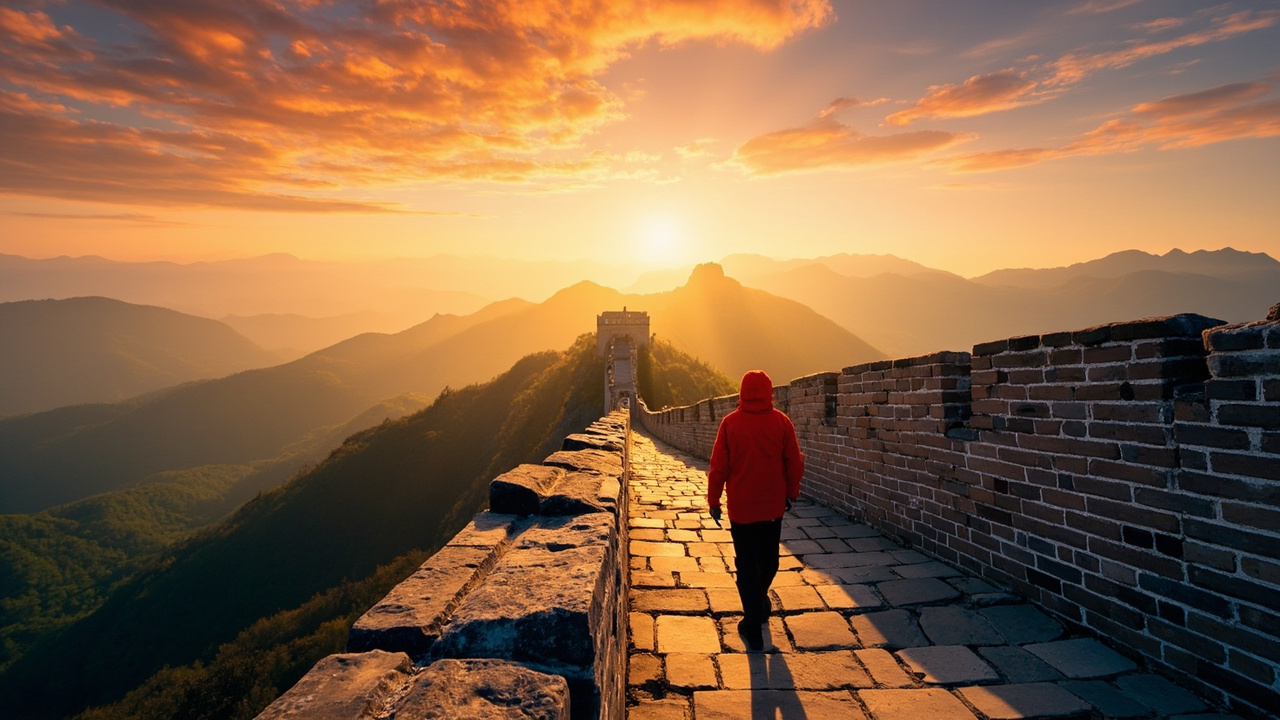
The first time I tried to buy a train ticket in China, I stood at the Beijing South station counter for ten minutes before realizing the agent was asking for my passport number, not my name. I had it written down somewhere, buried in a notebook, and the line behind me was growing restless. A woman in a red down jacket finally took pity on me, pulled out her phone, and had me booked on the G5 to Shanghai in under two minutes. That was seven years ago. Since then, I’ve made that trip dozens of times, plus another forty-odd journeys through every corner of this country, and I still remember how overwhelming that first attempt felt.
China rewards the prepared traveler. The country is vast, the systems are digital, and the language barrier is real, but the payoff is worth the homework. The Great Wall, the terracotta warriors, the Li River karsts, the neon canyons of Shanghai, these are not places you want to see through a tour bus window. They deserve your own pace, your own schedule, your own mistakes.
This guide gives you a complete planning template for your first independent trip to China. You’ll get a realistic budget, a route that makes geographic sense, the exact apps you need before you land, and ten destinations that justify the flight. I’ve done the legwork so you don’t have to.
Quick answer
A first-time independent trip to China costs roughly $100–150 per day (CNY 700–1,100) per person including hotels, transport, food, and entry fees, and the optimal route is Beijing → Xi’an → Chengdu → Guilin/Yangshuo → Shanghai over 12–14 days. Citizens of 38 countries, including the US, UK, Australia, and most of Europe, currently qualify for visa-free entry for up to 30 days through December 31, 2026, which covers most standard itineraries. Download Alipay, WeChat, and a VPN before you fly, and book high-speed rail tickets through Trip.com or the official 12306 app.
The Short Version
If you have 90 seconds, here’s the plan. Fly into Beijing, spend three days on the Great Wall, the Forbidden City, and the hutongs. Take the high-speed train to Xi’an for two days with the terracotta warriors. Fly to Chengdu for pandas and Sichuan food, two days. Fly to Guilin, boat down the Li River to Yangshuo, two days. Train to Shanghai for the skyline and the food scene, three days. That’s twelve days, roughly $1,500 per person all-in, and you’ll see the best of China without feeling like you’re on a death march. Skip the tour groups. The trains are better than any bus.
How I Picked These
I’ve lived in Beijing since 2019 and have made repeated trips to every destination on this list, some of them five or six times. I’ve taken the overnight train from Xi’an to Chengdu when the high-speed rail wasn’t finished yet, gotten lost in the backstreets of Yangshuo on a rented scooter, and eaten my weight in Sichuan hotpot with locals who insisted on ordering for me. I’ve also made the mistakes, like showing up to the Forbidden City without a reservation and getting turned away, or trying to use a credit card at a street food stall. This list reflects what I’d tell a friend who asked me to plan their first trip, not what a tourism board would suggest. Every price, station, and tip here comes from something I’ve actually done or seen.
Comparison Table
| Rank | Place | Best For | Approx Cost (USD) | Time Needed | When to Go |
|---|---|---|---|---|---|
| 1 | Beijing | History, culture, food | $80–120/day | 3–4 days | Apr–May, Sep–Oct |
| 2 | Xi’an | Terracotta Warriors, history | $60–90/day | 2 days | Mar–May, Sep–Nov |
| 3 | Chengdu | Pandas, Sichuan food | $50–80/day | 2 days | Mar–Jun, Sep–Nov |
| 4 | Yangshuo | Karst scenery, cycling | $40–70/day | 2–3 days | Apr–Oct |
| 5 | Shanghai | Modern China, nightlife | $90–140/day | 3 days | Mar–May, Oct–Nov |
| 6 | Zhangjiajie | Avatar mountains, hiking | $70–100/day | 2–3 days | Apr–Jun, Sep–Oct |
| 7 | Hangzhou | West Lake, tea fields | $60–90/day | 2 days | Mar–May, Sep–Oct |
| 8 | Lijiang | Old town, Yunnan culture | $50–80/day | 2–3 days | Mar–May, Sep–Nov |
| 9 | Suzhou | Classical gardens | $50–70/day | 1–2 days | Mar–May, Sep–Oct |
| 10 | Hong Kong | City energy, food, harbor | $120–180/day | 3 days | Oct–Dec |
Beijing — The city that rewires your sense of scale
I remember standing on the Jinshanling section of the Great Wall in October, watching the wall snake over ridgeline after ridgeline until it disappeared into the haze. A German guy next to me said, “It just doesn’t end.” That’s Beijing in a nutshell. The city itself is a grid of ring roads that keep expanding, and the history layers on top of itself like sediment.
The Forbidden City is the obvious centerpiece, and it deserves the hype, but the city’s real magic is in the hutongs, the narrow alley networks that survived the wrecking ball. I’ve spent entire afternoons wandering the lanes around Shichahai, ducking into courtyard homes that have been converted into tiny cafes, watching old men play chess on the street.
📍 Location: Central Beijing, mostly within the 2nd Ring Road 🎫 Entry fee: Forbidden City $8 (CNY 60) in peak season, Great Wall sections $6–10 (CNY 45–70) depending on which one you pick 🕒 Opening hours: Forbidden City 8:30–17:00, closed Mondays. Great Wall sections generally 7:00–18:00, year-round 🚇 How to get there: For the Forbidden City, take Line 1 to Tiananmen East Station, Exit B, walk north through the security checkpoint. For the Great Wall at Mutianyu, take the Dongzhimen express bus 916 to Huairou, then a local shuttle. The trip takes about 2.5 hours each way 📅 When to visit: April and May for the wall, October for the city. Weekdays only, and book the Forbidden City at least a week ahead on the official WeChat mini-program 💡 Insider tips: The Mutianyu section has a toboggan ride down from the wall, which sounds silly until you’re doing it. The Badaling section is a tourist zoo, skip it. Bring your passport to every ticketed site, they scan it. The security lines at Tiananmen Square can take 30 minutes, factor that in. Download the Amap app for navigation, Google Maps is unreliable here
I once watched a Beijing cab driver eat noodles with chopsticks while driving through rush hour traffic on the 3rd Ring Road. He didn’t spill a drop. I’ve never seen anything like it since.
Xi’an — Where the past is still breathing
The terracotta warriors are the reason everyone comes, and they’re extraordinary, but I found myself more moved by the city walls. I rented a bike and rode the full 14 kilometers along the top of the wall at sunset, watching the old city glow gold below me. That’s a memory I’ll keep longer than the warriors.
The Muslim Quarter is where you’ll eat. The street food there, the roujiamo (Chinese hamburger), the biangbiang noodles, the lamb skewers, it’s some of the best food in China, and it costs almost nothing. I ate there three times in two days and spent maybe $15 total.
📍 Location: Xi’an city center, walled old city and surrounding districts 🎫 Entry fee: Terracotta Warriors $20 (CNY 150), City Wall $7 (CNY 54) 🕒 Opening hours: Warriors 8:30–18:00 daily, City Wall 8:00–22:00 in summer, closes earlier in winter 🚇 How to get there: From Xi’an North Station, take Metro Line 2 to Beidajie, transfer to Line 1 to Fangzhicheng, then bus 307 to the warriors. Or just take a taxi, it’s about $25 one way and saves you an hour 📅 When to visit: March to May or September to November. Go to the warriors at 8:30 sharp when the gates open, before the tour groups arrive 💡 Insider tips: The warriors are in three pits, and Pit 1 is the famous one. Don’t waste money on a guide, the signage is good enough. The Muslim Quarter gets packed at night, go at 5pm before the crowds. Try the persimmon cakes from the street vendors, they’re only in season in autumn. The Bell Tower at night is worth the $5 entry, the view over the traffic circle is surreal
I met a retired history teacher named Mr. Chen at the warriors who told me the story of how a farmer discovered the site in 1974 while digging a well. He’d been coming to the site every week for fifteen years, just to watch people see it for the first time.
Chengdu — The city that slows you down
Chengdu is the only city in China where I’ve seen people actually relax. The teahouses are full of locals playing mahjong at 10am on a Tuesday, the parks are full of people doing tai chi, and the pace of life is noticeably slower than Beijing or Shanghai. The pandas are the headline act, and they’re worth it, but the city itself is the real attraction.
The food is the other reason to come. Sichuan cuisine is the most exciting regional food in China, and Chengdu is its capital. The hotpot there, the numbingly spicy broth with the oil-slicked chili paste, is an experience you’ll talk about for years. I still dream about the dan dan noodles from a hole-in-the-wall place near the Wenshu Monastery.
📍 Location: Chengdu city center, especially the Wuhou District and Jinjiang District 🎫 Entry fee: Panda Base $7 (CNY 55), Wenshu Monastery free 🕒 Opening hours: Panda Base 7:30–18:00, arrive before 9am to see them active 🚇 How to get there: Take Metro Line 3 to Panda Avenue Station, Exit B, then a 10-minute walk or a free shuttle bus to the entrance 📅 When to visit: March to June or September to November. Weekday mornings are the only time to see pandas actually moving around 💡 Insider tips: The pandas are most active in the morning when it’s cool, they sleep through the afternoon heat. Skip the tourist hotpot places on the main streets, find a local spot in the backstreets of Yulin neighborhood. The Jinsha Site Museum is a hidden gem, a real archaeological dig site in the middle of the city. Bring your own napkins, most local restaurants don’t provide them. The tea ceremony at Heming Teahouse in People’s Park is a great way to spend a lazy afternoon
A taxi driver named Li told me that Chengdu people say “the sky is low here, so we don’t rush.” He drove me to the panda base at 7am, singing along to a Chinese pop song the whole way.
Yangshuo — The landscape that looks fake
The karst peaks around Yangshuo look like they were painted by someone who’d never seen mountains. They’re too perfect, too green, too dramatic, rising straight out of the rice paddies like giant green teeth. I rented a scooter and spent a day riding the back roads between the villages, and I kept stopping to take photos of the same view from different angles.
The Li River cruise from Guilin to Yangshuo is the classic way to arrive, and it’s worth doing once. The four-hour boat ride passes through the most famous scenery in China, the same peaks that are printed on the 20 yuan note. But the real magic is in the countryside, away from the river.
📍 Location: Yangshuo County, Guilin Prefecture, Guangxi Province 🎫 Entry fee: Li River cruise $60–80 (CNY 450–600), Yulong River bamboo rafting $30 (CNY 220) 🕒 Opening hours: River cruises run 8:00–14:00 daily, bamboo rafts 8:00–17:30 🚇 How to get there: High-speed train from Guilin North to Yangshuo Station, then a 40-minute bus or taxi to town. The train takes about 30 minutes 📅 When to visit: April to October, but avoid Chinese national holidays in May and October when the crowds are brutal 💡 Insider tips: Rent a scooter or e-bike and explore the countryside roads, that’s where the real scenery is. The Yulong River bamboo rafting is more intimate than the Li River cruise, and you can do it without a tour group. The West Street area is touristy, skip it and stay in a guesthouse on the outskirts instead. Bring cash, some of the smaller villages don’t accept mobile payments. The sunrise from Xianggong Hill is worth the early wake-up
I got hopelessly lost on a scooter in the rice paddies and ended up at a small village where an old woman insisted I sit down for tea. We communicated entirely through gestures and smiles, and it was one of the best afternoons of my trip.
Shanghai — The city that looks like the future
Shanghai hits you different. The skyline from the Bund at night, the neon towers of Pudong across the river, it looks like a movie set for a cyberpunk film. But the city has layers. The French Concession with its plane trees and art deco buildings feels like a European city that got transplanted to Asia. The old shikumen lanes hide cafes and boutiques that would fit right in in Brooklyn.
The food scene is the best in China for variety. You can eat Shanghainese, Cantonese, Sichuan, Xinjiang, and every regional cuisine in between, plus some of the best international food I’ve had anywhere. The soup dumplings at Jia Jia Tang Bao are worth the hour-long wait, and they cost about $2.
📍 Location: Central Shanghai, especially the Huangpu District and Former French Concession 🎫 Entry fee: Shanghai Tower observation deck $25 (CNY 180), Yu Garden $6 (CNY 45) 🕒 Opening hours: Most attractions 9:00–17:00, the Bund is always open 🚇 How to get there: Shanghai has the best metro system in China. From Hongqiao Airport, take Line 2 to People’s Square, then transfer as needed. The Bund is a 5-minute walk from East Nanjing Road Station, Exit 1 📅 When to visit: March to May or October to November. The summer humidity is brutal, and the winter is damp and cold 💡 Insider tips: The Bund is stunning at night, but the view from the north end is less crowded. The Shanghai Tower observation deck is worth the money, but go on a clear day or you’ll see nothing but clouds. The French Concession is best explored on foot or by bike, the streets are too narrow for cars. The water in Shanghai tastes terrible, drink bottled water. The metro is the fastest way to get anywhere, skip the taxis during rush hour
I met a barista in the French Concession who had moved to Shanghai from Seattle for a job and never left. She said she’d been there eight years and still found new streets to explore every weekend.
Zhangjiajie — The mountains that inspired Avatar
The sandstone pillars of Zhangjiajie National Forest Park are unlike anything else on Earth. They rise hundreds of meters straight up, covered in green vegetation, often wrapped in mist, looking like something from a fantasy novel. The James Cameron connection is real, the floating mountains in Avatar were inspired by these pillars, but the reality is better than the movie.
The park is huge, and the logistics are complicated. The glass bridge at Zhangjiajie Grand Canyon is terrifying and exhilarating in equal measure. I stood on it for ten minutes trying to work up the courage to look down, and when I finally did, I couldn’t stop staring.
📍 Location: Zhangjiajie National Forest Park, Wulingyuan District, Hunan Province 🎫 Entry fee: Park entrance $40 (CNY 280), valid for 4 days. Glass bridge $25 (CNY 180) 🕒 Opening hours: 7:00–18:00 in summer, 8:00–17:00 in winter 🚇 How to get there: Fly or take the high-speed train to Zhangjiajie, then a 40-minute bus to the park entrance at Wulingyuan. The park has multiple entrances, use the one at Wulingyuan for the best access 📅 When to visit: April to June and September to October. The mist is part of the experience, but heavy fog can obscure the views entirely 💡 Insider tips: The park is massive, plan at least two full days. Use the cable cars and the Bailong Elevator, the world’s tallest outdoor elevator, to save your legs. The Yuanjiajie area has the most famous views, but the Tianzi Mountain area is less crowded. Bring rain gear, the weather changes fast in the mountains. The park is busiest on weekends, go midweek if you can
I remember standing at the viewing platform at Yuanjiajie, watching the mist roll through the pillars, and a Chinese tourist next to me said, “This is why we say China is a beautiful country.” He wasn’t wrong.
Hangzhou — The lake that inspired poets
West Lake in Hangzhou is the most famous body of water in China, and it’s been inspiring poets and painters for a thousand years. The causeways, the pagodas, the willow trees, the misty hills in the background, it’s a landscape that feels deliberately composed, like someone designed it to be beautiful.
The city itself is more than just the lake. The Longjing tea fields in the hills outside the city are worth a visit, especially in spring when the tea is being harvested. I sat in a tea house in the hills and watched a farmer hand-roll tea leaves in a wok, a tradition that goes back centuries.
📍 Location: West Lake, central Hangzhou, Zhejiang Province 🎫 Entry fee: West Lake is free, Longjing tea village free to visit 🕒 Opening hours: The lake is always open, the tea houses are typically 9:00–18:00 🚇 How to get there: High-speed train from Shanghai to Hangzhou East takes about 45 minutes. From the station, take Metro Line 1 to Longxiangqiao Station, then walk 10 minutes to the lake 📅 When to visit: March to May for the spring weather and tea harvest, September to October for the autumn colors 💡 Insider tips: Rent a bike and ride the full loop around the lake, it takes about 3 hours. The tea fields at Longjing are free to walk through, but the tea houses will try to sell you expensive tea, just say no. The Lingyin Temple is worth the $10 entry, it’s one of the most important Buddhist temples in China. The lake is packed on weekends, go on a weekday morning. The sunset from the Leifeng Pagoda is spectacular
I met a retired tea farmer named Wang who invited me into his home and served me tea that he’d grown himself. He told me his family had been growing tea on that same hillside for six generations.
Lijiang — The old town that survived
Lijiang’s old town is a maze of cobblestone streets, canals, and traditional Naxi architecture, a UNESCO World Heritage site that somehow survived the modernization that swept through most of China. The town is touristy, there’s no way around that, but the atmosphere is still magical, especially in the early morning before the tour groups arrive.
The surrounding area is even better. The Jade Dragon Snow Mountain looms over the town, and the Tiger Leaping Gorge, one of the deepest gorges in the world, is a few hours away. I spent a day hiking the gorge and felt like I was in a different world.
📍 Location: Lijiang Old Town, Yunnan Province 🎫 Entry fee: Old town is free, Jade Dragon Snow Mountain $30 (CNY 210) plus cable car fees 🕒 Opening hours: The old town is always open, the mountain is 8:00–17:00 🚇 How to get there: Fly to Lijiang Sanyi Airport, then a 40-minute taxi to the old town. The high-speed train from Kunming takes about 3 hours 📅 When to visit: March to May and September to November. The summer is rainy, the winter is cold 💡 Insider tips: The old town gets packed with tour groups from 10am to 5pm, go early or late. The Naxi people have their own language and culture, take time to learn about it. The Black Dragon Pool is the best spot for photos of Jade Dragon Snow Mountain. The bars on the main street are tourist traps, find the quieter bars in the back alleys. The Tiger Leaping Gorge hike is demanding but worth it, bring good shoes
I got lost in the old town at night and ended up in a tiny courtyard where a Naxi woman was singing traditional songs to a small crowd. She noticed me standing in the back and waved me over to sit down.
Suzhou — The gardens that define Chinese aesthetics
Suzhou’s classical gardens are the pinnacle of Chinese landscape design, tiny worlds of rocks, water, and pavilions that are meant to be experienced slowly, from different angles, like a three-dimensional painting. The Humble Administrator’s Garden is the most famous, and it’s stunning, but the smaller gardens like the Master of the Nets are more intimate and just as beautiful.
The city is also known for its silk, and the Suzhou Museum, designed by I.M. Pei, is a masterpiece in its own right. I spent an afternoon there and came away with a new appreciation for Chinese art.
📍 Location: Suzhou city center, Jiangsu Province 🎫 Entry fee: Humble Administrator’s Garden $10 (CNY 90), Master of the Nets Garden $5 (CNY 40) 🕒 Opening hours: Most gardens 7:30–17:30, closed on some weekdays in the off-season 🚇 How to get there: High-speed train from Shanghai to Suzhou takes about 30 minutes. From Suzhou Station, take Metro Line 4 to Beisita Station, then walk 10 minutes to the gardens 📅 When to visit: March to May and September to October. The gardens are best in the morning before the crowds 💡 Insider tips: The gardens are designed to be viewed from specific angles, take time to sit and look. The Master of the Nets Garden has a night tour in the summer with traditional performances. The Pingjiang Road area has the best preserved old streets. The silk museum is worth a visit, and the silk shops on Guanqian Street have good quality products. The gardens are busiest on weekends, go midweek
I remember sitting in the Humble Administrator’s Garden, watching a group of elderly locals doing tai chi by the lotus pond, and thinking that this was what the gardens were designed for.
Hong Kong — The city that never stops
Hong Kong is technically not mainland China, but it’s part of the same trip for many travelers, and it’s worth the detour. The city is a sensory overload, the harbor views, the neon signs, the street food, the crowds, the energy. It’s like nothing else in China, and it’s the easiest place in the region to get around for English speakers.
The food is the best in Asia, in my opinion. The dim sum, the roast goose, the noodle shops, the dai pai dong street stalls, you could eat a different meal every hour for a week and still not try everything. The view from Victoria Peak at sunset is one of the great urban views of the world.
📍 Location: Hong Kong Island and Kowloon, Hong Kong SAR 🎫 Entry fee: Victoria Peak tram $8 (CNY 60) round trip, most other attractions are free 🕒 Opening hours: The city is always open, most shops 10:00–22:00 🚇 How to get there: Fly into Hong Kong International Airport, then the Airport Express train to Central takes 24 minutes. The MTR system is the best in the world 📅 When to visit: October to December for the best weather. Summer is hot and humid, and typhoon season runs from June to October 💡 Insider tips: The Octopus card is essential, it works on the MTR, buses, ferries, and convenience stores. The Star Ferry across Victoria Harbour is the best value in the city, $0.50 for a stunning view. The street food in Mong Kok is better than the restaurants in Tsim Sha Tsui. The Peak is best at sunset, but the tram line can be long, book ahead. English is widely spoken, but learning a few Cantonese phrases will get you better service
I was in Hong Kong during a typhoon warning once, and the city didn’t stop. The MTR kept running, the shops stayed open, and people just went about their business like the rain was a minor inconvenience.
FAQ summary
For a first-time independent trip to China, the essential facts are: visa-free entry applies to citizens of 38 countries for up to 30 days through December 31, 2026, the optimal route is Beijing → Xi’an → Chengdu → Yangshuo → Shanghai over 12–14 days, and the daily budget is $100–150 (CNY 700–1,100) per person. You must download Alipay or WeChat Pay before arrival, as cash and credit cards are rarely accepted, and you need a VPN installed on your phone before you land, as Google, WhatsApp, and Instagram are blocked. High-speed rail is the best way to travel between major cities, and tickets should be booked through Trip.com or the official 12306 app at least a few days in advance.
FAQ
Q: Do I need a visa to visit China in 2026? A: Citizens of 38 countries, including the US, UK, Australia, Canada, and most of Europe, can enter China visa-free for up to 30 days through December 31, 2026. The policy covers tourism, business, and transit purposes. If your country isn’t on the list, apply for a tourist visa at your nearest Chinese embassy at least a month in advance.
Q: Is China safe for independent travelers? A: Yes, China is one of the safest countries I’ve traveled in. Violent crime is extremely rare, and petty theft is less common than in most Western cities. The main risks are getting lost, getting scammed by taxi drivers, and getting sick from unfamiliar food. Use the official apps, stick to well-lit areas at night, and you’ll be fine.
Q: Do I need to speak Chinese to travel independently? A: No, but it helps. English is not widely spoken outside of major tourist areas and international hotels. Download a translation app like Google Translate or Pleco before you go, and learn a few basic phrases like “hello” (nǐ hǎo), “thank you” (xiè xiè), and “how much” (duō shǎo qián). You’ll get by fine with gestures and translation apps.
Q: How do I pay for things in China? A: Mobile payments are the only reliable way to pay in China. Set up Alipay or WeChat Pay before you arrive, linking your international credit card. Cash is accepted but increasingly rare, and many places won’t have change. You’ll need your passport to set up the apps, and you should do it before you leave home.
Q: Do I need a VPN in China? A: Yes, absolutely. Google, WhatsApp, Instagram, Facebook, and many other Western services are blocked in China. Install a reliable VPN on your phone and laptop before you arrive, and test it before you fly. Free VPNs often don’t work, so pay for a reputable one. You’ll need it for maps, translation, and staying in touch with home.
Q: How do I book high-speed train tickets? A: Use Trip.com or the official 12306 app. Trip.com is easier for foreigners and accepts international credit cards, but charges a small fee. Book at least a few days in advance for popular routes like Beijing to Xi’an. You’ll need your passport number to book, and you’ll need to show your passport at the station to collect your ticket.
Q: What should I pack for a trip to China? A: Pack light, but bring layers. The weather varies dramatically by region and season. Bring comfortable walking shoes, a power bank, a universal adapter, and a small daypack. Pack a light rain jacket, especially if you’re visiting in the summer. And bring a small supply of any medications you need, as pharmacy products can be different in China.
The Honest Wrap-up
This list is for travelers who want to see China on their own terms, who are willing to put in a little homework in exchange for experiences that tour groups can’t deliver. It’s not for people who want everything handled for them, who want to be herded from attraction to attraction in an air-conditioned bus. If that’s you, book a tour and enjoy yourself, there’s no shame in it.
But if you’re willing to download a few apps, learn a few phrases, and embrace the chaos, China will reward you in ways you can’t imagine. The country is changing so fast that the guidebooks are outdated before they’re printed, and the best experiences are the ones you stumble into on your own.
My final advice is simple: book the flight. The planning will come together, the apps will work, and the train will be on time. China is waiting, and it’s more accessible than it’s ever been.
Topics
More guides you may like

Top 10 Bridges in China
China's bridges are engineering marvels spanning mountains, rivers, and seas. Here are 10 of the most spectacular, from ancient stone to modern steel.
8 min read

Top 10 Buddhist Sites in China
From the Leshan Giant Buddha to the Dunhuang Caves, these 10 Buddhist sites represent 2,000 years of China's spiritual heritage.
9 min read

Top 10 Day Trips from Beijing You Shouldn't Miss
Beijing is packed with history, but some of China's best experiences are just a few hours away. Here are 10 day trips that will transform your visit.
9 min read

Top 10 Hidden Gems in China Off the Beaten Path
Beyond the Great Wall and Terracotta Warriors, China has incredible hidden destinations few tourists ever reach. Here are 10 underrated gems worth the detour.
9 min read

Top 10 Markets and Shopping Streets in China
From Shanghai's Bund to Beijing's Silk Street - 10 markets where foreigners can haggle, explore, and bring home authentic Chinese goods.
9 min read

Top 10 Museums in China You Shouldn't Miss
China's museums span 5,000 years of civilization. These 10 - from the Palace Museum to Xi'an's terracotta gallery - are unmissable for culture lovers.
9 min read