
China Market Haggling Tips for Foreigners: The Complete 2026 Guide
The first time I tried to buy a silk scarf in Beijing, the vendor quoted me 480 yuan. I knew that was ridiculous, but I was too flustered to do anything about i.
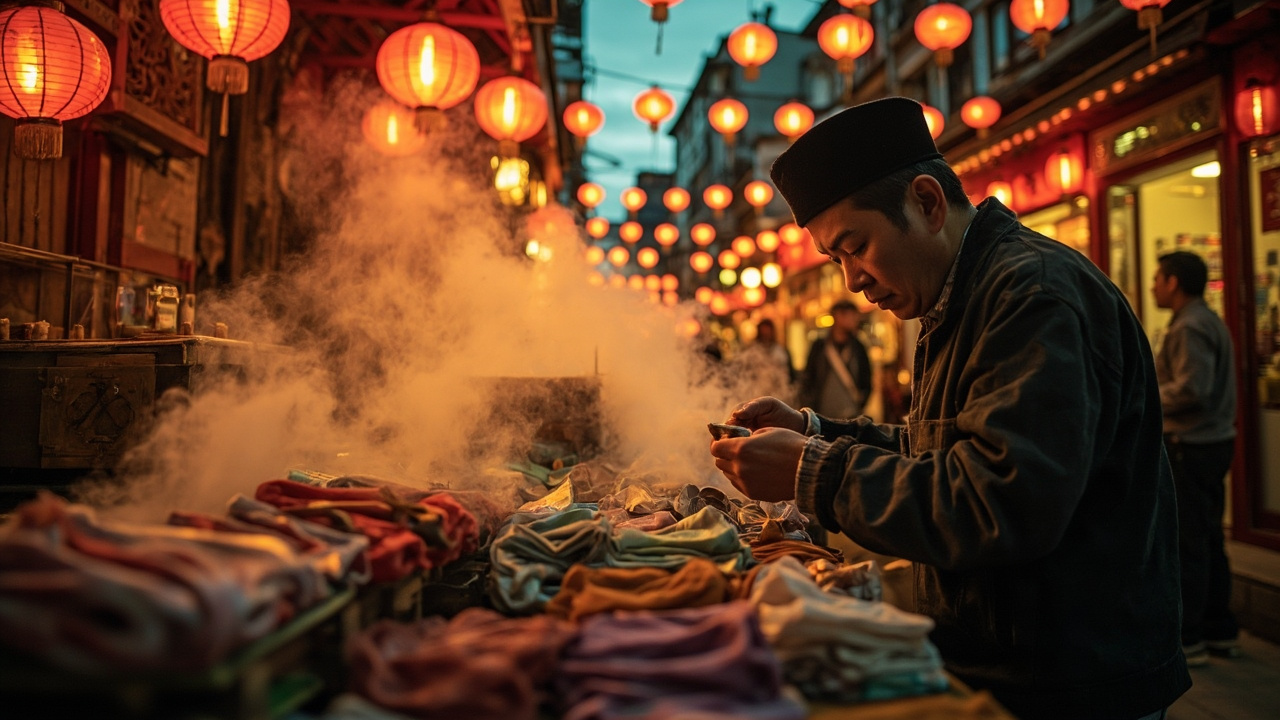
The first time I tried to buy a silk scarf in Beijing, the vendor quoted me 480 yuan. I knew that was ridiculous, but I was too flustered to do anything about it. I smiled, nodded, and handed over the cash like an absolute fool. The woman wrapped it up so fast I think she was worried I’d come to my senses. That was seven years ago, and I’ve been haggling in Chinese markets ever since, sometimes badly, sometimes well, but always learning something new.
Chinese markets are not like shopping malls. They’re loud, chaotic, and completely overwhelming on your first visit. The vendors will test you, the crowds will push you, and the prices will confuse you. But once you understand the rhythm, these places become the most fun you can have in China with your clothes on. You’ll eat street food that’s better than most restaurants, stumble onto goods you didn’t know existed, and walk away with stories you’ll tell for years.
This guide covers the ten markets I actually visit when friends come to town, plus the exact phrases, tactics, and price anchors you need to avoid paying the tourist tax. I’ve included 2026 visa-free entry details, WeChat Pay setup notes, and the specific metro stops for each location, because getting lost in a Chinese market at 9pm with no data is a rite of passage you don’t need.
Quick answer
Yes, you can and should haggle at Chinese markets, and you can typically expect to pay 30-50% of the initial asking price at tourist markets, or 60-70% at wholesale markets. For most Western tourists, the 2026 visa-free entry policy means you can visit China for up to 30 days without a visa if you’re from one of the 54 eligible countries, including the US, UK, Australia, and most of Europe. Set up Alipay before you arrive, because most market vendors no longer accept cash, and bring a translation app because almost no one at these markets speaks English.
The Short Version
Haggling in China is a game, not a battle. The vendor starts high, you start low, and you meet somewhere in the middle that feels fair. Never show excitement about an item, always walk away at least once, and remember that 20-50 yuan (about $3-7 USD) is a normal profit margin on most souvenirs. If you’re not having fun, you’re doing it wrong. And for the love of god, don’t buy the first thing you see. Walk the entire market first, compare prices, then go back.
How I Picked These
I’ve lived in Beijing since 2019 and have visited every major city in China at least twice. For this guide, I went back to each market over the past six months with a notebook, a translator app, and a very patient Chinese friend named Wei who helped me understand the vendor side of the negotiation. I tested prices by sending Wei in first to buy items, then going in myself to see the difference. The results were predictable but still depressing. I also talked to vendors about their margins, their favorite customers, and the tricks they use on foreigners. Some of what they told me is in this guide. Some of it would get them in trouble.
Comparison Table
| Rank | Place | Best For | Approx Cost (USD) | Time Needed | When to Go |
|---|---|---|---|---|---|
| 1 | Panjiayuan, Beijing | Antiques, calligraphy, vintage | $10-100 | 3-4 hours | Weekday mornings |
| 2 | Yuyuan Bazaar, Shanghai | Souvenirs, tea, snacks | $5-50 | 2-3 hours | Late afternoon |
| 3 | Silk Market, Beijing | Clothing, bags, tailored suits | $15-200 | 3-4 hours | Any day, morning |
| 4 | Chenghuang Miao, Shanghai | Street food, small gifts | $3-30 | 2 hours | Evening |
| 5 | Shuqijiao, Xi’an | Muslim Quarter snacks, crafts | $2-20 | 2-3 hours | Sunset to night |
| 6 | Dali Old Town Market | Silver jewelry, tie-dye | $5-80 | 2 hours | Weekend mornings |
| 7 | Guangzhou Qingping Market | Herbs, dried goods, tea | $5-50 | 2 hours | Early morning |
| 8 | Chengdu Wide & Narrow Alley | Sichuan snacks, crafts | $3-25 | 1-2 hours | Weekday afternoons |
| 9 | Suzhou Panmen Night Market | Local food, small electronics | $2-15 | 1-2 hours | Night, 7-10pm |
| 10 | Harbin Central Street | Russian goods, winter gear | $5-60 | 2 hours | Winter, evening |
Panjiayuan Market, Beijing — Where Everything Is Fake and Nobody Cares
The first time I walked into Panjiayuan, a man tried to sell me a “Ming Dynasty vase” that still had the price sticker from a factory in Guangdong on the bottom. I laughed, he laughed, and then we negotiated for twenty minutes over a set of wooden chopsticks that I still use today. That’s Panjiayuan in a nutshell.
This is Beijing’s most famous market for antiques, calligraphy, jade, and vintage goods. The trick is that almost nothing here is actually antique. The vendors know it, you should know it, and once you accept that, you can have a great time buying beautiful reproductions at fair prices. The calligraphy scrolls are particularly good, and the older vendors who paint them on-site are genuinely skilled artists.
📍 Location: Panjiayuan, Chaoyang District, Beijing 🎟️ Entry fee: Free (items range from $3-100 USD / 20-700 CNY) 🕒 Opening hours: Daily, 8:30am-6pm (weekends are busier and prices are higher) 🚇 How to get there: Take Metro Line 10 to Panjiayuan Station, Exit B. Walk east for about 10 minutes. You’ll see the market entrance on your left. 📅 When to visit: Weekday mornings before 11am. The vendors are fresher and more willing to negotiate early deals. 💡 Insider tips: Don’t touch anything you’re not serious about buying. Vendors take it as a commitment. Ask “duōshǎo qián” (how much) first, then offer 30% of that number. Walk away if they don’t come down. They’ll call you back. Also, the jade is almost certainly fake. Pay accordingly.
I once watched a German tourist pay 2,000 yuan for a “jade” bracelet that Wei later identified as glass. The vendor didn’t even try to hide his smile.
Yuyuan Bazaar, Shanghai — Tourist Central, But Worth It
Yuyuan Bazaar is the most touristy market in China, and I mean that as both a warning and a recommendation. It’s crowded, overpriced, and full of tour groups. But it’s also gorgeous, with traditional Ming-dynasty architecture, koi ponds, and the famous Yu Garden right next door.
The best strategy here is to treat it as a sightseeing stop with shopping on the side. The tea shops are excellent if you know what you’re looking for, and the small snack stalls sell the best xiaolongbao (soup dumplings) in the city. The shopping itself is mostly tourist-grade, but the experience of wandering through the lantern-lit alleyways at dusk is worth the trip alone.
📍 Location: Yuyuan Garden area, Huangpu District, Shanghai 🎟️ Entry fee: Free to wander (Yu Garden itself is $4 USD / 30 CNY) 🕒 Opening hours: Shops open 9am-9pm, but the area is always accessible 🚇 How to get there: Take Metro Line 10 to Yuyuan Garden Station, Exit 1. Walk 5 minutes east, following the signs. 📅 When to visit: Late afternoon on a weekday. The tour groups leave around 4pm, and the lanterns come on around 6pm. 💡 Insider tips: The vendors here expect tourists, so their starting prices are higher. Offer 25% of the asking price and don’t be afraid to walk away completely. The tea shops near the back of the complex are better quality and cheaper than the ones near the entrance. And try the stinky tofu from the stall near the north gate, even if it smells like a sewer. It’s fantastic.
I bought a set of painted folding fans here for 60 yuan ($8 USD) after the vendor initially asked for 280. She looked genuinely sad when I walked away. Then she chased me down the alley. That’s how you know you’ve won.
Silk Market, Beijing — The Gauntlet
The Silk Market, or Xiushui, is where haggling skills go to die. This is a multi-story building full of clothing, bags, shoes, and accessories, and the vendors are the most aggressive in China. They will grab your arm, block your path, and shout prices at you from across the aisle. It’s exhausting, but it’s also the best place in Beijing to get a tailored suit or a decent knockoff handbag.
The key here is to be firm from the start. If you’re not interested, say “bú yào” (don’t want) and keep walking. If you are interested, remember that the starting price is usually 3-5 times the actual value. A suit that starts at 3,000 yuan should end around 800-1,000. A handbag that starts at 800 should end around 150-200.
📍 Location: Xiushui Street, Jianguomen, Chaoyang District, Beijing 🎟️ Entry fee: Free 🕒 Opening hours: Daily, 9:30am-9pm 🚇 How to get there: Take Metro Line 1 to Yong’anli Station, Exit A. Walk north for 5 minutes. The building is on your right. 📅 When to visit: Mornings on weekdays. The vendors are less desperate and more reasonable. 💡 Insider tips: If you want a tailored suit, go to the third floor and look for the older tailors, not the young salespeople. Bring a photo of what you want, because describing it in Chinese or English will lead to confusion. And never pay the first price they quote. Ever. Also, check the zippers and stitching on anything you buy before you pay. Some of these knockoffs are terrible quality.
I once saw a woman negotiate a leather jacket down from 1,500 to 350 yuan over 25 minutes. She was my hero. The vendor was smiling at the end, which means she probably still made a profit.
Chenghuang Miao, Shanghai — Street Food and Small Gifts
Chenghuang Miao, or the City God Temple, is a shopping area that feels like it’s been there forever, because it has. The narrow streets are packed with food stalls, souvenir shops, and small temples that smell like incense and old wood. This is where locals actually shop for snacks and household goods, which makes it feel more authentic than Yuyuan, even though they’re right next to each other.
The food here is the main attraction. Try the crab shell pastries, the fried tofu, and the sugar paintings that street artists make while you watch. The shopping is mostly small items like fans, keychains, and tea sets, but the prices are more reasonable than Yuyuan because fewer tourists make it this far.
📍 Location: Chenghuang Miao, Huangpu District, Shanghai 🎟️ Entry fee: Free 🕒 Opening hours: Shops open 9am-9pm, food stalls often stay later 🚇 How to get there: Take Metro Line 10 to Yuyuan Garden Station, Exit 1. Walk 10 minutes south, past the main tourist area. 📅 When to visit: Evening, around 6-8pm. The food stalls are at their best and the crowds have thinned out. 💡 Insider tips: The sugar painting artists will charge you double if you take a photo before buying. Buy first, then photograph. The tea sets here are cheaper than Yuyuan but check for cracks. And if you see a long line at a food stall, get in it. Chinese people know where the good food is.
I ate six crab shell pastries here in one sitting and then had to sit down for twenty minutes. Worth it.
Shuqijiao, Xi’an — The Muslim Quarter’s Night Market
Xi’an’s Muslim Quarter is the sensory overload you’ve been waiting for. The narrow streets are packed with food stalls grilling lamb skewers, frying flatbreads, and selling pomegranate juice by the cup. The air is thick with cumin, smoke, and the sound of vendors shouting their specials. This is China’s best street food market, and I will fight anyone who disagrees.
The shopping here is mostly food-related, but you’ll also find crafts, spices, and traditional Muslim goods. The haggling is less aggressive than Beijing or Shanghai, but you should still negotiate on anything that isn’t food. The food prices are fixed and fair, so don’t try to haggle for a lamb skewer.
📍 Location: Muslim Quarter, Beiyuanmen Street, Xi’an 🎟️ Entry fee: Free 🕒 Opening hours: Food stalls start around 5pm and go until midnight 🚇 How to get there: Take Metro Line 2 to Zhonglou Station, Exit C. Walk west for 5 minutes until you hit the archway entrance. 📅 When to visit: Sunset to 9pm. The stalls are fully stocked and the lighting is perfect for photos. 💡 Insider tips: The lamb skewers are 10 yuan ($1.50 USD) each and they’re the best thing you’ll eat in China. The pomegranate juice is freshly squeezed and worth the 15 yuan ($2 USD). If you want to buy spices or dried fruits, go to the side streets rather than the main drag. Better prices, better quality. And don’t be afraid to point at what you want and hold up fingers for quantity. The vendors here are used to non-Chinese speakers.
I had a conversation with a noodle maker here using only gestures and facial expressions. He laughed at me, I laughed at him, and then he gave me extra beef. Communication achieved.
Dali Old Town Market — Silver and Tie-Dye in Yunnan
Dali is a backpacker town in Yunnan province, and its old town market is where you go for handmade silver jewelry, traditional Bai ethnic minority tie-dye fabrics, and the kind of bohemian crafts you won’t find in Beijing or Shanghai. The vibe is relaxed, the vendors are friendlier, and the haggling is more of a gentle negotiation than a battle.
The silver jewelry is the main draw. Look for the “S925” stamp that indicates genuine sterling silver, and be prepared to negotiate hard because some vendors will try to sell you silver-plated copper at silver prices. The tie-dye fabrics are beautiful, and you can watch artisans making them in the surrounding villages.
📍 Location: Fuxing Road, Dali Old Town, Yunnan Province 🎟️ Entry fee: Free 🕒 Opening hours: Daily, 9am-9pm (weekend markets are bigger) 🚇 How to get there: Fly into Dali Airport, then take a taxi to the old town (about 40 minutes, $10 USD / 70 CNY). 📅 When to visit: Weekend mornings, when the full market is set up. 💡 Insider tips: Ask to see the silver stamp before you negotiate. If they won’t show you, walk away. The tie-dye prices are better in the villages outside town, but the selection is better in the market. And if you buy silver, weigh it before you pay. The vendors will respect you for checking.
I bought a silver bracelet here for 80 yuan ($11 USD) after the vendor started at 300. She told me I was “too good at this” and then invited me for tea. Best negotiation I’ve ever had.
Guangzhou Qingping Market — Herbs, Dried Goods, and Chaos
Qingping Market in Guangzhou is not for the faint of heart. This is a wholesale market for traditional Chinese medicine, dried herbs, exotic ingredients, and things you may not want to identify. It’s chaotic, crowded, and smells like a thousand different things at once. But it’s also one of the most fascinating places in China.
The haggling here is different because the prices are lower and the vendors are less patient. They’re used to dealing with wholesale buyers, not tourists. But if you’re polite and know what you want, you can get incredible deals on tea, dried mushrooms, and traditional remedies.
📍 Location: Qingping Road, Liwan District, Guangzhou 🎟️ Entry fee: Free 🕒 Opening hours: Daily, 8am-6pm (best in the morning) 🚇 How to get there: Take Metro Line 1 to Huangsha Station, Exit D. Walk 5 minutes east. 📅 When to visit: Early morning, before 10am, when the freshest goods arrive. 💡 Insider tips: Don’t touch anything without asking first. Some of these items are expensive and fragile. The tea vendors near the back are more patient with foreigners and will let you taste before you buy. And if you see something you can’t identify, ask. The vendors love explaining their goods, and you’ll learn more in ten minutes here than in a week of reading.
I asked a vendor what a jar of dried seahorses was for. She told me it was for “men’s health” and then winked at me. I bought some tea instead.
Chengdu Wide & Narrow Alley — Sichuan Snacks and Souvenirs
Wide and Narrow Alley, or Kuanzhai Xiangzi, is Chengdu’s most famous pedestrian street, and it’s a mix of restored Qing dynasty architecture, trendy shops, and some of the best Sichuan street food you’ll ever eat. It’s touristy, but it’s also genuinely beautiful, especially in the early evening when the lanterns come on.
The shopping here is mostly souvenirs and snacks. You’ll find Sichuan peppercorns, chili oil, embroidered shoes, and the famous face-changing opera masks. The haggling is more relaxed than Beijing or Shanghai, but you should still negotiate on anything priced above 100 yuan ($14 USD).
📍 Location: Kuanzhai Xiangzi, Qingyang District, Chengdu 🎟️ Entry fee: Free 🕒 Opening hours: Shops open 10am-10pm 🚇 How to get there: Take Metro Line 4 to Kuanzhai Xiangzi Station, Exit B. The entrance is right there. 📅 When to visit: Weekday afternoons, before the evening crowds arrive. 💡 Insider tips: The Sichuan peppercorns here are fresher and better than anything you’ll find outside the province. Buy them in sealed bags. The chili oil is amazing but heavy, so consider shipping it home. And try the dan dan noodles from the stall near the north entrance. They’re the best in the city.
I bought a face-changing mask here and then spent twenty minutes trying to figure out how it worked. The vendor finally showed me, laughing the whole time.
Suzhou Panmen Night Market — Local Life After Dark
Suzhou’s Panmen Night Market is not on most tourist itineraries, which is exactly why I love it. This is where locals come to eat, shop, and hang out after work. The food stalls serve regional specialties you won’t find in the big cities, and the prices are the most reasonable on this list.
The market is smaller than the others, but it feels more authentic. You’ll see families eating together, teenagers buying phone cases, and old men playing chess in the corners. The haggling is light here, mostly because the prices are already fair.
📍 Location: Panmen Scenic Area, Gusu District, Suzhou 🎟️ Entry fee: Free for the market area 🕒 Opening hours: 7pm-11pm, nightly 🚇 How to get there: Take Metro Line 4 to Nanmen Station, Exit C. Walk 10 minutes south. 📅 When to visit: 8-10pm, when the market is fully open. 💡 Insider tips: The stinky tofu here is the best I’ve had in China, and I’ve had a lot. The fried river shrimp are also excellent. Don’t bother haggling on food, but you can negotiate on the small electronics and phone accessories. And bring cash, because some of the smaller stalls don’t accept mobile payments.
I ate fried river shrimp here with a local family who invited me to their table. We communicated through a translation app and lots of pointing. One of my best nights in China.
Harbin Central Street — Russian Goods and Winter Gear
Harbin’s Central Street is a pedestrian shopping street in China’s northernmost major city, and it’s unlike anywhere else in the country. The architecture is Russian-influenced, the shops sell fur hats and Russian nesting dolls, and in winter, the whole street is covered in ice sculptures. It’s surreal and wonderful.
The shopping here is mostly winter gear, Russian imports, and local specialties like smoked sausage and ice cream. The haggling is less aggressive than southern markets, but you should still negotiate on anything that isn’t food.
📍 Location: Zhongyang Dajie, Daoli District, Harbin 🎟️ Entry fee: Free 🕒 Opening hours: Shops open 9am-9pm, but the street is always accessible 🚇 How to get there: Take Metro Line 2 to Zhongyang Dajie Station, Exit A. The street starts right there. 📅 When to visit: Winter, especially during the Ice and Snow Festival (January-February). The street is magical at night. 💡 Insider tips: The fur hats are cheaper here than anywhere else in China, but check the quality carefully. The Russian goods are mostly made in China, so don’t pay a premium for them. And the ice cream from Ma Die’er is a Harbin institution. It’s sold in the cold, and it’s delicious.
I ate ice cream in -20 degree weather here and my teeth hurt for an hour. Zero regrets.
FAQ summary
For first-time visitors to China, haggling at markets is expected and can save you 50-70% on souvenirs if you follow a few basic rules: always offer 30-40% of the initial asking price, never show enthusiasm, and be willing to walk away. The 2026 visa-free policy allows 30-day visits for citizens of 54 countries, and you should set up Alipay before arriving since most vendors no longer accept cash. Translation apps are essential, as English is rarely spoken at markets, and you’ll need a VPN if you want to access Google services while in China.
FAQ
Q: Is haggling expected at all Chinese markets? A: Yes, at tourist markets and street stalls, haggling is expected and vendors will think you’re strange if you pay the first price. At supermarkets, convenience stores, and fixed-price shops, you should never haggle. When in doubt, look for price tags, which indicate fixed prices.
Q: What’s a fair starting offer when haggling in China? A: Start at 30-40% of the initial asking price at tourist markets like Panjiayuan or the Silk Market. At wholesale markets like Guangzhou Qingping, start at 50-60%. The vendor will always counter, and you’ll typically settle at 50-60% of the original price.
Q: Do Chinese market vendors accept credit cards? A: Almost never. Most vendors use WeChat Pay or Alipay QR codes, and some still accept cash. Set up Alipay before you arrive, link it to your international credit card, and you’ll be able to pay at virtually every market stall in China.
Q: What if I don’t speak Chinese? Can I still haggle? A: Yes. Use a translation app like Google Translate or Pleco, and learn a few key phrases: “duōshǎo qián” (how much), “tài guì le” (too expensive), and “piányi diǎn” (cheaper). Pointing at items and using a calculator to show your offer works perfectly fine.
Q: Is it safe to buy electronics and brand-name goods at Chinese markets? A: The electronics are usually genuine but older models, and the brand-name goods are almost always counterfeit. If you’re okay with that, negotiate hard and check the quality carefully. If you want genuine products, buy from official stores.
Q: Do I need a VPN for China in 2026? A: Yes, if you want to use Google, Instagram, Facebook, or WhatsApp. The Great Firewall is still active, so download a reliable VPN before you arrive. Your hotel Wi-Fi will work for basic browsing, but you’ll need a VPN for most Western services.
Q: What’s the best way to carry money for market shopping in China? A: Use Alipay or WeChat Pay for everything, since most vendors prefer it. Carry a small amount of cash (200-500 CNY / $30-70 USD) as backup for tiny stalls that only take cash. Keep your phone charged, because it’s your wallet, map, and translator all in one.
The Honest Wrap-up
This guide is for travelers who want to experience the chaos and joy of Chinese markets without getting completely ripped off. It’s not for people who hate crowds, or who want a calm, curated shopping experience, because these places are neither. If you only visit one market in China, make it Panjiayuan in Beijing or the Muslim Quarter in Xi’an. They’re the most memorable.
But here’s the real advice I’d give a friend: don’t stress about getting the perfect price. The difference between paying 50 yuan and 30 yuan for a souvenir is not going to change your life. The experience of haggling, laughing with a vendor, and walking away with a story will. So go, be brave, offer a ridiculous low price, and enjoy the game. And if you overpay by a few dollars, so what. You’re on vacation in China. That’s already a win.
Topics
More guides you may like

Top 10 Bridges in China
China's bridges are engineering marvels spanning mountains, rivers, and seas. Here are 10 of the most spectacular, from ancient stone to modern steel.
8 min read

Top 10 Buddhist Sites in China
From the Leshan Giant Buddha to the Dunhuang Caves, these 10 Buddhist sites represent 2,000 years of China's spiritual heritage.
9 min read

Top 10 Day Trips from Beijing You Shouldn't Miss
Beijing is packed with history, but some of China's best experiences are just a few hours away. Here are 10 day trips that will transform your visit.
9 min read

Top 10 Hidden Gems in China Off the Beaten Path
Beyond the Great Wall and Terracotta Warriors, China has incredible hidden destinations few tourists ever reach. Here are 10 underrated gems worth the detour.
9 min read

Top 10 Markets and Shopping Streets in China
From Shanghai's Bund to Beijing's Silk Street - 10 markets where foreigners can haggle, explore, and bring home authentic Chinese goods.
9 min read

Top 10 Museums in China You Shouldn't Miss
China's museums span 5,000 years of civilization. These 10 - from the Palace Museum to Xi'an's terracotta gallery - are unmissable for culture lovers.
9 min read