
China High Speed Rail First Class vs Second: The Complete 2026 Guide
The first time I rode a Chinese high-speed train, I was the only foreigner in my carriage. It was a G-series train from Beijing South to Xi'an North.
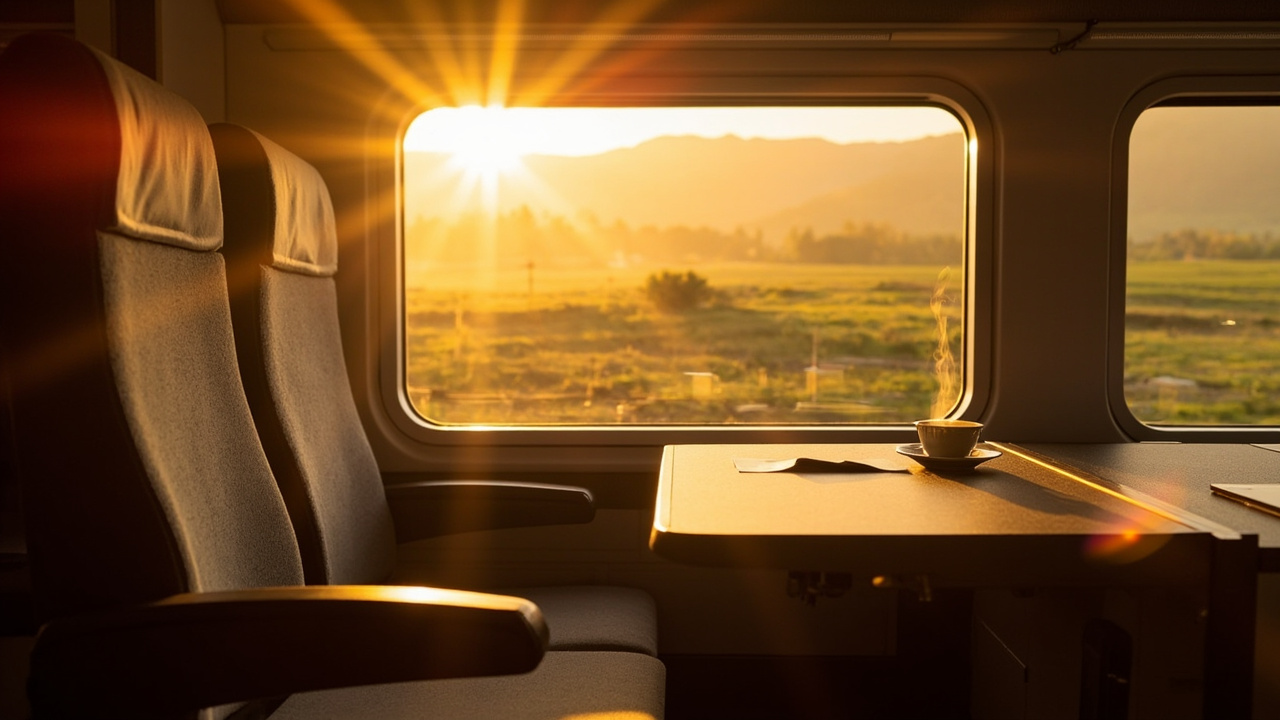
The first time I rode a Chinese high-speed train, I was the only foreigner in my carriage. It was a G-series train from Beijing South to Xi’an North, and I’d booked second class to save money. About forty minutes in, a woman across the aisle pulled out a container of homemade dumplings and started eating them with chopsticks while watching a drama on her tablet. Nobody blinked. The train was doing 290 km/h, the countryside was blurring past in a smear of green and grey, and I remember thinking: this is not like any train I’ve ever been on.
Seven years and dozens of rides later, I still get a small thrill when the doors close and the train glides out of the station without a sound. China’s high-speed rail network is the largest on Earth, and for tourists, it’s the difference between seeing Beijing and Shanghai in one trip or spending three days on flights and airport security lines. But the question I get most from friends planning their first trip is simple: should I pay extra for first class, or is second class fine?
This guide answers that honestly. I’ve ridden both classes on routes across the country, from the 4.5-hour Beijing-Shanghai run to short hops between Chengdu and Chongqing. I’ll tell you exactly what you get for the extra money, when it’s worth it, and when you’re wasting your yuan. I’ll also cover the practical stuff nobody tells you: how to book tickets, what the food situation really is, and why the middle seat in second class is the one thing I’d pay to avoid.
Quick answer
For most first-time tourists, second class on China’s high-speed trains is perfectly comfortable and the smart choice. First class costs roughly 50-70% more (about $80-120 USD / 580-870 CNY extra on a Beijing-Shanghai ticket) and buys you wider seats, more legroom, and quieter carriages, but the time difference is identical. Upgrade to first class only for journeys over 5 hours, if you’re tall (over 6’0”), or if you need to work on your laptop during the ride.
The Short Version
If you’re on a budget, book second class and spend the savings on food or a nicer hotel. The seats are comparable to premium economy on a plane, and the carriages are clean, modern, and comfortable. If you’re over 6 feet tall, have a long journey (5+ hours), or just want a calmer experience with fewer people, pay for first class. Business class is overkill for most tourists unless you’re flying in from a long-haul flight and need to sleep. Book through the official 12306 app or Trip.com, and book early: trains sell out, especially around Chinese holidays.
How I Picked These
I’ve been living in Beijing since 2019 and have taken high-speed trains roughly 40 times across China. I’ve ridden second class on the Beijing-Shanghai line during Spring Festival (a mistake I’ll never repeat), first class on the Chengdu-Xi’an route, and business class once on a whim from Shanghai to Hangzhou. I’ve also talked to Chinese friends who commute weekly on these trains, a train attendant who told me which carriages to avoid, and enough confused tourists in station waiting halls to know exactly what questions people have. The prices I quote are from 2026 ticket data, but they fluctuate with demand, so treat them as guidelines, not gospel.
Comparison Table
| Class | Best For | Approx Cost (Beijing-Shanghai) | Time Needed | When to Book |
|---|---|---|---|---|
| Second Class | Budget travelers, short trips, couples | $80-100 USD (580-720 CNY) | 4.5 hours | 2-4 weeks ahead |
| First Class | Tall travelers, long journeys, work trips | $130-160 USD (940-1160 CNY) | 4.5 hours | 1-2 weeks ahead |
| Business Class | Luxury, sleeping, special occasions | $250-300 USD (1800-2160 CNY) | 4.5 hours | 1 week ahead |
Prices vary by route. A 2-hour trip like Beijing-Tianjin costs about $20-30 USD (145-215 CNY) in second class. A 9-hour trip like Beijing-Kunming runs $150-180 USD (1080-1300 CNY) in second class.
Second Class: What You Actually Get
I’ll start with second class because that’s what most of you will book. The seats are arranged 3+2, which means if you’re traveling solo, you might end up in the middle seat of a three-seat row. That’s the worst seat on the train, and I’ve had it enough times to know. The seats themselves are fine: padded, reclining (though not much), with a fold-down tray and a small footrest. Legroom is about 33 inches, which is roughly what you’d get in economy on a long-haul flight.
The carriages are clean. I mean genuinely clean, not “clean for a train” clean. Attendants walk through with mops and trash bags every hour or so. The air conditioning works. The windows are huge, and if you’re on the right side of the train, you’ll get views of farmland, rivers, and the occasional mountain range.
The downsides? Noise, mostly. Chinese travelers aren’t quiet, and you’ll hear phone calls, video chats, and group conversations throughout the ride. It’s not unpleasant, but it’s not the library-like atmosphere you might expect from a European train. Also, the 3+2 seating means you’re often shoulder-to-shoulder with strangers. If you’re a bigger person, this gets uncomfortable fast.
One thing I love about second class: the food cart. Attendants roll through with boxes of rice and noodles (about $5-7 USD / 36-50 CNY), snacks, and drinks. The food is mediocre but hot, and there’s something oddly satisfying about eating a boxed beef rice while watching the Chinese countryside fly past at 300 km/h.
First Class: Is It Worth the Upgrade?
First class is a 2+2 configuration, which means every seat is either a window or an aisle. No middle seats. The seats are wider, with more padding, and they recline further. Legroom jumps to about 40 inches, which makes a real difference on a 5-hour ride. There’s also a footrest that actually works, and the armrests are wider, so you’re not fighting your neighbor for space.
The carriages are quieter, but not silent. You’ll still hear phone calls, but fewer of them. The seats come with a small pillow and a blanket, both of which are clean and actually useful if you want to nap. There’s also a power outlet at every seat, which sounds minor but matters when your phone is at 12% and you still need to navigate Shanghai’s metro.
First class also gets you a free snack box and a bottle of water. The snack box varies by route but usually contains something like dried fruit, nuts, and a small pastry. It’s nothing special, but it’s a nice touch.
Is it worth the extra $50-60 USD (360-430 CNY)? For a 2-3 hour ride, no. The time passes quickly, and second class is fine. For a 5+ hour ride, yes, especially if you’re tall or traveling with a partner. The extra space and quiet genuinely change the experience. I’ve done the Beijing-Shanghai run in both classes, and first class is noticeably more restful.
Business Class: The Splurge
Business class on Chinese high-speed trains is a different world. The seats are in a 1+2 configuration, and they’re essentially lie-flat pods. You get a privacy screen, a reading light, a larger entertainment screen, and a seat that reclines to nearly horizontal. Free meals are served on a tray with actual cutlery, not plastic chopsticks. There’s also a dedicated attendant who checks on you periodically.
I took business class once, from Shanghai to Hangzhou, which is a 45-minute ride. It was absurd and wonderful. The seat was so comfortable I almost missed my stop. The cost was about $45 USD (325 CNY) for a ride that takes less than an hour in second class for $15 USD (108 CNY).
For most tourists, business class is overkill. But if you’re arriving in China on a 12-hour flight and have a 5-hour train ride ahead, the ability to sleep flat is worth the money. I’d also recommend it for elderly travelers or anyone with mobility issues, because the seats are easier to get in and out of.
How to Book Tickets
This is where most tourists get confused. China’s high-speed rail system doesn’t work like European or Japanese systems. You can’t just show up at the station and buy a ticket for the next train, especially during peak seasons.
The official booking app is 12306, which is run by China Railway. It has an English version, but it’s clunky and requires real-name verification. You’ll need your passport number and, in some cases, a Chinese phone number. The app also has a tendency to reject foreign credit cards, which is frustrating.
Your better option is Trip.com, which is the English-language booking platform most tourists use. They add a small service fee (about $5-10 USD / 36-72 CNY per ticket), but they handle the 12306 verification process for you, accept foreign credit cards, and send you a booking confirmation with a QR code. You don’t even need to print a paper ticket; you just scan your passport at the station gate.
Book as early as possible. Tickets go on sale 15 days before departure, and popular routes sell out quickly, especially on Fridays and Sundays. If you’re traveling during Chinese New Year, National Day (October 1-7), or any other holiday, book the moment tickets go on sale.
Getting Through the Station
Chinese train stations are enormous, and the security check can be chaotic. Arrive at least 45 minutes before departure, even if you think you’re cutting it close. You’ll need to go through a security scan (like an airport), then find your waiting area, which is organized by train number.
Here’s a tip that will save you: check your ticket for the “检票口” (boarding gate) number, and find it on the big screens in the waiting hall. Then position yourself near that gate. When boarding starts, there’s a rush, and if you’re at the back of the crowd, you’ll be walking through the station at a brisk pace to catch your train.
The platforms are clearly marked, and trains have digital displays showing the carriage numbers. Find your carriage before the train arrives, and line up at the right spot. The train stops for only 2-3 minutes at most stations, so there’s no time to wander.
Food on the Train
I mentioned the food cart earlier, but let me be more specific. In second class, you’ll get a cart with boxed meals (usually rice with beef, chicken, or fish), instant noodles, snacks, and drinks. The boxed meals cost about $5-7 USD (36-50 CNY) and are edible but not memorable. The instant noodles are a better bet if you want something hot and familiar; just ask the attendant for hot water.
In first class, you get a free snack box and water. In business class, you get a proper meal served on a tray, with options like braised pork with rice or a Western-style chicken dish.
Here’s my advice: bring your own food. Before boarding, grab some snacks from a convenience store in the station. Chinese stations have excellent food courts, and you can bring anything onto the train. I’ve brought dumplings, fruit, and even a container of noodles from a station restaurant. It’s cheaper and better than anything you’ll buy on board.
WeChat Pay and Alipay: Set These Up Before You Go
China is essentially cashless, and you’ll need WeChat Pay or Alipay for almost everything: buying train tickets, paying for food, even using vending machines. Both apps now accept foreign credit cards, but you need to set them up before you arrive. Download the app, add your card, and complete the verification process while you’re still at home with a stable internet connection.
For train tickets specifically, Trip.com accepts credit cards directly, so you can book without WeChat Pay. But for everything else, you’ll want at least one of these apps.
SIM Cards and VPNs: What You Need to Know
If you’re traveling from outside China, your usual apps won’t work without a VPN. Google, WhatsApp, Instagram, Facebook, and many other Western services are blocked. This includes Google Maps, which is a problem because it’s the app most tourists rely on for navigation.
You have two options. First, download a VPN before you arrive and subscribe to a service that works in China (ExpressVPN and NordVPN both work, though not always reliably). Second, use Chinese alternatives: Baidu Maps or Amap for navigation, and WeChat for messaging.
For your SIM card, you can buy a travel eSIM from providers like Airalo before you arrive, or pick up a local SIM at the airport. China Mobile, China Unicom, and China Telecom all sell tourist SIMs at major airports. A 7-day plan with 10GB of data costs about $10-15 USD (72-108 CNY). Just make sure your phone is unlocked.
English Signage and Translation Apps
Here’s some good news: China’s high-speed rail stations have English signage, and the train announcements are bilingual. You won’t get lost in the station, and you’ll know when your stop is coming. The train attendants speak limited English, but they’re used to foreign tourists and will help if you ask.
For everything else, download a translation app. Google Translate works if you have a VPN, and the camera translation feature is genuinely useful for menus and signs. The free app Pleco is better for Chinese-specific translation, with a built-in dictionary that works offline.
The 2026 Visa-Free Policy: What Changed
If you’re from the US, UK, Australia, Canada, or most European countries, you can now enter China visa-free for up to 30 days. This policy, which started in late 2024 and expanded through 2025, is still in effect in 2026. You don’t need to apply for a visa in advance; just show up with your passport and a return ticket.
This is a huge deal for tourists. It means you can plan a trip to China on short notice, and you don’t need to deal with the visa application process, which used to require an appointment, paperwork, and a fee of about $140 USD (1000 CNY).
One catch: the visa-free policy is for tourism and short visits, not for work or study. You also need to enter and exit through designated ports of entry, which includes all major airports and train stations. If you’re planning to stay longer than 30 days, you’ll still need a visa.
When to Go: Seasons and Crowds
China’s high-speed trains run year-round, but the experience varies dramatically by season. Spring (March-May) and autumn (September-November) are the best times to visit: mild weather, clear skies, and fewer crowds. Summer (June-August) is hot and humid, especially in the south, but the trains are air-conditioned and comfortable. Winter (December-February) can be cold, especially in the north, but you’ll find fewer tourists and lower prices.
Avoid Chinese New Year (usually late January or February) and National Day (October 1-7) at all costs. These are China’s two biggest travel periods, and the trains are packed. Tickets sell out weeks in advance, and you’ll be standing in crowds that make Tokyo’s subway look empty.
The 10 Routes Worth Taking
I’ve ridden high-speed trains across China, and these are the routes I’d recommend for first-time visitors.
1. Beijing to Shanghai ?The Classic
This is the route most tourists take, and for good reason. It’s 4.5 hours, covers 1,318 km, and connects China’s two biggest cities. The trains run every 15-30 minutes, so you have flexibility. I’ve done this ride in all three classes, and it’s the one I’d recommend upgrading to first class for. The extra space matters on a 4.5-hour ride.
The best views are in the first hour, when you pass through the Hebei countryside. It’s flat farmland, but there’s something meditative about it. The train passes through Jinan and Nanjing, and the bridge crossing the Yangtze River just before Nanjing is spectacular.
Book the early morning trains (7-9 AM) if you want to arrive in Shanghai with a full day ahead. The last trains leave around 6 PM, so plan accordingly.
2. Beijing to Xi’an ?The History Route
Xi’an is home to the Terracotta Warriors, and the high-speed train makes it a day trip from Beijing. The ride takes 4.5-5 hours, and the route passes through the Taihang Mountains, which is the most scenic section of any high-speed line I’ve ridden.
The mountains are dramatic, with tunnels cutting through limestone cliffs and bridges spanning deep valleys. It’s the kind of scenery that makes you forget you’re on a train.
Second class is fine for this route, but if you’re going to Xi’an and back in one day, consider first class. You’ll be spending 10 hours on trains, and the extra comfort is worth the money.
3. Shanghai to Hangzhou ?The Short Hop
This is a 45-minute ride that costs about $15 USD (108 CNY) in second class. It’s the perfect day trip from Shanghai, and the train runs every 15 minutes. You don’t need to book in advance; just show up at Hongqiao Station and buy a ticket for the next train.
Hangzhou is famous for West Lake, and the train station is a 20-minute metro ride from the lake. The ride itself isn’t scenic (it’s mostly urban), but it’s fast and convenient.
This is the route I’d recommend for your first high-speed train experience. It’s short, cheap, and gives you a feel for the system without committing to a long journey.
4. Chengdu to Chongqing ?The Food Route
Chengdu and Chongqing are the two capitals of Sichuan cuisine, and the high-speed train connects them in about 1.5 hours. This is a route I’ve taken multiple times, and it’s always a pleasure.
The trains on this route are newer, and the carriages feel more spacious. The scenery is hilly and green, with rice paddies and bamboo groves passing by.
Second class is perfectly fine here. The ride is short, and you’ll be too busy thinking about hotpot to care about seat width.
5. Guangzhou to Shenzhen ?The Business Route
This is one of the busiest routes in China, with trains running every 10-15 minutes. The ride takes about 30 minutes, and it’s the closest thing China has to a commuter rail.
The trains are modern, and the stations are clean and efficient. This is a good route to take if you’re heading to Hong Kong, since Shenzhen is the gateway to the Hong Kong border.
Second class is the only option you need here. The ride is too short to justify paying for first class.
6. Wuhan to Changsha ?The Underrated Route
Most tourists skip Wuhan and Changsha, but this route is worth considering if you’re traveling through central China. The ride takes about 1.5 hours, and the scenery is a mix of farmland and small cities.
Changsha is famous for its nightlife and street food, and the train station is in the city center. This is a good route for budget travelers, since both cities are cheaper than Beijing or Shanghai.
7. Beijing to Tianjin ?The Quick Day Trip
Tianjin is 30 minutes from Beijing by high-speed train, and it’s a great day trip if you have extra time in the capital. The ride costs about $10 USD (72 CNY) in second class, and the trains run every 10-15 minutes.
Tianjin is known for its European architecture and street food, and the train station is in the city center. This is the easiest high-speed train ride in China, and it’s a good option if you want to experience the system without committing to a long journey.
8. Xi’an to Chengdu ?The Mountain Crossing
This is one of the most scenic routes in China, passing through the Qinling Mountains. The ride takes about 3.5 hours, and the views are spectacular: steep cliffs, deep valleys, and tunnels that seem to go on forever.
The trains on this route are newer, and the carriages are comfortable. First class is worth considering here, since the scenery makes you want to sit back and enjoy the ride.
9. Shanghai to Suzhou ?The Garden Route
Suzhou is famous for its classical gardens, and it’s only 30 minutes from Shanghai by high-speed train. The ride costs about $8 USD (58 CNY) in second class, and the trains run every 15 minutes.
This is another easy day trip, and it’s a good option if you want to see a different side of China. Suzhou is smaller and more traditional than Shanghai, and the gardens are a peaceful escape from the city.
10. Beijing to Harbin ?The Winter Route
Harbin is famous for its ice festival, and the high-speed train makes it accessible from Beijing in about 5 hours. The ride is long, but the scenery is worth it: snow-covered fields, frozen rivers, and the occasional village with smoke rising from chimneys.
This is a route where first class is definitely worth the upgrade. The ride is long, and the cold weather outside makes the warm, comfortable carriage feel even better.
FAQ summary
For most tourists, second class on China’s high-speed trains is comfortable and sufficient, especially for rides under 4 hours. First class adds about 50-70% to the ticket price and provides wider seats, more legroom, and a quieter carriage, which is worth it for journeys over 5 hours or for taller travelers. Book tickets through Trip.com for the easiest experience, arrive at stations 45 minutes early, and set up WeChat Pay or Alipay before you arrive in China. The 2026 visa-free policy allows citizens of most Western countries to enter China for up to 30 days without a visa.
FAQ
Q: How much more expensive is first class compared to second class on Chinese high-speed trains?
A: First class typically costs 50-70% more than second class. For example, on the Beijing-Shanghai route, second class is about $80-100 USD (580-720 CNY) while first class is $130-160 USD (940-1160 CNY).
Q: Do I need to book high-speed train tickets in advance?
A: Yes, especially for popular routes and during Chinese holidays. Tickets go on sale 15 days before departure, and popular routes sell out quickly. Book through Trip.com for the easiest experience with foreign credit cards.
Q: Can I use my foreign credit card to buy train tickets?
A: The official 12306 app often rejects foreign cards, but Trip.com accepts them. You can also use WeChat Pay or Alipay if you’ve set them up with your foreign card before arriving in China.
Q: Is English spoken on high-speed trains?
A: Train announcements are bilingual (Chinese and English), and stations have English signage. Train attendants speak limited English but are used to helping foreign tourists. Download a translation app for anything more complex.
Q: Do I need a VPN for internet access in China?
A: Yes, if you want to use Google, WhatsApp, Instagram, or Facebook. Download a VPN before you arrive, as the apps are blocked in China. ExpressVPN and NordVPN both work, though not always reliably.
Q: What’s the food situation on high-speed trains?
A: Second class has a food cart with boxed meals for about $5-7 USD (36-50 CNY). First class includes a free snack box and water. Business class includes a proper meal. I recommend bringing your own food from the station’s food court.
Q: Is the visa-free entry still available for tourists in 2026?
A: Yes, citizens of most Western countries can enter China visa-free for up to 30 days for tourism. You just need your passport and a return ticket. This policy has been in effect since late 2024 and continues through 2026.
The Honest Wrap-up
I’ve spent a lot of time on Chinese high-speed trains, and I’ve come to love them in a way I never expected. There’s something about the combination of speed and smoothness, the way the landscape changes outside the window, the rhythm of stations coming and going.
This guide is for first-time visitors who want to see more of China without the hassle of flights. It’s not for luxury travelers who expect champagne and caviar, and it’s not for backpackers who want the cheapest possible option. It’s for people who want to travel comfortably and efficiently, who want to spend their time exploring instead of sitting in airports.
My final advice: book your tickets early, pack snacks, and don’t overthink the class choice. Second class will be fine. But if you’re tall, or you’re traveling far, or you just want a quieter ride, spend the extra money on first class. You won’t regret it.
And when you’re sitting in your seat, watching the Chinese countryside rush past at 300 km/h, remember: you’re on the best train system in the world. Enjoy it.
Topics
More guides you may like
Top 10 Bridges in China
China's bridges are engineering marvels spanning mountains, rivers, and seas. Here are 10 of the most spectacular, from ancient stone to modern steel.
8 min read

Top 10 Buddhist Sites in China
From the Leshan Giant Buddha to the Dunhuang Caves, these 10 Buddhist sites represent 2,000 years of China's spiritual heritage.
9 min read

Top 10 Day Trips from Beijing You Shouldn't Miss
Beijing is packed with history, but some of China's best experiences are just a few hours away. Here are 10 day trips that will transform your visit.
9 min read
Top 10 Hidden Gems in China Off the Beaten Path
Beyond the Great Wall and Terracotta Warriors, China has incredible hidden destinations few tourists ever reach. Here are 10 underrated gems worth the detour.
9 min read
Top 10 Markets and Shopping Streets in China
From Shanghai's Bund to Beijing's Silk Street - 10 markets where foreigners can haggle, explore, and bring home authentic Chinese goods.
9 min read

Top 10 Museums in China You Shouldn't Miss
China's museums span 5,000 years of civilization. These 10 - from the Palace Museum to Xi'an's terracotta gallery - are unmissable for culture lovers.
9 min read