
China Travel With Pets Guide 2026: The Complete 2026 Guide
The first time I tried to bring my dog into a Beijing subway station, the security guard physically blocked the turnstile with his body.
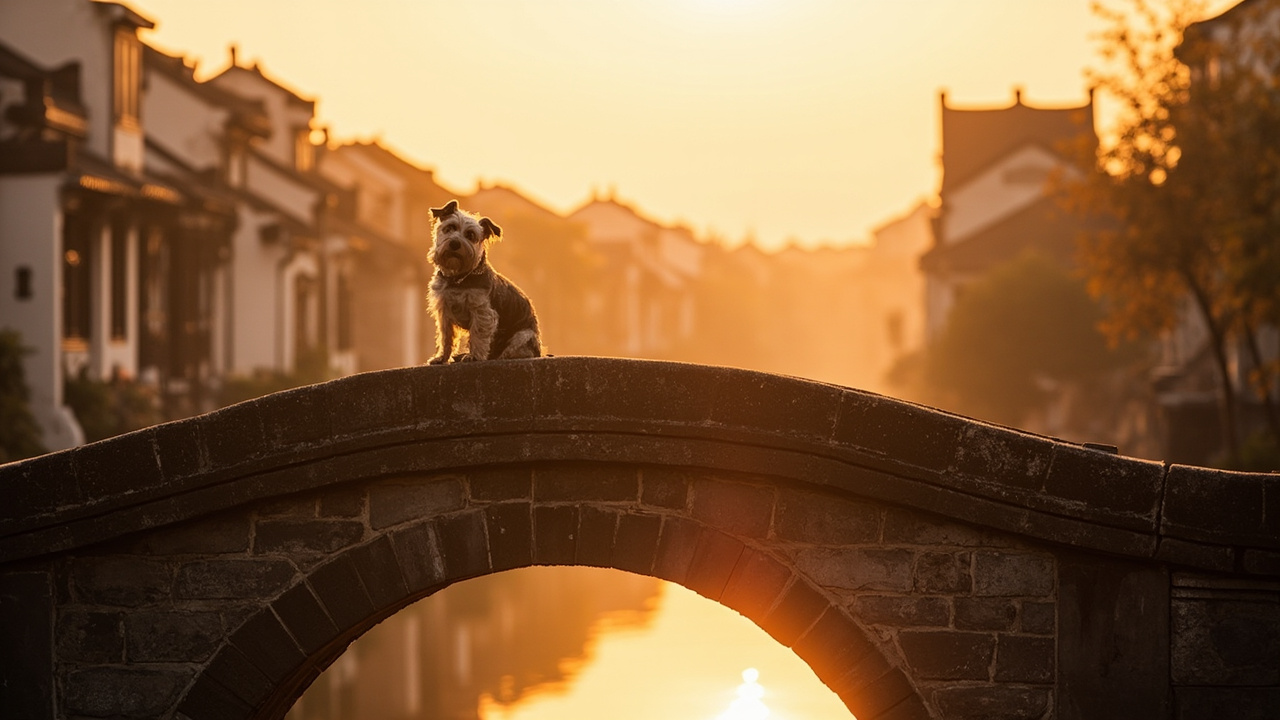
The first time I tried to bring my dog into a Beijing subway station, the security guard physically blocked the turnstile with his body. Not aggressively, just firmly, like a bouncer at a club who’s seen it all before. My dog, a scruffy terrier mix I’d adopted from a shelter in Shunyi, looked up at me as if to say, “I told you this wasn’t going to work.” That was 2023. By 2026, the rules have loosened in some cities and tightened in others, but the core truth remains: traveling in China with a pet is possible, but it requires planning, patience, and a willingness to adapt on the fly.
This guide is the result of seven years of living in Beijing, dozens of domestic flights with my dog, three train journeys that I’d rather forget, and countless conversations with Chinese pet owners who’ve figured out the system far better than I have. I’ve made the mistakes so you don’t have to. I’ve paid the “pet cleaning fees” at hotels that didn’t actually clean anything. I’ve watched my dog get more attention from strangers in Chengdu than I’ve ever received in my life. And I’ve learned that China, despite its reputation for chaos, has a surprisingly deep affection for well-behaved animals.
Here’s what you’ll get from this guide: the current 2026 rules for flying, taking trains, and booking hotels with a pet; the specific apps and documents you’ll need; the cities that are genuinely pet-friendly versus the ones that will test your patience; and the insider tricks that Chinese pet owners use every day. I’m not going to sugarcoat the difficult parts, but I’m also not going to pretend this isn’t one of the most rewarding ways to see a country that most tourists only experience through a bus window.
Quick answer
Yes, you can travel in China with a pet in 2026, but you’ll need to fly (not take high-speed trains), book pet-friendly hotels in advance through specific apps, and carry an import health certificate plus rabies vaccination records. Budget approximately $150–$300 (CNY 1,080–2,160) for pet transport fees, and note that China currently allows visa-free entry for citizens of 38 countries including the US, UK, France, Germany, and Australia for stays up to 30 days, which simplifies the paperwork for short visits.
The Short Version
If you only have 90 seconds, here’s the honest truth: flying is your only realistic option for long distances. High-speed trains officially prohibit pets (with the exception of guide dogs), and enforcement has gotten stricter, not looser, since 2024. Domestic flights with airlines like Air China, China Eastern, and Hainan Airlines allow pets in the cabin for small dogs and cats under 8 kg (17.6 lbs), with fees ranging from $50–$150 (CNY 360–1,080) per flight. Book through the airline’s Chinese customer service line, not the English website, because the English portals often don’t show pet options. For hotels, skip the international chains and use the Chinese app 途家 (Tujia) or search for “宠物友好” (pet-friendly) on Meituan. And whatever you do, download WeChat before you arrive. Your pet’s life will be easier if you can pay for everything with your phone.
How I Picked These
I didn’t pull this information from a government website or a tourism board brochure. I’ve flown with my dog from Beijing to Chengdu, Shanghai, and Xi’an. I’ve been turned away from three hotels in Hangzhou because I didn’t have the right paperwork. I’ve sat in a veterinary clinic in Guangzhou at 11 PM getting an emergency health certificate because my original one expired. I’ve also talked to dozens of Chinese pet owners in parks, on streets, and in pet cafes across the country. The pet community in China is surprisingly tight-knit, and they’re generous with advice once you prove you’re not just another clueless foreigner. This guide reflects what actually works in 2026, not what the official regulations claim to be true. Sometimes those are two very different things.
Comparison Table
| Rank | City | Best For | Approx Cost (USD) | Time Needed | When to Go |
|---|---|---|---|---|---|
| 1 | Chengdu | Overall pet-friendly culture | $80–$120/day | 4–5 days | Mar–May, Sep–Nov |
| 2 | Beijing | Parks and historical sites | $100–$150/day | 5–7 days | Apr–Jun, Sep–Oct |
| 3 | Shanghai | Cafes and urban walks | $120–$180/day | 3–4 days | Mar–May, Oct–Nov |
| 4 | Hangzhou | Nature and lakeside walks | $90–$140/day | 2–3 days | Apr–Jun, Sep–Oct |
| 5 | Shenzhen | Modern pet infrastructure | $100–$160/day | 2–3 days | Oct–Mar |
| 6 | Xi’an | Historical sites (limited) | $70–$110/day | 2–3 days | Mar–May, Sep–Oct |
| 7 | Sanya | Beach time with your pet | $150–$250/day | 4–5 days | Nov–Mar |
| 8 | Guangzhou | Food culture + pet parks | $80–$130/day | 3–4 days | Oct–Mar |
| 9 | Chongqing | Unique terrain, pet cafes | $70–$100/day | 2–3 days | Mar–May, Sep–Nov |
| 10 | Suzhou | Classical gardens, quiet streets | $85–$120/day | 2–3 days | Mar–May, Sep–Oct |
Chengdu — The Most Pet-Friendly City in China
The first thing I noticed in Chengdu wasn’t the pandas. It was the sheer number of dogs on the streets at 9 PM, trotting alongside their owners without leashes, weaving through the crowd like they owned the place. Chengdu has a relaxed attitude that extends to animals. The city’s teahouse culture means people sit outside for hours, and their dogs sit right there with them, lapping up attention from strangers.
Chengdu’s pet infrastructure is genuinely impressive. There are dedicated dog parks with agility equipment, pet-friendly shopping malls with stroller rentals for dogs, and more pet cafes than I’ve seen anywhere else in China. The city government has designated specific off-leash hours in several parks, usually early morning and after 8 PM. Locals actually respect these rules, which is more than I can say for some other cities.
📍 Location: Central Chengdu, especially around the People’s Park (人民公园) and the Jinjiang District 🎫 Entry fee: Free for parks; pet cafes $5–$10 (CNY 36–72) 🕒 Opening hours: Parks open 6 AM–10 PM; off-leash hours typically 6–8 AM and 8–10 PM 🚇 How to get there: Take Metro Line 2 to People’s Park Station (人民公园站), Exit B, walk 200 meters east. The park entrance is unmissable. 📅 When to visit: Spring (March–May) and autumn (September–November) are ideal. Avoid July–August when the humidity is brutal for both you and your dog. 💡 Insider tips: Visit the pet market near Qingyang Palace on Sundays. Bring a portable water bowl — the city’s public water fountains aren’t pet-accessible. Learn the phrase “它很乖” (tā hěn guāi, “he’s very well-behaved”) — it works wonders with skeptical shopkeepers. Don’t bother with the Panda Base if you have a dog; they don’t allow pets inside, and the crowds are overwhelming anyway.
I met a woman named Auntie Wang at People’s Park who had a 14-year-old Pekingese named Doubao. She told me she’d been bringing him to the same teahouse table every morning for a decade, and the staff had a special water bowl just for him. That kind of casual acceptance is rare in China’s bigger cities.
Beijing — Big Parks, Big Rules, Big Rewards
Beijing is a city of contradictions when it comes to pets. On one hand, the historical sites that tourists actually want to see — the Forbidden City, the Temple of Heaven, the Summer Palace — all prohibit pets. Security guards will stop you at the entrance, and there’s no negotiation. On the other hand, Beijing has some of the best large urban parks in the country, and many of them welcome dogs with open arms.
The Olympic Forest Park in the north is my favorite spot. It’s massive, with miles of walking trails, and I’ve never had a problem bringing my dog there. Chaoyang Park in the east is another solid option, though it gets crowded on weekends. The real gem is the Old Summer Palace (Yuanmingyuan) ruins — the western section is technically open to pets, and the contrast between the crumbling European-style columns and your dog sniffing around the grass is something you won’t forget.
📍 Location: Olympic Forest Park (奥林匹克森林公园), Chaoyang District 🎫 Entry fee: Free for the main park; some sections charge $3–$5 (CNY 22–36) 🕒 Opening hours: 6 AM–9 PM daily, year-round 🚇 How to get there: Take Metro Line 8 to Olympic Park Station (森林公园南门站), Exit A, and the south gate is directly in front of you. The park is enormous, so bring a map or use your phone’s GPS. 📅 When to visit: Autumn (September–October) is spectacular when the leaves change. Weekday mornings are blissfully quiet. Avoid weekends unless you enjoy dodging strollers. 💡 Insider tips: The northern section of the park is far less crowded than the south. There are designated pet waste stations with free bags — use them, because the park rangers actually check. In winter, the park is less crowded and your dog can run on frozen ponds (carefully). Don’t attempt the Forbidden City with a pet; you’ll be turned away, and the security guards will not be polite about it. Learn to use Dianping (大众点评) to find pet-friendly restaurants — search for “宠物友好” and filter by distance.
I once spent an entire afternoon at the Olympic Forest Park with my dog, and a group of elderly Chinese men playing traditional instruments invited us to sit with them. My dog fell asleep to the sound of the erhu, and I realized that Beijing’s pet culture is less about infrastructure and more about the people who make space for animals in their daily lives.
Shanghai — Urban Sophistication, Pet Edition
Shanghai feels like a different country from Beijing, and that extends to pets. The city is more affluent, more international, and more willing to accommodate the needs of pet owners. You’ll see people walking their dogs in the French Concession with the same casual confidence as Parisians. The city has embraced the “pet economy” in a way that feels almost futuristic.
The Xuhui Riverside Greenway is my top recommendation — a converted industrial area along the Huangpu River with wide paths, grassy areas, and stunning views of the skyline. It’s the kind of place where you can let your dog off-leash without getting a lecture. The city also has a growing number of pet-friendly cafes and restaurants, though you’ll want to confirm ahead of time because the rules change frequently.
📍 Location: Xuhui Riverside Greenway (徐汇滨江绿地), Xuhui District 🎫 Entry fee: Free 🕒 Opening hours: Open 24 hours, but best visited 7–10 AM or 4–7 PM 🚇 How to get there: Take Metro Line 7 to Longhua Middle Road Station (龙华中路站), Exit 5, walk south for 10 minutes until you hit the river. The greenway runs along the water for several kilometers. 📅 When to visit: Spring and autumn are perfect. Summer evenings are lovely but humid. Winter is cold and windy near the river. 💡 Insider tips: There’s a pet-friendly Starbucks near the Longhua Middle Road exit — yes, really. The greenway has water fountains specifically designed for pets. Shanghai’s metro system prohibits pets, but the city’s taxi-hailing app Didi has a “pet-friendly” filter — use it. The Shanghai Museum and other major attractions won’t allow pets, so plan those visits separately. For a splurge, book a room at the W Shanghai — they have a dedicated pet floor with dog beds and bowls.
I watched a woman in the French Concession walk her corgi past a row of boutique shops, and at least five people stopped to take photos. The dog, clearly accustomed to the attention, sat down and posed. Shanghai’s pet culture is photogenic, and your dog will get more Instagram content here than anywhere else in China.
Hangzhou — Lakeside Walks and Tea Fields
Hangzhou is the kind of city that makes you want to slow down, and that’s exactly why it’s great for pets. The West Lake area is the obvious draw, but here’s the thing: the main lake loop is packed with tourists, and pets are technically not allowed in the most crowded sections. The magic happens when you go slightly off the beaten path.
The tea fields of Longjing Village are where you want to be. The hills are covered in terraced tea bushes, the paths are quiet, and the locals are used to seeing dogs. My dog loved running through the rows of tea plants, though I spent the whole time terrified he’d knock over someone’s harvest. The local tea farmers, surprisingly, found it hilarious.
📍 Location: Longjing Village (龙井村), West Lake District 🎫 Entry fee: Free to walk the tea fields; tea tastings at local farmhouses $5–$15 (CNY 36–108) 🕒 Opening hours: Open all day; best visited 7–10 AM before the tour buses arrive 🚇 How to get there: Take Metro Line 3 to Huanglong Sports Center Station (黄龙体育中心站), Exit B, then take a taxi or Didi for 15 minutes to Longjing Village. The bus from the metro station is unreliable. 📅 When to visit: Spring (March–April) is harvest season and the fields are vibrant green. Autumn (September–October) is also beautiful. Avoid rainy days — the paths get slippery. 💡 Insider tips: The locals will offer to sell you tea. It’s fine to buy, but haggle. There’s a small pet-friendly restaurant at the top of the hill called 茶人村 (Tea People Village) — the owner has two golden retrievers. The West Lake itself is beautiful but crowded; skip the main loop and walk the Su Causeway early in the morning when it’s mostly empty. Bring tick repellent — the tea fields have them in summer.
I sat on a stone bench overlooking the tea terraces, and an old farmer came over to pat my dog. He didn’t speak English, and my Mandarin was mediocre at best, but we communicated through the universal language of offering treats to a happy dog. He gave me a bag of freshly picked tea leaves before walking back to his fields.
Shenzhen — The Future of Pet Travel
Shenzhen is the youngest major city in China, and it shows in everything, including its approach to pets. This is the city where I’ve seen the most innovation in pet infrastructure: smart pet parks with automatic water dispensers, pet-friendly co-working spaces, and even a shopping mall with a dedicated pet floor that includes a grooming salon and a doggy daycare.
The Shenzhen Bay Park is the crown jewel. It stretches for miles along the coast, with dedicated pet zones that are actually enforced. You’ll see everything from tiny Chihuahuas to massive Great Danes, all running free in designated areas. The city’s tech-savvy population means you’ll find plenty of English-speaking pet owners who are happy to share tips.
📍 Location: Shenzhen Bay Park (深圳湾公园), Nanshan District 🎫 Entry fee: Free 🕒 Opening hours: 6 AM–11 PM daily 🚇 How to get there: Take Metro Line 9 to Shenzhen Bay Park Station (深圳湾公园站), Exit D, and you’re literally at the entrance. The park runs along the coast for 13 kilometers. 📅 When to visit: October–March is ideal. Summer is brutally hot and humid, and the park gets crowded with families. 💡 Insider tips: The pet zones are clearly marked with signs showing a dog icon — use them, because the fines for walking your dog outside these zones are real. There’s a pet water fountain near the main entrance that’s shaped like a dog’s head. The nearby MixC mall has a pet-friendly floor with a rooftop garden. Shenzhen’s metro allows pets in carriers, which is rare for China — take advantage of it. For a unique experience, take your dog to the OCT Loft creative park, which has a surprisingly vibrant pet scene.
I met a young tech entrepreneur at the park who was walking his Samoyed with a GPS tracker on its collar. He showed me an app that maps all the pet-friendly locations in Shenzhen in real time, with user reviews and photos. It was the most organized pet infrastructure I’ve seen in China, and it made me wish every city was this forward-thinking.
Xi’an — Ancient Walls, Modern Challenges
Xi’an is a tricky one. The city’s main attractions — the Terracotta Warriors, the City Wall, the Big Wild Goose Pagoda — are all off-limits to pets. The Terracotta Warriors site is a 45-minute drive from the city center, and there’s nowhere to leave your dog while you visit. This is a city where you need to plan around your pet, not with it.
That said, the City Wall itself has a surprising loophole. The main tourist sections prohibit pets, but the less-visited northern and western sections are less strictly enforced. I walked my dog along the wall at sunset, and we had the entire stretch to ourselves. The view of the city lights coming on, with the ancient architecture below, was one of the most memorable moments of my travels.
📍 Location: Xi’an City Wall (西安城墙), Beilin District 🎫 Entry fee: $8 (CNY 58) for the wall; free to walk around the base 🕒 Opening hours: 8 AM–10 PM daily 🚇 How to get there: Take Metro Line 2 to Yongningmen Station (永宁门站), Exit A, and you’re at the South Gate. The less-crowded sections are a 20-minute walk west along the wall. 📅 When to visit: Spring and autumn. Summer is scorching, and the wall has no shade. 💡 Insider tips: Rent a bike on the wall if you want to cover more ground — you can walk your dog alongside the bike. The Muslim Quarter food street is chaotic and not pet-friendly; skip it with your dog. The Tang Paradise theme park allows pets in some areas, but check ahead. For a pet-friendly meal, try the restaurants near the South Gate, which have outdoor seating and are used to dogs. The Terracotta Warriors are genuinely amazing, but you’ll need to board your dog or find a friend to watch them for the day.
I made the mistake of trying to bring my dog to the Terracotta Warriors. The security guard at the entrance didn’t even let me finish my sentence before shaking his head. I ended up spending the afternoon at a nearby park, where a group of local kids played fetch with my dog using a stick. Not the historical experience I’d planned, but not a bad backup.
Sanya — Beach Days on China’s Hainan Island
Sanya is China’s answer to Hawaii, and it’s the one place in the country where I’ve felt like I was on a proper vacation with my dog. The beaches are wide, the water is warm, and the pet-friendly infrastructure is surprisingly developed for a city that’s mostly known for resort tourism.
The trick is choosing the right beach. The main tourist beaches like Dadonghai and Yalong Bay are crowded and have strict rules about pets. But the lesser-known beaches on the west side of the island, like the ones near Yazhou Bay, are practically empty, and the locals don’t care if your dog runs free. My dog discovered the ocean for the first time here, and watching him figure out the waves was worth the entire trip.
📍 Location: Yazhou Bay (崖州湾), Sanya 🎫 Entry fee: Free for most beaches; some resort beaches charge $10–$20 (CNY 72–144) for day access 🕒 Opening hours: Open 24 hours; best visited early morning or late afternoon to avoid the heat 🚇 How to get there: Sanya doesn’t have a metro. Take a taxi or Didi from the city center — it’s about 40 minutes to Yazhou Bay. Alternatively, take the high-speed train from Sanya Station to Yazhou Station (20 minutes), then a short taxi ride. 📅 When to visit: November–March is the dry season and the best time. April–October is hot, humid, and prone to typhoons. 💡 Insider tips: Bring your own shade — the beaches have limited natural cover. There are pet-friendly resorts near Yazhou Bay, but book through Tujia (途家) and confirm the pet policy in writing. The local seafood restaurants near the beach are pet-friendly if you sit outside. Don’t let your dog drink seawater — it sounds obvious, but you’d be surprised. For a splurge, book a day at the Atlantis Sanya, which has a pet-friendly outdoor area.
I watched my dog chase a crab across the sand for a solid ten minutes before the crab finally escaped into a hole. My dog sat there, staring at the hole with a look of pure confusion. A Chinese family nearby was laughing so hard they had to sit down. That moment alone justified the entire trip.
Guangzhou — Food, Parks, and Pet Cafes
Guangzhou has a reputation for eating just about anything, which might make you nervous about bringing a pet. But the reality is that Guangzhou is one of the most pet-friendly cities in southern China, with a thriving pet cafe culture and more green space than you’d expect from a city of 15 million people.
The Pearl River New City Central Park is where the city’s pet owners gather in the evenings. It’s a long, narrow park that runs through the financial district, and the contrast between the glass skyscrapers and the dogs running around is genuinely surreal. The city also has a growing number of pet-friendly restaurants, particularly in the Tianhe district, where outdoor seating is the norm.
📍 Location: Pearl River New City Central Park (珠江新城中央公园), Tianhe District 🎫 Entry fee: Free 🕒 Opening hours: Open 24 hours; best visited 5–8 PM when the weather cools 🚇 How to get there: Take Metro Line 3 or Line 5 to Zhujiang New Town Station (珠江新城站), Exit B, and the park is directly above the station. It’s a linear park, so you can walk for kilometers. 📅 When to visit: October–March is ideal. Summer is hot and humid, and the park gets crowded with office workers during lunch. 💡 Insider tips: The park has designated pet areas with waste stations — use them. There’s a famous pet cafe called 猫狗咖啡 (Cat Dog Cafe) near the park that’s worth a visit, even if you just want to watch the interactions. The city’s Cantonese food culture means you’ll find plenty of restaurants with outdoor seating that accept pets. Avoid the wholesale markets with your dog — they’re chaotic and not pet-friendly. Learn the phrase “可以带狗吗?” (kěyǐ dài gǒu ma? — “Can I bring a dog?”) — you’ll use it a lot.
I spent an evening at the park watching a group of Guangzhou locals playing with their dogs — a mix of purebreds and street rescues, all getting along. One woman had a tiny Pekingese that was clearly the boss of the group. She told me, in broken English, that her dog had been with her for 12 years and had traveled to more Chinese cities than most foreigners.
Chongqing — Steep Streets and Surprising Warmth
Chongqing is a city that defies expectations. It’s built on mountains, so the streets are steep and the buildings stack on top of each other in ways that make no sense until you see them in person. Navigating this city with a pet is a workout, but the city’s warmth — both the climate and the people — makes it worth the effort.
The city’s pet culture is centered around its many parks and riverside promenades. The Nanbin Road along the Yangtze River is a popular evening spot for dog walkers, with views of the illuminated skyline across the water. The city also has a surprisingly vibrant pet cafe scene, with several establishments that have become local institutions.
📍 Location: Nanbin Road (南滨路), Nan’an District 🎫 Entry fee: Free 🕒 Opening hours: Open 24 hours; best visited 6–9 PM when the city lights come on 🚇 How to get there: Take Metro Line 6 to Shangxin Street Station (上新街站), Exit B, walk south for 10 minutes to the river. The promenade runs along the river for several kilometers. 📅 When to visit: March–May and September–November. Summer is brutally hot, and the city is known for its fog in winter. 💡 Insider tips: The city’s steep streets are tough on small dogs — consider bringing a pet carrier for the uphill sections. There’s a pet-friendly hotpot restaurant near Nanbin Road called 火锅狗 (Hotpot Dog) that’s worth the novelty. The city’s famous cable car across the Yangtze allows pets in carriers. Don’t try to walk your dog in the city’s famous “mountain city” staircases — you’ll both be exhausted. The locals are incredibly friendly to pets, and you’ll get more smiles and offers of treats than you can handle.
I got hopelessly lost in Chongqing’s maze-like streets with my dog, and a street vendor selling grilled corn took pity on us. She gave me directions in rapid-fire Mandarin that I only half understood, then gave my dog a piece of corn. He ate it so enthusiastically that she gave him another one. We made it back to our hotel, and my dog slept for the rest of the day.
Suzhou — Classical Gardens and Quiet Canals
Suzhou is the kind of city that feels like a painting come to life. The classical gardens, the canals, the white-washed buildings with their curved roofs — it’s all so picturesque that you’ll forget you’re in a modern Chinese city. And for pet owners, it’s a surprisingly pleasant place to explore, as long as you avoid the main tourist attractions.
The classical gardens themselves — the Humble Administrator’s Garden, the Lingering Garden — prohibit pets. But the city’s backstreets and canal-side paths are perfect for walking with a dog. The Pingjiang Road area, despite being touristy, has a relaxed atmosphere, and the locals are used to seeing dogs. The city’s many small parks are also pet-friendly, and they’re often empty on weekday afternoons.
📍 Location: Pingjiang Road (平江路), Gusu District 🎫 Entry fee: Free for the streets; gardens cost $5–$10 (CNY 36–72) 🕒 Opening hours: Streets are open 24 hours; gardens typically open 7:30 AM–5:30 PM 🚇 How to get there: Take Metro Line 1 to Xiangmen Station (相门站), Exit 3, walk west for 10 minutes to reach Pingjiang Road. The canal-side paths are the best routes. 📅 When to visit: Spring (March–May) and autumn (September–November) are ideal. Summer is hot and humid, and the streets get crowded with tour groups. 💡 Insider tips: The backstreets parallel to Pingjiang Road are far less crowded and just as beautiful. There’s a pet-friendly tea house near the canal that serves excellent local green tea — the owner has a lazy cat that ignores dogs entirely. The Suzhou Museum is not pet-friendly, but the grounds outside are nice for a walk. Bring a collapsible water bowl — the canal water is not safe for pets. For a unique experience, take a boat ride on the canal with your dog in a carrier; the boat operators are surprisingly accommodating.
I sat on a stone bridge over the canal, watching my dog sniff the air and take in the sounds of the city. A local woman walking by stopped to chat, and when she found out I was traveling with my dog, she insisted on taking us to her favorite noodle shop, where the owner let my dog sit under the table while we ate. Suzhou may not have the pet infrastructure of Shanghai or Chengdu, but it has something better: genuine hospitality.
FAQ summary
Traveling in China with a pet in 2026 requires flying (not high-speed trains), booking pet-friendly hotels through Chinese apps like Tujia or Meituan, and carrying an import health certificate with rabies vaccination records. The most pet-friendly cities are Chengdu, Shanghai, and Shenzhen, while historical sites like the Forbidden City and Terracotta Warriors prohibit pets entirely. Budget approximately $150–$300 (CNY 1,080–2,160) for pet transport fees, and note that China’s visa-free entry policy for 38 countries simplifies short visits.
FAQ
Q: Can I bring my pet into China from the US or Europe? A: Yes, but you’ll need a valid rabies vaccination certificate (at least 30 days old but less than 1 year), an import health certificate issued by your home country’s veterinary authority, and a microchip. The process takes 2–4 weeks to complete, so start early.
Q: Are pets allowed on China’s high-speed trains? A: No. High-speed trains officially prohibit pets, with the exception of guide dogs. Enforcement has gotten stricter since 2024, so don’t try to sneak your pet on board. Fly instead.
Q: Which airlines allow pets in the cabin on domestic flights in China? A: Air China, China Eastern, and Hainan Airlines allow small pets (under 8 kg / 17.6 lbs) in the cabin. Fees range from $50–$150 (CNY 360–1,080) per flight. You must book through the airline’s Chinese customer service line.
Q: Do I need a VPN for my phone in China? A: Yes. Google, Instagram, Facebook, and WhatsApp are blocked. Download a reliable VPN before you arrive, and set it up while you still have access to international internet. You’ll also need WeChat for payments and communication.
Q: How do I pay for things in China with a pet? A: Set up WeChat Pay and Alipay before you arrive. Most places in China don’t accept international credit cards, and many pet-related services only take mobile payments. Link your foreign credit card to WeChat Pay — it works now.
Q: Are there pet-friendly hotels in China? A: Yes, but you need to book through Chinese apps like Tujia (途家) or search for “宠物友好” (pet-friendly) on Meituan. International hotel chains are less reliable for pet policies. Always confirm in writing before booking.
Q: Is it safe to walk my dog on the streets in China? A: Generally yes, but keep your dog on a leash in urban areas. Street food vendors and markets can be chaotic, and some locals are afraid of dogs. Use designated pet areas in parks, and always clean up after your pet.
The Honest Wrap-up
This guide is for travelers who see their pet as part of the family, not as luggage. If you’re the kind of person who gets anxious when your dog is out of sight, China will test you, but it will also reward you in ways you didn’t expect. The country’s pet culture is evolving rapidly, and by 2026, it’s genuinely possible to have a wonderful trip with your furry companion.
That said, this list isn’t for everyone. If you’re planning a whirlwind tour of China’s major historical sites, leave your pet at home. If you’re not willing to deal with the paperwork, the language barriers, and the occasional rejection, this isn’t for you. But if you’re willing to adapt, to slow down, and to see China through your pet’s eyes, you’ll discover a side of the country that most tourists never experience.
My final advice: book your flights early, get your paperwork in order, and download WeChat before you land. And when things go wrong — and they will go wrong — remember that the Chinese people have a remarkable capacity for kindness, especially when it comes to animals. The cab driver who laughed at you this morning will be the one who helps you carry your dog’s carrier up three flights of stairs this afternoon. That’s the China I know, and that’s the China your pet will love.
Topics
More guides you may like

Top 10 Bridges in China
China's bridges are engineering marvels spanning mountains, rivers, and seas. Here are 10 of the most spectacular, from ancient stone to modern steel.
8 min read

Top 10 Buddhist Sites in China
From the Leshan Giant Buddha to the Dunhuang Caves, these 10 Buddhist sites represent 2,000 years of China's spiritual heritage.
9 min read

Top 10 Day Trips from Beijing You Shouldn't Miss
Beijing is packed with history, but some of China's best experiences are just a few hours away. Here are 10 day trips that will transform your visit.
9 min read

Top 10 Hidden Gems in China Off the Beaten Path
Beyond the Great Wall and Terracotta Warriors, China has incredible hidden destinations few tourists ever reach. Here are 10 underrated gems worth the detour.
9 min read

Top 10 Markets and Shopping Streets in China
From Shanghai's Bund to Beijing's Silk Street - 10 markets where foreigners can haggle, explore, and bring home authentic Chinese goods.
9 min read

Top 10 Museums in China You Shouldn't Miss
China's museums span 5,000 years of civilization. These 10 - from the Palace Museum to Xi'an's terracotta gallery - are unmissable for culture lovers.
9 min read