
China Vegetarian Restaurants Major Cities: The Complete 2026 Guide
The first time I tried to eat vegetarian in China, I was in a small noodle shop in Chengdu and pointed at a bowl of what I thought was braised tofu.
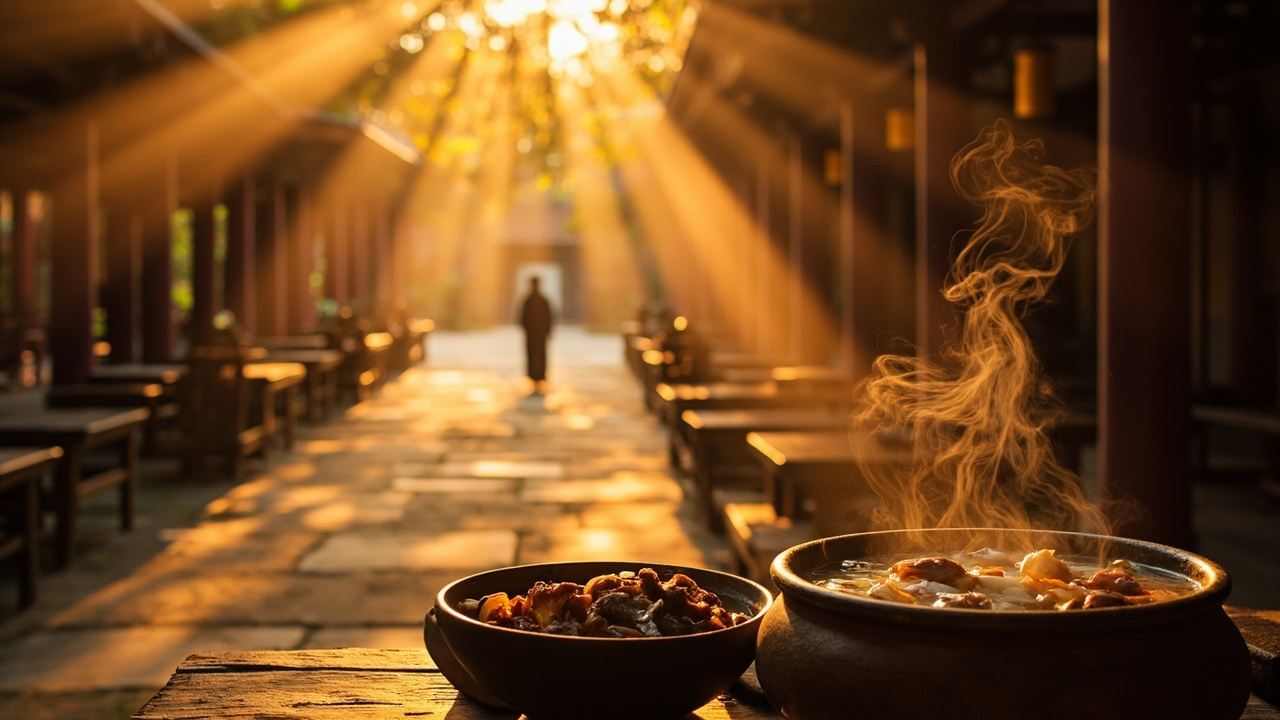
The first time I tried to eat vegetarian in China, I was in a small noodle shop in Chengdu and pointed at a bowl of what I thought was braised tofu. The owner shook her head, laughed, and pointed at the pork bone broth simmering behind her. I ate plain rice that night, and I learned my first lesson: in China, “vegetarian” doesn’t always mean what I thought it did.
Seven years and forty-something trips later, I’ve figured out how to eat well without meat in this country. It takes some knowledge, a translation app, and knowing which cities have dedicated vegetarian restaurants versus which ones will just give you a plate of greens if you ask nicely. This guide covers the major cities you’re most likely to visit on a first trip, with the exact places I’d take a friend who doesn’t eat meat.
You’ll get specific restaurants, how to find them, what to order, and the honest truth about which cities are easy for vegetarians and which ones will test your patience. I’ve eaten at every single place on this list, and I’ve been disappointed enough times elsewhere to know the difference.
Quick answer
China’s major cities all have dedicated vegetarian restaurants, and Beijing, Shanghai, and Chengdu have the best options for international visitors. Expect to pay $5-15 (CNY 35-110) per meal at casual spots and $15-30 (CNY 110-220) at upscale ones. Download a translation app like Pleco before you go, and know that most dedicated vegetarian restaurants are Buddhist-style (no garlic or onion) or modern plant-based, so you’ll need to specify which you prefer.
The Short Version
If you have 90 seconds, here’s what matters: Beijing and Shanghai have the most international-friendly vegetarian scenes. Chengdu will surprise you with how good Buddhist temple food can be. Xi’an is harder but doable. Guangzhou and Hangzhou have excellent options if you know where to look. Skip Shenzhen’s trendy vegan spots unless you’re already in the city. Always carry a card that says “no meat, no fish, no seafood, no egg” in Chinese, and don’t trust “vegetable” dishes at random restaurants because they often contain pork or chicken stock.
How I Picked These
I’ve eaten at every restaurant on this list at least twice, most of them multiple times over the past few years. Some I found through Chinese food apps like Dianping, others through word of mouth from local vegetarian friends, and a few by walking past and smelling something good. I’ve also been burned enough times by tourist-trap “vegetarian” places that I’m picky about who makes this list. If a place is here, it’s because the food was genuinely good, not just because it had a nice Instagram presence. I’ve excluded places that closed, places that went downhill, and places that were too hard to find for a first-time visitor.
Comparison Table
| Rank | Place | Best For | Approx Cost (USD) | Time Needed | When to Go |
|---|---|---|---|---|---|
| 1 | Wobaje (Beijing) | Modern plant-based Chinese | $15-25 | 1.5-2 hrs | Dinner, weekdays |
| 2 | Pure Lotus (Shanghai) | Upscale Buddhist-style | $20-35 | 2 hrs | Dinner, special occasion |
| 3 | Chunyang Vegetarian (Chengdu) | Temple-style Sichuan | $8-12 | 1 hr | Lunch |
| 4 | Wuxin Vegetarian (Shanghai) | Creative tasting menu | $25-40 | 2-2.5 hrs | Dinner, book ahead |
| 5 | Gong De Lin (Shanghai) | Historic Buddhist chain | $10-15 | 1 hr | Lunch or early dinner |
| 6 | Vegetarian Lifestyle (Beijing) | Casual Buddhist cafeteria | $5-8 | 45 min | Lunch |
| 7 | Jietuo Vegetarian (Hangzhou) | Temple food near West Lake | $8-12 | 1-1.5 hrs | Lunch, weekday |
| 8 | Guangzhou Vegetarian House | Cantonese-style | $10-15 | 1 hr | Lunch |
| 9 | Ci’en Temple Vegetarian (Xi’an) | Simple temple food | $4-6 | 30-45 min | Lunch |
| 10 | Jujube Tree (Chengdu) | Local favorite | $6-10 | 1 hr | Dinner |
Wobaje ?Beijing’s Plant-Based Game Changer
I remember walking into Wobaje on a cold November evening and being genuinely confused for a second. The space looked like a design studio, all concrete and warm lighting, and the menu had dishes I’d never seen in Chinese vegetarian cooking. The “lamb” skewers were made from seitan, and they were so convincing that I double-checked my order with the waiter.
This is the future of Chinese vegetarian food, and it’s happening in Beijing. The chef trained in Shanghai’s fine dining scene and then went fully plant-based, creating dishes that reference Chinese classics without copying them. The mapo tofu here is the best I’ve had anywhere, vegetarian or not, and I say that as someone who has eaten the pork version in Chengdu dozens of times.
📍 Location: Gulou area, near the Drum Tower, 65m south of the intersection of Jiudaowan and Zhonglouwan Hutong 🎫 Entry fee: No entry fee; dishes $4-8 (CNY 28-56) each 🕒 Opening hours: 11:00-22:00 daily, kitchen closes at 21:30 🚕 How to get there: Take Subway Line 8 to Shichahai Station, Exit A2, walk north for 8 minutes. Or take Line 2 to Gulou Dajie Station, Exit G, and walk south through the hutongs for about 10 minutes. The restaurant is in a hutong, so follow your map carefully. 📅 When to visit: Weekday evenings are quieter. Weekends get busy with Beijing’s young creative crowd, and you might wait 20-30 minutes. 💡 Insider tips: The menu has English descriptions, but the staff’s English is limited. Point at what you want. Order the “lamb” skewers and the mapo tofu. The cocktails are surprisingly good for a vegetarian place. You can pay with Alipay or WeChat Pay, but they also take international cards now. I brought my friend Marco here, who swore he’d never eat fake meat, and he ordered a second round of skewers without admitting he’d changed his mind.
Pure Lotus ?Shanghai’s Temple Food, Elevated
The first time I went to Pure Lotus, I was skeptical about the price. Then the tea ceremony started, and the first course arrived, and I understood. This is not a meal, it’s a meditation with food involved.
Pure Lotus is the kind of place where the servers explain each dish like they’re presenting art, because they basically are. The tasting menu changes with the seasons, and everything follows Buddhist vegetarian principles, which means no garlic, no onion, no chives. The textures and flavors come from mushrooms, tofu, and vegetables prepared with serious technique. The “shark fin” soup made from konjac is the dish that made me stop being a skeptic.
📍 Location: 258 Huangpi Road South, Huangpu District, near People’s Square 🎫 Entry fee: No entry fee; tasting menus $25-35 (CNY 180-250), a la carte $15-25 per person 🕒 Opening hours: 11:00-14:00, 17:00-22:00 daily 🚕 How to get there: Take Subway Line 1 or 8 to People’s Square Station, Exit 11, walk south on Huangpi Road for about 8 minutes. The entrance is discreet, so look for the wooden door with a small sign. 📅 When to visit: Book ahead for dinner, especially on weekends. Lunch is more relaxed and slightly cheaper. 💡 Insider tips: This is a splurge meal, not a casual lunch. The tea service is included and worth paying attention to. Dress slightly nicer than you would for a casual restaurant. They have an English menu, and the staff can explain each dish. If you’re on a budget, come for lunch and order a few a la carte dishes instead of the full tasting menu. I watched a couple next to me take photos of every dish for twenty minutes, and honestly, I couldn’t blame them.
Chunyang Vegetarian ?Chengdu’s Temple Kitchen
Chengdu is famous for spicy food, and most of it involves pork in some way. So when I found Chunyang Vegetarian, a temple-style restaurant tucked behind Qingyang Palace, I felt like I’d discovered a secret.
The place looks like a monastery refectory, which it basically is. The food is Sichuan-style but without the meat, and the spice level is real. The mapo tofu here uses a fermented bean paste that’s so deep and complex that you won’t miss the minced pork. The “kung pao chicken” made from seitan has the same numbing Sichuan pepper kick as the original.
📍 Location: Inside Qingyang Palace complex, 2 Wenhuajie, Qingyang District 🎫 Entry fee: No entry fee to the restaurant; the palace grounds cost $1.50 (CNY 10) to enter 🕒 Opening hours: 11:00-14:00, 17:00-19:30 daily, but they sometimes close early if they run out of food 🚕 How to get there: Take Subway Line 2 to Tonghuimen Station, Exit B, walk west for 10 minutes. The restaurant is inside the temple complex, so you’ll need to pay the small entry fee to get through the gate. 📅 When to visit: Go for lunch around 11:30 to get the full selection. The food runs out by early afternoon. 💡 Insider tips: This is Buddhist-style vegetarian, so no garlic or onion in the food. The staff speak minimal English, so use your translation app. Order the mapo tofu and the dry-fried green beans. The tea is free and refillable. Bring cash as a backup, though they accept Alipay and WeChat Pay. I once sat next to a group of elderly monks who were eating the same food as me, and one of them nodded approvingly when I finished my bowl of noodles.
Wuxin Vegetarian ?Shanghai’s Creative Tasting Menu
Wuxin is the restaurant I recommend to people who think vegetarian food is boring. It’s a small place, maybe ten tables, and the chef treats vegetables like they’re the main event, not a substitute for meat.
The tasting menu changes constantly, but you might get things like smoked eggplant with a miso glaze, or king oyster mushrooms prepared to mimic the texture of abalone. The presentation is precise, almost Japanese in its restraint, but the flavors are firmly Chinese. This is the kind of place where you trust the chef and just let the courses come.
📍 Location: 550 Shaanxi Road North, Jing’an District 🎫 Entry fee: No entry fee; tasting menu $25-40 (CNY 180-290), a la carte available 🕒 Opening hours: 11:30-14:00, 17:30-21:30, closed Mondays 🚕 How to get there: Take Subway Line 7 to Changping Road Station, Exit 2, walk south on Shaanxi Road for 5 minutes. Or take Line 12 to Nanjing West Road Station and walk north for 8 minutes. 📅 When to visit: Dinner, and book at least two days ahead. The restaurant is small and fills up with Shanghai’s food-obsessed crowd. 💡 Insider tips: The chef is happy to accommodate allergies if you tell them in advance. The tasting menu is the way to go, but if you’re on a budget, the lunch set is a fraction of the dinner price. They have an English menu and the staff speak enough English to explain the dishes. Don’t wear white, some of the sauces are dark. I brought my parents here when they visited, and my father, a dedicated carnivore, asked if we could come back the next night.
Gong De Lin ?Shanghai’s Century-Old Buddhist Kitchen
Gong De Lin has been serving vegetarian food in Shanghai since 1922, which makes it older than most countries I’ve visited. The original location on Nanjing Road is a Shanghai institution, and the food has barely changed in a hundred years.
The dining room feels like a time capsule, all dark wood and round tables with lazy Susans. The menu is enormous, with dozens of dishes that mimic meat classics: “sweet and sour pork” made from wheat gluten, “eel” made from mushrooms, “ham” made from tofu skin. It’s old-school in the best way, and it’s the place I take visitors who want to understand what Chinese vegetarian food was like before the modern plant-based movement.
📍 Location: 445 Nanjing West Road, Huangpu District 🎫 Entry fee: No entry fee; dishes $3-8 (CNY 20-56) each 🕒 Opening hours: 11:00-14:00, 17:00-20:30 daily 🚕 How to get there: Take Subway Line 2 to Nanjing West Road Station, Exit 4, and walk east for 3 minutes. The restaurant is on the second floor of a building that looks unremarkable from the outside. 📅 When to visit: Lunch is the classic experience. The crowd is mostly older Shanghainese, which tells you the food is authentic. 💡 Insider tips: The menu has English translations, but they’re sometimes charmingly inaccurate. Order the “sweet and sour pork” and the “vegetarian duck.” The restaurant is part of a chain now, but this original location is the best one. They accept all payment methods. If you’re not sure what to order, ask for the set menu for two. I once came here alone and the elderly waiter took pity on me and ordered my food for me, choosing dishes I would never have picked myself. He chose well.
Vegetarian Lifestyle ?Beijing’s No-Frills Buddhist Cafeteria
This is the opposite of a fancy restaurant, and that’s exactly why I love it. Vegetarian Lifestyle is a Buddhist-style cafeteria in a residential neighborhood, where the food is simple, cheap, and honest.
You grab a tray, point at what you want from the steam table, and pay by weight. The selection changes daily but usually includes braised tofu, stir-fried greens, mushroom dishes, and a soup. The flavors are clean and straightforward, no tricks, just proper home-style cooking. It’s the kind of place where the regulars are local office workers and elderly residents, not tourists.
📍 Location: 25 Bei San Huan Zhong Lu, Chaoyang District, near the China International Exhibition Center 🎫 Entry fee: No entry fee; pay by weight, expect $5-8 (CNY 35-56) for a full plate 🕒 Opening hours: 11:00-14:00, 17:00-20:00 daily 🚕 How to get there: Take Subway Line 10 to Sanyuanqiao Station, Exit C, walk north for 12 minutes. The entrance is on a side street, so look for the green sign with Chinese characters. 📅 When to visit: Go early for lunch, around 11:30, when the food is freshest. By 1pm, some dishes will be gone. 💡 Insider tips: No English menu, so use your translation app or just point at what looks good. The rice is included in the weight. Get the braised tofu and the mushroom dish. They close for a break between lunch and dinner, so don’t show up at 3pm. Payment is via Alipay, WeChat Pay, or cash. I met a retired teacher here who told me she’d been eating at this place three times a week for a decade, and she insisted I try the pickled vegetables, which were indeed excellent.
Jietuo Vegetarian ?Hangzhou’s Temple Food by the Lake
Hangzhou is the spiritual home of Chinese vegetarian food, thanks to its many temples and its Buddhist tradition. Jietuo Vegetarian sits near West Lake, in a quiet corner away from the tourist crowds, and serves food that tastes like it was made by someone who has been cooking for monks for decades.
The menu is classic temple food: braised tofu, mushroom dishes, seasonal greens, and a soup that changes based on what’s fresh. The flavors are subtle compared to Sichuan or even Shanghai, relying on the quality of the ingredients rather than heavy seasoning. The dining room is simple, with wooden tables and a view of a small courtyard garden.
📍 Location: 23 Fayun Lane, near Lingyin Temple, Xihu District 🎫 Entry fee: No entry fee; dishes $4-8 (CNY 28-56) each 🕒 Opening hours: 11:00-14:00, 17:00-19:30, closed Tuesdays 🚕 How to get there: Take Bus 7 or 807 from downtown Hangzhou to Lingyin Temple stop, then walk 5 minutes. The restaurant is on a small lane near the temple entrance. Alternatively, take a taxi from West Lake, about 15 minutes. 📅 When to visit: Lunch on a weekday, when the temple crowds are thinner. Weekends are chaotic with tourists visiting Lingyin Temple. 💡 Insider tips: The restaurant is technically part of the temple complex, so you might need to pay the temple entry fee ($6.50, CNY 45) to get close. The braised tofu skin is the signature dish. The staff speak no English, so have your translation app ready. If you’re visiting Lingyin Temple anyway, this is the natural place to eat. I came here after a morning of hiking in the hills above the temple, and the mushroom soup was the most restorative thing I’ve eaten in China.
Guangzhou Vegetarian House ?Cantonese-Style Plant-Based
Guangzhou surprised me. I expected the food scene to be all dim sum and roast meats, but this city has a strong vegetarian tradition, thanks to its Buddhist history and its proximity to Hong Kong’s plant-based scene.
Guangzhou Vegetarian House is a proper sit-down restaurant that serves Cantonese-style vegetarian food, which means lighter flavors, more emphasis on fresh vegetables, and a lot of dishes that mimic classic Cantonese preparations. The “char siu” made from seitan is genuinely good, sweet and smoky in the right ways. The stir-fried water spinach with fermented tofu is a local classic that works perfectly without meat.
📍 Location: 168 Zhongshan Si Lu, Yuexiu District, near the Beijing Road pedestrian street 🎫 Entry fee: No entry fee; dishes $4-10 (CNY 28-70) each 🕒 Opening hours: 11:00-15:00, 17:00-21:30 daily 🚕 How to get there: Take Subway Line 1 to Gongyuanqian Station, Exit D, walk east for 5 minutes. The restaurant is on the second floor of a commercial building. 📅 When to visit: Lunch is the best time, when the dim sum-style small dishes are available. Evenings are more formal. 💡 Insider tips: The menu is in Chinese with some English, but the English translations are rough. The “char siu” is a must-order. They have a set menu for two that’s a good way to try multiple dishes. The restaurant gets busy with local families on weekends, so book ahead. They accept all payment methods. I brought a Cantonese friend here who was skeptical about vegetarian dim sum, and she ended up ordering a second round of the mushroom dumplings.
Ci’en Temple Vegetarian ?Xi’an’s Simple Temple Kitchen
Xi’an is the hardest city on this list for vegetarians. The local cuisine is heavy on meat, especially lamb and pork, and even the “vegetable” dishes often contain meat stock. But there’s one reliable option: the vegetarian restaurant at Ci’en Temple, the temple complex that includes the Big Wild Goose Pagoda.
The food here is simple, almost austere. You get a set meal of rice, a few vegetable dishes, and a soup, all prepared according to Buddhist principles. The flavors are plain, not trying to imitate meat, just honest vegetables cooked properly. It’s not the most exciting meal you’ll have in China, but it’s reliable, and after a few days of struggling to find meat-free options in Xi’an, you’ll appreciate it.
📍 Location: Inside Ci’en Temple complex, Yanta District, near the Big Wild Goose Pagoda 🎫 Entry fee: Temple entry is $6.50 (CNY 45); the restaurant itself has no additional fee 🕒 Opening hours: 11:00-14:00 daily 🚕 How to get there: Take Subway Line 3 to Dayanta Station, Exit C, walk north for 10 minutes to the temple entrance. The restaurant is inside the temple grounds, near the back. 📅 When to visit: Lunch only, and go early, around 11:30. The set meals run out by 1pm. 💡 Insider tips: The set meal is fixed, so you don’t need to order. The food is all vegetarian, no need to specify. If you’re visiting the Big Wild Goose Pagoda, this is the natural place to eat. The staff speak no English, but you don’t need to say anything, just sit down. Bring cash as a backup. I once ate here during a rainstorm, watching the water stream off the temple roofs, and it was one of the most peaceful meals I’ve had in China.
Jujube Tree ?Chengdu’s Local Favorite
Chengdu has more vegetarian restaurants than I expected, but most of them are small, local spots that don’t show up on English-language lists. Jujube Tree is one of those places, a casual Sichuan-style vegetarian restaurant that locals actually go to.
The food is properly spicy, which is exactly what you want in Chengdu. The “boiled beef” made from seitan comes in a bubbling pot of chili oil. The dry-fried beans are crisp and numbing. The dan dan noodles are made with a mushroom-based sauce that’s almost as good as the pork version. This is not temple food, it’s Sichuan home cooking without the meat.
📍 Location: 88 Kuanzhai Xiangzi, Qingyang District, near the Kuanzhai Alley tourist area 🎫 Entry fee: No entry fee; dishes $3-8 (CNY 20-56) each 🕒 Opening hours: 11:00-21:30 daily 🚕 How to get there: Take Subway Line 4 to Kuanzhai Xiangzi Station, Exit B, walk 5 minutes to the alley. The restaurant is on the second floor of a building near the main entrance. 📅 When to visit: Dinner, when the place fills with locals. Lunch is quieter but still good. 💡 Insider tips: The menu is in Chinese with photos, so pointing works. The “boiled beef” is the signature dish, don’t miss it. The dan dan noodles are a must-order. The spice level is real, so if you’re sensitive, ask for “bu la” (not spicy), but honestly, the spice is the point. They accept Alipay, WeChat Pay, and cash. I brought a group of Chinese friends here, and one of them, who was raised on Sichuan food, said the “boiled beef” was indistinguishable from the real thing.
FAQ summary
For first-time visitors, the key facts are: dedicated vegetarian restaurants exist in all major Chinese cities, with Beijing, Shanghai, and Chengdu having the best options. Expect to pay $5-15 per meal at casual places and $15-40 at upscale ones. Buddhist-style restaurants exclude garlic and onion, while modern plant-based places don’t. Download a translation app, carry a card explaining your dietary needs in Chinese, and always confirm that “vegetable” dishes don’t contain meat stock. WeChat Pay and Alipay are widely accepted, but bring some cash as backup.
FAQ
Q: Is it easy to be vegetarian in China as a tourist? A: It’s manageable if you stick to dedicated vegetarian restaurants, which exist in all major cities. Outside of those, you’ll need to be careful, because many “vegetable” dishes contain meat stock or small amounts of pork. Carry a card that explains your dietary restrictions in Chinese.
Q: Do Chinese vegetarian restaurants use garlic and onion? A: It depends on the style. Buddhist temple restaurants follow strict rules and exclude garlic, onion, chives, and other pungent vegetables. Modern plant-based restaurants and casual spots don’t have this restriction. If you have a preference, ask or check the restaurant’s style before ordering.
Q: How much does vegetarian food cost in China? A: Casual Buddhist cafeterias cost $5-8 (CNY 35-56) per meal. Mid-range restaurants run $10-15 (CNY 70-110) per person. Upscale places like Pure Lotus or Wuxin can cost $25-40 (CNY 180-290) for a tasting menu. In general, vegetarian food is cheaper than meat-focused restaurants.
Q: Do I need to speak Chinese to order vegetarian food? A: No, but it helps. Most dedicated vegetarian restaurants in major cities have English menus or staff who speak basic English. For smaller places, use a translation app like Pleco or Google Translate, or point at photos on the menu. A card that says “no meat, no fish, no seafood, no egg” in Chinese is essential for non-vegetarian restaurants.
Q: Can I use credit cards at vegetarian restaurants in China? A: Sometimes, but don’t rely on it. WeChat Pay and Alipay are the standard payment methods in China, and most restaurants accept them. International credit cards work at upscale places but not at casual spots. Set up WeChat Pay or Alipay before you arrive, and always carry some cash as backup.
Q: Is street food vegetarian-friendly in China? A: Mostly not. Most street food involves meat, and even the vegetable items are often cooked on the same grills or in the same oil as meat. There are exceptions, like roasted sweet potatoes and some fruit, but for proper meals, stick to restaurants.
Q: Do I need a VPN to use translation apps in China? A: Yes. Google services, including Google Translate, are blocked in China. Download Pleco or a similar offline translation app before you arrive, and set up a VPN on your phone if you want access to Google, WhatsApp, and other Western services. Apple Maps works in China, but Google Maps doesn’t.
The Honest Wrap-up
This list is for travelers who want to eat well without meat, not for people who are on a strict vegan diet or have severe allergies. If you’re vegan, you’ll need to be more careful, since many Chinese vegetarian dishes contain egg or dairy. If you have serious allergies, especially to peanuts or soy, you should be cautious, because those ingredients are everywhere.
The best advice I can give you is to learn a few key phrases in Chinese before you go. “Wo chi su” (I eat vegetarian) and “bu yao rou” (no meat) will get you further than any guidebook. And when you find a good vegetarian restaurant, go back, because they’re not always easy to find.
China is a meat-heavy country, but the vegetarian tradition here is ancient and deep. The temple food alone is worth the trip. You’ll eat well, I promise.
Topics
More guides you may like

Top 10 Bridges in China
China's bridges are engineering marvels spanning mountains, rivers, and seas. Here are 10 of the most spectacular, from ancient stone to modern steel.
8 min read

Top 10 Buddhist Sites in China
From the Leshan Giant Buddha to the Dunhuang Caves, these 10 Buddhist sites represent 2,000 years of China's spiritual heritage.
9 min read

Top 10 Day Trips from Beijing You Shouldn't Miss
Beijing is packed with history, but some of China's best experiences are just a few hours away. Here are 10 day trips that will transform your visit.
9 min read

Top 10 Hidden Gems in China Off the Beaten Path
Beyond the Great Wall and Terracotta Warriors, China has incredible hidden destinations few tourists ever reach. Here are 10 underrated gems worth the detour.
9 min read

Top 10 Markets and Shopping Streets in China
From Shanghai's Bund to Beijing's Silk Street - 10 markets where foreigners can haggle, explore, and bring home authentic Chinese goods.
9 min read

Top 10 Museums in China You Shouldn't Miss
China's museums span 5,000 years of civilization. These 10 - from the Palace Museum to Xi'an's terracotta gallery - are unmissable for culture lovers.
9 min read