
Best China Coffee Shops Shanghai Beijing 2026: The Complete 2026 Guide
The first time I really understood coffee in China was in a tiny, steamy shop in Shanghai’s French Concession.
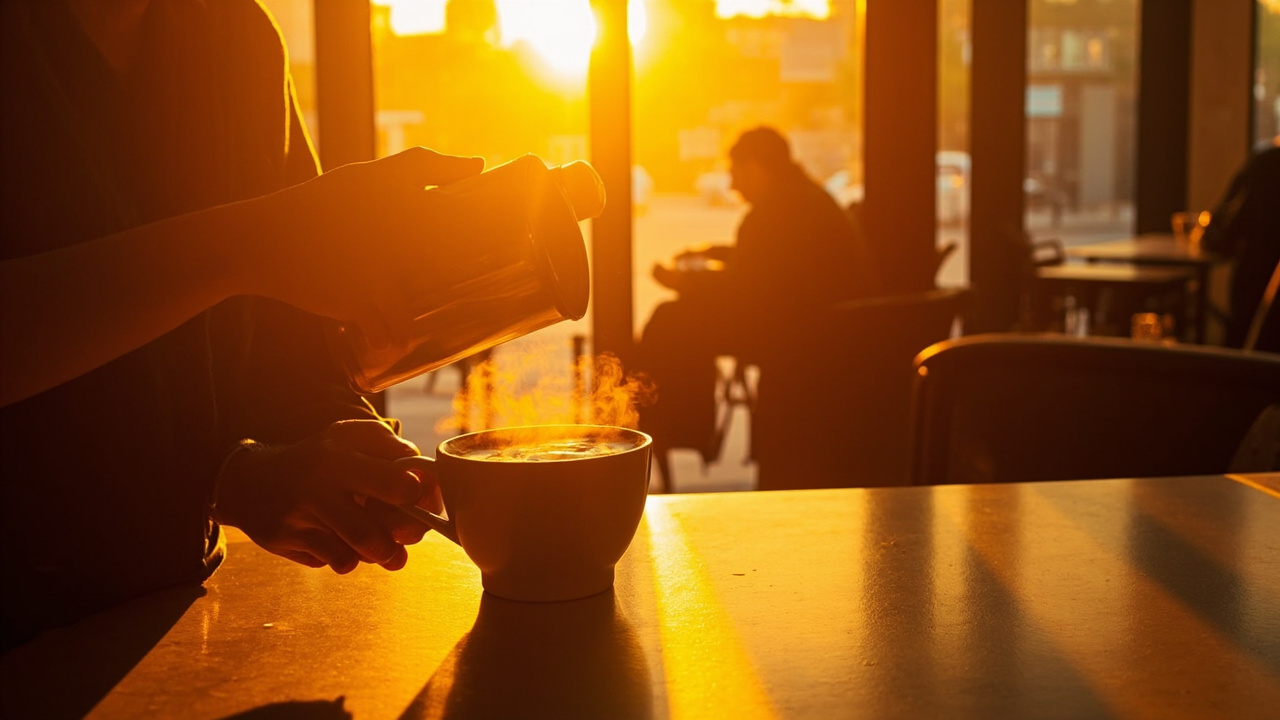
The first time I really understood coffee in China was in a tiny, steamy shop in Shanghai’s French Concession. I’d ordered a flat white, expecting the watery stuff I’d had at a hotel buffet the day before. Instead, the barista—a guy named Chen who’d just come back from Melbourne—handed me a cup with perfect rosetta art and beans that tasted of blueberries and dark chocolate. A Chinese pop song played softly. Outside, an elderly woman was selling jianbing from a cart. That moment—third-wave coffee colliding with a city that’s been drinking tea for five thousand years—is what this guide is about.
China’s coffee scene has exploded in the last decade. It’s not a novelty anymore; it’s a full-blown culture. In Shanghai and Beijing, you’ll find everything from $10 (¥70) pour-overs to $2 (¥14) takeaway lattes from domestic chains like Luckin. For a first-time visitor, navigating this scene can be overwhelming. The apps are in Chinese, the payment systems are different, and the good places are often hidden down alleys that don’t show up on Google Maps.
This guide is the result of seven years of drinking my way through both cities. I’ve included the places I actually go back to, not just the ones with pretty Instagram feeds. I’ll tell you exactly how to get there, what to order, and how to pay, so you can spend less time figuring out logistics and more time enjoying your coffee.
Quick answer
The best coffee cities in China are Shanghai and Beijing, and the specialty coffee scene is world-class, with prices ranging from $4–8 (¥30–60) per drink. For first-time visitors in 2026, the 15-day visa-free policy for citizens of 54 countries makes a trip easier than ever, and you can pay for everything with Alipay or WeChat Pay once you’ve linked a foreign card. Start in Shanghai’s former French Concession for the densest concentration of excellent cafes, then head to Beijing for courtyard coffee shops that blend history with modern brewing.
The Short Version
If you only have 90 seconds, here’s the deal: Shanghai has better coffee overall, with more variety and a more serious specialty scene. Beijing has more atmospheric settings—think Ming Dynasty courtyard walls and hutong rooftops. My top picks are Manner Coffee for a reliable, cheap daily cup, O.P.S. Cafe in Shanghai for a tasting experience you can’t get anywhere else, and Soloist Coffee Co. in Beijing for the courtyard vibe. Don’t bother with Starbucks Reserve; it’s fine, but you didn’t fly 13 hours for fine. Download Alipay before you arrive, link your card, and you’re set.
How I Picked These
I’ve lived in Beijing since 2018 and I’m in Shanghai at least once a month. I’ve visited every single place on this list in the past 12 months, most of them multiple times. I’ve also had a lot of bad coffee so you don’t have to. I talked to baristas, roasters, and other foreigners who’ve been here longer than me. I looked for places that do something genuinely well—whether that’s roasting, brewing, or just creating a space where you actually want to sit for two hours. I skipped the chains you can find anywhere, and I’ve flagged the tourist traps. Prices are approximate for 2026, based on my last visits and what I’ve seen on menus.
Comparison Table
| Rank | Place | Best For | Approx Cost (USD) | Time Needed | When to Go |
|---|---|---|---|---|---|
| 1 | O.P.S. Cafe | Signature tasting menu | $8–12 (¥60–85) | 30–45 min | Weekday mornings |
| 2 | Manner Coffee (multiple) | Daily cheap excellent coffee | $3–5 (¥20–35) | 10–15 min | Any time |
| 3 | M Stand | Stylish setting, solid drinks | $5–7 (¥35–50) | 30–60 min | Afternoon, weekdays |
| 4 | % Arabica (Beijing) | Great view, minimalist design | $6–8 (¥45–60) | 30–45 min | Clear days, late afternoon |
| 5 | Soloist Coffee Co. | Historic courtyard atmosphere | $6–9 (¥45–65) | 60–90 min | Sunny mornings |
| 6 | Metal Hands (Tie Shou) | Classic Chinese specialty pioneer | $5–7 (¥35–50) | 45–60 min | Any time |
| 7 | A.omen Cafe | Hidden gem, quiet workspace | $4–6 (¥30–45) | 60+ min | Weekday afternoons |
| 8 | C5 Cafe | Minimalist gallery-cafe | $5–7 (¥35–50) | 45–60 min | Late morning |
| 9 | Seesaw Coffee | Reliable chain, good for meetings | $5–7 (¥35–50) | 30–45 min | Morning |
| 10 | Berry Beans | Rooftop hutong views | $5–8 (¥35–55) | 60 min | Late afternoon, sunset |
1. O.P.S. Cafe — The Tasting Menu That Changed My Mind
I remember standing in line outside O.P.S. in the rain, wondering if I’d made a mistake. The menu was a list of numbered drinks with descriptions like “whisky barrel-aged coffee, plum, osmanthus.” It felt more like a cocktail bar than a coffee shop. Then I tried No. 5, and I understood. This isn’t just coffee; it’s a tasting experience, with each drink crafted like a piece of theater.
They only serve a limited number of drinks per day, and you order by number, not name. The baristas explain each one as they hand it to you, usually in Chinese and English. The flavors are genuinely surprising—I had one with a smoky, almost savory profile that I still think about months later.
- Location: 309 Nanchang Road, Huangpu District (near the French Concession border).
- Entry fee: Free to enter, but you must order a drink ($8–12 / ¥60–85).
- Opening hours: Roughly 11:00 AM–8:00 PM, closed Mondays. Hours change seasonally, so check their WeChat account.
- How to get there: Take Metro Line 10 to Xintiandi Station, Exit 5. Walk south on Madang Road for about 8 minutes, then turn left on Nanchang Road. It’s a small storefront, easy to miss. Look for the line.
- ?When to visit: Weekday mornings right at opening, before the queue builds. Weekends can be a 45-minute wait.
- Insider tips:
- You can’t sit inside; it’s a standing-room-only counter. Don’t plan to work here.
- Order the “seasonal special” even if it sounds weird. That’s where they experiment.
- Bring your passport if you want to take photos; some staff ask for ID for their photo contest.
- They only accept Alipay or WeChat Pay, no cash or cards.
- I tried a drink with a hint of hawthorn berry, a flavor I’d only ever had in Chinese candy, and it worked perfectly with the espresso.
2. Manner Coffee — The $3 Cup That Beats Most $6 Cups
Manner is everywhere in Shanghai now, and I was skeptical at first. A chain that cheap? But then I watched a barista at the Jing’an location weigh the grounds, time the shot, and steam the milk with more care than some boutique shops. The quality is consistent, and that’s rarer than you’d think in China.
Their signature is the flat white, which costs about $3.50 (¥25). The beans rotate, but they’re always roasted in-house. The stores are small—many are just a counter with a few stools—but that’s part of the charm. It’s coffee for people who actually drink coffee, not for people who want a photo backdrop.
- Location: Multiple locations; the original is at 300 Nanyang Road, Jing’an District.
- Entry fee: Free to enter, obviously. Drinks are $3–5 (¥20–35).
- Opening hours: Most locations open 8:00 AM–8:00 PM, daily.
- How to get there: For the Nanyang Road original, take Line 2 to Jing’an Temple Station, Exit 1, and walk north for 5 minutes. It’s on the corner of Nanyang and Xikang Roads.
- ?When to visit: Any time. The line moves fast. Go in the morning for the best pastries, which are also surprisingly good.
- Insider tips:
- Bring your own cup and get a discount (about $0.50 / ¥4 off).
- Their oat milk latte is the best non-dairy option in the city.
- The “dirty” coffee (cold milk, hot espresso) is a local favorite; it’s not on the English menu, so just ask for “dirty.”
- You can buy their beans to take home; they’re vacuum-sealed and travel well.
- The barista at the Nanyang Road shop, a young woman named Xiao Yu, told me she’d learned to make coffee from a YouTube video, then practiced for a year before applying to Manner.
3. M Stand — Where the Coffee Is Almost as Good as the Interior
M Stand is the place you go when you want to feel like you’re in a design magazine. The Shanghai flagship on Huaihai Road has concrete walls, curved arches, and these weirdly comfortable sculptural chairs. The drinks are solid, not mind-blowing, but the space makes everything taste better.
I’m not usually one for “concept” cafes, but M Stand gets it right. The signature drink is a “cement latte” with activated charcoal, which sounds gimmicky but actually tastes like a smooth, slightly earthy latte. The pastries are also excellent; the croissants are properly flaky, which is rarer than it should be in China.
- Location: 300 Huaihai Middle Road, Huangpu District.
- Entry fee: Free to enter; drinks $5–7 (¥35–50).
- Opening hours: 9:00 AM–10:00 PM, daily.
- How to get there: Take Line 1 to South Huangpi Road Station, Exit 3. Walk east on Huaihai Road for 3 minutes. The entrance is set back from the street, behind a small courtyard.
- ?When to visit: Weekday afternoons are quiet. Weekends are packed with people taking photos, which is fine, but you won’t get a seat.
- Insider tips:
- The second floor has a quieter seating area that most tourists don’t find.
- Try the “dirty” here too; it’s different from Manner’s and worth comparing.
- They have a loyalty program via WeChat, but it’s not worth the hassle for a short visit.
- The bathroom code is on the receipt; don’t lose it.
- I once sat here for three hours working, and the staff refilled my water twice without me asking. That never happens in Beijing.
4. % Arabica — The View Is the Main Course
% Arabica is a Japanese chain, but the Beijing location on the top floor of the Sanlitun Taikoo Li shopping complex has one of the best views in the city. You look out over the hutong rooftops of the old city, with the modern towers of CBD in the distance. It’s a visual metaphor for Beijing itself.
The coffee is good, not great. The signature Spanish latte is sweet and creamy, and the Kyoto latte is a solid choice. But you’re here for the view and the minimalist white-and-wood design that makes every photo look like it was taken by a professional. It’s a tourist spot, sure, but it’s a good one.
- Location: 4th floor, Taikoo Li Sanlitun, Chaoyang District.
- Entry fee: Free to enter; drinks $6–8 (¥45–60).
- Opening hours: 10:00 AM–10:00 PM, daily.
- How to get there: Take Line 10 to Tuanjiehu Station, Exit D, and walk west for 10 minutes. Or take a taxi; just say “Sanlitun Taikoo Li” and the driver will know. The cafe is on the 4th floor, near the north end of the complex.
- ?When to visit: On a clear day, late afternoon, when the light is golden. Avoid weekends.
- Insider tips:
- The outdoor terrace is small; grab a spot early.
- They have a photo spot with a fake window frame that everyone uses; it’s actually a great angle.
- The matcha latte is better than the coffee here, honestly.
- You can buy their branded cups and beans as souvenirs; they’re lightweight and pack well.
- The security guard on my floor, an older man named Zhang, told me he’d never tried the coffee because it was too expensive. I bought him one. He said it was “okay.”
5. Soloist Coffee Co. — Coffee in a Ming Dynasty Courtyard
Soloist is hidden in a hutong in Beijing’s Qianmen area, behind a door that looks like it leads to someone’s home. Inside, it’s a traditional siheyuan courtyard, with old wooden beams, a glass roof, and a mix of vintage furniture that feels like a museum of mid-century design. The coffee is serious—they roast their own beans and offer a rotating single-origin menu.
This is the place I bring visitors who want to understand Beijing’s coffee culture. It’s not just about the drink; it’s about the space, the history, and the deliberate slowness of it all. The baristas are knowledgeable and happy to explain the beans, usually in English if you ask.
- Location: 78 Yangmeizhu Xiejie, Xicheng District.
- Entry fee: Free to enter; drinks $6–9 (¥45–65).
- Opening hours: 10:00 AM–8:00 PM, daily.
- How to get there: Take Line 2 to Qianmen Station, Exit C. Walk south on Qianmen Street for 5 minutes, then turn right into Yangmeizhu Xiejie. The cafe is about 200 meters down on the left. Look for the small wooden sign.
- ?When to visit: Sunny mornings, when the courtyard light is at its best. It gets crowded on weekends.
- Insider tips:
- The upstairs seating area has a great view of the courtyard and the hutong rooftops.
- They have a “coffee tasting flight” if you want to try three different beans.
- The courtyard is open to the public even if you don’t buy anything, but it’s polite to order.
- Ask for the beans roasted in-house; they’re usually the best value.
- I once watched a group of elderly Chinese men playing chess in the courtyard while a young barista made a pour-over. It was the most Beijing moment I’ve ever experienced.
6. Metal Hands (Tie Shou) — The Pioneer That Still Delivers
Metal Hands, or Tie Shou in Chinese, is one of the original specialty coffee shops in Beijing. They opened their first location in 2014, when the scene was still tiny, and they’ve been consistently good ever since. The original location on Wudaoying Hutong is small and unpretentious, with a few tables and a counter where you can watch the baristas work.
Their signature drink is the “Dirty” coffee, which they claim to have invented (or at least popularized) in China. It’s a shot of espresso over cold milk, and it’s genuinely excellent. They also do a great pour-over, with beans from their own roastery in the suburbs.
- Location: 61 Wudaoying Hutong, Dongcheng District.
- Entry fee: Free to enter; drinks $5–7 (¥35–50).
- Opening hours: 9:00 AM–9:00 PM, daily.
- How to get there: Take Line 2 to Andingmen Station, Exit B, and walk south for 5 minutes. Wudaoying Hutong is on your right. The cafe is about 150 meters down on the left.
- ?When to visit: Weekday mornings, before the hutong gets busy with tourists.
- Insider tips:
- The “Dirty” is best drunk immediately, before the layers mix.
- They have a second location in the 798 Art District, which is less crowded.
- The baristas are happy to chat about coffee, but their English is limited; a translation app helps.
- Try their seasonal special, which changes monthly.
- I asked the barista how they got the name “Metal Hands,” and he shrugged and said, “Because our hands are strong from carrying beans.” I’m still not sure if he was joking.
7. A.omen Cafe — The Hidden Gem You’ll Have to Find
A.omen is the kind of place you stumble upon by accident and then never want to leave. It’s in a residential compound in Beijing’s Chaoyang District, down a path that looks like it leads to a parking garage. Inside, it’s a warm, wood-paneled space with a few tables, a shelf of books, and a cat that may or may not be in the mood for attention.
The coffee is excellent, with a focus on light-roasted single origins. The barista, a quiet guy named Li, roasts the beans himself in a small roaster in the back. He’s happy to talk about his process, but only if you show genuine interest. This is not a place for people who want to take photos of their latte art; it’s a place for people who want to drink good coffee in peace.
- Location: Inside the Jintai International Residential Compound, 2 Jintai Road, Chaoyang District.
- Entry fee: Free to enter; drinks $4–6 (¥30–45).
- Opening hours: 11:00 AM–7:00 PM, closed Tuesdays.
- How to get there: Take Line 14 to Jintai Luzhao Station, Exit B, and walk north for 5 minutes. Enter the compound through the main gate (tell the guard you’re going to the coffee shop) and look for the small sign on the left.
- ?When to visit: Weekday afternoons, when it’s quiet. It can be hard to find a seat on weekends.
- Insider tips:
- The cat, named “Mocha,” is friendly but doesn’t like being picked up.
- Li roasts beans every Tuesday; the fresh roast is noticeably better.
- They don’t have a menu in English, so use a translation app or just ask for a “pour-over.”
- Bring cash; they sometimes have issues with card payments.
- I spent an entire afternoon here once, reading a book and drinking three cups of coffee. Li didn’t rush me, and when I left, he nodded and said, “See you tomorrow.” I didn’t go the next day, but I wish I had.
8. C5 Cafe — Minimalism in a Former Garage
C5 Cafe is tucked away in a former garage in Shanghai’s Jing’an District, behind a metal door that’s easy to miss. Inside, it’s all white walls, concrete floors, and a few carefully placed plants. The menu is short, the coffee is good, and the atmosphere is almost meditative.
This is the place to go when you need a break from the sensory overload of Shanghai. It’s quiet, calm, and the staff are unobtrusive. The coffee is solid, but the space is the real draw. It feels like a gallery that happens to serve drinks.
- Location: 888 Kangding Road, Jing’an District.
- Entry fee: Free to enter; drinks $5–7 (¥35–50).
- Opening hours: 10:00 AM–6:00 PM, daily.
- How to get there: Take Line 7 to Changping Road Station, Exit 4, and walk south for 8 minutes. The entrance is on Kangding Road, behind a black metal gate.
- ?When to visit: Late morning, when the light comes through the skylights.
- Insider tips:
- The entrance is easy to miss; look for the small “C5” sign on the gate.
- They have a small selection of pastries, but they sell out quickly.
- The staff speak some English and are happy to recommend drinks.
- There’s a small gallery space in the back that changes exhibits monthly.
- I once sat here for an hour, and the only sound was the hiss of the espresso machine and the occasional car passing outside. It was the most peaceful hour I spent in Shanghai.
9. Seesaw Coffee — The Reliable Chain That Doesn’t Disappoint
Seesaw is a chain, but it’s a good chain, the kind you’d be happy to find in any city. They have locations all over Shanghai and a few in Beijing, and the quality is consistently high. The beans are roasted in-house, and they offer a rotating selection of single origins.
This is my go-to for a reliable cup when I’m in a neighborhood I don’t know. The stores are clean, the staff are friendly, and the Wi-Fi is fast. It’s not a destination, but it’s a dependable choice.
- Location: Multiple locations; the flagship is at 433 Yanping Road, Jing’an District.
- Entry fee: Free to enter; drinks $5–7 (¥35–50).
- Opening hours: 8:00 AM–8:00 PM, daily.
- How to get there: For the Yanping Road location, take Line 1 to Changping Road Station, Exit 2, and walk north for 5 minutes.
- ?When to visit: Any time; it’s never too crowded.
- Insider tips:
- They have a “coffee passport” app that gives you a free drink after 10 purchases; it’s worth setting up if you’re here for a while.
- The cold brew is excellent and comes in a cute bottle you can keep.
- They have a few food options, including a decent avocado toast.
- The staff are used to foreigners and will switch to English if you’re struggling.
- I met a freelance writer here who told me she’d been coming to the same Seesaw for three years, and the baristas knew her order before she said it.
10. Berry Beans — Rooftop Coffee in the Hutongs
Berry Beans is a small cafe in a hutong near Qianmen in Beijing, and it’s famous for one thing: the rooftop. You climb a narrow, steep staircase to a small terrace with a few tables and a view over the gray-tiled roofs of the old city. It’s the kind of view that makes you want to stay until sunset.
The coffee is decent, but you’re here for the experience. The signature drink is a “black sugar latte,” which is sweet and comforting. The rooftop has only a few tables, so it’s a gamble, but when you get a spot, it’s magical.
- Location: 3 Zhubao Shi Hutong, Xicheng District.
- Entry fee: Free to enter; drinks $5–8 (¥35–55).
- Opening hours: 10:00 AM–8:00 PM, daily.
- How to get there: Take Line 2 to Qianmen Station, Exit C, and walk south on Qianmen Street for 5 minutes. Turn left into Zhubao Shi Hutong; the cafe is about 100 meters down on the right.
- ?When to visit: Late afternoon, for the golden hour light. Avoid weekends if you can.
- Insider tips:
- The rooftop is small, so go early or be prepared to wait.
- The stairs are steep and narrow; wear sensible shoes.
- The black sugar latte is sweet; if you don’t like sweet coffee, get a pour-over instead.
- There’s a second, larger location in the 798 Art District with a bigger rooftop.
- I watched a couple take wedding photos on the rooftop while I sipped my latte. The photographer kept asking them to “look natural,” which made them look anything but.
FAQ summary
For first-time visitors to China in 2026, the coffee scene in Shanghai and Beijing is world-class and affordable, with specialty drinks averaging $4–8 (¥30–60). Pay with Alipay or WeChat Pay, which you can link to a foreign credit card before you arrive. Download a VPN before you travel, as Google Maps, Instagram, and many Western websites are blocked. The 15-day visa-free policy for citizens of 54 countries simplifies travel, but check the latest rules with your local Chinese embassy before booking.
FAQ
Q: Do I need a VPN to use Google Maps and Instagram in China? A: Yes. Google services, Instagram, and many Western websites are blocked. Download a reliable VPN (like Astrill or ExpressVPN) and test it before you arrive. You’ll also want to download offline maps for Shanghai and Beijing, just in case.
Q: Can I use my credit card to pay for coffee in China? A: Not usually. Most cafes, even specialty ones, only accept Alipay or WeChat Pay. Link your foreign credit card to Alipay before you leave home; it’s straightforward and works for most transactions. Keep some cash (¥100–200) as a backup for small shops.
Q: Is the water safe to drink in China? A: No. Tap water is not safe to drink. Most cafes use filtered water for their coffee, so you’re fine ordering drinks. For water, buy bottled water or use a refillable bottle with a filter. All the cafes on this list use filtered water.
Q: Do baristas in China speak English? A: In the specialty coffee shops in Shanghai and Beijing, you’ll find at least one staff member who speaks some English. In smaller or more local shops, you may need a translation app. I recommend downloading Pleco or Google Translate (with the Chinese language pack downloaded offline).
Q: What’s the best way to get around Shanghai and Beijing for coffee hopping? A: The metro is the best option. It’s cheap, efficient, and has English signage. Buy a transit card or use the Alipay “Transport” function. Taxis and ride-hailing apps like Didi are also good, but traffic can be brutal, especially in Beijing.
Q: Are there vegan or dairy-free milk options at these coffee shops? A: Yes. Oat milk, soy milk, and almond milk are widely available at specialty cafes. Manner, M Stand, and % Arabica all have non-dairy options. It might cost an extra $0.50–1 (¥4–7), but it’s standard.
Q: Is it safe to drink coffee from street vendors or small chains? A: Generally, yes. China has strict food safety laws, and even small shops are regularly inspected. That said, stick to places that look busy and clean. I’ve never had a problem, but I also avoid places that look like they haven’t cleaned their espresso machine in a while.
The Honest Wrap-up
This list is for people who care about coffee, but it’s also for people who care about the experience of being in China. The best coffee shops here aren’t just places to get a caffeine fix; they’re windows into a culture that’s changing faster than almost anywhere else on earth. You’ll sit in a Ming Dynasty courtyard and drink a pour-over made by a kid who learned his craft in Melbourne. You’ll pay with your phone and watch an elderly woman pay for her tea with a paper note. That contrast is the whole point.
If you only have time for one shop in each city, make it O.P.S. in Shanghai and Soloist in Beijing. If you have more time, wander. The best coffee I’ve had in China was often in places I found by accident, not by list. And one final piece of advice: order the “dirty” coffee at least once. It’s a Chinese invention, and it’s delicious.
Topics
More guides you may like
Top 10 Bridges in China
China's bridges are engineering marvels spanning mountains, rivers, and seas. Here are 10 of the most spectacular, from ancient stone to modern steel.
8 min read

Top 10 Buddhist Sites in China
From the Leshan Giant Buddha to the Dunhuang Caves, these 10 Buddhist sites represent 2,000 years of China's spiritual heritage.
9 min read
Top 10 Day Trips from Beijing You Shouldn't Miss
Beijing is packed with history, but some of China's best experiences are just a few hours away. Here are 10 day trips that will transform your visit.
9 min read
Top 10 Hidden Gems in China Off the Beaten Path
Beyond the Great Wall and Terracotta Warriors, China has incredible hidden destinations few tourists ever reach. Here are 10 underrated gems worth the detour.
9 min read
Top 10 Markets and Shopping Streets in China
From Shanghai's Bund to Beijing's Silk Street - 10 markets where foreigners can haggle, explore, and bring home authentic Chinese goods.
9 min read
Top 10 Museums in China You Shouldn't Miss
China's museums span 5,000 years of civilization. These 10 - from the Palace Museum to Xi'an's terracotta gallery - are unmissable for culture lovers.
9 min read